Maximizing your residency match potential starts long before ERAS opens. The choices you make during your core and elective Clinical Rotations can directly shape how program directors view your application, how strong your letters of recommendation are, and how clearly your career story comes across.
This guide walks through best practices for choosing and sequencing Clinical Rotations to support Career Development, highlight your strengths, and improve your chances in the Residency Match. You’ll find specific strategies, examples, and checklists you can apply immediately as you plan your fourth year and any away rotations.
Understanding How Clinical Rotations Influence the Residency Match
Before selecting rotations, you need a clear picture of how programs evaluate applicants and how your clinical experiences fit into that framework.
What Residency Programs Look For
Residency programs don’t view rotations as simple checkboxes. They evaluate how your experiences demonstrate:
Clinical competence and professionalism
Are you ready to function as an intern? Do your evaluations and narratives describe you as reliable, teachable, and safe?
Programs look for:- Strong performance on core clerkships
- Growth over time in responsibility and independence
- Positive comments about communication, teamwork, and work ethic
Diversity and depth of clinical experience
Programs value applicants who:- Have rotated through a range of specialties and practice settings
- Show depth in their chosen specialty (e.g., focused electives, sub-internships)
- Understand the continuum of care (inpatient, outpatient, emergency, consults)
Fit with the specialty and program
Your rotation choices communicate:- Your seriousness about a specialty (e.g., advanced electives, sub-Is, related subspecialties)
- Your understanding of the specialty’s day-to-day reality
- Your match to the program’s patient population or mission (e.g., community vs academic, underserved care, research-intensive)
Professional relationships and Networking in Medicine
Strong letters often come from:- Sub-internships or advanced rotations in your target specialty
- Faculty who have seen you manage patients over time
- Away rotations at programs where you’re applying
Understanding this landscape makes it easier to design a clinical year that supports both your learning and your match strategy.
1. Align Clinical Rotations with Clear (or Evolving) Career Goals
Thoughtful Career Development in medicine starts with honest self-assessment, then pairing your interests with strategic Clinical Rotations.
If You Already Have a Target Specialty
If you’re reasonably sure of your specialty interest by late third year:
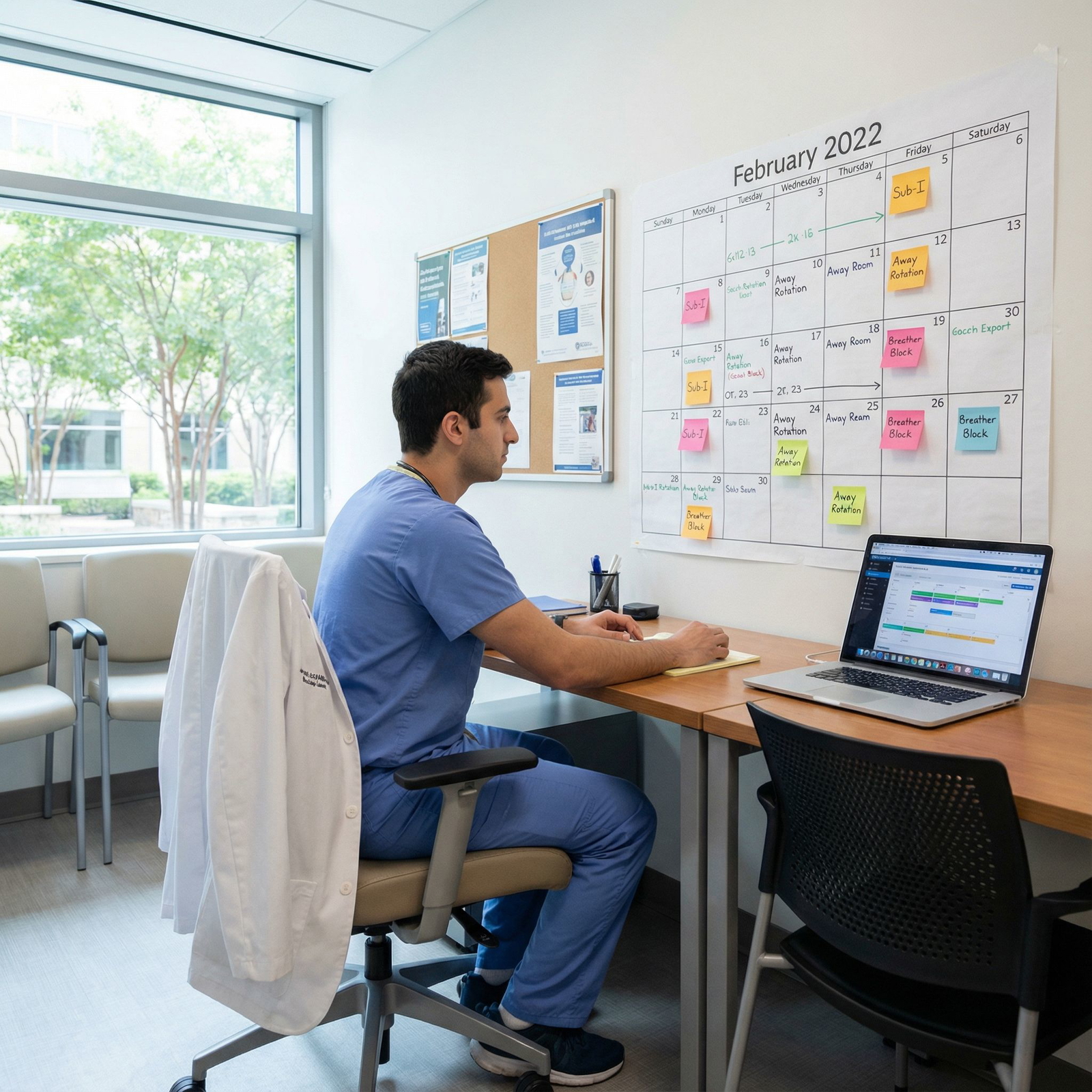
Prioritize early sub-internships (sub-Is) or acting internships
- Schedule at least one sub-I in your chosen specialty by early-to-mid fourth year.
- Consider a second sub-I (either at your home institution or away) to deepen experience and generate additional letters.
- For internal medicine, this might be a general medicine ward sub-I and then a subspecialty like cardiology or oncology.
Choose electives that build a coherent clinical narrative
Select rotations that complement your specialty:- Aspiring surgeons: general surgery, trauma, surgical ICU, orthopedics, vascular, anesthesia (for perioperative care).
- Aspiring internists: cardiology, nephrology, infectious diseases, pulmonary/critical care, geriatrics.
- Aspiring pediatricians: NICU, PICU, pediatric subspecialty clinics, adolescent medicine.
- Aspiring psychiatrists: inpatient psych, addiction medicine, consult-liaison psychiatry, neurology.
This clustering of related experiences signals commitment and helps you speak convincingly about your specialty during interviews.
If You Are Still Exploring
Undecided students can still choose rotations strategically:
Sample broadly but intentionally
- Combine “core” high-exposure areas (internal medicine, surgery, pediatrics, OB/GYN, psychiatry, emergency medicine).
- Add 2–3 shorter electives in fields you’re genuinely curious about.
- Pay attention not just to the medicine itself, but to lifestyle, team dynamics, and patient population.
Focus on foundational skills
Rotations that build universally valuable skills are never wasted:- Internal medicine for diagnostic reasoning
- Emergency medicine for acute care and triage
- Family medicine for continuity and outpatient management
- Psychiatry for communication and interviewing skills
Even if you decide late, you can still craft a coherent story if you’re thoughtful about how you describe the skills and insights gained from each rotation.
Examples of Strategic Rotation Planning
Student A – Interested in Surgery
- Sub-I: General surgery (July/August)
- Electives: Surgical ICU, orthopedics, anesthesia, vascular surgery
- Away rotation: General surgery at a target academic program
- Outcome: Strong letters from surgical faculty, clear surgical trajectory on ERAS, credible interest in perioperative care.
Student B – Initially Undecided, Later Chooses Internal Medicine
- Early electives: Emergency medicine, neurology, family medicine
- Mid-year reflection reveals interest in complex medical decision-making and inpatient care.
- Late electives: Internal medicine sub-I, cardiology consults, ICU
- Outcome: Still matches into medicine with a narrative of exploration leading to well-justified choice.

2. Choose High-Quality Clinical Environments That Support Learning and Mentorship
Where you rotate can be just as important as what you rotate in. Quality of supervision, patient mix, and teaching culture all shape your growth—and your evaluations.
Key Features of High-Quality Rotations
Strong teaching culture
Signs of a robust teaching environment:- Structured didactics, morning reports, case conferences
- Faculty who regularly give feedback at the bedside and after cases
- Residents who involve students in decision-making and procedures
Broad and diverse clinical exposure
Look for:- Tertiary or quaternary centers with complex cases
- Safety-net or community hospitals to understand common conditions and resource-limited care
- Clinics serving diverse populations to improve cultural competence
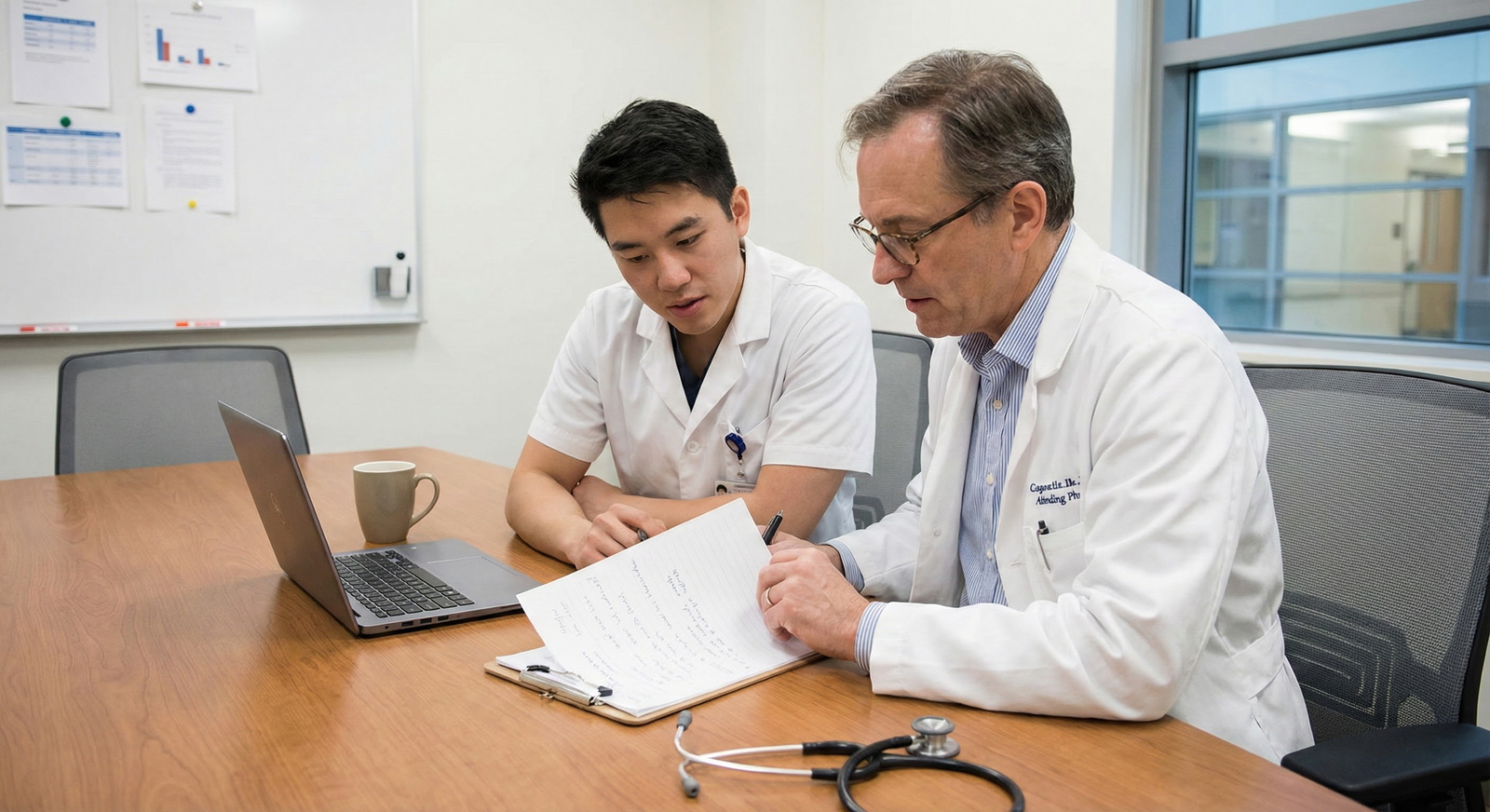
Accessible mentors
Rotations with engaged faculty can yield:- Thoughtful, detailed letters of recommendation
- Research or quality improvement project opportunities
- Career advice tailored to your goals
When comparing options, talk to recent students about which departments are truly invested in teaching. A slightly less “prestigious” hospital with excellent mentorship may benefit you more than a big-name site where students are peripheral.
Balancing Academic, Community, and Specialty Settings
Aim for a mix that reflects both your learning needs and the type of residency you want:
Academic medical centers
- Strengths: subspecialty exposure, research, complex cases
- Best for: students aiming for academic careers or competitive specialties
Community hospitals
- Strengths: autonomy, bread-and-butter medicine, real-world practice patterns
- Best for: students exploring primary care or community-based specialties
Subspecialty clinics and inpatient consult services
- Strengths: focused expertise, seeing specific pathology in depth
- Best for: deepening your narrative in a target specialty
3. Prioritize Rotations with Substantial Direct Patient Care
Residency is fundamentally about taking care of patients. Rotations that give you real responsibility—under supervision—are invaluable for both learning and your match profile.
What “High-Responsibility” Rotations Look Like
Seek rotations where you:
- Carry your own patient panel (even 3–6 patients) on inpatient services
- Perform full histories and physicals independently before presenting
- Write notes that are incorporated into the chart (with attending/resident co-sign)
- Propose assessment and plans, including differential diagnoses and next steps
- Communicate with patients and families about diagnoses and treatment plans
- Call consults or coordinate with other services (under supervision)
These experiences prepare you to function as an intern and give your letter writers specific, concrete examples of your clinical abilities.
Don’t Overlook Outpatient and Continuity Experiences
While inpatient services often feel more intense, outpatient experiences are critical:
Continuity clinics (family medicine, internal medicine, pediatrics, psychiatry)
Show:- Longitudinal care, chronic disease management
- Preventive care and health maintenance
- Communication and motivational interviewing skills
Subspecialty clinics (e.g., rheumatology, GI, oncology)
Allow you to:- Follow complex diagnostic workups over time
- Learn guideline-based management
- See how hospital-based care transitions to ambulatory follow-up
Residency programs value applicants who understand both sides of the inpatient–outpatient continuum, especially in fields like internal medicine, pediatrics, and family medicine.
4. Use Clinical Rotations as Your Primary Networking Tool in Medicine
Networking in Medicine is not about superficial connections—it’s about building authentic professional relationships. Rotations are your best opportunity to do this.
Building Strong Relationships with Attendings and Residents
To maximize networking during each rotation:
Show up as the best version of yourself
- Be prepared, punctual, and proactive.
- Read about your patients and ask thoughtful questions.
- Volunteer for tasks (notes, follow-up calls, literature searches).
Communicate your interests early
- Tell your attendings early in the rotation if you’re interested in their specialty.
- Ask if there are opportunities to attend specialty conferences, M&M, or journal clubs.
- Express interest in feedback and improvement—this shows maturity.
Follow through
- If a faculty member suggests a paper, read it and briefly discuss it later.
- If they mention a project, ask whether you could help in a defined, realistic way.
These behaviors leave lasting impressions and give your future letter writers rich material.
Translating Networking into Concrete Benefits for the Residency Match
Effective networking can lead to:
Strong, personalized letters of recommendation
- From people with recognized names in the field
- That highlight specific clinical encounters, procedures, and your growth
- That speak to your character, resilience, and teamwork
Research and quality improvement opportunities
- Case reports from an interesting patient you followed
- QI projects improving clinic workflow, handoff quality, or guideline adherence
- Collaborations that continue after the rotation ends
Program advocacy and internal champions
- Faculty at your home or away sites may reach out to colleagues at other institutions.
- Residents may advocate for you when your application is discussed, especially if you rotated on their service.
After the rotation, send a brief thank-you email, keep your faculty updated on major milestones, and ask early and clearly when you need letters for ERAS.
5. Using Away Rotations Strategically (And Safely)
Away rotations (also called visiting student rotations or audition rotations) can be powerful—but they’re not automatically required for every specialty or applicant.
When Away Rotations Make Sense
Consider away rotations if:
- You’re applying to a specialty where away rotations are common or expected
(e.g., orthopedic surgery, neurosurgery, plastic surgery, some competitive surgical subspecialties, dermatology). - You don’t have a home program in your specialty and need letters from that field.
- You want to demonstrate geographic preference or interest in a specific program or region.
- You’re applying in a very competitive specialty and need additional chances to impress decision-makers.
How to Choose and Time Away Rotations
Target programs realistically
- Include a mix of “reach,” “target,” and “safety” away sites.
- Research the program culture, resident life, and case mix before applying.
Schedule wisely
- Do not schedule your first-ever sub-I as an away rotation in a hyper-competitive field.
- Aim to complete at least one home sub-I before a make-or-break away.
- Avoid doing an away too late (after ERAS submission) if your goal is to obtain letters.
Plan the logistics
- Housing, transportation, licensing or onboarding requirements, and insurance.
- Budget realistically—some rotations are costly; scholarships may be available, especially for underrepresented or disadvantaged students.
Performance Matters: Away Rotations as “Month-Long Interviews”
During an away rotation:
- Treat every day as part of your interview.
- Be kind and collegial to everyone—nurses, clerks, ancillary staff. Program leadership notices.
- Avoid complaining about hours or comparing the program negatively to its competitors.
- Ask explicitly (toward the end):
“I’ve really enjoyed working with your team and could see myself training here. Is there anything I can focus on in the time remaining to strengthen my performance or candidacy?”
A strong away rotation can significantly boost your chances at that specific program; a poor one can hurt. Only undertake away rotations when you’re prepared to give your best effort.
6. Build In Time for Reflection, Feedback, and Skill Development
Rotations are not just checkboxes; they’re opportunities for growth. Systematic reflection helps you make better future choices and tell your story convincingly in your personal statement and interviews.
Structured Reflection After Each Rotation
After finishing a rotation, take 20–30 minutes to document:
Clinical skills gained
- Procedures performed
- Types of patients managed
- Conditions you feel more confident handling
Personal insights
- What aspects of this specialty energized you?
- What aspects drained you?
- How did you fit with the team culture and pace?
Impact on your career direction
- Did this rotation strengthen or weaken your interest in a specialty?
- Did it reveal skills or values (e.g., continuity, procedures, acute care) that you want in your future career?
This reflective “rotation log” becomes invaluable when:
- Drafting your personal statement
- Answering “Why this specialty?” or “Tell me about a meaningful clinical experience” in interviews
- Choosing which rotations to prioritize next
Seek Feedback—and Act on It
- Ask your attendings and senior residents:
- “What is one thing I’m doing well that I should continue?”
- “What is one thing I should focus on improving over the next few weeks?”
- Write the feedback down and revisit it at the start of your next rotation.
- Over time, you should see consistent themes of improvement (e.g., presentations clearer, notes more concise, better time management).
Programs notice not perfection, but growth.
7. Plan Deliberately for Clinical Skills, Assessments, and Application Readiness
Your Clinical Rotations are the best preparation for both day-to-day intern work and the more formal components of the Residency Match.
Sharpening Clinical and Communication Skills
Use your rotations to rehearse:
- Focused, structured oral presentations
- Clear written documentation
- Patient education conversations in lay language
- Interprofessional communication (nurses, pharmacists, PT/OT, social work)
Supplement clinical work with:
- Simulation center practice (codes, procedures, difficult conversations)
- OSCE-style sessions for physical exam and counseling skills
- Mock sign-outs and handoffs
The stronger and more comfortable you are clinically, the better you’ll perform in sub-Is, which are heavily scrutinized in your evaluations and letters.
Preparing for Interviews and ERAS Using Your Rotation Experiences
As you progress:
- Make a list of 5–8 memorable patient cases that:
- Highlight your clinical reasoning
- Show your empathy, professionalism, or resilience
- Taught you something that shaped your Career Development
These become ready-made stories for:
- Personal statements
- Interview questions
- Supplemental application essays (where applicable)
Your rotation choices and reflections can then be knit together into a cohesive, compelling narrative.
8. Leverage Advisors, Residents, and Alumni When Choosing Rotations
You don’t need to design your rotation schedule alone. Use your network and institution’s resources to make informed decisions.
Use Institutional Advising Wisely
Academic advisors and deans can:
- Review your transcript, board scores, and evaluations
- Suggest rotation sequences realistic for your competitiveness and goals
- Flag potential pitfalls (e.g., too many away rotations, too few sub-Is)
Specialty-specific advisors (e.g., department advisors) can:
- Recommend which subspecialty electives are most respected
- Identify which faculty members are strong, supportive letter writers
- Provide candid feedback on your competitiveness in that specialty
Learn from Residents and Alumni
Current residents:
- Can tell you which rotations prepared them best for intern year
- Know which services are genuinely educational versus purely service-heavy
- Often share insights about which outside programs value students from your school
Alumni:
- Offer perspective on how they structured their rotations to succeed in the Residency Match
- Can provide honest comparisons across different institutions and regions
- May help with introductions or informal advocacy at their current programs
Whenever possible, ask specific questions:
- “If you were planning fourth-year rotations again for [X specialty], what would you do differently?”
- “Which rotations gave you the best letters and why?”

FAQs: Clinical Rotations and Improving Residency Match Potential
1. What are the most important Clinical Rotations for improving Residency Match chances?
The most critical rotations are:
- Core clerkships (internal medicine, surgery, pediatrics, OB/GYN, psychiatry, family medicine, emergency medicine): these anchor your transcript and evaluations.
- Sub-internships/acting internships in your chosen field: they demonstrate your readiness to function as an intern and often yield your strongest letters.
- Electives aligned with your target specialty (e.g., ICU for medicine, trauma for surgery, NICU/PICU for pediatrics, addictions/consult-liaison for psychiatry).
Strong performance on these rotations, supported by detailed narrative evaluations and letters, carries significant weight with program directors.
2. How does Networking in Medicine during rotations actually influence the Residency Match?
Networking during rotations:
- Produces high-quality, personalized letters from faculty who truly know you.
- Helps you access research or QI projects that strengthen your CV.
- Creates faculty advocates who may:
- Reach out to colleagues at other programs
- Speak positively about you during rank meetings
- Offer insider advice on specific programs or regions
These factors collectively improve your visibility and perceived “fit” with programs, which can be decisive when applications are otherwise similar on paper.
3. Are away rotations always necessary to match into competitive specialties?
Away rotations are helpful but not automatically required for everyone:
- In some highly competitive fields (e.g., orthopedics, neurosurgery, plastics, ENT), away rotations are common and often expected.
- In others (e.g., internal medicine, pediatrics, family medicine), away rotations can be beneficial but are not mandatory for most applicants.
You should consider:
- Whether you have a strong home program in your specialty
- Your competitiveness (scores, research, home letters)
- Financial and logistical feasibility
A well-chosen away rotation where you perform excellently can help; a poorly chosen or poorly executed one can hurt. Discuss with specialty advisors before committing.
4. How can I effectively reflect on rotations to guide my Career Development and applications?
Use a simple, repeatable framework after each rotation:
- What did I do? (patients seen, procedures, responsibilities)
- What did I learn? (clinical knowledge, communication, teamwork)
- How did it feel? (energy level, satisfaction, stress)
- What does this mean for my career direction? (more or less interested in this field? what skills or values did this highlight?)
Document this in a brief rotation log or journal. Later, use these notes to:
- Identify themes for your personal statement
- Choose which experiences to highlight in interviews
- Decide on additional rotations or electives that fill gaps or strengthen your profile
5. How should I ask for letters of recommendation from clinical rotations?
To maximize the strength of your letters:
Identify the right person
- Choose attendings who have directly supervised you for at least 2–4 weeks, ideally where you had substantive patient care responsibilities.
Ask early and clearly
- Near the end of the rotation, say:
- “I’ve really appreciated working with you and learning from you. I’m applying to [specialty], and I was wondering if you’d feel comfortable writing a strong letter of recommendation on my behalf?”
- Near the end of the rotation, say:
Provide helpful materials
- Updated CV
- Personal statement draft (or at least a paragraph on your career goals)
- Brief bullet list of cases or interactions that reflect your strengths
- Any specific instructions or deadlines (e.g., ERAS dates)
Follow up politely
- Send a thank-you email.
- Gently remind them as deadlines approach if needed.
A clear, timely request—supported by strong performance during the rotation—results in letters that significantly enhance your Residency Match application.
Thoughtfully chosen Clinical Rotations, aligned with your interests and executed with intention, are one of the most powerful tools you have to shape your Medical Education and Residency Match outcome. Plan ahead, seek mentorship, reflect frequently, and use each rotation not only to learn medicine, but to build the career you want.