Why Away Rotations Matter So Much for Caribbean IMGs in PM&R
For a Caribbean medical school student aiming for a Physical Medicine & Rehabilitation (PM&R) residency in the United States, away rotations are not optional “extras”—they are one of your strongest tools for overcoming the stigma of being an international medical graduate and proving you can thrive in a U.S. academic environment.
Compared with U.S. MD students, Caribbean IMGs often face:
- Less name recognition of their school
- Questions about clinical preparation
- Fewer built-in connections to U.S. residency programs
Away rotations (also called visiting student rotations or audition electives) directly address these concerns by giving you:
- Face time with program leadership and residents
- U.S. clinical performance data (evaluations, letters of recommendation)
- A demonstration that you understand the U.S. system and culture
- A platform to show communication skills, professionalism, and work ethic
If you are from a Caribbean medical school—whether SGU, AUC, Ross, Saba, or another—your away rotation strategy can be the difference between being screened out on paper and being ranked highly. This is particularly true in a specialty like PM&R, which is relatively small, highly interpersonal, and reputation-driven.
In this article, we’ll walk through a step-by-step, Caribbean IMG–specific approach to designing an effective away rotation strategy for PM&R, including:
- How many away rotations are realistic and strategic
- How to prioritize programs and locations
- Timelines for planning and applications
- What to do on rotation to position yourself for a strong physiatry match
- Specific tips related to Caribbean medical school residency outcomes and SGU residency match experiences
Understanding PM&R and the Unique Challenges for Caribbean IMGs
PM&R (also called physiatry) is a small but growing specialty focused on function, quality of life, and interdisciplinary care for patients with disabilities, injuries, or chronic conditions. The small size of the field has important implications for your away rotation strategy.
Why PM&R is Relationship-Driven
PM&R departments tend to be:
- Smaller than internal medicine or surgery
- Highly team-based (therapists, psychologists, social workers, nurses)
- Close‑knit across programs and conferences
This means:
- Faculty often know each other across institutions.
- A strong letter from a respected physiatrist carries disproportionate weight.
- Word-of-mouth impressions from rotations can circulate within the PM&R community.
For a Caribbean IMG, that’s both a risk and a huge opportunity: if you perform well on visiting student rotations, faculty may actively advocate for you and reassure program directors about any concerns tied to Caribbean medical school residency applicants.
Common Barriers for Caribbean IMGs in PM&R
You may encounter:
- Automatic filters in some programs for non‑US schools.
- Limited home PM&R exposure if your Caribbean school doesn’t have a strong on-site PM&R department.
- Visa concerns if you are not a U.S. citizen or permanent resident.
- Less structured guidance on PM&R-specific application strategy compared with U.S. MD schools.
A well‑planned away rotation strategy helps you:
- Overcome filters by being a “known quantity”
- Generate U.S.-based PM&R letters of recommendation
- Demonstrate true interest in physiatry (not a “backup” specialty)
- Show that you’re a good fit for specific programs where you rotate
Planning Your Away Rotation Strategy: Timing, Number, and Targets
When to Do Away Rotations for PM&R
For most Caribbean IMGs, the best time for PM&R away rotations is:
- Late 3rd year to early 4th year, usually between:
- May–October of the year before you apply for the Match
Key points:
- You want at least one PM&R rotation completed before ERAS opens (typically September).
- This ensures you have at least one PM&R letter of recommendation ready for early application submission.
- If your school calendar differs (common in Caribbean medical schools), reverse‑engineer your schedule so that your core rotations and Step exams are finished in time.
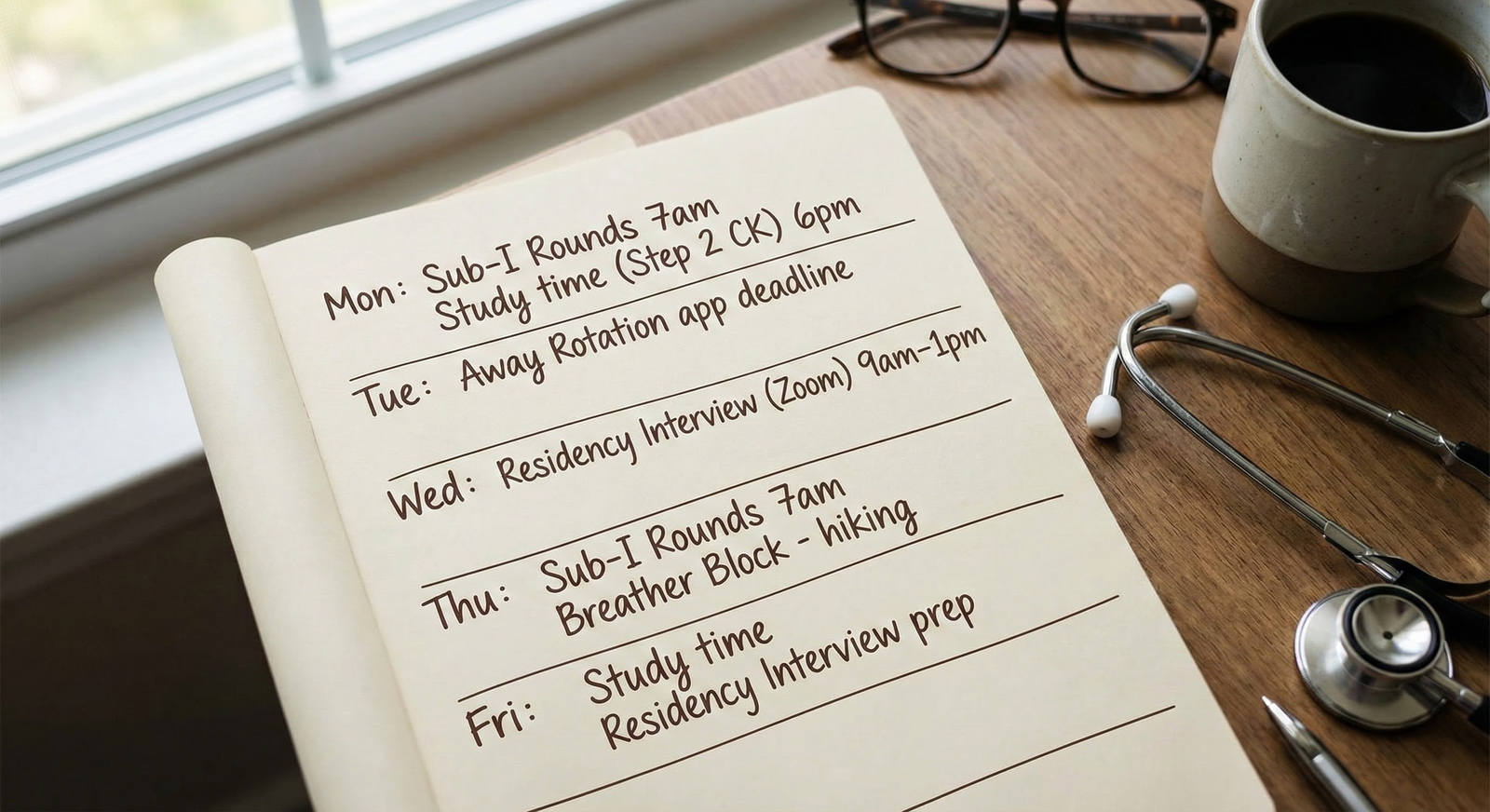
A sample timeline for a Caribbean IMG:
January–March (year before Match):
- Finish core rotations if still ongoing
- Take/retake USMLE Step 2 CK if needed
- Identify target PM&R programs and their visiting student rotations requirements
April–June:
- First PM&R away rotation (ideal for a “reach” or top‑choice program)
- Ask for a strong letter of recommendation at the end
July–September:
- Additional PM&R rotations and possibly 1–2 related electives (neurology, orthopedic spine, rheumatology, pain medicine, sports medicine)
- Finalize and upload letters to ERAS
October–December:
- If permitted by your school, you can still do rotations that will influence your rank list, even if their letters may arrive later in the season.
How Many Away Rotations Are Enough?
A very common question is: how many away rotations should a Caribbean IMG do for a successful physiatry match?
There is no rigid rule, but for most Caribbean IMGs pursuing PM&R:
- Core PM&R away rotations: 2–3
- Related specialties (neurology, pain, sports, spine, rheum): 1–2 (preferably at or affiliated with PM&R programs)
Total: 3–4 U.S. clinical experiences directly relevant to PM&R, ideally with at least 2 in PM&R itself.
More than 3–4 PM&R away rotations can backfire by:
- Making your schedule inflexible
- Spreading your energy thin and leading to “average” instead of “excellent” performance
- Signaling desperation rather than targeted interest
Aim for quality and fit over sheer quantity.
Where to Rotate: Program Selection Strategy for Caribbean IMGs
Not all programs are equally IMG-friendly. To design a rational strategy, create 3 tiers:
Tier 1: Dream programs
- Top-tier academic centers (e.g., large university hospitals)
- Historically take few or no IMGs, but may be worth a targeted attempt if your Step scores and CV stand out.
- Rotate at 1 of these if possible.
Tier 2: Realistic academic/community-based academic programs
- Mid‑tier but well‑respected PM&R residencies
- Historically accept IMGs or Caribbean graduates (check their current residents’ medical schools).
- Aim to rotate at 1–2 of these.
Tier 3: IMG‑friendly programs / safety options
- Programs known to accept several IMGs each year
- Often strong in clinical training despite less name recognition
- Rotate at 1 such program if your application is borderline (lower USMLE scores, exam failures, or delayed graduation).
When evaluating programs:
- Check their websites for current residents’ medical schools. Look for:
- Caribbean medical schools (SGU, AUC, Ross, Saba, etc.)
- Other international medical graduates
- Look at visa sponsorship policies (J‑1, H‑1B) if applicable.
- Consider geographic areas where Caribbean medical school residency applicants have historically matched.
Leveraging SGU and Other Caribbean School Connections
If you are at SGU or similar Caribbean programs:
- Review SGU residency match or your school’s published match lists, focusing on PM&R.
- Identify:
- Which PM&R programs have repeatedly taken graduates from your school
- Which hospitals have existing affiliation agreements for visiting student rotations
Programs that already know and trust graduates from your Caribbean school may be more receptive to your application and more likely to offer you a PM&R away rotation.
Action steps:
- Ask your Dean’s office or clinical affairs department which hospitals frequently host your school’s students in PM&R or related electives.
- Reach out to alumni who matched into PM&R and ask:
- Where they rotated
- Which programs were IMG‑friendly
- How they positioned themselves during rotations
Navigating the Logistics: Applications, Requirements, and Visas
Where to Find Visiting Student Rotations
Most PM&R away rotations are listed through:
VSLO/VSAS (Visiting Student Learning Opportunities):
- Many U.S. medical schools use this platform.
- Caribbean schools sometimes have partial or full access; confirm with your admin office.
Individual institution websites:
- Some hospitals and rehabilitation centers (especially non‑university programs) prefer direct applications through their own portals.
Direct department contact:
- Smaller programs may ask you to email the PM&R department coordinator or GME office.
Search for:
- “Physical Medicine and Rehabilitation visiting student rotation [institution name]”
- “PM&R away rotation [city/state]”
Common Requirements for Caribbean IMGs
Prepare for:
- USMLE Step 1 (and sometimes Step 2 CK) scores
- Immunization records and titers
- Background check and drug screen
- BLS/ACLS certification
- Malpractice/liability insurance (often provided by your school, but you may need verification)
- Dean’s letter or transcript verifying you are in good standing
As a Caribbean IMG, you may face extra barriers:
- Some institutions accept only LCME-accredited (U.S. MD) or COCA-accredited (U.S. DO) students.
- Others explicitly allow international medical students but may have limited capacity.
Be proactive:
- Build a spreadsheet of programs, their policies, eligibility for IMGs, application deadlines, and extra requirements.
- Apply early—many sites fill PM&R away rotations 4–6 months in advance.
Visa and Travel Considerations
If you are a non‑U.S. citizen:
- Visiting student rotations are typically done on a B‑1/B‑2 (business/tourism) or ESTA if applicable, but you must follow your school’s and host hospital’s guidance.
- Some institutions may restrict non‑citizens due to paperwork or liability.
- For the eventual physiatry match, look for programs that sponsor J‑1 visas at minimum.
Coordinate with:
- Your school’s international office
- The host hospital’s GME/visiting student office
- An immigration attorney if there is any uncertainty
Maximizing Impact During Your PM&R Away Rotations
Getting the rotation is only half the battle. What you do on-site is what will matter for your Caribbean medical school residency application in PM&R.
Show Up Prepared: Clinical Knowledge and Skills
Before your first PM&R away rotation, review:
Common PM&R topics:
- Stroke rehab
- Traumatic brain injury (TBI)
- Spinal cord injury (SCI)
- Amputation and prosthetics
- Musculoskeletal medicine and back pain
- Spasticity management
- Electrodiagnostic principles (EMG/NCS basics)
Functional assessment tools:
- FIM or other functional scales used by that hospital
- Basic ADL and mobility terminology
Neuro and MSK exam skills:
- Manual muscle testing
- Gait evaluation
- Tone/spasticity assessment (e.g., Modified Ashworth scale)
Arriving with this baseline knowledge allows you to:
- Ask better questions
- Present more coherent assessments and plans
- Impress attendings early in the rotation
Behaviors That Impress PM&R Faculty
PM&R is very attuned to teamwork, communication, and empathy. To stand out as a Caribbean IMG:
Be consistently early and prepared.
- Pre‑round on patients where appropriate.
- Review imaging and therapy notes before team rounds.
Communicate clearly and respectfully.
- Use structured presentations (e.g., “One-liner → problem list → rehab goals”).
- Show you can interact effectively with physical, occupational, and speech therapists.
Ask targeted, thoughtful questions.
- Instead of “What should I read?”, try:
- “For a new TBI admission with agitation, what are your top priorities in the first 48 hours?”
- Instead of “What should I read?”, try:
Volunteer appropriately.
- Offer to present at case conference or journal club if allowed.
- Help with small tasks (calling families, coordinating with therapists) while recognizing your student role limits.
Show emotional maturity.
- PM&R deals with life-altering disabilities. Demonstrate empathy, boundary awareness, and resilience.
How to Secure Strong PM&R Letters of Recommendation
For a competitive physiatry match as a Caribbean IMG, aim for:
- 2 PM&R letters of recommendation (ideally from faculty who directly supervised you)
- 1 additional clinical letter (from internal medicine, neurology, or another relevant specialty)
To earn a strong letter during away rotations:
Clarify expectations early.
- In the first week, ask your attending:
- “What do you expect from a student on this rotation to perform at an honors level?”
- In the first week, ask your attending:
Ask explicitly for a strong letter.
- Near the end of the rotation:
- “Based on my performance, do you feel comfortable writing me a strong letter of recommendation for PM&R residency?”
- This wording gives them an “out” if they cannot, which protects you from weak letters.
- Near the end of the rotation:
Provide a clear packet.
- Updated CV
- Personal statement draft (even if rough)
- ERAS ID, if available
- Summary of your contributions on the rotation
Stay in touch.
- Send a thank‑you email within a week.
- Update them when you submit ERAS and later with your match result.
Turning Rotations Into Interview Invitations
Programs are more likely to interview students who have rotated with them, especially if:
- You clearly expressed genuine interest in their program.
- Faculty advocate for you with the program director.
On your rotation:
- Learn specific program features (e.g., strong SCI service, prosthetics research, adaptive sports).
- Share why those aspects match your interests.
- Ask residents privately about how their program views Caribbean IMGs and IMGs in general.
Post‑rotation:
- Send a brief follow-up email to the program coordinator and any key faculty, expressing:
- Gratitude for the experience
- Your continued interest in the program
- A note that you have applied (once ERAS is submitted)
Integrating Away Rotations Into Your Overall Physiatry Match Strategy
Away rotations are powerful but must fit into a broader, realistic plan for a physiatry match as a Caribbean IMG.
Balancing Away Rotations with Exam Performance
No amount of away rotations can fully compensate for:
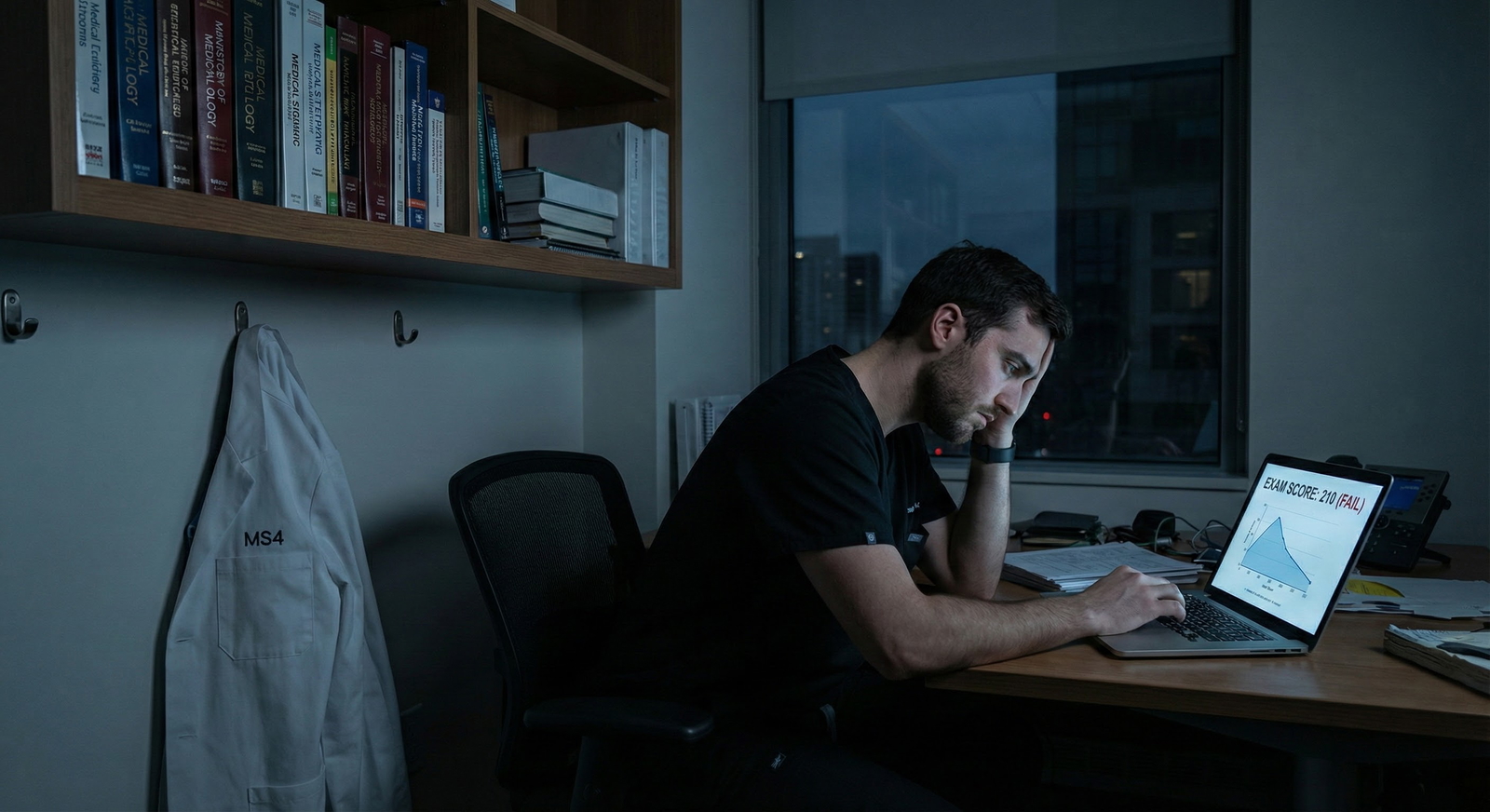
- Multiple USMLE failures
- Very low Step 2 CK scores
However, for borderline scores, strong performance and letters from PM&R visiting student rotations can reassure programs.
Priority order:
- Step 2 CK performance – aim to be at or above specialty averages if possible.
- At least 2 solid PM&R rotations with strong letters.
- Early ERAS submission with a well‑crafted personal statement emphasizing your PM&R journey.
If you must choose between studying for Step 2 CK and adding another away rotation, secure the exam score first, then rotate.
Using Rotations to Clarify Program Fit
Each away rotation helps you answer:
- Do I like this geographic area and patient population?
- Do I fit better in a large academic center or a smaller community-affiliated program?
- Where did I feel welcomed and supported as a Caribbean IMG?
Keep notes after each rotation:
- Pros and cons of the program
- How residents and faculty interacted with you
- How they treated patients with disabilities and families
- Whether they seemed comfortable with IMGs and Caribbean graduates
These notes will be invaluable when constructing your rank list.
Linking Away Rotations to Personal Statement and Interviews
Specific experiences from your away rotations can enrich your application:
Personal statement:
- Discuss a pivotal patient encounter or a multidisciplinary team interaction that solidified your interest in PM&R.
- Reflect on what you learned about function, resilience, or holistic care.
Interviews:
- Be ready to discuss specific procedures or clinical scenarios you encountered:
- Inpatient rehab for complex stroke
- EMG clinic observations
- Ultrasound‑guided injections exposure
- Be ready to discuss specific procedures or clinical scenarios you encountered:
This shows that your interest in PM&R is grounded in real, U.S. clinical experience—not just a conceptual preference.
FAQs: Away Rotation Strategy for Caribbean IMG in PM&R
1. As a Caribbean IMG, how many away rotations should I do to maximize my PM&R residency chances?
For most Caribbean IMGs, 2–3 PM&R away rotations plus 1–2 related electives (neurology, MSK, pain, sports, spine) is ideal. More than 3–4 total visiting student rotations rarely adds value and can lead to burnout. Focus on:
- At least 2 PM&R rotations at residency‑affiliated sites
- Generating 2 strong PM&R letters of recommendation
- Mixing one “reach,” one “realistic,” and one “IMG‑friendly” program
2. If I don’t have a home PM&R program, will away rotations compensate for that?
Yes—away rotations are especially critical if your school lacks a home PM&R department. Program directors recognize that Caribbean medical school residency applicants may not have local PM&R exposure, so they pay close attention to how you perform at U.S. PM&R sites. Strong evaluations and letters from these rotations can effectively replace the “home program” advantage that U.S. students have.
3. How important are PM&R letters of recommendation compared with letters from other specialties?
For a successful physiatry match, PM&R letters are essential. Aim for:
- 2 letters from physiatrists who supervised you on rotations
- 1 additional letter from an internal medicine, neurology, or other relevant attending
Letters from non‑PM&R physicians alone are usually not enough to demonstrate your commitment and fit for the specialty—particularly as a Caribbean IMG.
4. If I do an away rotation at a program and don’t receive an interview, did I harm my chances elsewhere?
Not necessarily. Rotating at a program that ultimately doesn’t interview you can be disappointing, but:
- The clinical skills and knowledge you gained still strengthen your application.
- The PM&R letter of recommendation can still be used broadly for other programs.
- Performance on visiting student rotations at any reputable site can counteract concerns about Caribbean medical school residency training quality.
The key is to avoid unprofessional behavior or major performance issues; as long as you work hard and act ethically, an away rotation will not “blacklist” you elsewhere.
Designing a smart away rotation strategy as a Caribbean IMG in PM&R means aligning timing, program selection, and on‑site performance with your overall residency application plan. By focusing on a few well‑chosen visiting student rotations, preparing thoroughly, and building strong relationships with physiatrists, you can transform your status as an under‑the‑radar Caribbean graduate into a compelling, competitive candidacy for the physiatry match.