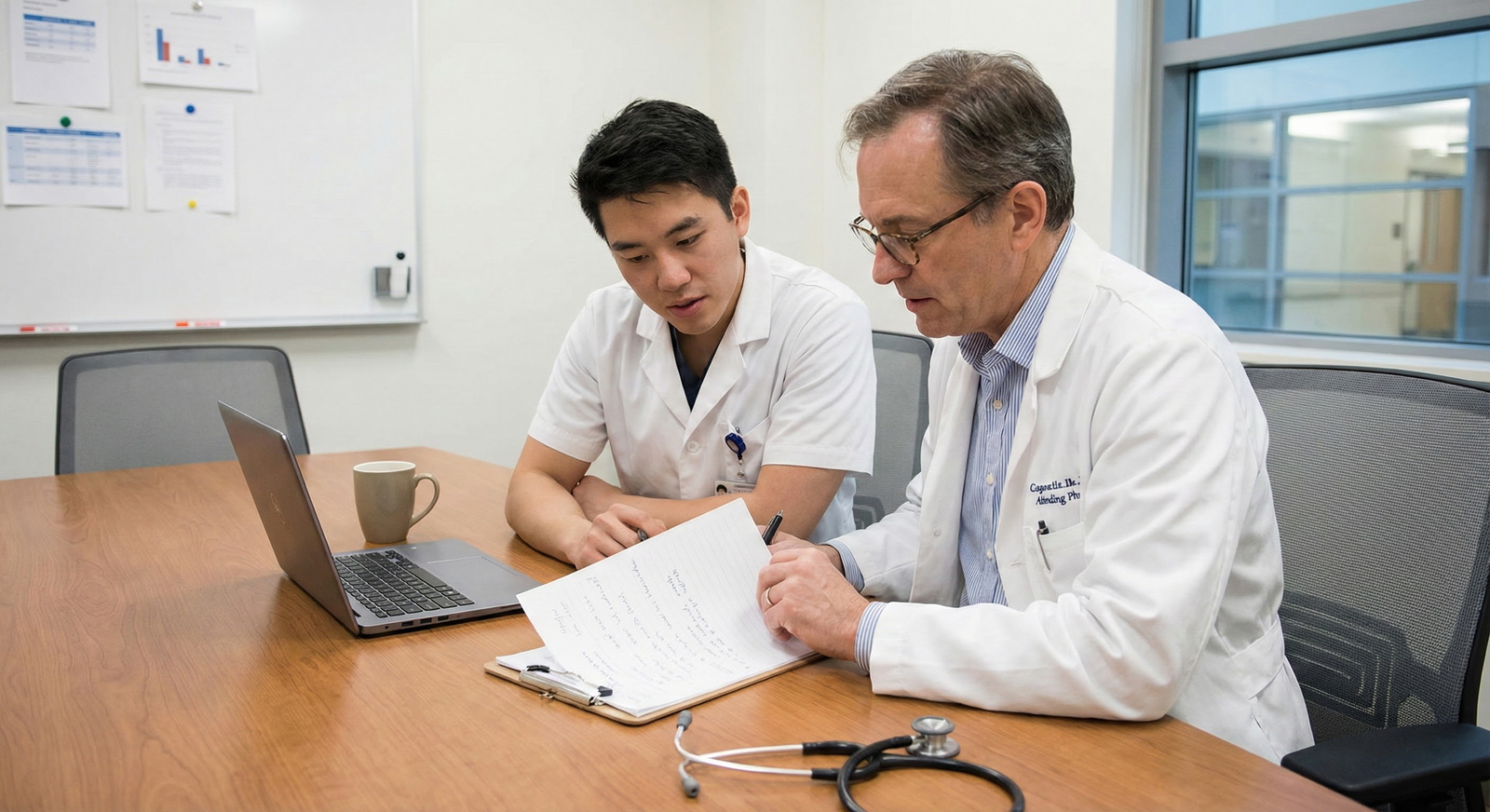
Why Away Rotations Matter So Much for Caribbean IMGs in Radiation Oncology
Radiation Oncology is a small, competitive specialty with limited residency spots and a relatively high proportion of U.S. medical graduates. As a Caribbean IMG, your away rotations (also called visiting student rotations or electives) are one of the most powerful tools you have to:
- Prove you can perform at the level of a U.S. senior medical student
- Build relationships with radiation oncologists who can advocate for you
- Demonstrate genuine interest in the field and specific programs
- Overcome bias associated with a Caribbean medical school residency applicant profile
- Secure strong, specialty-specific letters of recommendation for the rad onc match
In radiation oncology, many programs interview and rank heavily based on how well they know applicants. For a Caribbean IMG, it’s rarely enough to just apply on paper. An intentional, well-planned away rotation strategy can be the difference between no interviews and a successful SGU residency match–style outcome in a competitive specialty.
This article will walk you step-by-step through:
- How to decide where and how many away rotations to do
- When to schedule rotations for maximum impact on your application timeline
- How to optimize your performance on each rotation
- How to handle logistics, visas, and institutional barriers specific to Caribbean IMGs
- How to convert strong rotations into interviews and a successful rad onc match
Throughout, assume you are a Caribbean IMG at a school like SGU, AUC, Ross, etc., aiming specifically for a radiation oncology residency in the U.S.
Planning Your Away Rotation Strategy: Timing, Number, and Target Programs
1. Understanding the Timeline for Caribbean IMGs
Radiation oncology residency applications go through ERAS, with programs typically reviewing applications in September–October and interviewing November–January.
If you are aiming to apply in the upcoming match cycle, ideal timing for away rotations is:
Early peak window:
- April–August of the year you apply (often MS4 equivalent)
- This is when you want at least 1–2 rad onc rotations completed so you have letters ready for ERAS submission.
Secondary window:
- September–November of the application year
- Rotations here may still help generate additional interviews or strengthen your ranking, especially at the host program.
For Caribbean schools, the academic calendar and clinical rotation schedule may differ from U.S. schools. You must work closely with your dean’s office to align:
- Core clerkships (medicine, surgery, OB/GYN, pediatrics, psych, etc.)
- Internal medicine or transitional-year–oriented electives
- Dedicated radiation oncology electives or sub-internships (if available)
Key point: You should complete at least one internal medicine sub-I or strong inpatient rotation before your rad onc away rotation so you’ve already demonstrated solid clinical skills and workflow understanding.
2. How Many Away Rotations Should a Caribbean IMG Do?
There is no universal rule for how many away rotations residency applicants must do, but for a Caribbean IMG targeting radiation oncology, a typical strategy is:
- Minimum:
- 2 radiation oncology away rotations at U.S. academic centers
- Ideal range (if feasible):
- 2–3 radiation oncology away rotations
- Plus 1–2 related electives (e.g., medical oncology, palliative care, radiology, or internal medicine subspecialties)
Factors that affect how many away rotations you should do:
USMLE/COMLEX performance:
- Higher Step 1/2 (e.g., ≥230–240 range) → 2 away rotations might suffice
- Lower scores → consider 3 rad onc rotations to show consistency and allow more programs to see you in person
Prior U.S. clinical experience:
- If you already have robust U.S. clinical evaluations and letters, you might not need as many rotators.
- If your experience is mostly Caribbean or non-U.S., more away rotations help bridge that gap.
Financial / visa constraints:
- Each visiting student rotation can be costly: application fees, housing, travel, insurance, visa documentation if needed.
- Aim for quality, not just quantity—3 excellent rotations beat 5 mediocre ones.
Bottom line: For most Caribbean IMG radiation oncology applicants, 2–3 radiation oncology away rotations is a realistic and effective goal, particularly if you combine them with strong performance in IM, oncology, or palliative care electives.
3. How to Select Target Programs for Away Rotations
Choosing where to rotate is strategic. You are not just picking any rad onc department—you’re picking the programs where you might ultimately match.
Consider these criteria:
A. Programs with a Track Record of Taking IMGs
- Look at recent residents on department websites:
- Do you see IMGs (especially Caribbean graduates)?
- Are there graduates from SGU, AUC, Ross, Saba, etc.?
- Programs that have historically welcomed Caribbean grads may be more open to your application.
B. Geographic and Visa Considerations
- If you need visa sponsorship (e.g., J-1, H-1B), target:
- Programs that currently have international residents
- University-affiliated hospitals experienced with ECFMG-sponsored J-1 visas
- Decide if you want to focus on certain regions:
- East Coast and Midwest: often more programs, some with IMG-friendly history
- West Coast: competitive, sometimes less IMG representation
C. Program Strength and Size
- Consider a mix of:
- Mid-tier academic centers: more approachable, may be more open to IMGs
- Strong academic or NCI-designated centers: harder to get, but an excellent letter and strong performance here can be powerful
- Programs with 2–4 residents per year may know their applicants very well and value the rotation highly.
D. Your Personal Fit and Interests
- Programs with:
- Strong mentorship culture
- Commitment to education and teaching
- Research opportunities in disease sites you care about (e.g., breast, GI, GU, CNS)
- Diverse patient populations, which Caribbean IMGs often value and relate to
E. Application Systems: VSLO vs. Direct Application
- Many U.S. schools use VSLO (Visiting Student Learning Opportunities).
- Some rad onc programs accept Caribbean IMGs only through:
- Direct institutional applications
- Department-level arrangements
As a Caribbean IMG, expect to use a combination of:
- VSLO (if your Caribbean school participates)
- Direct emails to program coordinators and program directors
- Formal department websites and PDFs listing visiting student opportunities
Prepare to inquire explicitly:
“Do you accept visiting medical students from Caribbean medical schools for radiation oncology electives?”
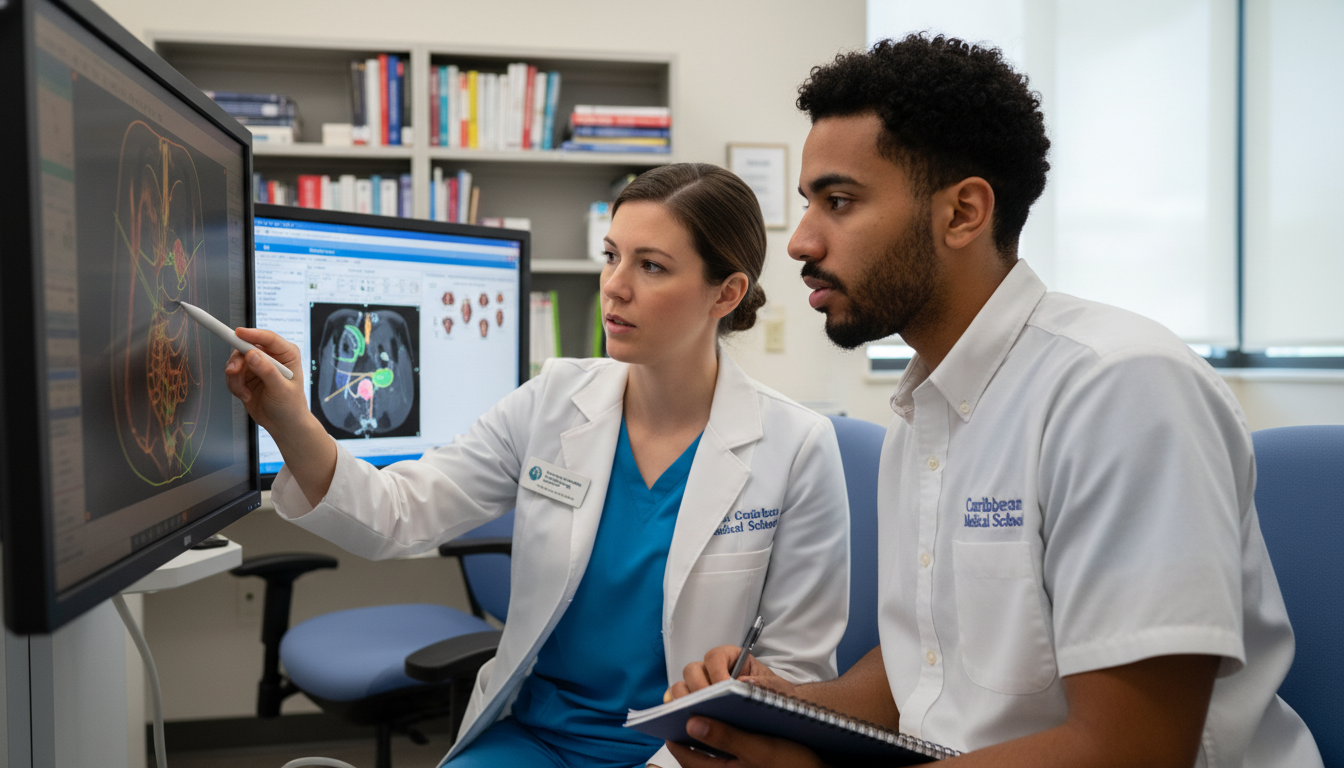
Building a Competitive Profile Before Your First Rad Onc Rotation
Away rotations can showcase you—but only if you’re already prepared. As a Caribbean IMG, you often start with perceptions you must actively counter: concerns about training environment, basic science foundation, and perceived “distance” from U.S. academic culture. Preparation helps you walk in as a polished, confident, informed learner.
1. Academic Metrics and Exams
For radiation oncology, strong board scores are helpful but not everything. Still, you should aim for:
- USMLE Step 1: Pass on first attempt.
- USMLE Step 2 CK: As high as possible; a 230+ can keep you competitive; 240+ is more reassuring in a competitive specialty.
If your scores are below these, you must:
- Counterbalance with:
- Exceptional clinical evaluations
- Strong letters from rad onc attendings
- Visible academic curiosity and professionalism on rotation
2. Foundational Oncology and Physics Knowledge
Before you start your radiation oncology away rotation:
- Review core oncology concepts:
- Basic staging for common cancers: breast, prostate, lung, head & neck, CNS, GI, GYN
- Principles of multimodality treatment (surgery, systemic therapy, radiation)
- Learn basic radiation therapy concepts:
- External beam vs. brachytherapy
- Fractionation, dose, target volumes (GTV, CTV, PTV)
- Common side effects of radiation to breast, pelvis, head & neck, CNS
Useful starting resources:
- Introductory chapters from:
- Gunderson & Tepper’s Clinical Radiation Oncology (selected key chapters)
- Radiation Oncology Question-and-Answer guides (for basics, not exam prep yet)
- High-yield online resources:
- ASTRO student resources (if available)
- Departmental “orientation” materials from programs’ websites
This baseline knowledge lets you ask intelligent questions and add value, rather than learning entirely from scratch.
3. Clinical Skills and Professionalism
Radiation oncology is multidisciplinary and outpatient-heavy. You’ll interact with:
- Medical oncologists
- Surgeons
- Radiologists
- Physicists, dosimetrists
- Nurses, therapists, social workers
Before your rad onc away rotation, ensure you are comfortable with:
- Presenting new consults concisely:
- Chief complaint, oncologic history, imaging, pathology, staging, comorbidities
- Performing focused exams relevant to cancer site:
- Breast exam, head & neck exam, neurologic screening, rectal/pelvic exam when appropriate
- Writing structured notes:
- Oncologic H&P, daily progress notes, follow-up notes
- Professionalism basics:
- Punctuality, respectful interdisciplinary communication, patient-centered language
If you performed strongly on internal medicine and surgery clerkships, highlight this on your CV and during rotations. It reassures attendings that you can handle complex oncology patients.
Executing the Rotation: How to Excel on Site
Once you’ve secured a spot, your priority shifts to performing at the highest possible level. In radiation oncology, away rotations are often small and personalized—everyone will know who you are. That’s a huge advantage if you use it well.
1. Clarify Expectations on Day 1
Ask your attending or rotation director:
- What is the expected schedule? (clinics, sim, contouring, on-treatment visits, tumor boards)
- How many patients should you see independently?
- What types of presentations and write-ups are expected?
- Are there opportunities to attend:
- Chart rounds / QA
- Multidisciplinary tumor boards
- Research meetings
- Resident teaching sessions
Writing this down shows maturity and organization.
2. Daily Habits that Make You Stand Out
To be remembered positively, commit to:
Arrive early, stay reasonably late.
- Aim to be there before residents and leave only once your responsibilities are complete.
Pre-read about next day’s patients:
- Check the schedule for new consults or simulations.
- Look up disease site, standard of care, and rationales for radiation.
Present patients clearly:
- “This is a 65-year-old woman with stage IIIC high-grade serous ovarian carcinoma status post optimal debulking, now referred for consolidation pelvic radiation…”
- Include ECOG performance status, key imaging findings, and prior treatments.
Ask focused, not random, questions:
- “For this patient with low-risk prostate cancer, could you explain why active surveillance wasn’t favored?”
- “How do you decide between hypofractionated vs. conventional fractionation for breast cases at this institution?”
3. Demonstrating Radiation-Specific Engagement
To show genuine interest in radiation oncology as a career:
Attend as many:
- CT simulations
- Treatment planning sessions
- Contouring sessions
- On-treatment visits (OTVs) as possible.
Ask residents and attendings to:
- Walk you through contouring a common site (e.g., breast, prostate, lung)
- Explain how they evaluate dose-volume histograms
- Discuss trade-offs between target coverage and organ-at-risk sparing
If you’re given access to the planning system:
- Practice observational contouring under supervision
- Ask for feedback, but don’t slow down the clinic workflow
4. Building Relationships and Advocates
Your goal is not only to demonstrate competence—it’s to ensure that specific people will speak strongly on your behalf.
Identify and connect with:
- 1–2 attendings who work closely with you and can eventually write detailed letters
- 1–2 residents who can:
- Give you informal feedback
- Advocate for you at ranking meetings
- Provide insight into how the program views Caribbean IMG applicants
Ways to build these relationships:
- Request mid-rotation feedback:
- “I’m applying to radiation oncology and would greatly value any feedback on how I can improve during the remainder of this rotation.”
- Ask for career advice:
- “As a Caribbean IMG, what would you focus on over the next 6–12 months to be a stronger applicant?”
Take notes on their advice—and follow it.

Converting Rotations into Strong Letters, Interviews, and a Rad Onc Match
1. Getting Strong Letters of Recommendation (LoRs)
For a radiation oncology residency application as a Caribbean IMG, a typical letter mix should include:
- 2 letters from radiation oncologists (ideally from U.S. academic centers where you rotated)
- 1 letter from another oncology-related field (medical oncology, surgical oncology, internal medicine attending who knows you well)
During the last week of your rotation:
Identify attendings who:
- Saw you regularly
- Gave you positive feedback
- Seemed impressed with your work ethic or growth
Ask directly and professionally:
- “Dr. Smith, I’ve really valued working with you this month. I’m applying to radiation oncology and was hoping you might feel comfortable writing a strong letter of recommendation on my behalf?”
Offer supporting material:
- Updated CV
- Personal statement draft
- A bullet list of cases or projects you worked on with them
A strong letter for a Caribbean IMG typically comments on:
- Your clinical reasoning and ability to manage oncology cases
- Work ethic, reliability, and professionalism
- How you compare to U.S. students or prior rotators
- Your potential as a future radiation oncology resident
2. Signaling Genuine Interest in the Program
Your away rotation is effectively a month-long interview with that program.
To signal sincere interest:
- Verbally express enthusiasm:
- “This program has a strong focus on education and diverse clinical exposure; I could see myself training here.”
- Ask about:
- Resident experience
- Call structure
- Educational curriculum
- Research support
At the end of the rotation, let the program director and key faculty know:
- You intend to apply there for residency
- You would be thrilled to interview and train at their institution
This makes it more likely they remember you when applications arrive.
3. Using Late Rotations Strategically
Rotations completed after ERAS submission (September–November) can still:
- Generate post-submission letters that you upload later in the season
- Improve your odds of receiving an interview at the host program
- Provide last-minute updates on your CV or personal statement
If you do a November rotation and get a stellar letter, you can send a polite update email:
- To programs where you’re already under review
- Highlight the new rad onc letter and any specific achievements (case presentations, mini-projects, etc.)
4. Aligning Rotations with Overall Application Strategy
Your away rotations should fit into a broader plan that includes:
- A well-structured personal statement:
- Explaining your journey from Caribbean medical school to radiation oncology interest
- Emphasizing patient-centered motives, research curiosity, and resilience
- A polished CV:
- Highlight rad onc electives, oncology-related research, quality improvement projects
- Note any SGU residency match–style successes from your institution (if applicable)
- Targeted program list:
- Focus on a mix of IMG-friendly and aspirational programs
- Apply broadly within reason; radiation oncology is small, and Caribbean IMG spots are limited
When programs see:
- Consistent rad onc exposure
- Solid letters from multiple sites
- Clear commitment to the specialty
They are more likely to view your Caribbean background as a diversity of experience rather than a liability.
Practical Logistics and Common Obstacles for Caribbean IMGs
1. Institutional Policies and Eligibility
Not all U.S. medical schools accept visiting students from Caribbean medical schools. Policies vary:
- Some only accept LCME-accredited schools (which generally excludes Caribbean schools)
- Some accept ECFMG-listed international schools
- Others may require:
- A specific affiliation agreement
- Proof of malpractice coverage
- Proof of health, TB, and vaccination status
Action steps:
- Start searching and emailing 6–9 months in advance
- Have your documents ready:
- Transcript
- Dean’s letter or good-standing letter
- USMLE Step results (if taken)
- Immunization records
- Proof of BLS/ACLS if required
2. Visa and Travel Issues
If you are not a U.S. citizen or permanent resident:
- Plan early regarding:
- Visa status for entering the U.S. for a clinical elective
- Any need for a separate B-1 visa or use of existing visa/immigration status
- Check each institution’s requirements:
- Some limit visiting students to those who do not require visa sponsorship for rotations
- Others work routinely with international students
Consult your Caribbean school’s international office and, if needed, an immigration lawyer for complex situations.
3. Financial Considerations
Away rotations can be expensive:
- Application fees (VSLO + institutional)
- Housing (often short-term rentals)
- Transportation and meals
- Malpractice or health insurance if not covered by your school
Budget realistically:
- Estimate total cost for 2–3 away rotations
- Seek:
- Scholarships or travel grants through your school or oncology societies
- Roommates or short-term housing near hospitals
- Less expensive geographic areas if cost is a significant barrier
4. Backup and Parallel Plans
Radiation oncology is competitive, especially for Caribbean IMGs. Even with a strong away rotation strategy, you must have contingency plans:
- Applying to a parallel specialty (e.g., internal medicine, transitional year, or another oncology-adjacent field)
- Having a thoughtful explanation in your interviews if you dual-apply
- Considering a research year in radiation oncology or medical oncology at a U.S. institution to strengthen your profile if you don’t match on your first attempt
A strategic away rotation plan doesn’t guarantee success—but it substantially increases the probability that your skills and potential are accurately seen.
FAQs: Away Rotation Strategy for Caribbean IMGs in Radiation Oncology
1. How many away rotations should I do as a Caribbean IMG applying to radiation oncology?
Most Caribbean IMG applicants aiming for a competitive rad onc match should aim for 2–3 radiation oncology away rotations at U.S. academic centers. This allows:
- Multiple opportunities to demonstrate your abilities
- Collection of at least 2 strong specialty-specific letters of recommendation
- Exposure to different program cultures and practice settings
If financial or visa constraints are tight, prioritize quality over quantity and focus on 2 excellent, well-chosen rotations.
2. Do I need a home radiation oncology rotation if my Caribbean school doesn’t have one?
Many Caribbean schools do not have an in-house radiation oncology department. Programs understand this. It’s acceptable—and common—for your only rad onc experience to come from away rotations. What matters is:
- The strength of your performance on those rotations
- The quality of your letters
- Clear articulation in your personal statement of why you chose radiation oncology
If possible, supplement with related rotations such as medical oncology, palliative care, radiology, or surgical oncology.
3. When should I schedule my away rotations relative to ERAS application?
Ideal timing:
- First rad onc away rotation: Spring or early summer (April–July) before application submission
- Second (and third) rotation(s): Late summer to early fall (July–October)
This schedule:
- Gives you time to secure letters before ERAS submission (September)
- Allows one later rotation to provide an update letter that can still impact interviews and ranking
4. Can a strong away rotation overcome lower board scores as a Caribbean IMG?
A strong away rotation cannot erase a significantly low USMLE score, but it can:
- Demonstrate that you can perform at or above the level of U.S. students
- Provide powerful letters attesting to your work ethic, interpersonal skills, and clinical judgment
- Give program faculty the confidence to advocate for you despite numerical metrics
For Caribbean IMGs with modest board scores, exemplary performance on away rotations is often the single most important factor in securing interviews and ultimately matching into radiation oncology.
A thoughtful, early-planned away rotation strategy—combined with solid clinical skills, focused preparation, and strong professional relationships—can make the path from Caribbean medical school residency aspirations to a successful radiation oncology residency not only possible, but realistic.