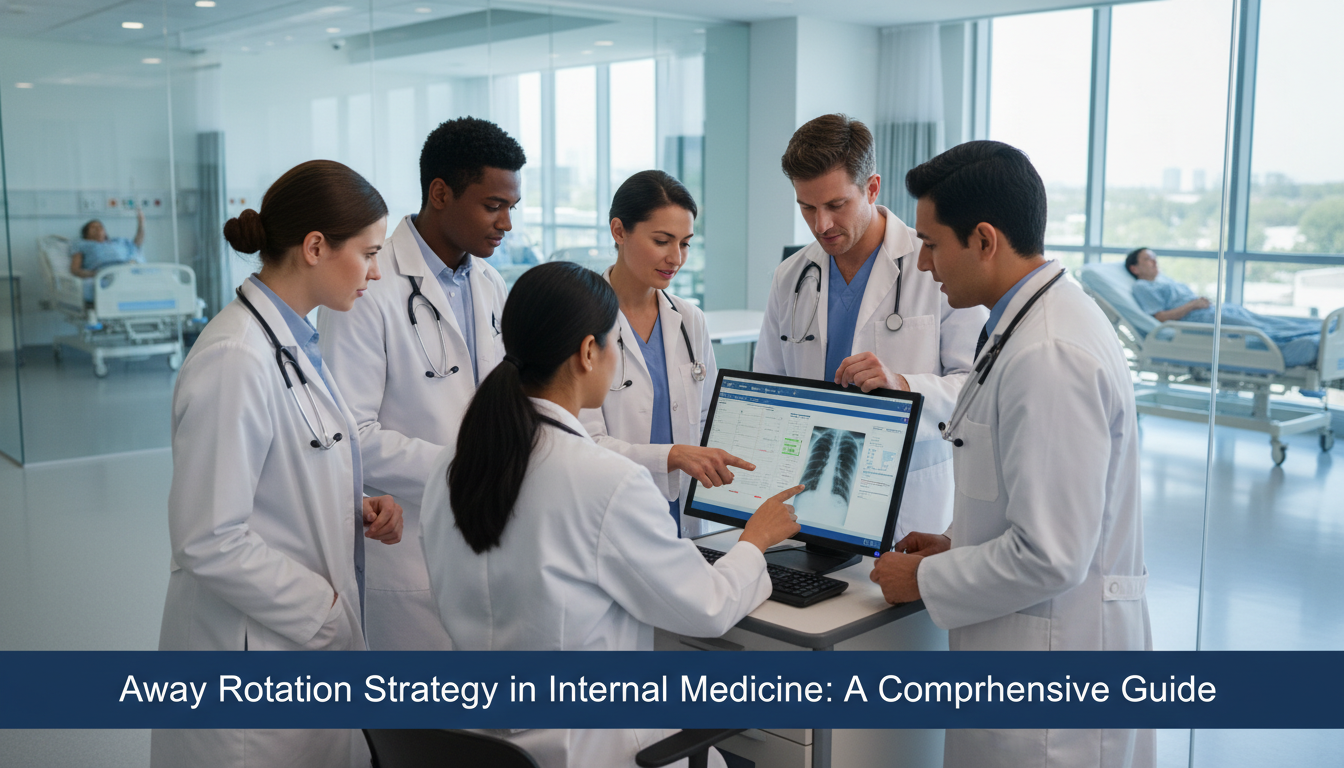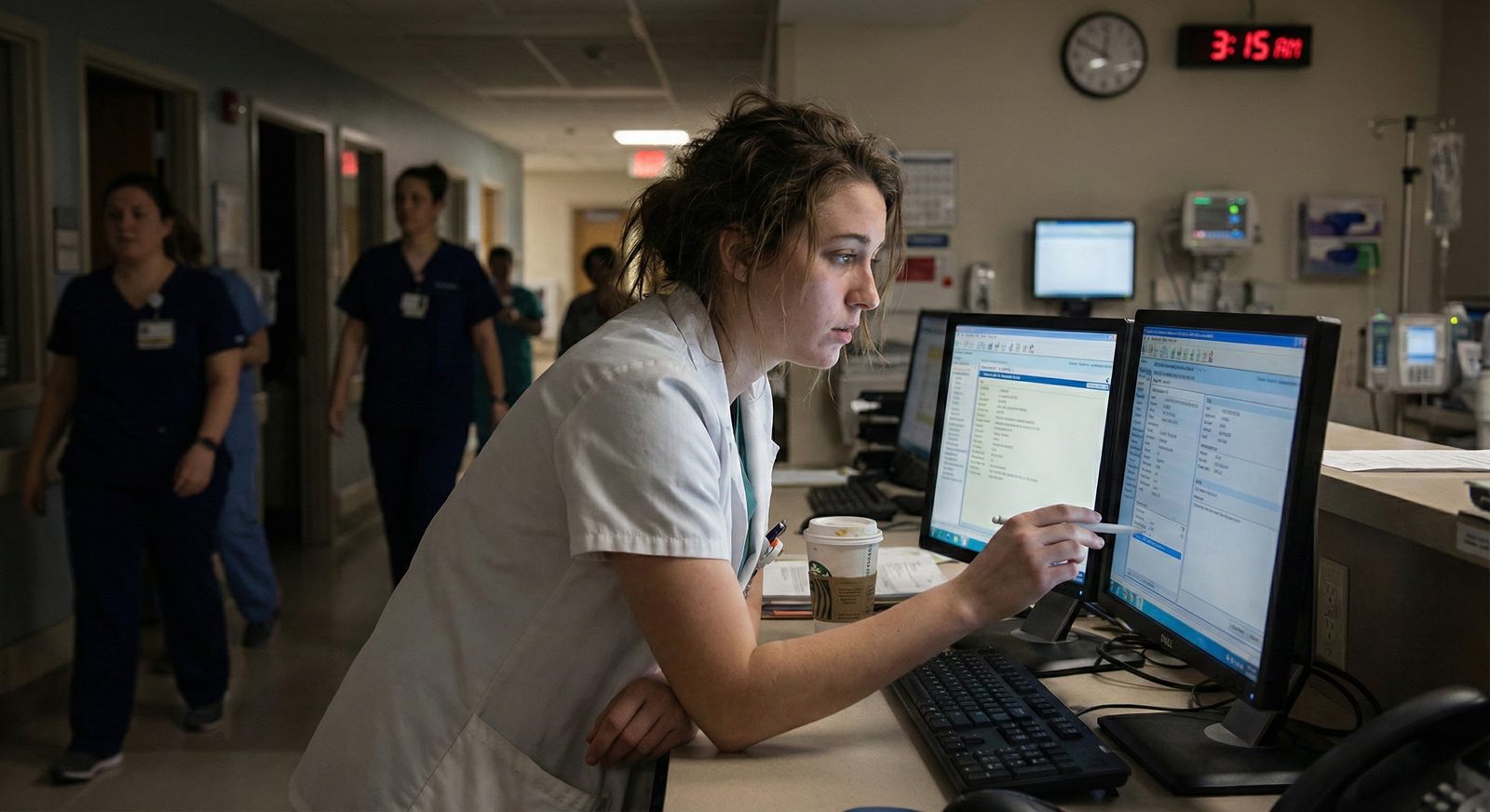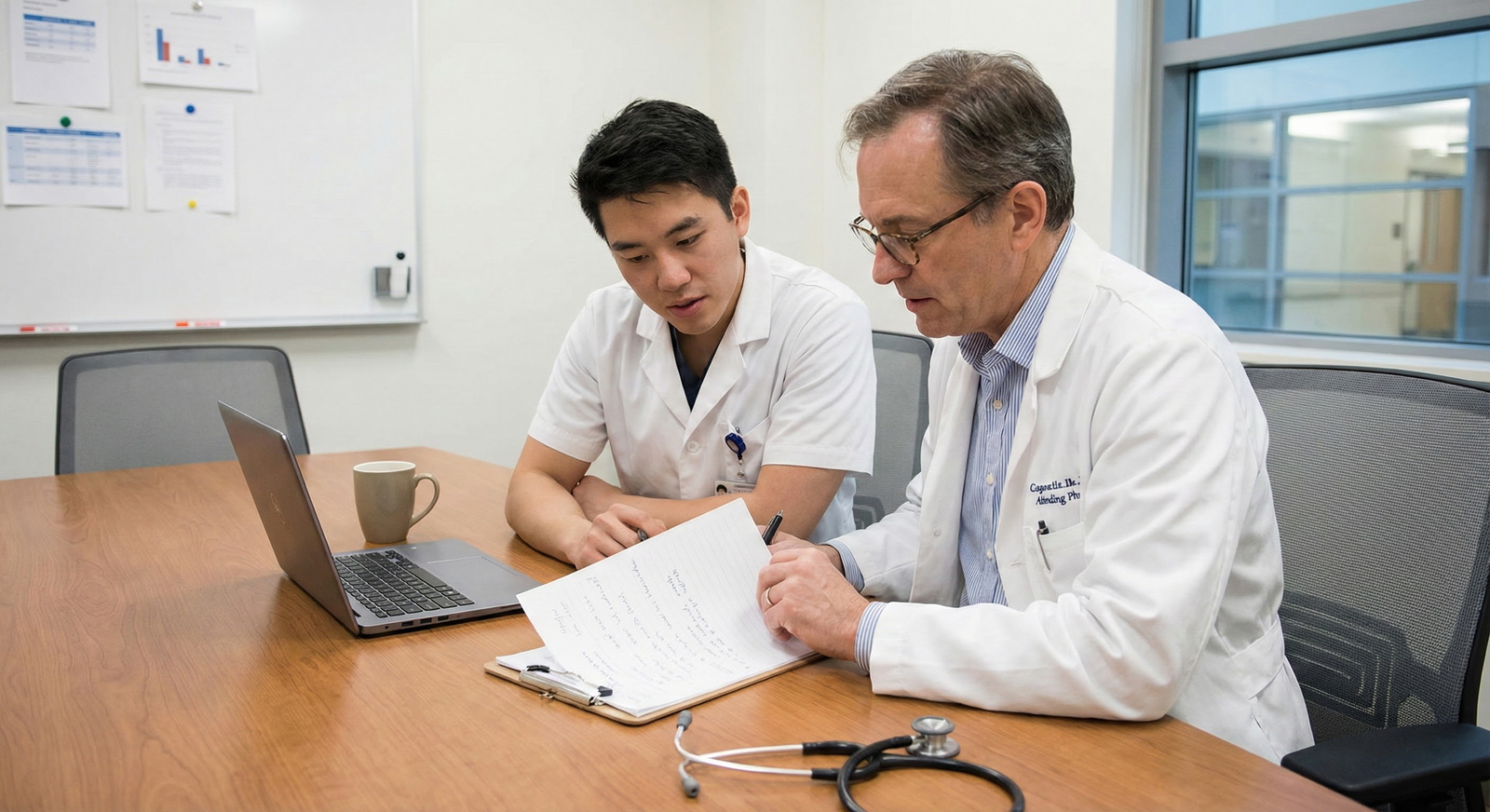
Medical school builds your scientific foundation, but it’s your clerkships that truly shape how residency programs see you. For many program directors, your clinical rotations are the clearest window into how you will function as an intern: how you think, how you work on a team, how you handle stress, and how you care for patients.
Clerkships, then, are not just graduation requirements—they are strategic tools you can use to strengthen your Residency Match prospects. By choosing and approaching them thoughtfully, you can build stronger Clinical Skills, enhance your Medical Education, and leverage Networking in Medicine to stand out on Match Day.
This guide walks through the core clerkships that matter most for residency programs, how they impact your application, and what you can do on each rotation to gain a real competitive edge in the Residency Match.
Why Clerkships Matter So Much for the Residency Match
Clerkships are the critical transition from classroom learning to real clinical responsibility. They are where you go from memorizing pathophysiology to applying it to actual patients in real time.
How Clerkships Influence Your Match Profile
Residency programs increasingly look beyond exam scores to evaluate “whole applicants.” Clerkships influence multiple components of your application:
Letters of Recommendation (LORs)
Some of your most important letters will come from attendings who supervised you during clerkships or sub-internships. Strong, detailed letters usually come from rotations where you were present, engaged, and reliable.MSPE/Dean’s Letter and Clinical Evaluations
Your performance on core and elective clerkships feeds directly into narrative comments and grades summarized in the Medical Student Performance Evaluation (MSPE). Program directors read these comments closely.Clinical Grades and Honors
Strong performance—especially in clerkships related to your intended specialty—signals that you are ready for the demands of residency in that field.Interview Talking Points
Many interview questions come back to your clerkship experiences: challenging cases, ethical dilemmas, teamwork, and moments of growth.Specialty Choice Clarification
Clerkships help you confirm (or change) your specialty interests. They also expose you to mentors who can guide you to realistic and competitive application strategies.
Core Benefits of High-Quality Clerkship Engagement
Regardless of your future specialty, clerkships build a foundation that residency programs expect to see:
Clinical Skills Development
History-taking, physical exams, differential diagnosis, clinical reasoning, documentation, and basic procedures all sharpen during clerkships.Professionalism and Work Ethic
Showing up prepared, on time, and engaged every day is one of the strongest signals you can send to faculty and residents.Networking in Medicine
Clerkships are where you begin to build your professional network—future letter writers, mentors, research collaborators, and advocates for your Residency Match.
High-Impact Clerkships for a Strong Residency Match
While every required rotation is important for a well-rounded Medical Education, certain clerkships are especially influential in shaping how residency programs evaluate you. These core rotations are often heavily weighted in MSPEs and evaluations.

1. Internal Medicine: The Foundation of Clinical Reasoning
Why It Matters:
Internal Medicine (IM) is often considered the backbone of clinical training. Whether you go into surgery, pediatrics, psychiatry, or a subspecialty, the ability to assess adult patients comprehensively is fundamental.
Competitive Edge for the Residency Match:
Broad Diagnostic Exposure
You’ll encounter conditions from heart failure to sepsis to autoimmune disease. This breadth drives your diagnostic reasoning and prepares you for almost any adult specialty.Longitudinal Patient Care
Following patients over days or weeks teaches continuity, reassessment, and care coordination—skills that program directors highly value.Core Skills Programs Care About
- Presenting patients clearly on rounds
- Writing organized, concise notes
- Managing complex medication lists and comorbidities
- Communicating with consultants and primary teams
How to Maximize This Clerkship:
- Volunteer to follow complex patients and present them on rounds.
- Practice constructing problem-based assessment and plans; ask residents to critique them.
- Ask attendings early in the rotation what they look for in honors-level performance.
- If interested in IM or its subspecialties, identify potential letter writers and meet with them before the end of the rotation.
2. Surgery: Demonstrating Grit, Teamwork, and Procedural Aptitude
Why It Matters:
Surgical clerkships test not only your Clinical Skills but also your resilience, teamwork, and ability to function in high-acuity environments. Even if you’re not pursuing surgery, these rotations show how you handle long hours and pressure.
Competitive Edge for the Residency Match:
Technical Skill Introduction
You’ll learn basic procedural skills—suturing, knot tying, sterile technique, managing drains—that signal your comfort in procedural settings.Operating Room Professionalism
How you function in the OR—prepared, respectful, anticipatory—tells faculty a lot about your work ethic and attention to detail.Cross-Specialty Value
Emergency medicine, anesthesiology, radiology, and many medical subspecialties value applicants who understand surgical workflows and postoperative care.
How to Maximize This Clerkship:
- Learn the basics of each case the night before and review anatomy.
- Arrive early, help with pre-op and post-op tasks, and offer to write brief notes where appropriate.
- Ask residents to watch your technique when suturing and give concrete feedback.
- If you’re interested in a surgical specialty, seek extra operative days and let the chief resident know your career interests.
3. Pediatrics: Communication, Empathy, and Family-Centered Care
Why It Matters:
Pediatrics clerkships expose you to caring not only for children but for families as units. Your ability to adjust communication to age, literacy, and emotional context becomes crucial.
Competitive Edge for the Residency Match:
Advanced Communication Skills
Explaining complex conditions and treatments in plain language—for both children and caregivers—is a powerful skill across all specialties.Emotional Intelligence
Dealing with anxious parents, chronically ill children, and sensitive diagnoses builds compassion and resilience.Future Specialty Relevance
Whether you match into pediatrics, family medicine, EM, or subspecialties like pediatric neurology, this rotation can provide strong specialty-specific experiences for your personal statement and interviews.
How to Maximize This Clerkship:
- Practice giving both child-friendly and parent-level explanations for common disorders.
- Pay attention to growth charts, vaccination schedules, and developmental milestones—these are high-yield on rounds and exams.
- For pediatrics-bound students, seek continuity clinics or additional pediatric subspecialty electives (e.g., NICU, pediatric cardiology).
4. Family Medicine: Breadth, Continuity, and Systems Thinking
Why It Matters:
Family Medicine clerkships often give you the widest snapshot of outpatient medicine: acute issues, chronic disease management, mental health, preventive care, and sometimes prenatal or minor procedural work.
Competitive Edge for the Residency Match:
Broad Clinical Exposure Across Ages
From pediatric well-child visits to geriatric polypharmacy, this clerkship solidifies your versatility.Longitudinal and Preventive Focus
Catching early disease, counseling on lifestyle, and coordinating care across systems are increasingly valued skills in modern healthcare.Signal of Primary Care Commitment
If you’re targeting primary care–oriented residencies (family med, IM-primary care, pediatrics), strong performance and letters from this rotation are particularly powerful.
How to Maximize This Clerkship:
- Take ownership: pre-chart, draft assessment and plans, and propose preventive care interventions.
- Learn to manage common outpatient problems (HTN, diabetes, depression, back pain) using current guidelines.
- Ask to participate in minor procedures (joint injections, skin biopsies, Pap smears) when appropriate.
5. Psychiatry: Mastering the Mind–Body Connection
Why It Matters:
Mental health is woven into every field of medicine. Psychiatry clerkships give you tools to recognize, evaluate, and manage behavioral health conditions that frequently present in primary care, EM, and inpatient settings.
Competitive Edge for the Residency Match:
Advanced Interviewing Skills
Motivational interviewing, risk assessment (suicidality, psychosis), and trauma-informed care are transferrable to every specialty.Holistic View of the Patient
Recognizing how mental health, social determinants, and substance use interact with physical disease strengthens your overall patient care.Respected by Program Directors
Many programs pay close attention to how students handle psychiatric histories, capacity assessments, and challenging interpersonal dynamics.
How to Maximize This Clerkship:
- Practice full psychiatric interviews and present them succinctly.
- History of present illness
- Past psych history, meds, substance use
- Social and family context
- Learn basic psychopharmacology and common inpatient protocols.
- Reflect on your emotional reactions to difficult encounters—this self-awareness is a key marker of maturity in residency.
6. Obstetrics and Gynecology (OB/GYN): Acute Decision-Making and Women’s Health
Why It Matters:
OB/GYN clerkships introduce you to reproductive health, prenatal care, labor and delivery, and gynecologic surgery. Even if you pursue a non-obstetric specialty, understanding women’s health is essential.
Competitive Edge for the Residency Match:
Procedural and Acute Care Experience
You’ll gain exposure to deliveries, urgent obstetric complications, and gynecologic procedures.Communication and Advocacy
Navigating discussions about contraception, pregnancy options, and intimate partner violence develops your capacity for sensitive, patient-centered care.Value Across Specialties
Internal medicine, family medicine, EM, anesthesia, and surgery all intersect with women’s health. Strong OB/GYN evaluations reassure programs of your ability to manage half the population’s unique needs.
How to Maximize This Clerkship:
- Learn the basics of fetal monitoring, stages of labor, and common OB emergencies.
- Show up early for labor and delivery, and respectfully ask to participate in deliveries and pelvic exams where appropriate and allowed.
- Pay close attention to informed consent discussions; they are highly relevant for interviews and ethical questions.
7. Emergency Medicine: Triage, Efficiency, and Crisis Management
Why It Matters:
Emergency Medicine (EM) clerkships put you in a fast-paced environment where decisions must be made quickly, often with incomplete data. EM rotations showcase how you perform under pressure—something residency programs look for across all specialties.
Competitive Edge for the Residency Match:
Rapid Clinical Assessment
Quickly distinguishing sick from stable patients is a core skill valued in surgery, IM, EM, critical care, and beyond.Broad Procedural Exposure
Depending on the site, you may perform or assist with laceration repairs, splinting, basic airway management, and central lines.Systems-Based Practice
EM rotations highlight resource use, interdepartmental communication, and disposition decisions—key components of modern healthcare delivery.
How to Maximize This Clerkship:
- Learn an organized approach to common chief complaints (chest pain, abdominal pain, shortness of breath, headache).
- Ask to present patients briefly and efficiently—ED attendings value concise assessments.
- If considering EM as a specialty, ask about away rotations and Standardized Letters of Evaluation (SLOEs).
Beyond Core Rotations: Electives, Sub-Internships, and Away Rotations
Once core clerkships are complete, targeted electives and sub-internships become powerful tools in your Residency Match strategy.
Sub-Internships (“Sub-Is” or Acting Internships)
These are rotations where you function as close as possible to an intern under supervision. They are particularly important if:
- You are applying to that specialty (e.g., IM Sub-I for IM applicants).
- You need a strong specialty-specific letter.
- You want to demonstrate readiness for intern-level responsibility.
Specialty Electives
Choose electives that:
- Deepen your experience in your chosen field (e.g., cardiology for IM applicants, PICU for pediatrics).
- Complement your primary specialty (e.g., radiology or anesthesia for surgical applicants, palliative care for IM/FM).
- Offer research or QI project opportunities linked to faculty with strong reputations in your field.
Away Rotations
Away rotations (visiting student rotations at other institutions) can:
- Showcase you directly to a program you’re highly interested in.
- Help you explore different practice environments (community vs. academic, urban vs. rural).
- Provide letters from well-known institutions, which can carry extra weight.
Plan away rotations early, especially in competitive fields (e.g., ortho, derm, neurosurgery), and discuss strategy with your home advisors.
How to Maximize Every Clerkship for Residency Match Success
Choosing the right Clerkships is only half the battle; how you perform and what you do with those experiences matters just as much.
Build Strong Professional Relationships
Be Reliable and Proactive
Consistently showing up early, following through on tasks, and asking “What else can I help with?” builds a strong reputation.Seek Feedback Regularly
Ask residents and attendings mid-rotation, “What’s one thing I’m doing well and one thing I can improve?” Then visibly work on it.Identify Mentors
When you connect with an attending or senior resident, schedule a brief meeting to discuss your career goals. These relationships often lead to impactful guidance, research collaborations, and strong letters.
Be an Active Learner
Prepare Before Each Day
Review common diagnoses you’ll see in that setting. Even 15–20 minutes of focused reading can dramatically improve your performance.Own Your Patients
Know everything about the patients you follow—labs, imaging, overnight events, and their story. Programs value students who act like junior interns.Engage in Teaching Moments
When presented with a teaching point, write it down, look it up later, and bring a related question or article the next day.
Document and Leverage Your Experiences
Maintain a Clinical Log
Record interesting cases, procedures you’ve done or observed, and specific moments of growth. This becomes gold for:- Personal statements
- Residency interviews
- Scholarship/QI project ideas
Track Skills and Milestones
Keep a running list of:- Procedures performed
- Presentations given
- Notable feedback you received and how you acted on it
Translate Experiences into Stories
Programs respond to concrete examples: “Tell me about a time you managed a difficult patient interaction” or “Describe a challenging clinical case.” Your clerkship log will help you answer with confidence.

Frequently Asked Questions (FAQs)
1. Which clerkships matter most for Residency Match decisions?
Program directors pay particular attention to core clerkships—Internal Medicine, Surgery, Pediatrics, Family Medicine, Psychiatry, OB/GYN, and often Emergency Medicine. Among these, rotations aligned with your intended specialty (plus any sub-internships) usually carry the most weight for letters and narrative comments. However, patterns matter more than any single rotation: consistent professionalism and growth across clerkships is what programs look for.
2. How should I choose electives if I’m not 100% sure of my specialty?
If you’re undecided:
- Choose one or two electives in specialties you’re seriously considering.
- Add electives that are broadly useful—like radiology, palliative care, critical care, or infectious disease.
- Avoid over-specializing too early (e.g., stacking only niche subspecialty electives) unless you are very certain about your path.
Discuss your options with an academic advisor; they can help you balance exploration with building a strong application.
3. When and how should I ask for letters of recommendation from clerkships?
Ask for letters:
- Near the end of the rotation, when your performance is fresh in the attending’s mind.
- After a strong interaction, such as a case you managed well or a presentation that went particularly smoothly.
When you ask:
- Request a “strong, supportive letter” and give them the option to decline if they can’t write one.
- Provide your CV, personal statement draft (if available), and a brief summary of your goals and key experiences on the rotation.
- Politely remind them of deadlines and follow up once or twice if necessary.
4. How can I recover if I don’t perform well on a particular clerkship?
One underwhelming clerkship rarely ruins an application, but you should respond strategically:
- Seek feedback to understand what went wrong (knowledge gaps, communication issues, time management).
- Demonstrate growth on subsequent rotations by applying that feedback and asking new supervisors how you’re doing.
- Highlight improvement in your application and interviews by discussing how you responded to the challenge and what you changed.
- If appropriate and feasible, consider doing an additional elective or sub-I in the same or related field to show that you’ve addressed previous weaknesses.
5. How do clerkships fit into my overall Residency Match strategy?
Think of clerkships as the clinical core of your Residency Match portfolio. Along with board scores and activities, they:
- Generate your most important letters of recommendation
- Shape the narrative and grades in your MSPE
- Provide the clinical stories you’ll use in personal statements and interviews
- Help you network in medicine and find mentors who can advocate for you
Align your clerkship choices (especially electives and sub-internships) with your specialty interests, then maximize each rotation through preparation, professionalism, and active engagement. That combination—strategic selection plus outstanding performance—is what will truly give you the competitive edge on Match Day.
By approaching clerkships with intention—choosing strategically, performing consistently, and building meaningful relationships—you transform required rotations into powerful assets for your Residency Match. Each patient encounter, call night, and challenging case becomes an opportunity not just to learn medicine, but to become the kind of colleague programs are eager to welcome into their residency.