Away rotations can be the single most powerful lever a DO graduate has for breaking into a competitive field like dermatology. Used well, they function as month‑long auditions where you prove you can perform at the level of a future resident—despite any perceived bias against osteopathic applicants. Used poorly, they can drain time, money, and energy without improving your derm match odds.
This article walks you through an evidence‑based, practical away rotation strategy specifically for a DO graduate pursuing dermatology. We’ll focus on: choosing the right programs, planning the number and timing of visiting student rotations, preparing to excel, and converting your away performance into interview invitations and a strong dermatology residency match application.
Understanding Away Rotations for DO Graduates in Dermatology
Away rotations (often called “visiting student rotations,” “audition rotations,” or “sub‑internships”) are 2–4 week experiences at institutions other than your home program. In dermatology, where the applicant pool is small and highly competitive, they play an outsized role.
Why Away Rotations Matter More for DO Graduates
For a DO graduate, away rotations in dermatology can:
Demonstrate clinical equivalence or superiority
- Show that you can perform at the same level as MD peers.
- Provide direct comparison for faculty who may be less familiar with osteopathic graduates.
Generate high‑impact letters of recommendation (LORs)
- Dermatology programs heavily value letters from academic dermatologists, especially from faculty who are known in the field.
- A strong LOR from an away rotation can neutralize concerns about school “pedigree” or limited home derm exposure.
Overcome limited home dermatology opportunities
- Many osteopathic schools lack an affiliated dermatology residency.
- Away rotations function as your primary in‑person exposure to academic dermatology and research‑oriented departments.
Signal genuine interest and fit
- Programs notice when you “show up” on their turf.
- A strong performance can move you from “maybe” to “must‑interview” in the derm match.
Provide networking and mentorship
- You gain access to mentors, research collaborators, and program leadership.
- This network can help you tailor your application, identify realistic programs, and strategize reapplication if needed.
How Many Away Rotations Should a DO Graduate Do for Dermatology?
A common question is: how many away rotations are optimal for a DO graduate applying to dermatology residency?
Typical Range for Dermatology Applicants
For dermatology, it’s common for applicants (especially those without home programs or with perceived disadvantages such as DO status) to complete:
- 2–3 dermatology away rotations (each 2–4 weeks)
- Occasionally 1 additional related rotation (e.g., dermatopathology, rheumatology with strong cutaneous overlap, or a research elective)
While more rotations might seem better, quantity can backfire if quality suffers. Programs remember a mediocre month as clearly as a stellar one.
Strategic Recommendations for DO Graduates
If you have no home dermatology residency program:
- Aim for 3 total derm rotations:
- 1 “home‑equivalent” (local or regional academic derm service where you can act like a sub‑I)
- 2 away rotations at target programs (varied competitiveness, ideally including at least 1 DO‑friendly site)
If you have strong early derm exposure or a derm‑affiliated mentor:
- 2 well‑chosen away rotations may be sufficient:
- 1 at a mid‑tier or DO‑friendly program
- 1 at a reach program aligned with your geographic or research interests
Avoid over‑scheduling away rotations (4+ months) if:
- You need time for research productivity (publications/abstracts).
- You are behind on taking or retaking USMLE/COMLEX.
- Your finances are limited—travel and housing costs add up quickly.
In dermatology, a small number of high‑impact away rotations is more powerful than many average ones.
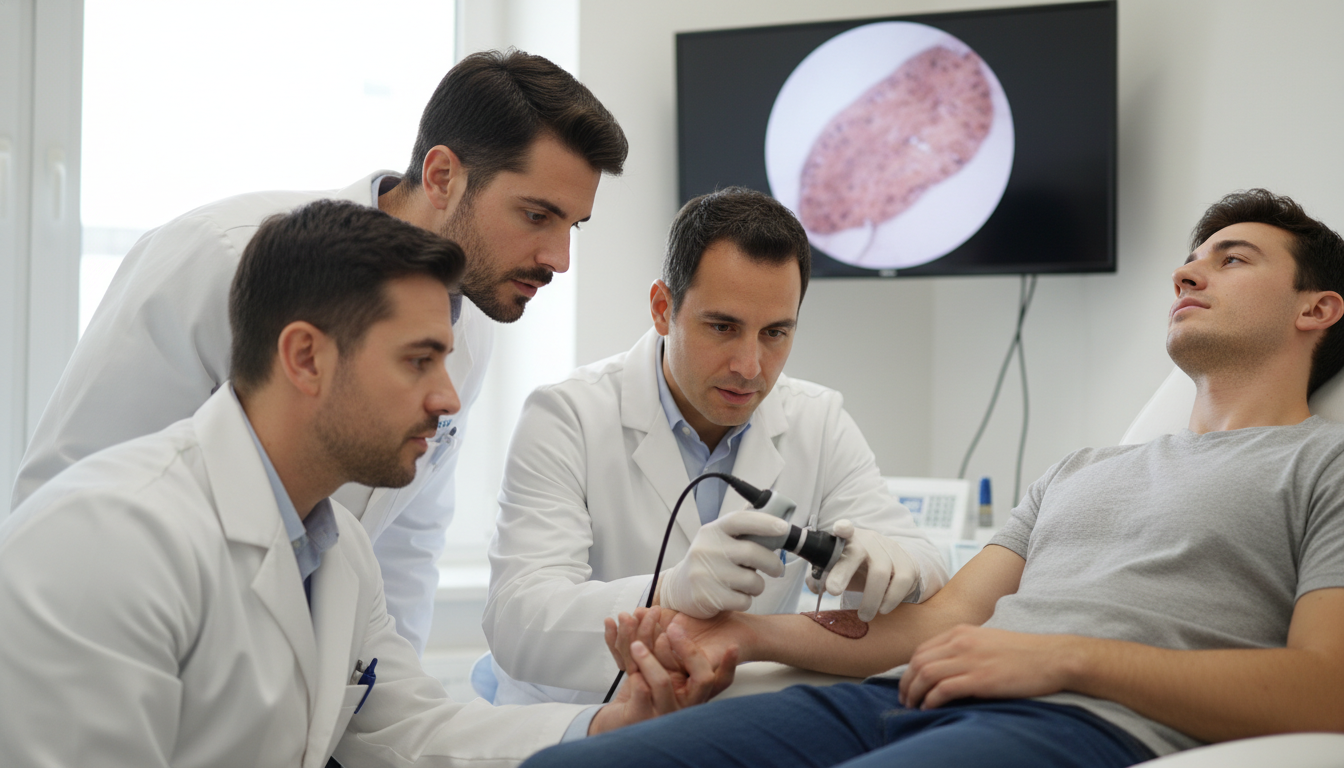
Choosing the Right Programs: Targeted Strategy for DO Graduates
Not all away rotations are equally valuable for a DO graduate pursuing dermatology. A smart strategy separates “brand chasing” from selecting programs where your month can realistically translate into a dermatology residency interview and, potentially, a match.
1. Identify DO‑Friendly and Realistic Programs
Start by mapping out programs along several dimensions:
Historical DO representation
- Check current resident rosters on program websites.
- Programs with current or recent DO residents are more likely to view DO training favorably.
Publicly stated DO acceptance
- VSLO/VSAS or program websites sometimes explicitly include or exclude DO students.
- Look for language like “welcomes applications from DO students” or notes about COMLEX acceptance.
Licensing exam flexibility
- Programs that accept COMLEX alone or clearly state “COMLEX or USMLE” can be more accessible, particularly if you took only COMLEX.
- For high‑tier academic derm programs, USMLE scores remain influential; DO graduates with strong USMLE can be very competitive.
Clinical and research alignment
- If you have an interest (e.g., complex medical derm, derm oncology, cosmetics, peds derm), target programs known for those strengths.
- Research alignment increases your odds of connecting deeply with faculty.
Action step: Create a spreadsheet listing:
- Program name
- City/region
- DO residents (Y/N; how many)
- COMLEX policy
- Research/output strengths
- Your interest level (High/Medium/Low)
- Rotation contact person and deadlines
This will guide your osteopathic residency match strategy in dermatology more concretely than reputation alone.
2. Balance Reach, Target, and Safer Programs
For each away rotation, consider:
Reach programs
- Prestigious, highly academic, typically low DO representation.
- High risk‑high reward: a stellar performance can open doors but expectations are intense.
Target programs
- Mid‑tier, regionally respected, some DOs currently in residency.
- Likely the core of your dermatology residency rank list.
Safer programs
- Smaller or community‑affiliated derm programs; more DO representation or historically DO‑friendly.
- Great for strong LORs and a realistic derm match option.
A balanced strategy for a competitive DO applicant might be:
- Away 1: Target program (preferably DO‑friendly)
- Away 2: Reach program aligned with your research or geographic goals
- Optional Away 3: Safer or DO‑heavy program where you can shine and secure an outstanding LOR
3. Use Visiting Student Rotations to Cover Geographic Priorities
Programs are often more receptive to applicants with a plausible reason to be in their region. As a DO graduate, use away rotations to signal geographic commitment:
- If you want to match in a particular city or state, prioritize at least one away there.
- If you’re flexible, consider regions with:
- Lower overall application volume (e.g., certain Midwest or Southern areas).
- Strong history of DO graduate residency placements.
When PDs see a visiting student who worked hard and fit into their culture, they frequently move that person up in their derm match consideration, especially if the region is not oversaturated.
4. Don’t Neglect Osteopathic or DO‑Heavy Systems
While many DO applicants focus solely on allopathic dermatology programs, also consider:
- Programs affiliated with large osteopathic hospitals or systems
- Community/university hybrid programs that have more flexible selection patterns
- Systems where COMLEX scores are deeply understood and respected
These can be key anchors in your osteopathic residency match list while you still pursue competitive academic derm options.
Timing, Applications, and Logistics: Building a DO‑Friendly Schedule
Ideal Timing of Away Rotations for Dermatology
For most DO graduates applying to dermatology:
Prime rotation months:
June–October of your final clinical year (e.g., 4th‑year for traditional students; adjust if you graduated early/late).Highly strategic months:
July–September- Faculty are back from summer vacations.
- Rotations are close enough to application season for faculty to remember you clearly while writing LORs.
- You can list these experiences on your ERAS application and in your personal statement.
October and later
- Still useful for LORs and networking but may miss internal pre‑interview ranking at some programs.
- Better for backup specialties or if your derm application is already submitted and you’re planning ahead for reapplication.
Practical recommendation for DO grads:
- Schedule your most important away rotation in July or August, when faculty are fresh and your performance can influence both LORs and early interview decisions.
Application Platforms and Deadlines
Most dermatology away rotations use:
- VSLO/VSAS (AAMC Visiting Student Learning Opportunities)
- Some use institution‑specific portals or direct applications
Key points:
- Deadlines often begin as early as February–March for rotations starting in June–September.
- Some institutions require:
- Immunization records and titers
- Background checks or drug screens
- Proof of malpractice coverage from your home institution
- BLS/ACLS certifications
As a DO graduate, also watch for:
- Policies about accepting DO students
- Requirements for USMLE vs COMLEX (occasionally for students, more often for residents—but some programs signal preferences early)
Submit applications early, especially for:
- High‑demand academic dermatology programs
- Big coastal cities (NYC, LA, Boston, San Francisco, etc.)
Budgeting and Logistics
Away rotations are expensive. Plan for:
- Travel (flight, gas, parking)
- Short‑term housing (Airbnb, extended‑stay hotels, student housing if available)
- Food and daily living costs
- Application and processing fees
Cost‑saving tips:
- Ask programs about:
- Student housing or reduced‑rate options
- Institutional scholarships or needs‑based support for visiting students
- Consider rotations in cities where you have family or friends to cut housing costs.
- If you’re planning 3+ away rotations, create a detailed budget early and prioritize the most impactful sites for your derm match goals.
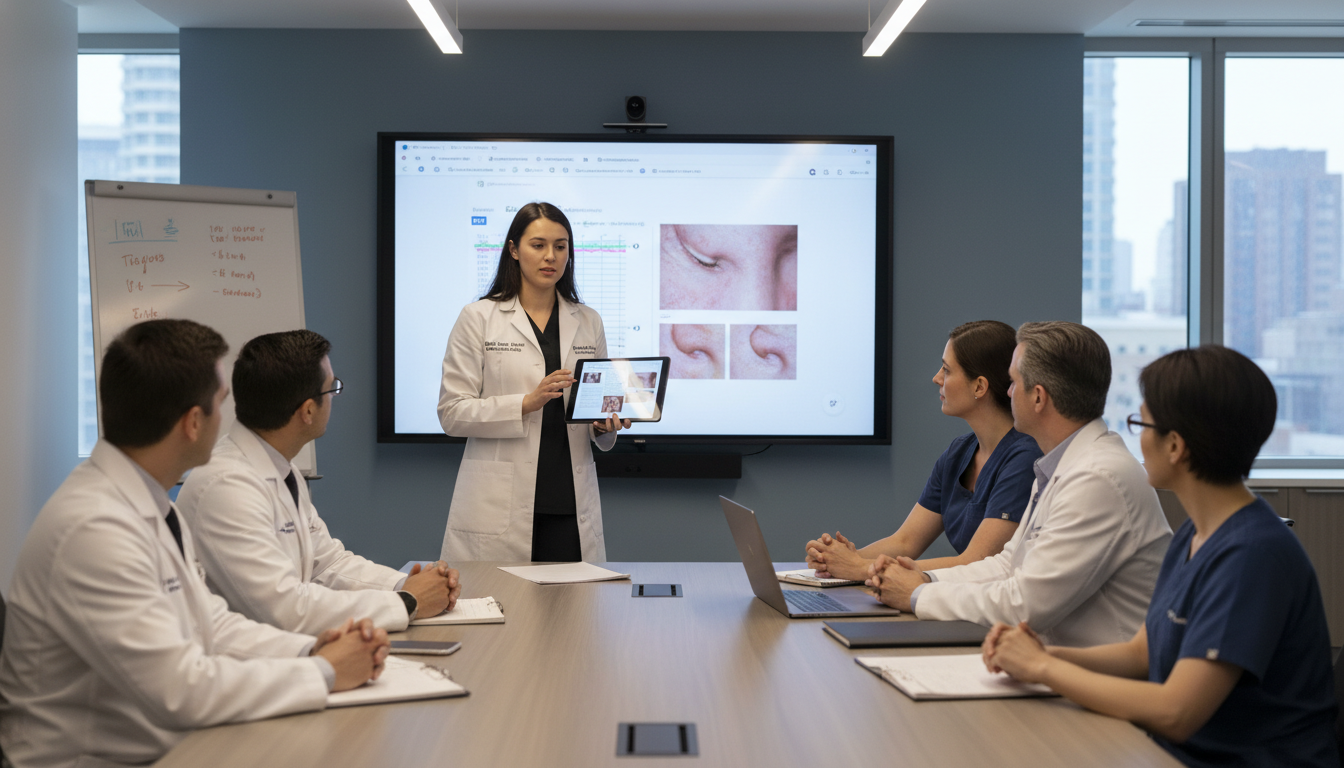
How to Excel on Away Rotations as a DO Graduate
Once you get the away rotation, your performance becomes more important than your application metrics. Dermatology is small; reputations travel fast. Think of each away as a 4‑week, in‑person interview.
1. Prepare Clinically Before You Arrive
Dermatology rewards visual pattern recognition and concise clinical reasoning. As a DO graduate, strong preparation can help overshadow any initial bias.
At least 4–6 weeks before:
- Review:
- Basic morphology and terminology (papules, plaques, vesicles, pustules, etc.)
- Common derm diagnoses: acne, rosacea, psoriasis, atopic dermatitis, seborrheic dermatitis, tinea, warts, actinic keratoses, BCC, SCC, melanoma
- Emergency derm: SJS/TEN, DRESS, erythroderma, vasculitis, meningococcemia
- Read a student‑friendly source:
- Bolognia’s Dermatology Essentials or a concise review text
- Visual atlases (e.g., Habif, DermNet, or institutional slide decks)
- Learn the basics of:
- Topical steroids (potencies, vehicles)
- Systemic therapies (e.g., isotretinoin, methotrexate, biologics in broad strokes)
- Biopsy types and indications (shave, punch, excision)
Your goal: arrive as a well‑prepared, quick‑learning DO who doesn’t require extensive teaching on basics.
2. Understand Expectations and Culture
On day one:
- Ask explicitly:
- “What are the expectations for students on this rotation?”
- “How can I be most helpful to the team?”
- “What is the typical workflow in clinic and consults?”
Derm programs differ:
- Some expect students to pre‑round, see consults independently, present, and write notes.
- Others want students to shadow closely and assist with procedures.
Adapting quickly to local expectations signals maturity and professionalism—critical in dermatology, where residents often work in fast‑paced outpatient settings.
3. Shine Through Work Ethic and Professionalism
Key behaviors that stand out positively:
Reliable early arrival
- Be there before residents, ready to help set up rooms, review schedules, or pull charts.
Case ownership
- If permitted, see patients first; present concise assessments and propose plans.
- Follow up on results (biopsies, labs) and communicate updates with your team.
Thoughtful questions
- Ask questions that show you’ve read or thought beforehand.
- Example: “I noticed we’re using a mid‑potency topical steroid here. In which cases would you escalate to a higher potency, and how do you monitor for side effects?”
Respect for all team members
- MAs, nurses, schedulers, and front desk staff often share impressions of visiting students with faculty.
- Treat everyone with the same respect you give attendings.
Humility and teachability
- If you don’t know something, say so and offer to look it up.
- Return the next day with a brief explanation or summary.
4. Showcase Your Strengths as a DO Graduate
Leverage your osteopathic background:
Emphasize:
- Holistic patient care and patient education.
- Communication skills and rapport building (especially important in chronic skin disease).
- Systems thinking (e.g., skin–systemic disease connections).
When appropriate, connect derm findings to systemic issues, e.g.:
- “This dermatomyositis rash makes me think about underlying malignancy work‑up and muscle involvement—should we consider coordinating with rheumatology and oncology?”
Avoid overemphasizing osteopathic manipulative treatment (OMT) unless specifically relevant; in dermatology, your value will come more from your global clinical reasoning, thoroughness, and communication.
5. Ask Strategically for Letters of Recommendation
A major purpose of away rotations in dermatology is to obtain strong, personalized LORs that can anchor your derm match application.
Best practices:
- Identify mentors early:
- A faculty member you work with multiple times.
- Someone who sees you present, interact with patients, and grow over the month.
- Timing:
- Ask during the last week of your rotation, in person if possible.
- How to ask:
- “I’ve really valued working with you this month, and I’m applying to dermatology. Would you feel comfortable writing a strong letter of recommendation for me?”
If they hesitate, thank them and consider asking another faculty member. You want letters that are not only positive but enthusiastic and specific.
Provide:
- Your updated CV
- Draft personal statement
- Summary of your work with them (patients, projects, presentations)
- Any particular traits you hope they might highlight (e.g., resilience as a DO graduate, work ethic, teaching ability)
Integrating Away Rotations into Your Overall Derm Match Strategy
Away rotations should fit into a broader osteopathic residency match plan for dermatology—not exist in isolation.
1. Align Rotations With Your Application Narrative
Consider how each away rotation supports your story:
- Geographic commitment: “I completed rotations in the Midwest because I hope to build my career serving patients here.”
- Subspecialty interest: “My visiting student rotations emphasized complex medical dermatology and inpatient consults.”
- DO graduate strengths: “I sought out programs that value osteopathic physicians and holistic care.”
Make sure your personal statement, experiences section, and interviews reference these deliberate choices.
2. Coordinate With Research and Academic Productivity
In dermatology, research is increasingly important—especially for DO graduates.
If you lack publications:
- Consider splitting time: 2 away rotations + 1 intensive research block at a derm department.
- During away rotations, ask faculty if there are ongoing projects you can assist with (even short‑term chart reviews, case reports, or poster abstracts).
If you already have multiple derm publications:
- Focus your away choices on programs where your existing work aligns with faculty interests.
- Mention shared topics (e.g., psoriasis outcomes, skin of color dermatology, dermpath metrics) during your rotation.
3. Be Prepared With Backup Plans
Dermatology is ultra‑competitive, and even excellent DO applicants sometimes need a parallel or backup plan. Use your away rotations thoughtfully:
- Some DO graduates:
- Apply primarily to dermatology, with a carefully chosen secondary specialty (e.g., internal medicine with a plan for later dermatology fellowship, or transitional/preliminary year with reapplication).
- Consider:
- Doing one rotation in your backup specialty to keep options open.
- Choosing derm programs that have strong ties to medicine or pediatrics if you might later pursue combined or niche training.
Discuss these options early with mentors; your away attendings can provide a realistic assessment of your derm match odds and help you calibrate expectations.
FAQs: Away Rotation Strategy for DO Graduates in Dermatology
1. As a DO graduate, do I absolutely need away rotations to match into dermatology?
Away rotations are not formally required, but for most DO graduates, they are highly advantageous. Without a home dermatology residency, visiting student rotations may be your only way to obtain:
- In‑specialty, academic dermatology LORs
- Direct exposure to derm clinic, consults, and procedures
- Tangible evidence you can excel beside MD peers
Some DO applicants with exceptional metrics and research may match without away rotations, but that is less common. If feasible, plan for at least 2 dermatology away rotations.
2. Should I prioritize “big name” programs or DO‑friendly programs for away rotations?
Ideally, both—but with different purposes:
Big name (reach) programs:
- Great for exposure, networking, and high‑impact letters if you perform well.
- More competitive to secure and may have limited DO representation.
DO‑friendly / realistic programs:
- Higher chance of converting your strong performance into an interview and match.
- Often provide more hands‑on experience and personalized mentorship.
For most DO graduates, a mix is ideal:
- 1 DO‑friendly “target” or “safer” program where you can stand out.
- 1 reach program aligned with your interests or region.
- Optional third rotation based on your needs and resources.
3. How should I answer if asked about being a DO during my away rotation?
Be direct, confident, and positive:
- Emphasize:
- The strengths of your osteopathic training: holistic care, communication, focus on function and quality of life.
- Your performance and achievements that demonstrate equivalence or excellence (scores, research, leadership).
Example response:
- “I’m proud of my DO training. It’s given me a very patient‑centered approach and strong clinical skills. Over the last few years I’ve focused on building a robust dermatology application through research, strong clinical rotations, and now these away experiences to show that I can perform at the level expected of any dermatology resident.”
Avoid sounding defensive; instead, redirect attention to your concrete accomplishments and performance.
4. What if one of my away rotations goes poorly? Will it ruin my derm match chances?
A single suboptimal rotation is not automatically fatal, but you should:
- Reflect honestly:
- Was it a poor fit, bad luck, or performance gaps?
- Seek feedback (if appropriate) to identify what you can improve.
- Focus on excelling in your other rotations and securing strong LORs there.
- If you suspect the program will not write a positive letter, don’t request one.
Residency programs understand that not every rotation is a perfect match. A strong overall record—especially at other away or home‑equivalent sites—can balance one weaker experience.
A carefully planned, well‑executed away rotation strategy can transform a DO graduate from an overlooked application into a standout dermatology residency candidate. By choosing programs deliberately, scheduling rotations thoughtfully, and maximizing your performance on‑site, you give yourself the best possible chance at a successful derm match—while building skills and relationships that will serve you throughout your career.