Understanding Away Rotations in Radiation Oncology as an IMG
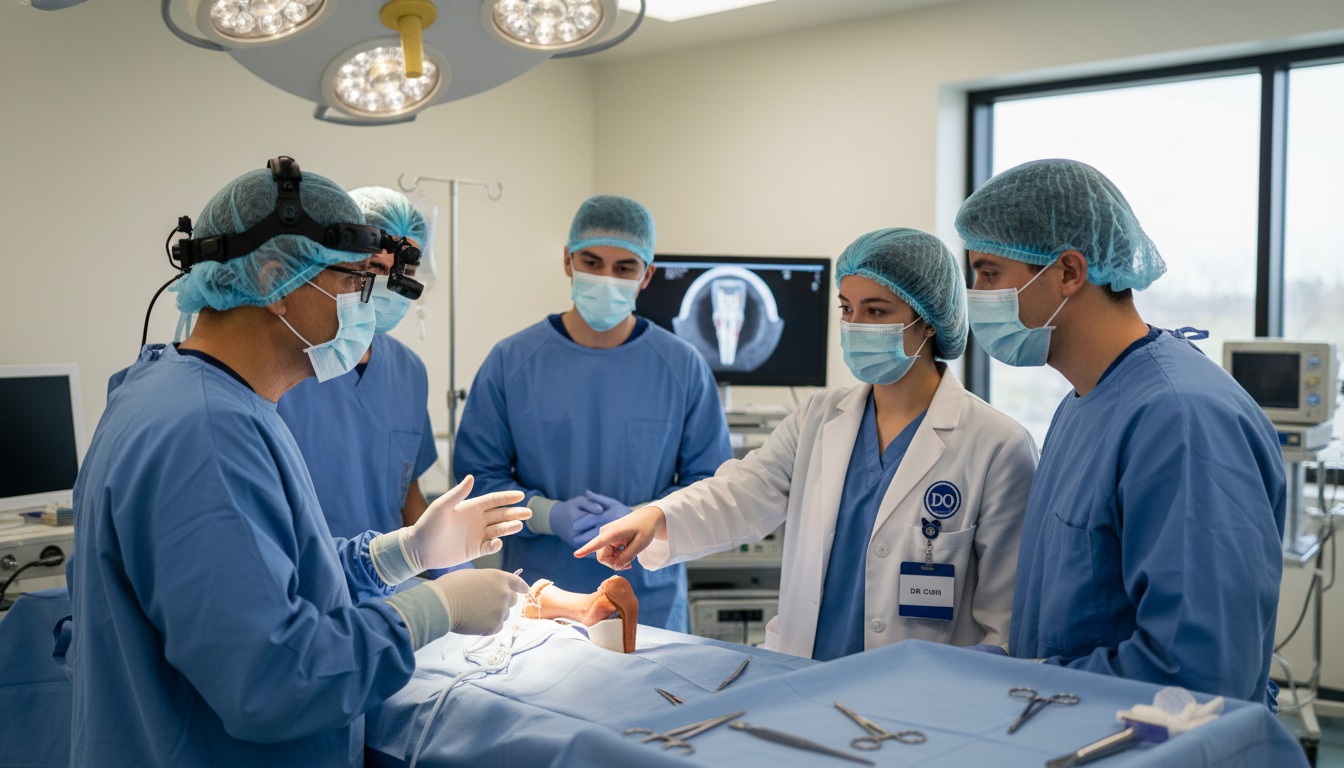
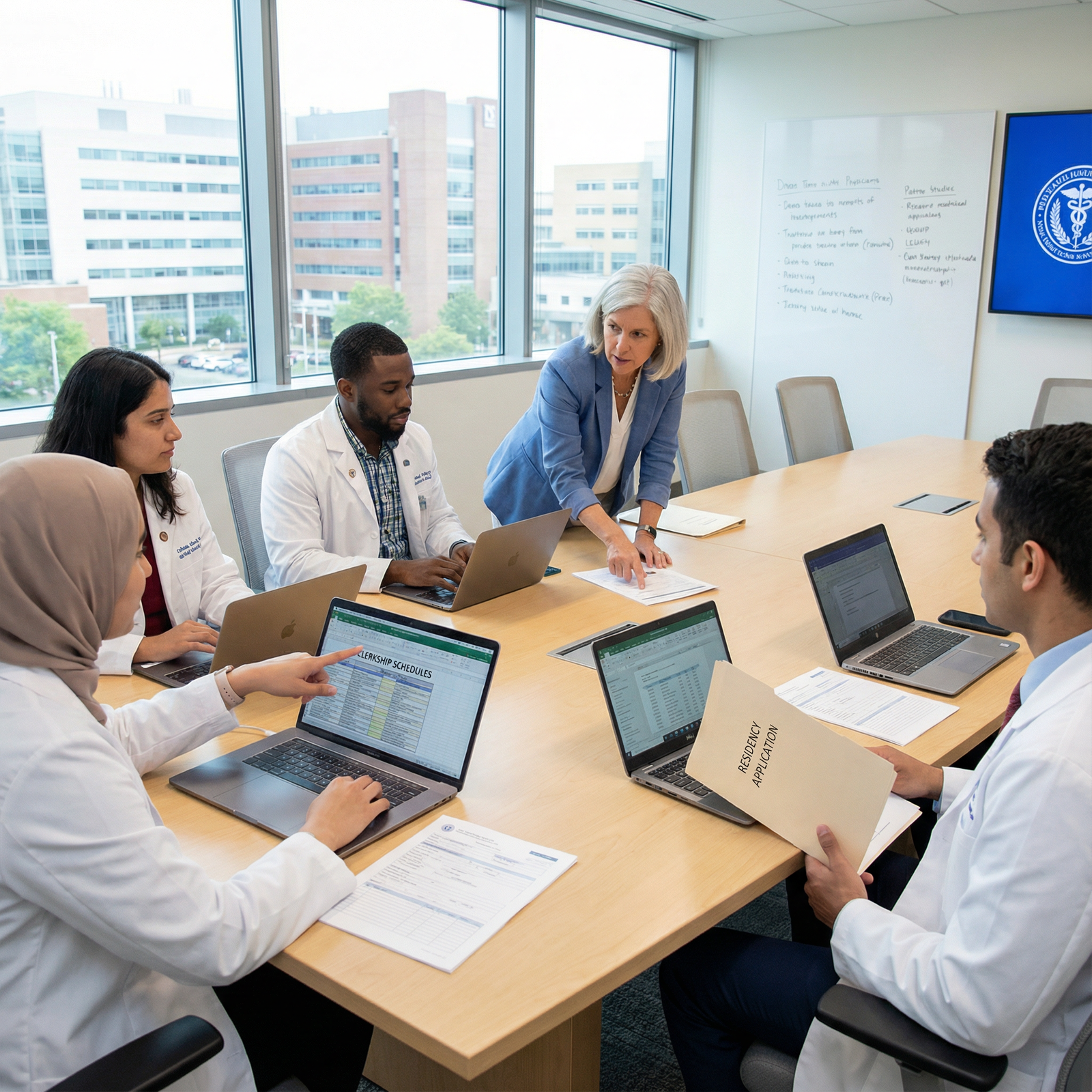
Away rotations (also called visiting student rotations or electives) are one of the most powerful tools an international medical graduate can use to improve their chances in the rad onc match. For many radiation oncology residency programs, especially in the United States, an away rotation is the primary way to get to know you beyond your paper application.
For IMGs, away rotations are often even more important than for U.S. graduates because:
- You can demonstrate clinical skills in the U.S. system
- You can showcase communication and teamwork in an American clinical environment
- You can obtain strong, U.S.-based letters of recommendation from radiation oncologists
- You can signal genuine interest in radiation oncology residency and in specific programs
However, away rotations are limited in number, expensive, and time-consuming. A smart, deliberate away rotation strategy can be the difference between a strong application and a missed opportunity.
This IMG residency guide will walk you through how to plan, prioritize, and maximize away rotations residency experiences specifically in radiation oncology.
Step 1: Clarify Your Goals and Constraints as an IMG
Before you apply for any visiting student rotations, be clear about what you want out of them—and what limitations you have.
Core goals for an IMG away rotation strategy
In radiation oncology, an effective away rotation plan should support at least four major goals:
Obtain at least one (ideally two) strong, specialty-specific letters of recommendation
- From U.S.-based radiation oncologists
- Who know you well enough to comment on your clinical skills, work ethic, and communication
- Preferably from academic centers or places known to rad onc program directors
Demonstrate fit for the specialty and U.S. system
- Show your ability to function within a multidisciplinary cancer team
- Demonstrate comfort with evidence-based oncology, contouring concepts, and patient-centered communication
- Show that you understand workflow in a radiation oncology clinic (simulation, planning, on-treatment visits, follow-up)
Increase your chances at target programs
- Especially at programs that have a history of interviewing or matching IMGs
- Particularly at institutions where you can see yourself living and training
Clarify your own preferences
- Academic vs community-heavy programs
- Big city vs smaller city
- Research intensity, case mix (pediatrics, CNS, proton therapy, etc.)
Typical constraints for IMGs
As an international medical graduate, you face additional structural constraints that should shape your away rotation strategy:
Visa and eligibility issues
- Some institutions do not accept IMGs for visiting student rotations unless you are from a U.S. or Canadian school
- Others may allow “observation” only, not hands-on electives
- Many require Step 1 (and sometimes Step 2 CK) scores, and a certain passing threshold
- Some may require proof of student status, malpractice coverage, and immunizations in specific formats
Financial limitations
- Application fees to multiple institutions or VSLO
- Travel, housing, food, transportation
- Health insurance requirements
Time limitations
- You may only be able to take off a limited number of months from your home institution
- Rotations need to align with application season and ERAS timelines
- Some programs only offer rad onc rotations at certain times of the year
Before moving forward, list out:
- Your maximum number of months you can spend on away rotations
- Your budget for travel and housing
- Your test status (Step 1/2, OET/IELTS if needed)
- Your target application year (to back-time when rotations should occur)
This clarity will guide all subsequent decisions about how many away rotations to do and where.

Step 2: Deciding How Many Away Rotations to Do
One of the most frequent IMG questions is: “How many away rotations should I do?”
There is no universal number, but some practical guidance can help you design a balanced IMG residency guide for your specific context.
General recommendations
For most IMGs targeting radiation oncology residency:
Minimum meaningful exposure:
- 1 radiation oncology rotation in your home country or home institution
- 1–2 radiation oncology away rotations in the U.S.
Ideal target (if resources allow):
- 2 U.S. radiation oncology away rotations
- 1 U.S. or international oncology-related rotation (medical oncology, surgical oncology, palliative care, or radiology) to strengthen your cancer care profile
In terms of how many away rotations in radiation oncology specifically:
1 away rotation
- Better than none, but letters and impressions come from only one environment
- Higher risk if that single rotation goes poorly or is a bad fit
2 away rotations
- Often a strong sweet spot for IMGs
- Allows for two independent letters of recommendation
- Lets you show consistency across different systems
- More realistic in terms of cost, time, and energy
3 or more away rotations
- May provide diminishing returns
- High financial and logistical burden
- Risk of fatigue, and not all programs will weigh additional rotations heavily
- Can be considered if you are late to the specialty, need extra exposure, or if some rotations are short (2 weeks)
In most cases, aiming for 2 U.S. radiation oncology away rotations is a reasonable and strategic target.
Timing relative to the rad onc match cycle
Ideally, schedule your key rotations:
- Between March and September of the application year before you submit ERAS
- Especially April–August for maximum impact on letters and interview invitations
For example, if you plan to apply for the July 2027 start (ERAS submission in September 2026):
- Plan your radiation oncology away rotations between March 2026 and August 2026
- Request letters before you leave each rotation
If your timeline is tighter, prioritize at least one strong, well-timed rotation that finishes before letters are due.
Step 3: Choosing Where to Do Visiting Student Rotations
Selecting programs for visiting student rotations is one of the most strategic decisions you will make.
Tiered targeting approach
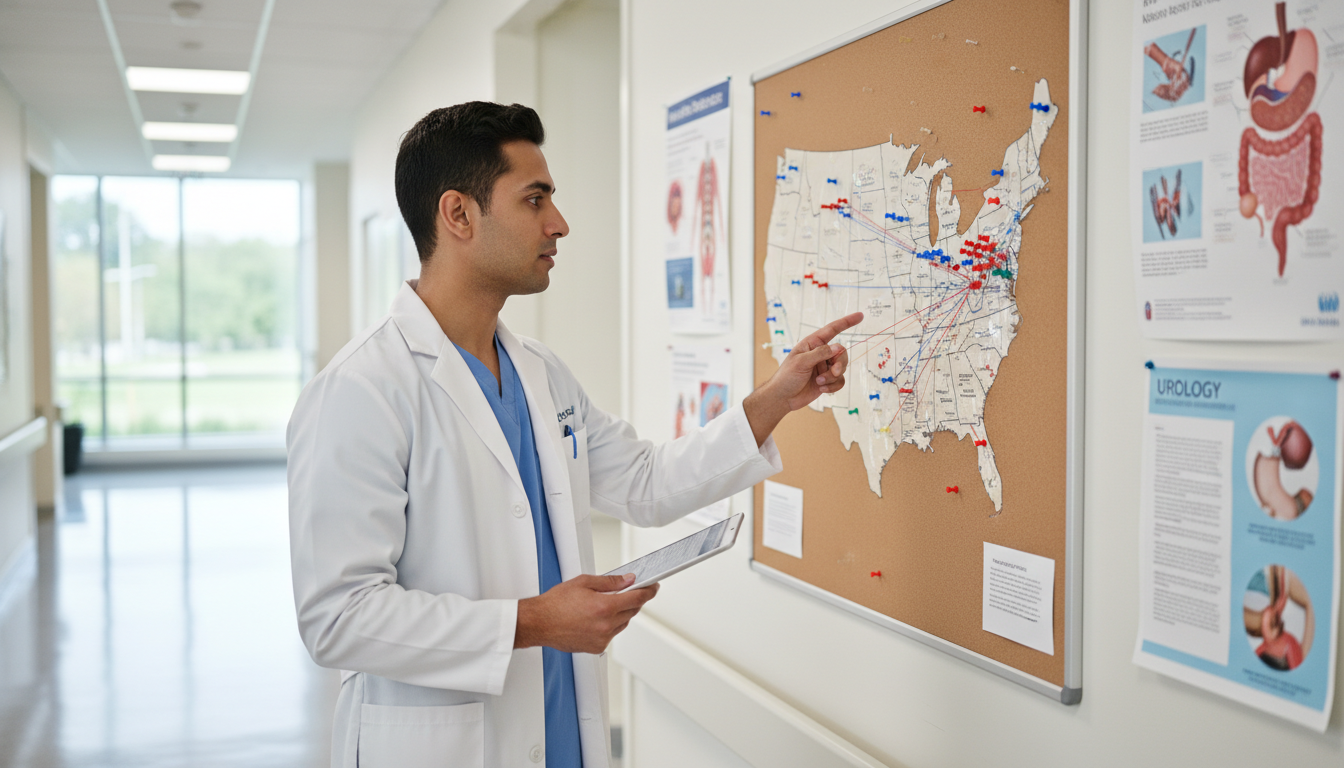
A practical way to plan is to create a tiered list of programs for away rotations residency experiences:
Tier 1 – Realistic “top choice” targets
- Programs known to:
- Be IMG-friendly (past graduates, current residents, or interview patterns)
- Emphasize clinical excellence and supportive teaching
- Geographic areas where you genuinely want to live
- Programs known to:
Tier 2 – Balanced, mid-competitiveness programs
- Strong clinical training
- Less “name brand” than ultra-elite centers, but solid reputations
- May offer closer mentorship and more hands-on involvement
Tier 3 – Safety / broader net programs
- Programs outside major coastal hubs or ultra-competitive cities
- Smaller or newer programs that may be more flexible or open to IMGs
- Possibly community-based programs affiliated with academic centers
Your away rotations should focus primarily on Tier 1 and Tier 2, balancing your aspirations with realism.
Key selection criteria for IMGs
When researching where to apply for visiting student rotations, consider:
IMG history and openness
- Does the program currently have or previously have international medical graduate residents?
- Does the department website list visa sponsorship (J-1, H-1B)?
- Are there any explicit policies on students from non-U.S. schools?
Institutional policies for electives
- Can IMGs apply directly, or only through VSLO/VLLO/VSAS?
- Are you eligible as a visiting student, or only as an observer?
- Do they require Step scores, TOEFL/OET, or proof of English proficiency?
Clinical exposure and case mix
- Volume and variety: head & neck, CNS, pediatrics, stereotactic, brachytherapy, proton therapy
- Exposure to multidisciplinary tumor boards
- Opportunities to observe contouring and treatment planning
Educational structure
- Protected resident didactics that visitors can attend
- Regular journal clubs or case conferences
- Willingness to involve students in presentations, case write-ups, or small projects
Location and resources
- Cost of living and housing availability
- Public transportation vs need for a car
- Proximity to airports and international travel routes
Potential research alignment
- If you have ongoing or prior oncology research, identify programs where your interests align
- This can lead to short-term projects or abstract collaborations during/after your rotation
Practical example: Building a target list
Imagine you are an IMG from India with Step 1 (pass), high Step 2 CK, and 1 year of home-country radiation oncology exposure. Your target year is 2027.
You might:
- Choose 1 away rotation at a mid-high-tier academic center that has previously matched IMGs and has robust CNS and thoracic programs
- Choose 1 away rotation at a smaller or less “famous” program that has a track record of mentoring visiting students and offers significant hands-on exposure
This gives you both credibility from a known institution and depth of involvement at a more accessible site.

Step 4: Preparing Before You Arrive – Making the Most of Each Rotation
Your behavior and performance during an away rotation are more important than the name of the institution. Many IMGs underestimate the preparation needed to stand out in radiation oncology.
Academic and clinical preparation
Before your first day:
Review core radiation oncology fundamentals
- Radiation biology basics (fractionation, radiosensitivity, normal tissue tolerance)
- Physics and clinical concepts at a “student” level:
- What is a linear accelerator?
- Basics of IMRT, VMAT, SBRT, brachytherapy
- Common disease sites:
- Breast: indications, standard fractionation vs hypofractionation
- Prostate: risk stratification, radiotherapy indications
- Head & neck: common primary sites and treatment fields
- Lung: staging, SBRT for early-stage disease
Study contouring and imaging basics
- Review atlases (e.g., RTOG atlases) for at least a few sites
- Learn to identify basic anatomy on CT: lungs, heart, spinal cord, brain structures, parotids, etc.
Understand U.S. clinical norms
- SOAP note structure, H&P expectations
- How to present cases concisely: “one-liner + key problem list”
- Basic U.S. medical communication etiquette (knocking before entering, eye contact, patient-centered language)
Clarify your personal story in radiation oncology
- Why rad onc? Why in the U.S.? Why now?
- Have a coherent, authentic narrative that you can comfortably share when asked
Professional behavior during the rotation
To convert a visiting student rotation into a strong letter and interview potential, focus on:
Reliability
- Arrive early; never be late without notice
- Follow through on any tasks you are given (e.g., reading about a case, preparing a short presentation)
Active learning without overstepping
- Ask thoughtful, patient-focused questions:
- “How did you decide between SBRT and surgery for this patient?”
- “What are the main organs at risk we worry about in this plan?”
- Offer help:
- “Would it be helpful if I drafted the H&P for this new consult?” (Only where allowed by policy)
- Ask thoughtful, patient-focused questions:
Team communication
- Be polite and respectful to everyone: therapists, nurses, dosimetrists, physicists, admins
- Observe first, then adapt to local norms of workflow and hierarchy
Patient-centered professionalism
- Be sensitive to patient privacy and emotional needs
- Use simple language when speaking with patients; check for understanding
- Never exaggerate your role; always clarify that you are a student
Building relationships and mentorship
Radiation oncology is a small specialty. Use your visiting student rotations to build long-term mentors:
Identify 1–2 attendings who:
- Seem invested in teaching
- Interact with you frequently
- Comment positively on your work ethic or insights
Ask for:
- Feedback midway through the rotation:
- “Do you have any suggestions on how I can improve during the rest of this rotation?”
- Permission to keep in contact about future questions or career decisions
- Feedback midway through the rotation:
Mentorship that begins on away rotations can lead to future research collaborations, interview advocacy, and career guidance beyond the rad onc match.
Step 5: Turning Rotations into Strong Letters and Match Advantages
The true value of away rotations comes from what they produce for your application: letters, experience, and program familiarity.
Securing strong letters of recommendation
At the end of each rotation:
Identify the most appropriate letter writer
- An attending who:
- Worked with you closely
- Observed you in clinic, on contouring/planning sessions, and in multidisciplinary settings
- Knows your career goals
- An attending who:
Ask directly and professionally
- “Dr. Smith, I have really appreciated the chance to work with you this month. I’m applying to radiation oncology residency and would be honored if you felt comfortable writing a strong letter of recommendation on my behalf.”
Provide a support package
- Updated CV
- Personal statement draft (if available)
- Brief summary of your activities and cases during the rotation
- Any specific details they may highlight (e.g., your previous research, language skills, or unique contributions)
Clarify logistics
- Confirm how they prefer to receive ERAS letter requests
- Confirm deadlines; gently remind them once before the deadline if needed
Using your experiences in interviews and personal statements
Your away rotation experiences are gold for your personal statement and interview answers:
Be ready to describe:
- A specific patient or case that solidified your choice of radiation oncology
- What you learned about the U.S. healthcare system and multidisciplinary cancer care
- How you adapted as an international medical graduate to a new clinical environment
Highlight:
- Examples of initiative (preparing short talks, creating mini-review summaries)
- Times you contributed meaningfully to patient care (within the allowed student role)
- Any small research or quality-improvement tasks you engaged in
Converting an away rotation into an interview advantage
Programs where you rotated are more likely to:
- Offer you an interview (if you left a strong impression)
- View you as a known quantity with proven fit for their culture
To maximize this:
- Send a thank-you email after your rotation, summarizing what you learned and expressing genuine interest in their program
- If you are particularly interested in that program, a brief update email closer to interview season (e.g., after ERAS submission, noting any new projects or publications) can be appropriate
- During interview, refer to specific aspects of your rotation that align with why you want to train there
Frequently Asked Questions (FAQ)
1. As an IMG, is an away rotation in radiation oncology absolutely required to match?
It is not technically required, but for an international medical graduate, having at least one U.S. radiation oncology away rotation is close to essential in competitive cycles. Programs need evidence that you can function in the U.S. system and that you are genuinely committed to the specialty. Without any U.S. rad onc exposure, it is extremely difficult to compete against applicants with multiple domestic rotations and letters.
2. How many away rotations should I do in radiation oncology?
For most IMGs, two radiation oncology away rotations in the U.S. is an effective goal, with one as an absolute minimum if resources are tight. When asking “how many away rotations” overall, consider your time and budget; going beyond 2–3 months often has diminishing returns and can create financial stress without significantly improving your rad onc match prospects.
3. Does it matter if one of my rotations is only observational?
Yes, it matters. Hands-on, for-credit visiting student rotations are generally stronger than pure observerships because:
- You can participate more in patient care
- Attendings can better evaluate your clinical reasoning and communication
- Letters based on direct clinical work tend to carry more weight
However, if a structured, well-respected department only offers observerships to IMGs, it can still be valuable—especially if combined with a hands-on rotation elsewhere. In that case, emphasize your learning, initiative, and any academic or project-based contributions you made.
4. How early should I apply for visiting student rotations as an IMG?
Apply as early as possible—typically 6–9 months before your intended rotation start date. Many institutions open their visiting student or VSLO applications in late winter or early spring for rotations starting in the summer. Because IMGs often need extra time for documentation, background checks, and sometimes visa paperwork, starting early is critical. Monitor program websites, VSLO listings, and reach out to coordinators if information is unclear.
A thoughtful, well-executed away rotation strategy allows you, as an international medical graduate, to prove your readiness, build relationships, and stand out in a small and competitive field like radiation oncology. By planning your rotations deliberately, preparing thoroughly, and converting each experience into strong letters and clear narratives, you significantly improve your chances in the rad onc match—and position yourself for a successful start in a rewarding specialty.