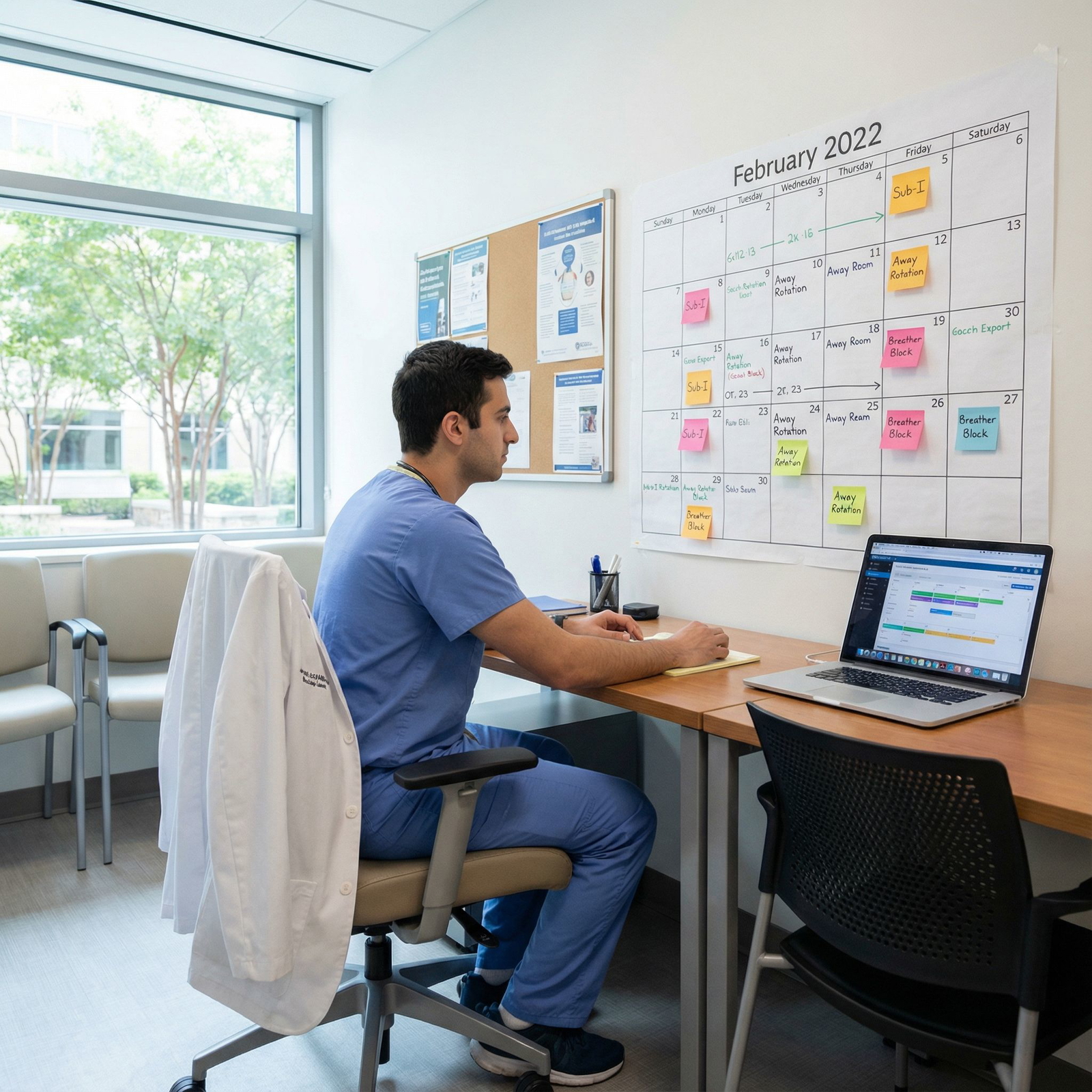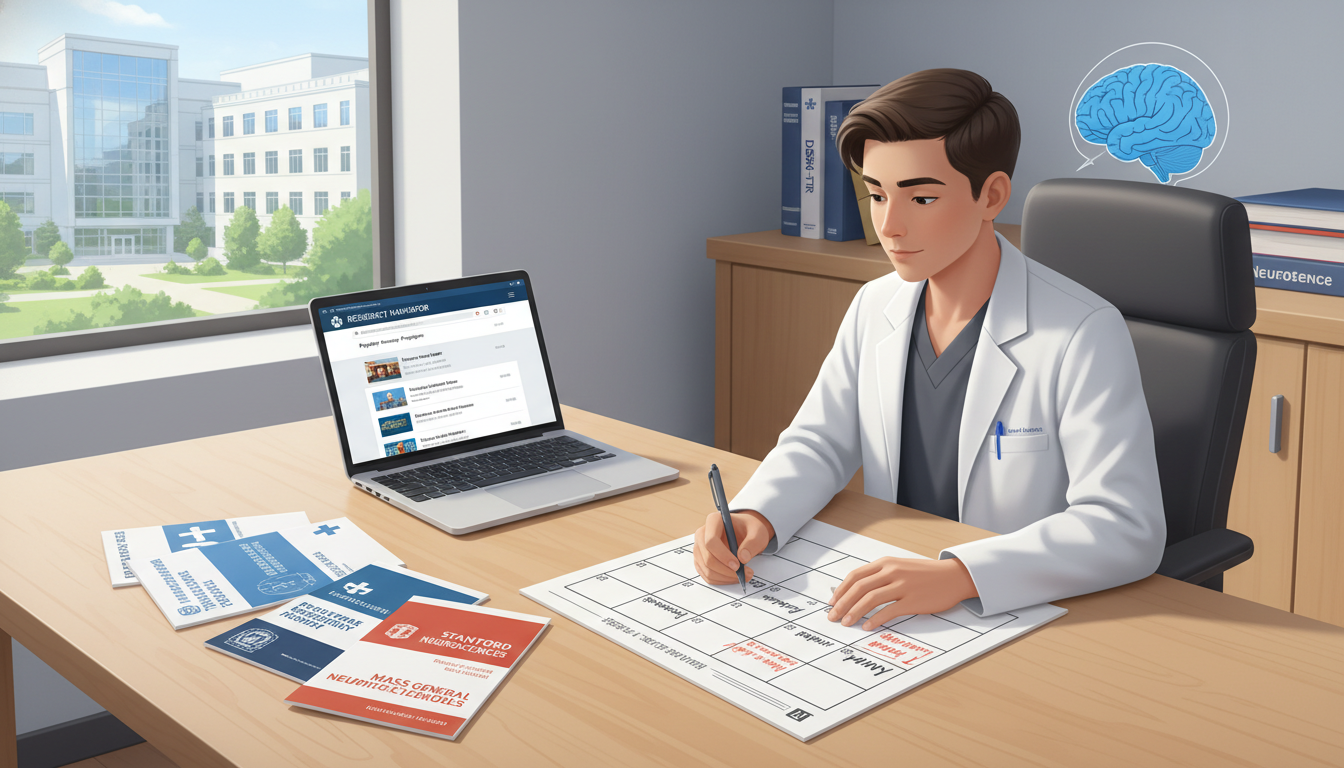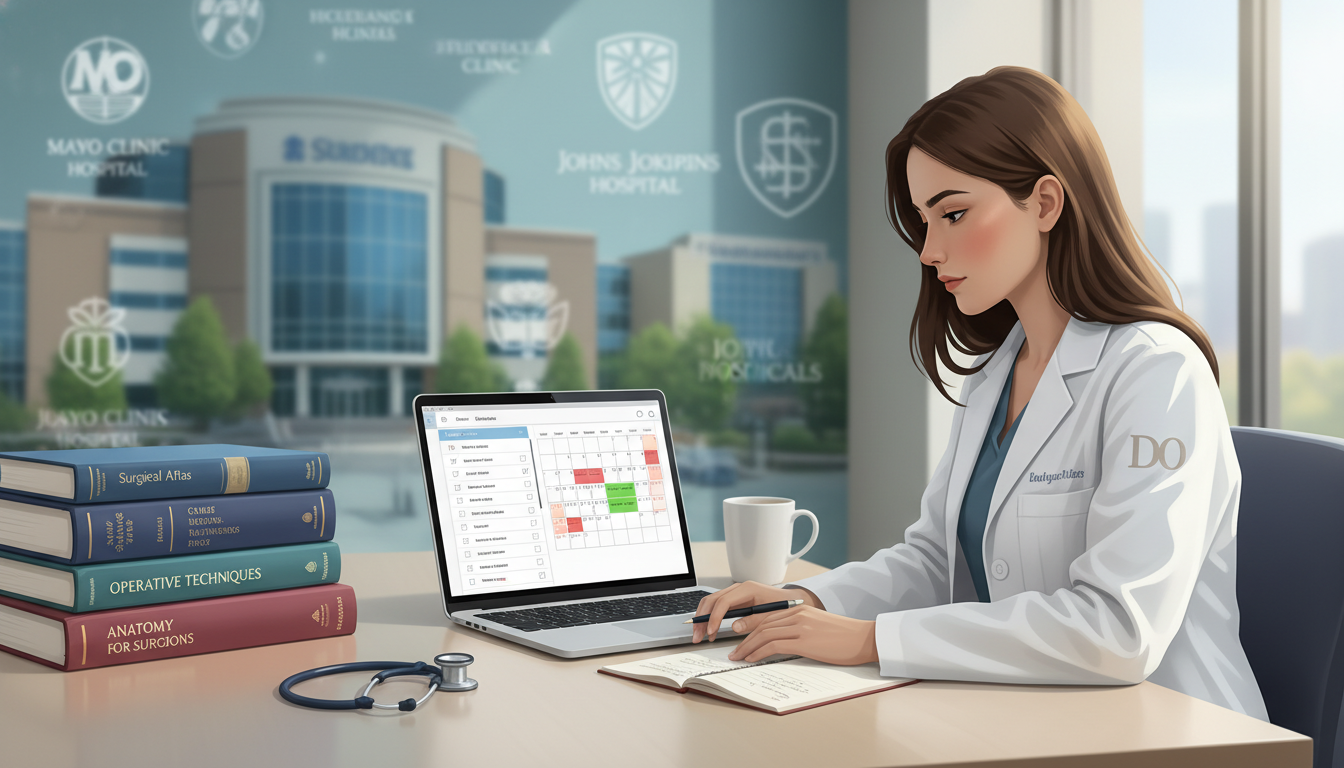
Understanding Away Rotations as an IMG in Pediatrics-Psychiatry
Away rotations (also called visiting student rotations or audition electives) are one of the most powerful tools an international medical graduate can use to strengthen their application for a competitive niche combined program like Pediatrics-Psychiatry (often connected to triple board training). As an IMG residency guide, this article will walk you through how to use away rotations strategically so that programs see you not just as an interesting applicant, but as a future colleague they already know and trust.
In Pediatrics-Psychiatry and related tracks (e.g., pediatrics-psychiatry-child and adolescent psychiatry, or triple board), away rotations are particularly valuable because:
- These programs are small and relationship-driven.
- Faculty want to see that you understand the dual culture of pediatrics and psychiatry.
- You need strong, US-based letters that specifically speak to your performance in both domains.
- Many IMGs lack a home institution with robust peds psych or child psychiatry exposure.
This guide assumes:
- You are an international medical graduate (current student or recent graduate).
- You’re interested in Pediatrics-Psychiatry–type pathways (including triple board) and want to design your away rotation strategy to maximize your chances of matching.
We’ll cover when to rotate, how many away rotations to do, which sites to prioritize, how to shine on the wards, and how to translate these experiences into a stronger residency application.
Step 1: Clarify Your Goals and Timeline
Before you click “apply” on any visiting student rotations, you should know exactly why you want away rotations and what you need from them. IMGs often have more at stake and fewer rotation spots available, so clarity is essential.
Core Objectives for IMGs in Peds-Psych
For an IMG targeting Pediatrics-Psychiatry or triple board pathways, away rotations should aim to:
Prove you can function in a U.S. clinical environment
- Show familiarity with electronic health records (EHR), multidisciplinary teams, and U.S. documentation standards.
- Demonstrate comfort discussing sensitive psychosocial topics with diverse families.
Obtain strong, specialty-relevant US letters of recommendation (LoRs)
- At least one pediatric letter (ideally inpatient pediatrics or pediatric subspecialty).
- At least one psychiatry or child & adolescent psychiatry letter.
- Bonus: a letter that explicitly references your fit for combined Pediatrics-Psychiatry or triple board training.
Show commitment to the combined specialty
- Your away choices should clearly signal: “I am serious about Pediatrics-Psychiatry / triple board.”
- Programs often worry that applicants will use combined programs as a backup; your rotation history can counter that concern.
Build relationships at key target programs
- Away rotations can turn a cold application into a known candidate.
- In small fields like peds psych and triple board, reputation and word-of-mouth matter a lot.
Fill gaps in your CV
- Many IMGs have limited child psychiatry or behavioral pediatrics exposure.
- Visiting student rotations can help demonstrate that you’ve directly explored the field you’re applying to.
Ideal Timing for Away Rotations
Your target is to complete your primary away rotations just before or early in the ERAS application cycle so that letters and experiences appear in time.
If you are applying for the next match (final year of training):
- Aim for away rotations between April and September of the year you apply.
- Have at least 1–2 away rotations completed by August, so letters are ready for ERAS in September.
- Later rotations (September–October) can still help with interviews and program familiarity, even if letters arrive later.
If you are 1–2 years away from applying:
- You have more flexibility. You can:
- Do early exploratory rotations to confirm interest.
- Return later for a more targeted audition rotation at top programs.
- You have more flexibility. You can:
IMG-Specific Constraints to Plan Around
As an international medical graduate, factor in:
Visa timelines and requirements
- Some visiting student programs do not sponsor visas; others require specific visa types (e.g., B1/B2, J-1 student short-term).
- Start researching visa requirements 6–12 months in advance.
Graduation timing
- Many programs only accept visiting students who are still enrolled in medical school, not graduates.
- If you’ve already graduated, look for:
- “Observer” positions (less ideal but still helpful).
- Postgraduate externships for IMGs.
USMLE status
- Having at least Step 1 completed is often required.
- Some programs prefer or require Step 2 CK for IMGs before granting away rotations.
Step 2: Choosing the Right Away Rotations for Pediatrics-Psychiatry
Not all away rotations are equal, especially for a niche area like Peds-Psych. You want a mix that covers pediatrics, psychiatry/child psychiatry, and, when possible, combined or behavioral experiences.
How Many Away Rotations Should You Do?
The question “how many away rotations” does not have a one-size-fits-all answer, but for an IMG aiming at Pediatrics-Psychiatry or triple board:
Minimum goal: 2 solid clinical away rotations in the U.S.
- 1 in pediatrics (preferably inpatient, wards, or a strong subspecialty such as pediatric hospital medicine or pediatric neurology).
- 1 in psychiatry or child & adolescent psychiatry (with substantial patient contact).
Optimal target: 3–4 carefully selected away rotations, if finances and visas allow:
- 1 core pediatrics (inpatient wards or peds hospitalist).
- 1 child & adolescent psychiatry OR pediatric consultation-liaison psychiatry.
- 1 rotation at a program that offers triple board or combined Peds-Psych if you can secure it.
- 1 flexible slot (e.g., developmental-behavioral pediatrics, adolescent medicine, integrated behavioral health, or another peds/psych experience).
For IMGs, 3–4 visiting student rotations can rapidly transform your application, but quality matters more than quantity. A single away rotation with outstanding evaluations and a powerful letter is more valuable than multiple average ones.
Types of Rotations to Target
Consider your away rotations in three categories:
1. Pediatrics-Focused Rotations
Aim for rotations that allow you to:
- Manage common inpatient pediatric conditions.
- Communicate with families and multidisciplinary teams.
- Demonstrate reliability and work ethic on busy services.
Good options:
- General Inpatient Pediatrics / Wards
- Pediatric Hospital Medicine
- Pediatric Emergency Medicine (if you’ll see many behavioral crises)
- Adolescent Medicine (bridges pediatrics and mental health)
These experiences give you letters that say: “This IMG can handle the pace and complexity of a U.S. pediatric service.”
2. Psychiatry and Child Psychiatry Rotations
For peds psych residency or triple board, it is critical to show you can understand and manage psychiatric presentations in youth.
Consider:
- Child & Adolescent Psychiatry Inpatient
- Child Psychiatry Outpatient clinics (ADHD, mood disorders, anxiety, autism, etc.)
- Pediatric Consultation-Liaison Psychiatry (seeing psychiatric issues in medically ill children)
- Integrated Behavioral Health in Pediatrics (co-located psychologists/psychiatrists in pediatric clinics)
These rotations show that you are thoughtful about development, family dynamics, and long-term mental health trajectories.
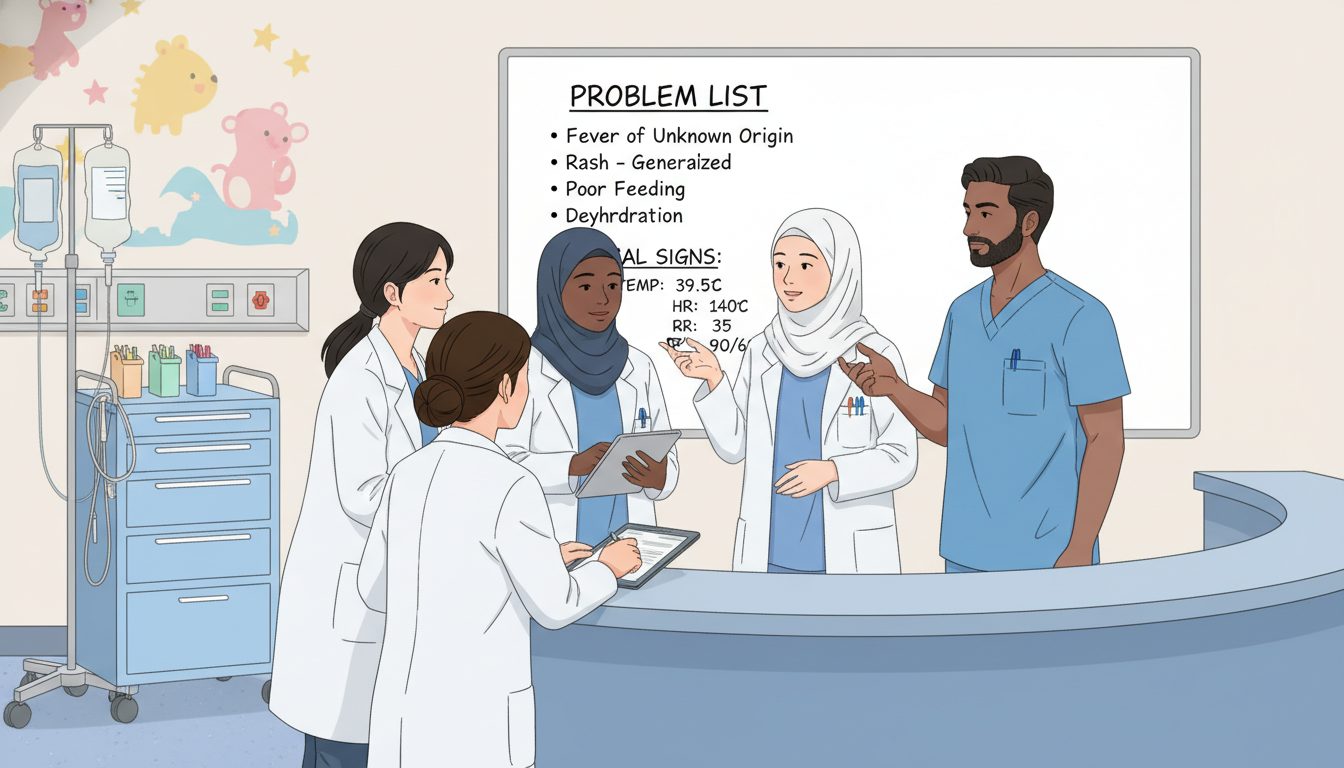
3. Combined / Bridge Rotations
True combined Pediatrics-Psychiatry or triple board electives may be limited, but look for:
- Electives at institutions with triple board programs
- Even if the rotation is labeled “pediatric wards” or “child psychiatry,” faculty there are familiar with combined pathways.
- Consult services crossing peds and psych
- Pediatric consultation-liaison psychiatry.
- Behavioral pediatrics.
- Developmental-Behavioral Pediatrics
- Often involves autism spectrum disorders, ADHD, learning disorders, and behavior problems.
- Highly relevant to future peds-psych practice.
These rotations position you well because faculty already understand what makes a successful combined trainee.
Where to Rotate: Target Programs vs. Opportunity Programs
Split your away rotation list into two buckets:
Target Programs
- Institutions that currently offer:
- Combined Pediatrics-Psychiatry programs, or
- Triple board programs (pediatrics, psychiatry, and child/adolescent psychiatry), or
- Strong child & adolescent psychiatry fellowships tightly connected to pediatrics.
- Doing an away rotation here can:
- Put you on the radar of the combined program director.
- Lead to letters from faculty who directly work with combined residents/fellows.
- Give you insight into the culture and workload of these programs.
- Institutions that currently offer:
Opportunity Programs
- Hospitals or universities with:
- Strong general pediatrics residencies.
- Robust child psychiatry or developmental-behavioral pediatrics.
- You might have an easier time getting rotation spots here as an IMG.
- These rotations can still generate excellent letters and U.S. experience, which are critical even if not from a combined program.
- Hospitals or universities with:
Practical Selection Tips for IMGs
- Look for explicit IMG-friendly language in visiting student program descriptions (e.g., “Eligible for international medical students meeting X criteria”).
- Check ECFMG or institutional policies on IMGs doing clinical rotations.
- Email coordinators early (6–9 months before your desired rotation date).
- If you’re unsure whether a rotation is available to IMGs, ask clearly:
- Your current status (student vs graduate).
- Your USMLE status.
- Your visa or travel situation.
- Prioritize programs where:
- You can obtain formal evaluation forms and letters on institutional letterhead.
- Students are integrated into real team roles, not passive observers.
Step 3: Application Logistics for Visiting Student Rotations
Platforms and Pathways
Most U.S. medical schools and teaching hospitals use one of these routes:
- VSLO/VSAS (Visiting Student Learning Opportunities)
- A centralized system used by many U.S. schools.
- Some participating sites allow international medical students via VSLO.
- Institution-Specific Applications
- Some universities have their own application portal.
- Direct Departmental Contact
- Child psychiatry divisions or pediatrics departments sometimes manage electives outside the central system, especially for IMGs.
As an international medical graduate, identify which channel each target site uses and note their deadlines (often 3–6 months before rotation start).
Common Requirements for IMGs
Expect to provide:
- Dean’s letter or certification of enrollment (if still a student).
- Transcript and proof of clinical clerkships.
- USMLE Step 1 score (and sometimes Step 2 CK).
- Immunization, TB screening, and background check.
- Proof of malpractice/health insurance.
- English proficiency (sometimes).
If you are a graduate, be prepared that some institutions:
- Will not accept you for hands-on rotations.
- May only offer observer roles.
In those cases, seek out community-based or IMG-focused hospitals, or consider:
- Clinical externships specifically targeted to IMGs.
- Structured observerships with opportunities for letters based on observed participation, even if you can’t enter orders.
Confirm the Nature of the Rotation
Before you commit travel money and time, clarify:
- “Is this a hands-on clinical rotation with direct patient contact and responsibility?”
- “Will I receive a formal written evaluation?”
- “Is it possible to request a letter of recommendation at the end if I perform well?”
If it’s purely observational and you already have better options, consider whether it aligns with your goals.
Step 4: Strategy During the Rotation – How to Stand Out
Once you’ve secured the away rotation, what you do on site will determine if this experience actually strengthens your application.
Core Principles for Success
Be Reliable and Prepared
- Arrive early; know the patients and overnight events.
- Anticipate tasks without waiting to be told.
- Familiarize yourself with common pediatric or child psychiatric conditions before the rotation starts.
Communicate Clearly and Professionally
- Practice concise oral presentations:
- Pediatric: focused history, exam, assessment/plan organized by system.
- Psychiatry: accurate mental status exam, diagnostic formulation, risk assessment.
- Ask for feedback midway through the rotation:
- “Is there anything I can change to be more helpful to the team?”
- Practice concise oral presentations:
Bridge Pediatrics and Psychiatry Thoughtfully
- Highlight integrative thinking when appropriate:
- In pediatrics: discuss psychosocial stressors, developmental level, family dynamics.
- In psychiatry: be aware of medical comorbidities, developmental stage, and medication side effects on growth and physical health.
- Faculty notice students who naturally think across both domains; this is central to peds psych residency and triple board.
- Highlight integrative thinking when appropriate:
Demonstrate Cultural Competence
- As an IMG, you bring unique cultural insights; use them to:
- Explore family beliefs about illness, mental health, or child behavior.
- Offer language skills if you speak the patient’s language (within institutional policies).
- At the same time, show that you understand and respect U.S. practice norms.
- As an IMG, you bring unique cultural insights; use them to:
Turning Rotations into Letters of Recommendation
Do not leave your away rotations without deliberately planning for letters.
- Tell the attending(s) early:
- “I am planning to apply to Pediatrics-Psychiatry / triple board programs as an IMG and would be very grateful for feedback on how I’m doing and whether you might be able to support me with a letter if I perform well.”
- Aim to work at least 2–4 full weeks with any potential letter writer.
- Near the end of the rotation, ask specifically:
- “Based on my performance, would you feel comfortable writing me a strong letter of recommendation for peds-psych/triple board programs?”
- Provide:
- Your CV.
- Personal statement draft (if available).
- A summary of patients or cases where you played a significant role.
Letters that strengthen an IMG residency guide profile in Peds-Psych often mention:
- Excellent clinical reasoning and adaptability to U.S. systems.
- Strong rapport with children and families.
- Insight into psychiatric aspects of medical illness and vice versa.
- Clear motivation and fit for combined Pediatrics-Psychiatry or triple board training.

Step 5: Integrating Away Rotations into Your Overall Match Strategy
Away rotations are powerful but should sit within a larger plan for your Pediatrics-Psychiatry application.
Align Rotations With Your Narrative
Your ERAS application, personal statement, and interview answers should refer back to:
- Specific cases from away rotations that shaped your interest in Peds-Psych or triple board.
- Examples of:
- A medically complex child with psychiatric overlay.
- A mental health presentation obscuring an underlying medical issue.
- Family systems challenges influencing both physical and emotional health.
Your visiting student rotations should help you build a coherent story:
- “I explored pediatrics, I explored psychiatry, and I consciously chose to bridge them.”
Balance Breadth and Depth
Residency program directors want to see that you are fundamentally sound in at least one core discipline (pediatrics or psychiatry) while also genuinely invested in the intersection. Strategy:
- Ensure you have enough pediatrics volume to prove you can handle a pediatric intern’s workload.
- Ensure you have at least one substantial psychiatry or child psychiatry placement to show emotional resilience and psychodynamic/developmental thinking.
For IMGs, this balance is especially important because:
- They may question whether your home training has emphasized either domain adequately.
- Strong U.S. evaluations in both areas reassure them.
Considering Triple Board and Related Pathways Explicitly
Triple board programs are limited in number and highly specific. If you’re targeting them:
- Try to do at least one away rotation at a triple board–affiliated institution:
- Even if you can’t rotate on a formal “triple board” service, being seen by faculty who know the program is valuable.
- Clarify your interest in triple board in:
- Pre-rotation emails.
- Casual conversations with residents/fellows.
- End-of-rotation reflection or meeting with the clerkship director.
Many IMGs are unfamiliar with combined training structures, so demonstrating that you have researched the specifics of triple board (timeline, board eligibility, career paths) can set you apart.
Financial and Practical Realities
Away rotations are expensive for any student, and as an IMG you must also consider:
- Travel and housing costs (short-term housing, sublets, or hospital-arranged housing).
- Visa fees and travel insurance.
- Loss of income if you work between training experiences.
To manage this:
- Prioritize fewer, higher-yield away rotations at strategically chosen sites.
- Look for:
- Institutional housing discounts.
- Hospital stipends for visiting students (rare but occasionally available).
- Support networks (family, friends, or alumni) in the area.
Common Pitfalls and How to Avoid Them
Too Many Low-Impact Rotations
- Doing multiple observerships without direct patient care or strong evaluations may not justify the cost.
- Focus on at least 2–3 high-impact, hands-on clinical rotations that generate letters.
Misaligned Timing
- Completing your strongest away rotation in November when most interviews are already offered limits its impact.
- Plan core pediatrics and psych away rotations before September of your application year whenever possible.
Not Signaling Peds-Psych Interest Clearly
- If your CV shows only general internal medicine or adult psychiatry rotations, programs may question your commitment to kids and families.
- Make sure at least some of your visiting student rotations clearly involve children and adolescents, ideally crossing medical and psychiatric domains.
Under-Communicating as an IMG
- Programs may not automatically understand your home curriculum, grading system, or prior experiences.
- Use your personal statement, ERAS experiences, and interview answers to contextualize your IMGspecific journey and show how away rotations confirmed your path.
Putting It All Together: A Sample Strategy for an IMG
Scenario: You are an IMG finishing your final year next June. You plan to apply for Pediatrics-Psychiatry and triple board in the upcoming ERAS cycle.
Proposed Away Rotation Plan:
April–May:
- Inpatient Pediatrics at a U.S. university-affiliated hospital (Opportunity Program).
- Goal: Demonstrate pediatrics clinical ability, obtain a strong peds LoR.
June–July:
- Child & Adolescent Psychiatry (inpatient or CL) at another institution (Opportunity or Target Program).
- Goal: Show psych potential, get a psych/child psych LoR.
August:
- Pediatric Consultation-Liaison Psychiatry or Developmental-Behavioral Pediatrics at a triple board–affiliated institution (Target Program).
- Goal: Be seen by faculty who know triple board; potentially earn a combined-focused LoR.
September (optional if budget allows):
- Additional pediatrics or integrated behavioral pediatrics rotation at a different Target Program.
- Goal: Expand your network, deepen the evidence of your peds-psych commitment.
Throughout, you keep careful track of:
- Evaluations and feedback.
- Faculty who might advocate for you.
- Cases that demonstrate your bridge between pediatrics and psychiatry, which you later highlight in your ERAS application and interviews.
FAQs: Away Rotations for IMGs in Pediatrics-Psychiatry
1. As an IMG, do I absolutely need U.S. clinical experience to apply for Peds-Psych or triple board?
Strong U.S. clinical experience is not an official absolute requirement at all programs, but in reality, it is extremely important for IMGs. For pediatrics-psychiatry and triple board, away rotations or visiting student rotations demonstrate that you can handle U.S. systems, understand American family dynamics, and work well in multidisciplinary teams. Without any U.S. clinical exposure, most programs will have trouble assessing your readiness.
2. How many away rotations are ideal specifically for Peds-Psych/Triple Board as an IMG?
Aim for 2–4 well-chosen rotations. At minimum, one should be in pediatrics and one in psychiatry or child psychiatry. If possible, add one at a triple board or combined program institution. More rotations are not automatically better—prioritize quality, strong mentorship, and the potential for strong letters over sheer numbers.
3. What if I can only secure observerships instead of hands-on rotations?
Observerships are less powerful than full visiting student rotations, but they can still help if they:
- Are in relevant areas (pediatrics, child psychiatry, behavioral pediatrics).
- Allow you to interact meaningfully with teams and families (even if you don’t write notes).
To maximize impact: - Ask explicitly if evaluations or letters can be written based on your professionalism, knowledge, and participation.
- Combine observerships with any available hands-on externships or short-term clinical positions when possible.
4. Should I mention Pediatrics-Psychiatry and triple board specifically during my away rotations?
Yes. Be transparent about your interest early and respectfully:
- Let your attendings know you’re interested in combined pediatrics-psychiatry or triple board training.
- Ask for their perspective on career paths and training structure.
- This signals intentionality and helps them tailor mentorship and letters to your goals. Just avoid sounding like you’re only interested in one narrow path if you’re also applying to categorical pediatrics or psychiatry as part of a broader strategy.
By approaching away rotations with a clear, structured plan—choosing the right sites, timing them strategically, and performing at a high level—you can transform your trajectory as an international medical graduate aiming for Pediatrics-Psychiatry or triple board training. Your visiting student rotations are not just checkboxes; they are your opportunity to practice the combined role you hope to inhabit, in front of exactly the people who can help you get there.