Understanding the Role of Away Rotations for IMGs in Urology
For an international medical graduate (IMG) pursuing urology, away rotations (often called visiting student rotations or sub-internships) are one of the most powerful tools in your residency application strategy. In a highly competitive field like urology, where programs receive hundreds of applications for a small number of spots, being an unfamiliar applicant from another country and educational system adds another layer of challenge. Away rotations help narrow that gap.
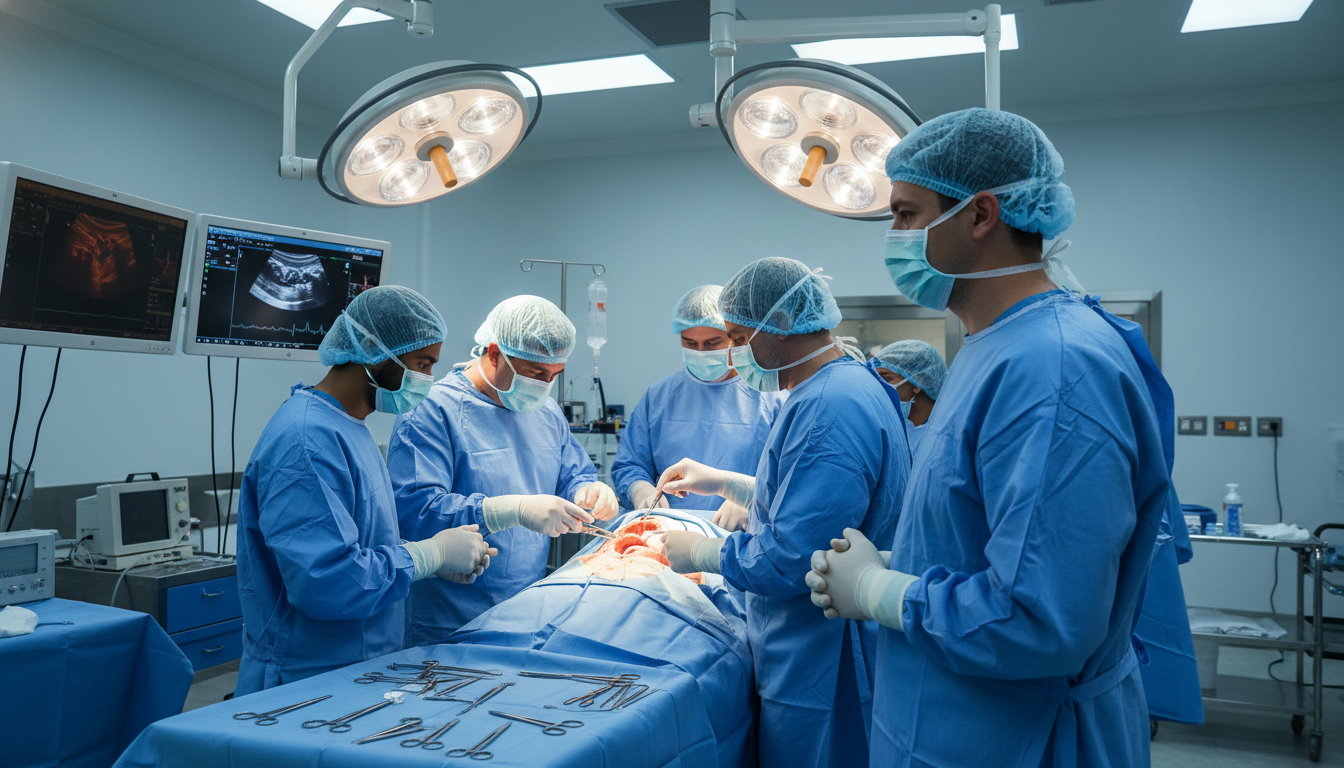
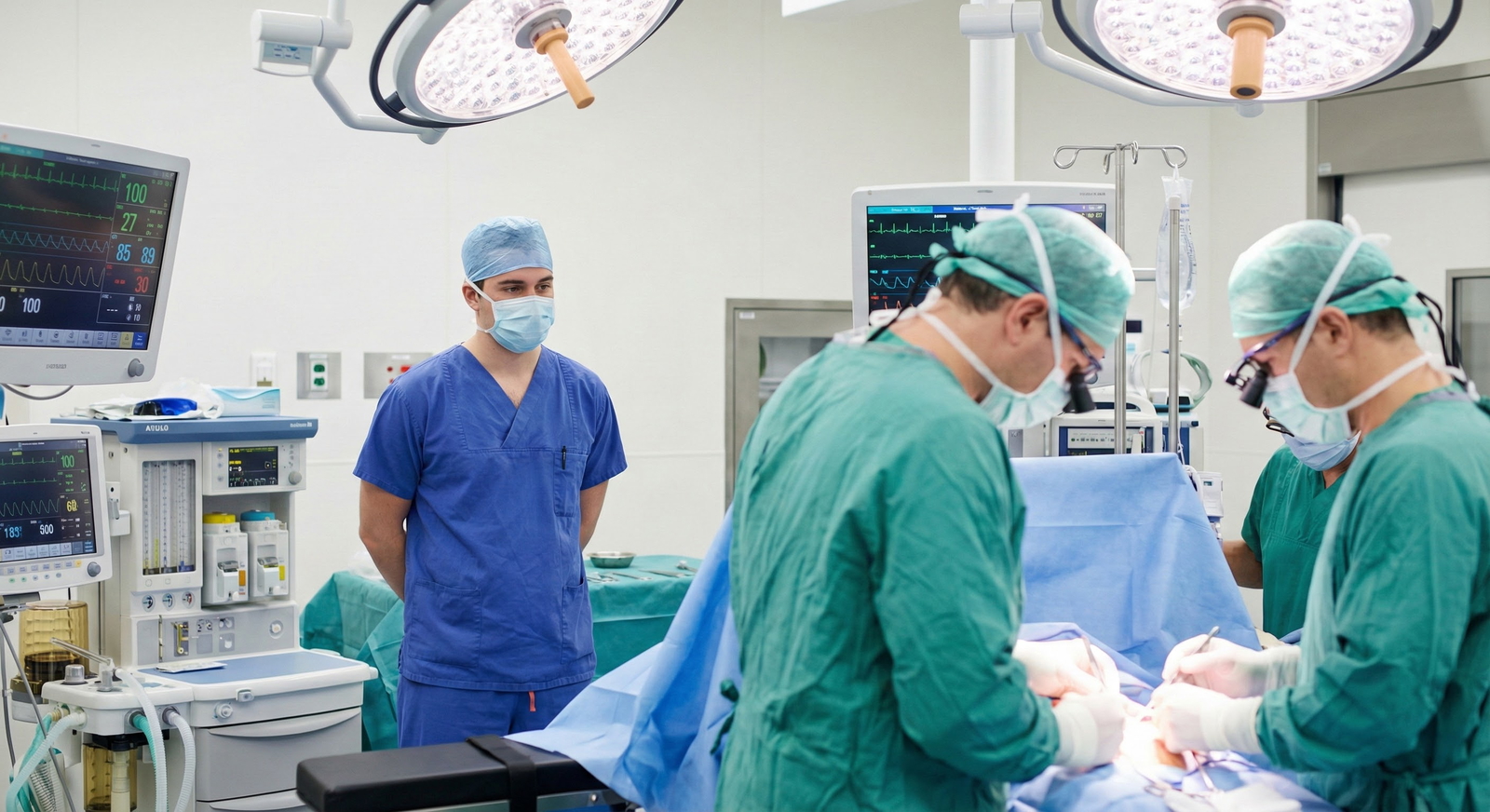
An away rotation places you inside a US urology department for 2–4 weeks. During that short period, you are evaluated not just on your medical knowledge, but on how you function within a US healthcare system, communicate with patients and staff, and integrate into the resident team. For an IMG, this is often the single best way to:
- Demonstrate you can thrive in a US clinical environment
- Earn strong, specialty-specific letters of recommendation from US urologists
- Show programs you are more than a test score or an unfamiliar school name
- Clarify your “fit” for different program cultures (academic vs community, research-heavy vs clinically intense)
A well-planned away-rotation strategy can transform your urology match prospects. A poorly planned one can drain time and money without strengthening your application. This IMG residency guide will walk you through how to choose, schedule, and maximize away rotations in urology, with a focus on the unique challenges and opportunities for international medical graduates.
Step 1: Clarify Your Goals and Understand Constraints
Before asking “how many away rotations?” or “which programs?”, you need a clear strategic goal. Urology is small and relationship-driven; every rotation should be chosen with intent.
Core Goals for IMGs Doing Urology Away Rotations
Most IMGs should aim for away rotations that help them:
Prove readiness for US clinical practice
- Show you can take ownership of patients at a level similar to a US sub-intern.
- Demonstrate comfort with English medical communication and documentation.
- Function well in the OR, clinic, and wards under US norms.
Secure strong, personalized letters of recommendation (LORs)
- At least 2–3 letters from US urologists are highly valuable.
- Ideal letter writers: program directors (PDs), chairs, and faculty known nationally (e.g., specialty experts).
Generate advocates within the field
- Residents and faculty who will remember you, talk positively about you, and possibly reach out to colleagues at other programs.
Refine your program “fit”
- Use away rotations to decide: big academic center vs mid-sized; research-heavy vs clinically focused; geographic preferences.
Key Constraints for IMGs
As an international medical graduate, you face specific limitations that should guide your away rotation strategy:
Visa status and eligibility
- Some visiting student programs require US citizenship/green card or specific visa types.
- Many accept only students from LCME-accredited schools; IMGs must find programs open to international visiting students.
- Check if you need a B-1/B-2 or specific exchange visitor paperwork; start months in advance.
Graduation timing
- Most US away rotations are for current students, not graduates.
- If you’ve already graduated, look for “observerships” or “externships” (less ideal, but still useful).
Financial realities
- Application fees, VSLO fees, immunizations, malpractice coverage, airfare, temporary housing, food, local transport.
- A single away rotation can easily cost $2,000–$4,000 or more.
Timeline pressure in the urology match
- Urology uses an early match; applications open and interviews occur sooner than many other specialties.
- This compresses the window for doing rotations and obtaining letters.
An effective strategy starts with an honest inventory: your visa options, graduation date, exam scores, research background, and finances. That will shape how many away rotations you can realistically complete and at which types of programs.
Step 2: Deciding How Many Away Rotations (and Where)
The phrase “how many away rotations” has no one-size-fits-all answer, especially for IMGs in urology. But we can build a decision framework.
Typical Ranges and What They Mean
For US seniors, 1–2 away rotations in urology is common. For IMGs, 2–3 well-selected away rotations are often ideal, if feasible. Consider this range:
1 rotation – Minimum exposure; works only if:
- You have strong US-based research or clinical experience already, and
- You can rotate at a program that truly knows you or has strong IMG history.
2 rotations – Balanced approach:
- Two strong letters from different institutions.
- Exposure to different program cultures.
- Reasonable cost and effort.
3 rotations – Aggressive but powerful:
- More programs know you personally.
- Higher chance to stand out and secure multiple strong letters.
- Costly and exhausting; schedule carefully to avoid burnout.
Going beyond 3 away rotations in urology is rare and usually not necessary. At some point, the marginal benefit drops and the financial/academic strain increases.
Choosing Program Types Strategically
As an IMG, you should diversify where you do your away rotations:
A “reach” program (highly academic, top name)
- Goal: strong letter from a high-profile institution; exposure to cutting-edge urology.
- Reality: matching there as an IMG may still be difficult, but the experience and LOR carry weight.
A realistic “target” program with IMG-friendly history
- Look for programs that:
- Have current/previous IMG residents.
- Explicitly state openness to IMGs on their website.
- Goal: maximize chance of matching at a place where you already know the faculty and residents.
- Look for programs that:
A geographic or backup option
- Maybe a mid-sized program in a less competitive region.
- Goal: demonstrate genuine geographic interest and broaden your match possibilities.
How to Identify IMG-Friendly Urology Programs
- Review program websites and current resident profiles.
- Search residents on LinkedIn/department pages for international schools.
- Network at urology meetings (e.g., AUA) or via email with IMGs currently in training.
- Use forums and IMG residency guide resources—but verify information directly with programs.
Step 3: Planning the Timeline and Application Logistics
Because urology uses an early match, your visiting student rotations must be scheduled earlier and more deliberately than in many other specialties.
Ideal Timing for Urology Away Rotations
For a typical cycle (assuming graduation the following spring):
Late 3rd year / very early 4th year (March–May)
- If permitted, do your home or first urology rotation here to confirm interest and build core skills.
- For IMGs without a home US urology department, consider a general surgery or urology exposure at your local institution as preparation.
Early 4th year (June–September)
- Prime time for away rotations in urology.
- Aim for June–August for your top-choice programs so letters are ready for application season.
- A September rotation can still help if your letter writer is prompt.
Application season
- Urology applications typically open early in the fall.
- You want at least 1–2 letters from away rotations uploaded by then.
VSLO and Non-VSLO Options for IMGs
Most US students use the Visiting Student Learning Opportunities (VSLO) system (formerly VSAS). For IMGs:
- Many institutions limit VSLO to LCME schools; verify if your school is a VSLO participant.
- If not, look for:
- “International Visiting Student” pages on program/medical school websites.
- Direct contact with the medical school’s Office of International Programs or Registrar.
- Some institutions have their own application portal or PDF-based process.
Prepare all common documents early:
- Dean’s letter or confirmation of enrollment / good standing
- Official transcript
- USMLE Step 1/2 CK scores (or plans, with estimated dates)
- Immunization record (including titers, TB testing, COVID requirements)
- Proof of malpractice/liability coverage (if provided by your school or purchased separately)
- Background check and drug screen if required
Dealing with Visa and Legal Issues
Start visa planning at least 4–6 months before your away rotation:
- Check each institution’s visa policy for visiting students explicitly.
- Some will:
- Accept B-1/B-2 tourist/business visas for short-term rotations.
- Require specific J-1 categories or institutional sponsorship.
- Not sponsor visas at all.
Consult your home institution and the host institution’s international office. Mistakes in this step can derail an entire away rotation.
Step 4: Maximizing Impact During the Rotation
Getting the rotation is only half the battle. What you do day-to-day will shape your evaluations, letters, and match potential.
Professionalism and Work Ethic: Your Foundation
As an international medical graduate, you are often under closer scrutiny because you are unfamiliar to the program. Use that to your advantage:
Arrive early, stay engaged, and be reliable
- Know the OR schedule, clinic schedule, and resident assignments before day one.
- Arrive before the team for pre-rounds (if appropriate in that system).
- Volunteer for tasks: calling consults under supervision, drafting notes, following lab results.
Communicate clearly and frequently
- Confirm expectations with the chief resident or rotation director.
- If you are unsure, ask early rather than making assumptions based on your home country’s practices.
Adapt quickly to the local system
- Learn the EMR shortcuts, order sets, and workflow within the first few days.
- Respect local norms regarding hierarchy and interprofessional communication.
Clinical Performance in Urology-Specific Settings
You do not need to be a urology expert, but you must show a strong learning curve and clinical reasoning:
In the Clinic
- Practice focused history-taking for common urologic complaints:
- Hematuria, LUTS, urinary retention, nephrolithiasis, prostate issues, scrotal pain, incontinence.
- Write concise patient notes, emphasizing:
- Clear assessment and plan, rational next steps (imaging, labs, conservative vs surgical).
In the Operating Room
- Know basic OR etiquette and sterility principles; observe carefully before acting.
- Read about upcoming procedures the night before:
- TURP, TURBT, ureteroscopy, PCNL, radical prostatectomy, orchiectomy, cystoscopy, etc.
- Ask residents where you can be most useful:
- Helping position patients, preparing equipment (with supervision), managing Foley catheters, documenting operative notes when appropriate.
On the Inpatient Service
- Own your patients (within your role as a student):
- Daily progress notes with focused problem lists.
- Anticipate postoperative issues: pain control, Foley management, early mobilization, VTE prophylaxis, fluid/electrolyte balance.
If English is not your first language, take extra time to rehearse key patient explanations and presentations. The way you present cases to attendings significantly shapes their impression of your clinical ability.
Building Relationships With Residents and Faculty
Programs rank people they trust, and trust comes from relationships:
With residents
- They are often the ones writing evaluations and giving feedback to the PD.
- Offer to help with small tasks and be consistent.
- Join them for conferences, journal clubs, and, when appropriate, social events.
- Ask for honest mid-rotation feedback: “How can I improve over the next two weeks?”
With attendings
- Identify 1–2 potential letter writers early.
- Attend all of their cases or clinics when possible.
- Ask thoughtful, prepared questions about cases or articles, not generic questions you could easily Google.
A simple formula that works well:
Show up + Be prepared + Be kind + Improve daily + Ask for feedback.
Asking for Letters of Recommendation
Timing and approach are critical for IMGs seeking strong LORs:
- Ask near the end of the rotation, after you’ve demonstrated consistent performance.
- Choose attendings who:
- Have worked with you closely in both clinic and OR, if possible.
- Are known for writing detailed letters.
- Have a role in resident selection or are nationally recognized.
How to phrase it:
“Dr. Smith, I’ve really valued working with you this month. I’m applying for urology residency as an international medical graduate, and your perspective would be extremely helpful to programs. Do you feel you know my work well enough to write a strong letter of recommendation for my application?”
This gives them a graceful way to decline if they cannot write a strong letter, which is better than receiving a generic or lukewarm letter.

Step 5: Integrating Away Rotations Into Your Overall Urology Match Strategy
Away rotations are one pillar of your application. To maximize their value, coordinate them with your other application components.
Aligning Rotations With Your Personal Statement and CV
Your experiences during away rotations should flow naturally into your narrative:
Personal statement
- Reference specific patient encounters or learning moments (without violating confidentiality).
- Highlight how these rotations confirmed your interest in urology and prepared you as an IMG to practice in the US.
Curriculum vitae
- List each away rotation clearly under “Clinical Experience – United States.”
- Note key responsibilities: sub-intern-level responsibilities, call experience, conference presentations.
Research and Scholarly Activity
If you have limited research, use away rotations to connect with potential mentors:
- Ask faculty if they have:
- Case reports you can help write.
- Retrospective studies needing data collection.
- Quality improvement projects or educational initiatives.
Even small projects can demonstrate initiative and engagement with academic urology. For IMGs, any US-based research with urology faculty is particularly valuable.
Signaling Genuine Interest to Programs
During and after your away rotation:
- Convey clear interest in the program if it’s a place you would truly like to train.
- Ask the PD or rotation director practical questions about their residents’ experiences, fellowship placement, and educational philosophy.
- After the rotation:
- Send a professional thank-you email.
- If you plan to apply and interview there, mention that rotation in your communication and interviews.
Programs are more likely to rank an applicant highly when they are confident the applicant would happily join them.
Using Away Rotations to Broaden Your Network
The urology community is small; people know each other across institutions:
- Ask your letter writers if they would be comfortable reaching out to colleagues at other programs where you’re applying.
- Attend any resident/faculty meetings or educational conferences you are invited to, including tumor boards and specialty meetings.
- Maintain polite contact with residents—especially if they have ties to other programs in your desired geographic area.
This network effect is especially important for international medical graduates who don’t have a built-in US alumni network.
Common Pitfalls for IMGs and How to Avoid Them
Even strong IMGs can stumble in areas that are partly cultural and partly structural. Be proactive about:
Overcommitting on number of rotations
- Doing 4–5 urology away rotations without rest can lead to burnout and declining performance.
- Remember: a few excellent rotations with strong letters are better than many average ones.
Not clarifying expectations early
- Each institution has different norms for student responsibilities.
- Ask your chief resident or clerkship director: “What does an excellent student look like on this rotation?”
Underestimating documentation and EMR demands
- US systems are documentation-heavy; practicing note-writing in advance can help.
- Ask for templates or example notes early in the rotation.
Failing to address language or communication issues
- If your spoken English is sometimes hard to understand, ask a trusted resident for feedback.
- Use plain language with patients; avoid overcomplicated wording.
Being too passive or too aggressive
- Some IMGs err on the side of silence, others on dominating discussions.
- Aim for thoughtful participation: volunteer answers, but also know when to listen.
Frequently Asked Questions (FAQ)
1. As an IMG, how many away rotations in urology should I realistically aim for?
Most international medical graduates should aim for 2–3 well-chosen away rotations in urology, depending on finances, visa options, and scheduling. One rotation can help, but multiple rotations provide:
- More chances for strong US urologist letters
- Exposure to different practice environments
- A broader network of advocates
Focus on quality over quantity: strong evaluations and letters from 2 rotations will help you more than mediocre impressions from 4.
2. I don’t have a home urology program. Will that hurt my chances?
Not necessarily, but you must compensate strategically:
- Use away rotations as your primary exposure to urology.
- Make sure your letters come from US-based urologists where you rotate.
- Explain in your application that you lacked a home program and proactively sought out urology experiences elsewhere.
- Consider general surgery or related specialties at your home institution to show operative and acute care exposure before going abroad.
Programs understand that many IMGs don’t have home urology departments; they will judge you based on how you use the opportunities you do have.
3. What if I cannot secure any formal away rotations due to visa or institutional restrictions?
If formal away rotations are impossible:
- Look for observerships or externships with urology departments that are IMG-friendly.
- Engage in urology research with US faculty (even remotely), aiming to present or publish.
- Seek short-term clinical experiences in English-speaking countries with similar systems (e.g., UK, Canada, Australia), and highlight these in your application.
- Emphasize strengths in other areas: USMLE scores, research productivity, teaching, leadership.
While not equivalent to a full away rotation, these steps can still demonstrate your commitment and adaptability.
4. When during medical school should IMGs start planning away rotations for the urology match?
Start planning at least 9–12 months before your intended rotation:
- By mid–third year (or equivalent) you should:
- Confirm your interest in urology.
- Discuss timelines with your dean’s office.
- Research programs open to international visiting students.
- Start preparing documents (immunizations, transcripts, exam scores).
Because of visa processing, institutional approvals, and the early urology match timeline, early planning is especially critical for IMGs.
Carefully selected and strategically executed away rotations can make the difference between being an unknown international medical graduate and being a memorable, trusted candidate in the urology match. Approach each visiting student rotation as both an audition and a learning opportunity, and integrate those experiences thoughtfully into your broader residency application strategy.