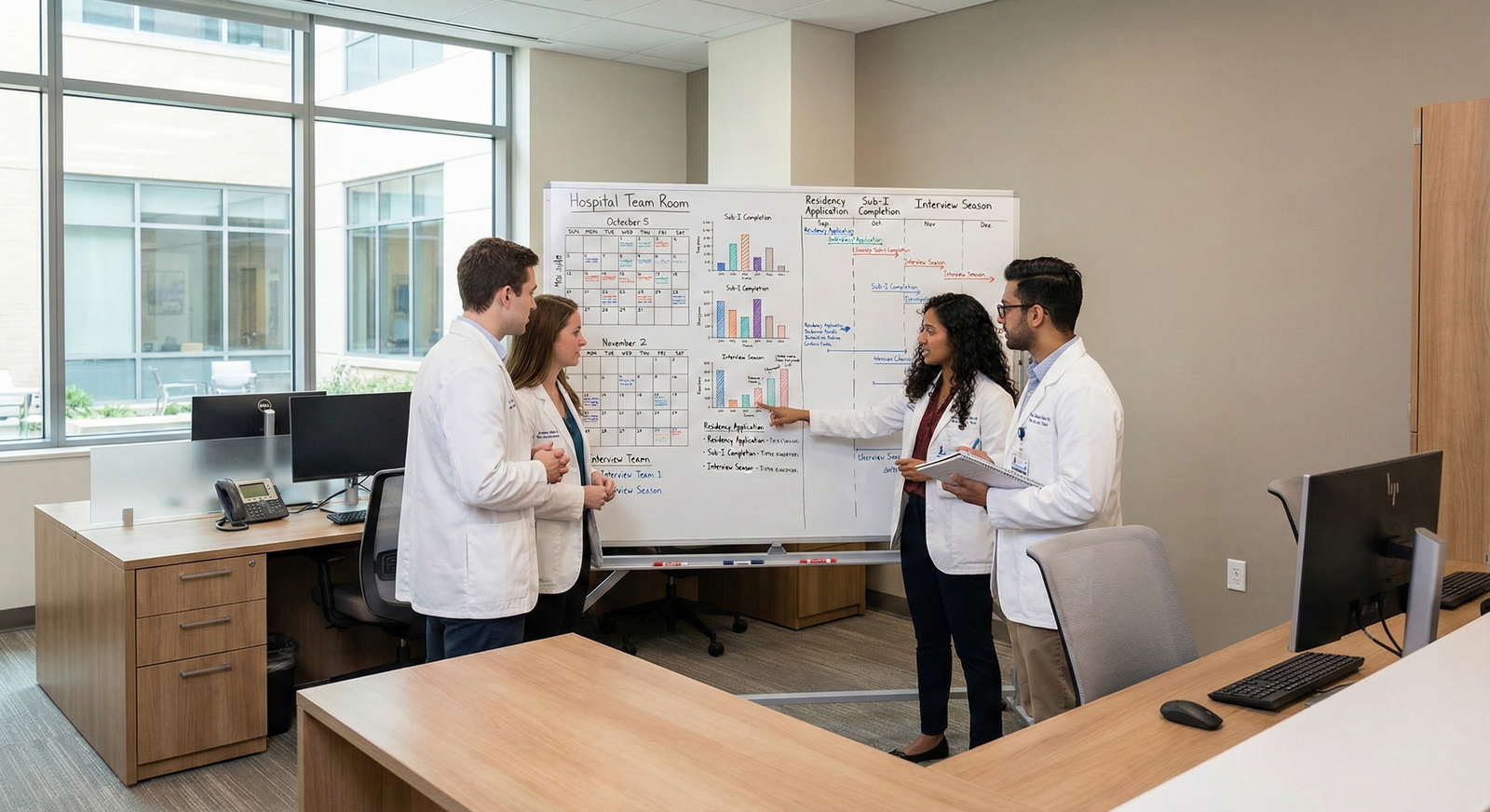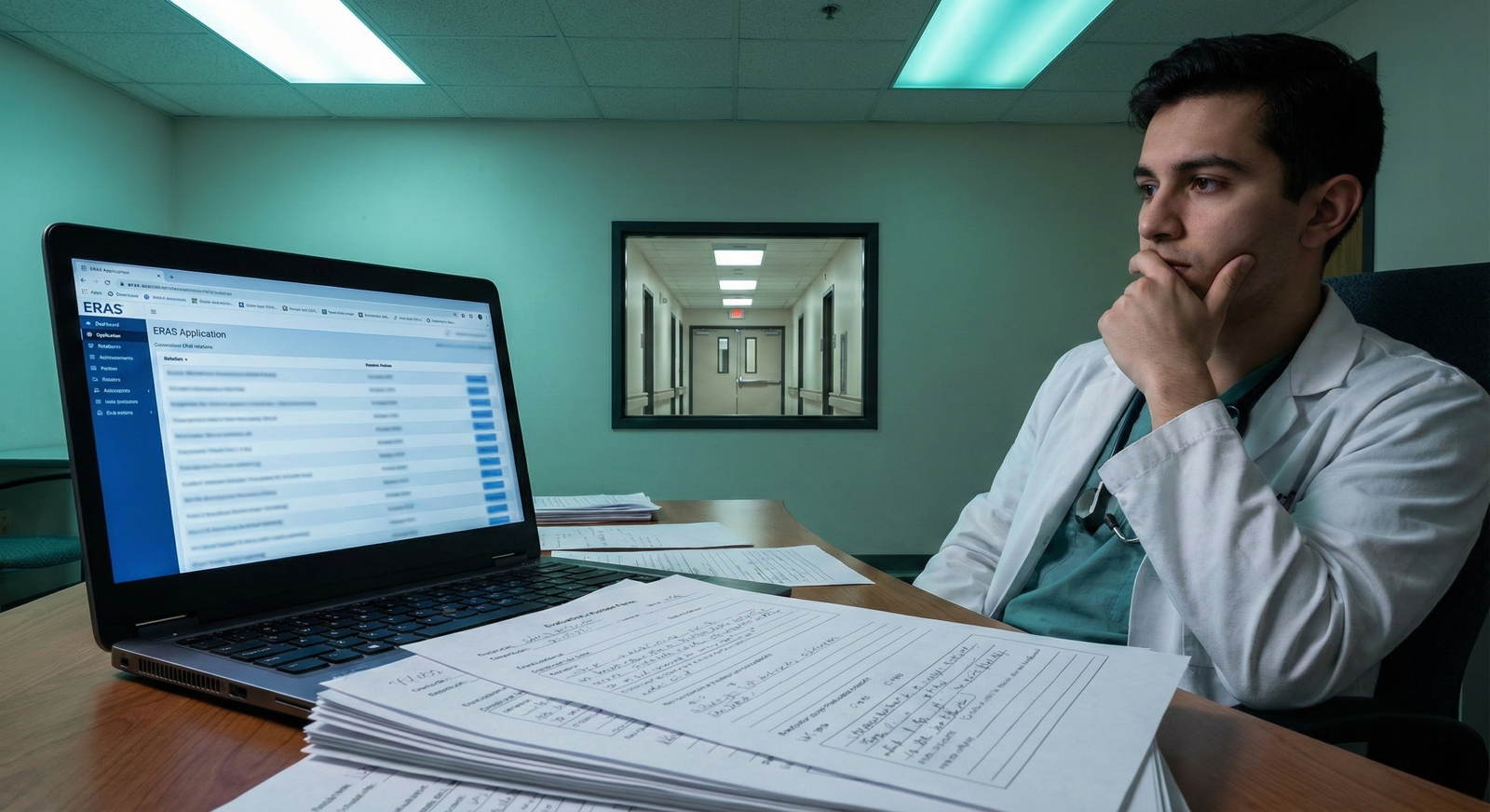
Why Innovative Clerkships Matter for Your Residency Match
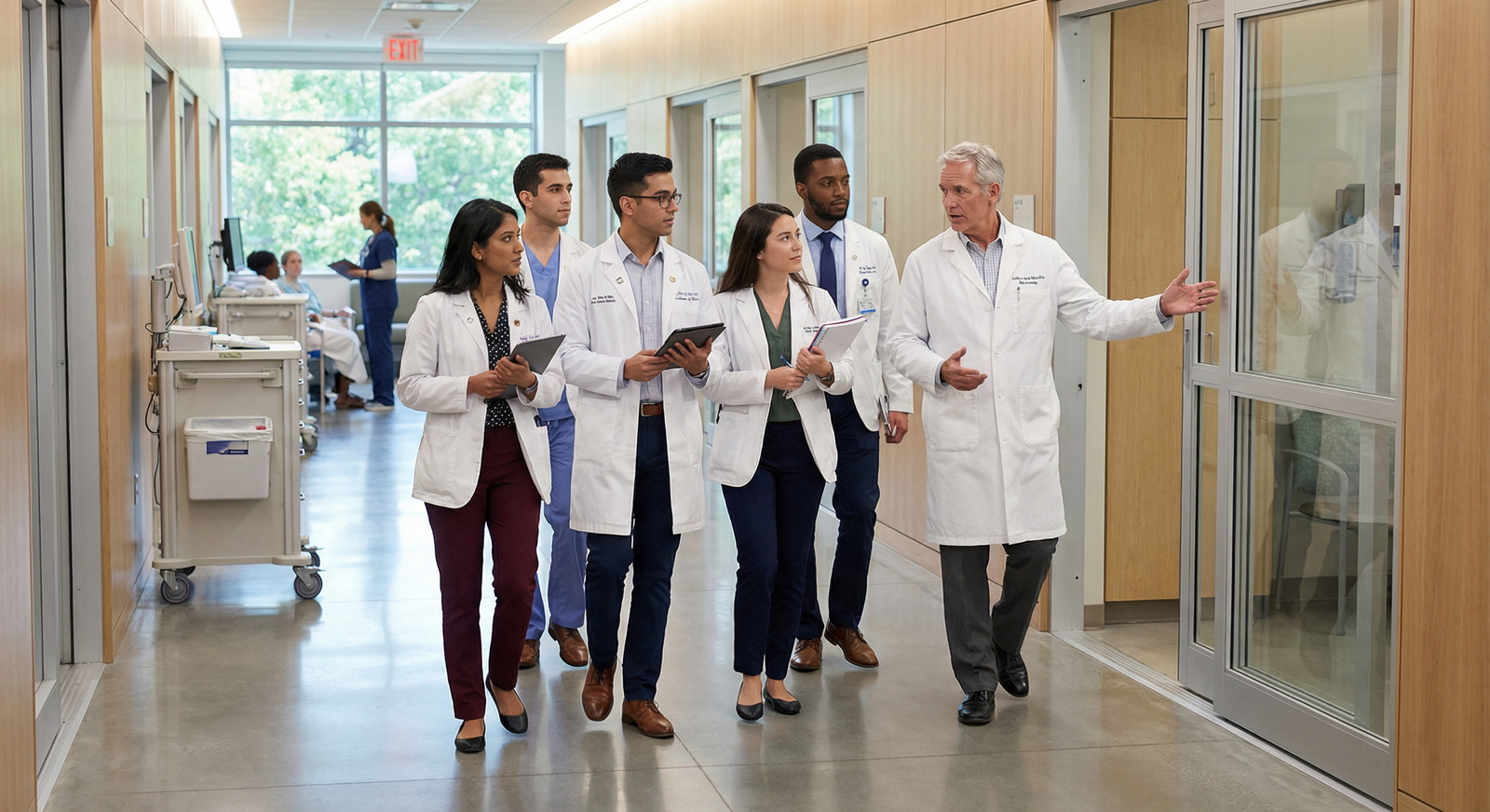
Clerkships are the bridge between preclinical learning and real-world practice. They are where you transform from a student who knows medicine on paper into a clinician who can care for patients safely, efficiently, and compassionately. They also heavily influence your residency match outcome.
In a residency selection environment where many applicants have similar grades and board scores, what often differentiates candidates is:
- Depth and breadth of clinical training
- Quality of letters of recommendation
- Demonstrated commitment to a specialty
- Evidence of adaptability, leadership, and reflective practice
Innovative clerkships—those that go beyond traditional inpatient ward or outpatient clinic rotations—can provide exactly these differentiating experiences. When approached strategically, they can both enhance your clinical training and significantly elevate your residency match profile.
This guide explores modern clerkship models, shows how they align with current trends in medical education and healthcare delivery (including telemedicine and community-based care), and offers concrete strategies to leverage them in your residency applications.
The Strategic Role of Clerkships in the Residency Match
Clerkships are more than just another graduation requirement. They are a central pillar in how program directors evaluate your readiness for residency and your fit with their program.
How Program Directors View Clerkships
Residency programs use clerkship performance to gauge:
- Clinical competence: History-taking, physical exam skills, diagnostic reasoning, and procedural abilities.
- Professionalism and teamwork: Reliability, communication, and ability to function within multidisciplinary teams.
- Specialty fit and genuine interest: The rotations you choose and how you perform in them.
- Potential for growth: How you respond to feedback and handle increasing responsibility.
Key components that come directly from clerkships and influence your residency match include:
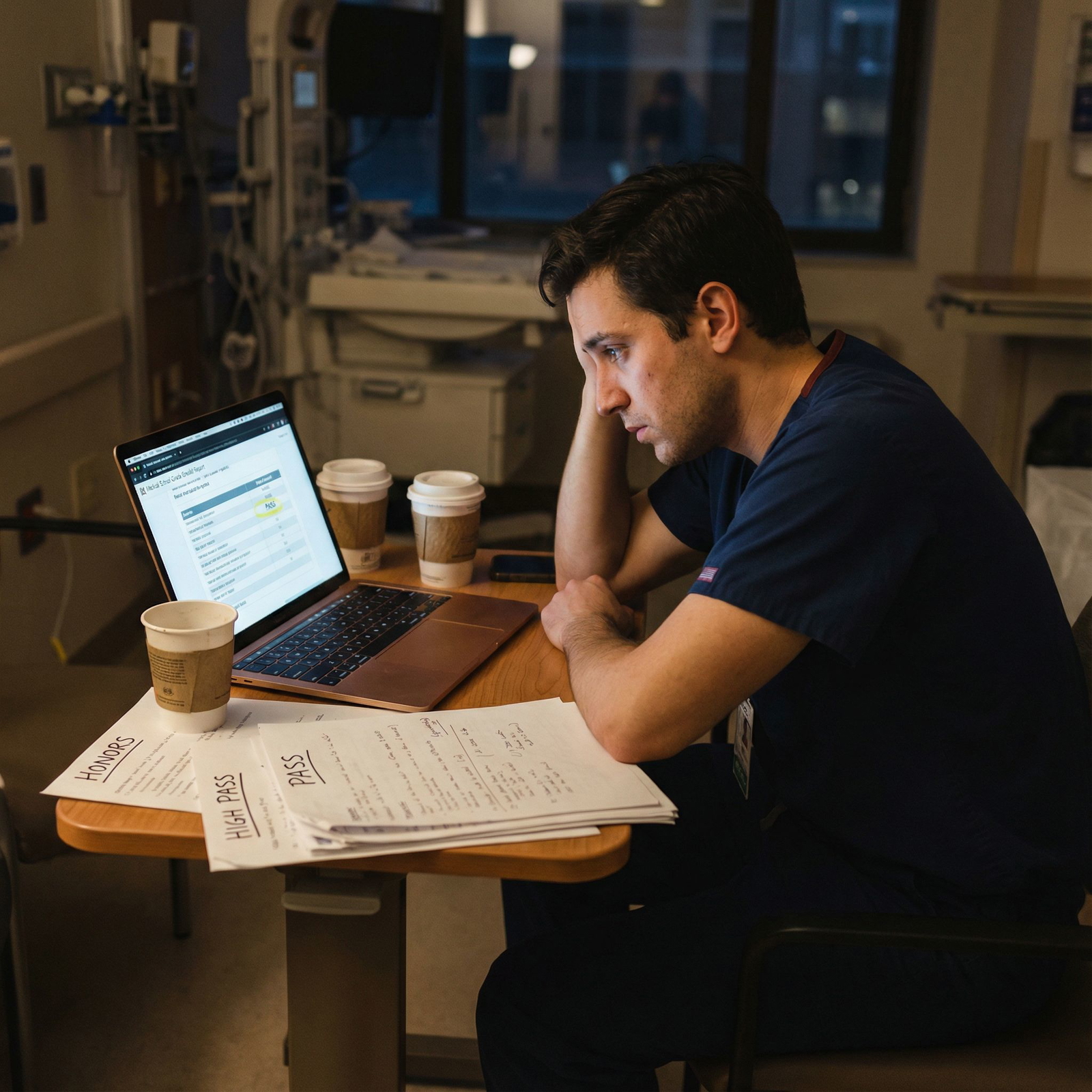
- Clinical evaluations and grades on core and elective rotations
- Shelf exams and, increasingly, case-based assessments
- Narrative comments from attendings and residents
- Letters of recommendation (LoRs) tied to specific clerkships
- Evidence of scholarship or leadership emerging from those experiences
Clerkships as Your “Match Portfolio Builder”
Think of your clinical training as a portfolio you will present to residency programs. Strong clerkship choices and performance help you build:
- A convincing narrative for why you chose a specialty
- Concrete examples of skills (e.g., leading a code, managing telemedicine visits, conducting quality-improvement projects)
- Unique experiences that differentiate you from other applicants
- Connections and mentorship that translate into impactful LoRs
In a landscape where medical education is rapidly evolving—particularly with the integration of telemedicine and advanced simulation—innovative clerkships position you as someone ready for the future of healthcare, not just the present.
Innovative Clerkship Models: Modern Approaches to Clinical Training
Today’s medical schools are moving beyond traditional block rotations to incorporate more flexible, integrated, and creative clerkship experiences. Understanding these models can help you choose clerkships that both strengthen your clinical training and boost your residency match profile.
1. Interdisciplinary and Integrated Clerkships
Overview:
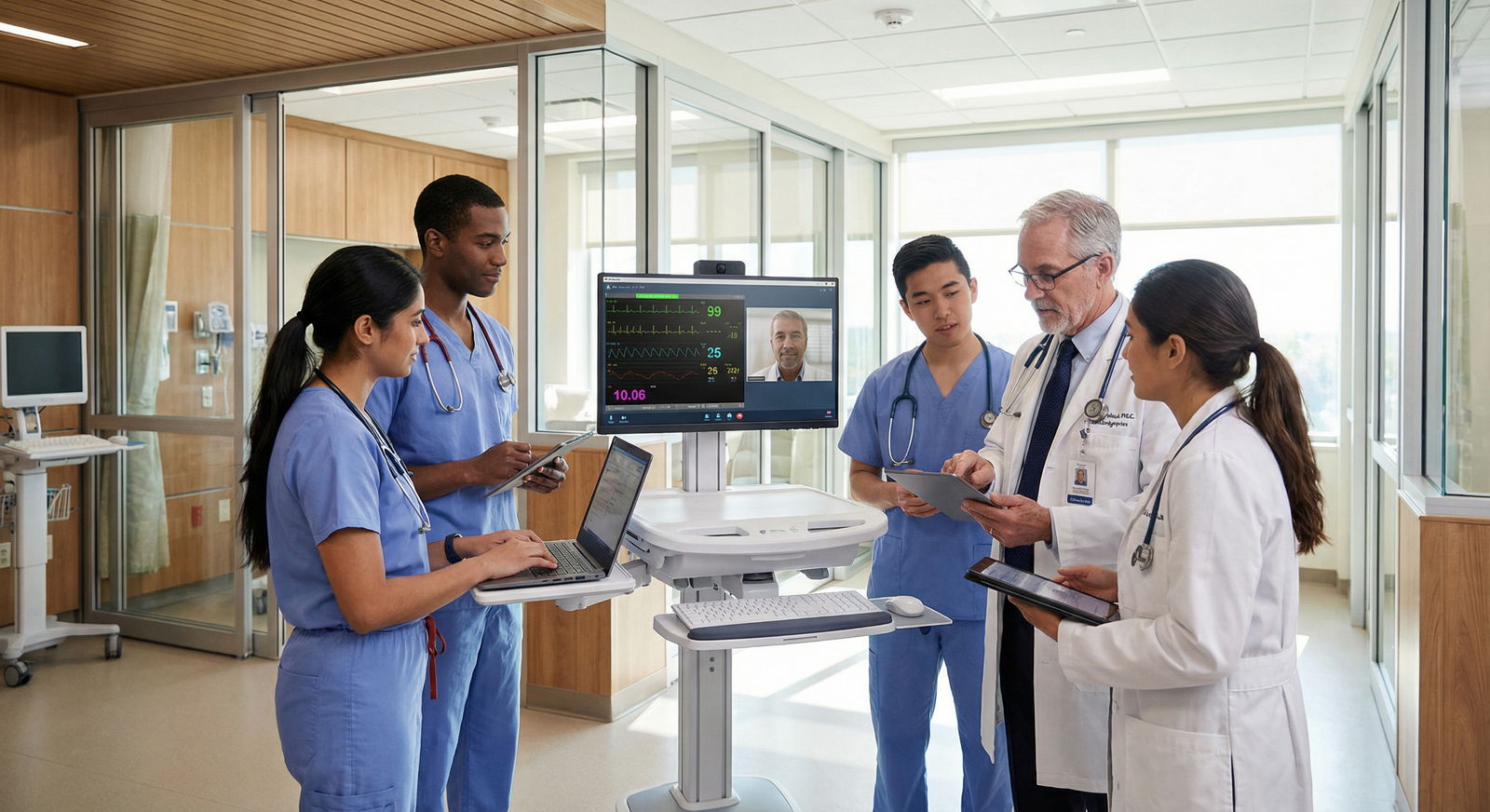
Interdisciplinary clerkships intentionally combine multiple disciplines or care settings. You may simultaneously rotate between internal medicine and psychiatry, or work on a team that includes physicians, nurses, pharmacists, social workers, and case managers.
Examples:
- A pediatrics–emergency medicine integrated clerkship, managing pediatric patients in both the ED and outpatient clinic, following them across settings.
- A medicine–psychiatry consult liaison rotation, where you see patients on medicine floors with co‑occurring psychiatric conditions.
- A chronic disease management clinic integrating internal medicine, endocrinology, nutrition, and behavioral health.
Benefits for Clinical Training:
- Strengthens your appreciation of how conditions present and evolve across care settings.
- Enhances communication with other healthcare professionals.
- Improves understanding of systems-based practice and care transitions.
Residency Match Advantages:
- Demonstrates readiness for team-based, interdisciplinary care—something program directors value highly.
- Gives you rich, multi-dimensional clinical stories for your personal statement and interviews.
- Offers opportunities for strong LoRs commenting on your performance across multiple disciplines.
How to Maximize Impact:
- Ask to present at interdisciplinary rounds or team meetings.
- Volunteer to coordinate care transitions (e.g., discharge planning, follow-up).
- Document specific patient cases where interdisciplinary collaboration changed management—these make excellent interview talking points.
2. Telemedicine and Virtual Care Clerkships
Overview:
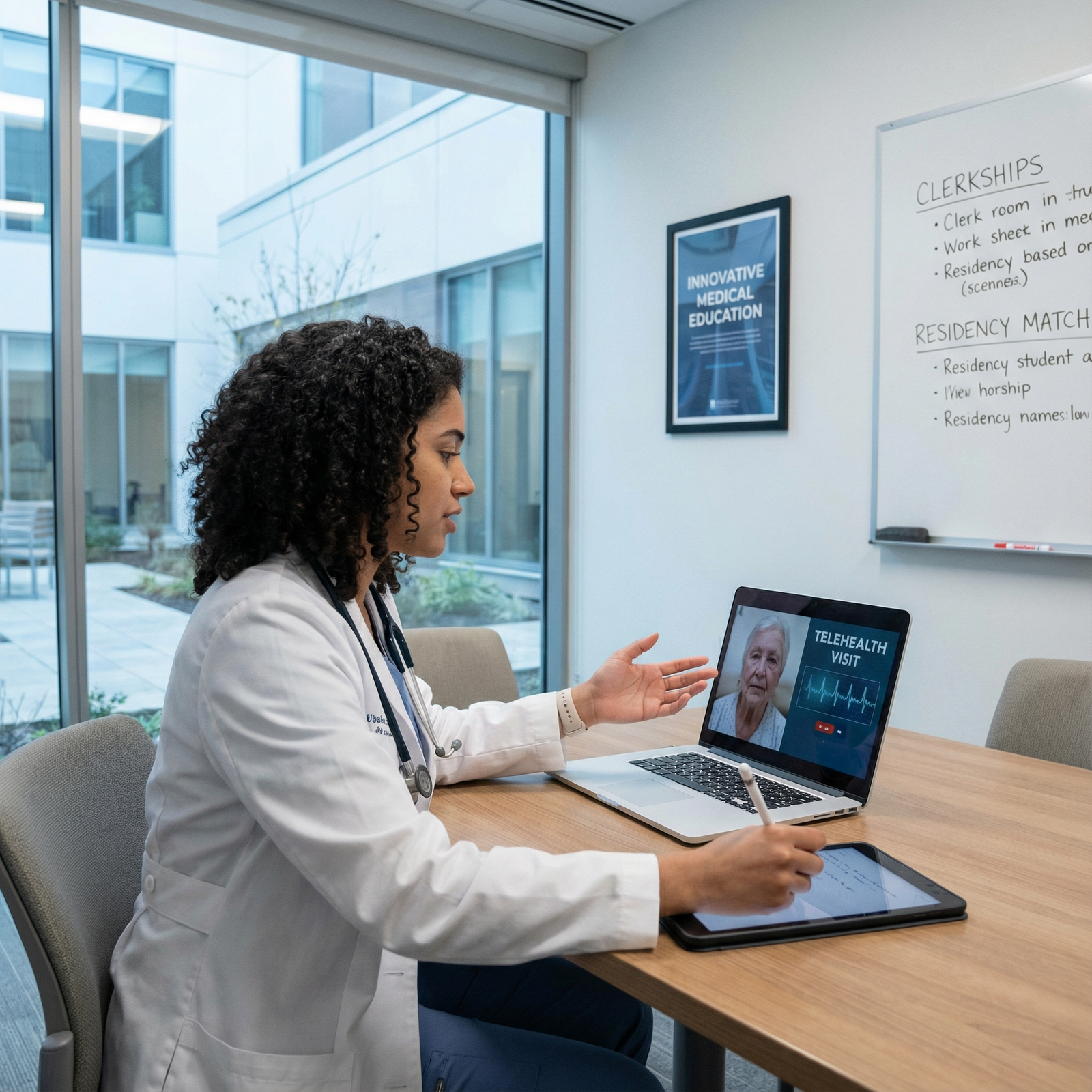
Telemedicine clerkships have rapidly evolved from a pandemic adaptation to a permanent feature in medical education and clinical training. These experiences involve supervised video or telephone visits, remote patient monitoring, and sometimes asynchronous e-consults.
Examples:
- A telehealth primary care clinic, conducting follow-ups for chronic diseases such as diabetes, hypertension, or heart failure.
- A psychiatry teleconsult service, providing virtual assessments and medication management.
- A rural telemedicine rotation, supporting a distant site with limited specialty access.
Benefits for Clinical Training:
- Hones verbal communication and patient education skills when physical exam tools are limited.
- Builds comfort with electronic health records, decision-support tools, and remote monitoring platforms.
- Enhances your understanding of access barriers and health system logistics.
Residency Match Advantages:
- Signals adaptability and readiness for contemporary practice environments.
- Shows experience in telemedicine, which many programs are actively integrating into their clinics.
- Provides concrete examples of managing care despite resource or access limitations—high-yield content for interviews.
How to Maximize Impact:
- Ask to track your telemedicine panel: number of visits, diagnoses managed, and follow-up outcomes.
- Reflect on differences between in-person and virtual assessments; note specific challenges and how you mitigated them.
- Consider a small QI or mini-research project (e.g., improving tele-visit no-show rates) and include it in your CV.
3. Community-Based and Underserved Population Clerkships
Overview:
Community-based clerkships place you in federally qualified health centers, rural clinics, urban safety-net hospitals, free clinics, or mobile health units serving underserved populations. These settings emphasize social determinants of health and resource-conscious care.
Examples:
- A rural family medicine clerkship in a town with a critical access hospital.
- An urban community medicine rotation caring for people experiencing homelessness or housing insecurity.
- A mobile clinic clerkship providing outreach to migrant workers, refugees, or uninsured populations.
Benefits for Clinical Training:
- Provides extensive hands-on experience with continuity of care and broader scope of practice.
- Deepens understanding of how socioeconomic factors, language, insurance status, and culture affect health.
- Encourages independent problem-solving in resource-limited environments.
Residency Match Advantages:
- Highly valued by programs in primary care, internal medicine, pediatrics, family medicine, psychiatry, EM, and OB/GYN—especially those with a mission centered on health equity.
- Demonstrates commitment to community engagement and public health.
- Produces powerful narratives about empathy, advocacy, and professionalism for personal statements and interviews.
How to Maximize Impact:
- Track involvement in community initiatives (screening programs, health fairs, outreach).
- Seek mentorship from preceptors who are community leaders and can write detailed LoRs.
- Consider a longitudinal project like patient education materials tailored to the community’s needs.
4. Research-Integrated and Scholarship-Focused Clerkships
Overview:
Research-integrated clerkships blend direct patient care with clinical, translational, or health services research. Some are formal “physician–scientist” tracks; others build research expectations into existing rotations.
Examples:
- An oncology clerkship where you help enroll patients into clinical trials.
- A quality improvement clerkship within internal medicine that pairs clinic time with QI methodology and project completion.
- A health services research elective analyzing outcomes of a telemedicine program or readmission rates.
Benefits for Clinical Training:
- Enhances critical appraisal skills of the medical literature.
- Teaches you how evidence is generated and translated into practice.
- Builds familiarity with study design, data collection, and basic statistics.
Residency Match Advantages:
- Demonstrates academic curiosity and potential for future scholarship.
- Provides tangible products: abstracts, posters, manuscripts, or QI reports to list on ERAS.
- Particularly advantageous for competitive specialties (e.g., dermatology, radiology, anesthesiology, surgical fields) and academic residency programs.
How to Maximize Impact:
- Set clear research goals with your mentor at the start: a poster, abstract, or manuscript.
- Ask to present at local or national conferences; this is a notable differentiator.
- Explicitly connect your research topic to your target specialty in your personal statement and interviews.
5. Simulation-Based and High-Fidelity Skills Clerkships
Overview:
Simulation-based clerkships use high-fidelity mannequins, standardized patients, and virtual reality or procedural task trainers to replicate complex clinical scenarios. Some rotations have full days in simulation labs integrated into their schedule.
Examples:
- An acute care/simulation clerkship where you manage simulated codes, sepsis, and trauma activations.
- A procedural skills rotation practicing central line placement, lumbar punctures, and intubations on task trainers.
- A communication-focused simulation using standardized patients to practice breaking bad news, informed consent, and complex family meetings.
Benefits for Clinical Training:
- Allows deliberate practice of rare but high-stakes events in a safe environment.
- Enhances crisis resource management, leadership, and closed-loop communication.
- Builds confidence before encountering similar scenarios during internship.
Residency Match Advantages:
- Shows you’ve sought out robust, skills-focused clinical training.
- Provides evidence of competence in areas that align with emergency medicine, anesthesia, surgery, critical care, and internal medicine.
- Offers compelling anecdotes about leadership under pressure and learning from errors without harming patients.
How to Maximize Impact:
- Keep track of simulation scenarios and your roles in each (team leader vs. team member).
- Ask for formal assessment or feedback forms that can be cited in LoRs.
- Reflect on specific simulation experiences where your performance significantly improved over time.
Turning Innovative Clerkships into Match-Boosting Assets
Experiences alone are not enough; how you capture, frame, and communicate them will determine their impact on your residency application.
1. Build Strong Relationships and Letters of Recommendation
Your supervising physicians and residents are often your best advocates.
Actionable Steps:
- Be explicit about your goals. Early in the clerkship, tell your attendings which specialty you’re considering and ask how to best demonstrate readiness.
- Request targeted LoRs. For innovative clerkships (e.g., telemedicine, community-based, research-heavy), ask for letters that specifically:
- Highlight your adaptability in new clinical formats
- Describe your teamwork and communication
- Mention concrete accomplishments (projects, leadership roles, patient outcomes)
- Request letters early. Ask within 1–2 weeks of finishing the rotation while your performance is fresh in their mind.
2. Document and Curate Your Clerkship Experiences
Treat your clerkship years like a longitudinal professional development project.
Practical Tools:
- Reflective journal or digital log:
- Capture meaningful patient encounters and what you learned.
- Note feedback received and how you implemented it.
- Record numbers: procedures performed, telemedicine visits conducted, QI interventions completed.
- Professional portfolio:
- Include presentations, posters, QI projects, teaching activities, and leadership roles.
- Save de-identified case summaries that illustrate your growth.
These details become raw material for:
- ERAS “Experiences” descriptions
- Personal statements
- Supplemental application essays
- Interview answers to behavioral questions
3. Align Clerkships with Your Target Specialty
You don’t need every clerkship to be in your desired specialty, but having a thoughtful pattern can strengthen your narrative.
Strategies:
- Choose electives and sub-internships that:
- Reinforce your commitment to a specialty (e.g., multiple inpatient medicine and subspecialty rotations for internal medicine).
- Showcase relevant skills (e.g., simulation-heavy or procedural clerkships for surgery, EM, anesthesia).
- Use innovative clerkships as proof of fit:
- Telepsychiatry or integrated behavioral health for psychiatry applicants.
- Community-based and primary care telemedicine rotations for family or internal medicine.
- Research-integrated clerkships for competitive or academic specialties.
4. Stay Current with Trends in Medical Education and Healthcare
Your understanding of broader trends can set you apart as a thoughtful, forward-looking candidate.
Key Areas to Track:
- Telemedicine and digital health: Remote monitoring, virtual visits, AI decision support.
- Value-based care and health equity: How systems are addressing disparities and social determinants of health.
- Team-based and interdisciplinary care models: PCMHs, ACOs, hospital-at-home programs.
- Competency-based medical education: EPAs, milestones, and how your clerkships target them.
Use clerkship experiences to demonstrate that you:
- Recognize these trends
- Have firsthand exposure to them
- Have thought about how they will shape your future practice
5. Craft Compelling Interview Narratives
Residency interviews often hinge on how well you can tell your story and connect your experiences to the program’s values.
Prepare in Advance:
- Identify 4–6 anchor stories from your innovative clerkships that illustrate:
- Clinical growth
- Leadership or teamwork
- Handling uncertainty or challenges
- Commitment to a particular patient population or specialty
- Practice connecting each story to common interview questions:
- “Tell me about a time you faced a clinical challenge.”
- “Why this specialty?”
- “Tell me about a time you worked in an interdisciplinary team.”
- “How have you used telemedicine/technology in clinical care?”

Case Illustrations: How Innovative Clerkships Strengthen Match Outcomes
Case 1: Telemedicine as a Differentiator in Internal Medicine
Background:
Jessica, a fourth-year student, completed a dedicated telemedicine-focused internal medicine clerkship. She managed follow-up visits for chronic disease via video, coordinated care with pharmacists and social workers, and participated in a small QI project to reduce no-show rates for virtual appointments.
How She Leveraged It:
- On ERAS, she listed a “Telemedicine Quality Improvement Initiative,” detailing her role, outcomes, and skills gained.
- Her attending wrote a LoR emphasizing her patient communication skills and comfort with remote care.
- In interviews, she described specific cases where telemedicine allowed her to overcome access barriers, connecting this to her interest in primary care and population health.
Outcome:
Program directors viewed her as someone prepared for modern outpatient medicine. She matched into a university-affiliated internal medicine program that integrates telehealth across its clinics.
Case 2: Community-Based and Research-Integrated Clerkship for Family Medicine
Background:
Michael undertook a combined community-based and research-integrated clerkship at a rural health center. He provided primary care under supervision and helped conduct a needs assessment on local barriers to preventive care.
How He Leveraged It:
- Developed a poster on preventive screening uptake that he presented at a regional conference.
- Wove his experiences into his personal statement, emphasizing health equity and commitment to underserved populations.
- His mentor’s LoR highlighted both his clinical skills and his community engagement.
Outcome:
Michael’s application resonated with family medicine programs prioritizing community service. He matched into a residency with strong rural and underserved tracks that aligned closely with his career goals.
Frequently Asked Questions About Innovative Clerkships and the Residency Match
1. What exactly counts as an “innovative” clerkship?
Innovative clerkships are rotations that go beyond traditional inpatient or outpatient blocks to incorporate:
- Interdisciplinary or integrated care experiences
- Telemedicine and digital health
- Community-based or underserved settings
- Research, QI, or health systems projects
- High-fidelity simulation and advanced procedural training
They are still grounded in core clinical training, but use modern approaches or unique settings that reflect where healthcare and medical education are heading.
2. Can innovative clerkships replace strong performance in core rotations?
No. Innovative clerkships are powerful supplements, not substitutes. Program directors still prioritize:
- Strong evaluations in core clerkships (medicine, surgery, pediatrics, OB/GYN, psychiatry, family medicine)
- Professionalism, reliability, and teamwork across all rotations
Think of innovative clerkships as value-add experiences that help distinguish you once you’ve established a solid foundation in core rotations.
3. How should I describe my innovative clerkships on ERAS?
Use your ERAS Experiences section to:
- Give a concise but clear description of the setting (e.g., “telemedicine-based internal medicine continuity clinic serving rural patients”).
- Emphasize your role and responsibilities (not just what the rotation offered).
- Quantify where possible:
- Number of telehealth visits conducted
- Procedures performed in simulation
- Patients enrolled in a research study
- Highlight outcomes:
- QI results
- Presentations or posters
- New processes or protocols you helped implement
4. Are telemedicine and simulation experiences viewed as “less real” than traditional clinical encounters?
Most residency programs now recognize telemedicine and simulation as essential components of modern clinical training. While they don’t replace direct bedside patient care, they offer:
- Unique skills (e.g., remote assessment, crisis resource management) that complement traditional rotations
- Controlled environments for deliberate practice and feedback
- Preparation for how residency programs themselves are evolving
Program directors generally view them positively—especially when you can articulate what these settings taught you about patient care, teamwork, and safety.
5. How do I choose which innovative clerkships will best support my residency goals?
Consider:
- Your target specialty:
- EM, surgery, anesthesia: simulation-heavy and acute care rotations
- Primary care, IM, FM, pediatrics: community-based and telehealth experiences
- Psychiatry: integrated behavioral health and telepsychiatry
- Competitive or academic specialties: research-integrated clerkships
- Program characteristics you’re aiming for:
- Community or safety-net focus → community-based clerkships
- Academic and research-heavy → scholarship-focused rotations
- Systems or QI focus → QI-integrated clerkships
Talk with mentors, residents, and your dean’s office to match your clerkship options with your long-term career vision.
By intentionally selecting and fully engaging in innovative clerkships—then thoughtfully translating those experiences into your residency application—you can significantly elevate your residency match profile. These rotations not only enhance your clinical training, but also signal to programs that you are adaptable, forward-thinking, and ready to practice medicine in a rapidly evolving healthcare landscape.