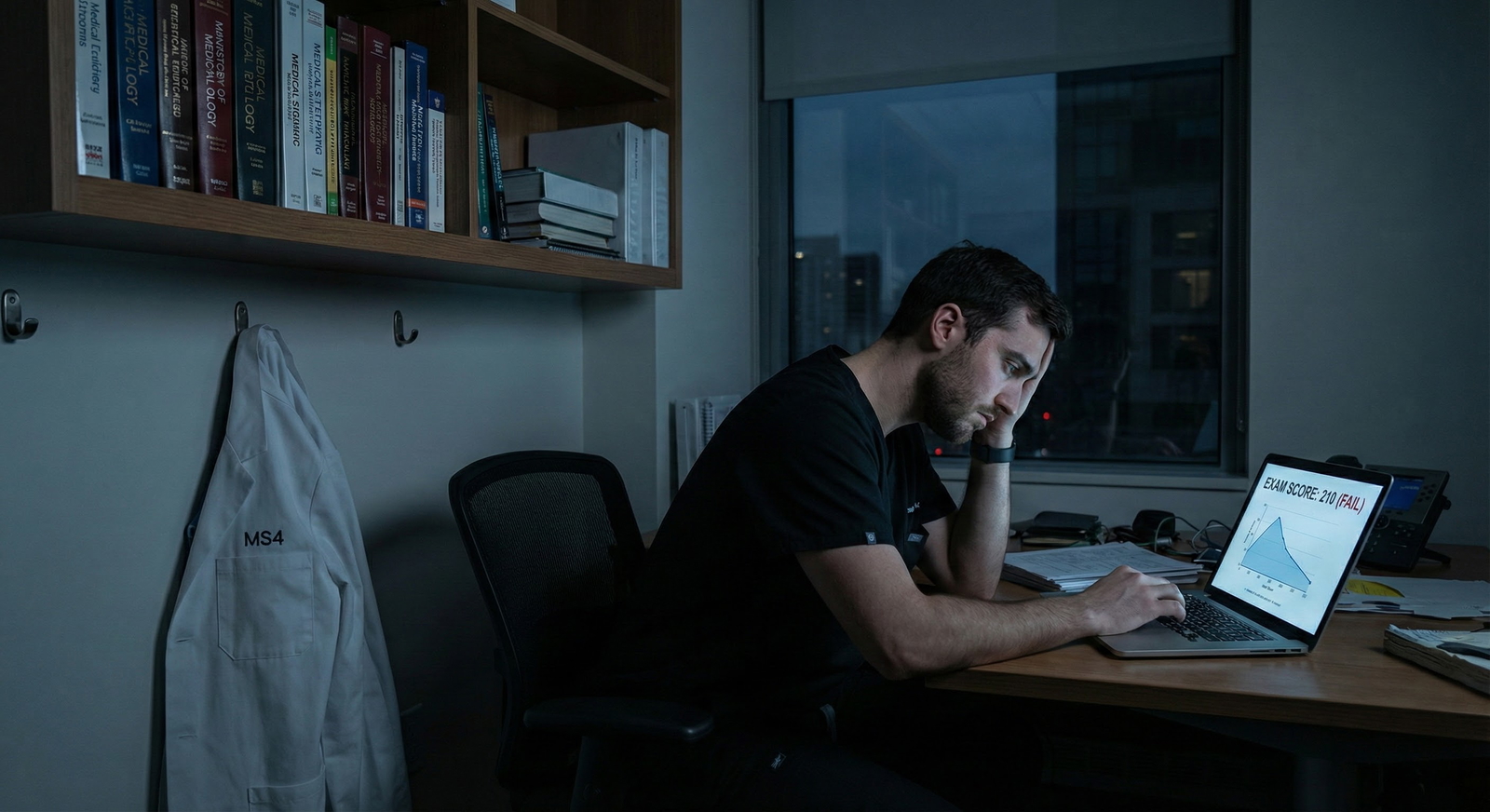
Neurosurgery is one of the most competitive specialties, and away rotations (also called visiting student rotations or sub-internships) are central to how applicants are evaluated. For many programs, your performance on a neurosurgery away rotation can matter as much—or more—than your board scores.
This guide breaks down how to think strategically about away rotations: when to do them, how many to pursue, how to choose programs, and how to excel once you’re there.
Why Away Rotations Matter So Much in Neurosurgery
Neurosurgery is a small field where programs invest 7+ years in each resident. Away rotations give programs a “test drive” of you as a future colleague—and give you a test drive of them.
What Programs Assess During a Neurosurgery Away Rotation
Program directors and faculty use visiting student rotations to answer key questions:
- Would I want this person on my team for 7 years?
- Do they work hard and take feedback well?
- Can they handle long hours, stress, and steep learning curves?
- Are they genuinely interested in neurosurgery—or just prestige?
They evaluate you on:
- Work ethic and reliability
- Initiative and ability to anticipate needs
- Teamwork and communication
- Professionalism (with patients, staff, residents, and faculty)
- Interest in neurosurgery and fit with the program’s culture
- Clinical reasoning and basic neurosurgery knowledge (for your level)
A strong neurosurgery away rotation can:
- Lead to a highly personalized letter of recommendation
- Put you on the program’s “rank to match” radar
- Offset modest Step scores or limited home neurosurgery exposure
- Demonstrate that you can function at the level of an incoming intern
Conversely, a weak away can harm your application—so careful planning and preparation are crucial.
Planning Your Neurosurgery Away Rotations
When to Do Neurosurgery Away Rotations
Most students complete neurosurgery visiting student rotations in the early part of fourth year:
- Ideal timing:
- June, July, August, September of MS4
- Why early?
- You want letters written before ERAS submission (typically September)
- Programs remember early rotators when building interview lists
- You can incorporate feedback from the first away into subsequent ones
If your school runs on a non-traditional calendar or you’re off-cycle, talk with your dean and neurosurgery advisors as early as possible to tailor your schedule.
Prerequisites Before You Go
To make the most of your neurosurgery residency away rotations, it helps to have:
- A completed neurosurgery home rotation (if available)
- Shows you understand the lifestyle and expectations
- Gives you baseline skills (notes, presenting, scrubbing, call structure)
- Completed core clerkships, especially:
- Surgery, Medicine, Neurology
- Ideally done by end of MS3 so that you’re clinically functional
- USMLE Step 1/COMLEX Level 1 completed
- Step 2 CK/Level 2 may be pending, but aim to have at least Step 1 and core clerkships behind you
If your school lacks a home neurosurgery program, consider:
- Doing a home “neuro-heavy” surgery rotation (e.g., spine, trauma, ENT with skull base exposure)
- Completing an early away rotation at a local neurosurgery program between MS3 and MS4, if permitted
How Many Away Rotations in Neurosurgery Should You Do?
For neurosurgery, away rotations are expected, not optional. The most common questions are: “how many away rotations do I need?” and “how many away rotations is too many?”
Typical Numbers in Neurosurgery
While exact numbers change slightly year to year, a common pattern among successful neurosurgery applicants is:
- 2–3 neurosurgery away rotations, plus
- 1 home neurosurgery rotation (if available), and
- Additional electives (research, ICU, neuroradiology, etc.)
So in total, most competitive applicants will have 3–4 neurosurgery sub-internship experiences (home + away).
Factors That Influence How Many Away Rotations You Need
Your strategy for how many away rotations to pursue should depend on your situation:
You have a strong home neurosurgery program and did well there
- Typical: 2 away rotations
- Reasoning: You already have a strong letter from your home program; two additional institutions help expand your exposure and visibility.
You don’t have a home neurosurgery program
- Typical: 3 away rotations, sometimes 4 if your schedule allows
- Reasoning: All of your neurosurgery exposure, letters, and mentorship come from away sites, so you need multiple data points.
You have academic concerns (e.g., low Step score, red flags)
- Typical: 3 away rotations
- Reasoning: You need more opportunities to demonstrate your clinical strength and work ethic and to earn advocates who know you well.
You are couples matching or geographically restricted
- Typical: 2–3 away rotations, targeted to specific regions
- Reasoning: Use visiting student rotations intentionally in regions where both you and your partner are applying.
When Too Many Away Rotations Can Backfire
More is not always better. Doing 4 or more neurosurgery away rotations may:
- Lead to burnout before intern year even starts
- Limit time for Step 2 CK, research, or rest
- Dilute the impact of any one rotation (and your own reflection on fit)
- Be logistically and financially exhausting
As a rule of thumb:
For neurosurgery, most applicants should aim for 2–3 strategically chosen away rotations, in addition to a home sub-I if possible.

Choosing Where to Do Neurosurgery Away Rotations
One of the most important strategic decisions is where to rotate. Think beyond just “top 10 programs” and consider where you can genuinely thrive and be competitive.
Key Criteria to Consider
Presence (or absence) of a home neurosurgery program
- If you lack a home program, prioritize:
- Regional academic centers that commonly take outside students
- Programs known to interview and match students from schools without neurosurgery departments
- If you lack a home program, prioritize:
Geographic priorities
- Ask yourself:
- Where do you realistically want (or need) to live for 7 years?
- Where is your support system (friends, family, partner)?
- Strategy:
- Choose away rotations in one or two key regions (e.g., Northeast + Midwest)
- Don’t scatter across four regions with no coherent story
- Ask yourself:
Program competitiveness and fit
- Create a balanced list:
- 1–2 “reach” programs (top-tier or highly prestigious)
- 1–2 solid mid-tier academic programs where you’re competitive
- Consider:
- Your Step scores and class rank
- Research background (especially neurosurgery research)
- School reputation and prior match patterns
- Create a balanced list:
Program culture and training strengths
- Ask:
- Is this a high-volume center for brain tumors, spine, vascular, functional, or pediatrics?
- What is the call schedule like?
- Is there a reputation for being malignant or supportive?
- Read between the lines:
- Talk to current residents or alumni from your school
- Look at case logs and fellowships of recent graduates
- Ask:
Match outcomes and openness to rotators
- Some programs:
- Almost always interview and sometimes match their rotators
- Consider sub-I performance heavily in ranking decisions
- Look for:
- Programs that regularly match outside students who rotated there
- Programs that historically take students from a variety of medical schools
- Some programs:
Practical considerations
- Cost of living and housing
- Required VSLO (VSAS) fees and additional application steps
- Rotation timing and availability (e.g., some only take rotators June–August)
- Institutional requirements (vaccines, background checks, Step 1 score thresholds)
Using Your Away Rotations to Build a Coherent Narrative
Think of your away rotation choices as part of your overall neurosurgery residency narrative:
Example narrative 1:
- “I’m deeply interested in academic neurosurgery and brain tumor research, especially in the Northeast.”
- Strategy:
- Home rotation at your academic center
- Away 1: Highly academic Northeast program with strong tumor/oncology center
- Away 2: Another Northeast program known for research
Example narrative 2:
- “I’m committed to serving a large public and trauma hospital in the Midwest, and I want broad operative exposure.”
- Strategy:
- Away 1: Major county hospital–based program with heavy trauma
- Away 2: Another high-volume Midwest academic center with strong trauma and spine
When your away rotation choices match your stated goals, interviewers will perceive your application as more focused and intentional.
Applying for Neurosurgery Visiting Student Rotations
Understanding the Process (VSLO/VSAS and Beyond)
Most neurosurgery away rotations use the AAMC VSLO/VSAS platform, but many programs have extra requirements.
Typical components include:
- VSLO application
- Transcript and proof of completion of core clerkships
- USMLE/COMLEX score reports
- Immunization records and health forms
- BLS/ACLS certification (varies by site)
- Proof of malpractice insurance (usually through your medical school)
- Supplemental essays or short statements of interest
- Possibly a CV and Step score minimums
Timeline for Applications
To secure rotations in June–September of MS4:
- January–March (MS3):
- Research neurosurgery residency programs, identify priorities
- Meet with neurosurgery advisors or mentors to discuss targets
- February–April:
- Monitor VSLO for when each program posts its electives
- Draft your personal statements/short answers for visiting student rotations
- March–May:
- Submit applications as early as they open (many are first-come, first-served or rolling)
- Track acceptances and waitlists, and keep backups
Because neurosurgery is small, some programs may receive far more sub-I applications than they can accept. Early, organized application is essential.
Writing Strong Short Essays for Away Rotations
Some programs ask short questions such as:
- “Why are you interested in doing a sub-internship at our institution?”
- “Describe your interest in neurosurgery.”
Tips for responses:
- Be specific to the institution:
- Mention particular strengths: e.g., “Your cerebrovascular and skull base volume”
- Reference known research groups if applicable
- Connect your long-term goals:
- Academic vs community practice
- Research interests (e.g., brain tumors, functional, neurotrauma)
- Show that you’ve actually researched the program—avoid generic statements that could apply anywhere.

Succeeding on Away Rotations in Neurosurgery
Once you’ve landed a spot, performance on the rotation is everything. Neurosurgery residency programs use away rotations as month-long interviews.
Core Principles for a Strong Sub-Internship
Show up early, stay prepared, stay late when appropriate
- Arrive before the residents. Learn when they get in and beat them there.
- Pre-round on your patients early and be ready to present by the time the team starts.
- If you’re sent home early, accept it graciously, but don’t be the one asking to leave.
Own your patients (at a student level)
- Know:
- Their diagnosis and indication for surgery
- Imaging results and relevant lab trends
- Post-op status, complications to watch for
- Be the one who:
- Checks in on families
- Tracks down missing labs or consult notes
- Updates the team quickly when something changes
- Know:
Be teachable and humble
- You will make mistakes. Your response matters more than the mistake:
- Acknowledge it
- Fix it
- Incorporate feedback without defensiveness
- Ask thoughtful, well-timed questions (not during critical operative moments unless invited).
- You will make mistakes. Your response matters more than the mistake:
Demonstrate genuine interest in neurosurgery
- Read about your cases the night before
- Learn basic CT/MRI interpretation for the pathologies you’re seeing
- Show curiosity about operative planning, anatomy, and post-op care
Be kind and professional to everyone
- OR nurses, scrub techs, PACU nurses, ward nurses, unit coordinators, radiology techs—they all talk.
- Programs care how you treat everyone, not just attendings.
Operating Room Success for Sub-Interns
In the OR, your goals are to be:
- Helpful
- Non-disruptive
- Engaged and learning
Specific tips:
- Before the case:
- Read the patient’s H&P, imaging, and the indication for surgery
- Know the basic steps of the procedure (e.g., crani for tumor, lumbar laminectomy)
- Introduce yourself to the OR staff; ask where you should stand and how you can help
- During the case:
- Keep the field dry and still when holding retractors
- Anticipate needs: suction ready, adjusting lights if asked
- Avoid leaning on the table or breaking sterility
- Answer questions concisely; it’s fine to say “I’m not sure, but I’d like to learn” and follow up later
- After the case:
- Help transfer the patient if appropriate
- Make sure the room is clean and instruments handled as directed
- Follow up on immediate post-op orders; check on the patient later
Documenting and Presenting Like a Future Intern
On a neurosurgery sub-I, your note-writing and presentations are often how faculty assess your internal medicine and surgical maturity.
- Notes:
- Be concise and organized
- Include relevant neuro exam details
- Clearly state assessment and plan (match it to attending/resident plan)
- Presentations:
- Use a logical order: ID → chief complaint → brief HPI → relevant imaging → exam → labs → assessment/plan
- Update briefly on overnight events and new issues rather than re-telling the entire history each day
Ask residents for feedback periodically:
“What’s one thing I can do differently in my notes/presentations to be more helpful to the team?”
Building Relationships and Securing Strong Letters
You want at least one faculty member at each away site to:
- Know you well
- See your work ethic and growth
- Be willing to write a detailed neurosurgery residency letter of recommendation
Strategies:
- Identify attendings who worked with you regularly and seemed invested in teaching.
- Towards the end of the rotation, request a meeting:
- Express gratitude for their teaching
- Briefly share your goals in neurosurgery
- Ask if they feel they know you well enough to write a strong, detailed letter in support of your application
- Provide:
- Your CV
- Brief personal statement (even in draft form)
- Any school-specific LOR form or ERAS cover page
A meaningful, specific letter from a neurosurgeon who directly supervised you is far more valuable than multiple generic letters.
Integrating Away Rotations Into Your Overall Neurosurgery Application Strategy
Away rotations don’t exist in isolation; they integrate with the rest of your neurosurgery residency application.
Balancing Away Rotations With Research and Step 2 CK
In neurosurgery, research—especially neurosurgery research—matters. So does Step 2 CK performance.
Avoid this trap:
- Doing 3–4 consecutive neurosurgery away rotations
- Having no protected time for Step 2 CK or research productivity
Instead, plan:
- Dedicated time (often late MS3 or early MS4) for:
- Completing and submitting neurosurgery manuscripts/abstracts
- Studying for Step 2 CK to show academic strength
- A schedule that:
- Clusters neurosurgery away rotations in June–September
- Leaves some flexibility for interviews and follow-up
Using Away Rotations to Clarify Program “Fit”
Beyond helping you get interviews, away rotations help you decide where you actually want to match:
Pay attention to:
- Resident morale and burnout
- Resident–faculty relationships
- Case volume and autonomy
- Support services (ICU, neuroradiology, neurology, oncology)
- How residents treat each other—and how they treat you as a student
Make notes after each rotation:
- What did you like and dislike?
- Could you realistically see yourself training here for 7 years?
- How did you feel at the end of each day—dreaded tomorrow, or energized?
These reflections will help you build a more thoughtful and authentic rank list.
Frequently Asked Questions About Neurosurgery Away Rotations
1. How many away rotations should I do if I don’t have a home neurosurgery program?
If you don’t have a home program, aim for 3 neurosurgery away rotations, if your schedule and finances allow. This gives you:
- Multiple letters from neurosurgeons who know your work
- More exposure to how different neurosurgery residency programs function
- A better chance of finding a place where you’re a strong fit
Be selective and strategic; doing 3 excellent, well-chosen rotations is better than scattering yourself across 4–5 without a plan.
2. How important are away rotations compared to Step scores for neurosurgery?
Both matter, but in neurosurgery, your performance on away rotations can be decisive once you meet basic academic thresholds. Step scores (especially Step 2 CK) help you get on the interview radar, but your sub-I months show:
- How you work on a team
- Your reliability, grit, and professionalism
- Whether you function like a future neurosurgery intern
Many programs heavily favor applicants they have seen perform well on a neurosurgery sub-internship, even if their scores are not at the very top of the distribution.
3. Should I only rotate at “top-tier” programs?
Not necessarily. For many students, a balanced approach works best:
- One highly competitive “reach” program, especially if you have strong research or academic credentials
- One or two solid academic programs where you are more statistically competitive and where rotators frequently match
You want at least one away rotation where you have a realistic shot at being near the top of their rank list based on your overall profile.
4. Can a bad away rotation hurt my chances?
Yes. Because the field is small, a poor performance at a neurosurgery away site can:
- Eliminate your chances at that particular program
- Potentially lead to negative word-of-mouth if issues are severe (unprofessionalism, unreliability)
This is why you should:
- Avoid overextending yourself with too many back-to-back sub-Is
- Ensure you are physically and mentally prepared before starting
- Respond quickly and maturely to feedback to prevent small issues from becoming big problems
Thoughtful planning of your neurosurgery away rotations—choosing the right programs, scheduling them strategically, and performing at a high level—can dramatically strengthen your application. Treated well, each brain surgery residency away rotation is both a month-long interview and a unique opportunity to clarify what you want from your future training and career in neurosurgery.