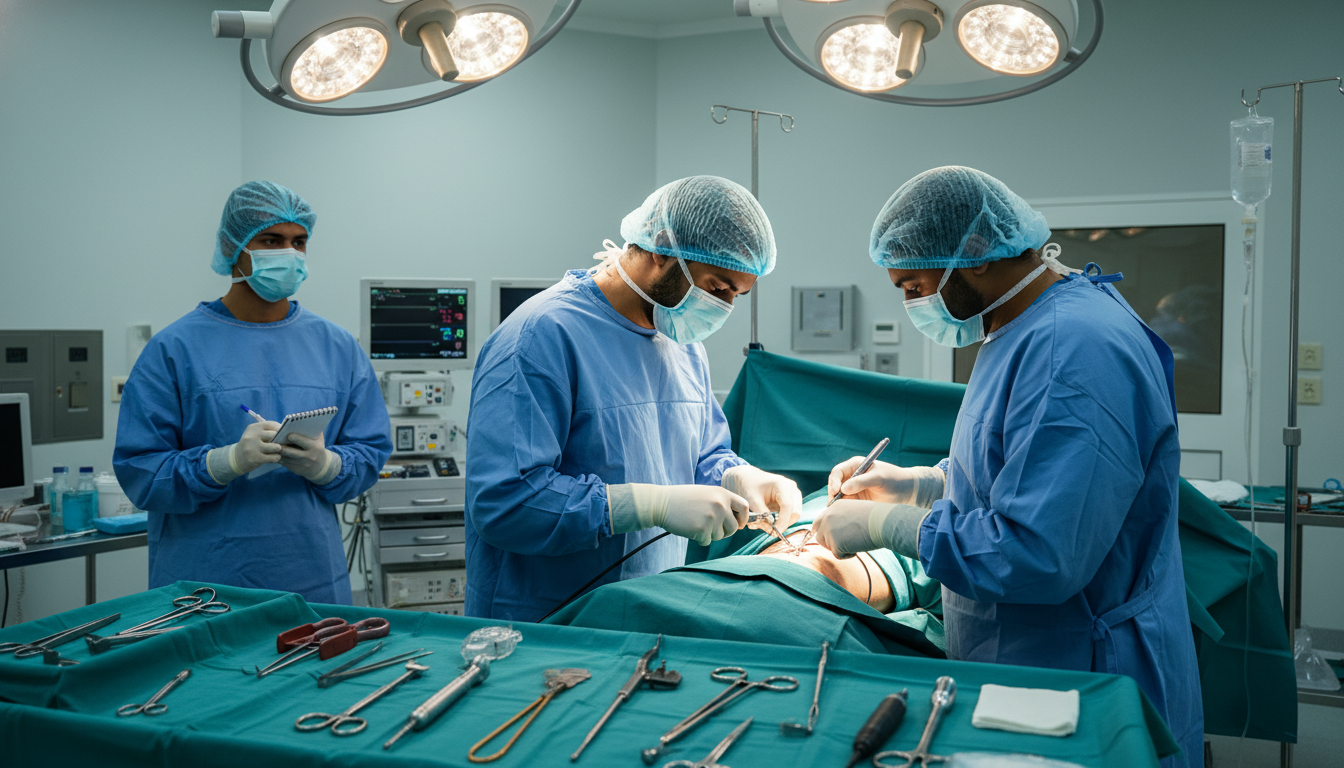
Understanding the Role of Away Rotations in Orthopedic Surgery
Orthopedic surgery is one of the most competitive specialties, and away rotations are often considered a central part of a successful orthopedic surgery residency application strategy. For most applicants, visiting student rotations are more than just extra time in the OR; they’re month-long auditions for a residency position and powerful tools for learning, networking, and demonstrating fit.
In this guide, we’ll explore how to design an effective away rotation strategy in orthopedic surgery, including how many away rotations to do, how to choose programs, when and how to apply, and how to perform at a high level once you’re on service. We’ll also cover how to leverage your experiences to strengthen your ortho match application.
Why Away Rotations Matter So Much in Orthopedic Surgery
The “Audition Rotation” Culture
In orthopedic surgery, away rotations (also called “audition rotations” or “visiting student rotations”) are often treated as extended interviews. Programs use them to:
- Evaluate your work ethic and clinical skills
- Assess your teamwork and communication style
- Determine whether you fit their culture and workflow
- Put a “face and story” to your application long before interviews
For you, away rotations allow:
- Direct exposure to different program cultures (academic, community, hybrid)
- Access to mentors and potential letter writers in ortho
- Insight into call schedules, operative volume, and resident lifestyle
- Opportunities to show that you can function at or above the level of an acting intern
In a competitive field like orthopedic surgery residency, a strong away rotation can meaningfully influence your place on a program’s rank list. Conversely, a weak or poorly planned away rotation strategy can limit your options.
Are Away Rotations Required?
They’re not technically required, but for most orthopedic surgery applicants, doing at least one away is strongly recommended, and many applicants do more. Because ortho is relatively small and tight‑knit, programs often prioritize applicants they have seen in person.
Situations where away rotations are particularly important:
- Your home institution does not have an orthopedic surgery residency
- You have limited ortho exposure or late specialty decision-making
- Your application metrics are more borderline (Step 2, class rank, etc.)
- You’re targeting very competitive academic or “reach” programs
On the other hand, away rotations are only helpful if you are prepared to perform well—clinically, professionally, and interpersonally.
Planning Your Away Rotation Strategy

How Many Away Rotations Should You Do?
The question “how many away rotations should I do?” comes up constantly in ortho. There’s no single right answer, but the typical range is:
- Common total: 2 away rotations (in addition to your home ortho rotation)
- Range: 1–3 away rotations for most applicants
- Upper limit: 3 is generally considered a practical maximum for most students due to cost, fatigue, and diminishing returns
Factors that influence the ideal number for you:
Strength of your home program
- Strong home ortho residency + solid relationships there:
- 1–2 aways may be sufficient
- No home program or a very small one:
- 2–3 aways often beneficial
- Strong home ortho residency + solid relationships there:
Competitiveness of your application
- Very strong metrics, research, and home support:
- 1–2 aways targeting “fit” and geography
- Mid-range or inconsistent metrics:
- 2–3 aways to show performance over a longer runway at multiple sites
- Very strong metrics, research, and home support:
Personal stamina and finances
- Away rotations are expensive (housing, travel, food, application fees)
- Rotating 3+ months in a row can lead to burnout just before ERAS season
Practical advice:
For most orthopedic surgery residency applicants, a strategy of 1 home rotation + 2 away rotations offers a good balance of exposure, audition time, and personal sustainability.
Timing: When to Do Your Rotations
You’ll need to coordinate with both your school’s schedule and the residency application timeline.
Ideal timing (for a traditional MD/DO timeline):
Home orthopedic surgery rotation:
Spring or early summer of MS3 or very early MS4- This helps confirm your interest and gives you faculty who can advise you as you plan aways.
First away rotation:
Early MS4 (June–August)- Early enough that letters from this rotation can be in before or near ERAS opening.
- You’ll have more interview visibility from that program.
Second away rotation:
Late summer or early fall (August–October)- Still early enough that performance can be reflected in letters and interview invites.
- Sometimes used at a “reach” or “dream” program.
If you’re doing three away rotations, try:
- June, July, and August or
- July, August, and September
Be cautious about doing away rotations too late (November–January). They can still help with networking and backup plans, but are less likely to impact early interview offers for the current cycle.
Selecting Programs: Where Should You Rotate?
Choosing where to spend your limited away rotation months is a strategic decision. Consider:
1. Home vs. Away Balance
- Home program rotation is almost always required/expected if you have a home ortho residency.
- Programs often expect you to take your home institution seriously; “ignoring” it for aways can be perceived negatively if not explained.
2. Geographic Priorities
Ask yourself:
- Where do I actually want to live for residency?
- Do I have family, partner, or support system constraints?
- Are there regions I’m particularly interested in (e.g., West Coast academics, Midwest community programs)?
Then choose away sites in your top geographic regions to increase familiarity and perceived interest.
3. Program Type and Culture
Think about your preferences:
Academic centers
- Heavier research emphasis, complex cases, subspecialty depth
- Great if you’re interested in fellowships and academic careers
Large community programs
- High clinical and operative volume
- Strong “hands-on” experience, sometimes earlier autonomy
Hybrid programs
- Mix of academic and community features
- Often balanced clinical/research expectations
You might choose:
- 1 academic + 1 community/hybrid, or
- 2 similar programs if you strongly prefer a specific style
4. Competitiveness and “Reach”
A wise strategy blends realistic and aspirational choices:
- At least one rotation at a program where your metrics are well-aligned (Step 2, class rank, research).
- One rotation can be at a more competitive or “reach” program—especially if you have a particular connection (research collaborator, mentor, regional ties).
5. Existing Connections
Give extra weight to programs where you already have a “foot in the door”:
- You’ve worked with a faculty member on research
- Your home chair or mentor has strong ties there
- Alumni from your school have matched there consistently
- You have a personal/regional connection (grew up nearby, spouse’s job, etc.)
Connections don’t guarantee anything, but they may increase your chances of both getting the rotation and ultimately being remembered during rank meetings.
Applying to Away Rotations (VSLO and Beyond)
Most US programs use AAMC’s Visiting Student Learning Opportunities (VSLO) platform, but some use their own systems.
Action steps:
Check each program’s visiting student page
- Application open/close dates
- Required documents (immunizations, Step scores, transcripts, letters)
- Specific course/rotation codes (e.g., “Ortho Sub-I,” “Orthopedic Surgery Acting Internship”)
Know the timeline
- Many orthopedic surgery away electives open January–March of the year before you apply
- Some fill very quickly (within days to weeks)
Prepare documents early
- CV, board scores, transcript, immunization records, BLS/ACLS (if required)
- Personal statement or short interest statement (often requested)
Apply to more rotations than you need
- It’s normal not to get your first choice at every institution
- If you aim for 2 aways, you might need to apply to 4–6 different programs, depending on competitiveness and timing
Succeeding on Your Orthopedic Away Rotation

Once you’re on rotation, the stakes are high. Your goal is to leave the program thinking: “We would be lucky to have this person as a resident.”
Core Principles for Success
Be Reliable
- Show up early (before the residents) every day
- Know your patients thoroughly
- Follow through on every task you are given
Be Prepared
- Review basic ortho anatomy and fracture classification systems
- Read about common conditions: hip fractures, ankle fractures, spine trauma, sports injuries, degenerative joint disease
- Arrive in the OR having briefly reviewed the upcoming case(s)
Be Teachable
- Ask thoughtful questions at appropriate times
- Accept feedback with humility and action
- Avoid arguing or appearing defensive
Be a Team Player
- Help wherever help is needed—clinic, OR, floor
- Support fellow students and not just try to “outshine” them
- Integrate smoothly with residents, nurses, techs, and staff
Daily Responsibilities and Expectations
While specifics vary by program, you should expect to:
Pre-round on inpatients
- Check vitals, labs, imaging, and overnight events
- Perform focused musculoskeletal exams
- Prepare concise presentations for rounds
Assist in the OR
- Help with room setup: pulling up imaging, ensuring consent is complete (where appropriate), positioning
- Maintain a clean field; know when to anticipate steps like drilling, reaming, or placing implants
- Close incisions when allowed, under supervision
Work in clinic
- Take focused histories (mechanism of injury, symptom timeline)
- Perform musculoskeletal exams under supervision
- Present to residents/attendings succinctly
Handle consults (in some programs)
- Accompany residents on ED consults
- Learn how to assess acute injuries and document efficiently
Professional Behaviors That Stand Out
Organization:
Keep a small notebook or digital note with:- Patient lists
- Key points for each case
- Questions to look up later
Communication:
- Let residents know where you are—never disappear
- When you complete a task, confirm it and ask for “what’s next?”
Work Ethic:
- Stay engaged until the team leaves; avoid being the first to ask “Do I have to stay?”
- Show consistent effort even on long or slow days
Common Pitfalls to Avoid
- Acting like a resident when you’re not (e.g., making independent management decisions)
- Being overly aggressive about scrub positioning or case assignments
- Complaining about hours, call, or OR schedules
- Speaking poorly of other programs, students, or your home institution
- Overstating your knowledge or skills—better to say, “I’m not sure, but I think…” and reason it out
Maximizing the Impact of Your Away Rotations on the Ortho Match
An away rotation is only as valuable as what you take from it and how you use it in your application.
Securing Strong Letters of Recommendation
Orthopedic surgery residency programs weigh specialty-specific letters heavily. Away rotations are prime opportunities to obtain these.
How to set yourself up for a strong letter:
Identify potential letter writers early
- Attendings you work with frequently in the OR or clinic
- Faculty who have seen you present, interact with patients, and follow clinical progress
Ask toward the end of the rotation
- In person if possible, something like:
- “I’ve really appreciated working with you this month. I’m applying into orthopedic surgery and would be honored if you felt you could write a strong letter of recommendation on my behalf.”
- This wording gives them an out if they can’t write a strong letter.
- In person if possible, something like:
Provide materials
- CV, personal statement draft, list of programs you’re targeting
- Brief reminder of key patients or cases you shared (a short email can help)
Aim for a mix of:
- 1–2 letters from your home institution
- 1–2 letters from away rotations
Most programs require 3 ortho-specific letters (sometimes 4 total including a dean’s or medicine letter).
Signaling Genuine Interest in a Program
Programs are more likely to rank applicants highly if they believe there is mutual interest.
You can show interest by:
- Attending educational conferences and grand rounds during your rotation
- Asking thoughtful program-specific questions (resident education, case volume, research, fellowships)
- Staying in touch with a faculty mentor or resident after your rotation (occasional updates, questions)
- Indicating sincere interest during interviews (and in any pre- or post-interview communication, following program policies)
Avoid overpromising; you don’t need to tell a program they are your #1 unless you truly intend to rank them first.
Integrating Your Away Experience into Your Application
Use your away rotations to enrich your:
Personal statement
- Reflect on specific cases or experiences that confirmed your interest in orthopedics
- Show growth: how you developed your approach to teamwork, resilience, or patient-centered care
ERAS application
- Include meaningful clinical experiences from different settings
- Highlight any research or QI projects you started during aways
Interviews
- Be ready to discuss:
- What you learned about the specialty from different programs
- How you evaluated fit between institutions
- Challenges you faced on away rotations and how you handled them
- Be ready to discuss:
Balancing Performance and Burnout
The ortho match process is a marathon, not a sprint. Doing multiple away rotations back-to-back can be physically and mentally taxing.
Strategies to protect your well-being:
- Build rest periods between rotations if possible (even a few days help)
- Maintain basic routines: sleep, exercise, decent nutrition
- Use brief downtime (post-call, weekends) for non-medical recovery—time with family, friends, or hobbies
- Seek support from peers who are rotating at the same time; shared experience can reduce isolation
Remember: a tired, irritable student is unlikely to make a great impression, even if they are clinically strong.
FAQs About Away Rotation Strategy in Orthopedic Surgery
1. Do I need a home orthopedic surgery residency program to match?
No, but having a home ortho program often makes the process smoother. If you don’t have one:
- Prioritize 2–3 away rotations at institutions where you can get strong ortho mentorship and letters.
- Seek out local community orthopedists or regional academic centers for shadowing, research, or informal mentorship.
- Use away rotations residency opportunities to demonstrate your commitment and competence in orthopedic surgery.
Many successful applicants each year come from schools without home orthopedic surgery residencies; they just have to be more deliberate about using visiting student rotations strategically.
2. How competitive is it to get an orthopedic away rotation?
Quite competitive at many institutions. High-demand academic centers and popular geographic locations fill quickly.
To improve your chances:
- Apply early (as soon as VSLO or institutional portals open).
- Apply to more programs than you ultimately plan to rotate at.
- Make sure your application is polished—well-organized CV, clear statement of interest, complete documents.
- Consider including a brief note or email (if allowed) explaining your genuine interest in that specific program or region.
3. Should I do an away rotation at my “dream” program?
Often yes—but with realistic expectations.
Consider rotating at your dream program if:
- Your metrics are within a reasonable range for that program.
- You’re prepared to work very hard and be closely observed.
- You understand that a rotation won’t guarantee an interview or match, but can increase your visibility.
If you’re significantly below their usual target metrics, it might be better to use your aways at institutions where you’re more aligned and have a stronger chance of shining.
4. What if I have a bad day or a bad week on an away rotation?
Everyone has off days. What matters is your pattern of behavior and how you recover.
- If you make a mistake, own it, learn from it, and adjust.
- If you sense miscommunication or tension with a resident or attending, calmly ask for feedback:
- “I want to make sure I’m meeting expectations—are there things I can improve on?”
- Focus on consistency: showing up early, working hard, staying positive, and actively improving.
Programs understand that students are still learning. A single imperfect day rarely defines your entire rotation unless it reflects a major professionalism or safety concern.
Thoughtful planning and deliberate effort can transform away rotations from stressful obligations into powerful assets for your orthopedic surgery residency journey. By choosing your sites strategically, preparing thoroughly, performing reliably, and nurturing the relationships you form, you give yourself the best possible chance to stand out in a competitive ortho match landscape.