Secret Clerkships Top Students Use to Boost Their Residency Match
The path to residency matching is competitive and often confusing, even for the strongest medical students. USMLE/COMLEX scores, letters of recommendation, personal statements, and research all matter—but your clerkship strategy can be a powerful, and sometimes underused, lever.
Beyond the standard third-year core rotations, there are certain high‑yield, lesser-known clerkships that top-performing students repeatedly credit with turning a solid application into an exceptional one. These rotations:
- Put you in front of influential faculty and program directors
- Give you concrete stories and experiences for your personal statement and interviews
- Strengthen your clinical skills and professionalism in ways that stand out in letters of recommendation
- Show clear alignment between your clerkships and your target specialty, which residency programs love to see
This guide breaks down the “secret” clerkships that can elevate your residency matching prospects and offers practical steps to identify and secure them within your medical education journey.
What Are Clerkships and Why Do They Matter So Much?
Clerkships are the clinical rotations—usually in the third and fourth years of medical school—where you transition from classroom learning to real patient care. They are central to Medical Education and play a defining role in your future healthcare career.
Core Clerkships vs. Electives and Advanced Rotations
Most schools require core clerkships in:
- Internal Medicine
- Surgery
- Pediatrics
- Obstetrics and Gynecology
- Psychiatry
- Family Medicine
- Neurology or Emergency Medicine (depending on curriculum)
These are evaluated carefully by residency programs because they show:
- How you function on a team
- How you interact with patients and staff
- Your work ethic, clinical reasoning, and professionalism
Beyond cores, you have electives and advanced or acting internships (sub‑internships). This is where strategic planning can dramatically influence your Residency Matching prospects.
How Clerkships Directly Impact Residency Matching
Clerkships matter for matching in several concrete ways:
Exposure to Specialty Areas and Career Fit
Experiencing different specialties helps you confirm (or reconsider) your career direction:- Love the continuity of care and broad scope? Family Medicine or Internal Medicine.
- Prefer high-acuity, shift-based work? Emergency Medicine or Critical Care.
- Drawn to procedures? Surgery, Interventional Radiology, Anesthesiology.
Program directors want applicants who understand the specialty and are making an informed, committed choice.
Clinical Skill Development and Readiness for Internship
Strong clerkship performance shows you can:- Present patients concisely
- Write clear notes and orders
- Develop differential diagnoses and management plans
- Communicate with patients and the interprofessional team
Narrative evaluations from these rotations often feature heavily in program ranking decisions.
Networking and Letters of Recommendation
Clerkships are your chance to:- Work closely with faculty who sit on residency selection committees
- Impress potential letter writers with your clinical skills, work ethic, and attitude
- Get invited to participate in research or quality improvement projects
A strong, specific letter from a respected faculty member often carries more weight than a slightly higher exam score.
Demonstration of Commitment to a Specialty or Population
Programs love candidates with a coherent story:- Multiple Emergency Medicine rotations plus preclinical EM involvement
- Several rural/community health clerkships plus primary care interest
- Research + sub‑internship in the same surgical subspecialty
This sends a clear message: You know what you’re signing up for, and you’re all in.
Understanding Different Clinical Environments
Rotations at:- Large academic centers
- Community hospitals
- Rural or resource-limited settings
- Safety-net urban hospitals
…show that you can adapt to diverse healthcare systems and patient populations. This versatility is highly valued by residency programs.
High-Yield “Secret” Clerkships That Strengthen Your Application
While every school has its own specific offerings, these categories of clerkships are consistently mentioned by successful match applicants as game-changers.

1. Sub-Internships (Acting Internships): Your Dress Rehearsal for Residency
What Is a Sub-Internship?
A sub‑internship (sub‑I) or acting internship (AI) is an advanced clerkship, usually in the fourth year, where you function as close to an intern as possible while still supervised. Common sub‑Is include:
- Medicine wards
- Surgery (general or subspecialty)
- Pediatrics inpatient
- OB/GYN
- Emergency Medicine acting internships
Why Sub-Is Are So Powerful for Matching
For Residency Matching, sub‑Is are among the highest-yield clerkships because they:
- Demonstrate readiness: You manage your own patients, write orders (co-signed), respond to pages, and cross-cover issues.
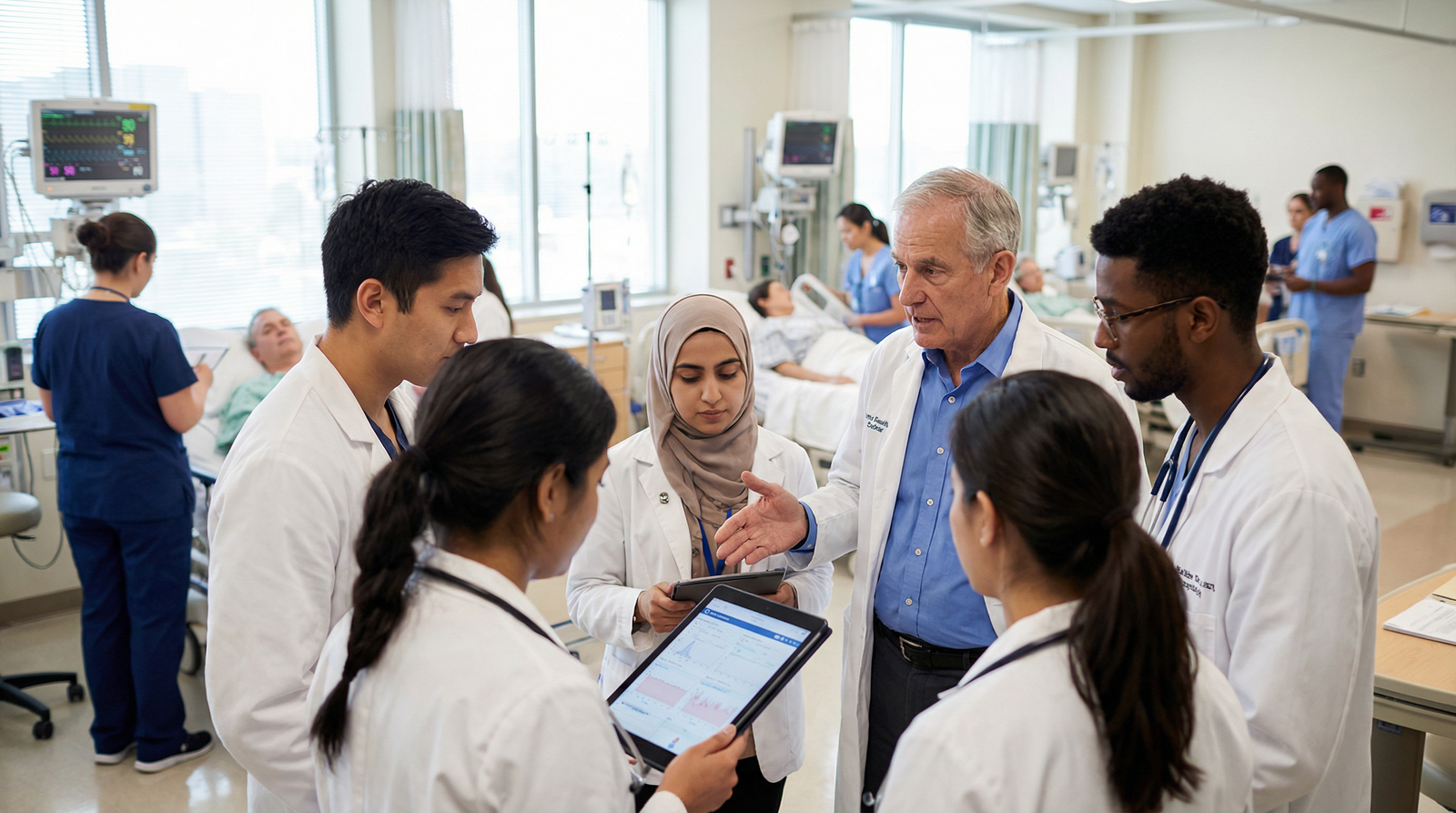
- Show how you’ll function as an intern: Attending physicians and residents see you in the role they are hiring for.
- Generate strong letters: Faculty can write detailed letters commenting on your intern-level responsibilities, reliability, and growth.
- Let programs “audition” you—and vice versa: Especially true if your sub‑I is at a site where you are considering applying.
How to Maximize a Sub-Internship
- Choose strategically: Do at least one sub‑I in your target specialty or its core feeder specialty (e.g., Internal Medicine for many subspecialties).
- Act like an intern, not a student: Anticipate tasks, own your patients, show up early, and stay until the work is done.
- Ask residents for feedback weekly: Then visibly implement changes. Program directors notice this trajectory of growth.
- Make your interest known: If you’re at a potential residency program, tell the clerkship director and residents that you’re strongly considering applying there.
2. Rural and Community Health Clerkships: Standing Out with Broad-Spectrum Care
Why Rural/Community Rotations Are “Secret Weapons”
Rural and community health clerkships are often under-the-radar but exceptionally valuable, particularly if you’re interested in:
- Family Medicine
- Internal Medicine with a primary care focus
- Pediatrics
- OB/GYN
- General Surgery in smaller communities
In these clerkships, you typically:
- See a wide variety of cases (because referral options may be limited)
- Work more closely and consistently with a small group of preceptors
- Experience continuity of care with patients and families
- Learn resourceful decision-making in settings with fewer specialists and tests readily available
How They Help Your Residency Application
- Signal commitment to underserved populations: Many programs—especially in primary care, pediatrics, and psychiatry—highly value this.
- Increase responsibility and autonomy: You may have more opportunities to take the lead on assessments, counseling, and procedures.
- Enable strong mentorship: Working 1:1 or in small teams often leads to excellent personalized letters of recommendation.
- Create a unique narrative: “I chose a 6‑week rural health clerkship in X region and learned to manage…” is memorable in essays and interviews.
Example Structure (Modeled After Programs Like Iowa’s Rural Tracks)
A typical rural/community health clerkship might include:
- 4–8 weeks at a rural health clinic or critical access hospital
- Mixed inpatient, outpatient, and emergency care experiences
- Participation in community outreach or public health initiatives
- Close mentorship from family physicians or general internists
When writing your personal statement or answering interview questions, you can highlight:
- Specific cases where limited resources changed your management
- What you learned about healthcare disparities and system-level barriers
- How this solidified your interest in community-based care
3. Global Health Clerkships: Building Perspective and Adaptability
What Global Health Rotations Offer
Global health clerkships place you in clinical or community settings outside your usual medical environment—often in low- and middle-income countries or underserved regions. They are especially attractive if you’re considering:
- Internal Medicine or Family Medicine with global or public health focus
- Pediatrics with interest in international health
- Emergency Medicine or Surgery with interest in trauma/global surgery
In these clerkships, students often:
- Work with local physicians managing diseases rarely seen or managed differently in high-resource settings
- Experience healthcare delivery with constrained resources and different cultural expectations
- Engage in public health, community outreach, or capacity-building projects
Why Programs Value Global Health Experience
From a residency selection standpoint, global health clerkships can demonstrate:
- Adaptability: Comfort working in unfamiliar, unpredictable environments
- Cultural humility and communication skills: Ability to navigate language and cultural barriers respectfully
- Systems thinking: Understanding that health is influenced by social determinants, infrastructure, and policy
- Service orientation: A track record of service beyond personal advancement
Programs with global health tracks, community outreach missions, or strong public health focus view these experiences favorably.
Making the Most of a Global Health Clerkship
- Choose structured, ethically sound programs: Look for those with long-term partnerships, local supervision, and clear learning objectives (e.g., programs similar to Stanford’s structured global health rotations).
- Clarify your role: Ensure you’re working within your training level and not performing unsupervised procedures.
- Reflect deeply: Keep a journal of ethical dilemmas, cultural encounters, and systems-level observations—these become powerful stories in interviews.
- Translate your experience for programs: In your ERAS application and interviews, explicitly connect what you learned abroad to how you’ll function as a resident in the U.S. or your home country.
4. Research-Focused Clerkships: Essential for Competitive Specialties
When Research-Focused Rotations Matter Most
In highly competitive specialties—such as:
- Dermatology
- Neurosurgery
- Orthopedic Surgery
- Plastic Surgery
- Radiation Oncology
- Otolaryngology (ENT)
…research productivity is often a clear differentiator. Research-focused clerkships or “Research in X Specialty” electives can accelerate your progress.
What These Clerkships Typically Involve
- Protected time (4–8 weeks or longer) dedicated to a research project
- Close collaboration with a faculty mentor, often in your target specialty
- Opportunities to join existing projects, databases, or trials
- Chances to present at conferences or contribute to manuscripts
How They Boost Your Residency Matching Profile
- Publications and posters: Tangible scholarly output to list in ERAS
- Mentorship from influential faculty: Mentors who can advocate for you to program directors
- Demonstrated academic curiosity: Evidence that you engage with the scientific underpinnings of your specialty
- Talking points for interviews: You can discuss your research question, methods, and what you learned about the field’s future directions
Maximizing a Research Clerkship
- Start early: Identify mentors and potential projects in MS2 or early MS3 if possible.
- Align your project with your specialty: A dermatology project is far more valuable for a derm application than a random preclinical lab project.
- Aim for at least one concrete outcome: A submitted abstract, poster, or manuscript draft by the end of the rotation.
- Ask directly about letters: If the project goes well, request a letter highlighting your initiative, critical thinking, and perseverance.
5. Urban Emergency Medicine Clerkships: High-Acuity Experience That Translates Across Specialties
Why Busy Urban EM Rotations Are So Valuable
Urban emergency departments—especially at large academic centers or safety-net hospitals—offer:
- High patient volume
- Wide pathology, from bread-and-butter complaints to rare conditions
- Frequent high-acuity and trauma cases
- Exposure to social determinants of health and complex psychosocial scenarios
These clerkships are excellent not only for future Emergency Medicine residents but also for:
- Internal Medicine
- Surgery and Surgical Subspecialties
- Anesthesiology and Critical Care
- Psychiatry and Family Medicine
How They Enhance Your Application
- Clinical confidence: You learn rapid assessment, stabilization, and triage—skills useful in nearly every field.
- Crisis management and teamwork: Experience working with nurses, techs, consultants, and EMS in time-sensitive situations.
- Resilience and professionalism: Handling difficult encounters, intoxicated patients, and challenging social dynamics.
- Strong EM letters: Emergency physicians often write very detailed, competency-based evaluations that programs trust.
Tips for Success in Urban EM Clerkships
- Master a structured presentation format (e.g., one-liner, chief complaint, focused HPI, pertinent positives/negatives, concise assessment and plan).
- Volunteer to perform supervised procedures (IVs, suturing, wound care, splinting) where appropriate.
- Show reliability: respond quickly to pages, follow through on orders, and close loops.
- If applying in EM, consider doing at least two EM clerkships: one at your home institution and one “away” at a program of strong interest.
6. Surgical Sub-Internships in High-Volume Centers: Leveling Up Procedural and Perioperative Skills
The Advantage of High-Volume Surgical Centers
For students targeting:
- General Surgery
- Orthopedics
- Neurosurgery
- ENT
- Urology
- Cardiothoracic Surgery
…a surgical sub‑I at a high-volume center is often invaluable.
In these clerkships, you can:
- Scrub into a wide variety of cases, sometimes multiple per day
- Manage preoperative and postoperative care on busy inpatient services
- Develop strong relationships with residents who will give informal feedback to the program director
- Show stamina, technical interest, and teamwork under pressure
Why These Rotations Are So Influential
- Programs see your surgical “fit”: Do you enjoy long days in the OR? Do you learn from feedback on your technique?
- Letters from surgeons carry weight: A strong letter stating you performed at or above intern level is compelling.
- You learn the culture: Each surgical program has its own style. Experiencing it as a sub‑I helps you decide if it’s right for you.
Example: What to Aim For in a Surgical Sub-I
Modeled after institutions like major academic surgical centers:
- Get comfortable with basic operative tasks (suturing, knot tying, assisting with retraction and exposure).
- Take primary responsibility for a subset of inpatients: notes, orders, discharge planning.
- Be proactive in reading about cases the night before and knowing the relevant anatomy and steps.
- Ask a senior resident or attending midway through the rotation: “What is one thing I can improve to be a stronger sub‑intern?”—then act on it.
7. Integrative and Holistic Medicine Clerkships: Crafting a Distinctive Narrative
What Is an Integrative Medicine Clerkship?
Integrative medicine clerkships expose you to:
- Lifestyle medicine (nutrition, physical activity, sleep optimization)
- Mind-body techniques (meditation, mindfulness-based stress reduction)
- Selected complementary approaches (acupuncture, osteopathic manipulative treatment, etc.)
- Chronic pain, functional disorders, or complex, multi-symptom patients
These rotations are particularly relevant for:
- Family Medicine
- Internal Medicine and Hospital Medicine
- Psychiatry
- PM&R (Physical Medicine and Rehabilitation)
- Pediatrics
How They Help You Stand Out
- Patient-centered focus: You learn to address the “whole person,” including psychosocial and behavioral dimensions.
- Chronic disease management skills: Lifestyle modification and behavior change counseling are essential in modern healthcare careers.
- Unique application angle: Not many applicants have deep exposure to integrative approaches, giving you a memorable narrative.
Translating Integrative Experience for Residency Programs
In your personal statement, you might highlight how integrative medicine taught you to:
- Approach chronic pain beyond just opioid prescribing
- Counsel patients using motivational interviewing
- Collaborate with interdisciplinary teams (nutritionists, physical therapists, psychologists)
In interviews, connect this experience with:
- Your interest in high-value care
- Reducing unnecessary testing and focusing on evidence-based lifestyle interventions
- Improving patient satisfaction and adherence
Programs focused on patient-centered, longitudinal care often view this background as a strong asset.
How to Strategically Secure These High-Yield Clerkships
Knowing about these clerkships is only half the battle—you also need a plan to get them.
1. Start Planning Early
- End of MS2 / early MS3:
- Clarify your likely specialty interests.
- Meet with your school’s career advisor or dean.
- During core clerkships:
- Note which environments and types of patients you enjoy most.
- Ask residents what electives or sub‑Is were most helpful for their match.
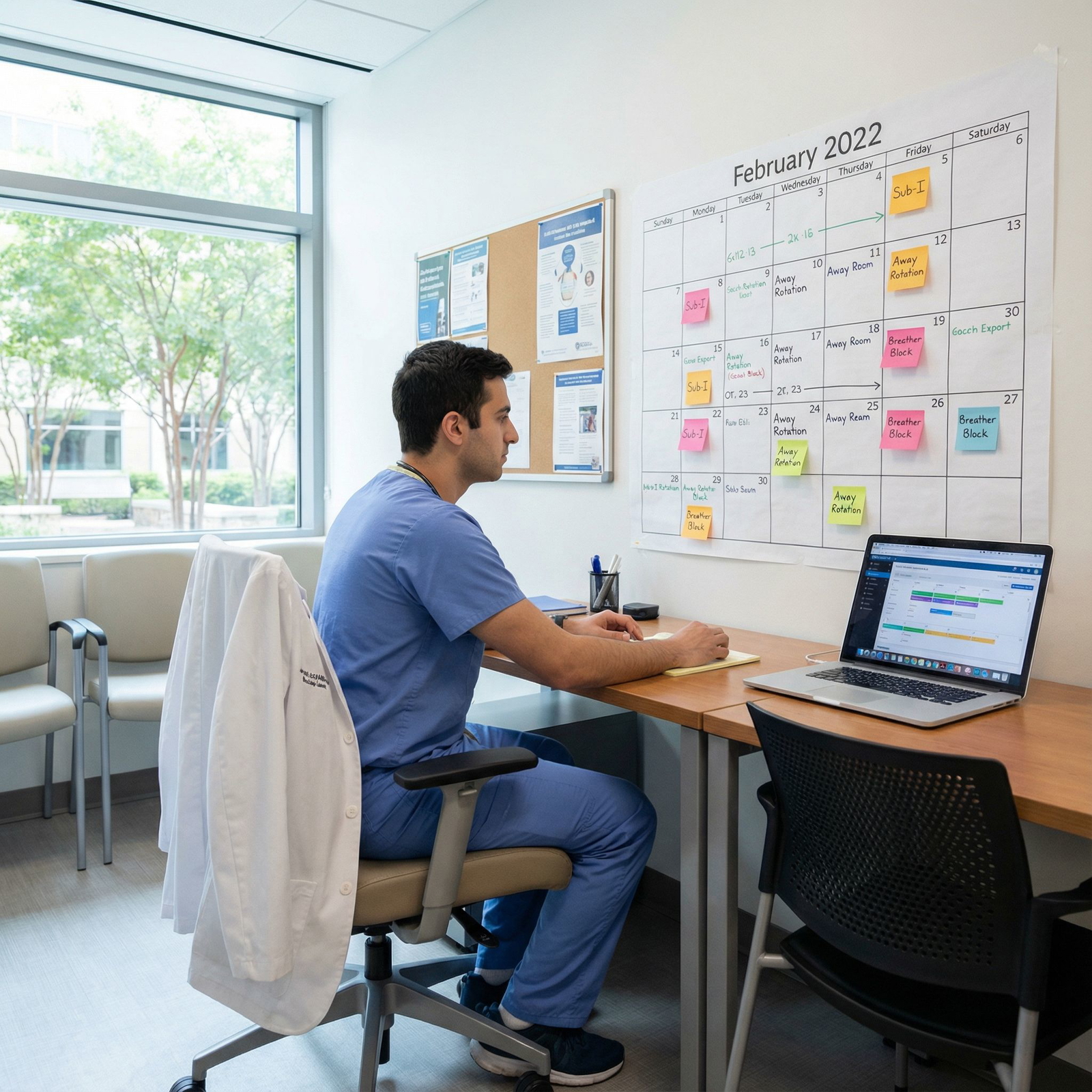
Create a rough timeline of when you will:
- Complete required cores
- Schedule sub‑Is and away rotations (if applicable)
- Fit in research or global/rural experiences
2. Use Mentors and Networks
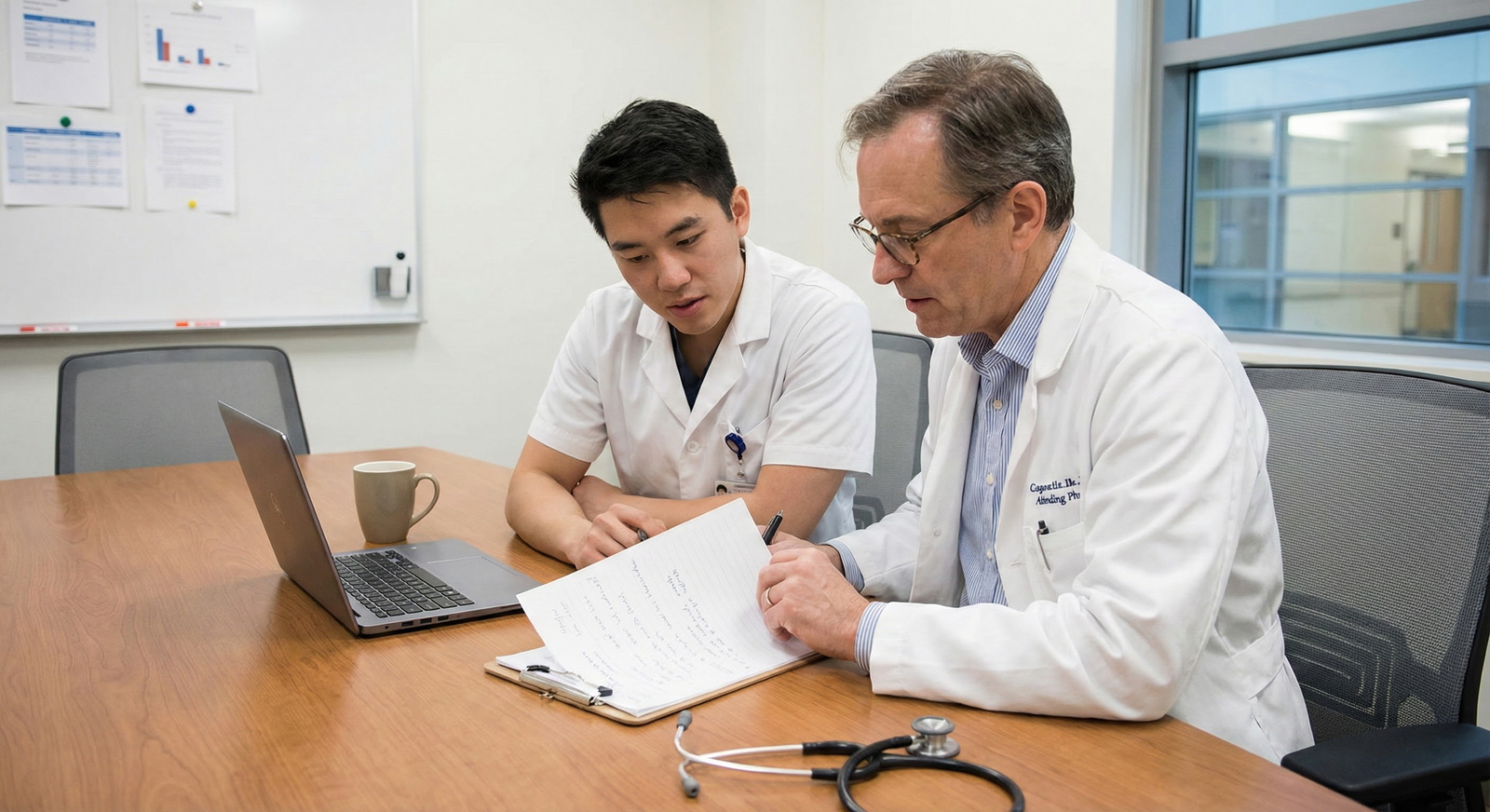
- Ask directly: “If you were in my shoes and wanted to match in X, which rotations would you prioritize?”
- Seek mentors who:
- Are active in your field of interest
- Have experience advising prior successful applicants
- Understand both your strengths and your gaps
They can often help you:
- Identify hidden-gem clerkships
- Secure spots in popular electives
- Get introductions to faculty at external institutions
3. Be Open to Traveling and Non-Traditional Sites
Some of the best clerkships for your goals may be:
- At affiliate community hospitals rather than the flagship academic center
- In another state or region (for away rotations or rural experiences)
- Through national programs or consortia (e.g., visiting student programs)
Be prepared to:
- Apply early, especially for competitive away rotations
- Budget for housing, travel, and application fees (and look for scholarships if needed)
4. Clearly Demonstrate Interest in Applications
When applying for special clerkships (global health, research, integrative, etc.):
Write a focused statement describing:
- Your career goals
- How this clerkship fits into your trajectory
- What you hope to learn and contribute
Show alignment with:
- Underserved care (for rural/global rotations)
- Academic career goals (for research electives)
- Patient-centered or holistic care (for integrative medicine rotations)
Programs favor students who demonstrate genuine interest rather than “checkbox” motivation.

Frequently Asked Questions: Clerkships and Residency Matching
1. How do clerkships specifically influence the residency matching process?
Clerkships influence matching in several concrete ways:
- Grades and evaluations: Honors in key core clerkships and sub‑Is are strong predictors of interview invitations.
- Letters of recommendation: Most of your letters will come from faculty who worked with you on rotations.
- Specialty alignment: Programs look for evidence that you’ve done meaningful work in their field (e.g., EM clerkships for EM applicants).
- Narrative content: Clerkship experiences often shape your personal statement, ERAS experiences section, and interview stories.
Strong performance, particularly in specialty-relevant clerkships, reassures programs that you can handle the transition to intern year.
2. Are all clerkships paid, and should that affect my choices?
Most medical school clerkships—especially core rotations and standard electives—are not paid. They are part of your Medical Education curriculum. Occasionally, research clerkships or special summer programs may offer:
- Stipends
- Housing support
- Travel grants (particularly for global or rural experiences)
While finances are important, your primary criteria for fourth-year clerkships should be:
- Alignment with your intended specialty
- Potential for high-quality letters
- The skills and experiences they provide for your future healthcare career
If cost is a barrier for certain away or global rotations, talk to your school about scholarships, travel funds, or alternative options that provide similar educational value.
3. Can I tailor my clerkship experiences for specific specialties, and how early should I start?
Yes—and you should. Tailoring clerkships is essential, especially in competitive fields. You can start:
- MS2–early MS3: Explore your interests via shadowing, interest groups, and early electives.
- Mid-MS3: Once you have a clearer specialty leaning, plan your MS4:
- Sub‑I in your target specialty (or core feeder specialty)
- One or more specialty-specific electives (e.g., ICU, oncology, sports medicine)
- Consider an away rotation at a program you’re seriously targeting
Discuss your plan with your advisor to ensure you meet graduation requirements while also optimizing for Residency Matching.
4. What is the difference between a sub-internship and a regular clerkship?
A regular clerkship (e.g., third-year internal medicine rotation) focuses on:
- Learning fundamentals of patient care
- Presenting patients and writing notes under close supervision
- Observing and participating in diagnosis and treatment decisions
A sub‑internship (acting internship):
- Places you in an intern-like role
- Assigns you primary responsibility for several inpatients or a panel of patients
- Expects you to respond to pages, write orders (with co-signatures), and manage day-to-day care
- Evaluates you on competencies more closely aligned with intern duties
Because of this increased responsibility, sub‑Is are heavily weighted by residency programs and are crucial to demonstrate readiness for postgraduate training.
5. How important are global health or rural health clerkships for residency applications?
They are not mandatory for matching, but they can significantly strengthen certain applications by:
- Demonstrating commitment to underserved populations
- Showcasing adaptability, resilience, and cultural competence
- Providing compelling stories that illustrate your values and motivations
They’re particularly valued in:
- Family Medicine, Internal Medicine (primary care focus), Pediatrics, Psychiatry
- Programs with strong community outreach or public health missions
- Residencies with global health or rural tracks
If global or rural health aligns with your long-term goals, these clerkships can meaningfully distinguish your application.
By strategically selecting and excelling in these “secret” clerkships—sub‑internships, rural/community health, global health, research-focused, urban EM, high-volume surgical rotations, and integrative medicine—you convert your clinical years into a focused, compelling narrative. Thoughtful clerkship choices not only sharpen your skills but also signal to residency programs that you’re intentional, prepared, and ready to thrive in the next stage of your medical career.