How Strategic Clerkships Can Transform Your Residency Match Prospects
Entering clinical rotations is one of the most defining moments in your medical education. It’s the first time you step out of the lecture hall and into the complex, fast-paced world of real patient care. These clerkships are not just graduation requirements—they are powerful levers that can dramatically influence your Residency Match outcome and shape your long-term career in medicine.
Well-chosen and well-executed clerkships can:
- Showcase your clinical skills and professionalism to future letter writers
- Clarify which specialty aligns with your strengths and values
- Build a reputation within departments that may later rank you highly
- Demonstrate you can thrive in demanding healthcare training environments
This guide explores the top five core clerkships that most strongly impact your Residency Match prospects—Internal Medicine, Surgery, Pediatrics, Family Medicine, and Emergency Medicine—and shows you how to leverage each to stand out as a residency applicant.
Why Clerkships Matter So Much for the Residency Match
Clerkships are the bridge between preclinical education and supervised practice. They sit at the intersection of medical education, clinical performance, and residency selection.
Clerkships as Your On-the-Job Audition
During your third and fourth years, program directors begin to see you not as a student on paper, but as a future colleague. Clerkships:
- Provide real-time observation of your clinical reasoning, work ethic, and bedside manner
- Allow attendings and residents to form opinions that translate into letters of recommendation (LORs)
- Generate key application elements (evaluations, narratives, and sometimes honors designations) visible to residency programs
Your performance on core rotations is often reflected in your MSPE (Dean’s Letter) and can significantly sway how programs view your readiness for rigorous healthcare training.
Clerkships as a Tool for Career Exploration
Clerkships also help you answer critical questions about your career in medicine:
- Do you prefer acute care or longitudinal care?
- Are you drawn to procedures, diagnostic puzzles, or counseling and communication?
- Do you thrive in high-intensity environments or more measured clinical settings?
Experiencing a variety of specialties first-hand helps you make informed decisions about your residency path, reduces the risk of late specialty changes, and gives you credible stories for your personal statement and interviews.
The Top 5 Clerkships That Boost Residency Match Chances
These five core clerkships are common across most medical schools and carry significant weight in residency selection—regardless of the specialty you ultimately choose.
1. Internal Medicine: The Foundation of Clinical Reasoning
Overview
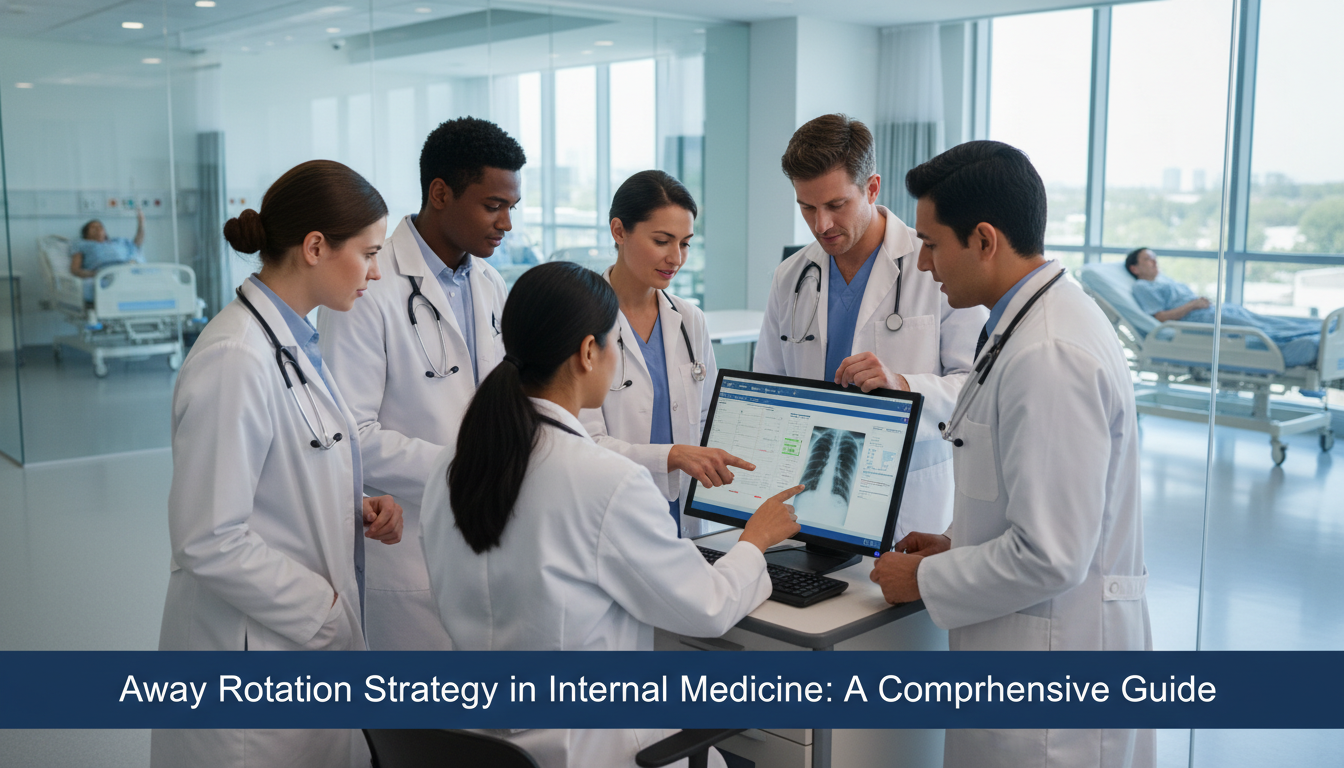
Internal Medicine (IM) is often the most influential core clerkship. You’ll manage adult patients with a broad spectrum of acute and chronic conditions on inpatient wards, consult services, and sometimes in clinics. This rotation builds the cognitive backbone of your clinical training.
How Internal Medicine Strengthens Your Application
Broad and Deep Knowledge Base
IM demands strong understanding of physiology, pathophysiology, pharmacology, and evidence-based medicine. Performing well shows residency programs you can:- Interpret complex labs and imaging
- Construct comprehensive differentials
- Synthesize large amounts of data into coherent assessments and plans
Transferable Skills Across Specialties
Whether you’re aiming for cardiology, anesthesiology, neurology, radiology, or primary care, Internal Medicine:- Sharpens your chart review and presentation skills
- Teaches you how to write concise, high-yield notes
- Develops your skills in counseling and coordinating care with multidisciplinary teams
High-Yield Letters of Recommendation
Letters from respected internists carry substantial credibility across many residency fields. When an IM attending comments that you “reason and communicate at the level of an intern,” it strongly supports your readiness for residency.
Maximizing Your Internal Medicine Clerkship
- Arrive early and know your patients thoroughly—labs, imaging, overnight events, and social context
- Practice structured presentations (CC – HPI – PMH – meds – assessment/plan) and ask for feedback
- Read daily about your patients’ conditions and mention key evidence or guidelines on rounds
- Request mid-rotation feedback and actively work on at least one identified growth area
Example in Action
Imagine you’re following a complex patient with heart failure, CKD, and diabetes. You prepare a succinct yet thorough presentation and propose a thoughtful plan, including medication adjustments, fluid management, and discharge planning. Your attending watches you consistently show this level of engagement and independence—and later writes a letter describing you as “indispensable to the team” and “functioning at an early intern level.” That kind of narrative significantly bolsters your Residency Match application.
2. Surgery: Demonstrating Grit, Teamwork, and Technical Aptitude
Overview
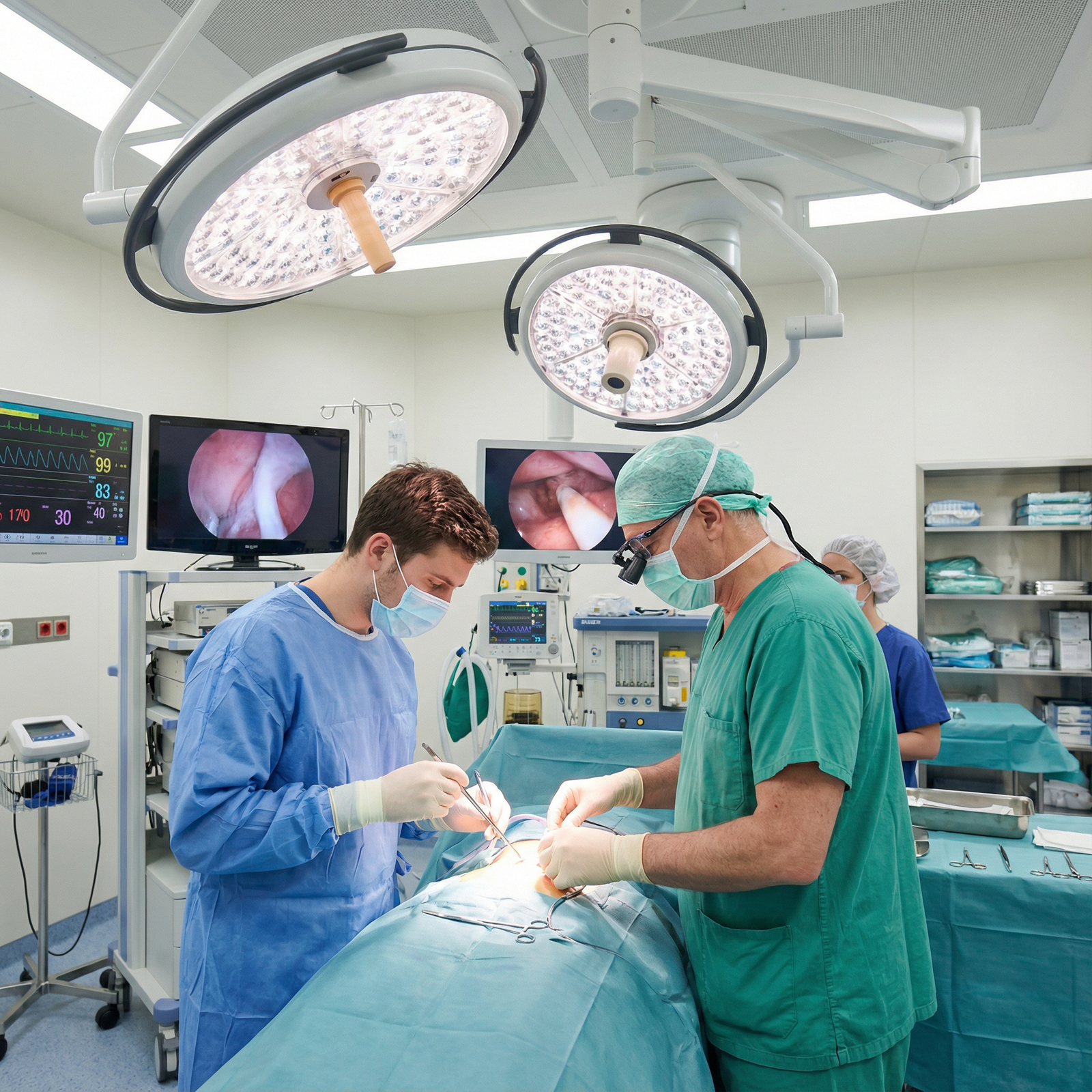
The Surgery clerkship is known for long hours, early mornings, and high expectations. Students rotate through general surgery and may experience subspecialties like trauma, colorectal, vascular, or orthopedics. You’ll witness the full perioperative spectrum: pre-op evaluation, the operating room, and post-op management.
Why Surgery Can Propel Your Match Prospects
Visible Work Ethic and Resilience
Surgical teams often work under intense time pressure. Showing up early, knowing your patients, and staying engaged in the OR and wards demonstrates:- Stamina and commitment
- Ability to function in a demanding environment
- Professionalism under stress
Development of Procedural and Technical Skills
Even outside surgical specialties, manual dexterity and comfort with procedures (e.g., suturing, basic wound care) are valued, especially in:- Emergency Medicine
- OB/GYN
- Anesthesiology
- Some Internal Medicine subspecialties
Influential Networks
Surgeons frequently have broad academic and institutional connections. A strong performance can translate into:- Highly personalized letters
- Advocacy during rank meetings if you apply in surgery
- Cross-specialty support from surgeons respected by multiple departments
Maximizing Your Surgery Clerkship
- Learn the flow of the OR—how to scrub, maintain sterility, and anticipate next steps
- Ask to practice knot-tying and suturing on models or pig’s feet outside of cases
- Volunteer for tasks (consents, follow-up labs, dressing changes) to lighten the team’s burden
- Show curiosity: ask brief, focused questions at appropriate times, and read about common procedures you see (e.g., cholecystectomy, appendectomy)
Example in Action
A student deeply interested in orthopedic surgery joins fracture clinic early, helps with splinting, attends late-night cases voluntarily, and consistently reads about the procedures. An attending notices this dedication, describes it in a letter, and later personally emails program directors at orthopedics residencies where the student applied. That level of support can dramatically influence interview invitations and Match outcomes.
3. Pediatrics: Cultivating Communication and Empathy
Overview
In a Pediatrics clerkship, you’ll care for infants, children, and adolescents in inpatient units, outpatient clinics, and sometimes NICU or subspecialty services. You’ll focus on growth, development, preventive care, and family-centered decision-making.
How Pediatrics Enhances Your Match Profile
Advanced Communication Skills
Pediatric care requires you to communicate at multiple levels:- Age-appropriate explanations for children
- Clear, empathetic discussions with parents or guardians
- Collaboration with schools, social workers, or therapists
Residency programs in virtually all specialties value physicians who can adjust their communication style to match patient needs.
Exposure to Diverse Clinical Settings
You’ll encounter:- Outpatient well-child visits and vaccines
- Common acute illnesses (asthma exacerbations, bronchiolitis, gastroenteritis)
- Complex chronic conditions in subspecialty clinics
This diversity enriches your clinical judgment and shows adaptability.
Evidence of Compassion and Professionalism
Pediatric attendings often emphasize bedside manner, patience, and team collaboration in evaluations and letters—qualities that are universally sought after in residency.
Maximizing Your Pediatrics Clerkship
- Practice explaining diagnoses and plans in plain language that parents and children can understand
- Pay attention to growth charts, developmental milestones, and vaccination status in every patient
- Read up on pediatric dosing, red-flag symptoms, and management of common pediatric emergencies
- Demonstrate patience during difficult encounters and debrief respectfully with your team
Example in Action
During a pediatrics inpatient rotation, you work with a family anxious about their child’s new diabetes diagnosis. You take time to sit down, review insulin administration in simple terms, and reinforce education given by the diabetes educator. The family later tells your attending how much your presence helped them feel less overwhelmed. The attending includes this story in a letter, highlighting your empathy and communication skills—traits that impress residency program directors in any specialty.
4. Family Medicine: Showcasing Holistic, Longitudinal Care
Overview
Family Medicine (FM) clerkships showcase the full spectrum of primary care, from pediatrics to geriatrics, acute complaints to chronic disease management, and preventive care to mental health. You’ll see patients in continuity, sometimes across multiple visits.
Why Family Medicine Is Strategically Valuable
Comprehensive, Whole-Person Perspective
Family Medicine emphasizes:- Managing multiple chronic diseases
- Addressing psychosocial factors impacting health
- Preventive care and screening strategies
This is highly relevant not only if you pursue FM, but also if you go into Internal Medicine, Psychiatry, EM, or other primary care-oriented fields.
Development of Strong Patient Rapport
In many FM practices, you’ll see:- The same patient multiple times
- Different members of the same family
- Long-term follow-up of treatment plans
Demonstrating you can build trust and sustain therapeutic relationships is a key competency for your career in medicine, particularly in outpatient-focused specialties.
Opportunities for Leadership and Initiative
Smaller clinic teams often allow you to:- Take more ownership of patient visits
- Lead parts of the history, exam, and plan discussions
- Participate in quality improvement or population health initiatives
Maximizing Your Family Medicine Clerkship
- Prepare before clinic: review upcoming patients, past notes, and problem lists
- Practice efficient outpatient visits—focus on the chief complaint while not neglecting chronic issues or preventive care
- Ask to help close care gaps (e.g., vaccines, screening tests, lifestyle counseling)
- Show interest in broader healthcare systems by asking about panel management, clinic flow, and social determinants of health
Example in Action
In a continuity clinic, you follow a middle-aged patient with diabetes, hypertension, and depression. Over several visits, you help adjust medications, screen for complications, and support lifestyle changes. Your preceptor notes how well you remember details, anticipate follow-up needs, and connect with the patient as a whole person. The resulting evaluation and letter portray you as a mature clinician ready for primary care–oriented residencies.
5. Emergency Medicine: Proving You Can Think Clearly Under Pressure
Overview
During an Emergency Medicine (EM) clerkship, you’ll manage undifferentiated, often acutely ill patients in a fast-paced environment. You’ll learn triage principles, initial stabilization, and when to involve consultants or admit patients.
How Emergency Medicine Boosts Your Match Competitiveness
Demonstrated Performance in High-Pressure Situations
EM tests your ability to:- Rapidly assess sick patients
- Prioritize tasks and interventions
- Maintain composure during critical events
This is extremely valuable for programs in EM, surgery, anesthesiology, critical care–oriented paths, and even internal medicine.
Broad Diagnostic Exposure
You’ll see:- Trauma, chest pain, dyspnea, abdominal pain
- Psychiatric crises, intoxication, and substance use
- Pediatrics and geriatrics in acute settings
This wide range of presentations enhances your pattern recognition and diagnostic agility.
Interprofessional Collaboration Experience
EM teams regularly interface with:- Prehospital providers (EMS)
- Consultants from multiple specialties
- Social workers, case managers, and nursing staff
Showing you can integrate smoothly into such teams is attractive to residency programs.
Maximizing Your Emergency Medicine Clerkship
- Learn and practice structured presentations tailored to EM: concise, problem-focused, and action-oriented
- Ask to perform procedures when appropriate (e.g., suturing, IV placement, basic airway maneuvers) under supervision
- Read about common chief complaints and their red flags; think in terms of worst-case scenarios you must rule out
- Be proactive about reassessing your patients and updating your supervising physicians
Example in Action
In a busy shift, you evaluate a patient with chest pain. You quickly gather key history, order an ECG and pertinent labs, and recognize concerning features for ACS. Your senior praises your timely recognition and clear, concise communication with the admitting team. The attending later notes in your evaluation that you “handled acute cases with the calm focus of a junior resident,” which becomes a powerful asset in your Residency Match portfolio.
Turning Clerkships into a Strategic Residency Match Plan
The question isn’t just which clerkships you complete—most are required—but how you approach them to strengthen your residency application.
Build a Consistent Story Across Rotations
Program directors look for:
- Consistently strong evaluations in core clerkships
- Evidence that your chosen specialty is a logical extension of your strengths and experiences
- A coherent narrative tying together your interests, skills, and goals
For example, if you’re applying to EM, your performance in Internal Medicine, Surgery, and EM itself can collectively demonstrate:
- Strong clinical reasoning (IM)
- Comfort with procedures and acute care (Surgery, EM)
- Resilience in high-acuity settings (EM)
Identify and Cultivate Letter Writers Early
During key rotations (especially those aligned with your target specialty):
- Show up as someone your attendings want to work with again
- Let them know, when appropriate, that you’re considering their specialty
- Ask for letters while your performance is fresh in their memory—and provide:
- Your CV
- Draft personal statement or specialty interest paragraph
- A short bullet list of cases or moments where you feel you performed well
Use Clerkships to Clarify – and Sometimes Change – Your Specialty Choice
It is common to enter third year thinking you want one specialty and leave with a different plan. Use clerkships to:
- Notice where you feel energized versus drained
- Pay attention to the day-to-day realities of each specialty
- Talk honestly with residents and attendings about lifestyle, career paths, and satisfaction
If your preferences change, you can still strategically use your clerkship performance and relationships to pivot toward a well-aligned specialty.

FAQ: Making the Most of Clerkships for the Residency Match
1. How can I secure strong letters of recommendation from my clerkships?
- Identify attendings who have seen you over multiple weeks and in different clinical situations.
- Demonstrate reliability: be on time, prepared, and proactive in helping the team.
- Explicitly ask for a strong letter of recommendation near the end of the rotation.
- Provide them with your CV, a draft personal statement, and a brief reminder of meaningful patient encounters you shared.
- Follow up politely and early, especially for specialties where letters are time-sensitive (e.g., EM SLOEs).
2. What should I focus on during clerkships to maximize my Residency Match chances?
Prioritize:
- Clinical excellence: solid histories, focused exams, clear assessments and plans
- Professionalism: reliability, respect, integrity, and ownership of your learning
- Communication: with patients, families, nurses, and the rest of the team
- Coachability: seek feedback, respond constructively, and show visible improvement
Residency programs often value these traits even more than sheer test scores when assessing your fit for their training environment.
3. Can clerkship experiences realistically change my specialty choice?
Yes—and this is very common. Clerkships are designed to expose you to different fields so you can:
- Discover specialties you didn’t initially consider
- Recognize mismatches between your expectations and reality
- Appreciate hidden aspects of practice (team dynamics, workload, procedures, patient population)
If your specialty interest changes, discuss it early with your academic advisor or dean to re-strategize electives, sub-internships, and letters to align with your new goals.
4. What core skills should I aim to develop across all clerkships?
Across Internal Medicine, Surgery, Pediatrics, Family Medicine, and Emergency Medicine, work on:
- Clinical reasoning: forming and refining differentials and management plans
- Communication: interviewing, counseling, handoffs, and interprofessional teamwork
- Time management: balancing patient care, reading, notes, and shelf exam prep
- Resilience and reflection: coping with difficult cases and using feedback for growth
These competencies are essential in every residency program and throughout your career in medicine.
5. How should I prepare before starting a major clerkship?
- Review high-yield resources specific to the rotation (e.g., clerkship handbooks, common conditions, basic management algorithms).
- Learn the typical day-one tasks for that specialty (e.g., pre-rounding, writing notes, presenting).
- Understand expectations: read your school’s objectives and, if possible, talk to senior students who recently completed the rotation.
- Set two to three personal learning goals (e.g., “improve oral presentations,” “be comfortable managing diabetes,” “perform basic suturing”) and revisit them mid-rotation.
Approaching these top five clerkships with intentionality, curiosity, and professionalism can significantly elevate your Residency Match prospects. Each rotation is both a learning experience and a live audition—an opportunity to prove you’re ready for the next phase of healthcare training and to craft a compelling, authentic narrative for your future career in medicine.