Understanding Away Rotations as a US Citizen IMG Interested in Clinical Informatics
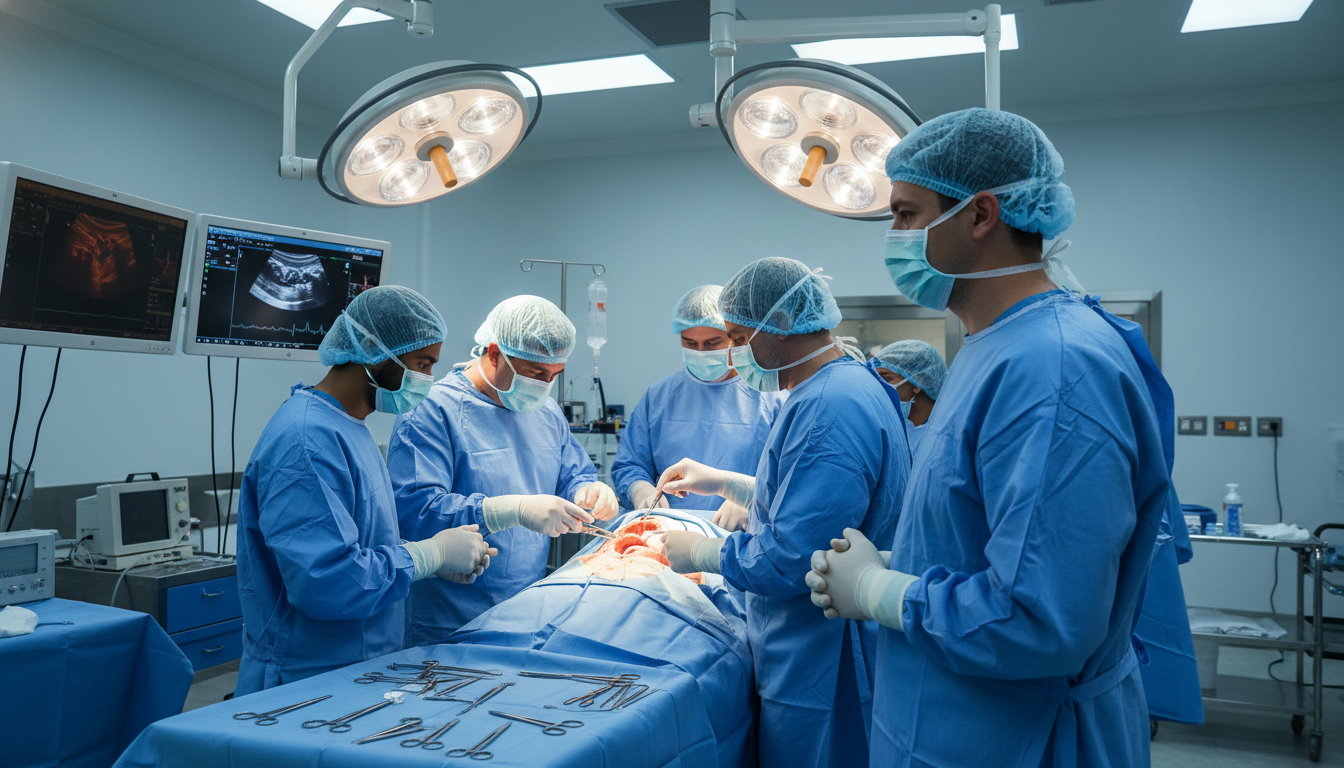
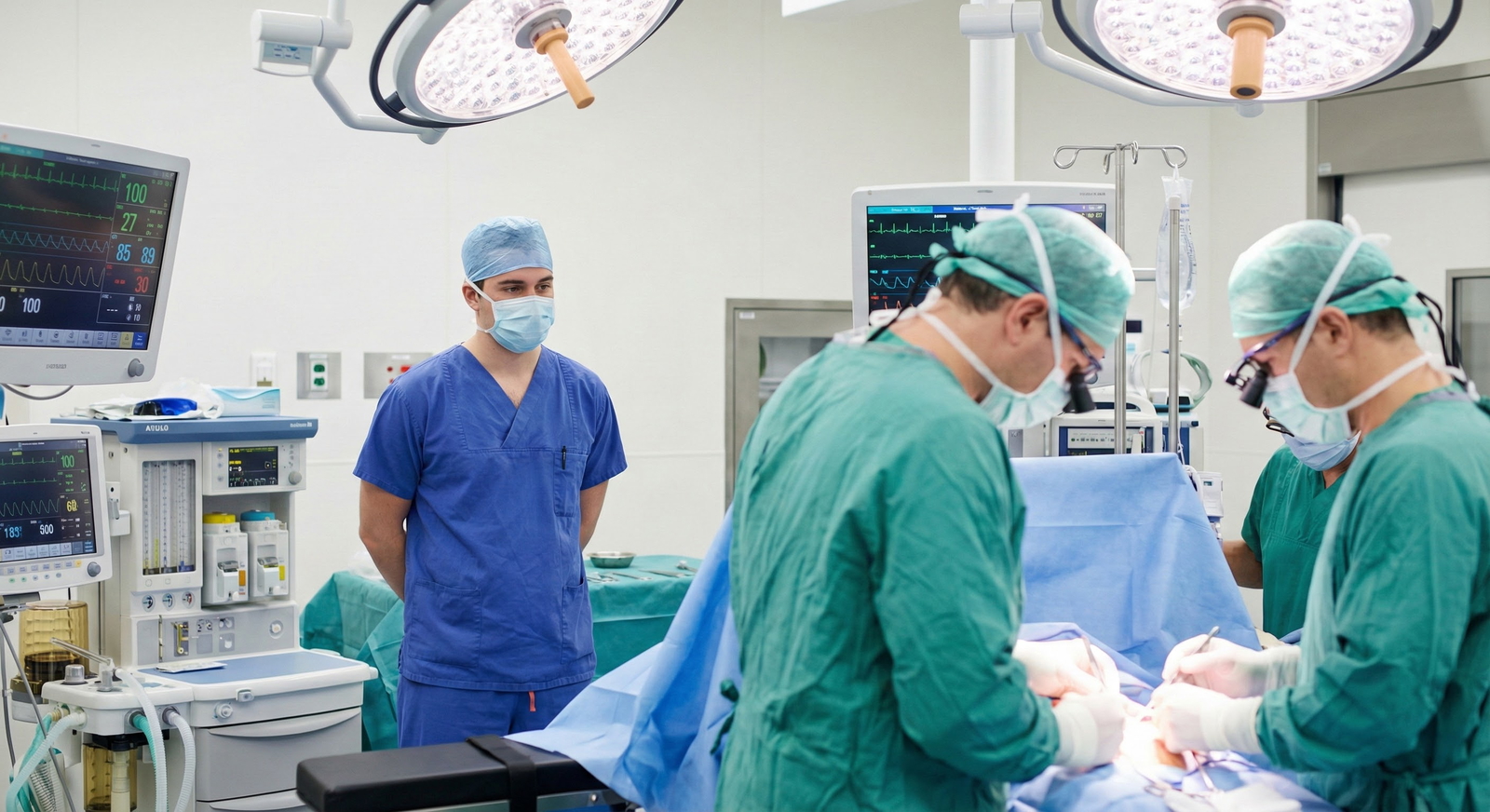
For a US citizen IMG (American studying abroad), away rotations and visiting student rotations are often the most powerful tools you have to “get on the radar” of US residency programs. When your ultimate goal includes a future clinical informatics fellowship or a career in health IT, your away rotation strategy needs to do double duty:
- Help you match into a solid core specialty residency (most often Internal Medicine, Pediatrics, Emergency Medicine, Pathology, Anesthesiology, or Family Medicine).
- Demonstrate early and credible commitment to clinical informatics, data-driven care, and digital health.
Because clinical informatics is a subspecialty/fellowship that comes after residency, you cannot usually rotate in “clinical informatics” as a standalone clerkship the way you would in medicine or surgery. Instead, you must:
- Choose clinical away rotations that strengthen your residency application.
- Layer informatics and health IT exposure on top of your core rotations.
- Intentionally build mentorship, projects, and a track record aligned with a future clinical informatics fellowship.
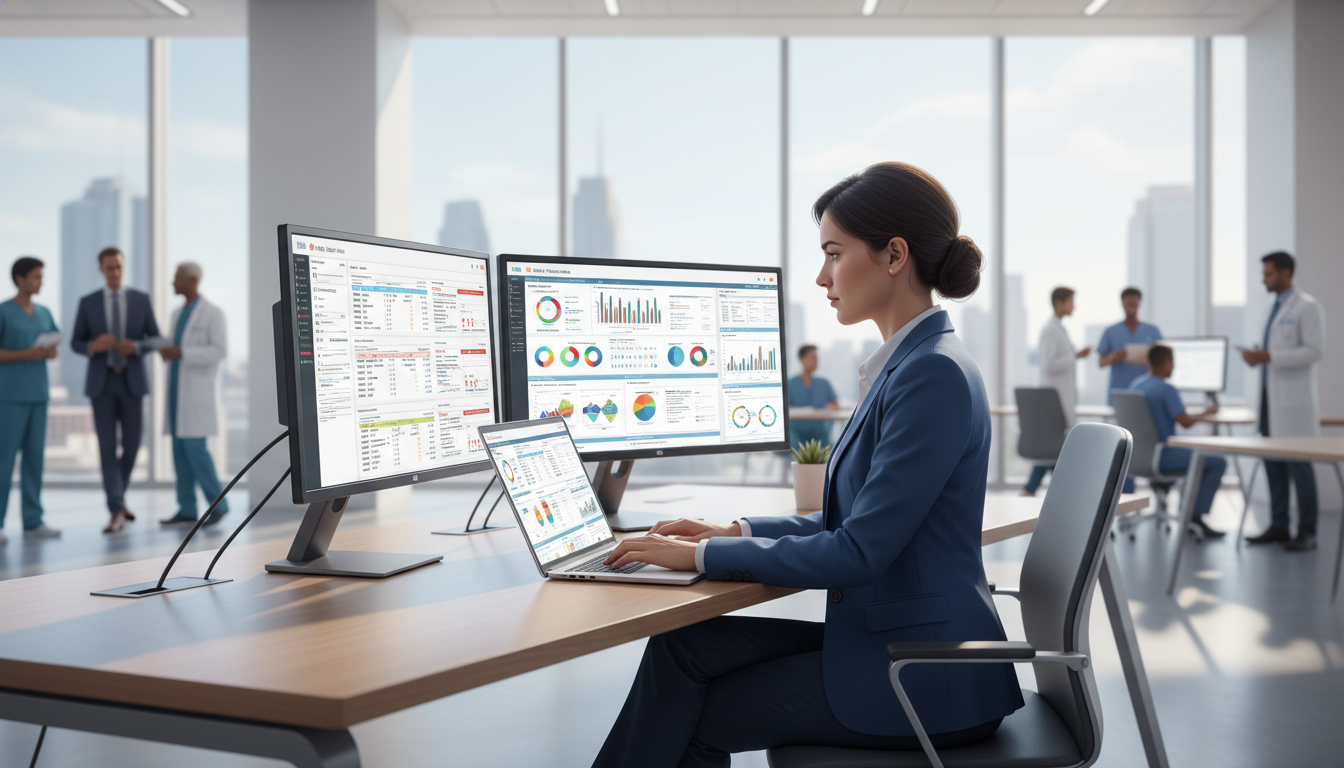
This article lays out a practical, step‑by‑step away rotation strategy for US citizen IMGs who are serious about clinical informatics and who want to leverage visiting student rotations to maximize their residency match chances and their future informatics trajectory.
How Clinical Informatics Fits into Your Training Path
Before designing your away rotations, be crystal clear on where clinical informatics lives in the training timeline.
Clinical Informatics Is a Subspecialty
In the United States, clinical informatics is recognized by the American Board of Medical Specialties (ABMS) as a subspecialty. Key implications:
- You must match into a primary clinical specialty first (e.g., IM, Peds, EM, etc.).
- After or during residency, you can pursue a clinical informatics fellowship (typically 2 years).
- Some physicians blend fellowship with roles in hospital health IT, quality, or analytics.
For a US citizen IMG or American studying abroad:
- Your primary bottleneck is still matching into a desirable residency program.
- Informatics interest is an asset, but it cannot compensate for poor clinical evaluations or limited US experience.
- Away rotations residency programs offer are your opportunity to show both clinical competence and added value in informatics.
What Program Directors Look For (with an Informatics Angle)
Residency program directors primarily assess:
- Clinical skills and reliability
- Work ethic and professionalism
- Communication and teamwork
- Fit with team and culture
- US clinical experience quality (especially crucial for US citizen IMG)
To favor you as a future informatician, they’ll additionally notice if you:
- Show understanding of EHR workflows and documentation efficiency
- Ask insightful questions about data quality, decision support, and patient safety
- Demonstrate comfort with technology, analytics, or process improvement
- Can engage with quality improvement (QI) or small informatics-related projects
Your away rotation strategy should be built to emphasize these strengths without sacrificing core clinical performance.

Choosing Rotations Strategically: Where and What to Apply For
As a US citizen IMG, where and how many away rotations you complete can significantly influence your match outcome.
How Many Away Rotations Should You Do?
There is no single right number, but for a US citizen IMG pursuing clinical informatics, a reasonable target is:
- 2–3 away rotations in your intended specialty (e.g., Internal Medicine or Emergency Medicine).
- Optionally 1 additional rotation with a strong informatics/health IT emphasis (may be research, quality, or a hybrid).
Consider:
- 1–2 rotations at programs where you are strongly interested in matching.
- 1 rotation at a back-up tier program that is IMG‑friendly and has decent informatics exposure (even if not top tier).
Doing more than 4 away rotations is usually not necessary, and may be risky:
- Financially draining (travel, housing, application fees).
- Fatiguing, which can hurt clinical performance.
- Limited marginal benefit after a certain point.
For most US citizen IMGs, quality and fit of away rotations matter more than sheer quantity.
Selecting Institutions: Think “Residency + Informatics Ecosystem”
When evaluating where to rotate, think in two layers:
Residency Match Potential
- Does the program:
- Accept or historically match IMGs or US citizen IMG applicants?
- Have past residents who matched into a clinical informatics fellowship?
- Provide strong core clinical training and board pass rates?
- Is your Step 2 score, transcript, and CV competitive for this tier?
- Does the program:
Clinical Informatics and Health IT Environment
- Does the institution have:
- A clinical informatics fellowship (AMIA-accredited or equivalent)?
- Faculty with titles like CMIO, Associate CMIO, Director of Clinical Informatics?
- Active EHR optimization, data science, or quality improvement initiatives?
- Health IT training opportunities or tracks for residents?
- Does the institution have:
Good sources of information:
- Program websites (residency + informatics fellowship pages)
- AMIA Clinical Informatics Fellowship directory
- LinkedIn profiles of faculty and residents
- PubMed / Google Scholar for informatics-related publications
- Conference programs (e.g., AMIA meetings) to see where informatics faculty are active
Ideal targets: Academic centers where your chosen clinical specialty and clinical informatics coexist in the same ecosystem—e.g., Internal Medicine residency plus an in-house clinical informatics fellowship.
Types of Rotations to Prioritize
Because clinical informatics is not a standard fourth-year clerkship, prioritize:
Core Clinical Rotations in Target Specialty
- Example: Internal Medicine sub-internship, EM acting internship, or equivalent.
- Goal: Prove you are safe, efficient, and ready for internship.
- Secondary goal: Demonstrate your ability to use the EHR effectively and thoughtfully.
Electives with Informatics-Relevant Content Depending on availability:
- Quality Improvement / Patient Safety
- Clinical Decision Support / EHR optimization electives
- Population Health or Data Analytics electives
- Telemedicine / Digital Health rotations
- Research electives with informatics faculty
Home/Local US Rotations Before Away Rotations
- If you can secure any US-based clerkships before doing competitive away rotations, use them to:
- Learn US clinical culture
- Gain familiarity with EHR workflows
- Brush up on clinical reasoning and documentation
- This makes you stronger when you finally show up at your “dream” away sites.
- If you can secure any US-based clerkships before doing competitive away rotations, use them to:
Timeline and Application Logistics for Visiting Student Rotations
Most away rotations in the US are managed via:
- VSLO/VSAS (Visiting Student Learning Opportunities) for many US schools
- Individual institution portals or direct applications for some programs
As a US citizen IMG (American studying abroad), you may face extra administrative requirements.
General Timeline (Adjust for Your School’s Calendar)
12–15 months before residency application (early 3rd/4th year):
- Clarify your primary specialty target and your commitment to clinical informatics.
- Meet with advisors at your international medical school to:
- Confirm graduation timeline
- Confirm eligibility for US visiting student rotations
- Identify any institutional partnerships in the US
- Research programs that:
- Are IMG-friendly
- Have strong informatics ecosystems
9–12 months before desired away rotation start date:
- Create a shortlist of 8–12 potential institutions.
- Start VSLO/VSAS paperwork if available:
- Immunizations, titers, background checks
- BLS/ACLS certificates if needed
- Malpractice coverage documents from your school
- Prepare:
- Updated CV emphasizing informatics interests/skills
- Short personal statement tailored to the rotation and your informatics goals
- Step score reports (if required)
- Reach out (politely) to:
- Program coordinators to clarify IMG eligibility
- Informatics faculty to express interest (more on this below)
6–9 months before desired rotation:
- Submit formal applications for 2–3 away rotations in your target specialty.
- Consider applying to 1 elective with a clear informatics or QI focus if offered.
3–6 months before rotation:
- Confirm housing, visas (if relevant), transportation.
- Request schedules to avoid overlapping high-stakes exams.
- Review:
- Common US documentation practices (SOAP notes, admission H&P, discharge summaries)
- The EHR vendor used at the site (e.g., Epic, Cerner) if possible through online modules or orientation materials.

Maximizing Each Away Rotation: Clinical Performance + Informatics Branding
Once you are on‑site for an away rotation, your performance and how you present your interests will determine whether this experience truly moves the needle for both residency match and future clinical informatics fellowship aspirations.
First Priority: Excel Clinically
Before anything else, secure strong letters of recommendation by:
- Showing up early, leaving late when appropriate, and being dependable.
- Preparing thoroughly for every patient:
- Know the story, key lab trends, imaging, and management plan.
- Anticipate questions about guidelines, evidence, and differential diagnoses.
- Communicating clearly with patients, residents, and attendings.
- Writing accurate, timely notes in the EHR.
- Owning your patients (within student scope) and following through.
For a US citizen IMG, your evaluators may be asking subconsciously: “Can this student function like (or better than) our US graduates?” Strong performance emphatically answers “yes.”
Second Priority: Subtly Showcase Your Informatics Mindset
You want faculty to remember you as “the excellent student who also had an informatics perspective,” not “the informatics person who was an average clinician.”
Ways to express this:
- Ask questions that connect clinical care to data and systems:
- “How does this sepsis alert perform here? Does it fire too often?”
- “Are there dashboards or reports that help you track readmissions or LOS?”
- “Have there been recent changes to the order sets or decision support here?”
- Offer small, constructive feedback:
- “I noticed several duplicate orders during admissions; is there a workflow to prevent that?”
- Show familiarity with concepts like:
- Clinical decision support (CDS)
- Order sets and templates
- Data quality and coding
- User experience (UX) and clinician burden
Do not overdo it; read your audience. Some attendings will be thrilled; others may be neutral. Either way, maintain a humble, learner mindset.
Third Priority: Seek Micro‑Projects with Informaticians or QI Teams
During or immediately after your rotation, look for small projects that:
- Are feasible in 4–8 weeks
- Can be continued remotely if needed
- Produce something tangible:
- Abstract
- Poster
- Small manuscript or case study
- Internal QI report
Examples:
- Evaluating adherence to an EHR sepsis order set.
- Analyzing the impact of a new CDS alert on ordering patterns.
- Mapping a clinical workflow and identifying gaps where technology could help.
- Participating in a chart review using structured data extraction.
How to initiate:
- Before the rotation starts, email the CMIO or a known informatics faculty:
- Introduce yourself as a US citizen IMG with a strong interest in clinical informatics.
- Mention your upcoming away rotation dates and specialty.
- Express interest in contributing to ongoing projects in any capacity.
- During the rotation:
- Ask your attending or chief residents if they know of any informatics or QI initiatives needing help.
- Attend departmental meetings where QI or IT initiatives are discussed if permitted.
These experiences create a narrative that’s compelling in both residency and later fellowship applications.
Letters of Recommendation: Aligning with Your Informatics Story
Aim for 2–3 strong letters from US-based attendings who:
- Supervised you closely on an away rotation.
- Can describe both your clinical performance and your systems-based thinking.
When requesting letters:
- Provide a brief summary of your informatics interests:
- A 1-page “personal profile” or bullet list of:
- Projects you worked on with them
- Previous data/IT experiences (e.g., coding, analytics, digital health)
- Why you’re aiming for a career that includes clinical informatics
- A 1-page “personal profile” or bullet list of:
- Ask if they can comment on:
- Your use of the EHR and comfort with technology.
- Your curiosity about systems and data.
- Any specific informatics-related contributions you made.
These letters will reassure residency programs that you are both clinically capable and directionally aligned with a modern, data-driven healthcare environment.
Special Considerations for US Citizen IMGs and Americans Studying Abroad
As a US citizen IMG, you hold a US passport but trained abroad. This confers some advantages and some unique barriers in the context of away rotations and informatics‑driven careers.
Advantages
- No immigration/visa issues for away rotations or residency.
- Cultural familiarity with US systems and communication norms.
- Flexibility to return to the US for multiple short rotations or interviews.
- Some programs actively seek diverse training backgrounds with global perspectives on digital health.
Challenges
- Limited informal networks compared to US MD/DO students.
- Some schools may not be integrated into VSLO/VSAS, making logistics harder.
- Variability in how international schools support US clinical experiences.
- Potential bias or unfamiliarity with your school’s reputation.
To mitigate:
- Start planning earlier than your US‑based peers.
- Leverage any alumni from your school currently in US residencies (LinkedIn, alumni databases).
- Use professional organizations:
- AMIA student membership
- Specialty‑specific societies with informatics sections (e.g., SHM, ACEP, etc.)
- Build a strong online professional presence:
- A polished LinkedIn emphasizing clinical informatics interests.
- If you have coding, analytics, or technical projects, a simple GitHub or portfolio page.
Example Strategic Pathway
Imagine you are a US citizen IMG interested in Internal Medicine + Clinical Informatics:
Third year:
- Complete strong core clinical rotations at your international school.
- Start an online course in health informatics, basic statistics, or Python for data analysis.
- Join AMIA as a student member.
Early 4th year:
- Do a US-based Internal Medicine sub‑internship at an IMG-friendly academic center with an informatics fellowship.
- During the rotation, connect with informatics faculty; help with a small QI project.
Mid 4th year:
- Complete another away rotation in Internal Medicine at a different institution with health IT training programs.
- Add a visiting student rotation in a related area (e.g., QI, population health, or a research elective tied to informatics).
Residency application:
- Highlight:
- Away rotation performance
- Informatics projects
- Clear goal: become a clinician with advanced training in clinical informatics.
- Highlight:
Over time, you become a strong candidate for both an Internal Medicine residency and a future clinical informatics fellowship.
Frequently Asked Questions (FAQ)
1. Can I do a true “clinical informatics” away rotation as a medical student?
In most institutions, no—not in the same structured way you might do a cardiology or surgery rotation. Clinical informatics roles are largely designed for residents and fellows. However, you can:
- Join informatics‑related electives (quality improvement, patient safety, population health, telemedicine, or health IT).
- Shadow or meet informatics leaders (CMIO, clinical informatics faculty) during your clinical rotation.
- Participate in small informatics or data projects attached to your away rotation.
The key is to piggyback informatics exposure on top of your core clinical away rotations.
2. As a US citizen IMG, how many away rotations should I realistically aim for?
For most US citizen IMGs, 2–3 away rotations are a good target, with the possibility of a fourth if finances and time allow. Within that:
- Prioritize 2 rotations in your main specialty (e.g., Internal Medicine, EM).
- Consider 1 rotation with a distinct health IT, QI, or informatics flavor if available.
More than 4 usually yields diminishing returns and can stretch your resources thin. Remember that clinical excellence in a few well-chosen rotations is more valuable than average performance in many.
3. What if the programs I’m interested in don’t list “informatics” anywhere on their student rotation pages?
That’s common. Many institutions have:
- Active informatics projects
- A clinical informatics fellowship
- Health IT training efforts
…but they don’t necessarily market these to visiting students. Strategies:
- Check for a clinical informatics fellowship on the hospital or university graduate medical education site.
- Search for “CMIO,” “clinical informatics,” or “health IT” on the institution’s website.
- Email:
- The residency program coordinator to ask if any informatics-oriented electives or faculty mentors are available.
- Informatics faculty directly to introduce yourself and inquire about shadowing or project opportunities during your rotation.
Even if the rotation is labeled “Internal Medicine Sub‑I,” you may still find rich informatics exposure once you arrive.
4. How can I convince residency programs that my informatics focus is an asset, not a distraction?
Frame your interest in clinical informatics in a way that clearly supports your clinical practice, rather than replacing it:
- Emphasize that you want to be an excellent clinician who leverages data and technology to:
- Improve patient outcomes
- Reduce errors
- Enhance workflow and reduce burnout
- Highlight experiences where informatics or data work directly improved:
- Clinical decision making
- Efficiency
- Communication within the care team
In your personal statement and interviews, connect informatics to residency program goals:
- Quality metrics
- Patient safety
- Innovation
- Value-based care
When programs see that your health IT training interests align with their institutional priorities, your informatics background becomes a clear asset, not a distraction.
By choosing your away rotations strategically, performing at a high level clinically, and deliberately weaving health IT and informatics exposure into your experiences, you can build a compelling profile as a US citizen IMG who is ready not only for residency but also for the clinical informatics fellowship and digital future of healthcare.