Understanding SOAP for the Otolaryngology (ENT) Applicant
For many MD graduates targeting an Otolaryngology (ENT) residency, the initial Match outcome can be brutally binary: you either see your name next to a program on Monday, or you’re told you are eligible for the Supplemental Offer and Acceptance Program (SOAP). If you end up in the latter group, the emotional shock is real—but your chances are not over.
To prepare effectively, you must understand:
What is SOAP?
SOAP (Supplemental Offer and Acceptance Program) is NRMP’s structured, time-limited process that allows unmatched or partially matched applicants to apply to and accept unfilled positions after the main Match. It replaces the old “scramble” with a more controlled system.Why SOAP matters for an MD graduate in ENT
Otolaryngology is highly competitive. Even strong MD graduate residency candidates from allopathic medical schools can go unmatched. SOAP may not often have open ENT positions, but:- It can provide preliminary or transitional year positions that keep you clinically active.
- It allows you to pursue other specialties while planning a targeted reapplication to the otolaryngology match.
- It offers a way to avoid a complete gap year if you don’t have a strong alternative plan.
Eligibility basics You are SOAP-eligible if:
- You registered for the NRMP Main Residency Match.
- You are either unmatched or partially matched (e.g., advanced but no prelim).
- You are eligible to start training on July 1 of that year (med school graduation, exams, etc.).
- You have not accepted a position outside the Match that violates NRMP rules.
Understanding this framework early will shape how you plan your SOAP preparation, especially if you’re coming from an allopathic medical school match and aiming for ENT.
Strategic Mindset: Reframing After an Unmatched Outcome
Before tactical preparation, you need to reset your mindset. SOAP week is fast, structured, and emotionally intense.
Accept the reality quickly
On Monday of Match Week, you will receive one of three outcomes:
- Fully matched
- Partially matched (e.g., matched to an advanced ENT or other position, but no preliminary year)
- Unmatched
If you fall in category 2 or 3, you must pivot immediately into SOAP mode. For an MD graduate in otolaryngology:
If you don’t match ENT at all:
- Your immediate priority is securing a clinical position (prelim, transitional, or other specialty) via SOAP.
- Your long-term goal may still be the otolaryngology match next cycle (reapplicant strategy).
If you matched an advanced spot but need a prelim year:
- Your SOAP strategy becomes highly focused on prelim general surgery, prelim internal medicine, or transitional year positions to meet your contract requirements.
Avoid common emotional pitfalls
- Shame and silence: Many unmatched ENT applicants withdraw from mentors and peers. This is exactly when you need help.
- Rushed, unfocused applications: Panic can lead to applying everywhere without a plan. You must be deliberate; SOAP positions are limited and you have application caps.
- All-or-nothing ENT thinking: In SOAP, ENT residency spots are rare. You must be open to:
- Prelim surgery
- Transitional year
- Other fields that align with your skills and future ENT goals.
A resilient mindset will help you make rational decisions under time pressure.

Pre–Match Week SOAP Preparation (What You Should Do Before You Need It)
The best SOAP performance starts weeks to months before Match Week—while you still expect to match. Preparing “just in case” does not jinx your match; it simply protects your career.
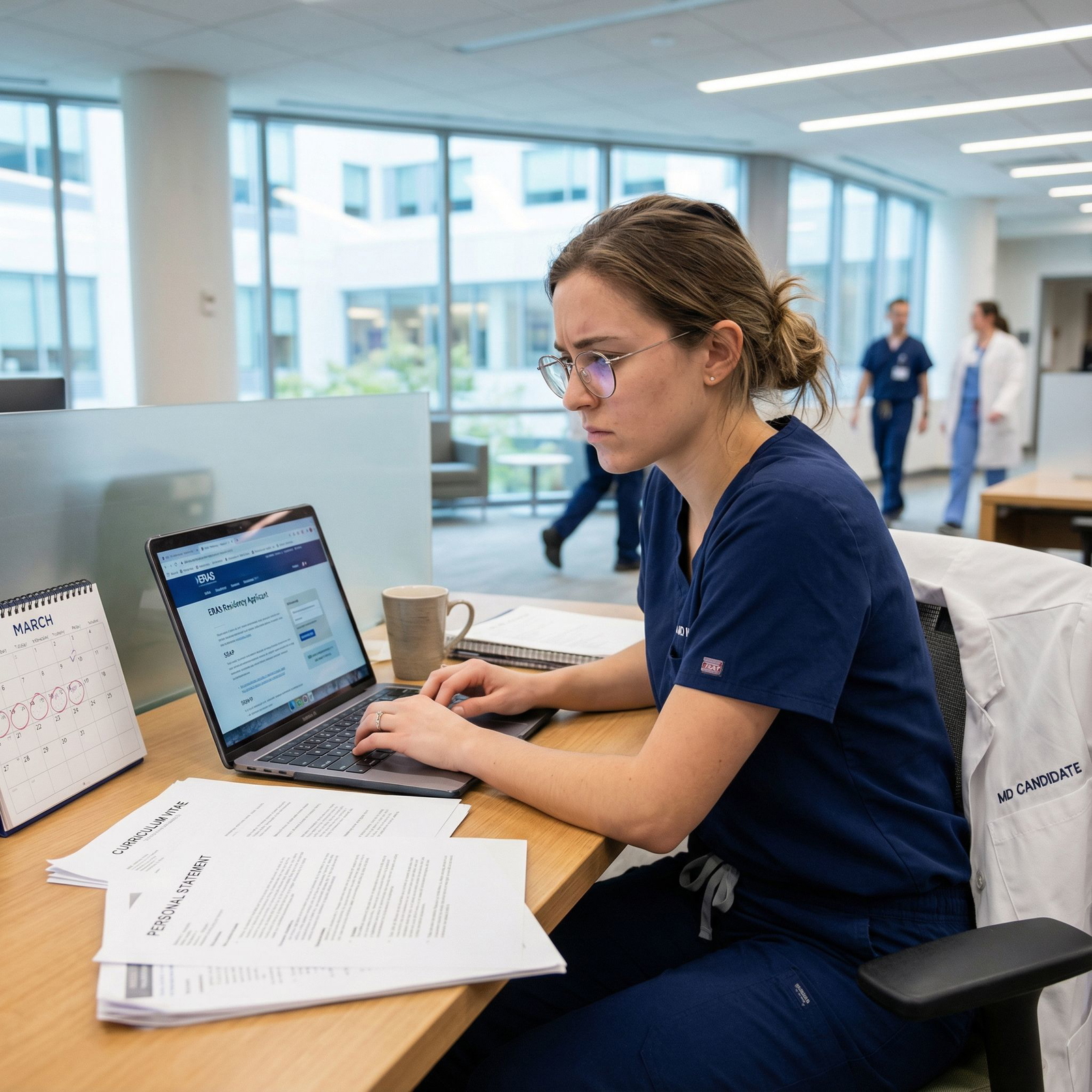
1. Build a “SOAP-Ready” Application Portfolio
While preparing for your otolaryngology match, create additional materials that can be quickly adapted if you need to pivot.
a. Versatile Personal Statement(s)
ENT personal statements are typically very specialty-specific. For SOAP, you should have:
- Primary ENT personal statement (already used for the otolaryngology match).
- Generic IM/Surgery/Transitional statement that:
- Highlights your clinical maturity, teamwork, and work ethic.
- Emphasizes broad medical or surgical interests rather than only ENT.
- Explains your path honestly but without disparaging ENT or sounding disingenuous.
Example structure for a SOAP-ready internal medicine/surgery statement:
- Paragraph 1: Professional motivation and patient care philosophy.
- Paragraph 2: Clinical experiences showcasing reliability, adaptability, and work ethic.
- Paragraph 3: Research or QI projects that show you understand systems-based practice.
- Paragraph 4: Short explanation: you sought a competitive specialty, but your fundamental commitment is to excellent patient care and lifelong learning; you are enthusiastic about contributing in [IM/Surgery/Transitional] training.
- Paragraph 5: Brief, forward-looking closing emphasizing your readiness to start on Day 1.
Keep it honest yet optimistic, acknowledging your interest in ENT without making the program feel like a “backup.”
b. Updated ERAS Content
By late winter, ensure:
- All experiences are fully described and polished
- USMLE/COMLEX scores are entered and double-checked
- Publications/posters are updated
- Any new leadership/teaching activities are included
SOAP moves too fast to be editing your entire ERAS during Match Week.
c. Letters of Recommendation With Broad Appeal
ENT letters may be highly specialized. For SOAP, it’s invaluable to have:
- At least one letter from:
- Internal medicine faculty, or
- General surgery faculty, or
- A program director in a broad specialty
- Letters emphasizing:
- Reliability, work ethic, responsiveness to feedback
- Clinical reasoning and procedural skills (for surgical prelims)
- Professionalism and teamwork
Ask for these early in the year, framing it as a desire for “a well-rounded application” rather than indicating you’re predicting failure.
2. Know the SOAP Mechanics and Timeline
Understanding what is SOAP in detail will reduce confusion when the clock is ticking.
Key elements:
Monday of Match Week
- 11:00 AM ET: You learn if you matched.
- Early afternoon: List of unfilled programs/positions is released (for eligible applicants via ERAS/NRMP).
Application Phase (Monday–Wednesday)
- You can apply to up to 45 programs total through ERAS during SOAP (this cap can change slightly; always confirm on NRMP/ERAS).
- You may update certain parts of ERAS (e.g., personal statements, program-specific content) for SOAP.
Offer Rounds (Wednesday–Thursday)
- Multiple offer rounds (~4) over two days.
- You receive offers via NRMP R3 system, not directly from programs.
- You may accept only one offer at a time.
- Once you accept, your SOAP participation ends.
Communication Rules
- Programs may not contact you before they receive your application.
- You may not solicit positions outside the SOAP structure from institutions that participate in NRMP.
Print or save a simple timeline chart before Match Week so you don’t waste time figuring out logistics on the fly.
3. Identify Your Backup Strategy as an ENT-Focused MD Graduate
Because ENT positions almost never remain open into SOAP, you should decide in advance:
- If unmatched in ENT, will you:
- Aim for preliminary surgery or transitional year, planning to reapply ENT next year?
- Consider another long-term specialty (e.g., anesthesia, radiology, internal medicine)?
- Prefer a research year over a clinical year (if high-level ENT research is available)?
Map out:
- Your ranking of backup specialties suitable for SOAP.
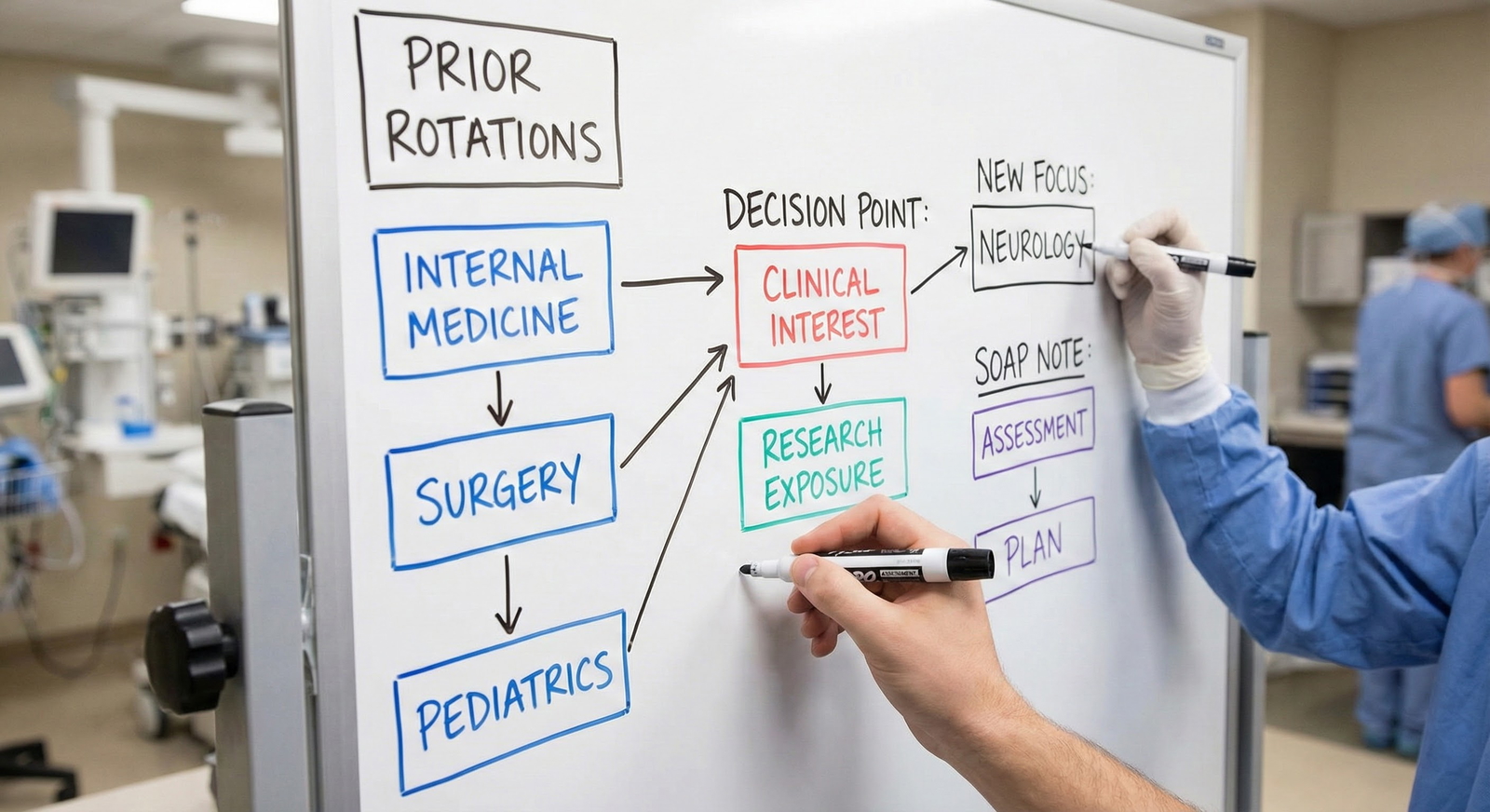
- How each pathway keeps you competitive for a future otolaryngology match:
- Prelim surgery with strong operative and ICU exposure
- Transitional year with ENT-related rotations
- Medicine year with robust procedural opportunities
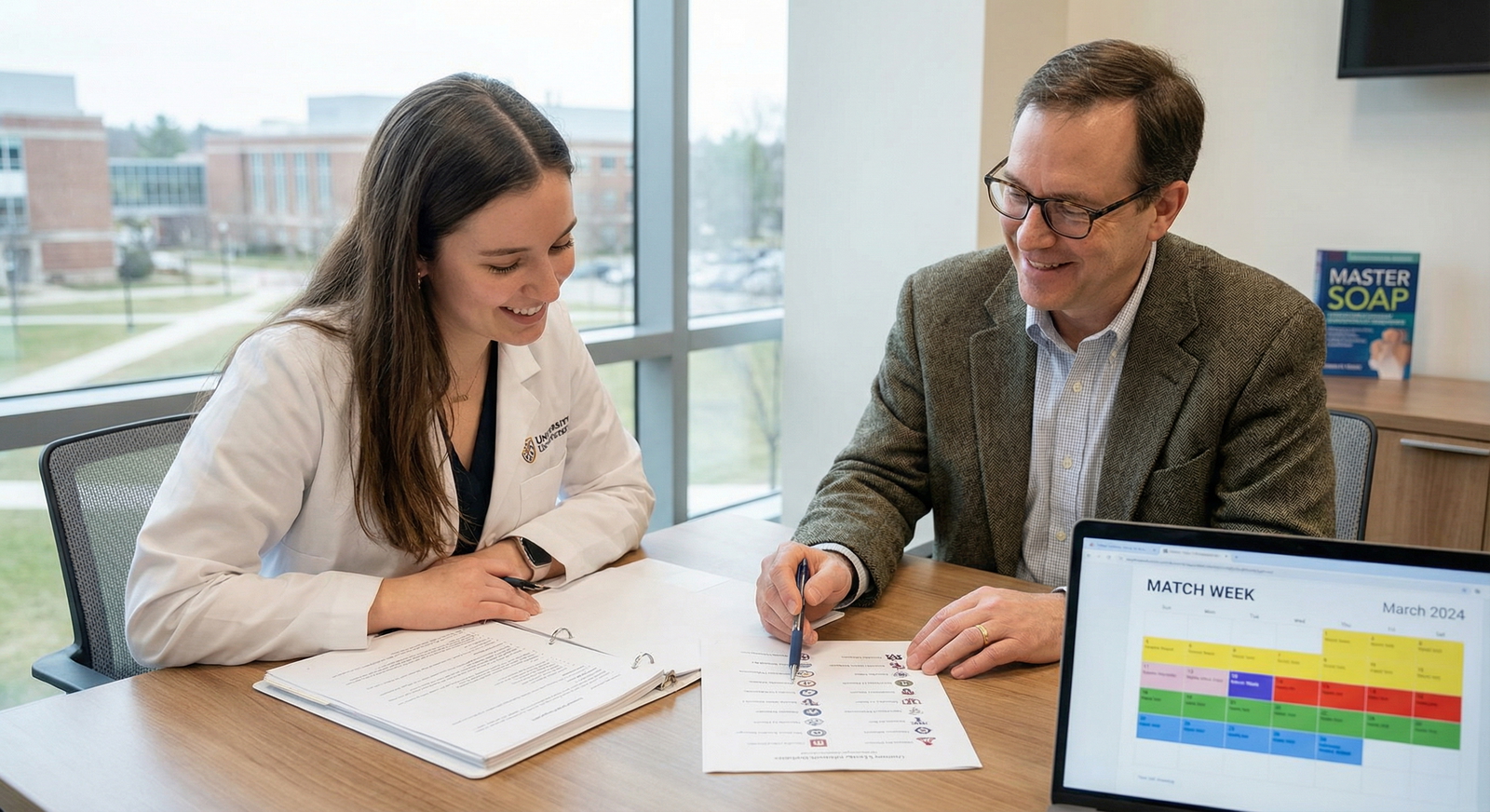
Discuss this before Match Week with:
- ENT faculty mentors
- Your home program director or dean of student affairs
- Recent ENT reapplicants if available
Match Week Execution: Step-by-Step SOAP Strategy
When the unmatched notification hits, you’ll have hours—not weeks—to act. Here’s a structured approach specific to a MD graduate residency applicant with ENT ambitions.
Step 1: Immediate Response on Monday
Take 30–60 minutes to process
A short emotional pause improves your decision-making. Call a trusted person if needed.Notify key people early
- Email or call:
- ENT mentor(s)
- Dean’s office / student affairs
- Possibly your department chair if they are supportive
- A simple message:
“I learned I am SOAP-eligible and would appreciate your guidance as I consider options for preliminary or alternative positions.”
- Email or call:
Access the List of Unfilled Positions
- Look specifically for:
- Any ENT residency positions (rare, but always check)
- Preliminary general surgery, transitional year, preliminary internal medicine
- Programs with a strong track record of:
- Supporting reapplicants to ENT or other competitive specialties
- Providing solid operative or procedural exposure
- Look specifically for:
Step 2: Triage Your Target Programs
With a cap on the number of SOAP applications, you must be strategic.
Prioritization framework for an ENT-focused MD graduate:
Programs that directly or indirectly support ENT pathways
For example:- Prelim surgery at an institution with a large ENT department.
- Transitional year with ENT elective blocks.
- Internal medicine programs with strong pulmonary/critical care or allergy, as these overlap with ENT disease processes.
Programs that value strong test scores and academic metrics
As an ENT applicant, you likely have:- Solid USMLE Step scores
- Significant research
- Strong letters
These can be particularly attractive to prelim and transitional year programs.
Geographic and institutional reputation considerations
- Institutions with an otolaryngology residency on site may provide:
- Networking
- Research opportunities
- ENT elective time
- However, don’t ignore smaller community prelims that have strong placement histories.
- Institutions with an otolaryngology residency on site may provide:
Create a quick tiered list (A/B/C) with program names and rationales.
Step 3: Tailor Your Application Materials Rapidly
Within hours, prepare:
- Reassigned personal statements:
- ENT PS remains for any ENT or ENT-related positions (rare).
- General IM/Surgery/Transitional PS assigned to those specific programs.
- Program-specific signaling (if possible within ERAS limits):
- Adjust short explanations in experiences or “meaningful experiences” section to align with a broader clinical narrative, not just ENT.
- Updated CV or addendum (if allowed):
- Brief note about recent achievements, or recent ENT sub-internships, framed to show readiness for clinical work in any demanding program.
Ask your dean’s office if they can:
- Provide an updated MSPE addendum (some do, some don’t).
- Contact targeted programs on your behalf (within SOAP rules) to vouch for you.

Interviewing and Negotiating During SOAP: ENT-Specific Considerations
Even in SOAP, many programs will conduct telephone or video interviews—typically brief (10–20 minutes). As an ENT-focused MD graduate, you must communicate both honesty and commitment.
Addressing “Why This Specialty Now?” Without Undermining ENT
Programs know SOAP applicants often had another specialty first. Your job is to:
Be transparent but concise
Example response:“I applied primarily to otolaryngology this year because I find the combination of intricate anatomy and long-term patient relationships appealing. It’s an extremely competitive field, and I didn’t match. At the same time, throughout medical school I’ve truly enjoyed broad patient care and the core skills of internal medicine. My focus now is to train in a rigorous program where I can grow clinically, contribute to the team, and provide excellent care from day one.”
Avoid framing their program as a consolation prize
Instead:- Emphasize your genuine interest in developing foundational surgical or medical skills.
- Convey openness to different long-term paths (you can keep personal aspirations toward ENT without making it sound like you’re leaving the second you get a chance).
Highlight transferable ENT skills
Particularly for surgery or transitional year:- Operating room experience
- Managing post-op patients
- Head and neck anatomy expertise
Frame them as strengths, but add that you’re eager to expand into a broader range of procedures and conditions.
Example Interview Questions and Strong Responses
Q: You applied in otolaryngology; how committed would you be to our prelim surgery program?
A strong answer:
“I would be fully committed. I understand the intensity and expectations of a surgical prelim year. My ENT rotations gave me a taste of the OR workflow and perioperative care, and I enjoyed that environment. In your program, I’d focus on being a reliable, hard-working team member and maximizing my operative and critical care experience. I recognize that this year is foundational for my career, regardless of the specialty I ultimately practice.”
Q: If you don’t match into ENT later, how would you feel about pursuing a career in general surgery or internal medicine?
“I’m entering this year ready to give my best and to keep an open mind. My priority is to provide excellent patient care and to grow as a physician. While ENT is a field I’m drawn to, I’m also aware that my satisfaction in medicine comes from working in teams, managing complex patients, and building procedural skills. I can see a fulfilling long-term career in several fields, including [surgery/IM], and this year will help clarify that.”
Practical Interview Tips for SOAP
- Respond quickly to interview requests; slots are limited.
- Keep a simple, professional background for video interviews.
- Have a 30-second pitch ready:
- Who you are
- ENT background
- Clinical strengths
- Why you would be an excellent intern in their program
- Prepare 2–3 good questions for each program:
- “How do your prelim residents typically perform, and where do they match after this year?”
- “What support is available for residents applying or reapplying to competitive specialties?”
- “What are the typical responsibilities and call schedules for interns in your program?”
After SOAP: Building a Long-Term ENT-Focused Career Path
Whether you secure a SOAP residency position or not, you need a rational long-term plan.
Scenario 1: You Obtain a Prelim/Transitional Position via SOAP
If you match into prelim surgery, transitional year, or internal medicine:
Treat this year as an audition year
- Show up early, work hard, be someone the team trusts.
- Seek rotations and experiences that align with ENT (ICU, surgical subspecialties, pulmonary, allergy, radiology).
Engage with the ENT department at your institution
- Introduce yourself early:
- “I am a SOAP prelim resident with a strong interest in otolaryngology and would appreciate any opportunities to get involved in research or clinics.”
- Attend ENT grand rounds, conferences, and journal clubs.
- Seek out ENT research or QI projects.
- Introduce yourself early:
Prepare strategically for the next ENT application cycle
- Update your CV with clinical year achievements.
- Obtain strong new letters from:
- Program director
- Surgical or medical attendings who can attest to your intern performance
- ENT faculty who have seen your work
Reassess your long-term goals honestly
- If ENT reapplication appears unlikely or not preferable after more data, consider fully committing to another specialty where you will thrive.
Scenario 2: You Don’t Obtain a Position During SOAP
This is challenging, but still not the end.
Immediate steps
- Talk with your dean’s office and ENT mentors about:
- Research positions (ENT or related fields)
- Non-NRMP programs that may still have vacancies
- Off-cycle prelim positions that open later in the year
- Talk with your dean’s office and ENT mentors about:
Design a productive “gap” year
- ENT research fellowships (especially at academic centers with strong residencies).
- Additional clinical exposure (if permissible with your licensure and visa status).
- Focused improvement on any weaknesses:
- Step scores (if you still have exams you can take, like Step 3)
- Publications
- Networking and visibility in ENT conferences.
Plan for a stronger reapplication
- Rebuild your personal narrative:
- Show resilience and maturity.
- Demonstrate growth through structured activities.
- Secure new, high-quality letters from research mentors and clinicians.
- Consider broadening the scope of specialties you apply to next cycle, in addition to ENT, if your goal is to start training promptly.
- Rebuild your personal narrative:
Frequently Asked Questions (FAQ)
1. Is it realistic to expect an ENT residency spot through SOAP?
In most years, very few or no otolaryngology residency positions are available through the otolaryngology match’s SOAP phase. ENT programs generally fill in the main match. As a result, your SOAP preparation should focus more on:
- Preliminary surgery or transitional year positions that support a future ENT application.
- Considering alternative specialties where you can still be satisfied long term.
If an ENT spot does appear in SOAP, you will already be competitive if your original application was strong—but you must not rely on this outcome.
2. Should I mention my ENT aspirations during SOAP interviews for other specialties?
Yes, but strategically:
Do:
- Acknowledge that you applied in a competitive field and did not match.
- Emphasize that you are fully committed to doing an excellent job in any position you accept.
- Express genuine respect and interest in the specialty you’re interviewing for.
Don’t:
- Present their program as a mere stepping stone.
- Suggest you will disengage or be less motivated because it’s not ENT.
You can balance honesty with professionalism by stressing your broader commitment to patient care and clinical excellence.
3. How can a SOAP-year position help my future otolaryngology match chances?
A strong SOAP-year experience can significantly improve your ENT candidacy if:
- You excel clinically and earn outstanding letters from program leadership and faculty.
- You engage with ENT where possible (research, electives, conferences).
- You show professionalism, resilience, and growth after an initial unmatched outcome.
Programs often value evidence that you can function at the level of an intern, work well in teams, and handle high workload environments.
4. What can I do during medical school to reduce the chance I’ll need SOAP as an ENT applicant?
You can reduce (not eliminate) the risk of needing SOAP by:
- Building a strong ENT-focused profile:
- Solid USMLE scores
- ENT research and mentorship
- Sub-internships with excellent performance
- Simultaneously maintaining a broadly strong clinical record:
- Honors in core clerkships
- Strong evaluations in general surgery, internal medicine, and ICU
- Developing a thoughtful application strategy:
- Applying widely and realistically.
- Considering a mix of university and community ENT programs.
- Having honest discussions with mentors about your competitiveness.
Even with all of this, some MD graduate residency applicants in ENT will go unmatched because of the field’s intensity. That’s why SOAP preparation—done early and thoughtfully—is an essential part of a responsible career plan.
Preparing for SOAP as an MD graduate with otolaryngology ambitions isn’t pessimism; it’s professionalism. By understanding what SOAP is, organizing your materials in advance, and planning how a SOAP position can fit into a long-term otolaryngology match strategy, you transform an unexpected setback into a structured, survivable step in your career.