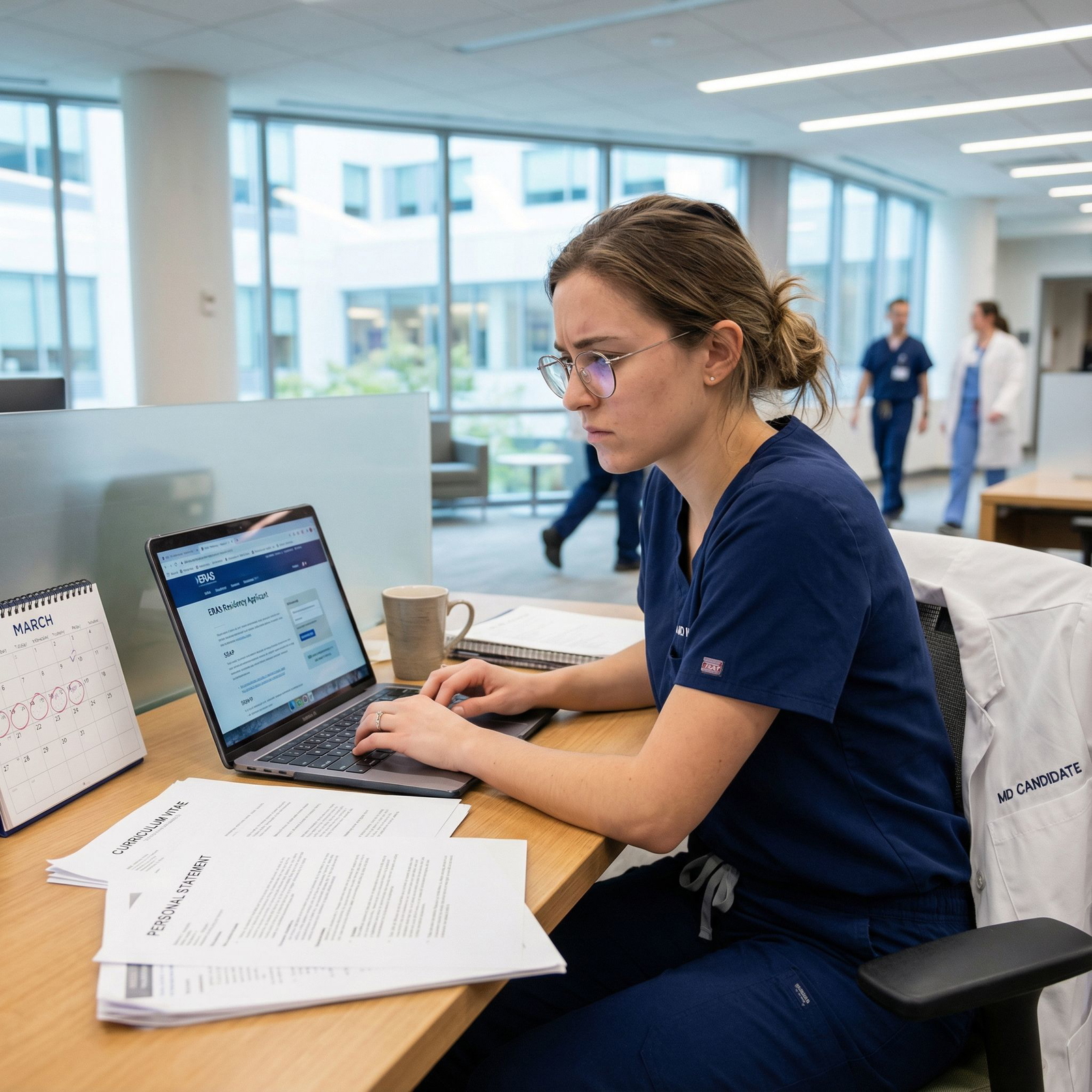
Preparing for the Supplemental Offer and Acceptance Program (SOAP) is stressful for any applicant, but for an international medical graduate (IMG) targeting a preliminary surgery year, the pressure can feel overwhelming. The key to success is understanding what SOAP is, how it works, and exactly what you should do in the weeks before, during, and after Match Week to maximize your chances of securing a prelim surgery residency position.
This IMG residency guide will walk you step-by-step through SOAP preparation tailored specifically to preliminary surgery applicants.
Understanding SOAP and Its Role in a Preliminary Surgery Pathway
Before you can prepare effectively, you must be crystal clear on what SOAP is and how it fits into your long-term surgical career goals.
What is SOAP?
SOAP (Supplemental Offer and Acceptance Program) is the structured process the NRMP uses during Match Week to fill unfilled residency positions with unmatched or partially matched applicants. It is not a second Match, but it is your best formal pathway to get into a program after not matching.
Key points:
- Happens during Match Week (Monday–Thursday before Match Day).
- Only applicants who are SOAP-eligible (defined by NRMP) can participate.
- Uses ERAS and NRMP systems to apply, interview, and receive offers.
- Runs through several offer rounds where programs extend offers; applicants can accept only one offer at a time.
Understanding what SOAP is early—months before Match Week—is essential to proper SOAP preparation, especially if you’re an IMG with complex documentation and visa issues.
Why Preliminary Surgery Year Matters for IMGs
A preliminary surgery year is a 1-year position (PGY-1) in a general surgery program. It does not guarantee automatic progression to a categorical surgery spot, but it can be strategically powerful, especially for an international medical graduate.
Common reasons IMGs pursue a prelim surgery residency:
- Gain US clinical experience in surgery at a residency level.
- Strengthen your candidacy to reapply for categorical general surgery, another surgical specialty, or even a non-surgical field.
- Build letters of recommendation from US surgeons.
- Demonstrate your operative skills, professionalism, and ability to function in a US hospital system.
- Satisfy some state licensing requirements or visa conditions.
However, prelim spots can be demanding, high-workload positions, sometimes with less structured mentoring. As an IMG, your SOAP preparation must include not only getting a prelim surgery position but also choosing wisely and planning how you will use that year for your long-term goals.
Common Misconceptions About SOAP for Prelim Surgery
“SOAP is only for weak applicants.”
Not true. Many strong IMGs and US grads go through SOAP, especially in competitive specialties.“Any prelim surgery year is good.”
Also not true. Quality, teaching culture, operative exposure, and support for career advancement vary widely.“Programs don’t care about personal statements in SOAP.”
Many still read them, especially when deciding between similar applicants quickly.“I’ll figure SOAP out the week of the Match.”
This is a major mistake. By Match Week, you should already have your SOAP toolkit ready.

Eligibility and Strategic Mindset for IMG Prelim Surgery Applicants
Checking SOAP Eligibility as an IMG
Not everyone who doesn’t match is automatically eligible for SOAP. You must:
- Register for NRMP Main Match and be unmatched or partially matched.
- Have certification or appropriate status with ECFMG by NRMP deadlines (for IMGs).
- Be eligible to start residency on July 1 (degree completed, exams passed, visa feasible).
Key IMG considerations:
ECFMG Certification
- Ensure all documents (diploma, transcripts, exam scores) are processed well before February.
- If your ECFMG certification is pending, track the timeline closely; SOAP eligibility can depend on this.
USMLE Exams
- Step 1 and Step 2 CK must be passed.
- If you’ve had multiple attempts, be realistic in your program targeting—but prelim surgery can still be feasible, especially via SOAP.
Visa Status
- Know whether you need J-1 or H-1B.
- Some programs will not sponsor visas during SOAP; this must inform your application list.
Confirm SOAP eligibility directly via:
- NRMP: Your “SOAP-eligible” status will show in your NRMP account during Match Week.
- ECFMG: For certification and documentation questions.
Adopting the Right Strategy Mindset
SOAP for a prelim surgery residency is not only about “getting any position.” Your mindset should balance:
Urgency
- Unfilled positions are limited; decisions move quickly.
- You must respond promptly to communications and offers.
Realism
- Honestly assess your application profile.
- As an IMG, prioritize programs known to consider IMGs and support visas.
Flexibility
- Be open to various institutions, locations, and types of programs (academic vs community).
- Consider whether you will also apply to transitional year or prelim medicine if prelim surgery options are limited.
Long-term vision
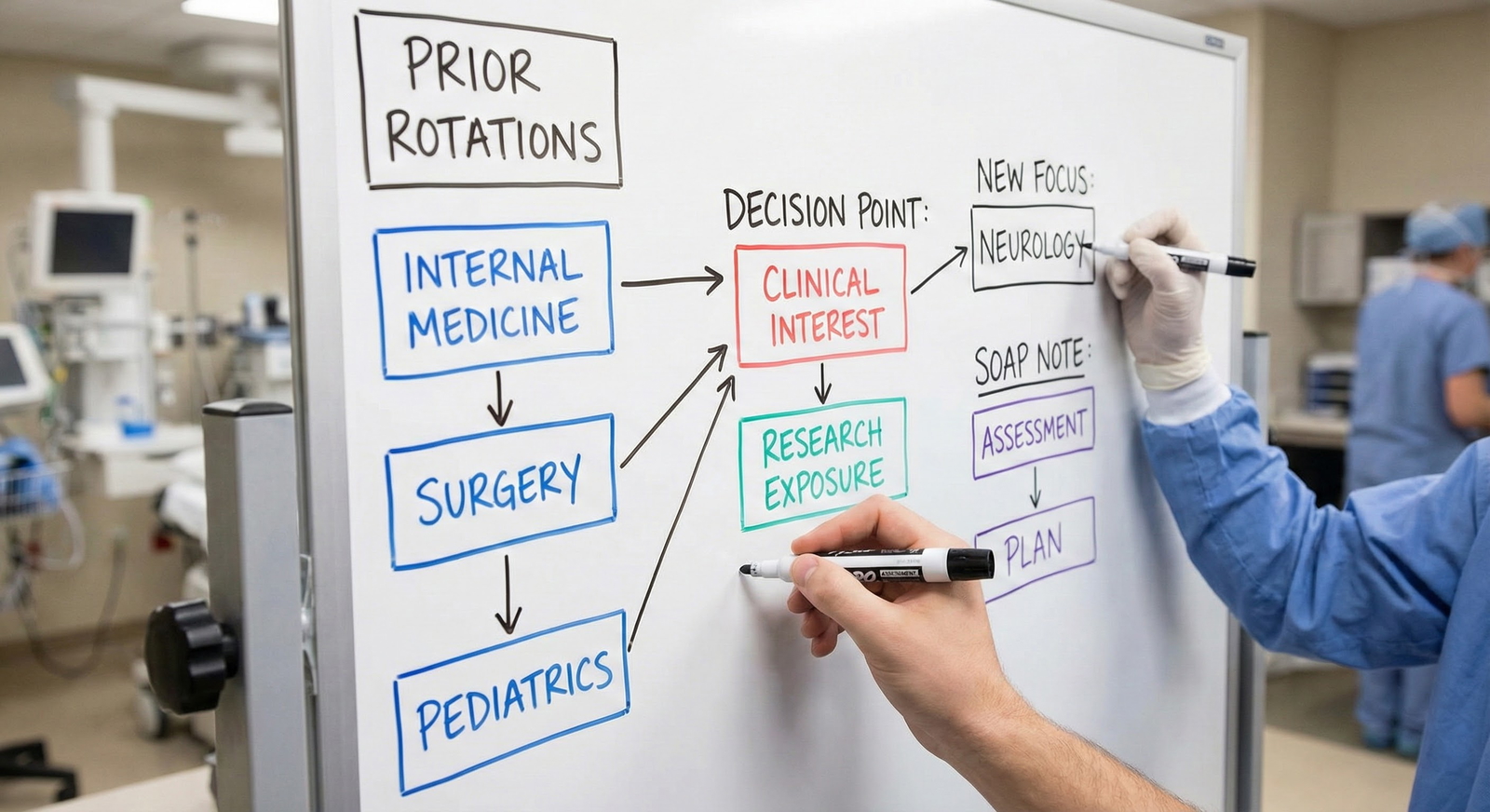
- Define now: Are you aiming for categorical surgery, another surgical field, or just fulfilling training/visa/licensure requirements?
- This shapes which prelim programs are worth accepting.
Example:
If your primary goal is eventually matching into categorical general surgery, then a prelim year in a program with a strong record of internal promotion to categorical spots or strong fellowship/career mentorship may be more valuable than one with primarily service-heavy, low-education structure.
Building Your SOAP Toolkit Before Match Week
You cannot start preparing for SOAP during Match Week; that is when you execute. True SOAP preparation begins months in advance.
1. Documents and ERAS Readiness
Update and refine these before Rank Order List (ROL) certification—you may never need SOAP, but if you do, you’ll be ready:
a. ERAS Application
- Experience section
- Highlight any surgical rotations, operative assisting, and research.
- Emphasize procedural skills, leadership, and teamwork roles.
- US Clinical Experience (USCE)
- Clearly list observerships, externships, or sub-internships, especially in surgery or related fields.
- Professionalism and communication
- Many prelim surgery residents carry heavy clinical responsibilities. Show examples where you handled high workload, night shifts, or acute care settings.
b. CV and Personal Statement Variants
Create two personal statement templates:
Preliminary Surgery–Focused PS
- Focus on your motivation for surgery, technical interests, commitment to operative care.
- Clearly explain your long-term goals (e.g., “pursue a categorical general surgery position” or “enter a surgical subspecialty”).
- Address any red flags briefly but honestly (e.g., exam failures, interruptions).
Flexible/Backup PS (if you might also apply to prelim medicine or TY in SOAP)
- Broader focus on patient care, teamwork, learning, and adaptability.
You can further customize quickly during SOAP, but having these drafts written now is essential.
c. Letters of Recommendation (LoRs)
- Aim for at least 3 strong letters, ideally:
- 2 from surgeons (preferably US-based, if possible).
- 1 from another clinician or research mentor who can speak to your work ethic and reliability.
- Confirm with your letter writers that letters do not mention categorical only (e.g., “perfect candidate for categorical general surgery only”)—this can be fine, but sometimes neutral wording about “surgical residency” is more flexible.
- Ensure all LoRs are uploaded and assigned correctly in ERAS before Match Week.
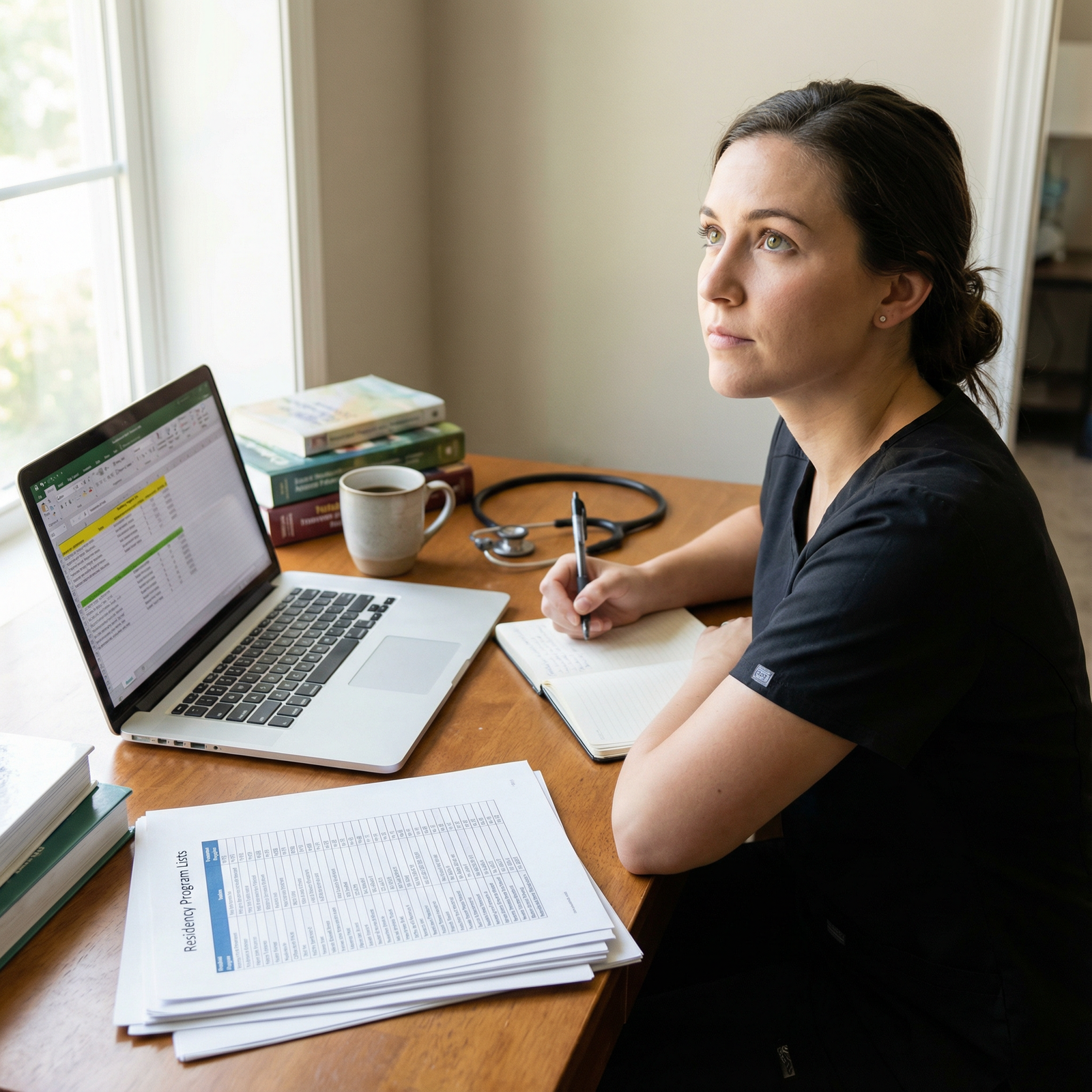
2. Program Research and Prelim Surgery Target List
Build a SOAP-target list in advance:
- Use FREIDA, program websites, and forums to identify:
- General surgery programs that have preliminary positions.
- Programs that historically accept IMGs.
- Programs that sponsor your required visa type.
- Any known internal promotion of prelims to categorical roles.
Create a simple spreadsheet:
- Columns: Program name, City/State, Number of prelim spots, IMG-friendly? Visa? Academic vs community, Teaching culture, Notes.
- Flag “high priority” prelim surgery programs where:
- IMGs are already residents.
- Program is known for good operative exposure.
- You could realistically stand out (research fit, alumni connections, similar background).
This research can be done throughout the application season, long before you know if you’ll need SOAP.
3. Communication and Technology Setup
- Ensure your phone number and email in ERAS/NRMP are correct and monitored.
- Set up:
- Professional voicemail greeting.
- Email filters for “residency,” “program director,” “SOAP,” to avoid missing messages.
- Test your video conferencing setup (Zoom/Teams):
- Reliable internet.
- Quiet background.
- Professional appearance and lighting.
During SOAP, programs may call or schedule virtual interviews with very short notice, so technical issues can cost you an opportunity.

Executing During Match Week: Step-by-Step SOAP Playbook
Monday Morning: Unmatched Outcome and Initial Response
On Monday of Match Week, you find out if you are matched or unmatched (or partially matched). If you are SOAP-eligible and unmatched/partially matched:
- Allow yourself a brief emotional reaction, but quickly pivot to action.
- Log into:
- NRMP: Confirm SOAP eligibility.
- ERAS: The List of Unfilled Programs will become available at the designated time.
Analyzing the Unfilled List for Prelim Surgery
When the list opens:
- Filter by Specialty: Surgery – Preliminary.
- Take note of:
- How many prelim surgery positions are unfilled.
- Geographic distribution.
- Visa-sponsoring institutions (if you need a visa).
- Compare with your pre-built SOAP target list and mark:
- Tier 1: Fits your profile, IMG-friendly, visa support, acceptable location.
- Tier 2: Some limitations (e.g., no visa, less IMG-friendly, or remote location) but still viable.
Remember: You will have a limited number of applications during SOAP (historically 45 programs total across all specialties; verify current limit each year). Use them strategically, not impulsively.
Application Strategy for an IMG in Prelim Surgery
Key decisions:
How many prelim surgery programs vs backup specialties?
- If there are many prelim surgery spots and your profile is relatively strong (good scores, USCE, research):
- You may devote most or all applications to prelim surgery.
- If there are few prelim surgery spots and/or you have major red flags:
- Consider splitting applications among prelim surgery, prelim medicine, and transitional year.
- If there are many prelim surgery spots and your profile is relatively strong (good scores, USCE, research):
Prioritization
- Prioritize programs where IMGs are present and visa policies align.
- Apply to a wide range (academic, community, different states), not just big-name centers.
Tailoring Application Materials Quickly
- Use your prelim surgery personal statement for all prelim surgery applications.
- Minor customization (1–2 sentences referencing program type or region) can be done if time allows, but don’t delay submissions significantly just to customize.
Communicating with Programs
During SOAP, programs may:
- Send informal emails requesting availability.
- Call for short screening interviews.
- Ask for additional documents (rare but possible—e.g., updated CV).
You should:
- Respond promptly, ideally within minutes to a couple of hours.
- Maintain a professional, calm tone.
- Be prepared to articulate clearly:
- Why you are interested in a preliminary surgery year.
- How you will contribute as an IMG.
- Your long-term goals and how this prelim year fits.
Example 60-second pitch:
“I am an international medical graduate from [Country] with strong interest in general surgery, reinforced by my US clinical rotations in [Hospitals]. I’m comfortable with high workload, have experience managing surgical patients, and am eager to take on the responsibilities of a preliminary surgery resident. My long-term goal is to pursue categorical general surgery, and I see your program as an environment where I can develop my operative skills, contribute to the team, and demonstrate my commitment to surgical training.”
Interview Focus Areas for Prelim Surgery SOAP
Be ready for quick, focused questions:
- Why a preliminary surgery year, not another specialty?
- How will you handle long hours and stress?
- What are your goals after the prelim year?
- Are you willing to stay on if a categorical spot opens?
- Can you start on time (July 1) and what is your visa status?
Your answers should reassure programs that:
- You understand the intensity of a prelim surgery role.
- You are reliable, team-oriented, and resilient.
- You won’t quit midway or become disengaged if you don’t immediately obtain categorical status.
SOAP Offer Rounds: Strategy for Accepting/Declining
SOAP proceeds through multiple offer rounds:
- If you receive an offer:
- You typically have a short window (e.g., 2 hours) to accept or reject.
- You can only hold and accept one position at the end of SOAP.
Decision-making tips:
- Have predefined criteria for acceptable offers:
- Visa sponsorship confirmed.
- You are comfortable living in that region.
- Program appears functional and accredited.
- Understand that:
- Declining an offer in hopes of a “better one” later is risky; later offers are never guaranteed.
- For many IMGs, securing any solid prelim surgery position via SOAP is a significant success.
If you accept a prelim surgery offer:
- The process ends for you; you are committed to that program.
- Immediately:
- Email the program thanking them and confirming your enthusiasm.
- Begin planning your logistics (housing, visa processing, etc.).
After SOAP: Maximizing a Preliminary Surgery Year as an IMG
Securing a prelim surgery residency through SOAP is only phase one. Your future success—whether transitioning to categorical surgery or another path—depends heavily on how you use that year.
Establish Clear Goals with Mentors Early
Within the first 1–2 months, you should:
- Identify at least one core surgical faculty mentor.
- Be transparent:
- “I am currently in a preliminary surgery position and my goal is to obtain a categorical spot in general surgery (or another field). I would appreciate your guidance on how to become a strong candidate.”
Ask about:
- Opportunities to distinguish yourself (research, QI projects, teaching).
- The program’s history of internal promotion of prelims to categorical status.
- What behaviors and performance metrics they value in strong residents.
Performance Priorities During the Prelim Year
As an IMG, your performance must clearly show:
Clinical Reliability
- Show up on time or early.
- Complete notes, orders, and tasks promptly.
- Follow through consistently; avoid dropped responsibilities.
Operative and Technical Growth
- Be prepared for every case: read beforehand, know anatomy, steps, potential complications.
- Show curiosity and humility in the OR.
- Ask for feedback and demonstrate improvement over time.
Professionalism and Communication
- Work well with nursing, anesthesia, and other teams.
- Manage cultural and language barriers proactively; ask colleagues for feedback on communication.
- Avoid conflicts; handle disagreements professionally.
Documentation and Exam Plans
- If you haven’t taken USMLE Step 3 yet, plan when you’ll take it (if appropriate for your goals).
- Keep your CV updated with all activities during the year.
Planning for the Next Match Cycle (If Needed)
Not all prelim surgery residents transition to categorical surgery immediately. To maximize your options:
- Start early: By fall of your prelim year, if you have not already secured a categorical spot, prepare:
- Updated ERAS with US clinical experience and residency year details.
- Fresh letters from US surgeons.
- Consider broadening your field of application depending on your interests and performance:
- Categorical general surgery.
- Other surgical specialties (with adviser guidance).
- Non-surgical fields that value a surgery prelim background (e.g., anesthesia, radiology).
If You Do Not Secure a Position Through SOAP
If SOAP ends and you are still unmatched:
- Consider post-SOAP options:
- Rare unadvertised spots (contact programs directly, especially community hospitals).
- Research fellowships in surgery to strengthen your profile.
- Further US clinical experience, observerships, or a master’s program related to surgical research or public health.
- Analyze your “application gaps” with a mentor:
- Scores? Gaps in training? Weak letters? Limited USCE?
- Create a 1–2 year remediation plan, then reapply.
FAQs: SOAP Preparation for IMGs in Preliminary Surgery
1. As an international medical graduate, is it realistic to match a prelim surgery spot through SOAP?
Yes, it can be realistic. Many general surgery programs use SOAP to fill unfilled preliminary positions, and IMGs are frequently considered. Your chances improve if:
- You have USCE, especially in surgery.
- Your USMLE scores are at or near competitive ranges for prelim spots.
- You are flexible about location and type of program.
- Your application clearly shows work ethic, resilience, and commitment to surgery.
However, the number of prelim surgery spots through SOAP varies every year, so you should prepare backup options (e.g., prelim medicine, transitional year) as part of your IMG residency guide strategy.
2. How many specialties should I apply to during SOAP if I want a preliminary surgery year?
It depends on:
- Number of prelim surgery positions available that year.
- Strength of your application profile.
- Your visa and geographic constraints.
Common patterns:
- Strong surgical applicant, many prelim surgery spots:
- Focus mostly on prelim surgery, maybe with a small number of transitional year or prelim medicine applications as backup.
- Fewer prelim surgery spots and/or multiple red flags:
- Split between prelim surgery and prelim medicine/TY to increase your odds of participating in residency at all, while still preserving a path into surgical or acute care fields.
3. Do programs consider SOAP applicants for future categorical surgery positions?
Some do, some don’t. This is highly program-specific.
- In some institutions, strong preliminary residents are occasionally offered categorical PGY-2 spots when they become available unexpectedly (e.g., a resident leaves).
- Other programs have very limited opportunities to convert prelims to categorical status.
During interviews and once you start your prelim year, it’s appropriate to politely ask:
- “Do preliminary residents here ever transition to categorical positions?”
- “What have successful prelim graduates gone on to do?”
Use this information to guide both your SOAP program ranking in your mind and your long-term planning.
4. What are the most common mistakes IMGs make during SOAP preparation for prelim surgery?
Common pitfalls include:
- Waiting until Match Week to think about SOAP.
- Not having a prelim surgery-focused personal statement ready.
- Overly restricting applications to only big-name academic centers.
- Ignoring visa limitations when applying.
- Poor communication: missed calls/emails, unprofessional voicemail, disorganized interviews.
- Accepting a prelim surgery position without understanding workload, support, or visa implications.
Avoid these by starting SOAP preparation months in advance, maintaining flexibility, and approaching the process with a clear, realistic strategy.
With early planning, thoughtful SOAP preparation, and a clear understanding of your goals, you can use the SOAP residency process not only to secure a preliminary surgery year as an international medical graduate, but also to launch a sustainable path toward a long-term surgical or acute-care career in the United States.