Understanding SOAP and Its Role in Your Peds‑Psych Journey
The Supplemental Offer and Acceptance Program (SOAP) can be a lifeline for an international medical graduate (IMG) aiming for a Pediatrics-Psychiatry (Peds‑Psych) or Triple Board residency. To use it effectively, you must first understand what SOAP is and how it fits into Match Week.
What is SOAP?
The SOAP is a structured, time‑limited process run by the NRMP during Match Week that allows eligible unmatched or partially matched applicants to apply to unfilled residency positions.
Key points:
SOAP ≠ Scramble
Before SOAP, programs and applicants engaged in a chaotic “scramble.” SOAP is now organized, rule‑driven, and centralized through ERAS and NRMP.Who is eligible?
You must:- Be registered for the NRMP Main Residency Match.
- Be unmatched or partially matched at the start of Match Week.
- Have certification and credential requirements completed (e.g., ECFMG certification for IMGs) by the NRMP’s deadline.
- Not have a position outside the Match for the same year.
What happens during SOAP?
- Monday of Match Week: You learn if you are matched, partially matched, or unmatched.
- If eligible, you gain access to a list of unfilled programs.
- You send a limited number of applications (up to 45 programs in recent cycles; confirm annual rules).
- Programs review, may contact you, and can offer positions only during designated SOAP rounds.
- You can accept only one SOAP offer at a time; acceptance is binding.
Understanding what is SOAP gives you the framework to plan. For an IMG targeting Peds‑Psych or triple board, SOAP is often your second‑chance pathway—sometimes into categorical pediatrics or psychiatry programs that keep you in range of your long‑term goal.
SOAP and Peds‑Psych/Triple Board Reality Check
Peds‑Psych and Triple Board programs are highly competitive and relatively few in number. They rarely have many unfilled positions after the main Match. So your SOAP residency strategy needs to be:
- Flexible by specialty:
Apply broadly to:- Categorical Pediatrics
- Categorical Psychiatry
- Occasionally Family Medicine or Child Neurology, if aligned with your goals
- Strategic by geography:
Target locations where IMGs historically match, and where you have any ties. - Realistic by competitiveness:
Use SOAP more as:- A path to core training in peds or psych.
- A way to stay in the U.S. system now, and later transition towards child psychiatry, developmental-behavioral pediatrics, or combined pathways via fellowships.
SOAP may not land you directly into a triple board program, but it can keep the door open to a Peds‑Psych career track.
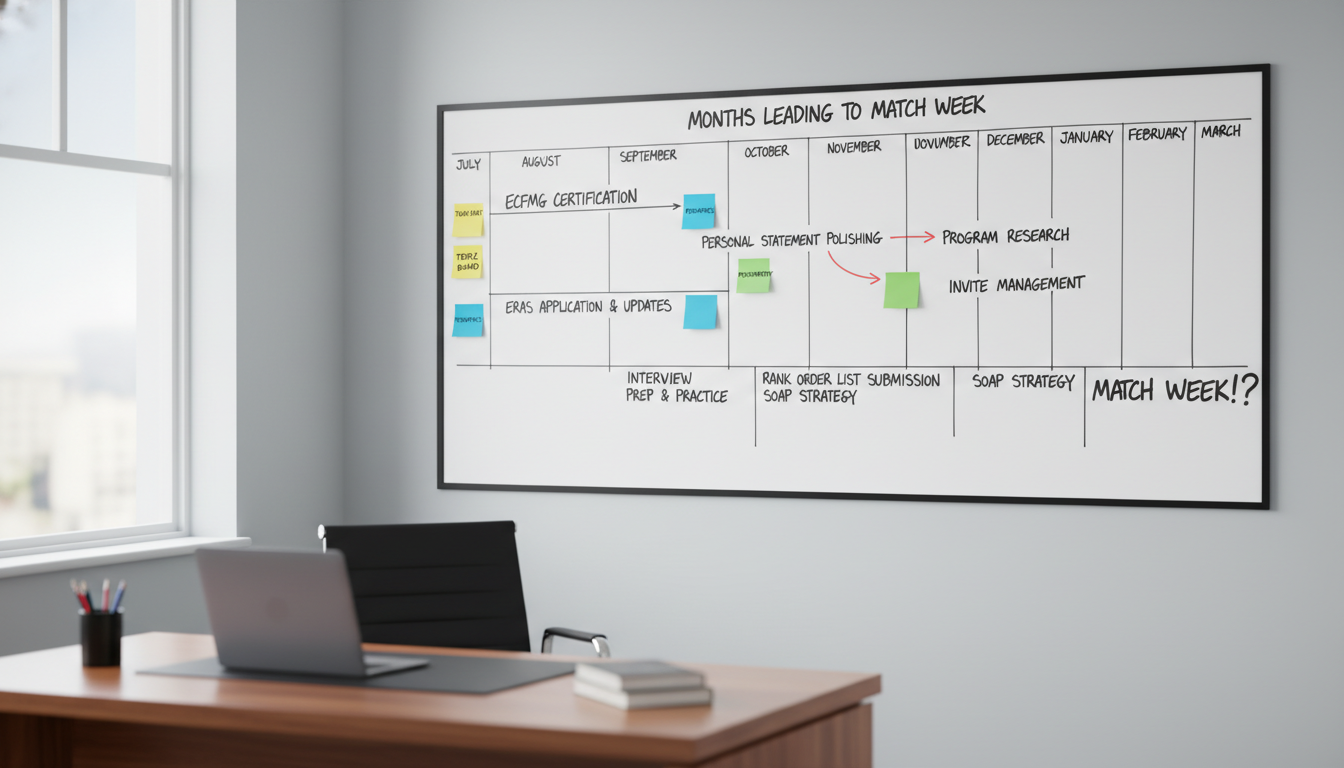
Pre‑SOAP Preparation: What IMGs Should Have Ready Long Before Match Week
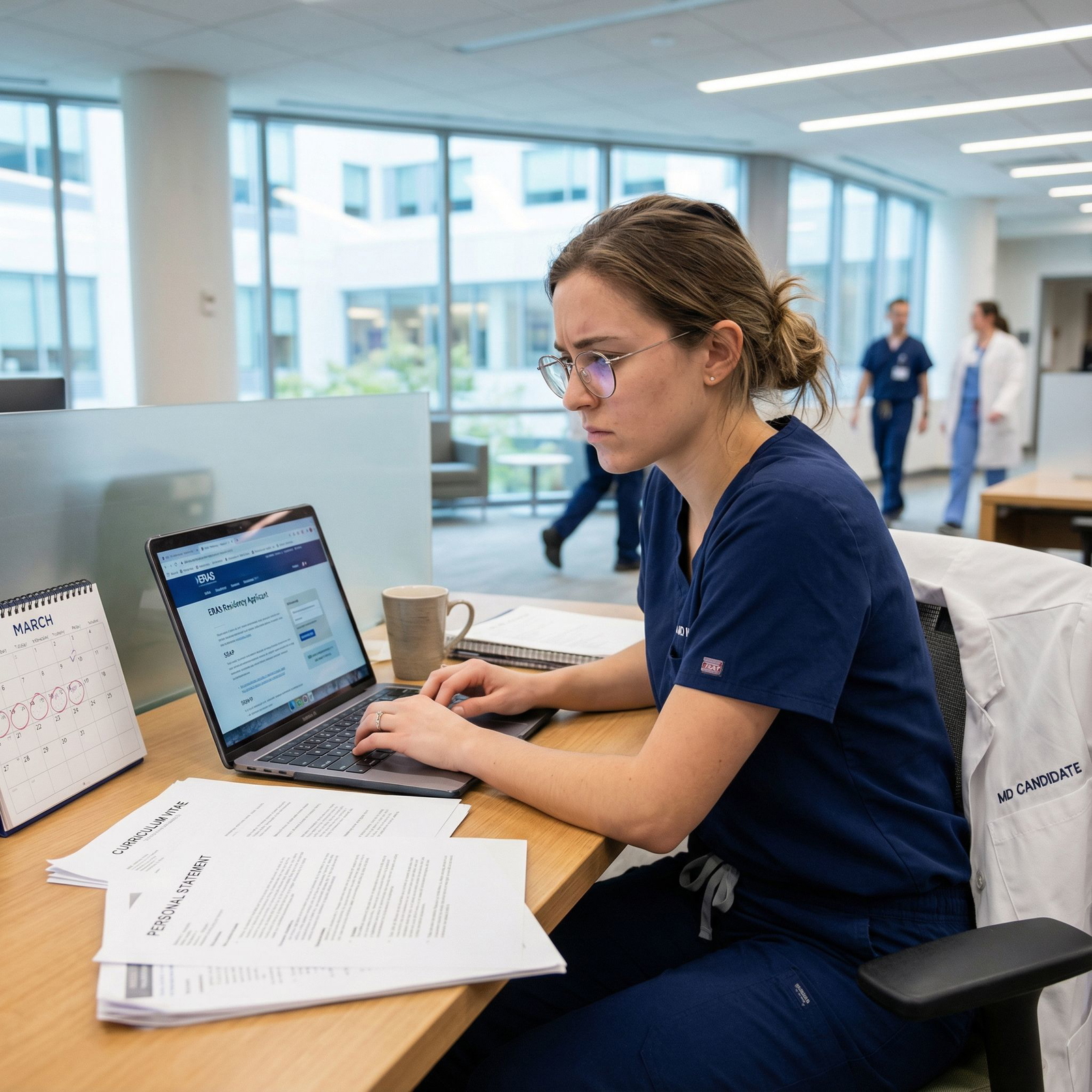
Effective SOAP preparation starts months before Match Week. For an international medical graduate pursuing Peds‑Psych, this early work is crucial.
1. Credentials and Eligibility: No Surprises
Make sure your basic eligibility for NRMP and SOAP is bulletproof:
ECFMG Certification
- Complete all required exams (USMLE Step 1, Step 2 CK or COMLEX equivalents for DOs).
- Ensure ECFMG has verified your medical school credentials.
- Track dates: ECFMG certification must be issued by NRMP’s deadline for SOAP eligibility.
Visa Considerations
- Know which visas you can hold (J‑1 vs H‑1B).
- In ERAS, clearly indicate your visa status or needs.
- Create a short explanation in your personal statement or email for programs that might ask.
Documentation Ready
- Medical school diploma, translations, and transcripts.
- Dean’s letter/MSPE.
- Up‑to‑date CV tailored for U.S. residency.
If your status is still pending close to Match, connect early with ECFMG and your medical school to expedite what can be expedited.
2. Strengthening Your Peds‑Psych Narrative Before SOAP
Even if SOAP pushes you toward categorical Pediatrics or Psychiatry, you want your entire application to reflect a coherent story:
Clinical Experiences
- U.S. clinical experiences (USCE) are extremely valuable:
- Pediatrics inpatient/outpatient
- Child/adolescent psychiatry
- Developmental clinics, autism centers
- If you lack formal electives, seek observerships or volunteer roles in child‑focused settings.
- U.S. clinical experiences (USCE) are extremely valuable:
Research and Projects
Emphasize:- Child mental health
- Developmental disorders
- Behavioral pediatrics
- Community mental health for children and adolescents
Even small‑scale quality improvement or case reports can help.
Leadership and Advocacy
- Mentoring children (schools, camps, community organizations)
- Mental health advocacy
- Global health projects focused on children or families
These experiences build a Peds‑Psych profile that translates well whether you SOAP into pediatrics or psychiatry.
3. Letters of Recommendation That Work Across Peds and Psych
For SOAP, you won’t have time to request new letters. Your existing letters must already be strong and flexible.
Aim for:
- At least 1–2 letters from pediatrics or child-related fields
- At least 1 from psychiatry, preferably child/adolescent if possible
- 1 general letter (e.g., Internal Medicine, Family Medicine) showing reliability and clinical competence
Ask your letter writers to:
- Highlight attributes relevant to both pediatrics and psychiatry:
- Communication with children and families
- Empathy and patience
- Cultural sensitivity
- Ability to manage complex psychosocial situations
- Explicitly mention your interest in child mental health or Peds‑Psych when appropriate.
Store multiple letters in ERAS, and before SOAP, have a clear plan for which letters to assign to which specialty.
4. Crafting SOAP‑Ready Personal Statements
You may not have time to rewrite personal statements during SOAP, so prepare several versions in advance:
Pediatrics-focused PS
- Emphasize child health, continuity of care, growth and development.
- Include experiences with behavioral or developmental pediatrics.
Psychiatry-focused PS
- Emphasize interest in mental health, therapeutic communication, psychopathology.
- Include experiences with child/adolescent or family‑focused psychiatry.
Peds‑Psych/Triple Board PS
- Connect your dual passion for:
- Understanding the developing brain, and
- Caring for children’s medical and psychosocial needs.
- Reference long‑term goals such as working with:
- Autistic children
- Children with chronic medical illnesses and co‑occurring mental health disorders
- Refugee or immigrant children with trauma
- Connect your dual passion for:
General SOAP PS (backup)
- A flexible, concise statement that works for primary care or broad clinical roles if you must widen your SOAP net.
Make sure each version:
- Is no more than 1 page.
- Tells a cohesive story (not a list of achievements).
- Has a strong link between your past experiences and your future goals in child health and mental health.
Strategic SOAP Residency Planning for Peds‑Psych‑Oriented IMGs
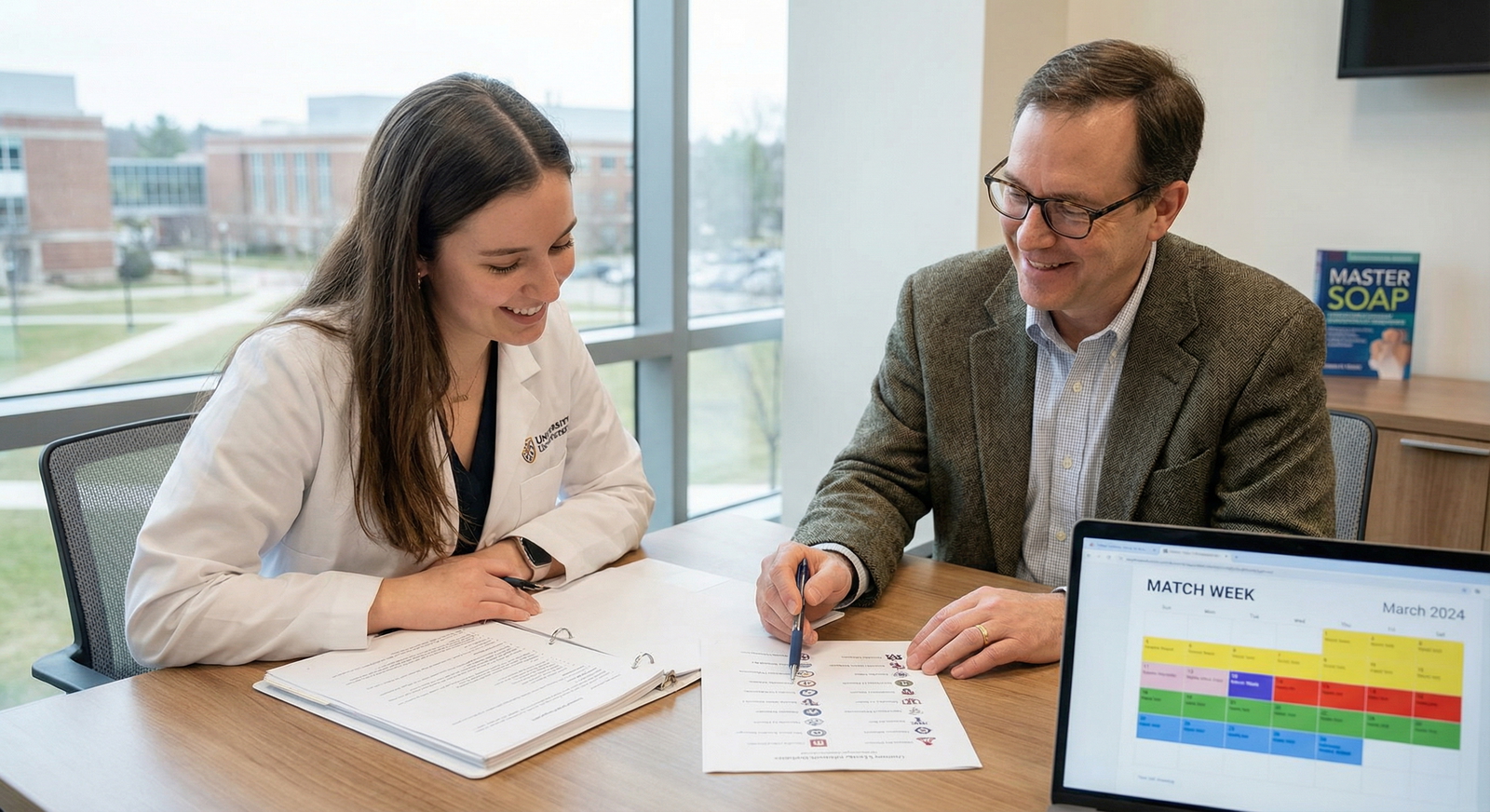
On Monday of Match Week, if you learn you are unmatched or partially matched, you must pivot quickly. An IMG residency guide mindset is crucial: clear priorities, rapid organization, and realistic decision‑making.
1. Clarify Your SOAP Goals in Advance
Before Match Week, decide your priority hierarchy:
- Top Priority: Triple board or combined Peds‑Psych (if any open positions appear).
- Second Priority: Categorical Pediatrics or Psychiatry at programs that:
- Have strong child/adolescent psychiatry or developmental services.
- Are IMG‑friendly.
- Have fellowships or rotations in child disciplines.
- Third Priority: Other specialties that still align with your child mental health interests (e.g., Family Medicine in a system with child mental health training).
Write this plan down now. Under pressure, having a pre‑decided roadmap avoids hasty or inconsistent choices.
2. Research Potential Programs Before You Know If You Need SOAP
You won’t see the list of unfilled programs until SOAP starts, but you can:
- Build a “wish list” of:
- Peds‑Psych and triple board programs
- Pediatric programs with strong child mental health resources
- Psychiatry programs with robust child and adolescent psychiatry
- For each, note:
- IMG friendliness (look at current residents, past match lists, and program websites)
- Visa support
- Clinical strengths and affiliated children’s hospitals
- Any unique features appealing to your Peds‑Psych trajectory (e.g., integrated care clinics, developmental centers)
During SOAP, if any of these programs appear on the unfilled list, they should be high‑priority targets.
3. Building a Rational SOAP Application List
When you see the unfilled program list:
Identify all positions in:
- Triple board / combined Peds‑Psych programs
- Categorical Pediatrics
- Categorical Psychiatry
Rapidly screen for feasibility:
- IMG history (do they have current or recent IMGs?)
- Visa policies (J‑1 vs H‑1B)
- USMLE score expectations and failures policies
- State licensing restrictions (e.g., attempts limits or old scores)
Tier your application strategy:
- Tier 1: Realistic but strong fit (IMG‑friendly Peds/Psych programs, child‑focused institutions)
- Tier 2: Slightly more competitive but still IMG‑possible
- Tier 3: Programs that are long‑shot but still worth applying to if application limits allow
Because SOAP limits how many programs you can apply to, prioritize quality of fit and feasibility over simply filling all 45 slots indiscriminately.
4. Tailoring ERAS for SOAP: Assigning Documents Wisely
You can’t rewrite everything during SOAP, but you can assign documents strategically:
For Pediatrics programs:
- Use pediatrics‑oriented personal statement.
- Assign your strongest pediatrics letters and at least one psychiatry or behavioral/developmental letter if it strengthens your child mental health angle.
For Psychiatry programs:
- Use psychiatry‑focused personal statement.
- Assign psychiatry letters plus at least one pediatrics or child work letter.
For any rare triple board or combined Peds‑Psych positions:
- Use your Peds‑Psych or Triple Board personal statement.
- Assign a mix of letters: at least one pediatrics, one psychiatry, and one that comments broadly on your reliability and professionalism.
Confirm that your ERAS profile:
- Has no missing demographic or educational data.
- Clearly lists all USCE and child‑focused experiences.
- Accurately captures your examination history and ECFMG certification status.

Interview and Communication Skills: Standing Out During SOAP
SOAP interviews are fast, focused, and often virtual (phone or video). Many programs make decisions after brief, intense conversations. As an IMG, your communication skills are especially important.
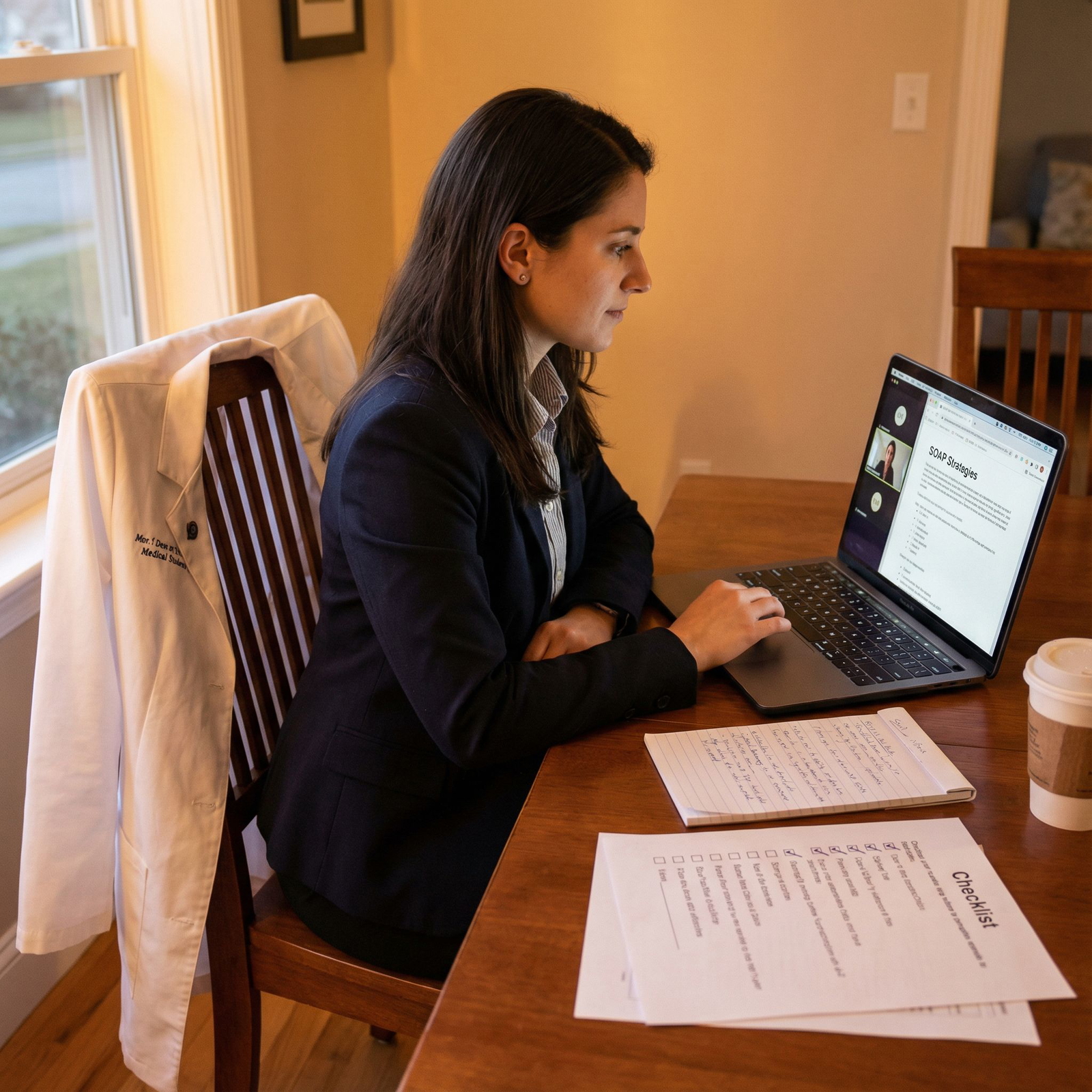
1. Preparing for Rapid‑Fire Contact
During SOAP:
- Keep your phone and email available at all times.
- Prepare a quiet, professional space for calls or video interviews:
- Neutral background
- Good lighting
- Reliable internet
- Have your application, CV, and notes in front of you:
- Key experiences in pediatrics and psychiatry
- Reasons for your interest in their program
2. Core Interview Themes for Peds‑Psych‑Oriented IMGs
Expect to answer questions that test:
Interest in pediatrics, psychiatry, or both
- “Why pediatrics?”
- “Why psychiatry?”
- “Why triple board/combined training?”
Your background as an IMG
- How you adapted to the U.S. healthcare system
- How your international experience strengthens your perspective
- Any unique contributions (languages, cultural competence, global health insight)
Resilience and professionalism
Especially if you are going through SOAP, be ready to discuss:- What you learned from not matching initially
- How you handled obstacles (exam failures, visa delays, etc.)
- Your plan for growth and improvement
Prepare short, clear stories (STAR format: Situation, Task, Action, Result) that demonstrate:
- Outstanding patient communication with children and families
- Handling emotionally charged situations or mental health crises
- Cross‑cultural care and empathy
3. Explaining Your Peds‑Psych Interests Smartly
Even if you are interviewing for pure pediatrics or pure psychiatry during SOAP, you must frame your Peds‑Psych or triple board aspirations carefully:
Focus on how your dual interests make you a stronger candidate:
- As a pediatrics applicant:
- “My psychiatry experience helps me manage behavioral issues, adherence problems, and family stress.”
- As a psychiatry applicant:
- “My pediatrics background helps me understand developmental stages and the medical aspects of psychiatric conditions in youth.”
- As a pediatrics applicant:
Avoid sounding like you are only using their program as a “stepping stone” to something else. Instead:
- Emphasize genuine interest in their training.
- State that their program will strengthen key skills you need to care for children with complex medical and psychiatric needs.
Example answer snippet (for a Pediatrics SOAP interview):
“My long‑term goal is to care for children with both chronic medical conditions and significant mental health challenges. Your pediatrics program, with its behavioral pediatrics clinic and close relationship with child psychiatry, is an excellent fit for developing those skills. My psychiatry exposure will help me collaborate effectively with mental health teams, which I see as a major strength I bring to your program.”
4. Handling Questions About Not Matching
You may be asked why you are in SOAP. Keep your answer:
- Honest but non‑defensive
- Brief and focused on growth
- Oriented toward your future, not only the setback
Example:
“I applied primarily to very competitive combined programs this year and didn’t spread my applications as broadly as I should have to categorical pediatrics or psychiatry. This has been a learning experience. I’ve taken the opportunity to reassess and I’m now focused on finding a program where I can develop strong clinical foundations in child health and mental health. I’m very enthusiastic about the chance to contribute to your program if given the opportunity.”
Execution During Match Week: Day‑by‑Day SOAP Preparation Guide
Having a SOAP preparation timeline reduces stress. Here’s a structured, practical approach:
Before Match Week (Weeks–Months Ahead)
- Confirm ECFMG certification and all exam scores are uploaded.
- Finalize:
- Multiple personal statement versions (Peds, Psych, Peds‑Psych).
- ERAS work/activities and experiences.
- Letters of recommendation and their assignments.
- Practice:
- 1–2 mock interviews focused on Pediatrics.
- 1–2 mock interviews focused on Psychiatry.
- Specific answers about your Peds‑Psych interest and IMG journey.
- Prepare:
- Quiet interview space and professional attire.
- Updated CV and a short “elevator pitch” summary of who you are.
Monday of Match Week: SOAP Status Day
- Check NRMP status early:
- Matched
- Partially matched
- Unmatched
- If unmatched/partially matched and SOAP‑eligible:
- Download or view the List of Unfilled Programs.
- Filter by Pediatrics, Psychiatry, and any combined programs.
- Rapidly exclude programs you are absolutely ineligible for (visa, state rules, exam attempts).
- Begin building your tiered application list.
Monday Afternoon–Tuesday: Submitting SOAP Applications
- Assign correct:
- Personal statements by specialty.
- Letters of recommendation.
- Double‑check:
- Contact information, email, phone.
- Time zones for scheduling interviews.
- Submit applications as early as the system allows, focusing on:
- Quality of fit
- IMG friendliness
- Alignment with your Peds‑Psych plan
Wednesday–Thursday: Interview and Offer Rounds
- Keep your phone on and check email frequently.
- Respond promptly to any interview invitations.
- Before each interview:
- Read the program’s website quickly.
- Note any child mental health features you can reference.
- After each interview:
- Jot down key points: program strengths, your interest level, any concerns.
- During offer rounds:
- Review offers quickly but thoughtfully.
- Accept one if it aligns with your minimum acceptable criteria (location, visa, specialty, training quality).
- Remember: acceptance is binding. Do not wait for a “maybe better” offer if you already have a good, realistic fit.
Friday: After SOAP Ends
If you matched via SOAP:
- Celebrate, then email thank‑you notes to program leadership and any faculty/interviewers.
- Start preparing for move, onboarding, and transitions.
If you did not match:
- Debrief with a trusted advisor or mentor.
- Analyze:
- Specialty choice realism
- Application strength (scores, experiences, LORs)
- Communication skills
- Plan a 1‑year strategy:
- Research or clinical positions (especially in pediatrics/psychiatry/child mental health).
- Further USCE.
- Reapplication with an improved profile.
FAQs: SOAP Preparation for IMGs in Pediatrics‑Psychiatry
1. As an IMG, is it realistic to get a Triple Board position through SOAP?
Triple board positions are few and extremely competitive, and they seldom appear on the unfilled list. While not impossible, it is uncommon to secure triple board directly through SOAP. It is more realistic to use SOAP to enter categorical pediatrics or psychiatry at an institution with strong child mental health resources, then pursue combined or child‑focused training via fellowships or subsequent applications.
2. How should I prioritize pediatrics vs psychiatry during SOAP if I’m interested in Peds‑Psych?
Prioritize the specialty that is most feasible given your profile and where you have:
- Stronger letters and USCE.
- Better board scores or fewer red flags.
- Programs with clear child/adolescent or behavioral health strengths.
For many IMGs, categorical Pediatrics may be slightly more accessible via SOAP, but this is not universal; research current trends and your own application data. Your long‑term Peds‑Psych goal can be approached from either base specialty.
3. Do I need separate personal statements for SOAP, or can I reuse my main Match statement?
You can reuse your main statement, but having separate, SOAP‑ready personal statements for pediatrics, psychiatry, and Peds‑Psych/Triple Board is strongly recommended. SOAP moves quickly; small, targeted adjustments to highlight your child mental health commitment and IMG strengths can make a significant difference in how programs perceive you.
4. What can I do in the year after an unsuccessful SOAP to strengthen my chances next cycle?
Focus on activities that make you a stronger candidate for peds psych residency paths:
- Obtain U.S.-based:
- Clinical experience in pediatrics, psychiatry, or child mental health settings.
- Research or quality improvement roles in child/adolescent psychiatry, developmental pediatrics, or behavioral health.
- Improve:
- Communication skills (public speaking, presentations, teaching roles).
- USMLE scores if any retakes are allowed or missing exams remain.
- Build relationships with mentors who can eventually write stronger, more targeted letters.
Document your new experiences clearly, and update your narrative to show growth and resilience from the prior Match and SOAP cycle.
By approaching SOAP with advanced preparation, strategic planning, and a clear Peds‑Psych narrative, an international medical graduate can transform Match Week from a crisis into an opportunity. While Triple Board or combined Peds‑Psych positions may remain long‑shot outcomes in SOAP, you can still create a powerful path into child health and mental health through categorical pediatrics or psychiatry—keeping your ultimate career vision firmly in sight.