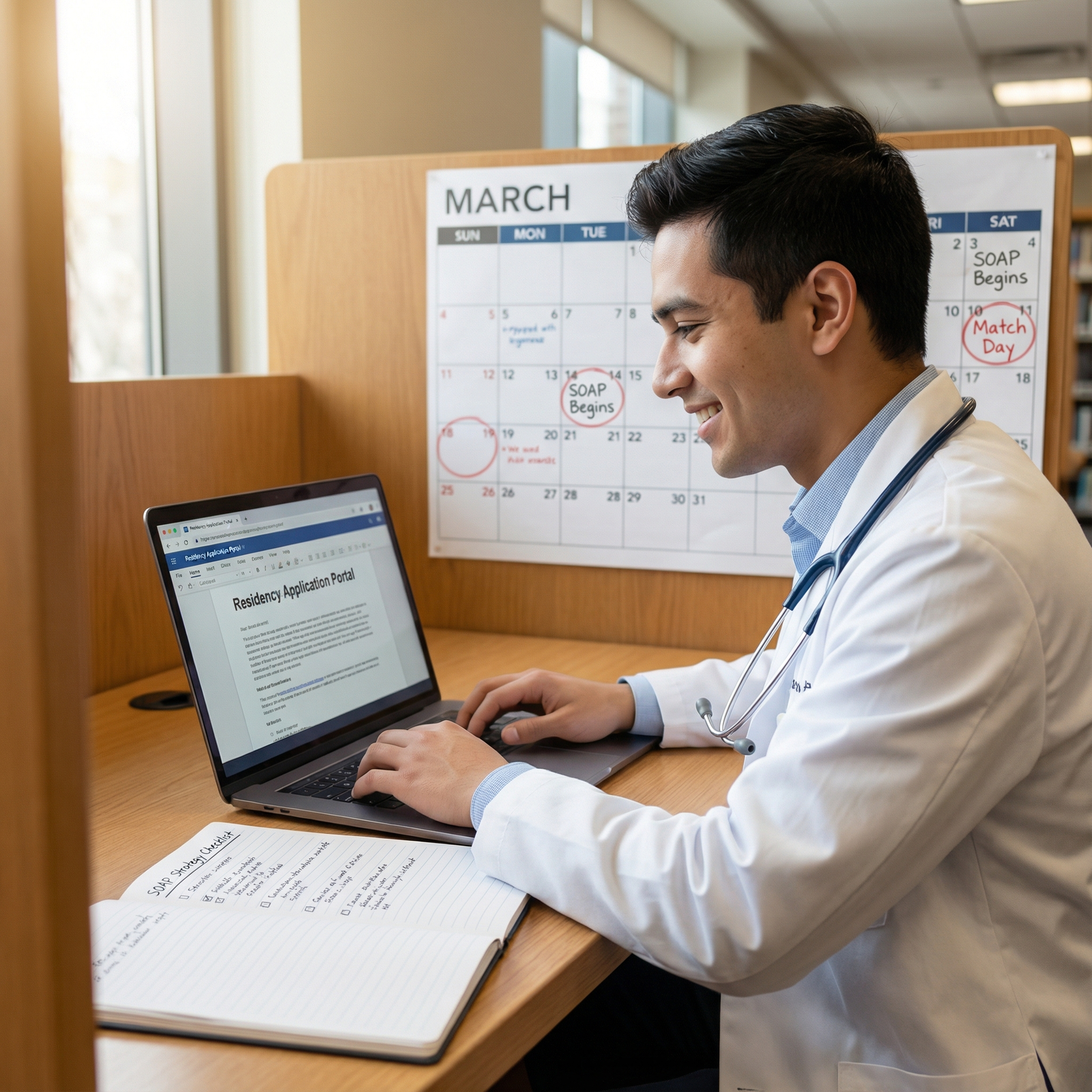
Understanding SOAP for IMGs Aiming at Diagnostic Radiology
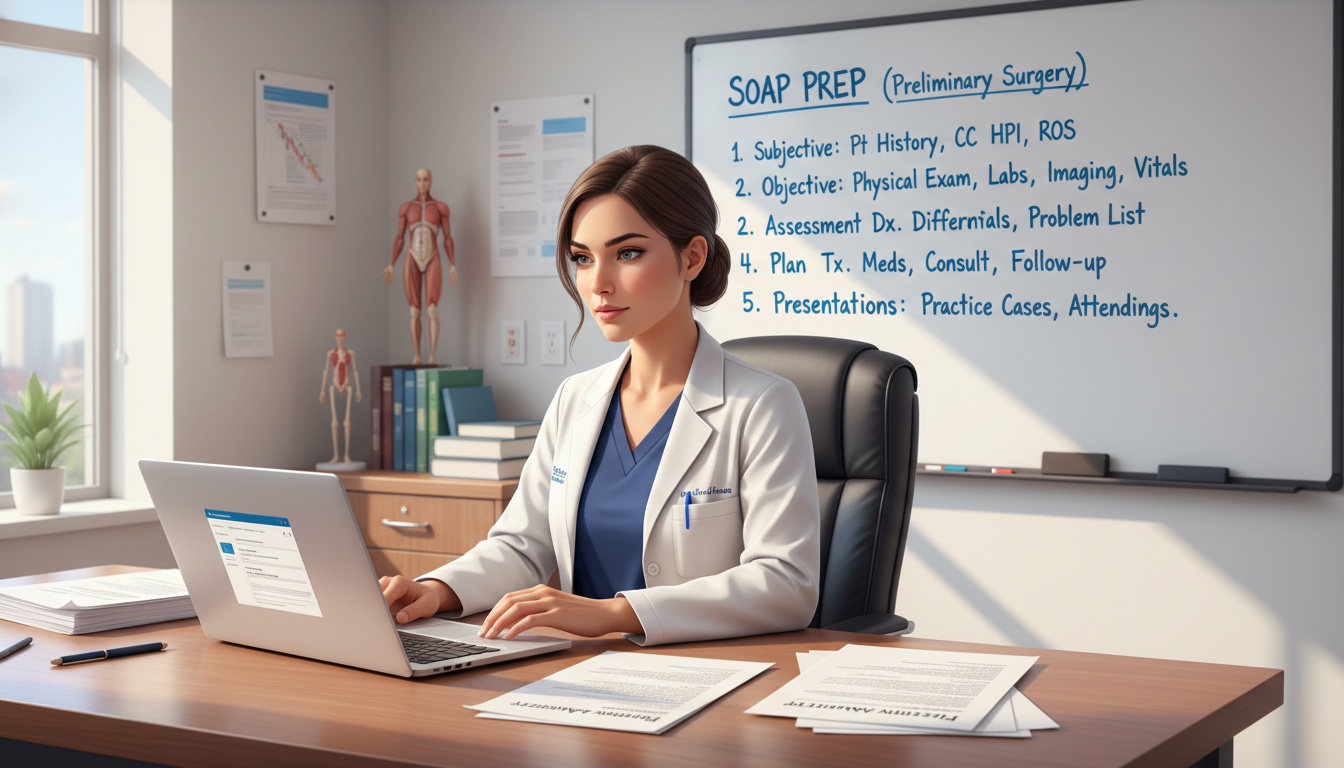
The Supplemental Offer and Acceptance Program (SOAP) is the structured process that allows unmatched applicants to obtain residency positions that remain unfilled after the Main Residency Match. For an international medical graduate (IMG) targeting diagnostic radiology, SOAP can be both an opportunity and a high-pressure emergency plan.
Diagnostic radiology is among the more competitive specialties in the U.S. Matching into a categorical or advanced radiology residency as an IMG is challenging, and many talented applicants do not initially match. That is where a strategic IMG residency guide to SOAP becomes essential.
In this article, we will cover:
- What SOAP is and how it works for IMGs
- Why diagnostic radiology is unique in the SOAP context
- A detailed, step-by-step SOAP preparation plan
- How to adapt your strategy if radiology positions are scarce
- Communication strategies, common mistakes, and FAQs
Throughout, the focus is on practical, actionable SOAP preparation tailored for IMGs with a strong interest in diagnostic radiology.
What Is SOAP? Core Concepts Every IMG Must Know
Before you can prepare effectively, you must clearly understand: what is SOAP, how it functions, and what it is not.
Key Definitions and Timeline
SOAP (Supplemental Offer and Acceptance Program) is:
- Run by the NRMP during Match Week
- The only legal pathway for unmatched or partially matched candidates to obtain unfilled positions during that week
- A structured, time‑limited process with multiple offer rounds
Typical sequence (exact dates vary by year):
- Monday 10:00 a.m. ET – Applicants learn if they are matched, partially matched, or unmatched.
- Monday 11:00 a.m. ET – List of unfilled programs becomes available in the NRMP R3 system.
- Monday 3:00 p.m. ET – SOAP application window opens in ERAS.
- Monday–Thursday – Programs review applications, perform interviews (often virtual, short, and rapid), and submit their preference lists.
- Offer Rounds (usually up to 4) – Offers are released in timed rounds; you can accept or reject but must follow NRMP rules strictly.
Who Is SOAP-Eligible?
You must meet all NRMP SOAP eligibility criteria:
- Registered for the Main Match
- Unmatched or partially matched at 11:00 a.m. ET on Monday of Match Week
- Eligible to start training on July 1 (credentialing, visas, ECFMG certification timelines, etc.)
- Not holding a position outside of NRMP/ERAS that violates the Match Participation Agreement
As an international medical graduate, check carefully:
- ECFMG Certification (or expected by program start date)
- USMLE requirements – most radiology or transitional/preliminary year programs will require:
- Step 1 (pass)
- Step 2 CK (score increasingly scrutinized)
- Visa status – whether you need J‑1 or H‑1B, and what each program can sponsor
If you are unsure about your status, contact ECFMG and review NRMP documents well before Match Week.
What SOAP Is Not
- It is not a second, relaxed version of the Main Match. Competition can be just as intense.
- It is not an unregulated job market—there are strict communication and offer rules.
- It is not the time to start building your application from scratch; SOAP rewards those who prepared months in advance.
Diagnostic Radiology and SOAP: Setting Realistic Expectations
The Realities of Radiology Residency in SOAP
Diagnostic radiology is a competitive field with:
- Limited number of PGY-2 (R1) radiology positions
- Strong applicant pool (often high USMLE scores, significant research, and U.S. clinical experience)
- Many positions filling completely during the Main Match
In some years, very few or no diagnostic radiology programs appear on the SOAP vacancy list. In others, a small number might be available—often in specific geographic or institutional settings.
This has critical implications for SOAP preparation:
- You cannot rely on SOAP to “rescue” a radiology-only strategy.
- You should consider backup specialties or transitional/preliminary programs that keep the radiology pathway open.
- Your SOAP list may include:
- Transitional year (TY) programs
- Preliminary medicine or surgery
- Internal medicine, family medicine, or other fields as longer-term alternatives
- Rare radiology positions (if available)
Understanding Radiology Training Structure
Most diagnostic radiology programs are advanced positions (PGY‑2 entry). This means:
- You must complete a clinical PGY‑1 year (often in internal medicine, surgery, transitional year, or a prelim program).
- If you aspired to radiology but did not match into an advanced position, securing a high-quality PGY‑1 spot through SOAP can still be a strategically valuable win.
For example:
- You did not match radiology (PGY‑2), but you secure a transitional year in SOAP.
- You then strengthen your CV, network with radiologists, and re‑apply for radiology PGY‑2 positions in a future cycle.

Pre-SOAP Preparation: What To Do Months Before Match Week
The most effective SOAP preparation happens well before you know whether you are unmatched. As an international medical graduate focusing on diagnostic radiology, treat SOAP like a structured backup plan rather than a last-minute scramble.
1. Analyze Your Radiology Residency Profile Honestly
To build a realistic IMG residency guide for yourself, evaluate:
- USMLE performance:
- Step 1: Pass (if numerical, how competitive?)
- Step 2 CK: For radiology, competitive programs often see > 240–245; SOAP internal medicine or FM may accept lower, but each program is different.
- ECFMG Certification timeline
- U.S. clinical experience (USCE), especially in:
- Internal medicine
- Surgery
- Any radiology observerships or electives
- Research, especially in imaging, e.g.:
- Radiology case reports
- Retrospective imaging studies
- Quality improvement projects involving imaging protocols
- Red flags:
- Attempts on USMLE
- Gaps in training
- Limited clinical exposure
Honest self-assessment helps you decide:
- Whether to focus your SOAP efforts mainly on categorical non-radiology specialties (e.g., internal medicine, family medicine)
- Whether to push for a transitional/prelim year with the intent to reapply to diagnostic radiology later
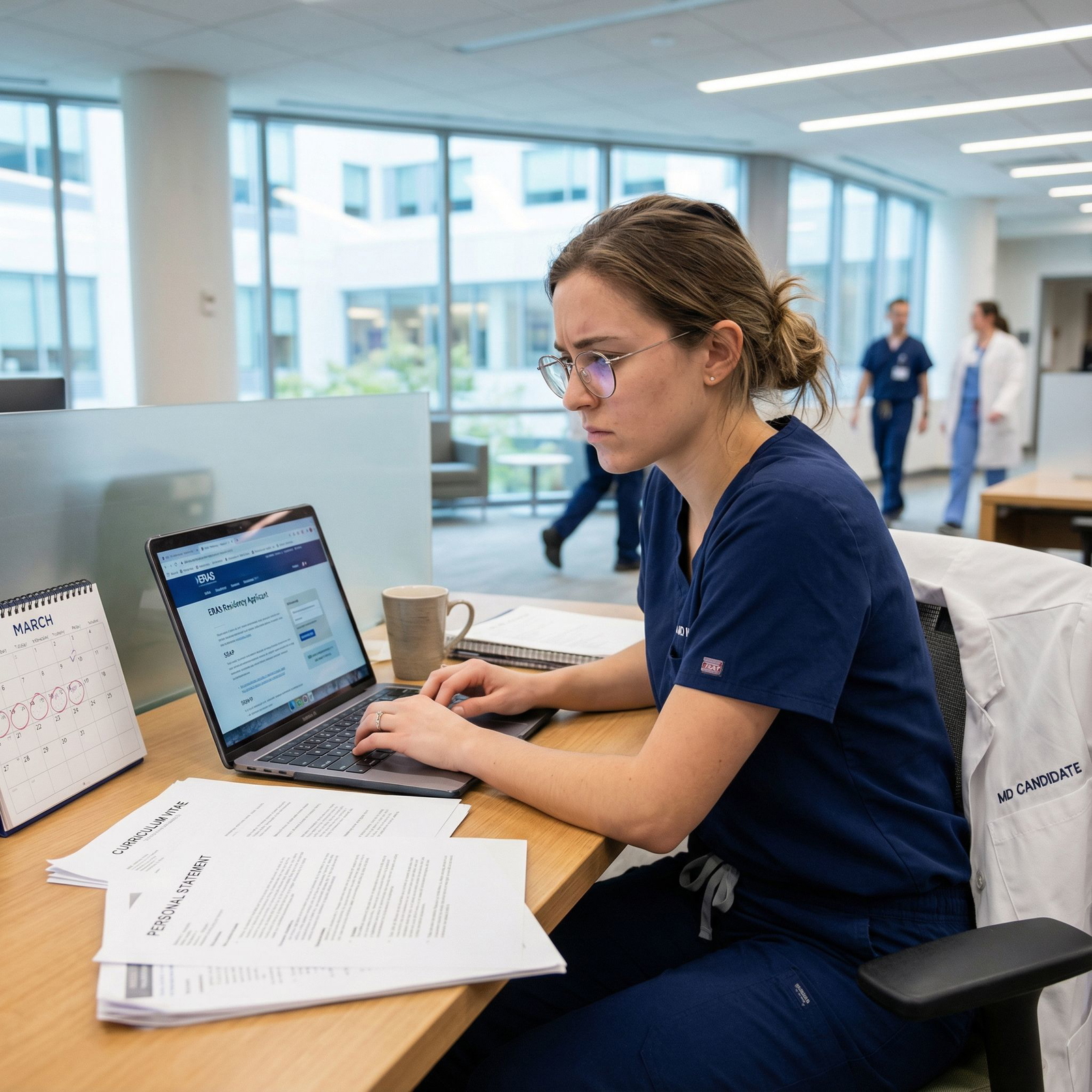
2. Update and Tailor Your ERAS Materials for SOAP
Your ERAS application is used for both the Main Match and SOAP. However, for SOAP, you can adjust:
- Personal statements
- Program signaling (if applicable in your cycle)
- Letters selection
Prepare multiple versions in advance:
Radiology-focused personal statement
- Emphasize your passion for imaging, pattern recognition, technology, and multidisciplinary care.
- Highlight radiology research, imaging electives, or teleradiology exposure in your home country.
Internal Medicine / Transitional Year–focused personal statement
- Emphasize clinical bedside skills, continuity of care, teamwork, and adaptability.
- Frame your interest so it still aligns with a potential future radiology career (e.g., love of diagnostic reasoning, complex cases).
General backup specialty statement (e.g., family medicine, pediatrics) if you are open to broader SOAP options.
Important: Keep your narrative authentic. It is acceptable to convey long-term interest in radiology while expressing genuine respect for and commitment to the backup specialty.
3. Organize Letters of Recommendation (LoRs) Strategically
For SOAP, programs often review applications extremely quickly. Make it as easy as possible for them to see strong support for you.
- Aim for at least:
- 1–2 clinical LoRs (medicine or surgery)
- 1 radiology LoR (if possible)
- Ask letter writers to comment on:
- Your communication skills and reliability (crucial in any residency)
- Your ability to learn quickly and handle responsibility
- Your cultural adaptability as an IMG
For non-radiology SOAP targets, you might change which letters are assigned to specific programs:
- Medicine-focused LoRs → Internal medicine SOAP programs
- Radiology LoRs → Rare radiology openings or prelim/transitional years with a radiology-friendly environment
4. SOAP Preparation: Building Your Program Strategy
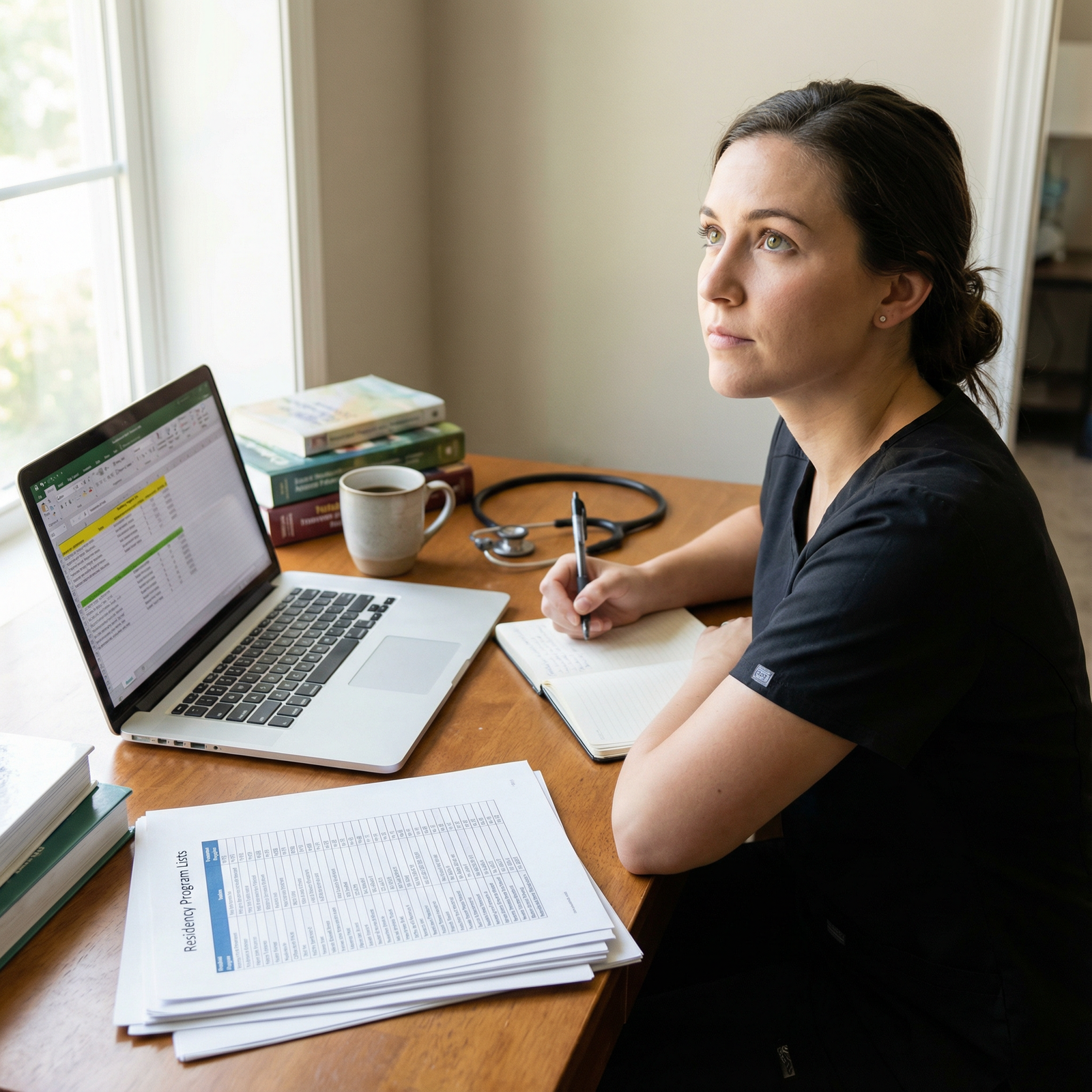
Begin creating a SOAP program spreadsheet months before Match Week, even though you won’t know exactly which programs have vacancies.
Include:
- Program name, ACGME code, and type (transitional, prelim IM, prelim surgery, categorical IM, FM, etc.)
- Past history of SOAP participation (if you can gather this from forums or program websites)
- Notes on visa sponsorship (J‑1, H‑1B; many IMGs are J‑1)
- Your interest level and any prior contact with faculty or program leadership
This forward planning helps you act quickly once the unfilled positions list appears.
Executing Your SOAP Strategy: Match Week Playbook for IMGs
When you discover you are unmatched or partially matched, emotions can be intense. Prepare a structured SOAP residency playbook to keep your actions organized and focused.
1. Immediate Steps on Monday of Match Week
- Control your reaction. Take a short break, breathe, and remember that many successful physicians did not match on their first attempt.
- Confirm SOAP eligibility in NRMP/ERAS and via ECFMG (if needed).
- Access the Unfilled Positions List once released:
- Filter by specialty, state, and program type
- Specifically look for:
- Diagnostic radiology PGY‑2 positions (rare)
- Transitional year programs
- Preliminary IM or surgery programs
- Categorical internal medicine or family medicine (depending on your openness)
2. Decide How “Radiology-Focused” Your SOAP Strategy Will Be
You generally have room to apply to up to 45 programs during SOAP (check the current ERAS limit). You must decide how to distribute these applications.
For an IMG with a strong but realistic profile:
If there are radiology SOAP positions:
- Apply to every radiology program you are reasonably eligible for, regardless of location.
- Add transitional and prelim programs that can serve as a stepping stone to radiology re-application.
If there are few or no radiology positions:
- Prioritize transitional year and preliminary medicine positions, especially at institutions that also have a radiology department.
- Augment with categorical internal medicine/family medicine positions if your long-term plan might include diagnostic radiology via alternative pathways (e.g., fellowship, or changing career alignment if radiology doesn’t work out).
In all scenarios, you should aim to use close to the maximum allowed applications, provided you can send tailored materials and not generic, obviously mismatched content.
3. Tailoring Applications Rapidly and Effectively
You may not have time to edit every personal statement in depth for each individual program. Instead, create short, customizable segments in advance:
- A base paragraph for internal medicine (or other backup field)
- A base paragraph describing your IMG background and resilience
- A closing paragraph that expresses specific interest in the type of program (community vs academic, geographic region, patient population)
During SOAP, you can quickly adjust:
- The program’s name/location in your statement
- One or two sentences that link your goals to that program (e.g., “Your hospital’s large immigrant patient population aligns with my experience…”)
Make sure:
- Your radiology-specific statement is only used for radiology or radiology-adjacent programs.
- You avoid sending a radiology-centric statement to a family medicine program—it appears unfocused and harms your credibility.
4. Managing Communication Rules During SOAP
NRMP enforces strict rules about communication during SOAP to keep the process fair:
- Programs may contact you after receiving your application to schedule interviews or request additional information.
- You may not initiate contact with programs about unfilled positions before they reach out (verify current year rules, but historically unsolicited calls/emails are restricted).
- You can, however, continue normal professional communication with previous contacts that is not directly about unfilled positions (e.g., thanking someone for mentorship), but avoid asking them for SOAP positions specifically.
If a program contacts you:
- Respond promptly and professionally.
- Confirm the time zone for interviews.
- Clarify if they prefer Zoom, Microsoft Teams, or phone.

Acing SOAP Interviews and Offers as an IMG Focused on Radiology
SOAP interviews are usually brief and focused. You may only get 10–20 minutes to make an impression.
1. Common SOAP Interview Themes
Expect questions around:
- Why are you interested in our program and this specialty?
- Why did you not match? What have you learned from that experience?
- How would you handle the intensity and pace of our program?
- Tell me about a difficult patient interaction or clinical challenge.
- What is your longer-term career goal? (For you: how you see radiology fitting, or how you’ll be satisfied if you’re entering another specialty.)
For IMGs, there may be additional questions:
- Visa status and timeline
- Adaptation to U.S. clinical culture
- Communication skills with patients and teams
2. Balancing Radiology Ambition and SOAP Opportunity
If you are interviewing for non-radiology SOAP positions (e.g., internal medicine):
- Be honest but strategic. For example:
- “My original goal was diagnostic radiology because I love imaging-based diagnosis, but throughout my clinical rotations I have enjoyed direct patient care and complex internal medicine cases. If I join your program, I am fully committed to being a strong internal medicine resident for the full duration.”
Avoid sounding like you view the specialty or program as a temporary or inferior option, even if your long-term plan is to revisit radiology.
If you are interviewing for transitional or preliminary programs:
- Emphasize that you:
- Want to build a robust foundation in clinical medicine
- Understand the importance of PGY‑1 skills for future radiology performance
- Intend to be an enthusiastic and reliable team member, not someone waiting passively for a PGY‑2 switch.
3. Answering the “Why Didn’t You Match?” Question
Prepare a concise, non-defensive answer:
- Focus on systemic factors and competitive nature of radiology rather than personal excuses.
- Example for a radiology-focused IMG:
- “Diagnostic radiology is extremely competitive, and while my application had strengths in research and clinical performance, my USMLE score was slightly below the average of matched applicants. I also applied primarily to radiology with fewer backup options. I’ve learned the importance of diversification and am now fully focused on securing a strong clinical position where I can contribute and grow.”
End with a growth mindset: what you have done or will do to improve.
4. Navigating SOAP Offers Wisely
SOAP offers come in rounds. For each round:
- If you receive one offer: You may accept or reject it (if you reject, you cannot receive that position again in later rounds).
- If you receive multiple offers in a round: You can accept only one.
- Once you accept an offer, you are legally bound to that position and cannot receive additional SOAP offers.
For an IMG prioritizing future radiology options:
- A transitional year or prelim IM in a strong academic center may be very valuable, especially if that center has a radiology residency.
- A categorical internal medicine position can also be an excellent long-term pathway, either to radiology-related subspecialties (e.g., cardiology with imaging focus) or a satisfying non-radiology career.
Do not reject a solid offer from a respectable program in the hope that a radiology slot will appear in a later round—this is usually unrealistic. Focus on guaranteed progression and training.
After SOAP: Leveraging Your Position for Future Radiology Opportunities
Whether you secure a radiology-adjacent PGY‑1 through SOAP or match into another specialty, you should think strategically about your long-term diagnostic radiology match prospects.
If You Matched a Transitional or Preliminary Year
During that year:
- Network with radiology faculty and residents at your institution.
- Seek opportunities to:
- Attend radiology conferences or noon conferences
- Participate in simple imaging-related research or QI projects
- Shadow in the radiology reading room when free time allows
- Maintain excellent evaluations in your core rotations—radiology PDs want residents who are clinically strong and reliable.
You can then re-enter the diagnostic radiology match in the following cycle, now with:
- U.S. residency performance data
- Possibly stronger letters from U.S. faculty (including radiologists)
- A better understanding of the system as an IMG
If You Matched a Categorical Non-Radiology Program
Decide whether:
- You are committed to this specialty long term, incorporating imaging interests where possible (e.g., point-of-care ultrasound, nuclear cardiology).
- You still wish to pursue radiology later, recognizing that switching specialties is challenging and may require:
- Strong PD support
- Open radiology positions
- Willingness to re-enter the match and possibly repeat years
In either case, make the most of your training:
- Build strong clinical foundations
- Keep learning imaging interpretation relevant to your field
- Preserve professional relationships with radiologists
Frequently Asked Questions (FAQ)
1. As an IMG, is it realistic to get diagnostic radiology through SOAP?
Radiology positions in SOAP are rare and highly competitive. While not impossible, it is usually unrealistic to rely solely on SOAP to secure radiology as an IMG. Treat SOAP as a chance to secure a PGY‑1 or alternative specialty position, keeping radiology as a long-term goal if desired.
2. How many SOAP applications should I dedicate to radiology vs backup programs?
If any radiology positions are listed, apply to all for which you’re eligible, but understand they will likely be few. The majority of your up to 45 SOAP applications should go to transitional, prelim, and categorical programs that you would genuinely join. Radiology is your aspiration; SOAP stability is your priority.
3. Can my personal statement mention radiology if I’m applying to internal medicine or family medicine in SOAP?
Yes, but carefully. It is acceptable to mention a prior interest in radiology as part of your story, but your SOAP personal statement for internal or family medicine must convincingly express genuine interest and commitment to that specialty. Avoid making it sound like you are using them only as a temporary stepping stone.
4. What is the most important aspect of SOAP preparation for an IMG targeting radiology?
The most critical factor is early, realistic planning:
- Prepare multiple personal statements and letters tailored to different specialties.
- Build a spreadsheet and strategy for backup programs.
- Mentally accept that a strong non-radiology or radiology-adjacent PGY‑1 obtained through SOAP can be a major success for your long-term goals.