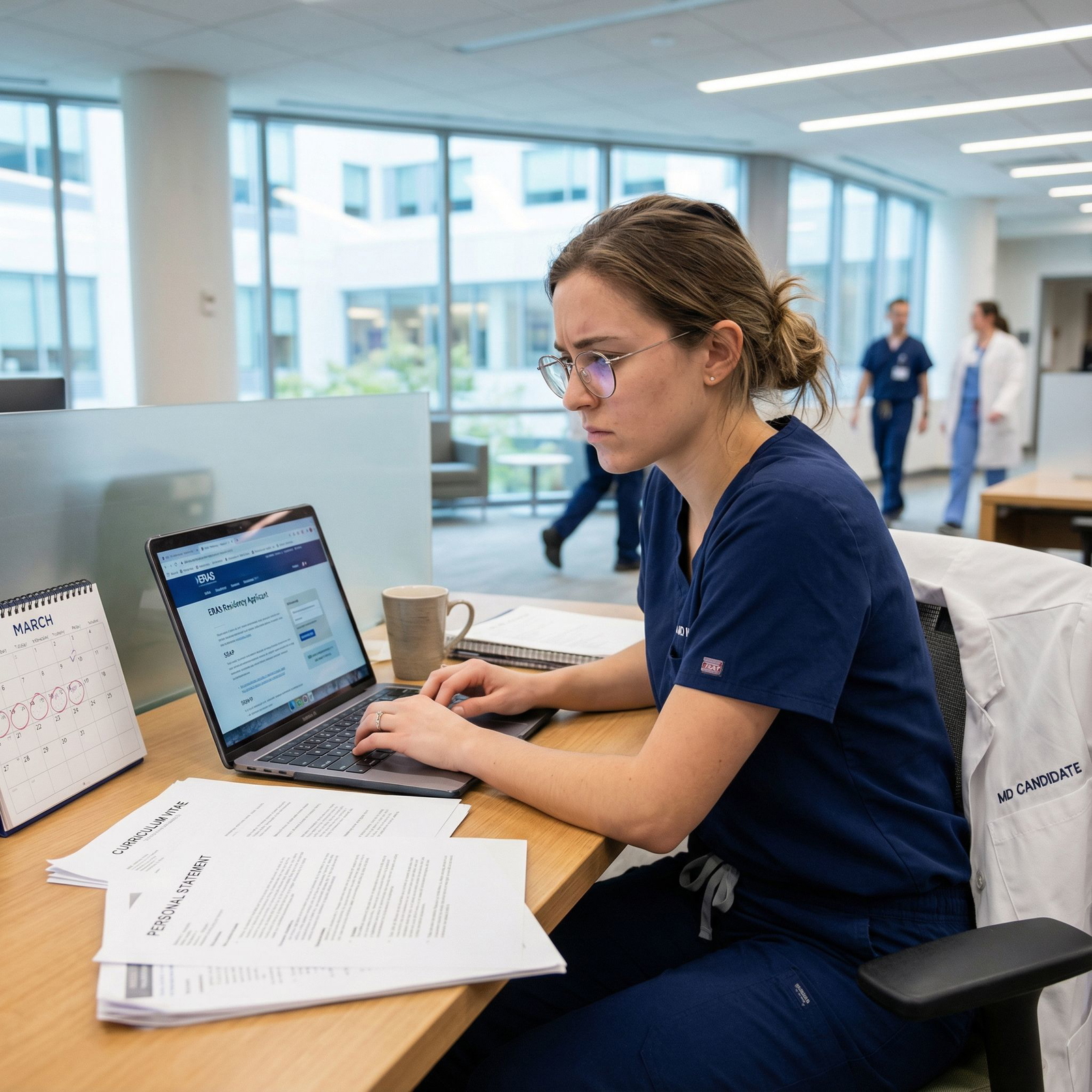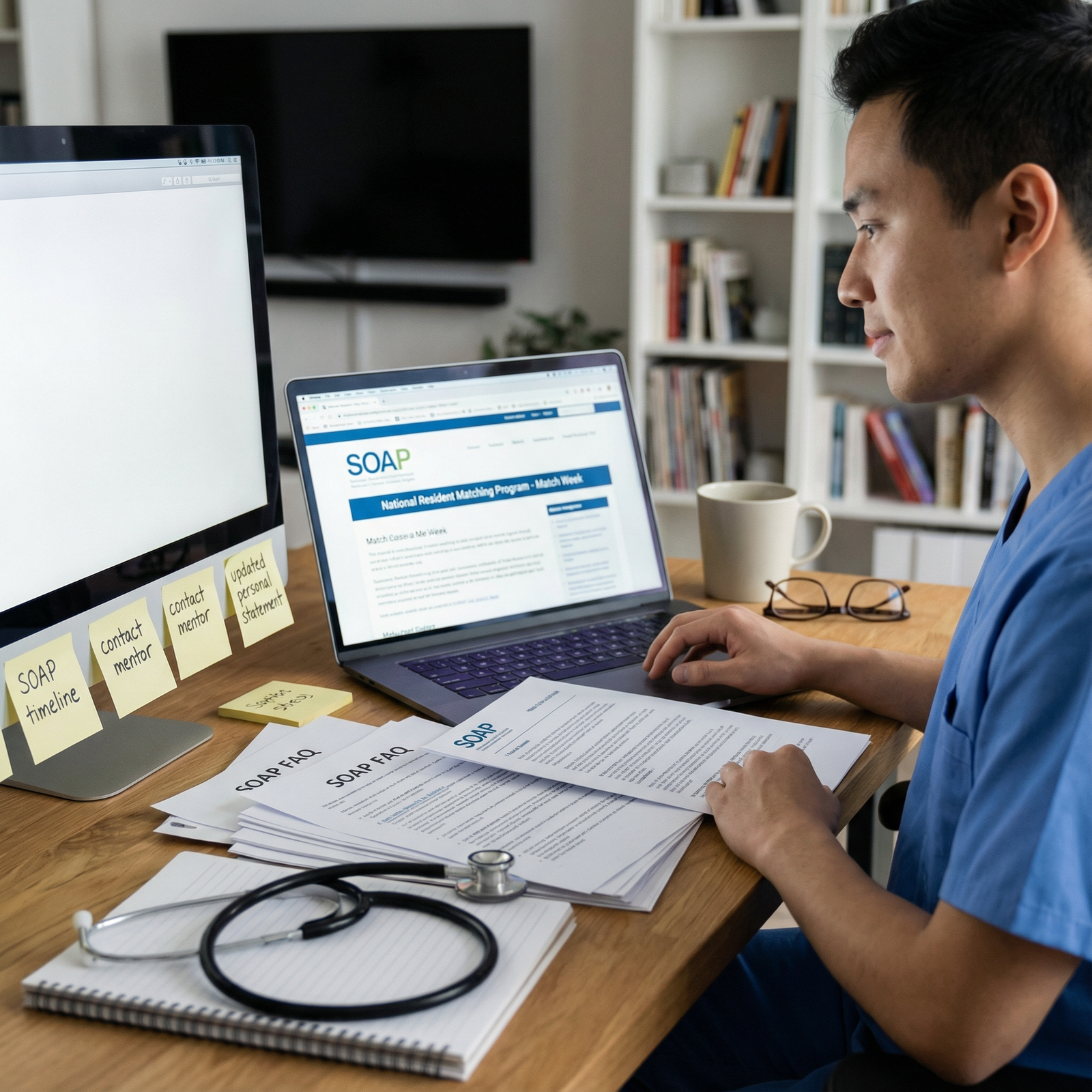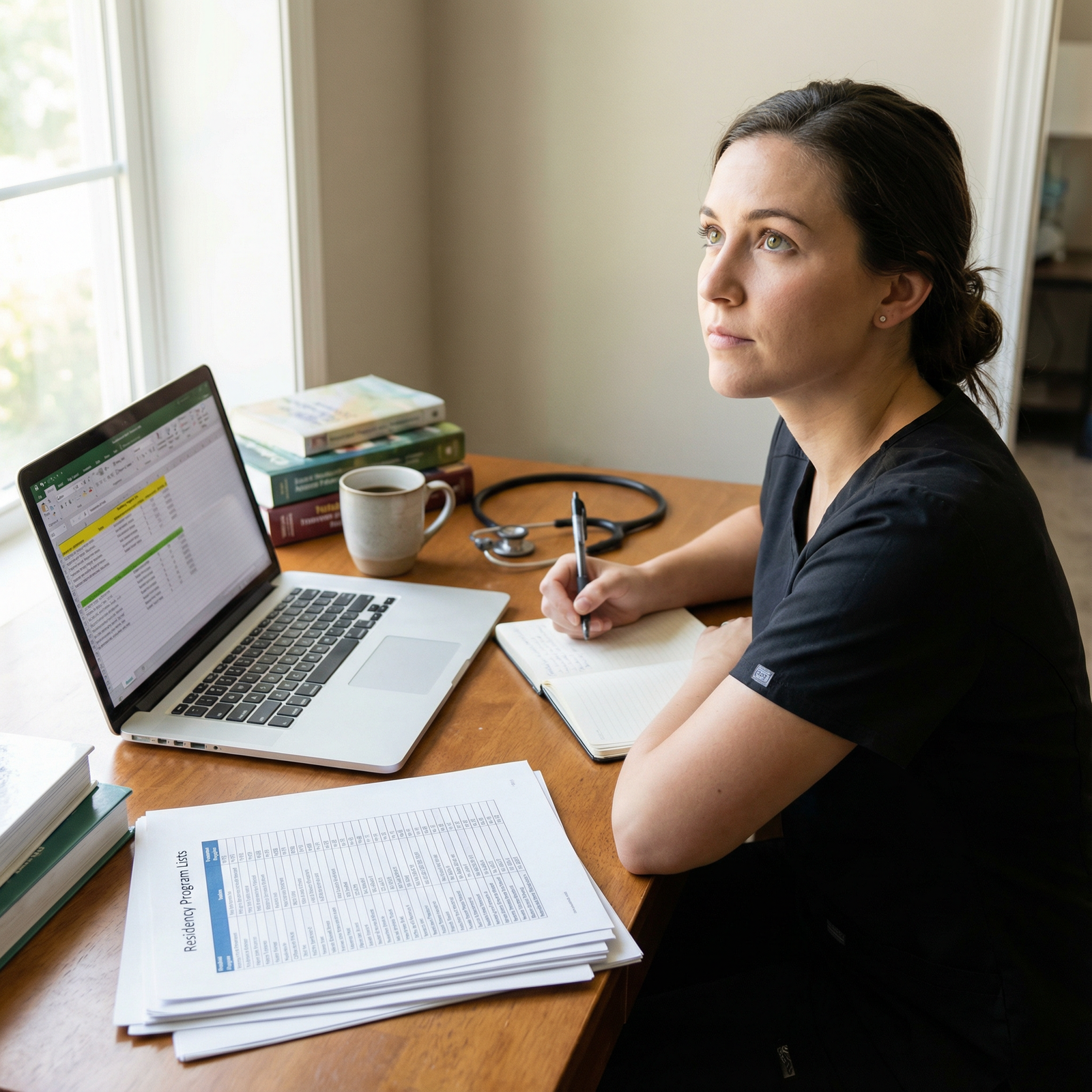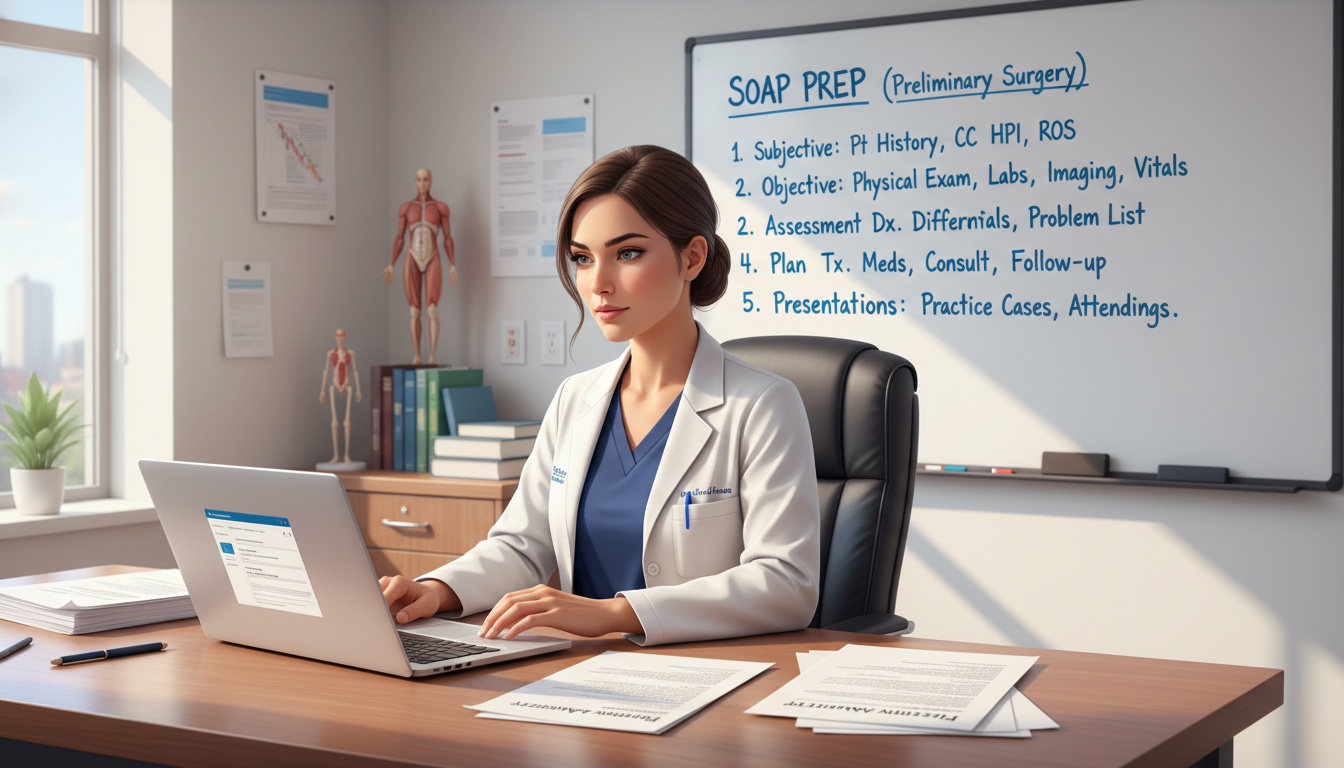
Preparing for the Supplemental Offer and Acceptance Program (SOAP) is both a safety net and a strategic opportunity—especially if you are an MD graduate interested in Clinical Informatics. Whether you trained at an allopathic medical school in the U.S. or abroad, thoughtful SOAP preparation can dramatically change your trajectory, opening doors not only to categorical residency positions but also to future paths like a Clinical Informatics fellowship and health IT leadership roles.
Below is a comprehensive guide tailored specifically for MD graduates with an eye toward Clinical Informatics: how to prepare for SOAP, how to navigate it in real time, and how to use the experience to build toward a career in data-driven healthcare and health IT training.
Understanding SOAP: What It Is and Why It Matters for Informatics-Oriented MDs
Before you can prepare well, you need to be crystal clear on what is SOAP and how it fits into the broader allopathic medical school match process.
What Is SOAP?
SOAP (Supplemental Offer and Acceptance Program) is a structured process run by the NRMP during Match Week for eligible unmatched or partially matched applicants. In brief:
- It occurs Monday–Thursday of Match Week.
- It allows applicants who did not secure a position in the main allopathic medical school match (or only partially matched) to apply to unfilled, NRMP-participating residency positions.
- Programs review new applications and issue offers in several rounds.
- Applicants can accept or reject offers, but once an offer is accepted, it’s binding.
SOAP is not a scramble; it’s a centralized, time-limited, rules-driven process.
For a Clinical Informatics–interested MD graduate, SOAP is a chance to:
- Secure a solid clinical foundation in a residency that will later qualify you for a Clinical Informatics fellowship.
- Target programs and specialties that value health IT, data analytics, and systems improvement.
- Keep your long-term informatics goals alive even if the initial match outcome was disappointing.
Why SOAP Is Strategically Important for Clinical Informatics
To become a Clinical Informatics physician in the U.S., you generally must:
- Complete an ACGME-accredited primary residency (e.g., Internal Medicine, Pediatrics, Emergency Medicine, Family Medicine, Pathology, etc.).
- Then pursue a Clinical Informatics fellowship (ACGME-accredited) or alternative pathways as the field evolves.
If you go unmatched or partially matched, missing this critical first step threatens the entire trajectory. Effective SOAP preparation:
- Protects your eligibility for future Clinical Informatics fellowship applications.
- Allows you to pivot to residencies with strong quality improvement (QI), EHR optimization, data analytics, and health IT exposure.
- Keeps you within the “pipeline” of informatics-friendly institutions, even if you didn’t match into your first-choice specialty or program.
Pre-Match SOAP Preparation: What to Do Months Before Match Week
SOAP preparation should begin well before Match Week—ideally by late fall or early winter of your application year. This section focuses on concrete steps a Clinical Informatics–oriented MD can take in advance.
1. Clarify Your Long-Term Informatics Goals
Even if your immediate goal is “get a residency spot,” you should still be explicit about your informatics ambitions:
- Are you aiming for a Clinical Informatics fellowship at an academic medical center?
- Are you more interested in health IT training leading to industry roles (EHR vendors, health tech startups, payer systems)?
- Do you want to become a CMIO (Chief Medical Information Officer) or director of quality and safety?
Write a 1–2 paragraph “career statement” for yourself:
- Why Clinical Informatics?
- How will a strong clinical foundation enable that?
- Which types of programs or specialties best position you for this path?
You’ll use these points to quickly adapt personal statements and answer interview questions during SOAP.
2. Identify “Informatics-Friendly” Core Specialties
Because Clinical Informatics is a subspecialty, your immediate SOAP goal is a primary residency. The best fits typically include:
- Internal Medicine: Excellent for future CI fellowship; broad exposure to EHR, chronic disease management, population health.
- Pediatrics: Strong for CI, especially in organizations with large children’s hospitals and robust data systems.
- Emergency Medicine: Heavy EHR use, operational metrics, and real-time data—highly relevant to informatics.
- Family Medicine: Population health, outpatient workflows, telehealth, and community health IT initiatives.
- Pathology: Deep integration with lab information systems, digital pathology, and analytics.
Other possibilities (depending on your background and interest):
- Psychiatry, Neurology, Anesthesiology: Less common but still viable paths toward CI in some settings.
Before SOAP, list 2–3 primary specialties you’d be comfortable entering that would still keep you eligible and competitive for a future Clinical Informatics fellowship.
3. Build an Informatics-Forward Application Profile
As an MD graduate interested in Clinical Informatics, you want your application to reflect that clearly—but without appearing so narrow that programs fear you’ll leave clinical practice.
Update and refine:
CV
- Highlight EHR-related experiences (EPIC, Cerner, Meditech, etc.).
- Include quality improvement projects using data dashboards, process mapping, or workflow redesign.
- Add any participation in health IT training, hackathons, digital health electives, or data science courses.
- Emphasize cross-disciplinary work (with IT, data analysts, pharmacists, nursing).
Personal Statement (Core + SOAP-ready variants)
- Core version: Balanced narrative of clinical passion + systems thinking + data-driven improvement.
- SOAP-ready variants: Briefly tailored to IM, FM, EM, Peds, etc., still keeping an informatics thread.
- Avoid sounding like you’re only interested in tech and not patient care.
Letters of Recommendation
- Aim for at least one letter that references your strengths in:
- Clinical reasoning and reliability.
- Comfort with EHR, analytics, or informatics innovation.
- If possible, a letter from someone involved in your institution’s informatics, QI, or EHR governance is particularly powerful.
- Aim for at least one letter that references your strengths in:
4. Understand SOAP Mechanics and Eligibility
You must be NRMP-eligible for SOAP. Confirm:
- You registered for the NRMP Main Match.
- You are eligible for U.S. residency training (ECFMG certification for IMGs, appropriate visas, etc.).
- You understand ERAS’s SOAP rules (e.g., application limits during SOAP rounds).
Well before Match Week:
- Review the official NRMP and ERAS SOAP guides.
- Watch webinars or videos specifically about SOAP.
- Check your ERAS account details are complete and updated (documents, transcripts, USMLE scores).

Strategic Planning for Informatics-Oriented SOAP Targets
When SOAP opens, you will receive the list of unfilled programs. Your success will depend on how quickly and strategically you can respond.
1. Rapid Triage of Available Programs
As soon as the unfilled list is available:
- Filter by specialty that aligns with your informatics path (IM, FM, EM, Peds, Pathology, etc.).
- Flag programs at:
- Academic medical centers.
- Large health systems.
- Institutions known for EHR innovation, population health, or research.
- Look for signs of an informatics ecosystem:
- Existing Clinical Informatics fellowship at the institution.
- Departments of Biomedical Informatics, Health Information Management, or Health Services Research.
- Publications in informatics, digital health, or health services.
Create three tiers:
Tier 1: Informatics-rich academic programs
Even if competitive, they are worth prioritizing for your limited application slots.Tier 2: Solid clinical training in large systems
May not have a formal CI fellowship but use modern EHRs and quality infrastructure.Tier 3: Smaller or more community-focused programs
Consider if they still offer strong clinical training and some scope for QI or EHR projects.
Remember: in SOAP, you must balance realism with aspiration. Don’t only apply to dream programs.
2. Aligning Applications with Informatics Without Overshadowing Clinical Focus
Your SOAP application materials should:
Emphasize:
- Commitment to excellent, hands-on clinical care.
- Desire to use data and technology to improve patient outcomes and workflows.
- Evidence of teamwork and adaptability in evolving clinical systems.
Avoid:
- Suggesting you view residency as just a stepping stone to tech or industry.
- Overemphasizing your preference for remote/IT work over bedside care.
- Coming across as uninterested in core clinical duties like night shifts, continuity clinic, or inpatient coverage.
A good framing statement for your SOAP personal statement:
“My long-term goal is to become a physician who not only provides high-quality, compassionate care, but also helps design and improve the systems that support that care. A strong foundation in [Internal Medicine/Family Medicine/etc.] is essential for this, and I am specifically interested in programs where I can engage in quality improvement, EHR optimization, and data-informed clinical practice.”
3. Preparing SOAP-Specific Personal Statement Adaptations
During SOAP, you cannot rewrite from scratch at every step, but you can prepare:
Generic SOAP PS
- Brief, 500–700 words.
- Focus on why you’re committed to residency training and patient care, with a secondary informatics angle.
Specialty-specific versions
- One for IM, one for FM, one for EM, etc.
- Keep 80% the same; adjust 20% to highlight:
- For IM: Chronic disease, complex inpatient care, population-level data.
- For EM: Throughput, operations, decision-support tools.
- For FM: Outpatient workflows, continuity care, population health, telemedicine.
Have these saved and ready to upload as needed when SOAP opens.
4. Communicating Partial Match or Prior Non-Match
If you previously went unmatched or are in SOAP after not matching this year:
- Own it briefly and constructively:
- Emphasize what you’ve learned.
- Highlight additional clinical or informatics experiences gained since.
- Avoid blaming prior programs, the system, or exam scoring.
For example:
“Although I did not match in the main cycle, I used the time to further strengthen my clinical experience and deepen my involvement in quality improvement initiatives, which confirmed my commitment to residency training and a future in Clinical Informatics.”
Execution During Match Week: Step-by-Step SOAP Preparation in Real Time
Match Week is high-stakes and emotionally intense. A structured plan will allow you to perform at your best.
1. Monday Morning: Processing the Unmatched/Partially Matched Notification
If you receive notice that you are unmatched or partially matched:
- Take 30–60 minutes to:
- Process the disappointment.
- Talk briefly with a trusted mentor, advisor, or peer.
- Recommit to your long-term Clinical Informatics goals.
Then switch into action mode:
- Contact your medical school’s advising office (or ECFMG/mentors if you’re an IMG).
- Confirm SOAP eligibility immediately.
- Request help prioritizing programs once the unfilled list is available.
2. Monday: Reviewing the Unfilled List and Submitting ERAS Applications
When the unfilled list appears:
- Sort and filter quickly based on your pre-planned specialty priorities.
- Highlight informatics-friendly institutions (names you recognize from your research).
- Ensure coverage across:
- Different geographic regions.
- A realistic range of competitiveness.
- Upload or assign:
- Appropriate personal statements.
- Specialty-relevant LoRs.
- Updated CV.
Track everything in a simple spreadsheet:
- Program name, specialty, tier, applied (Y/N), contact info, informatics notes.
3. Preparing for SOAP Interviews: Informatics-Focused Talking Points
SOAP interviews are often shorter and more focused than standard interviews—some may even be informal phone or video calls.
Be ready to answer:
- “Why are you interested in our program, and why now (via SOAP)?”
- “What did you learn from not matching in the main allopathic medical school match?”
- “How do your interests in Clinical Informatics fit with residency training?”
For informatics:
- Emphasize synergy:
- “I see informatics as a way to amplify the impact of sound clinical judgment, not as a replacement for it.”
- Show you understand time constraints:
- You plan to engage in manageable QI/informatics projects without sacrificing clinical responsibilities.
- Mention specific experiences:
- EHR optimization committee participation.
- Data registry or QI projects where you analyzed outcomes or workflow metrics.
- Health IT training or courses you’ve completed.
4. Managing Offers and Rounds
SOAP involves multiple offer rounds. Key principles:
- Before offers arrive, rank your realistic preferences.
- When you receive an offer:
- Compare it to your list: clinical quality, informatics potential, location, visa/orientation constraints.
- Remember: Accepting an offer ends your participation in SOAP.
- A good, informatics-friendly IM or FM program is often better than holding out for an ideal-but-uncertain niche opportunity.
For a Clinical Informatics–oriented MD graduate, a solid primary residency where you can later apply for a CI fellowship is almost always the right choice over continuing uncertainty.

Maximizing Informatics Opportunities After SOAP: Turning a SOAP Match into a Future CI Career
Once you secure a residency through SOAP, the next step is to intentionally cultivate your Clinical Informatics trajectory throughout training.
1. Early Residency: Establish Yourself as a Strong Clinician First
Program directors and future fellowship directors share an expectation:
“A Clinical Informatics fellow must be an excellent clinician first, informatician second.”
In your first year:
- Prioritize:
- Clinical proficiency.
- Reliability, teamwork, and communication.
- Being teachable and humble.
- Avoid:
- Being perceived as more interested in computers than patients.
- Overcommitting to informatics projects at the expense of patient care.
Strong evaluations and board eligibility are essential prerequisites for a Clinical Informatics fellowship.
2. Seeking Out Local Informatics Mentors and Projects
Within your residency program:
- Ask your program director or chief residents:
- “Who oversees our EHR implementation or clinical informatics efforts?”
- “Does our institution have a Clinical Informatics fellowship or Chief Medical Information Officer?”
Once you identify potential mentors:
- Request a brief meeting to:
- Introduce your interest in Clinical Informatics.
- Ask about ongoing projects (order set optimization, CDS tools, telehealth workflows, data dashboards).
- Volunteer for manageable tasks that fit a resident schedule.
Examples of resident-appropriate informatics/QI projects:
- Improving the accuracy of problem lists or medication reconciliation using EHR tools.
- Redesigning documentation templates to reduce clicks/time.
- Creating dashboards for sepsis metrics or readmission rates.
- Implementing or evaluating clinical decision support alerts.
3. Building a Portfolio for Future Clinical Informatics Fellowship Applications
As you progress:
Track your informatics-related accomplishments:
- QI projects with measurable outcomes.
- Participation in EHR governance committees.
- Presentations at hospital QI/informatics meetings or regional conferences.
- Any relevant publications or abstracts.
Consider supplemental health IT training:
- Short courses in data analytics (R, Python, SQL, basic statistics).
- Online courses in clinical informatics or digital health.
- Certificates in leadership, project management, or healthcare quality.
By PGY2–3, you’ll be in a strong position to:
- Apply for a Clinical Informatics fellowship.
- Articulate a coherent narrative:
SOAP → primary residency → robust clinical training + informatics activities → CI fellowship → leadership in health IT.
Common Pitfalls and How to Avoid Them During SOAP
Even well-prepared MD graduates can stumble. Be ready to sidestep these pitfalls.
1. Panic-Driven Applications Without Strategic Focus
Applying indiscriminately to every unfilled program:
- Wastes your limited application slots.
- Increases the odds of landing somewhere misaligned with your goals (or where you’ll be unhappy).
- May lead to poor fit and potential burnout.
Instead:
- Use your pre-planned tier system.
- Still prioritize getting a good clinical home, but with at least some informatics potential.
2. Overemphasizing Technology at the Expense of Clinical Commitment
Residency programs often worry that:
- Applicants with heavy tech interests will leave for industry prematurely.
- Informatics focus might signal less interest in bread-and-butter clinical work.
Counter this by:
- Continually emphasizing your identity as a physician first.
- Framing informatics as a tool to improve care, not escape from it.
- Giving examples where your informatics work directly improved patient outcomes or resident workflows.
3. Neglecting Emotional and Logistical Support
SOAP is exhausting; avoid going through it alone.
- Involve:
- Deans or advisors from your medical school.
- Residents or alumni who have gone through SOAP or non-traditional paths.
- Family or friends for emotional support.
Logistically:
- Ensure stable internet, quiet space, and working webcam/microphone.
- Have a central folder with all documents (CV, PS, LoRs, transcript).
- Keep a running log of all communications with programs.
FAQs: SOAP Preparation for MD Graduates in Clinical Informatics
1. I’m an MD graduate who went unmatched. Does this permanently hurt my chances for a Clinical Informatics fellowship?
Not necessarily. Many successful Clinical Informatics physicians have non-linear pathways. What matters most is:
- Securing strong, accredited primary residency training (often via SOAP).
- Excelling clinically during residency.
- Building a track record of informatics-related projects and leadership.
You may need to explain the unmatched year in future interviews, but if you demonstrate growth, resilience, and clear informatics achievements, it rarely becomes a permanent obstacle.
2. Which residency specialties are best for someone aiming for a Clinical Informatics fellowship?
The most common feeder specialties are:
- Internal Medicine
- Pediatrics
- Emergency Medicine
- Family Medicine
- Pathology
These typically offer the broadest exposure to EHR systems, data-driven decision making, and systems-level improvement. However, other specialties (e.g., Psychiatry, Neurology, Anesthesiology) can also lead to CI careers, especially at institutions with established informatics programs.
3. During SOAP, should I prioritize programs that already have a Clinical Informatics fellowship?
If you have a choice, yes—programs with existing Clinical Informatics fellowships:
- Have a built-in ecosystem of mentors, projects, and leadership.
- Are more likely to value your informatics interests.
- Offer clear pathways to fellowship-level training.
However, don’t reject a strong clinical program without a CI fellowship if it otherwise aligns well with your goals. You can still apply to CI fellowships at other institutions after residency.
4. What if I end up in a community program with minimal visible informatics presence?
You can still build an informatics profile:
- Identify any EHR optimization, QI, or reporting initiatives; volunteer to contribute.
- Use your own time to gain basic data skills (SQL, R, Python, Excel-based analytics).
- Seek external mentorship through:
- Online communities (AMIA, specialty-specific informatics groups).
- Conferences or virtual learning networks.
- Collaborate on multi-site QI or data projects if possible.
Clinical excellence plus a record of self-driven informatics work can still make you competitive for future Clinical Informatics fellowship positions.
By approaching SOAP with strategic clarity, prepared materials, and a long-term view toward Clinical Informatics, you can transform a stressful period into the starting point of a meaningful career at the intersection of medicine, data, and technology.