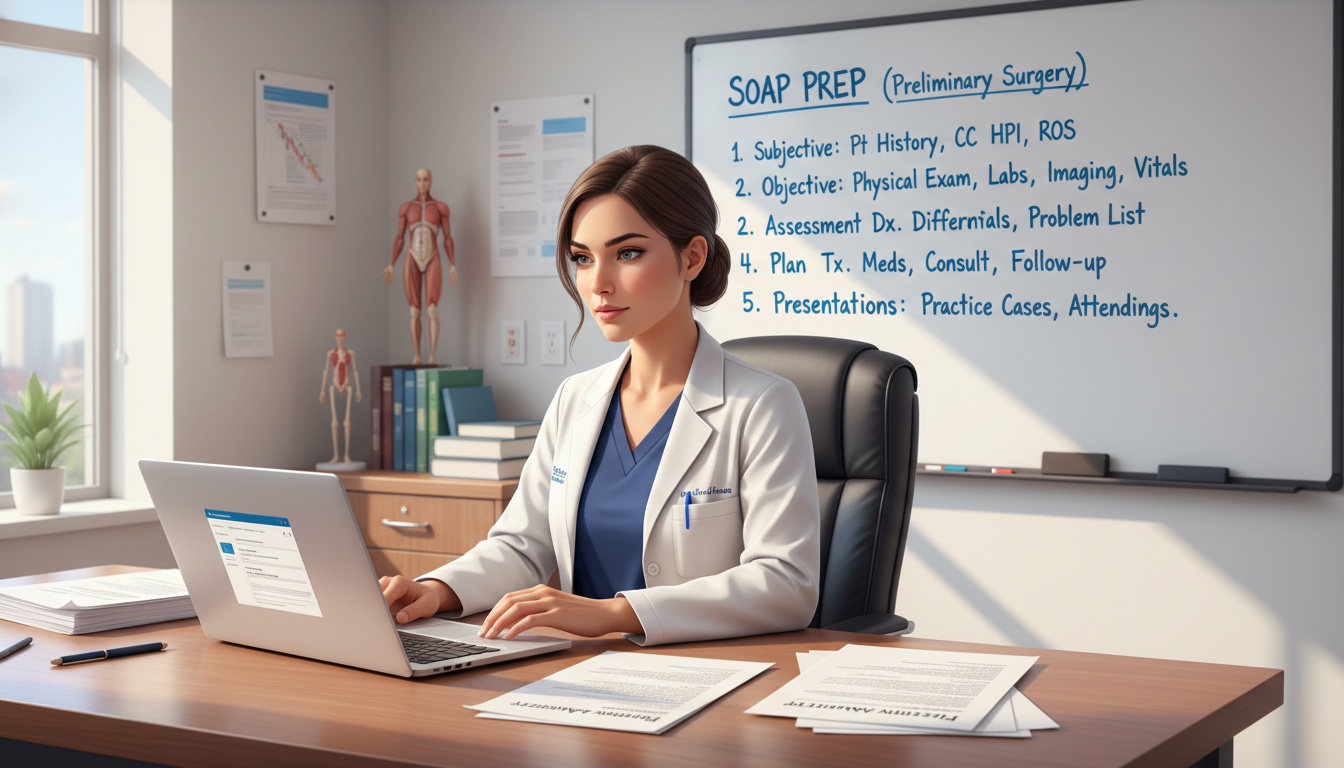
The Supplemental Offer and Acceptance Program (SOAP) can feel intimidating—especially as a Caribbean IMG aiming for a future in Addiction Medicine. Yet, if you approach SOAP with discipline and a specialty-focused strategy, it can become a powerful second chance to secure a residency that still moves you toward your long-term goal.
This guide walks you through SOAP preparation specifically for Caribbean medical graduates with an interest in Addiction Medicine—whether you hope to eventually pursue an addiction medicine fellowship, build a career in substance abuse training, or serve high‑need populations in the U.S. We will cover logistics, strategy, program types, and detailed action steps starting months before Match Week.
Understanding SOAP and Its Role in Your Addiction Medicine Pathway
Before you can prepare, you must be absolutely clear on what is SOAP, how it works, and how it fits into your overall addiction medicine career plan.
What Is SOAP?
SOAP (Supplemental Offer and Acceptance Program) is the NRMP’s structured process that allows:
- Unmatched applicants and
- Unfilled residency programs
to connect in an organized, time‑limited way during Match Week.
Key SOAP features:
- Takes place Monday–Thursday of Match Week
- Only applicants eligible for SOAP (registered for NRMP + at least one rank order list + unmatched/partially matched) can participate
- All communication with programs must happen through ERAS and program-initiated contact only (no cold calling/emailing programs)
- Occurs in rounds of offers; you can accept one offer at a time
- Once you accept an offer, you are bound to that program
For Caribbean IMGs, SOAP is often a critical opportunity to secure a categorical or preliminary position that keeps you in the game for future specialization, including Addiction Medicine.
How SOAP Relates to Addiction Medicine
Addiction Medicine is a subspecialty, most commonly entered after a primary residency such as:
- Internal Medicine
- Family Medicine
- Psychiatry
- Emergency Medicine
- Pediatrics (less common, but possible through some pathways)
- Anesthesiology / Pain Medicine (in some contexts)
You will not be SOAP‑ing directly into an addiction medicine fellowship. Instead, you SOAP into a core residency that provides:
- Strong behavioral health exposure
- Experience with substance abuse treatment
- Opportunities for research, elective rotations, or community work in addiction care
Your SOAP strategy is about choosing programs that:
- Increase the probability you match now, and
- Keep you on a realistic trajectory toward future training in Addiction Medicine.
Caribbean Medical School Residency Reality Check
As a Caribbean IMG (including SGU, AUC, Ross, Saba, etc.), you face:
- Higher competition in many academic programs
- Visa and sponsorship constraints (if you’re not a U.S. citizen/green card holder)
- Often lower “automatic screening” scores at some institutions
At the same time, many programs—especially community-based and those serving underserved populations—value:
- Clinical experience with diverse populations
- Demonstrated interest in substance use disorders
- Maturity, resilience, and strong communication skills
If you are from an institution with a strong track record like SGU residency match outcomes, highlight that history and support structure in your applications and communications.
Pre‑SOAP Timeline: What to Do Months Before Match Week
SOAP “preparation” does not begin after you get the Monday email saying “You did not match.” It begins months before Match Week.
3–6 Months Before Match Week: Laying the Groundwork
Understand Your Addiction Medicine Story
Clarify your “why”:
- Why Addiction Medicine?
- How did your clinical rotations, research, or personal experiences shape that interest?
- What have you done already in substance abuse training, harm reduction, or mental health?
Write out 3–5 brief anecdotes that show:
- Working with patients who have substance use disorders (SUD)
- Managing challenging psychosocial situations
- Collaborating with multidisciplinary teams (social work, psychiatry, case management)
Target Core Specialties That Align with Addiction Medicine
Focus your initial ERAS application (and future SOAP strategy) around:
- Psychiatry
- Family Medicine
- Internal Medicine
- Emergency Medicine (if your profile is competitive)
- Occasionally Pediatrics if you have a child-focused addiction interest
During SOAP, you can widen your net, but your primary choices should be specialties that naturally lead to addiction medicine fellowship or equivalent practice roles.
Collect Strong, Flexible Letters of Recommendation
Seek letters that can be used across multiple related specialties:
- Psychiatry attendings who can speak to your empathy, communication, and comfort with SUD patients
- IM/FM attendings in clinics or inpatient wards with heavy substance use burden
- Addiction specialists (if you had electives or observerships in detox units, methadone clinics, Suboxone programs)
Ask letter writers to focus on:
- Your clinical reasoning
- Your professionalism
- Your work with addiction or behavioral health patients
Identify and Monitor Programs with Addiction-Relevant Strengths
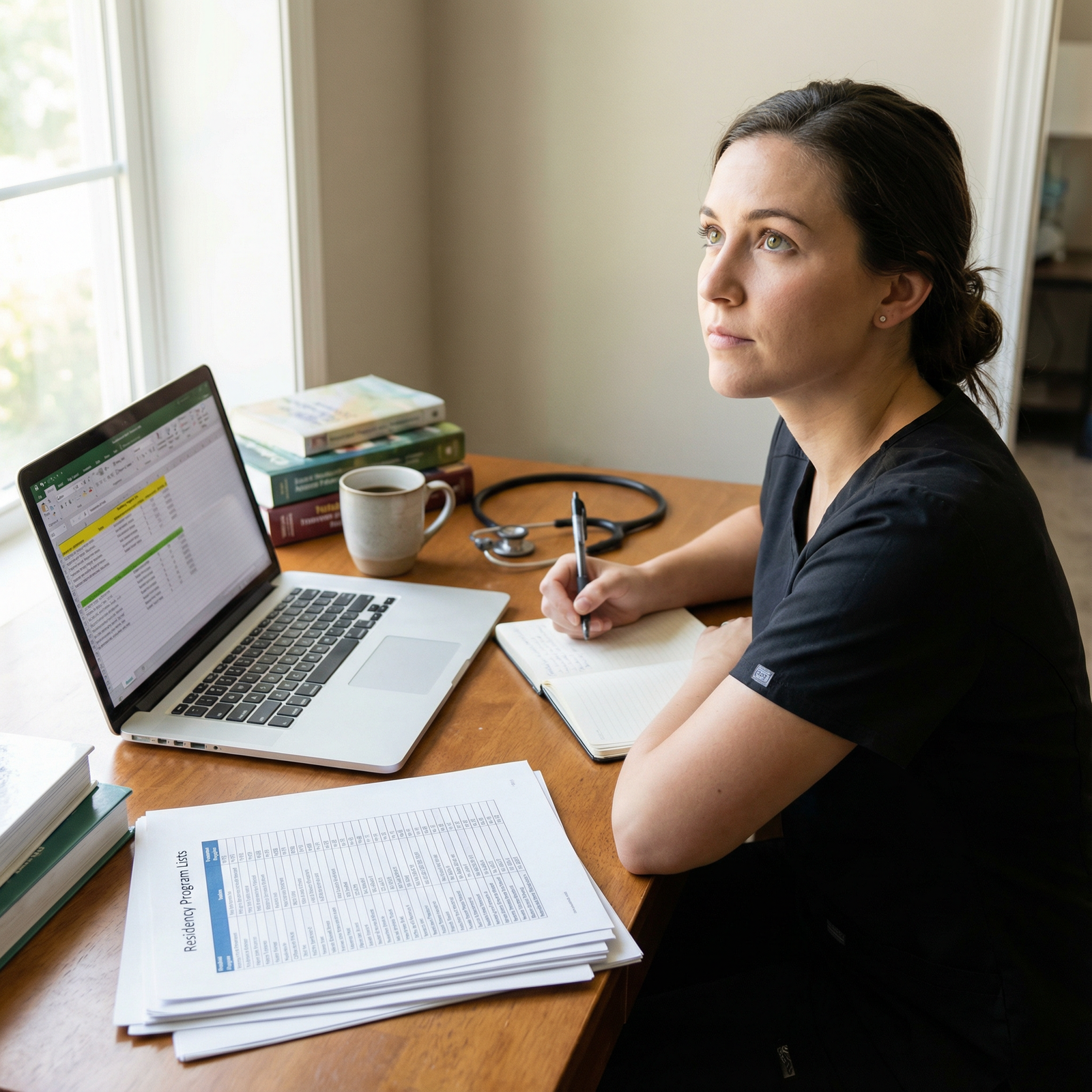
Start a spreadsheet for your SOAP residency possibilities:
- Community IM or FM programs with:
- Addiction consult services
- Integrated behavioral health
- Community partnerships with rehab or methadone clinics
- Psychiatry programs with:
- Dedicated addiction or dual diagnosis tracks
- High-volume SUD inpatient units
- Hospitals in regions with known opioid or substance misuse crises (Appalachia, some urban centers, Native/Tribal health programs, etc.)
Add columns for:
- Visa sponsorship
- Historical IMG friendliness
- Addiction-related rotations/electives
- Trauma-informed care, public health or SUD research
- Community IM or FM programs with:
Work Closely with Your School’s Dean’s Office / Career Services
Especially if you’re from a major Caribbean school like SGU, leverage:
- SGU residency match data by program and specialty
- Connections with alumni in FM, IM, Psychiatry, and Addiction Medicine
- Mock SOAP scenarios or emergency advising sessions
1–2 Months Before Match Week: Building Your SOAP Toolkit
Even if you’re optimistic about matching, you should quietly prepare for SOAP.
Draft Multiple Personal Statement Variants
Prepare short, modifiable personal statements:
- 1 statement emphasizing Psychiatry + Addiction
- 1 statement emphasizing Family Medicine + community Addiction care
- 1 statement emphasizing Internal Medicine + chronic disease with SUD
- Optional: A generic primary care statement for broad SOAP use
Each should:
- Be 600–800 words
- Contain at least one story involving a patient with substance use issues
- Emphasize skills: motivational interviewing, nonjudgmental listening, harm reduction attitudes
Prepare a CV and Experience “Bullets” Highlighting Addiction Focus
For each clinical experience on your ERAS:
- Add 1–2 new bullet points emphasizing:
- Managing withdrawal
- Coordinating with addiction counselors
- Recognizing intoxication/toxidromes
- Navigating patient relapse without judgment
- Add 1–2 new bullet points emphasizing:
Rehearse a Tight, Persuasive Pitch
Your SOAP preparation must include verbal readiness for:
- Short phone interviews
- Web-based interviews (often last minute)
Prepare:
- 60-second elevator pitch: “Who are you, what’s your interest in Addiction Medicine, and why this specialty?”
- 2-minute case vignette: “Describe a challenging patient with SUD and how you handled it.”
- 3–4 key talking points about:
- Resilience
- Teamwork
- Willingness to work in underserved settings

Match Week: Operational Strategy for Caribbean IMGs in SOAP
On Monday of Match Week, you will receive an email indicating whether you are matched, partially matched, or unmatched. If you are SOAP-eligible and did not fully match, your SOAP strategy begins immediately.
Step 1: Clarify Your Goals and Limits (Monday Morning)
Ask yourself:
- Am I open to any residency specialty, or only those that lead to addiction medicine fellowship?
- Am I willing to accept:
- Transitional Year (TY) or Preliminary IM?
- Psychiatry-only
- FM in rural or underserved areas?
- Do I have geographic constraints (family, visa, etc.)?
- What is my absolute “no-go” (e.g., a field that makes no sense for your addiction career)?
For an Addiction Medicine–focused Caribbean IMG, a reasonable ranking of preference could be:
- Psychiatry (especially with addiction focus)
- Family Medicine with strong behavioral health
- Internal Medicine with addiction or urban underserved focus
- Emergency Medicine (if competitive and interested)
- Community-based programs with heavy SUD caseload
- Transitional/Prelim IM if it realistically leads to reapplication with stronger U.S. experience
Step 2: Review the List of Unfilled Programs
Once the NRMP and ERAS unlock the list of unfilled positions for SOAP-eligible applicants:
Filter by specialty:
- Psych, FM, IM, EM, TY, Prelim IM
Cross-check with your earlier spreadsheet:
- IMG friendliness
- Visa policies
- Addiction or behavioral health strengths
Rapidly research unfamiliar programs:
- Program websites
- Resident profiles
- Rotations in addiction, psychiatry, pain, or consultation-liaison services
Step 3: Build Your SOAP Application List Strategically
You will have a limit on the number of programs you can apply to in SOAP (typically up to 45, though always verify the current year’s rules).
For a Caribbean IMG with Addiction Medicine interests, consider:
- 20–25 programs in your top-path specialties
(Psych, FM, IM with mental health/addiction emphasis) - 10–15 programs that are broader but still usable
(General IM/FM without explicit addiction tracks but serving high-risk populations) - 5–10 programs as safety net
(Transitional or Preliminary IM in IMG-friendly hospitals if your profile is weaker)
Avoid shotgun applications to fields that do not logically connect with your addiction career goals (e.g., Pathology or Radiation Oncology) unless you are ready to fully pivot career paths.
Step 4: Customize Documents Quickly but Intelligently
In SOAP, you do not have time for perfect customization, but you can:
Use your Psych + Addiction personal statement for:
- Psychiatry programs
- IM/FM programs with strong integrated behavioral health
Use your IM/Addiction and FM/Addiction personal statements for:
- General IM or FM programs or those in high-SUD regions
Tailor a few lines for top-choice programs:
- “Given your program’s strong focus on caring for patients with opioid use disorder and co-occurring mental health conditions, I see a clear alignment with my long‑term goal of pursuing an addiction medicine fellowship.”
Small, specific touches signal genuine interest even in SOAP.
Step 5: Prepare for Rapid Interviews
Programs may:
- Email you
- Call you directly
- Invite you to quick video interviews
During SOAP, availability = commitment. Plan to:
- Keep your phone fully charged and near you at all times
- Keep a clean, neutral video background ready (or a virtual background if permitted)
- Have a brief document open with:
- Program name
- Location
- 2 unique facts about the program
- Questions you can ask
Common SOAP Interview Questions for Addiction-Focused Applicants
Be ready for:
- “Why did you become interested in Addiction Medicine?”
- “How do you handle patients who are nonadherent due to substance use?”
- “Tell me about a time you dealt with a patient in withdrawal or intoxication.”
- “Why are you interested in our program, specifically?”
Tie every response back to:
- Compassion for vulnerable populations
- Team-based care
- Long-term commitment to learning and improvement
Choosing Programs and Offers That Support an Addiction Medicine Career
Not all SOAP offers are equal in their value for your long-term goal. You must balance urgency (getting a spot) with strategy (building a path to Addiction Medicine).
What to Look for in a SOAP Residency If You Want Addiction Medicine
Even when you are under time pressure, look for:
Clinical Exposure to SUD
- Inpatient or outpatient addiction services
- “Dual diagnosis” units
- High prevalence of alcohol or opioid misuse in the population served
Faculty or Rotations in Addiction, Psychiatry, or Behavioral Health
- Addiction psychiatrists or addiction-trained internists/family physicians
- Consultation-liaison psychiatry experience
- Outpatient Suboxone clinics or methadone programs
Culture of Mentorship
- Programs open to electives in addiction medicine
- Faculty willing to support fellowship applications later
Program Stability and ACGME Accreditation
- Be cautious with brand new or frequently troubled programs
- But also realize that some of the most meaningful SUD experience is in community, safety-net, or rural settings
Special Note on Transitional and Preliminary Positions
Transitional Year (TY) or Preliminary IM slots in SOAP can:
- Give you U.S. clinical experience
- Let you build relationships and letters for a stronger reapplication
- Allow you to do electives in addiction psychiatry or substance use clinics
However, they also come with risk:
- No guarantee of a PGY-2 spot
- Require you to re-enter the Match, potentially again facing SOAP
If you accept a TY/prelim spot:
- Immediately plan your PGY-2 reapplication strategy
- Seek rotations working directly with addiction specialists
- Network deliberately with faculty who can advocate for your addiction medicine career

After You Match in SOAP: Maximizing Your Addiction Medicine Trajectory
Once you accept a SOAP residency offer, the question becomes: How do you use this position to build toward Addiction Medicine?
First-Year Priorities for an Addiction-Focused Resident
Identify Addiction Mentors Early
- Addiction psychiatrists
- IM/FM attendings who treat SUD frequently
- Psychologists or social workers in addiction programs
Seek Substance Abuse Training Opportunistically
- Join any available substance abuse training workshops
- Ask to observe or rotate through detox units, methadone programs, or SUD clinics
- Attend hospital committees on opioid prescribing or harm reduction
Track Meaningful Cases and Outcomes
- Keep a small, confidential log (no patient identifiers) of:
- Challenging SUD cases
- Moments of learning about relapse, recovery, and comorbidities
- These will shape future fellowship applications and interviews
- Keep a small, confidential log (no patient identifiers) of:
Certifications and Extra Training
- Complete DEA buprenorphine training (as policy permits)
- Take online courses in addiction medicine through:
- ASAM (American Society of Addiction Medicine)
- APA or other relevant organizations
Research and Quality Improvement
- Initiate or join QI projects related to:
- Alcohol withdrawal protocol improvements
- Reducing 30-day readmissions related to SUD
- Improving screening for alcohol or opioid use disorders
- Even small local projects can be powerful in an addiction medicine fellowship application
- Initiate or join QI projects related to:
Planning for an Addiction Medicine Fellowship
By PGY-2 (or early PGY-3), start mapping out:
- Programs offering addiction medicine fellowship for your base specialty
- Their typical applicant profile:
- Research vs. clinical emphasis
- Preference for certain residencies
- Experience with IMGs
Work with:
- Your residency program director
- Addiction-leaning faculty
- Alumni who pursued fellowships
to create a timeline for applications, letters, and interviews.
Emotional and Practical Resilience During SOAP
SOAP week is emotionally intense, especially as an IMG who has already navigated licensing exams, visas, and separation from home.
Manage Expectations Without Panic
- Remember that many strong physicians had a non‑linear route, including SOAP or a second application cycle.
- A SOAP residency—even if it is not your first choice location or program type—can still be the perfect launching pad for a fulfilling career in Addiction Medicine.
Build a Support System
- Stay connected to:
- Caribbean classmates
- Advisers/deans from your school
- Mentors from clinical rotations
- Talk openly with family about:
- The fast pace of decisions
- The possibility of moving far from home
- The long-term goal: becoming an addiction medicine physician who makes a major impact
Maintain Professionalism Throughout
SOAP is intense; some applicants become desperate and cross boundaries (calling programs directly, emotional emails, etc.). Don’t.
- Follow NRMP and program rules meticulously.
- Present yourself as calm, organized, and mature—traits critical in Addiction Medicine.
FAQs: SOAP Preparation for Caribbean IMG in Addiction Medicine
1. As a Caribbean IMG, what are my realistic chances of using SOAP to get on an Addiction Medicine path?
While you cannot SOAP directly into an addiction medicine fellowship, many Caribbean IMGs successfully secure Psychiatry, Family Medicine, or Internal Medicine positions via SOAP and later pursue addiction medicine fellowships. Your chances improve if:
- You are flexible with location and type of program (especially community-based)
- Your application clearly shows interest and experience with SUD
- You respond quickly and professionally during SOAP week
Even a Transitional or Preliminary IM year can help if you use it wisely to gain U.S. experience, references, and addiction-oriented exposure.
2. Should I prioritize Psychiatry, Family Medicine, or Internal Medicine in SOAP if I want Addiction Medicine?
All three are viable routes:
- Psychiatry: Strongest alignment with dual-diagnosis care and mental health comorbidities.
- Family Medicine: Excellent for community and primary care approaches to addiction, especially in underserved areas.
- Internal Medicine: Great for hospital-based, medically complex addiction cases and later addiction consult services.
As a Caribbean IMG in SOAP, prioritize the specialty where you’re most competitive and which has the most unfilled, IMG-friendly positions, while keeping in mind your long-term interest in Addiction Medicine.
3. How can I highlight my addiction medicine interest quickly during SOAP applications?
In the time-limited SOAP context, you can:
- Use a personal statement focused on Addiction Medicine themes
- Add or modify ERAS experience descriptions to emphasize:
- SUD patients you’ve cared for
- Relevant observerships, electives, or community work
- Mention addiction explicitly in brief email replies or thank‑you notes (if allowed) and during interviews:
- “I’m particularly interested in your program because of your strong behavioral health integration and the opportunity to work with patients with substance use disorders.”
4. If I don’t match in SOAP, what should I do next to stay on track for Addiction Medicine?
If SOAP does not result in a position:
- Debrief honestly with your school’s advisors or mentors to assess:
- Exam scores
- Application strength
- Specialty choices
- Strengthen your profile in the coming year by:
- U.S. clinical experience (especially in psych, IM, FM, or addiction settings)
- Research or quality improvement in SUD or mental health
- Improved USMLE performance (if any retakes are appropriate/possible)
- Reapply early and strategically, targeting:
- IMG-friendly programs
- Regions and institutions with high SUD burden
- Continue pursuing substance abuse training opportunities to keep your Addiction Medicine narrative authentic and strong.
By preparing early, organizing a specialty-focused SOAP strategy, and staying true to your interest in caring for patients with substance use disorders, you can transform SOAP from a crisis into an opportunity—one that positions you, as a Caribbean IMG, on a credible and rewarding path toward Addiction Medicine.