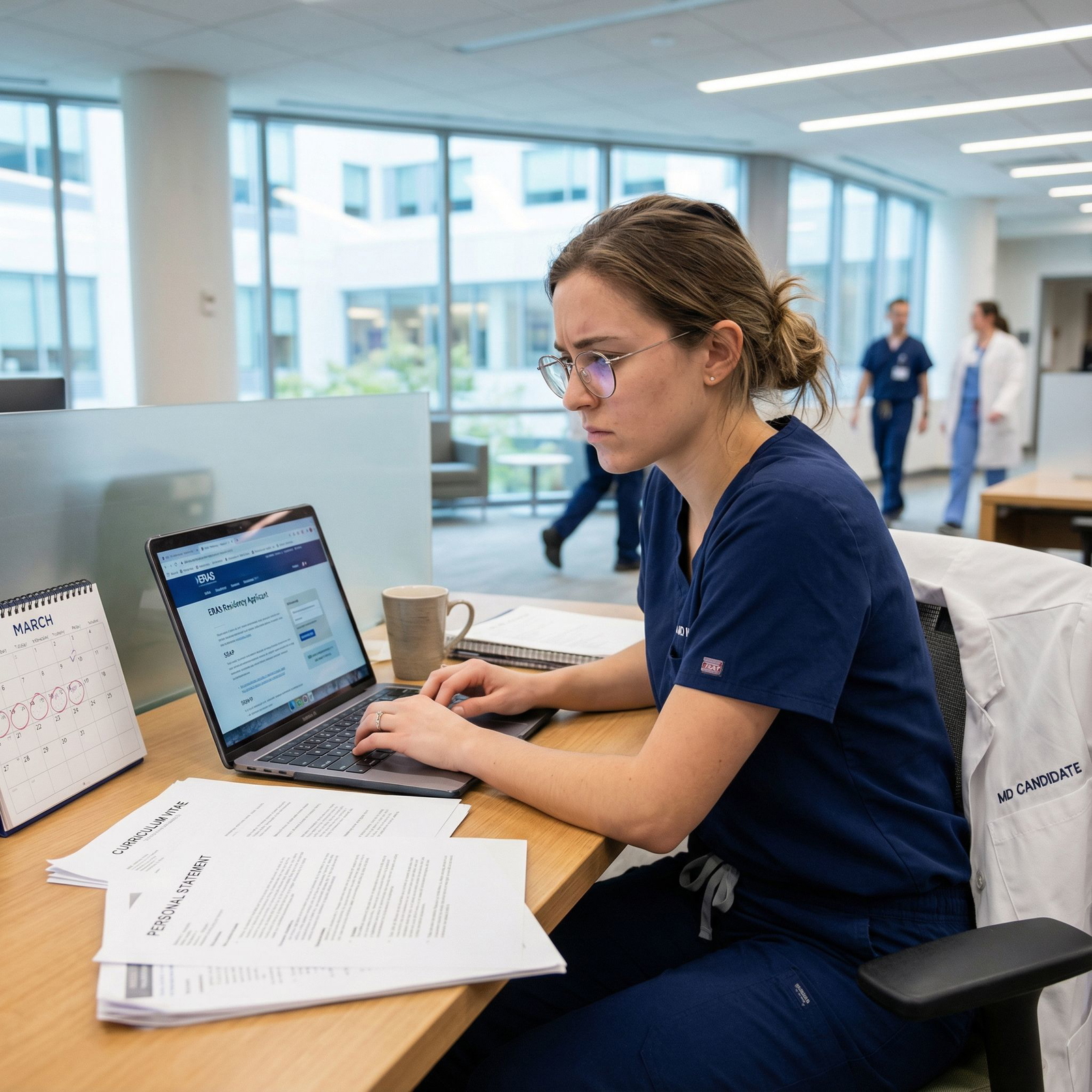
Understanding SOAP for Caribbean IMGs Aiming for Medical Genetics
If you are a Caribbean IMG targeting a medical genetics residency and worried about the SOAP residency process, you are not alone. Many strong Caribbean graduates—SGU, AUC, Ross, Saba, and others—unexpectedly land in the Supplemental Offer and Acceptance Program (SOAP). Preparing for SOAP before Match Week is one of the smartest strategic moves you can make.
This guide is written specifically for Caribbean IMGs interested in medical genetics, with a strong focus on:
- What SOAP is and how it works
- How SOAP applies to a Caribbean medical school residency path
- How to position yourself for a genetics match or related categorical/preliminary spots
- Exact steps to prepare your documents, strategy, and mindset
- Tactics for Day 1–3 of SOAP and beyond
Throughout, we’ll integrate key concepts: what is SOAP, SOAP preparation, and how it connects to your long-term goal of a medical genetics residency.
What Is SOAP and Why It Matters for Caribbean IMGs
What is SOAP?
The Supplemental Offer and Acceptance Program (SOAP) is the structured, NRMP-managed process during Match Week that:
- Allows unmatched or partially matched applicants to apply to unfilled residency positions.
- Occurs over several rounds of electronic offers, not a free-for-all scramble.
- Uses ERAS to submit new applications to programs with open positions.
In short, SOAP is your second-chance system if you’re not fully matched at 11:00 a.m. ET on Monday of Match Week.
Why SOAP Is Especially Relevant to Caribbean Medical School Graduates
If you attended a Caribbean medical school (e.g., SGU, Ross, AUC, Saba), you already know:
- IMG competition is intense in the initial match.
- Even excellent candidates may not match on Monday.
- Many successful SGU residency match stories include a SOAP route—especially for those who adapt quickly and strategically to the unfilled list.
For Caribbean IMGs:
- Your chances improve significantly if you treat SOAP as a planned pathway, not an emergency.
- You must understand NRMP and ERAS rules clearly; any misstep can cost you all SOAP opportunities.
How SOAP Connects to Medical Genetics
A medical genetics residency (often Medical Genetics and Genomics) is relatively small and competitive, with limited categorical positions. Many applicants reach genetics via:
- Internal medicine → Medical genetics fellowship
- Pediatrics → Medical genetics or combined pediatrics–genetics
- Combined categorical programs (e.g., pediatrics–medical genetics or internal medicine–medical genetics)
Therefore, when you think “genetics match,” especially as a Caribbean IMG, you should think strategically:
- Primary target: rare categorical genetics or combined programs (limited spots).
- Realistic SOAP angle: pediatrics, internal medicine, or transitional/preliminary positions that keep genetics options open.
SOAP becomes a vital bridge: even if you don’t match directly into genetics, you can still position yourself for a future medical genetics career.
Pre–Match Week SOAP Preparation: The Foundation
If you wait until you discover you’re unmatched to prepare, you’re already behind. Strong SOAP performance for a Caribbean IMG is mostly determined months before Match Week.

1. Understand Basic Eligibility Rules
To participate in SOAP, you must:
- Be registered for the NRMP Main Residency Match.
- Be eligible to start training on July 1 (or specified start date):
- ECFMG certification (or on track, depending on year rules).
- Passing USMLE scores (Step 1, Step 2 CK; ideally no pending results).
- Be unmatched or partially matched in the main match at 11:00 a.m. Monday.
Action steps:
- Confirm your NRMP registration status early in the season.
- Track your ECFMG certification progress to avoid surprises.
- Do not assume last-minute test scores will post in time—plan for worst-case.
2. Build a SOAP-Flexible Application Profile
As a Caribbean IMG interested in genetics, your initial application may be focused (e.g., pediatrics or internal medicine with a genetics narrative). For SOAP, you need flexibility:
- Highlight your clinical competence and work ethic more than ultra-niche genetics interests.
- Maintain a broadly appealing CV: strong rotations, solid letters, and clear evidence you can thrive in busy clinical environments.
Include in your baseline ERAS:
- Clinical experiences in internal medicine and/or pediatrics with strong narratives.
- Any genetics-related exposure:
- Electives in genetics or dysmorphology
- Research involving genomics or rare diseases
- Case reports featuring genetic conditions
These genetics experiences should support your narrative but not box you into a corner.
3. Prepare Multiple Personal Statement Variants
You will not have time to write quality personal statements from scratch Monday afternoon. Prepare before Match Week:
Create 3–4 versions:
Core Medical Genetics statement
- Focused on long-term goal: medical genetics residency or fellowship.
- Emphasize intellectual curiosity, interest in rare diseases, and longitudinal care.
Pediatrics-focused statement (with genetics interest)
- Primary identity: future pediatrician.
- Secondary theme: strong interest in genetics, complex care, developmental disorders.
Internal Medicine-focused statement (with genetics interest)
- Primary identity: internist interested in complex, multi-system disease.
- Secondary: interest in hereditary syndromes, adult-onset genetic diseases.
General SOAP statement (for preliminary, transitional, or broad internal medicine spots)
- Focus on being a reliable, teachable team member.
- Emphasize adaptability, resilience, and strong clinical fundamentals.
- Genetics interest can be a background note, not the central theme.
Actionable tip:
Name files in a way that avoids confusion under pressure (e.g., PS_Pediatrics_GeneticsFocus, PS_IM_GeneralSOAP).
4. Line Up SOAP-Friendly Letters of Recommendation
For SOAP, most programs will see the same LORs you already uploaded, but you can select which letters go to each program.
Ideal LOR portfolio for a Caribbean IMG aiming at genetics-based pathways:
- 1 strong pediatrics letter
- 1 strong internal medicine letter
- 1 letter from a physician or mentor who can highlight:
- Your analytical skills
- Attention to detail
- Interest in complex or genetic conditions
If you have a genetics-focused letter (e.g., from a genetics elective), keep it—but you may not use it for all SOAP applications. For a busy community hospital IM spot, a strong general medicine letter is usually more relevant.
5. Build a SOAP Strategy Spreadsheet Now
Before Match Week, create a spreadsheet with columns for:
- Program Name
- Specialty (IM, Peds, Prelim, Transitional, Genetics if any)
- Location / Region
- IMG Policy (from FREIDA, program website, past applicant data)
- USMLE score requirements (if listed)
- Contact Info (PD, coordinator)
- Notes on program characteristics (community vs academic, patient population, call schedule)
- Suitability for your long-term genetics track (e.g., strong academic center, presence of genetics fellowship)
You won’t know which programs are unfilled yet, but this structure lets you plug information in quickly during SOAP and make rational decisions under stress.
Match Week: From “Unmatched” to Strategic SOAP Action
When Monday of Match Week arrives, emotions are intense—especially if your goal was a medical genetics residency and you see “You did not match.” You must shift rapidly from shock to structured action.

Monday Morning: Interpreting Your Match Status
You will see one of several possibilities:
- Unmatched – eligible for SOAP.
- Partially matched (e.g., matched to an advanced position without a preliminary year) – also eligible for SOAP but with restrictions.
- Matched – no SOAP participation allowed.
If unmatched or partially matched:
- Preserve emotional energy: give yourself 30–60 minutes to process.
- Contact your Caribbean school’s advising office (SGU, Ross, etc.). Many have structured SOAP support and insider knowledge.
- Re-commit to your long-term vision: a pathway to genetics, not necessarily a direct day-one genetics residency.
Accessing the Unfilled Programs List
At 12:00 p.m. ET Monday:
- The List of Unfilled Programs becomes available to SOAP-eligible applicants and their medical schools.
- You will see specialties with open positions, often including:
- Internal Medicine
- Pediatrics
- Family Medicine
- Transitional Year
- Prelim Medicine or Prelim Surgery
- Occasionally, small subspecialties or combined programs.
You might or might not see direct medical genetics residency positions; they are rare. Your task is to:
- Identify realistic targets that maintain a plausible route to genetics.
- Avoid purely emotional choices (e.g., only applying to dream locations or hyper-competitive programs).
Choosing Specialties Strategically for a Future Genetics Match
As a Caribbean IMG with a genetics goal, your SOAP target list should prioritize:
Categorical Pediatrics programs
- Strong base for a future medical genetics fellowship.
- Frequent interaction with congenital anomalies, developmental delay, and genetic metabolic disorders.
Categorical Internal Medicine programs
- Direct path to adult-focused genetics, complex hereditary syndromes, and genomic medicine.
Transitional or Preliminary Internal Medicine programs, if categorical spots are scarce
- Can lead to future opportunities, but you’ll need a strategy to convert that to a categorical position later.
Rarely, direct combined pediatrics-genetics or IM-genetics unfilled positions (if available).
- These are golden but highly competitive; apply if you see them, but do not rely on them.
Align choices with:
- Your existing letters (Peds vs IM strength)
- Your clinical exposure and comfort level
- Where your narrative aligns best (e.g., children with congenital syndromes vs adults with cancer predisposition syndromes)
Monday Afternoon–Tuesday: Application Submission
In SOAP, you are limited in the total number of programs you can apply to (historically 45; verify each year’s rules). You must be strategic:
Prioritize by realism:
- Programs known to accept IMGs (check FREIDA, school data, or internal reports from SGU/other Caribbean institutions).
- Reasonable score thresholds compared to your USMLE profile.
- Geographic areas traditionally more IMG-friendly (e.g., some community programs in the Midwest, South).
Tier your list:
- Tier 1 (most realistic + best alignment with genetics goals)
- Tier 2 (reasonable but less ideal location or support)
- Tier 3 (backup safety options you would still be willing to attend)
Assign appropriate personal statements:
- Peds programs → Peds+genetics PS
- IM programs → IM+genetics or general SOAP PS
- Transitional/Prelim → general SOAP PS emphasizing broad skill set and reliability
Double-check letter assignments:
- Prefer at least two clinical letters from your target specialty.
- Avoid overusing niche genetics letters for programs that just want a hard-working intern.
Communication and Professionalism During SOAP
Some programs will conduct:
- Phone interviews
- Video interviews
- Occasionally, email Q&A
Be prepared to:
Answer:
- Why you are interested in IM/Peds at their specific program
- How you handle stress and high workload
- How you have grown from any setbacks (e.g., failed exam, prior non-match)
Integrate your genetics interest subtly:
- “I’m particularly interested in complex and undiagnosed conditions; in the long term I hope to integrate genetics into my practice, but my primary focus is to become an excellent intern/pediatric resident.”
Avoid sounding like you see their program only as a “stepping stone” to genetics. Programs want residents who will engage fully with their training, regardless of future fellowship plans.
During SOAP Rounds: Offers, Decisions, and Backup Plans
Understanding SOAP Rounds
Throughout Wednesday (and sometimes Thursday), SOAP proceeds in rounds:
- Programs submit their ranked lists of acceptable SOAP applicants.
- NRMP sends out electronic offers to applicants according to those lists.
- You have a short time window (often 2 hours) to accept or reject.
Key rule:
If you accept an offer, you are contractually bound to that program and exit SOAP.
Decision-Making Framework for Caribbean IMGs
When you receive an offer, quickly evaluate:
Accreditation and program stability
- ACGME-accredited?
- Not on probation?
IMG-friendliness and support
- History of Caribbean graduates?
- Supportive environment for visa issues (if relevant)?
Pathway to genetics
- Academic affiliations?
- Presence of a genetics department or nearby genetics center?
- Reputation for supporting fellowships?
Personal factors
- Location viability (cost of living, safety, ability to function there for 3 years)
- Workload and culture (as much as you can infer quickly)
If the program is:
- Accredited, stable, and reasonably supportive
- Provides a credible pathway (e.g., solid IM or Peds training at an academic or large community hospital)
Then, in most cases, accepting the offer is wise, even if it’s not your ideal location. A completed residency in IM or Peds strongly positions you later for a medical genetics fellowship, regardless of where you trained.
What If You Don’t Receive Any Offer?
If SOAP ends without an offer:
Meet promptly with your Caribbean school’s advising office.
Explore:
- Post-match positions (rare but occasionally posted).
- Research positions in genetics, genomics, or complex disease as a way to strengthen your re-application.
- Pre-residency clinical jobs where permitted (e.g., research associate, clinical observer roles).
Re-assess your application:
- USMLE scores
- Gaps in clinical experience
- Personal statement and interview skills
- Program list realism
Begin building a 12-month plan to re-apply, aiming at:
- More realistic specialty (e.g., Peds or IM first, genetics later)
- Enhanced CV with research, publications, or strong US clinical experience
- Updated letters from new mentors
Long-Term Strategy: Turning a SOAP Position into a Genetics Career
Getting into a medical genetics residency directly as a Caribbean IMG is challenging. However, matching through SOAP into IM or Peds can still lead to a successful genetics match later.
During Your Categorical Residency
If you match—via SOAP or main match—into IM or Peds:
Excel clinically:
- Solidify your reputation as reliable, thorough, and caring.
- Aim for strong evaluations and possibly chief resident opportunities.
Seek out genetics exposure:
- Identify any genetics clinics or faculty at your institution or regional referral centers.
- Ask to rotate with them or participate in case conferences.
Pursue genetics-related scholarly work:
- Case reports on rare syndromes
- Quality improvement projects involving genetic testing workflows
- Research collaborations in genomics, cancer predisposition, or undiagnosed diseases
Network early with genetics programs:
- Attend genetics conferences (e.g., ACMG if feasible).
- Reach out to genetics fellowship directors in PGY-2 to discuss your interest and ask for advice.
Framing Your Caribbean Background as a Strength
As a Caribbean IMG, you bring:
- Experience with diverse and often underserved populations
- Adaptability in new environments and healthcare systems
- Resilience in navigating a non-traditional path
These attributes are valuable in medical genetics, where:
- Patients and families are often from varied backgrounds
- Communication and cultural competence are crucial
- Many cases require persistence and creative problem-solving
When applying to genetics fellowships later, you can frame your SOAP journey as evidence of resilience and determination—if you show how you transformed that setback into consistent excellence.
FAQs: SOAP Preparation for Caribbean IMG in Medical Genetics
1. Can I realistically match into medical genetics directly through SOAP as a Caribbean IMG?
Direct medical genetics categorical positions are rare, and unfilled slots in SOAP are even rarer. While it’s not impossible, you should not rely on SOAP for a direct genetics position. Instead, target internal medicine or pediatrics positions that keep a strong pathway to future genetics training.
2. How should I balance emphasizing genetics vs. general clinical skills in SOAP applications?
For SOAP, programs mainly want residents who are reliable, clinically competent, and adaptable. Mention your interest in medical genetics as a future direction but center your narrative on becoming an excellent internist or pediatrician first. Over-focusing on genetics can make some programs worry that you’re not committed to their core training.
3. What if my Caribbean medical school (e.g., SGU) has a strong match history—does that change my SOAP strategy?
A strong SGU residency match track record (or similar school) helps because your advisors may have data on which programs tend to accept their graduates via SOAP. Use that insider information to guide your list, but your personal SOAP strategy—multiple personal statements, realistic program tiers, and fast, organized decision-making—remains essential.
4. If I end up in a preliminary or transitional year through SOAP, can I still reach a genetics match later?
Yes, but the path is more complex. You’ll need to:
- Perform extremely well in your preliminary/transitional year.
- Apply again for a categorical IM or Peds position during or after that year.
- Then complete that categorical residency before applying for a medical genetics fellowship.
It’s longer and more uncertain, so if you receive a categorical IM or Peds SOAP offer, it’s usually wise to accept it.
Preparing thoroughly for SOAP as a Caribbean IMG—especially one aiming for a medical genetics career—is not pessimism; it’s professionalism. By building flexible documents, organizing your strategy early, and understanding what SOAP is and how it functions, you give yourself the best chance to turn an unmatched Monday into the beginning of a new, viable path toward your genetics goals.