Understanding SOAP for Caribbean IMGs Aiming at Clinical Informatics
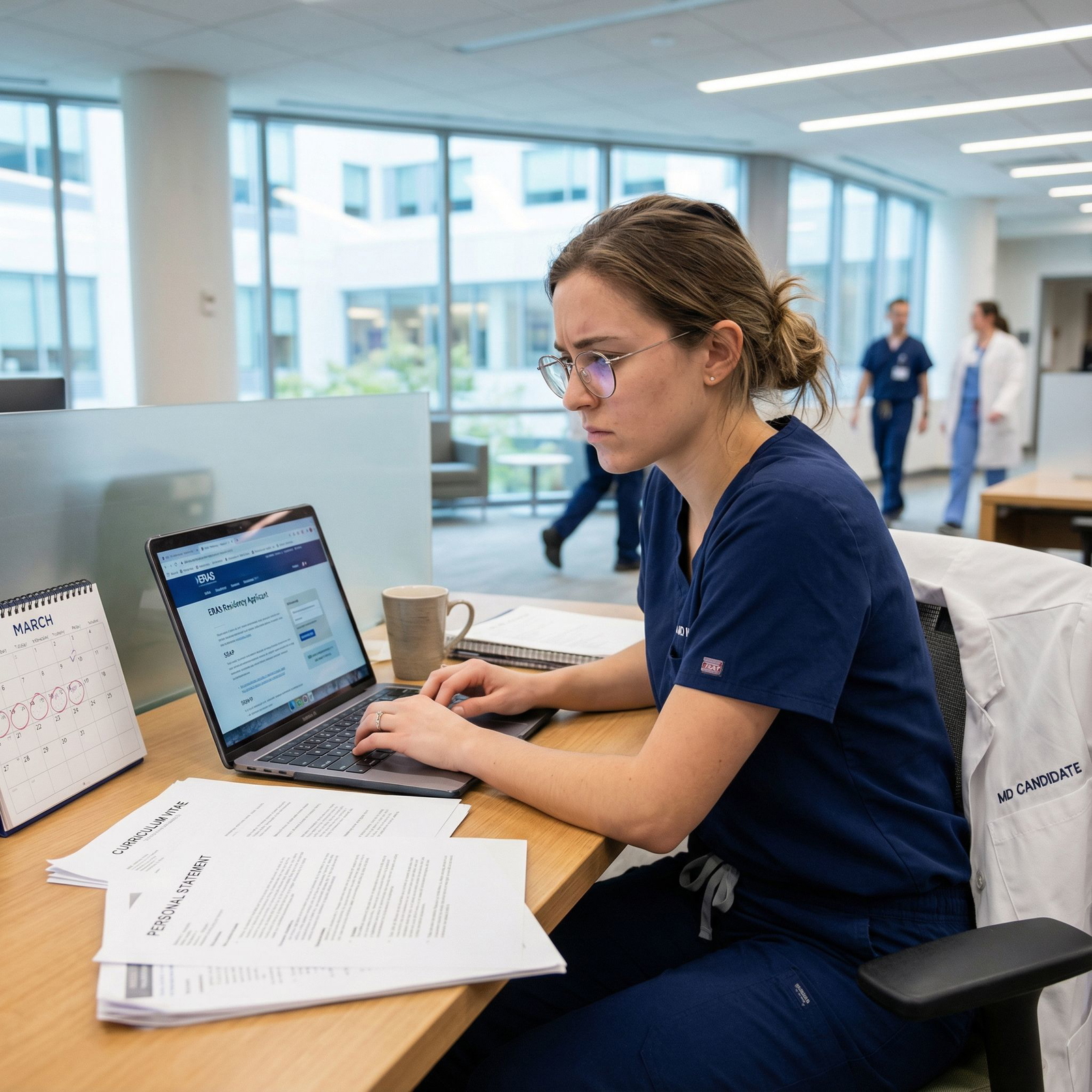
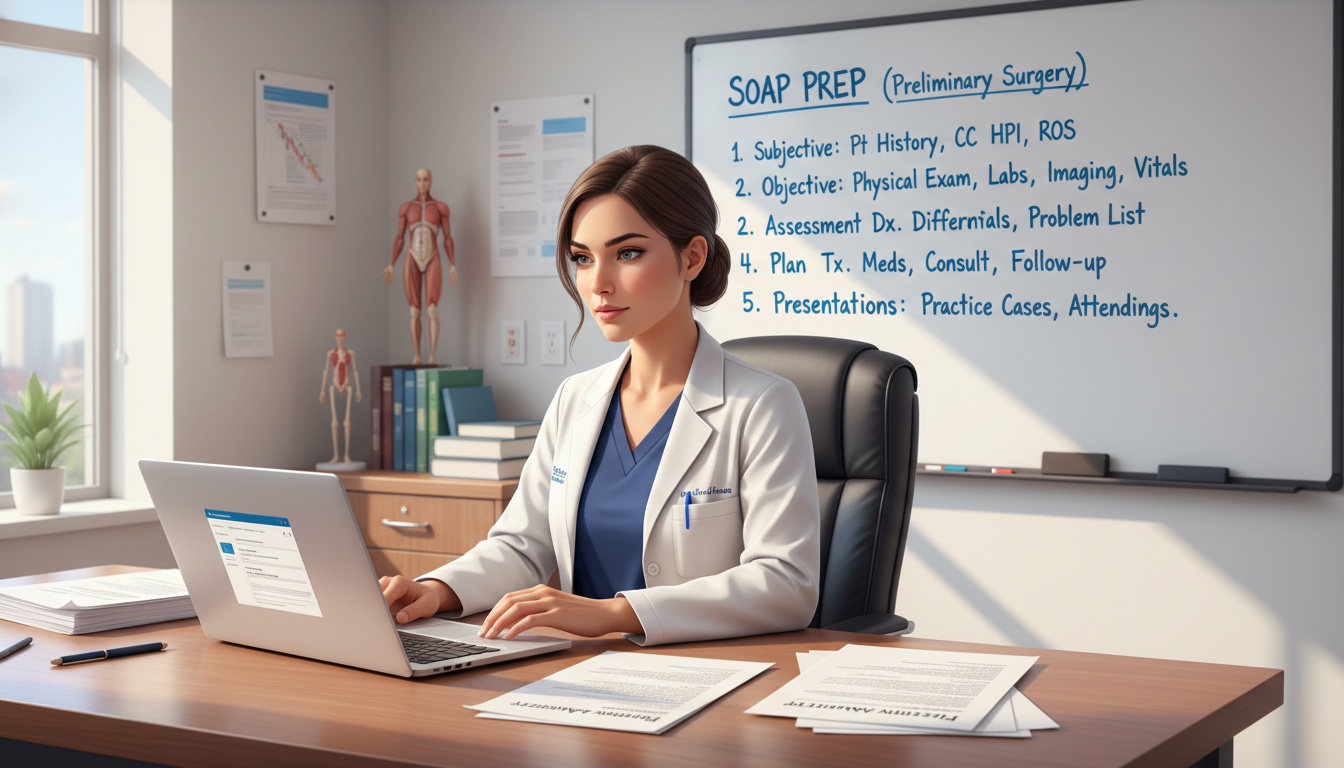
The Supplemental Offer and Acceptance Program (SOAP) is the formal, time‑compressed process that fills unfilled residency positions during Match Week. For a Caribbean IMG targeting a long‑term career in clinical informatics, thoughtful SOAP preparation can turn a devastating Monday (no match) into a strategic pivot.
You are in a unique intersection:
- Caribbean medical school background (e.g., SGU, AUC, Ross, Saba)
- Initial residency goals (often IM, FM, EM, prelim surgery, or transitional year)
- Long‑term aim: clinical informatics fellowship and leadership in health IT
This article will walk you through:
- What SOAP is and how it truly works
- How to prepare before Match Week
- Strategic specialty and program choices that support a future clinical informatics fellowship
- Step‑by‑step SOAP residency execution for Caribbean IMGs
- How to leverage outcomes (matched or not) for a future in informatics
Throughout, we’ll connect decisions to your ultimate goal: becoming a clinical informatician through residency + potential clinical informatics fellowship and health IT training.
What Is SOAP and Why It Matters for Caribbean IMGs
What is SOAP?
SOAP (Supplemental Offer and Acceptance Program) is the structured process the NRMP uses to fill unfilled residency positions after the main Match algorithm runs.
Key features:
- Eligibility:
- You are unmatched or partially matched (e.g., advanced position without PGY‑1) and
- You registered for the NRMP Main Match and have an active ERAS application
- Timeline:
- Monday of Match Week: You learn if you’re matched, partially matched, or unmatched
- Monday–Thursday: SOAP application and offer rounds
- Friday: Public posting of unfilled positions, informal post‑SOAP scramble
Why Caribbean IMGs especially care:
- Caribbean medical school graduates often have:
- Less predictable match outcomes
- Heavy reliance on strong USMLE scores, US clinical experience, and letters
- SOAP can be:
- A second chance at categorical training
- A bridge to a specialty that still aligns with future clinical informatics goals
- Or a damage‑control mechanism to avoid a full gap year
Misconceptions About SOAP
“SOAP is just a free‑for‑all scramble.”
Reality: SOAP is structured, time‑boxed, and rule‑bound. Programs review ERAS applications and invite interviews, then offers come in well‑defined rounds.“There’s no strategy—just apply everywhere.”
Reality: Over‑broad, unfocused SOAP applications can backfire, especially for Caribbean IMGs. You need a smart specialty and program filter that preserves your long‑term clinical informatics trajectory.“SOAP is only for desperate applicants.”
Reality: Many strong applicants, including some from top schools, land great positions via SOAP. For a Caribbean IMG with a solid profile, SOAP can actually become an opportunity to pivot into an informatics‑friendly path (e.g., academic internal medicine with strong health IT infrastructure).
Why SOAP Strategy is Different for Clinical Informatics‑Minded IMGs
Clinical informatics is a subspecialty, usually after:
- Internal Medicine, Family Medicine, Pediatrics, EM, Pathology, or other primary specialty
- Plus, a clinical informatics fellowship or on‑the‑job health IT training
As a Caribbean IMG, your SOAP strategy must answer:
- Will this residency specialty qualify me for a clinical informatics fellowship?
- Does this program environment use robust EHR systems and digital health tools?
- Are there research, QI, or health IT projects I can realistically join within 1–2 years?
Your SOAP choices can either:
- Keep you on track for a clinical informatics fellowship, or
- Box you into a path with fewer opportunities (e.g., some prelim positions with minimal EHR/QI exposure)

Pre‑SOAP Preparation: What to Do Before Match Week
Your best SOAP outcomes depend on work you do months before Match Week. For a Caribbean IMG targeting clinical informatics, preparation has extra layers.
1. Understand Your Profile Honestly
Evaluate your application as a program director would:
- USMLE/COMLEX:
- Step 1/Level 1 (Pass/Fail, but scores may still appear for older takers)
- Step 2 CK/Level 2 score and timing
- Clinical Experience:
- US clinical experience, especially ACGME‑affiliated rotations
- Any exposure to EHR optimization, quality improvement, or data projects
- Caribbean School Reputation:
- Some schools (e.g., SGU) have well‑documented match outcomes (SGU residency match lists) that can help you identify historically friendly programs
- Red Flags:
- Exam failures, gaps, professionalism concerns, visa needs
Tie this directly to informatics:
- Have you done anything that sounds like health IT training, clinical data analysis, or workflow optimization?
- EHR note template development
- Quality improvement project using EMR reports
- Telemedicine implementation
- Data registry participation
List these now; they will become central in your SOAP pitch.
2. Create a Target Specialty Plan That Supports Clinical Informatics
Given the compressed time during SOAP, you should pre‑decide hierarchies of acceptable specialties.
For clinical informatics, the strongest bases are usually:
- Internal Medicine (IM):
- Most common home for clinical informatics fellowship graduates
- Wide exposure to inpatient and outpatient EHR workflows
- Family Medicine (FM):
- Strong ambulatory EHR and population health exposure
- Pediatrics (Peds):
- Pediatric EHR customization, immunization registries
- Emergency Medicine (EM):
- Real‑time decision support and ED informatics
- Pathology, Neurology, or others may also work, but are less common for Caribbean IMGs in SOAP.
For SOAP, pre‑decide:
- Tier 1 SOAP targets (strong CI alignment):
- Categorical IM, FM, Peds, EM at hospitals with robust EHRs and academic or large community structures
- Tier 2 SOAP targets (indirect CI path):
- Transitional year or prelim IM with good EHR/QI exposure
- Tier 3 SOAP targets (purely to avoid a gap year):
- Less ideal but acceptable prelims (you’ll need a proactive plan to transition later)
3. Research Programs Likely to Appear in SOAP
You can’t know the exact SOAP list, but you can prepare “likely suspects”:
- Review prior years’ unfilled positions lists (NRMP data, forums, registries).
- Identify programs that:
- Often have unfilled spots
- Historically take Caribbean IMGs
- Use major EHRs (Epic, Cerner, Meditech)
- Have some mention of QI, data, or informatics on their website
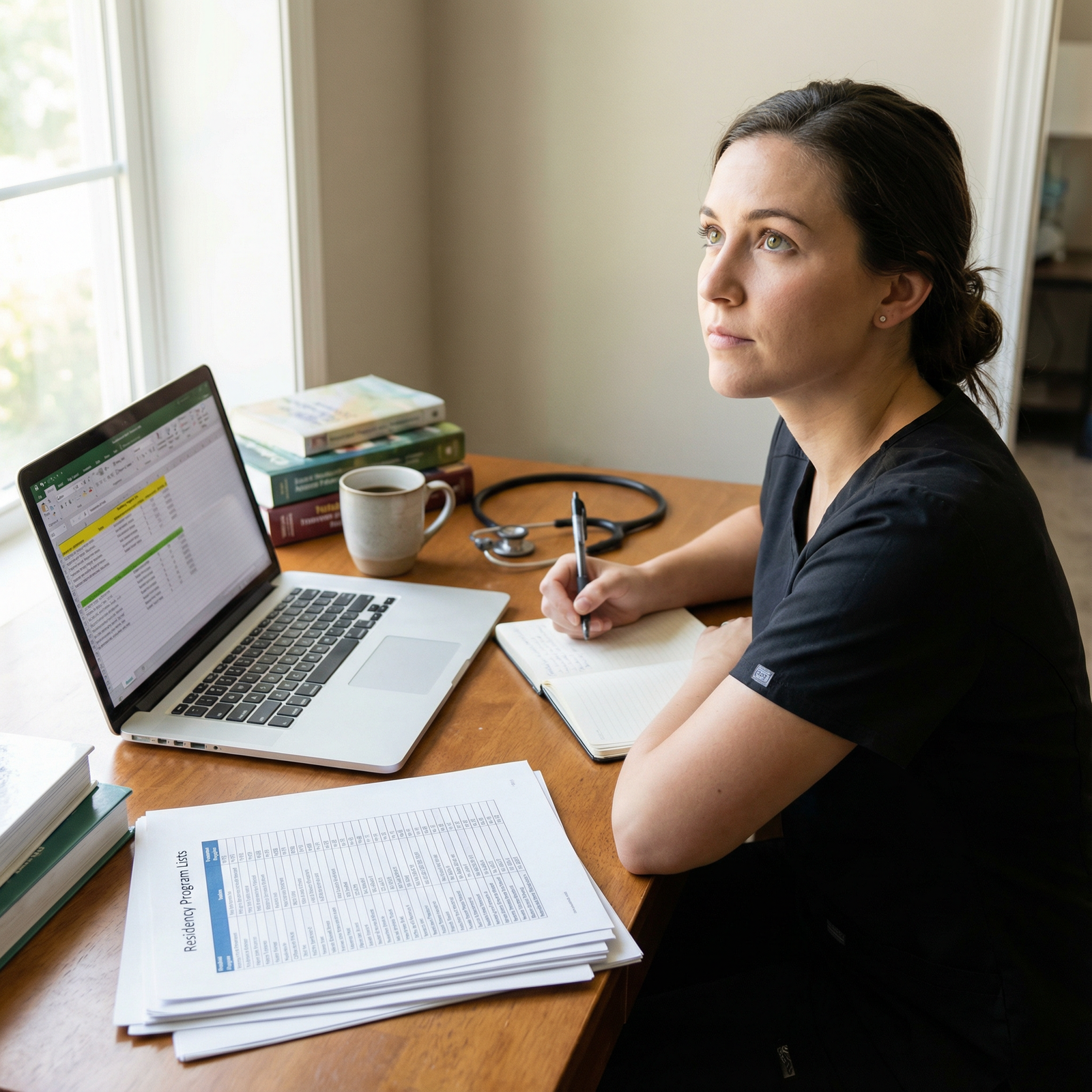
Make a spreadsheet:
- Columns: Program name, Specialty, Location, Caribbean IMG‑friendly? EHR used, QI/IT notes, contact info
- Tag those with:
- Informatics potential (e.g., “Epic + QI committee + resident research”)
- SGU residency match or other Caribbean IMG match history
You are not guessing blindly; you’re creating a priority map for later.
4. Prepare SOAP‑Optimized Documents and Talking Points
You cannot write new personal statements for every program during SOAP. Instead:
- Draft 2–3 SOAP‑specific personal statement variations:
- IM/CI‑focused PS – Emphasizes interest in clinical informatics, QI, data‑driven care
- FM/CI‑focused PS – Focus on population health, outpatient data, telehealth
- Prelim/Transitional PS – Emphasizes flexibility, work ethic, and interest in systems improvement
Include very concrete examples:
- “During my core internal medicine rotation at a New York affiliate, I worked with the team to improve EHR problem list accuracy, reducing duplicate entries by 20% through a systematic review approach.”
- “In a quality improvement project, I used EMR data to identify high‑risk diabetic patients who missed follow‑up and helped design a reminder workflow.”
Also prepare a brief SOAP pitch (30–45 seconds) that ties your background to informatics:
“I trained at a Caribbean medical school with high patient volume and diverse pathology. During my US clinical rotations, I became increasingly interested in how EHR systems, data dashboards, and clinical decision support can reduce errors and improve efficiency. I see internal medicine as the best foundation for a future clinical informatics fellowship. I bring strong clinical fundamentals, familiarity with major EHRs, and a genuine interest in health IT and workflow improvement.”
You’ll adapt this to every phone/virtual SOAP interview.
5. Arrange Your Support Team and Logistics
You will need help during SOAP because time is tight:
- Identify:
- One mentor or attending who can respond quickly to reference requests
- A school advisor (Caribbean schools with strong support, like SGU, often have SOAP guidance)
- A reliable friend/family member for emotional support and scheduling help
- Logistics:
- Ensure your ERAS is fully updated (Step 2 CK score in, all LORs assigned)
- Stable internet, quiet interview space, working webcam and headset
- Pre‑installed Zoom/Teams, formal interview attire ready

Executing SOAP: Step‑by‑Step Strategy for Caribbean IMGs
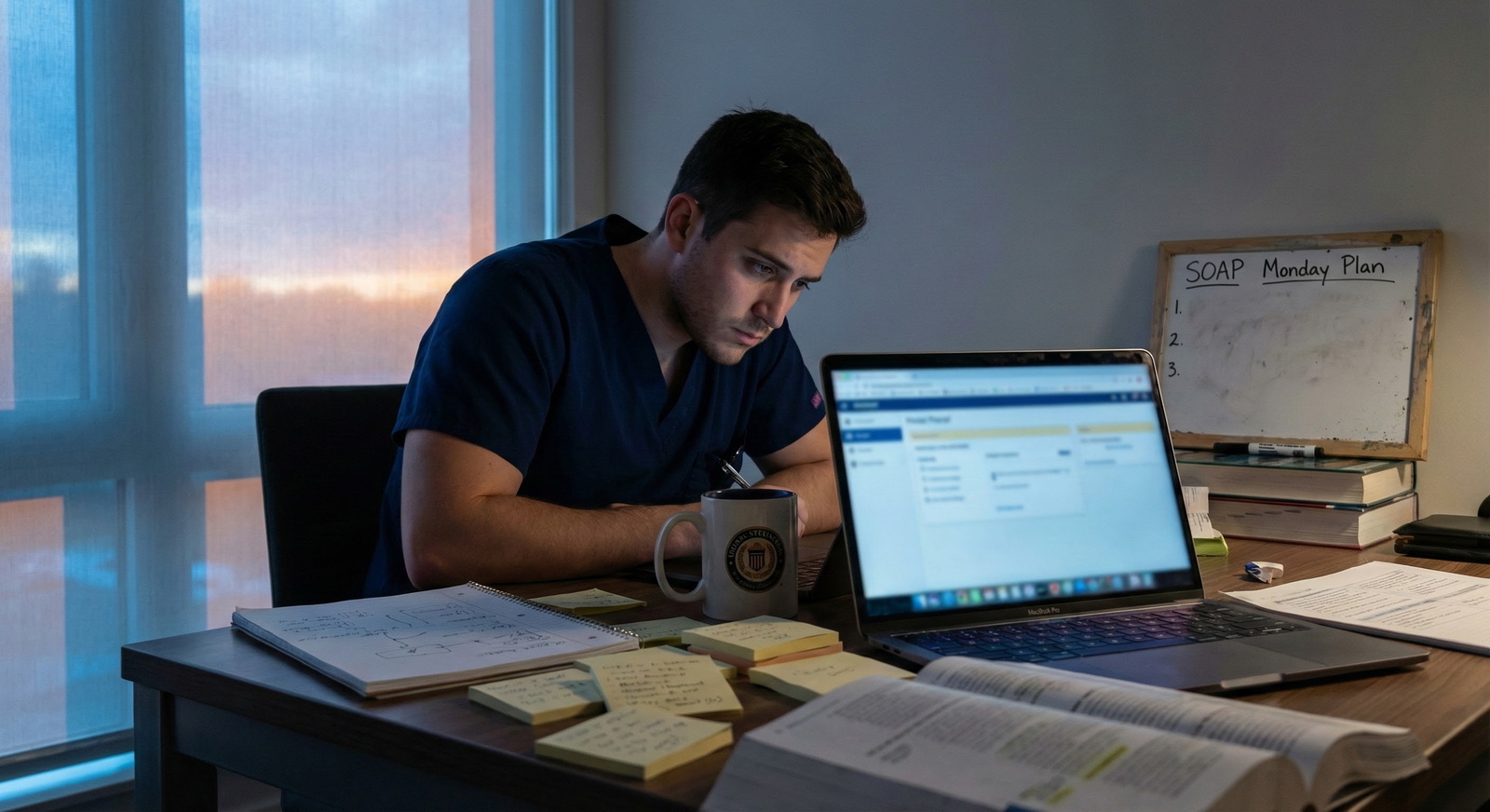
1. Monday Morning: Getting the SOAP Residency Status
On Monday of Match Week:
- 8:00 a.m. ET (approx.): You learn if you are:
- Fully matched
- Partially matched
- Unmatched
If you are unmatched or partially matched and meet NRMP criteria, you become SOAP‑eligible.
Immediate actions:
- Emotional regulation (first 1–2 hours):
- Take 30–60 minutes to process. Your brain needs to be functional for intense strategy decisions.
- Confirm SOAP eligibility on NRMP:
- Check your NRMP and ERAS status
- Contact support system:
- Let your school’s advising office know you’re entering SOAP
- Reach out to your key mentor
2. Reviewing the SOAP List Strategically
When the NRMP releases the list of unfilled positions:
- Filter by:
- Specialty alignment with future clinical informatics (IM, FM, Peds, EM)
- Program type: University, university‑affiliated, large community programs are generally better for EHR/QI exposure
- Visa and Caribbean IMG history (if relevant)
Then apply your pre‑built priority map:
- Tier A: Categorical IM/FMs in EHR‑rich environments with potential health IT exposure
- Tier B: Other categorical specialties acceptable for informatics
- Tier C: Transitional year or prelim IM with reasonable EHR/QI environment
- Tier D: Any other reasonably acceptable positions if numbers are very low
Avoid blind “apply to all” if possible. You’re allowed a limited number of SOAP applications per round (historically 45 at a time; confirm current rules). As a Caribbean IMG, your focus should be maximizing realistic matches that still support your clinical informatics trajectory.
3. Updating ERAS for SOAP
You cannot overhaul your entire ERAS, but you can:
- Reassign:
- Most appropriate personal statement version to each specialty
- Best‑fit letters (e.g., IM letters for IM positions; FM letters for FM)
- Adjust experience descriptions:
- If allowed, tweak language to highlight informatics‑relevant tasks:
- “Utilized EMR‑based registries to…”
- “Participated in an EHR workflow redesign for discharge summaries…”
- If allowed, tweak language to highlight informatics‑relevant tasks:
Check all document assignments before certifying SOAP applications.
4. Communication and Interviewing During SOAP
Programs may:
- Contact you via email or phone to schedule brief virtual interviews
- Or occasionally call you spontaneously
Your interviewing priorities:
- Be available at all times during business hours (and often beyond).
- Answer unfamiliar numbers professionally:
- “Hello, this is Dr. [Name] speaking.”
- Have a one‑page cheat sheet near your laptop:
- Top 5 strengths
- 2–3 informatics‑related examples
- Why this specialty/program
- Key questions to ask (e.g., about QI, EHR, data use)
When asked about your interest in their program, seamlessly link to informatics:
“I’m particularly attracted to your program’s emphasis on quality improvement and your use of Epic. I hope to participate in projects that analyze clinical data to improve patient outcomes, which aligns with my long‑term goal of completing a clinical informatics fellowship.”
5. Managing SOAP Offers and Rounds
SOAP consists of several offer rounds where programs send offers through NRMP, and you can:
- Accept one offer (which ends your SOAP participation)
- Reject or let expire offers (strategic but risky)
Strategy for a Caribbean IMG with clinical informatics goals:
- If you receive a categorical IM or FM offer from a reasonably stable program:
- In most cases, accept. These are among the best foundations for clinical informatics.
- If you receive a prelim or transitional offer early:
- Weigh:
- Your risk tolerance
- The likelihood of better categorical offers
- The quality of the prelim program (EHR, QI, location, reputation)
- Weigh:
You must balance:
- The security of having any position (especially as a Caribbean IMG)
- Versus your pre‑defined minimum acceptable pathways to clinical informatics
For many Caribbean graduates, a solid prelim IM or transitional year at a high‑quality, EHR‑rich institution is still a meaningful path: you can later reapply with stronger US experience and better letters.
Aligning SOAP Outcomes With a Future in Clinical Informatics
Whether you secure a SOAP residency or not, you can still steer toward clinical informatics.
1. If You Match Through SOAP into a Categorical Program
You now have a strong base. Your first‑year priorities:
- Clinical excellence first:
- Informatics fellowship directors want residents who are good clinicians.
- Identify local informatics champions:
- CMIO (Chief Medical Information Officer)
- Clinical informatics faculty
- QI and health IT committees
- Join at least one EHR or data‑focused project:
- Examples:
- Audit of EHR clinical decision support alerts
- Creation or improvement of order sets
- Telehealth workflow optimization
- Population health dashboard for chronic diseases
- Examples:
Document your work carefully; this becomes the foundation of your clinical informatics fellowship application or later health IT training jobs.
2. If You Match Into a Prelim or Transitional Year
This is not the end of the informatics dream. It is a bridge year:
- Focus on:
- Strong clinical evaluations
- Excellent performance with EHR and team workflows
- Seeking out QI/data projects even during a busy prelim schedule
- Network:
- With program leadership and hospital IT/CI teams
- Let them know your long‑term interest in informatics
During or after this year, you can:
- Reapply via ERAS for categorical positions (IM/FM/Peds/EM) with a vastly stronger application
- Highlight:
- Successful US training year
- QI or EHR‑related projects
- Faculty support letters emphasizing your systems thinking
3. If You Do Not Match Even After SOAP
This is difficult, but your clinical informatics trajectory is not over.
Your goals for the next 6–12 months:
- Strengthen your application clinically and informatically:
- Obtain US clinical experience: observerships, externships, hands‑on roles where allowed
- Engage in health IT training or clinical informatics‑related certificates:
- Online courses in health informatics, data analytics, or EHR optimization
- Volunteer or paid roles in hospitals/health systems where you can work with data or EHR workflows (within legal and licensing limits)
- Research/Projects:
- Join informatics or QI research with academic mentors, even remotely
- Aim for posters, publications, or conference abstracts in clinical informatics or digital health
Then re‑enter the Match with:
- Clear narrative: “I used my year to deepen my skills in clinical data, digital health, and QI because my long‑term plan is to integrate frontline care with informatics.”
- More compelling evidence for a clinical informatics fellowship down the road.
Practical Examples: SOAP Pathways to Clinical Informatics
Example 1: SGU Graduate → SOAP IM → Clinical Informatics
- SGU graduate with good Step 2 CK but no initial match in categorical IM
- SOAP residency:
- Applies to 45 IM/FM programs, focusing on EHR‑rich, academic‑affiliated sites
- Accepts categorical IM position at a university‑affiliated community hospital
- During residency:
- Joins Epic optimization committee
- Leads a project on sepsis order set adherence using EHR reports
- Post‑residency:
- Successfully applies to a clinical informatics fellowship citing project outcomes and faculty endorsements
Example 2: Caribbean IMG → Transitional Year SOAP → Categorical IM → Health IT Leadership
- Caribbean IMG unmatched, SOAPs into a transitional year at a large health system using Cerner
- Uses the year to:
- Build strong relationships with IM faculty
- Participate in population health EHR registry for heart failure patients
- Next cycle:
- Applies and matches into categorical IM at same system with strong letters
- Later:
- Does a mix of on‑the‑job informatics work and targeted health IT training courses
- Becomes a physician lead for EHR optimization without formal fellowship
These narratives are realistic pathways for Caribbean IMGs when SOAP strategy is executed with informatics in mind.
FAQs: SOAP Preparation and Clinical Informatics for Caribbean IMGs
1. Is SOAP realistic for a Caribbean IMG who eventually wants a clinical informatics fellowship?
Yes, many Caribbean IMGs successfully use SOAP to secure categorical IM, FM, or other relevant residencies. These specialties are common entry routes into clinical informatics fellowship. The key is to:
- Prioritize informatics‑friendly specialties (especially IM or FM)
- Target programs with robust EHR systems and active QI or data projects
- Use your application and interviews to signal a genuine, long‑term interest in clinical informatics without sounding like you’re uninterested in frontline clinical work.
2. Should I accept a prelim or transitional year in SOAP if I really want a categorical IM spot for informatics?
It depends on your risk tolerance and the specific program. For many Caribbean IMGs, a strong prelim or transitional year is preferable to a gap year because:
- It gives you US residency experience and stronger letters
- You can engage in EHR and QI projects
- You can reapply with a more competitive profile
However, if you have a realistic chance at categorical offers (strong scores, solid application) and it’s early in SOAP rounds, you may consider waiting. This decision should be made with input from advisors who understand your profile.
3. How can I highlight my interest in clinical informatics during SOAP without sounding unfocused?
Frame clinical informatics as a natural extension of being a strong, systems‑oriented clinician:
- Emphasize that your first goal is to be an excellent physician in your chosen specialty
- Then add that you are also drawn to improving care through better data and technology
- Provide one or two concrete examples (e.g., EHR/QI projects, data tasks)
- Ask informed questions about QI, EHR tools, and resident involvement in systems improvement
Programs appreciate applicants who want to improve care delivery, not just chase a buzzword.
4. Does my Caribbean school (e.g., SGU) reputation matter in SOAP?
Yes, to some degree. Programs familiar with your Caribbean school—especially those that regularly appear in the SGU residency match lists or have previously taken graduates from your institution—are more likely to view your training positively. During SOAP:
- Give slight preference to programs that historically accept Caribbean graduates
- If asked, speak confidently about your clinical training volume, diversity, and adaptability
Your school’s reputation is one factor among many; your USMLE scores, clinical evaluations, LORs, and professionalism often matter more in SOAP.
By preparing early, choosing SOAP targets wisely, and continuously aligning each step with your long‑term goal of clinical informatics, you can turn an initially disappointing Match Week into a strategic pivot that ultimately leads to a rewarding career at the intersection of medicine, data, and technology.