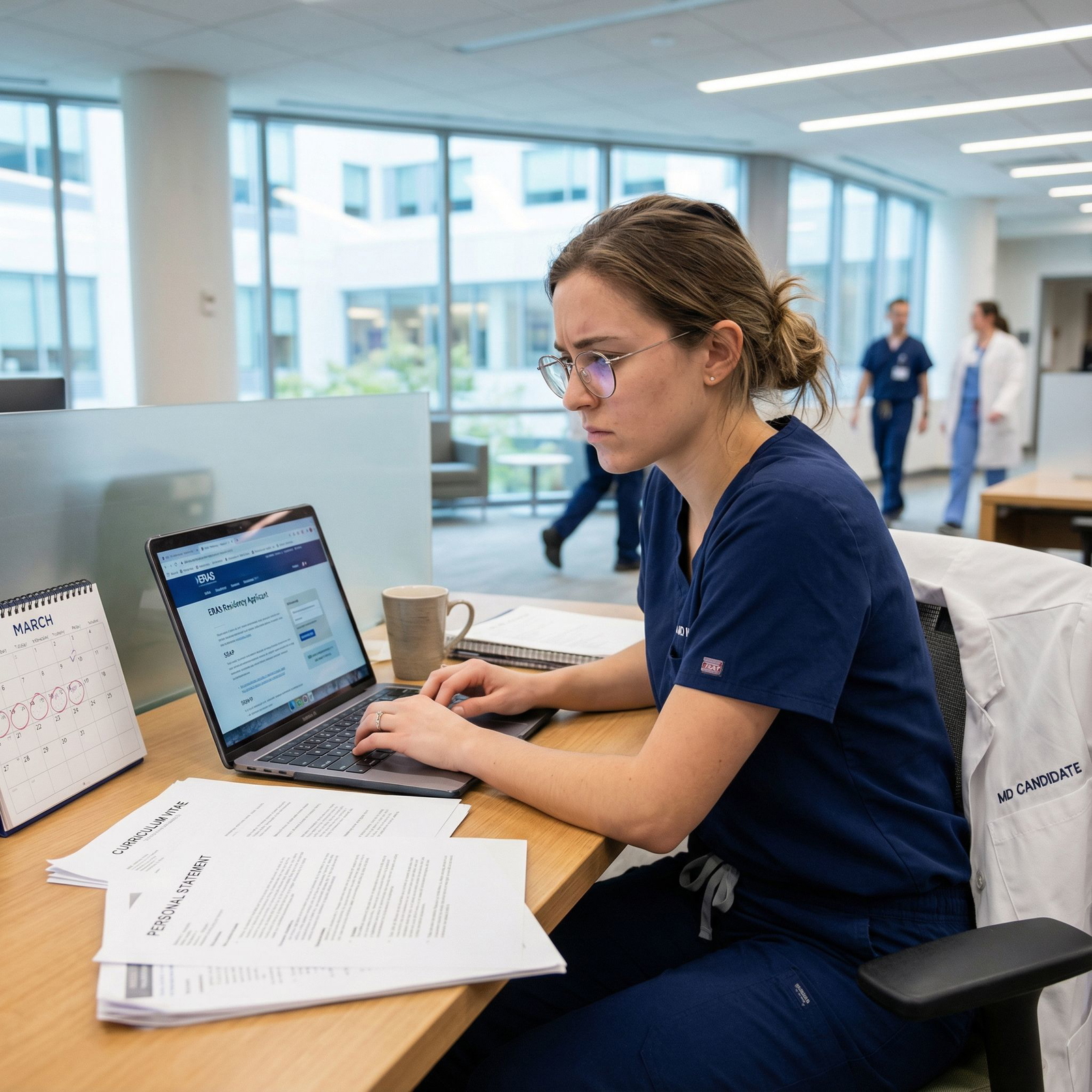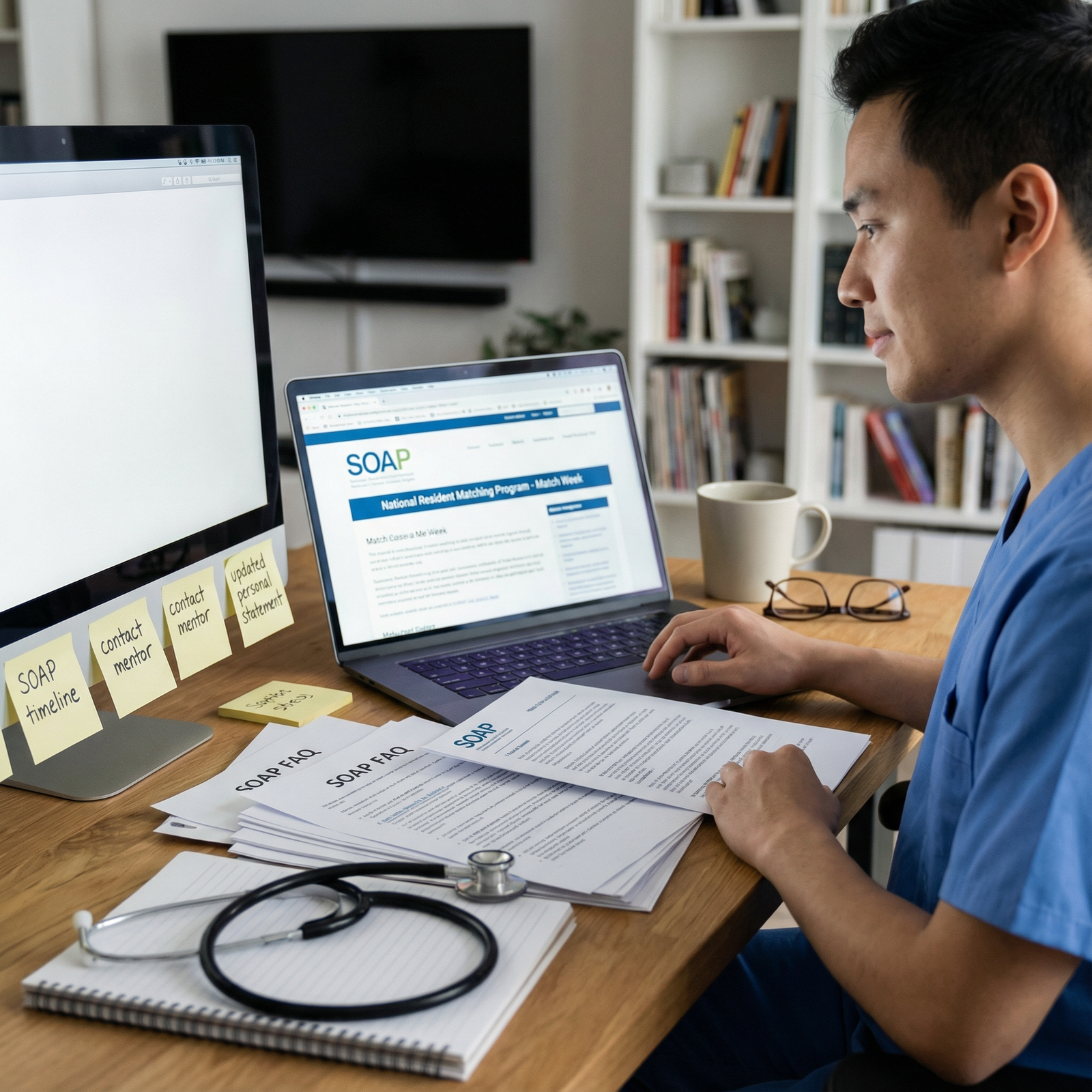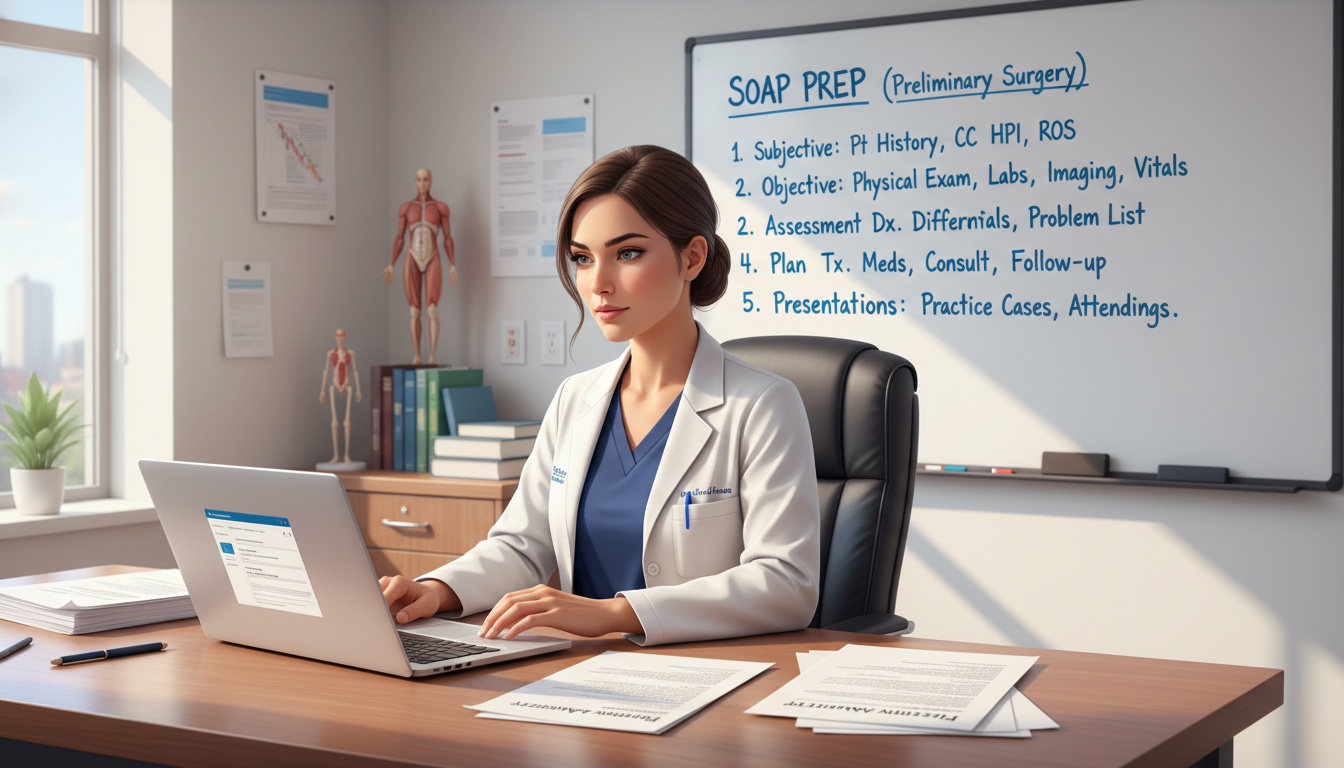
Residency match week can feel like controlled chaos—even more so if you are targeting a specialized pathway such as clinical informatics. If you find yourself entering the Supplemental Offer and Acceptance Program (SOAP), solid preparation can turn a stressful week into a realistic second chance, especially if your long‑term goal is a clinical informatics fellowship or a career in health IT.
This guide focuses on SOAP preparation in the context of clinical informatics, and how to keep your informatics goals alive even if your initial Match plan changes.
Understanding SOAP and Its Relevance to Clinical Informatics
Before planning, you must clearly understand what is SOAP and how it fits into your broader career trajectory toward clinical informatics.
What is SOAP?
The Supplemental Offer and Acceptance Program (SOAP) is an organized process run by the NRMP during Match Week that allows eligible unmatched or partially matched applicants to apply to unfilled residency positions. It is not a free‑for‑all scramble; it has strict rules, timelines, and communication restrictions.
Key points:
- SOAP runs Monday–Thursday of Match Week.
- Applicants learn on Monday if they are:
- Fully matched
- Partially matched
- Unmatched
- Those eligible for SOAP can apply to unfilled positions listed in the NRMP system.
- Programs review applications and issue offers across multiple rounds.
- Applicants can accept only one offer at a time.
Why SOAP Matters for Future Clinical Informatics Fellows
Clinical informatics is a subspecialty (requiring board eligibility in a primary specialty). To reach a clinical informatics fellowship, you must first successfully complete a qualifying primary residency (e.g., internal medicine, pediatrics, emergency medicine, pathology, family medicine, etc.).
This means:
- Your SOAP decisions today will influence whether and how you can later pursue:
- A clinical informatics fellowship
- Formal health IT training
- Roles in data analytics, EHR optimization, digital health leadership, or population health
SOAP is less about “salvaging” the Match and more about strategically repositioning your training path so that informatics remains possible and realistic.
Strategic SOAP Preparation: Before Match Week
Effective SOAP preparation begins months before Match Week—even if you’re optimistic about matching. Think of it as risk management for your career.
1. Clarify Your Long-Term Informatics Goals
Start by defining how strongly clinical informatics figures into your career plan:
Ask yourself:
- Do I definitely want to pursue a clinical informatics fellowship?
- Am I primarily interested in health IT training (e.g., master’s programs, certificates, industry experience) even without formal fellowship?
- How much do I want informatics to be part of my daily clinical work, versus a side interest?
Your answers guide your SOAP choices:
- If clinical informatics is a core goal, you should:
- Prefer residencies in specialties with robust informatics fellowships and strong health IT infrastructure.
- Target programs/institutions known for EHR innovation, data science, digital health.
- If informatics is a secondary interest, you have more flexibility, and may:
- Prioritize geographic or clinical fit, while still aiming for systems‑oriented departments.
2. Identify Informatic‑Friendly Specialties and Programs
Not all residency paths support informatics equally. Before Match Week:
- Review ABMS‑approved clinical informatics fellowship program lists.
- Note the primary specialties these fellowships accept (commonly: IM, FM, EM, pediatrics, anesthesiology, pathology, psychiatry, etc.).
- Build a mental map of institutions with strong health IT ecosystems, such as:
- Academic medical centers with enterprise EHRs across large systems
- Hospitals participating in data‑driven quality improvement, telehealth, or AI pilots
- Institutions with biomedical informatics departments or related graduate programs
This mapping helps you interpret the SOAP list more quickly and intelligently when it is released.

3. Build a SOAP-Ready Application Package
Your SOAP preparation must include having updated, polished application materials ready to go, tailored to show alignment with clinical informatics.
Key components:
a. Updated CV with Informatics Highlights
Include:
- EHR optimization or workflow projects
- Quality improvement or patient safety projects using data
- Experience with:
- Clinical decision support
- Data analytics, SQL, R, Python
- Registry or database management
- EMR superuser roles, committee work, or digital health initiatives
- Any involvement with:
- Telemedicine program design
- Population health dashboards
- Health app development or evaluation
Format these clearly under “Informatics & Quality Projects” or similar.
b. Informatics-Focused Personal Statement Variant
Have at least one version of your personal statement that:
- Frames your interest in clinical informatics
- Connects informatics to:
- Patient care quality
- Safety
- Efficiency
- Health equity
- Shows understanding of how residency training is the foundation for a future in informatics.
You may still need specialty-specific variations (e.g., for IM, FM, EM), but each can contain a consistent thread: how informatics intersects with that specialty’s clinical work.
c. Letters of Recommendation (If Possible)
While letters cannot typically be changed during SOAP, strong existing letters can be reframed in how you present your narrative:
- Identify letters that mention:
- Systems thinking
- Use of data to solve problems
- Leadership in tech‑related initiatives
- Highlight these themes in your personal statement and interview answers.
4. Prepare a Specialty Flexibility Plan
SOAP often requires flexibility. You may need to pivot specialties (e.g., from IM to FM, from IM to transitional year, from EM to IM). For each plausible specialty you might consider:
- Know:
- Typical clinical pathways
- Whether that specialty supports your future eligibility for a clinical informatics fellowship.
- Draft a few bullet‑point reasons why you’d be sincerely interested in that specialty, such as:
- Broad exposure to population health (FM, IM)
- Acute care and technology integration (EM, anesthesia)
- Diagnostic reasoning and laboratory systems (pathology)
This preparation will save crucial time when SOAP begins and you must quickly tailor your application and talking points.
Executing SOAP Week: Step-by-Step for Informatics-Oriented Applicants
When SOAP starts, emotions run high. Having a structured plan keeps you focused and able to advocate for your future informatics career.
Step 1: Rapidly Analyze the Unfilled Positions List
On Monday of Match Week, once you have access to the SOAP‑eligible unfilled positions list:
Filter by:
- Specialty
- Geographic region (if critical to you)
- Institution type (academic vs community)
Identify programs that:
- Are at institutions with existing clinical informatics fellowships or strong informatics departments.
- Are part of large health systems with advanced EHR use, data analytics teams, or digital health arms.
Prioritize these programs in your target list. Even if you can’t join a dedicated informatics pathway as a resident, being at the right institution gives you:
- Access to informatics mentors
- Opportunities to join health IT projects
- Potential internal pipeline advantages for future CI fellowship positions
Step 2: Select Specialties Compatible with Future CI
Not all SOAP choices are equally helpful for a clinical informatics trajectory. During health IT training and fellowship selection, program directors will care about your primary specialty and overall clinical foundation.
When considering SOAP options, prioritize specialties that:
- Are recognized as eligible for clinical informatics board certification
- Offer strong:
- EHR interaction
- Multidisciplinary teamwork
- Systems-based practice
Examples often aligned with informatics pathways (depending on your background and interests):
- Internal Medicine
- Family Medicine
- Emergency Medicine
- Pediatrics
- Anesthesiology
- Pathology
- Psychiatry
Less common but still potentially compatible roles may exist (e.g., some surgical specialties), but their paths to CI fellowship can be less straightforward. In SOAP, you may not have the luxury of ideal options, but when you do have choices, weigh long‑term informatics feasibility alongside short‑term needs.
Step 3: Tailor Your Application Messaging for SOAP
Once you know where you will apply through SOAP (remember there is a maximum number of applications):
- Adjust your personal statement to match each specialty, while preserving your informatics narrative:
- For IM/FM: emphasize chronic disease management, population health dashboards, care coordination technology.
- For EM: highlight ED flow, triage informatics, monitoring technology, decision support in high‑acuity settings.
- For pathology: stress lab information systems, digital pathology, diagnostic analytics.
- In your ERAS experiences section, re‑order entries (if allowed) to foreground:
- Systems-based projects
- Quality improvement
- Data or technology applications
Your goal is to present yourself as a serious candidate for that specialty who also brings unique informatics strengths.
Step 4: Prepare for SOAP Communications and Virtual Interactions
Officially, no unsolicited communication to programs is allowed once SOAP begins, unless programs contact you. When they do:
Be ready to answer:
“Why this specialty, given your background?”
- Provide a concise story linking:
- Your clinical experiences
- Your systems‑level interests
- Informatics examples from that setting
- Provide a concise story linking:
“Why our program?”
- If the institution has known informatics or health IT strengths, mention:
- Their EHR implementation reputation
- Telehealth innovation
- Data‑driven quality initiatives or population health work
- Emphasize that you want to be a clinician first, but one who engages deeply with these systems.
- If the institution has known informatics or health IT strengths, mention:
“Will you stay with us if you match through SOAP?”
- Reassure them:
- You are fully committed to completing residency training there.
- You see strong alignment with your long‑term goals, including potential clinical informatics.
- Reassure them:
Your tone should reflect stability and seriousness about clinical training, with informatics as a strength—not as a distraction.

Using Residency to Build Toward Clinical Informatics After SOAP
Matching through SOAP is not a failure; it is a different starting point. You can still create a strong pathway to clinical informatics fellowship and meaningful health IT training.
1. Align Early with Informatics Mentors
Once you start residency:
- Identify:
- Any clinical informaticians on staff (MDs with CI boards or leadership in IT).
- Faculty involved in:
- EHR governance
- Data science projects
- Quality and safety leadership
- Request brief meetings:
- Share your interest in informatics.
- Ask what opportunities exist for residents to:
- Join committees
- Participate in QI projects with an IT component
- Collaborate on research about EHR, data, or digital tools
These mentors can later:
- Write fellowship LORs
- Advise smart choices for projects, electives, and additional health IT training
- Help you network with clinical informatics fellowship directors
2. Seek Health IT Training Opportunities During Residency
You don’t have to wait until fellowship to deepen your skill set. During residency, consider:
- Formal coursework:
- Online certificates or master’s programs in:
- Biomedical informatics
- Health data science
- Public health informatics
- Be realistic: make sure this does not compromise clinical performance.
- Online certificates or master’s programs in:
- Internal training:
- Superuser training for the EHR
- Involvement in EHR optimization committees
- Participation in pilot programs (e.g., new clinical decision support tools)
- Project work:
- QI projects that rely heavily on data extraction, dashboards, or workflow redesign
- Research on:
- Alert fatigue
- Documentation burden
- Predictive models
- Telemedicine implementation
You are building a portfolio that strengthens your later application to a clinical informatics fellowship.
3. Position Yourself Competitively for CI Fellowship
When it’s time to apply for CI fellowship, directors will look for:
- Strong clinical performance in your primary specialty
- Evidence of systems thinking
- Tangible informatics‑related work:
- Projects
- Publications
- Leadership roles
- A coherent narrative: “This is why I started in [specialty], and this is how informatics helps me solve the problems I care most about.”
Coming through SOAP doesn’t hurt you here—what matters is what you do with your residency.
Emotional and Practical Coping: Staying Focused Under Pressure
SOAP week can be emotionally intense. Balancing your immediate need to match with your ambition for a clinical informatics career is challenging.
Manage Expectations and Perfectionism
- You may not end up in:
- Your ideal specialty
- Your top geographic region
- A program with a dedicated CI track
- That’s okay. Many successful informaticians:
- Trained in non‑elite programs
- Discovered informatics later in residency
- Built their own opportunities
Focus on obtaining:
- Solid, broad clinical training
- An environment where you can access or create informatics‑adjacent projects
This combination is more important than matching to a “branded” informatics program.
Practical Support During SOAP Week
- Designate a support person (friend, family, mentor) you can call between rounds.
- Maintain:
- Regular meals
- Hydration
- Sleep as much as feasible
- Prepare a simple decision framework ahead of time:
- What specialties and locations are “yes,” “maybe,” and “no” for you?
- Under what circumstances would you consider reapplying vs. taking a SOAP position?
When an offer arrives, you will have minutes, not hours, to decide. Pre‑defined principles prevent panic decisions.
FAQs: SOAP Preparation in Clinical Informatics
1. If I go through SOAP, can I still get a clinical informatics fellowship later?
Yes. Many future informaticians do not match at their first‑choice program or even their first‑choice specialty. What matters most to CI fellowship directors is:
- Completion of a qualifying residency with strong clinical performance
- Demonstrated interest and experience in informatics:
- Projects
- QI
- Data, EHR, or technology work
- Strong letters of recommendation, ideally from physicians involved in informatics or health IT
SOAP does not mark your record negatively in any formal way; it’s simply part of how you entered residency.
2. Should I prioritize programs with existing clinical informatics fellowships during SOAP?
If you have options, yes—these programs typically:
- Have established informatics infrastructure
- Employ faculty informaticians who can mentor you
- Offer more opportunities for:
- EHR/governance committee work
- Data and quality projects
- Early networking with future colleagues
However, a program without a CI fellowship can still be excellent if:
- They are part of a large, modern health system
- They support resident‑driven QI and IT‑related initiatives
- You’re proactive about seeking external mentors or health IT training opportunities
3. Is it better to SOAP into a less preferred specialty at a strong informatics institution, or a preferred specialty at a less informatics-focused hospital?
This is highly individual. Consider:
- Your genuine willingness to practice long term in that specialty
- The depth of informatics opportunities at the institution
- How difficult it would be to gain informatics experience at the less informatics‑focused site
If clinical informatics is central to your identity and you have strong flexibility between specialties, you may lean toward a strong informatics environment. But if you would be unhappy in that specialty long‑term, that’s a serious drawback. Clinical satisfaction matters—as a future CI fellow, you must be a credible, engaged clinician.
4. What SOAP preparation should I start now if I’m an MS3 or early MS4 aiming for clinical informatics?
Start by:
- Engaging in informatics‑adjacent projects:
- QI with EHR data
- Clinical decision support
- Telemedicine development
- Learning basic data literacy and tools (R, Python, SQL) if time permits
- Seeking mentors in informatics or quality/safety
- Drafting a personal statement that:
- Clearly articulates your interest in informatics
- Connects it to patient care
- Understanding the basics of:
- What is SOAP
- SOAP timelines and rules
- How SOAP might affect specialty choice
If you never need SOAP, this preparation still strengthens your residency and later clinical informatics fellowship applications. If you do, you’ll be far more ready to navigate it with intention rather than panic.
SOAP does not define your worth as a future physician—or as a future clinical informatician. It is one more system to understand, navigate, and optimize. With thoughtful SOAP preparation, strategic specialty choices, and a clear vision of your informatics goals, you can transform an uncertain Match Week into the first step on a purposeful, data‑driven career path.