Understanding SOAP as a DO Applying to Dermatology
For a DO graduate interested in dermatology, preparing for SOAP (Supplemental Offer and Acceptance Program) is both a safety net and a strategic advantage. Even if you feel confident about your derm match chances, disciplined SOAP preparation protects you against unexpected outcomes and helps you think clearly about your broader residency options.
Before planning, you need to understand what SOAP is, how it works, and how it differs for a DO graduate aiming at a competitive specialty like dermatology.
What Is SOAP?
SOAP is the structured process the NRMP uses to help unmatched or partially matched applicants obtain unfilled residency positions during Match Week. It replaces the old “scramble” with a timed, rule‑based system.
Key elements of SOAP:
- Eligibility: You must:
- Be registered for the Main Residency Match
- Be unmatched or partially matched after the algorithm runs
- Have passed at least one USMLE or COMLEX Level/Step required by programs (varies by state/program)
- Timing:
- Monday of Match Week: Applicants find out if they’re matched, partially matched, or unmatched.
- Monday–Thursday: Multiple SOAP “offer rounds,” where programs extend offers and applicants accept or reject them through NRMP.
- Communication rules:
- During SOAP, you may not contact programs about SOAP positions unless they contact you first.
- Programs review your application in ERAS, then may invite you to a brief virtual interview before ranking their preferred applicants for offers.
In dermatology, unfilled PGY-2 (advanced) positions are rare but not impossible. More commonly, dermatology‑interested DO graduates use SOAP to secure a solid PGY-1 (transitional year or preliminary medicine/surgery) or a different categorical specialty that preserves the option of pursuing dermatology later.
Why SOAP Preparation Matters for a DO Dermatology Applicant
Dermatology remains one of the most competitive specialties. Even strong DO applicants—with solid COMLEX/USMLE scores, research, and letters—can face uncertainty. As a DO graduate, you face a few specific realities:
Program bias still exists
Despite unified accreditation, some derm programs and large academic centers historically favor MDs, although this is slowly improving. Your risk of not matching may be slightly higher, even with a strong file.Derm match is all‑or‑nothing for many applicants
Many applicants aim almost exclusively at dermatology and may have few or no parallel backup applications. SOAP becomes the fail-safe when the derm match doesn’t work out.PGY-1 opportunities can keep the derm dream alive
Securing a strong preliminary or transitional year via SOAP can position you to reapply to dermatology the following cycle or enter related fields (e.g., internal medicine with future dermatology-focused careers, such as complex medical derm or cutaneous oncology collaboration).
Because of these dynamics, SOAP preparation for a DO graduate in dermatology is not about pessimism; it’s about resilience and strategic flexibility.
Step 1: Pre‑SOAP Self‑Assessment and Strategy (Months Before Match Week)
1. Evaluate Your Derm Match Competitiveness
Well before Match Week—ideally early in application season—take a hard look at your dermatology residency prospects:
- Academic metrics:
- COMLEX Level 1/2 and (if taken) USMLE Step 1/2
- Any exam failures or significant red flags
- Derm‑specific credentials:
- Home or away dermatology rotations with strong evaluations
- Dermatology‑focused research, posters, or publications
- Strong letters from dermatology faculty
- Application pattern:
- Number and range of derm programs applied to (academic/community, geographic spread)
- Number and quality of invitations
If you have multiple risk factors (few derm interviews, exam failure, limited research, or late start), SOAP preparation becomes even more urgent.
2. Decide on a Clear Backup Hierarchy
You need a written “if‑not‑derm” plan with specific paths you would realistically accept. Some options for DO graduates who love dermatology:
Preliminary or Transitional Year (PGY‑1)
- Transitional Year (TY)
- Preliminary Internal Medicine
- Preliminary Surgery
These give you time to improve your application and reapply to dermatology, while keeping broad clinical exposure.
Related categorical specialties
- Internal Medicine (future subspecialties with a strong skin component, e.g., rheumatology with connective tissue disease; oncology with cutaneous oncology collaboration)
- Family Medicine (scope to develop dermatology-heavy outpatient practice and procedural skills)
- Pathology (for future dermatopathology, though this is a long and specialized route)
Other categorical fields you’d genuinely be okay with
Think honestly: Would you be satisfied building a career in another specialty if dermatology never materializes? Rank those realistically.
Write this hierarchy out. During SOAP chaos, you won’t have time to think deeply; you’ll need a pre‑decided framework.
3. Clarify Your “Non‑Negotiables”
Before Match Week, define:
- Geographic boundaries (e.g., “Any program east of the Mississippi is acceptable,” or “I must be within 6 hours of family for caregiver reasons.”)
- Program type (e.g., open to community, small hospital, or only larger centers)
- Work–life factors (e.g., call schedule acceptability, but keep this flexible)
In SOAP, you may need to compromise more than during the main match, but having baseline limits prevents you from accepting an offer that would make you miserable or unsafe.

Step 2: Tactical SOAP Preparation Before Match Week
Once your strategy is clear, you need concrete resources ready to deploy if you end up in the SOAP residency process.
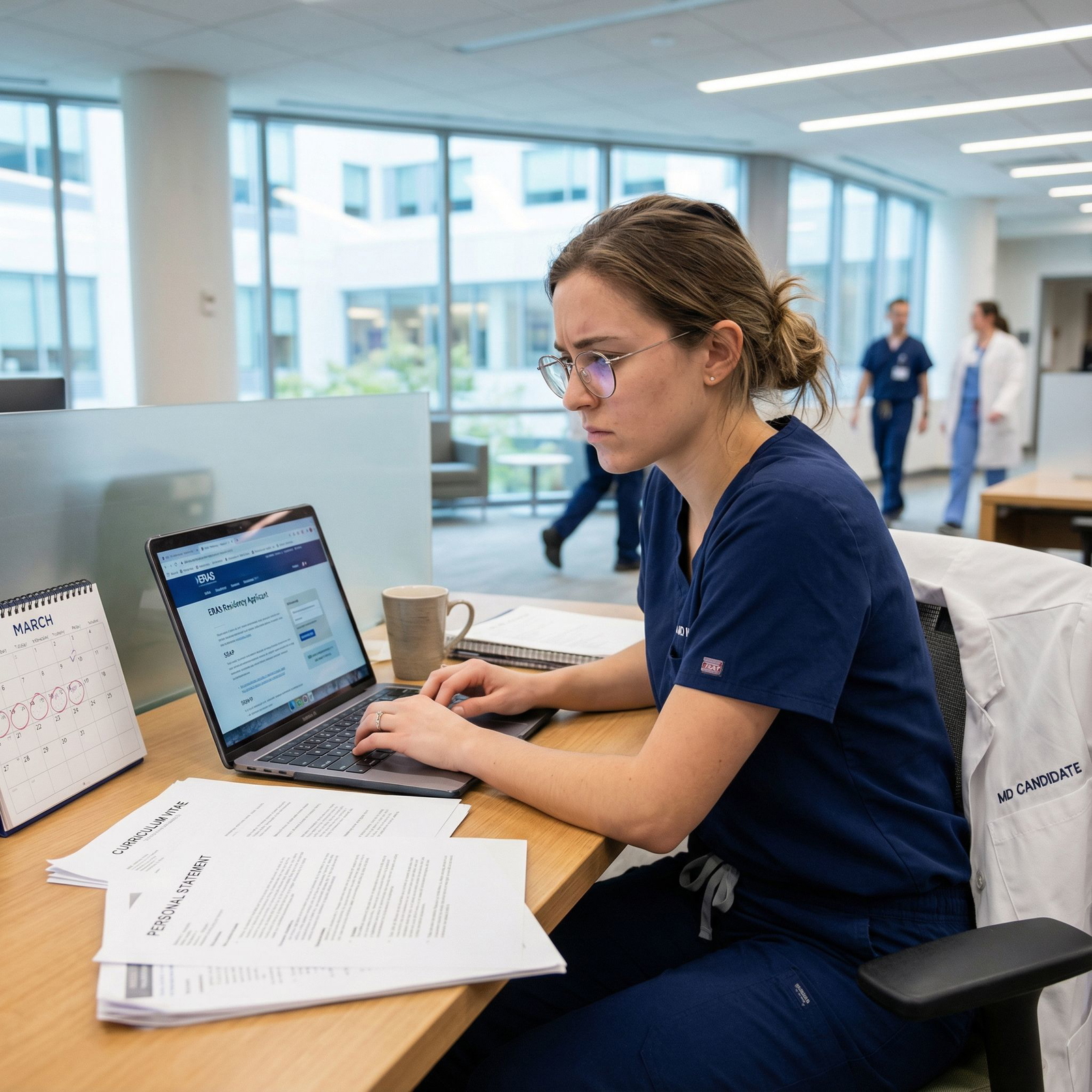
1. Update and Organize Your ERAS Application
ERAS is the tool programs use during SOAP. Make sure it’s:
Clean, accurate, and typo‑free
Even if you feel “done” after submitting derm applications, revisit:- Experience descriptions
- Personal statement(s)
- Volunteer and research details
Small improvements can matter when programs are reviewing dozens of applications within hours.
Adaptable across specialties
You can upload multiple personal statements and tailor which one each program sees. Prepare:- One derm‑specific personal statement (already used in the main application).
- One broad medicine/surgery‑friendly statement emphasizing:
- Your osteopathic training (holistic patient care, OMT foundation)
- Your interest in skin and systemic disease interfaces
- Your adaptability and commitment to patient care, regardless of specialty
2. Create SOAP‑Specific Personal Statements
For effective SOAP preparation, have additional statements ready:
Preliminary/Transitional Year statement
Focus on:- Desire for strong foundational clinical training
- Professionalism, team orientation, and reliability
- Clear mention that you value rotating widely (medicine, surgery, ICU, emergency)
- How this year supports long‑term goals (potential derm reapplication or skin‑focused practice within another field)
Categorical backup specialty statements
For example, if you’d consider Internal Medicine or Family Medicine during SOAP:- For Internal Medicine: emphasize intellectual curiosity, complex diagnostic reasoning, and interest in systemic disease including skin manifestations.
- For Family Medicine: emphasize continuity of care, broad scope of practice, outpatient and procedural interest (including skin procedures).
These don’t have to be long, but they must be sincere and specialty‑appropriate. Avoid making them “Plan B letters”; programs want to feel chosen, not like a consolation prize.
3. Prepare SOAP‑Focused Letters of Recommendation (If Possible)
Many programs during SOAP will rely on existing ERAS letters. But you can improve your position by:
Requesting at least one letter that speaks to broader clinical ability
For example:- Internal medicine attending who supervised you on wards or clinic
- Surgery attending highlighting work ethic and operative reliability
- Program director or clerkship director commenting on professionalism and teamwork
Keep derm letters in the file
Dermatology letters show depth of commitment and specialized interest, which can be an asset even for prelim or categorical positions—especially if framed as “this applicant is passionate and goal‑oriented.”
You typically cannot change or add letters after certain ERAS deadlines, so this needs to be done well before Match Week.
4. Assemble Your SOAP Information Packet
Create a digital and printed packet that you can pull from instantly:
- Updated CV
- A one‑page SOAP summary sheet, including:
- USMLE/COMLEX scores and dates
- Class rank/quartile (if available)
- Honors, AOA/Gold Humanism (if applicable)
- Key clinical strengths and interests
- One paragraph describing your backup strategy and openness to various training types
- Talking points for quick interviews:
- “Tell me about yourself” – tailored version that doesn’t sound like “I only love derm”
- “Why this specialty?” – for internal medicine, family medicine, prelim, etc.
- “Why are you in SOAP?” – honest, mature answer emphasizing competitiveness of dermatology, not personal failure
Having these ready reduces anxiety and helps you appear composed when calls or virtual interview invites arrive.
Step 3: Match Week – Executing Your SOAP Plan
1. Monday Morning: Receiving the “Unmatched” or “Partially Matched” Result
If you learn that you:
- Fully unmatched
You’re eligible for SOAP if registered and otherwise qualified. - Partially matched (e.g., you matched an advanced dermatology position but not a PGY‑1, or vice versa)
You may still participate in SOAP to fill missing years, depending on NRMP rules for that year.
Take 30–60 minutes to process emotions, then switch into execution mode. Having pre‑planned will help you regain focus.
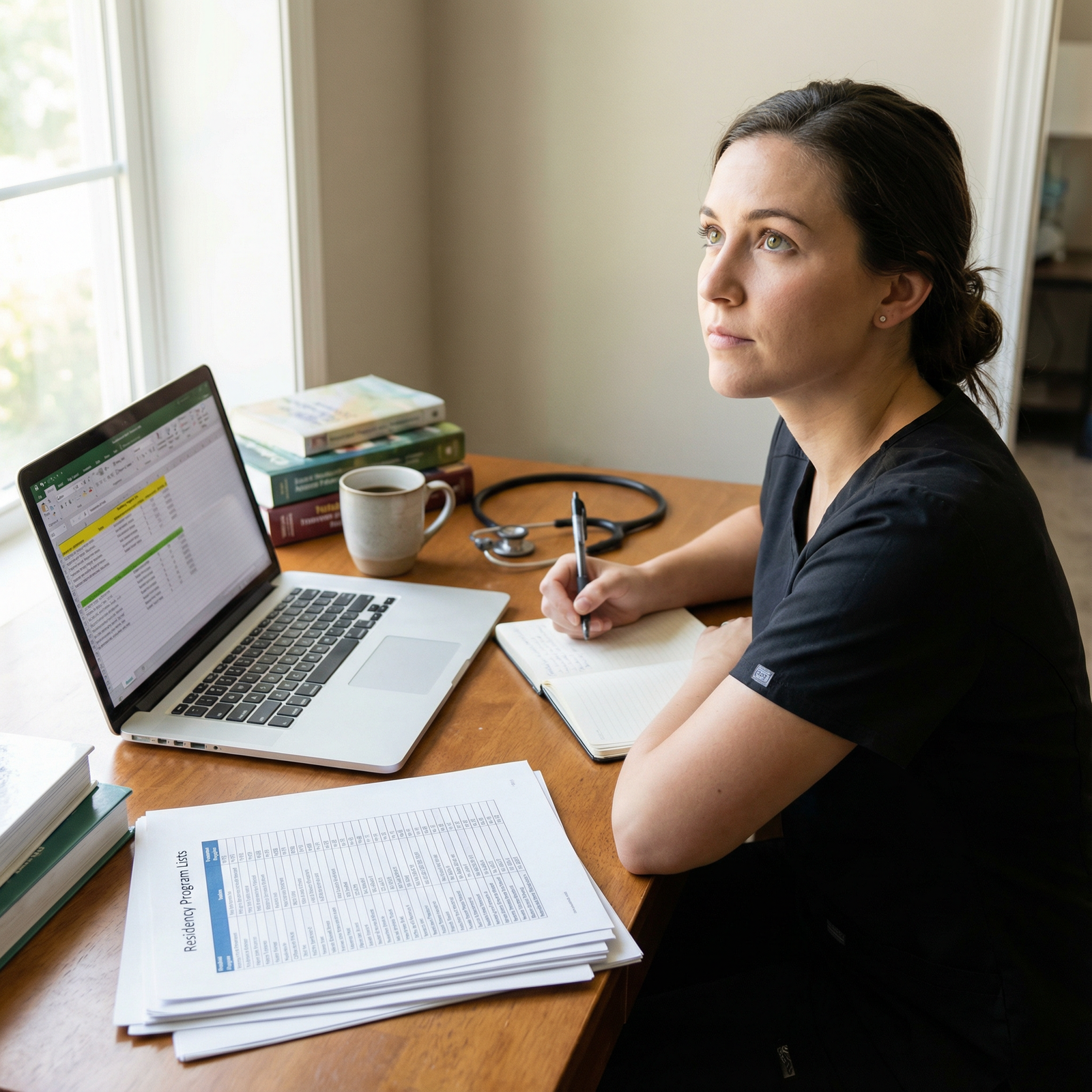
2. Reviewing the List of Unfilled Programs
When the List of Unfilled Programs is released (only visible to eligible SOAP applicants and advisors):
- Filter for:
- PGY‑1 prelim and transitional year programs in locations/fields you’d consider.
- Categorical programs in specialties you’ve pre‑identified as acceptable.
- Any rare dermatology residency positions (PGY‑2 advanced) that did not fill. These are uncommon but worth searching for.
For each program type, consider:
- Does it align with your geographic and safety constraints?
- Is it in a setting that will offer solid clinical training and letters (particularly important if planning to reapply dermatology)?
- If derm positions are available:
- Are they DO‑friendly historically?
- Do they have current or recent DO residents?
3. Submitting SOAP Applications Strategically
NRMP limits how many programs you can apply to during SOAP (the cap may change year to year, but historically 45 per SOAP).
For a DO graduate in dermatology, a rational approach might be:
Priority Tier A – Strategic PGY‑1 Programs (Prelim/TY)
- Prefer programs with:
- Strong internal medicine or surgery reputation
- Academic affiliation
- History of residents successfully matching into competitive specialties afterward
- These are ideal if you intend to reapply dermatology.
- Prefer programs with:
Priority Tier B – Categorical Programs You Could Embrace Long‑Term
- Internal Medicine or Family Medicine positions where:
- You could carve out a dermatology‑focused niche
- The program is DO‑friendly
- You’d be content if derm reapplication doesn’t work out
- Internal Medicine or Family Medicine positions where:
Priority Tier C – Other Acceptable Programs
- Locations or specialties slightly outside your top choices but still viable.
Avoid a “spray and pray” approach. Each application costs time and emotional bandwidth. Use your pre‑decided hierarchy.
4. Preparing for SOAP Interviews
SOAP interviews are usually short, focused, and may be scheduled with little notice.
Common questions and strategies:
“Tell me about yourself.”
- Include osteopathic training strengths (whole‑patient approach, OMT background).
- Highlight reliability, professionalism, and team spirit.
- Mention your dermatology interest only briefly and positively, not as a lament.
“Why are you interested in our program/specialty?”
- If interviewing for IM/FM/prelim:
- Emphasize your enthusiasm for strong clinical training.
- Note how skin disease is a window to systemic health, tying your derm interest into their specialty without implying you’ll leave ASAP.
- If interviewing for IM/FM/prelim:
“Why are you in SOAP?”
- A balanced answer:
“I applied to dermatology, which is an extremely competitive specialty. While I had [X number] of interviews and strong mentorship, I understand that some excellent applicants don’t match each year. I remain committed to developing as a strong clinician, and I see your program as an outstanding environment to grow, whether I eventually pursue dermatology again or build a career fully within [specialty].”
- A balanced answer:
Avoid sounding bitter, blaming, or overly regretful.
5. Accepting or Declining Offers During SOAP
In each SOAP offer round, you may receive:
- No offers
- One offer
- Multiple offers (rare but possible)
Guidance:
Know your order ahead of time
Rank program types and geographic locations before the first round begins. This prevents last‑second panic decisions.Don’t decline a solid offer while gambling on a hypothetical better one
Once you accept an offer in SOAP, you’re bound to that program and withdrawn from later rounds. If you decline and don’t get another offer, you may end up with no residency position at all.Think long‑term, not just “prestige”
A strong, supportive community program where you get robust clinical training may serve you better than a big‑name institution with a toxic culture, especially if planning to later reapply to derm or build a derm‑heavy practice.

Step 4: Post‑SOAP – Rebuilding and Repositioning for Dermatology
If you secure a position through SOAP—whether prelim, TY, or categorical—you can still keep dermatology in view.
1. Maximizing a Prelim or Transitional Year for Future Derm Match
To enhance your future derm match or derm‑adjacent career:
Excel clinically
- Aim for strong evaluations, especially in internal medicine, rheumatology, pediatrics, and any elective with dermatology exposure.
- Show up prepared, reliable, and engaged.
Seek dermatology contact points
- If your SOAP program has a derm department: ask to rotate or attend clinics and conferences.
- If not, look for local derm groups or nearby academic centers that might allow elective time later in the year.
Continue scholarly work
- Case reports or small projects related to dermatology or skin disease in systemic illness.
- Quality improvement projects that intersect with dermatologic care (e.g., pressure injury management, drug rash recognition).
Maintain relationships with your original derm mentors
- Keep them updated about your progress.
- Ask for honest feedback on how to improve your derm match competitiveness for the next cycle (if reapplying).
2. Thriving in a Categorical Backup Specialty
If you SOAP into Internal Medicine, Family Medicine, or another categorical field:
- Decide within the first several months whether you truly plan to reapply derm or fully commit to your new specialty.
- Options to keep dermatology in your career:
- Become the “skin expert” in your clinic or department through extra reading, CME, and derm consult collaboration.
- Learn office‑based derm procedures (biopsies, simple excisions, cryotherapy).
- Consider fellowships that intersect with dermatology (e.g., rheumatology with connective tissue disease focus, infectious disease with skin manifestations, palliative care with skin/wound concerns).
Dermatology is not the only path to a fulfilling, skin‑connected career.
3. Emotional Processing and Support
Not matching dermatology can feel like a personal loss, especially after years of focused preparation. Healthy steps:
- Seek mentorship and support from:
- Faculty advisors who understand the competitiveness of the derm match
- Peers who have gone through SOAP residency themselves
- Recognize that many excellent physicians did not match their first‑choice specialty and built outstanding careers nonetheless.
- Consider counseling or mental health support if the disappointment is profound—this is common and appropriate.
Common Pitfalls for DO Graduates in SOAP (and How to Avoid Them)
No clear backup plan
- Solution: Decide on specific backup specialties and program types months before Match Week.
Personal statements that scream “I only want derm”
- Solution: Craft SOAP‑specific statements that express genuine openness to other fields while still acknowledging your derm background without overemphasizing it.
Applying too narrowly during SOAP
- Solution: Use a tiered approach: prioritize ideal programs but also include realistic, acceptable ones.
Undervaluing DO identity and strengths
- Solution: Highlight osteopathic training as an asset—holistic care, manual medicine understanding, and primary‑care‑oriented breadth.
Poor interview explanation of being in SOAP
- Solution: Practice a calm, honest explanation that focuses on dermatology’s competitiveness rather than your “failure.”
Frequently Asked Questions (FAQ)
1. As a DO graduate, does SOAP hurt my chances of eventually matching into dermatology?
Participating in SOAP does not, by itself, damage your future derm match prospects. Program directors understand that many excellent applicants—MD and DO—end up in SOAP due to dermatology’s extreme competitiveness. What matters far more is:
- How you perform in your SOAP‑obtained position (clinical excellence, strong evaluations)
- Whether you continue derm‑relevant research and maintain mentorship
- How you frame your SOAP experience in future applications (resilience, growth, not bitterness)
If you secure a strong prelim/TY and use that year effectively, some dermatology programs may view you as more mature and clinically seasoned.
2. Should I still apply to dermatology positions if any become available in SOAP?
If unfilled dermatology residency positions appear on the list and you:
- Meet their stated requirements (scores, visa status, graduation date)
- Would genuinely go if accepted
then yes, you should consider applying. However:
- Such positions are very rare.
- Still prioritize a robust list of prelim or categorical backup programs to avoid ending SOAP without any offer.
3. How many SOAP residency applications should I submit, and how do I prioritize them?
You’ll be limited to a maximum number (historically 45). For a DO graduate in dermatology, a sample allocation:
- 20–25: Transitional Year and strong prelim internal medicine programs in acceptable locations.
- 10–15: Categorical internal medicine or family medicine programs where you could imagine a satisfying long‑term career.
- Remaining slots: Any derm positions (if any), plus additional prelims or categorical programs that meet your minimum criteria.
Prioritize programs that are DO‑friendly, have good clinical training, and offer future flexibility.
4. What can I do right now (months before the Match) to optimize SOAP preparation?
Key early steps:
- Update and diversify your ERAS application (multiple personal statements, broader letters).
- Draft SOAP‑specific PS for prelim/TY and backup specialties.
- Identify categorical fields and locations you’d accept if derm doesn’t work out.
- Talk with mentors honestly about your derm match competitiveness.
- Create your SOAP summary sheet and practice quick interview answers, especially to “Why are you in SOAP?” and “Why our program?”
Thoughtful SOAP preparation does not mean you’ve given up on dermatology; it means you’re acting like a professional who plans for multiple contingencies. For a DO graduate in a hyper‑competitive field, that mindset is both wise and empowering.