Understanding SOAP for the DO Graduate Aiming at Plastic Surgery
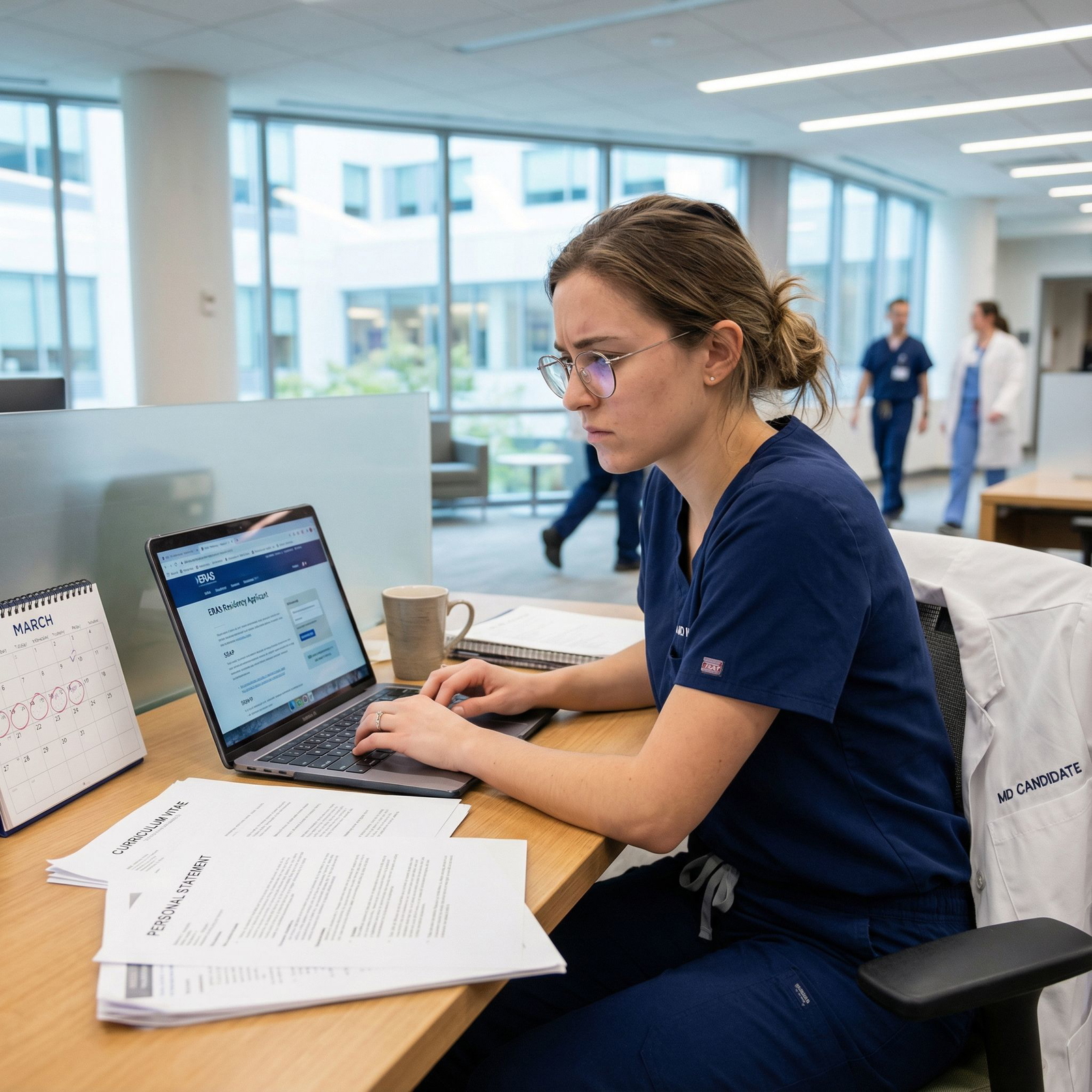
The Supplemental Offer and Acceptance Program (SOAP) is a compressed, high‑stakes process that unfolds during Match Week for applicants who go unmatched or partially matched. For a DO graduate interested in plastic surgery, SOAP can feel especially stressful: your dream specialty is ultra‑competitive, timelines are tight, and you must be strategic about both your immediate options and your long‑term integrated plastics match goals.
This article focuses on SOAP preparation for DO graduates in plastic surgery, with practical, step‑by‑step guidance on how to plan before Match Week, how to navigate SOAP during Match Week, and how to leverage SOAP outcomes to strengthen your overall plastic surgery residency trajectory—whether that means reapplying later to an integrated plastics match, or pursuing an alternative pathway.
We will also weave in key concepts like what is SOAP, SOAP residency strategy, and considerations unique to a DO graduate residency applicant in highly competitive fields.
1. What Is SOAP and Why It Matters for DO Applicants in Plastic Surgery
1.1. Quick Definition: What Is SOAP?
SOAP (Supplemental Offer and Acceptance Program) is the formal process that the NRMP uses to fill unfilled residency positions during Match Week. It is not a “second Match,” but a structured offer/acceptance mechanism:
- Who participates?
- Unmatched or partially matched applicants who are SOAP-eligible (meeting NRMP and ERAS criteria).
- What happens?
- Programs with unfilled positions view SOAP applications and offer positions in several timed “rounds.”
- Applicants can accept or reject offers in each round, but can hold only one position at a time.
1.2. Why SOAP Is Different for a DO Graduate in Plastic Surgery
Plastic surgery—especially the integrated plastics match—is among the most competitive specialties, with:
- Very few total positions
- Minimal attrition (meaning few vacancies)
- Programs that prioritize board scores, research, and letters from plastic surgeons
For a DO graduate residency candidate:
- Fewer plastics programs have historically been DO-friendly (though this is slowly improving).
- Many DO applicants aiming for plastic surgery may apply to backup specialties or consider alternative routes (e.g., general surgery with the goal of an independent plastics pathway later).
This creates a unique SOAP situation:
- Rarely will plastic surgery (integrated) positions be available in SOAP.
- Your SOAP strategy must therefore:
- Secure a solid, career-building residency in a related field (often general surgery or a surgical prelim)
- Keep the door open for future plastics training
- Protect your long‑term goals while being realistic in the short term
2. Pre‑Match Preparation: Building a SOAP‑Ready Application as a DO
Preparing for SOAP does not mean you expect to fail; it means you are realistic and strategic. Especially for an osteopathic applicant in an ultra‑competitive specialty like plastic surgery, having a SOAP contingency plan is crucial.
2.1. Assessing Your Risk of Entering SOAP
Before rank lists are due, perform a candid self‑assessment:
- Academics
- COMLEX-USA Level 1/2 and, if taken, USMLE Step 1/2 scores
- Any failed attempts or significant red flags
- Plastic Surgery Competitiveness Factors
- Number and quality of plastic surgery away rotations
- Strength of plastic surgery–specific letters of recommendation
- Research output (especially plastics‑related, publications, presentations)
- AOA or other distinctions (if available at your DO school)
- Interview Numbers
- For integrated plastic surgery, most successful candidates have multiple interviews (often >10, depending on the year).
- If you obtained only a few or no integrated plastics interviews, risk is higher.
If your interview count in plastics is low, or you applied almost exclusively to integrated plastics with few backups, you need a robust SOAP preparation plan.
2.2. Identify Likely SOAP Target Specialties
Because integrated plastic surgery spots almost never appear in SOAP, you must determine backup options that align with future plastics goals. Common options:
Categorical General Surgery
- Best for those who may pursue the independent plastic surgery pathway later.
- Offers broad operative experience and research opportunities.
Preliminary Surgical Positions
- One-year prelim programs in general surgery or surgical subspecialties.
- Can serve as stepping-stones, but are less secure than categorical spots.
Transitional Year or Preliminary Medicine
- Helpful if you need 1 year to reapply more competitively to plastics or another surgical field.
- Consider if you are strongly research-oriented and plan a robust research year after.
Other categorical specialties (ENT, ortho, etc.)
- These are also highly competitive; rare in SOAP and not reliable fallback.
- More practical to focus on general surgery, prelim surgery, or transitional year.
Early in the season, review which specialties and programs historically have unfilled positions. NRMP and specialty societies often publish data; upper‑year residents at your school can also share insight.
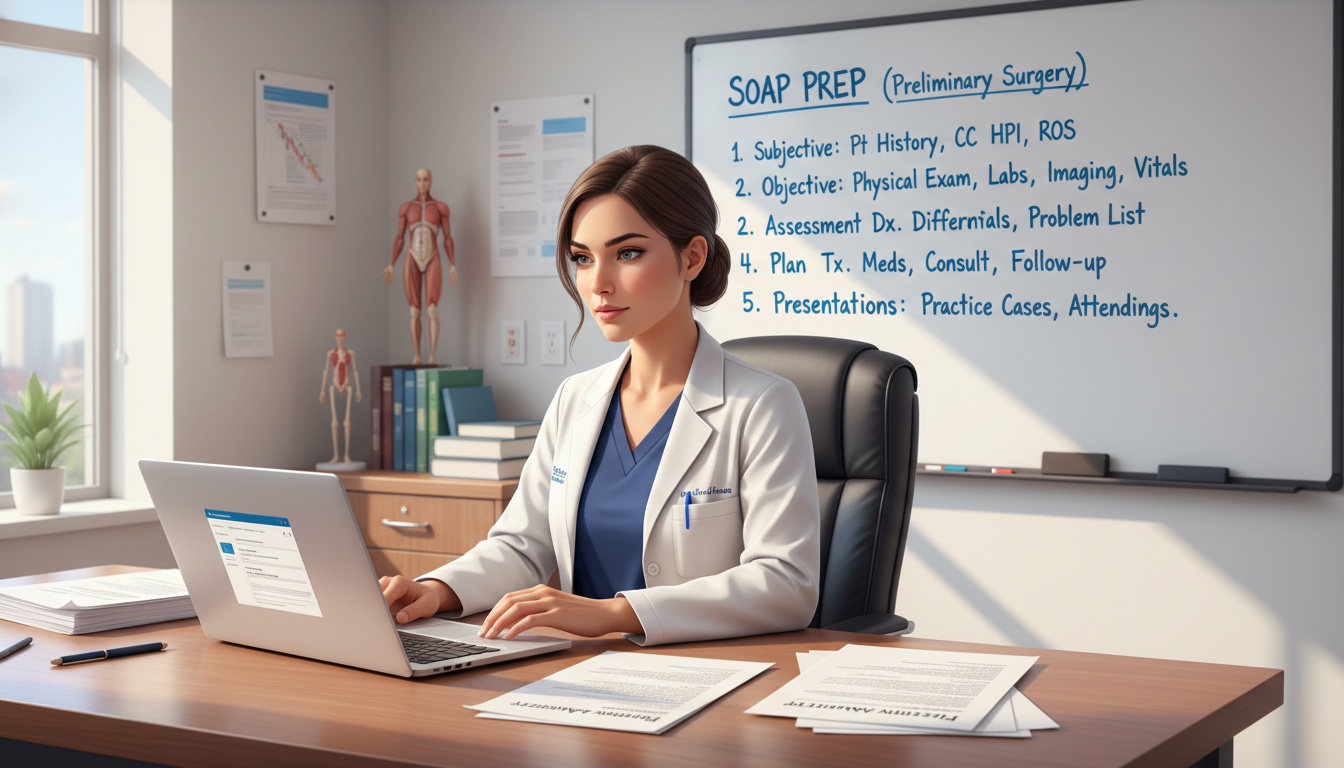
2.3. Pre‑Writing SOAP‑Specific Application Materials
During SOAP, you will not have time for deep rewriting. Before Match Week:
Draft alternative personal statements:
- One for general surgery
- One for preliminary surgery / transitional year
- Optional: one for another realistic backup specialty if appropriate
Preserve an additional short paragraph you can quickly adapt to specific program types (academic vs community).
Decide on letters of recommendation (LoRs):
- Identify which LoRs are appropriate for backup specialties (e.g., general surgery faculty, not just plastic surgeons).
- Ensure ERAS has these letters loaded and assigned appropriately.
Refine your CV to highlight:
- Surgical interest and experience
- Research and leadership
- Performance on surgical clerkships and sub‑internships
This “SOAP-ready packet” lets you switch targets quickly without panicking.
3. Technical SOAP Preparation: Logistics, Timeline, and ERAS Strategy
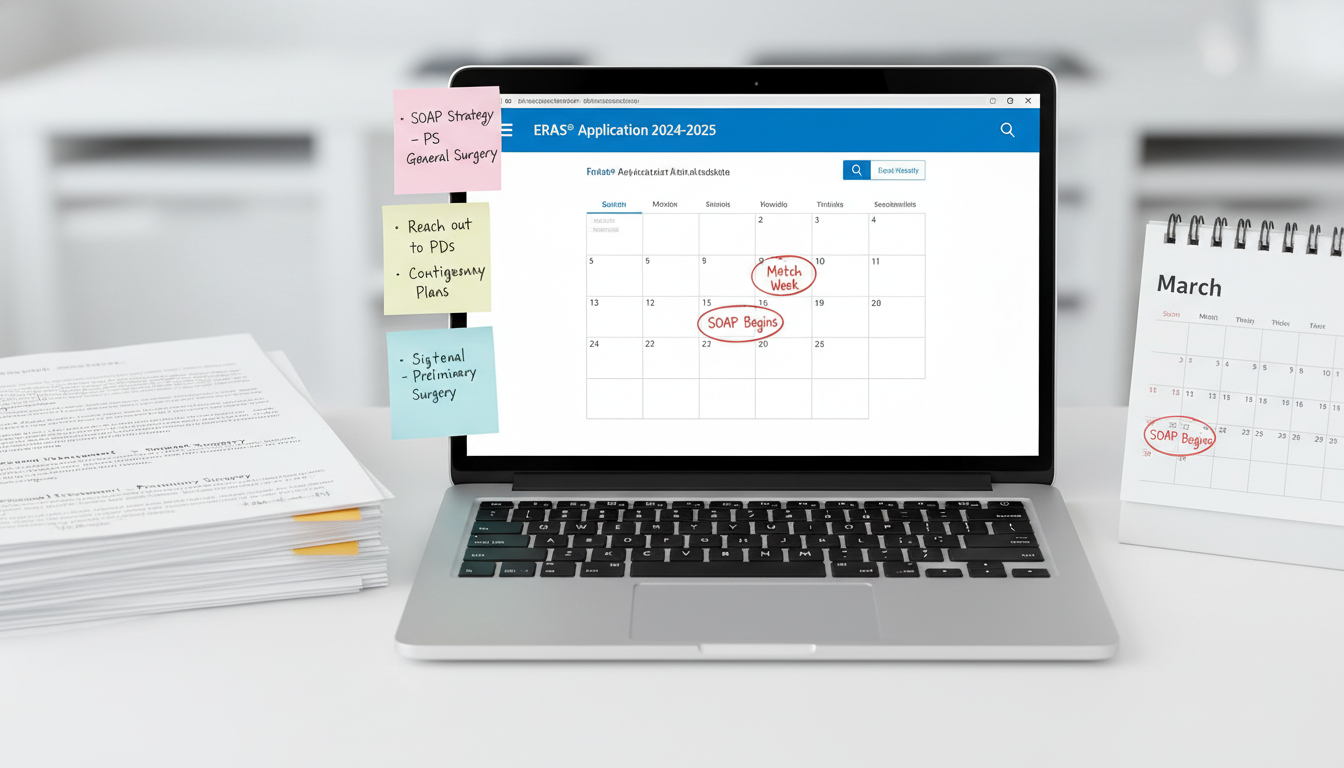
3.1. Understanding the SOAP Residency Timeline
The SOAP residency process follows a specific schedule in Match Week (details change slightly year to year, but the structure is similar):
Monday, 11:00 a.m. ET:
- You learn whether you are matched, partially matched, or unmatched.
- If unmatched or partially matched and SOAP‑eligible, you receive access to the list of unfilled programs.
Monday afternoon – Tuesday morning:
- SOAP‑eligible applicants apply to unfilled programs via ERAS (limited number of applications; often 45 max, verify each year).
- This is when your prior preparation pays off.
Wednesday–Thursday:
- Programs review applications and conduct interviews (usually virtual).
- NRMP conducts SOAP rounds:
- Round 1: Offers extended.
- Applicant must accept or reject.
- Subsequent rounds follow until positions or rounds are exhausted.
Friday:
- Main Match results are released (including SOAP outcomes).
Knowing this timeline shapes your SOAP preparation:
- Personal statements, LoRs, and ERAS targeting must be ready before Monday.
- Communication equipment (laptop, phone, quiet space) must be reliable and prepared.
3.2. ERAS Strategy for SOAP as a DO Graduate
Key considerations when you log in to ERAS for SOAP:
Prioritize Program Types
- Rank categorical general surgery and prelim surgery programs highest if your long-term aim remains plastic surgery.
- Consider transitional year programs as a solid backup if surgery slots are limited.
Target DO-Friendly Programs
- Look for programs with:
- DO residents listed on their websites
- Prior DO graduates in faculty or alumni
- Check residency explorer tools, program websites, and speaking with recent DO grads.
- Look for programs with:
Application Assignment
- Attach the most relevant personal statement to each specialty:
- Gen surg PS → general surgery programs
- Prelim/transition PS → appropriate programs
- Double-check LoR assignments:
- At least 1–2 letters from core surgery faculty for surgical positions.
- Attach the most relevant personal statement to each specialty:
Be Realistic, Not Desperate
- Don’t waste applications on specialties for which you have zero background or interest and that don’t align with your goals.
- But also avoid over-focusing only on ultra-competitive SOAP categories.
3.3. Technology and Environment Setup
In SOAP, you may receive last-minute interview invites with short notice. Prepare:
Stable Internet & Backup Plan
- Primary: high-speed home connection.
- Backup: campus, library, or a friend’s home with solid Wi‑Fi.
Professional Interview Space
- Neutral background, good lighting (natural or ring light), minimal noise.
- Professional attire ready and visible from full camera frame.
Communication Channels
- Phone fully charged, voicemail professional.
- Email and ERAS notifications monitored constantly during interview windows.
A DO graduate aiming at a high‑visibility field like plastic surgery must demonstrate professionalism even when pivoting to backup specialties.
4. Strategic SOAP Choices for Future Plastic Surgery Aspirants
4.1. Prioritizing Positions That Support Future Integrated Plastics or Independent Pathways
If you do not match into plastic surgery initially, there are two main pathways you may consider after SOAP:
- Reapply to the integrated plastics match later
- Pursue the independent plastic surgery track after general surgery
Your SOAP choices should support at least one of these:
Categorical General Surgery (Top Priority)
- Strongest platform for eventual independent plastic surgery residency.
- Provides:
- Major operative experience
- Surgical research
- Letters from surgical chair/program director
- When comparing programs, consider:
- Case volume and complexity
- Research infrastructure
- Historical success of residents matching into competitive fellowships
Preliminary General Surgery
- Viable but less secure: many prelims must reapply each year.
- Best if:
- You already have strong plastics connections or research
- You plan to use the prelim year to position yourself for a categorical surgery spot or research fellowship
Transitional Year
- Good if your primary plan is:
- A research year in plastic surgery following the TY
- Reapplying to integrated plastics with a significantly stronger application
- Choose programs with:
- Flexibility in rotations
- Access to surgical electives or research
- Good if your primary plan is:
4.2. Evaluating SOAP Offers: Accept, Hold, or Decline?
When SOAP offers arrive, you will face decisions under time pressure. For a DO graduate with plastic surgery ambitions, weigh:
Does this position move me closer to a plastics-compatible profile?
- Categorical general surgery at a solid academic or busy community hospital: usually yes.
- Transitional year with planned plastics research afterward: potentially yes.
- Prelim surgery at a program known for taking prelims into categorical spots: highly valuable.
- A completely unrelated categorical specialty (e.g., family medicine) if you are 100% plastics-focused:
- Might be less aligned, but could still represent a fulfilling career if you’re open-minded about changing specialties.
What is my tolerance for risk if I decline?
- If you reject a reasonable surgical or transitional offer hoping for something “better” later in SOAP, you might end up with nothing.
- For many, securing a stable, training-rich position is better than holding out for an uncertain improvement.
Being clear about your priorities before SOAP helps you make these decisions quickly and rationally.

5. Interview Skills and Messaging During SOAP as a DO Applicant
5.1. Core Interview Themes for DO Graduates
As a DO in SOAP, you may face subtle or explicit questions about:
- Choosing osteopathic vs allopathic pathways
- Applying to a very competitive field like plastic surgery
- Entering SOAP (i.e., why you didn’t match initially)
Prepare concise, confident responses.
Example framing for your DO background:
“I chose osteopathic training because I value a holistic and patient-centered approach, and my school gave me strong clinical training with early hands-on responsibilities. I’ve sought out high-acuity settings and surgical experiences, which I believe prepared me well for rigorous residency training.”
5.2. Addressing the Plastic Surgery Ambition Without Sounding Disengaged
Programs know plastic surgery is competitive; many SOAP applicants originally applied to other specialties. You must balance honesty with genuine enthusiasm for the position you’re interviewing for.
Example response:
“Plastic surgery attracted me because of the complexity and creativity of reconstruction, and I pursued research and rotations in that field. As the process unfolded, I recognized how competitive it is. Right now, my focus is on becoming the strongest surgeon I can be, and I believe your general surgery program—given its operative volume and mentorship—would be an excellent place to train. I’m committed to fully investing in the residents’ role here, whether my long-term path includes plastics or another surgical subspecialty.”
Programs want reassurance that:
- You will show up fully committed.
- You’re not just viewing them as a placeholder while you chase plastics.
5.3. Explaining SOAP and Unmatched Status
You will likely be asked, “Why do you think you didn’t match?” or “What brings you into the SOAP process?”
Avoid defensiveness or blaming; emphasize reflection and growth.
Example answer:
“I aimed high this season by applying primarily to integrated plastic surgery programs. In retrospect, my application had strengths—solid clinical evaluations, strong letters—but I had relatively fewer interviews than is typical for a matched candidate, likely due to the extreme competitiveness of the field and my limited research output at the time. I’ve used this as a learning opportunity: I’ve been building my scholarly portfolio and seeking more feedback from mentors. I’m fully prepared to bring that same drive and resilience to your program.”
Show insight, maturity, and readiness to work.
5.4. Practical Interview Tips During SOAP
Have a 60-second pitch ready:
- Who you are, DO background, core strengths, and why this specialty/program.
Prepare 5–6 concrete examples:
- Times you handled high‑acuity clinical situations
- Worked in a team under pressure (e.g., OR, trauma bay)
- Managed professional setbacks or mistakes
Ask targeted questions that show you are serious:
- “How do you support residents interested in research or competitive fellowships?”
- “What attributes have you seen in your most successful residents?”
6. After SOAP: Rebuilding and Repositioning for Plastic Surgery
Regardless of SOAP outcome, you must realign your long‑term strategy for plastic surgery.
6.1. If You Match Through SOAP
If you secure a categorical general surgery, prelim surgery, or transitional year spot:
Clarify Your Long-Term Pathway
- If categorical general surgery:
- Pursue plastic surgery research projects early.
- Seek mentorship from any plastics or reconstructive surgeons at your hospital or affiliated institutions.
- If prelim or TY:
- Plan for:
- A research year
- Reapplying to surgery or plastics
- Networking widely for opportunities.
- Plan for:
- If categorical general surgery:
Maximize Early Training Performance
- Strong evaluations and operative performance will be crucial if you later seek plastic surgery:
- Be reliable, show up early, volunteer for cases.
- Demonstrate technical interest (suturing, assisting attentively).
- Strong evaluations and operative performance will be crucial if you later seek plastic surgery:
Build a Plastics-Relevant CV
- Join quality improvement or research related to:
- Wound healing
- Reconstruction
- Hand or burn surgery
- Present and publish whenever possible.
- Join quality improvement or research related to:
6.2. If You Do Not Match Through SOAP
Not matching even through SOAP is painful, but it is not the end of your plastic surgery ambitions.
Immediate steps:
Meet with Advisors and Mentors
- Ask for candid feedback:
- Board scores and transcript issues
- Strength of LoRs and PS
- Research productivity
- Identify your most realistic path forward.
- Ask for candid feedback:
Consider a Dedicated Research Fellowship in Plastic Surgery
- Many plastic surgery departments offer 1–2 year funded or unfunded research positions.
- During this time, focus on:
- High-yield publications
- Networking with plastics faculty
- Improving your application (board scores if any retakes are possible, additional clinical exposure).
Plan a Multi-Year Strategy
- Some candidates:
- Do a research year(s)
- Then reapply to integrated plastics
- Others:
- Pivot to general surgery or another surgical field
- Plan for independent plastics fellowship later
- Some candidates:
For a DO graduate, persistence, mentorship, and strategic planning are especially critical.
FAQs: SOAP Preparation for DO Graduates in Plastic Surgery
1. As a DO graduate, what are my realistic chances of getting an integrated plastic surgery residency through SOAP?
Almost zero. Integrated plastic surgery programs very rarely have unfilled positions, and when they do, they are typically filled outside of SOAP through prearranged or special circumstances. You should not plan on obtaining an integrated plastics spot via SOAP. Instead, use SOAP to secure a strong, plastics-compatible training position (most commonly general surgery) that supports your long-term goals.
2. Should I accept a non-surgical SOAP offer if it’s the only one I receive?
This depends on your priorities. If you are absolutely committed to a surgical career and especially to plastic surgery, you may choose to defer non-surgical offers and consider a research year or other gap strategy. However, this path carries risk. If you value having a guaranteed residency position and can see yourself in another specialty, accepting a non-surgical offer may be the right choice. Discuss your options with trusted mentors before Match Week so you have a clear framework.
3. How can I strengthen my application for a future integrated plastics match if I SOAP into general surgery?
Focus on:
- Excellent performance in clinical rotations and the OR
- Joining or initiating plastic surgery–relevant research projects
- Building strong relationships with surgeons who can write powerful letters
- Attending regional and national plastic surgery meetings
- Demonstrating leadership and professionalism in your program
After 1–2 years, you can reassess whether to reapply for integrated plastics, pursue the independent pathway, or remain on your current track.
4. What is the most important SOAP preparation step for a DO graduate targeting plastic surgery?
The single most important step is having a clear, realistic backup pathway mapped out before Match Week, including:
- Identifying which specialties and program types you will target (e.g., categorical general surgery, prelim surgery, transitional year)
- Preparing tailored personal statements and letters for those paths
- Understanding how each potential SOAP outcome will fit into your long-term plastic surgery strategy
When SOAP starts, candidates who have already done this thinking can act decisively and professionally, turning a stressful week into a strategic opportunity rather than a crisis.
By approaching SOAP with deliberate preparation, clear priorities, and realistic expectations, a DO graduate with plastic surgery aspirations can protect their long‑term goals, secure a high‑quality residency position, and continue moving toward a career in plastic and reconstructive surgery—even if the initial integrated plastics match does not go as planned.