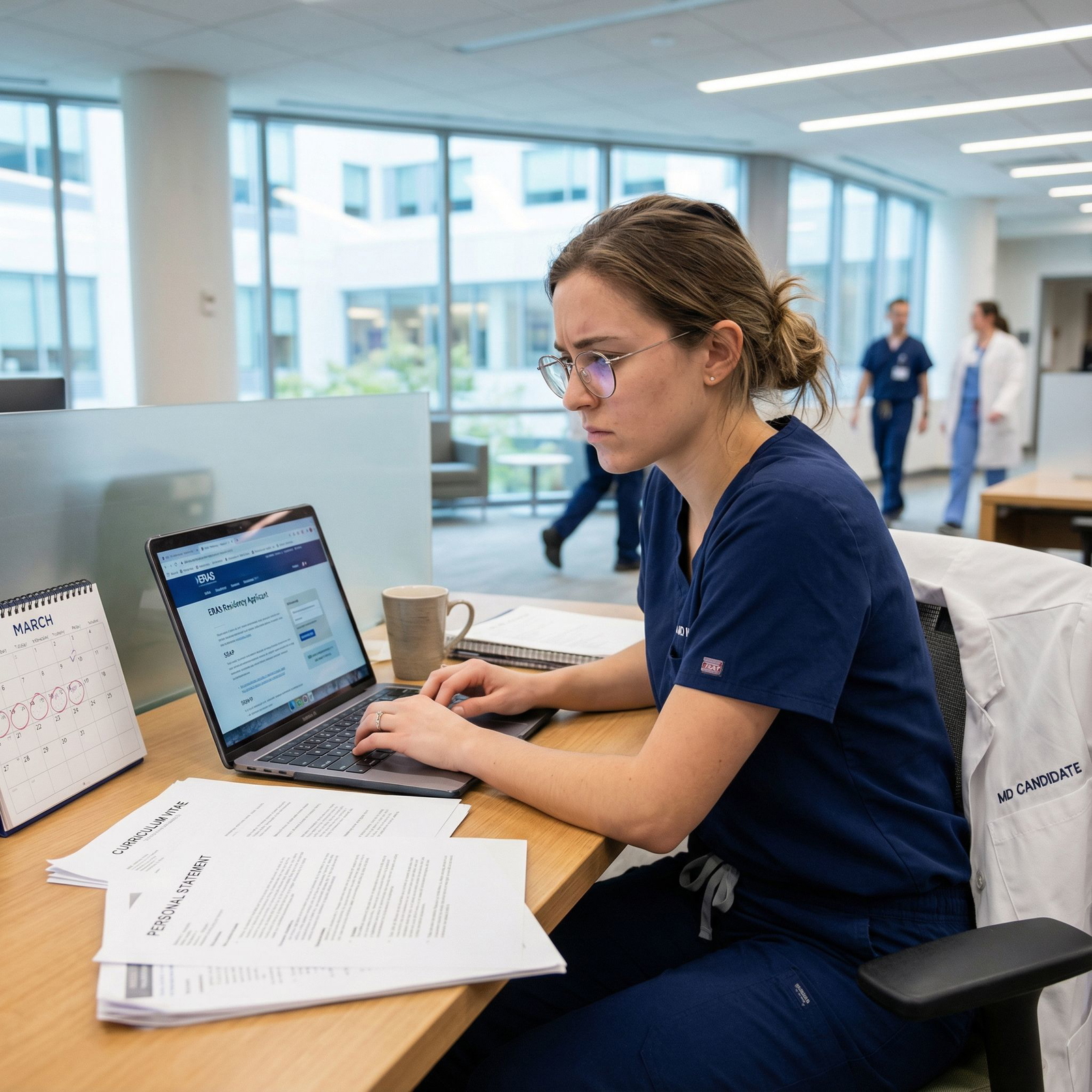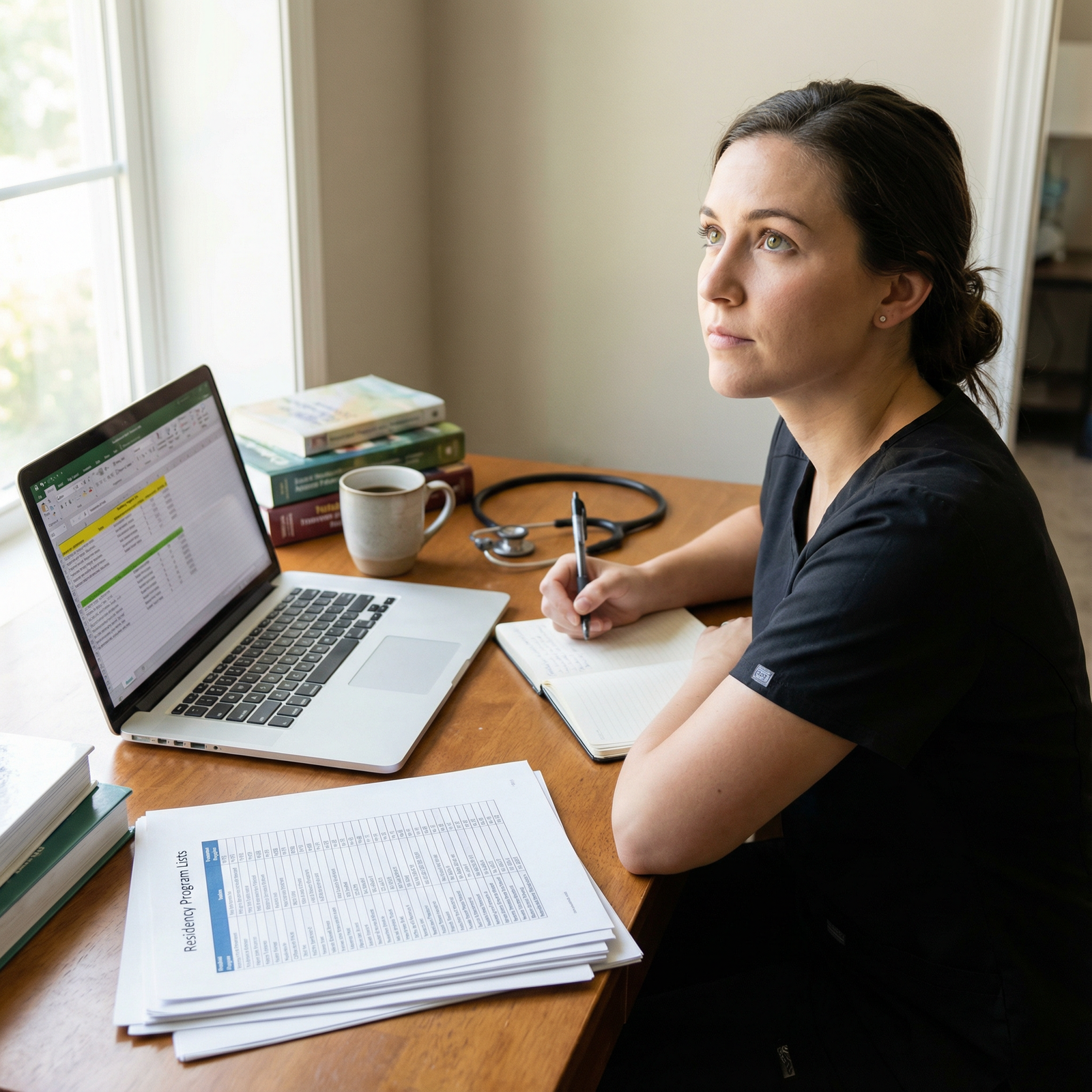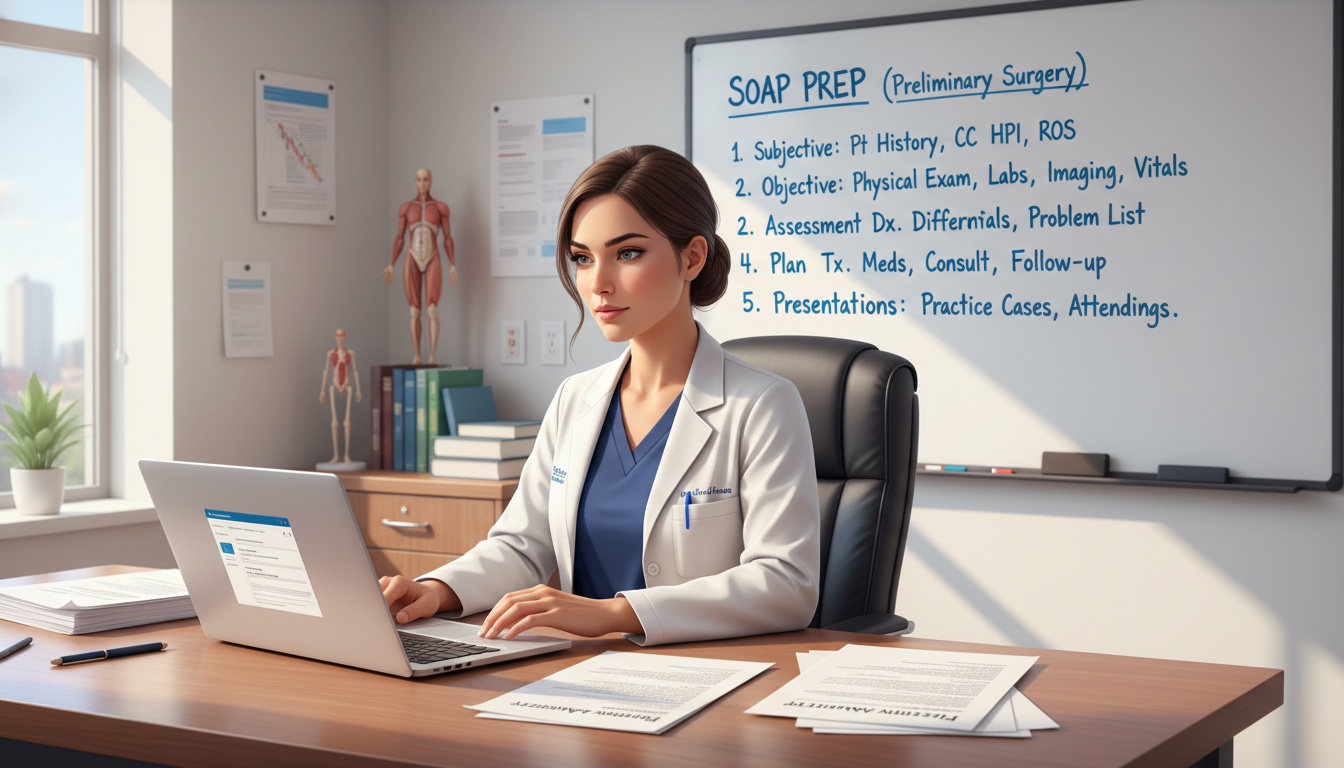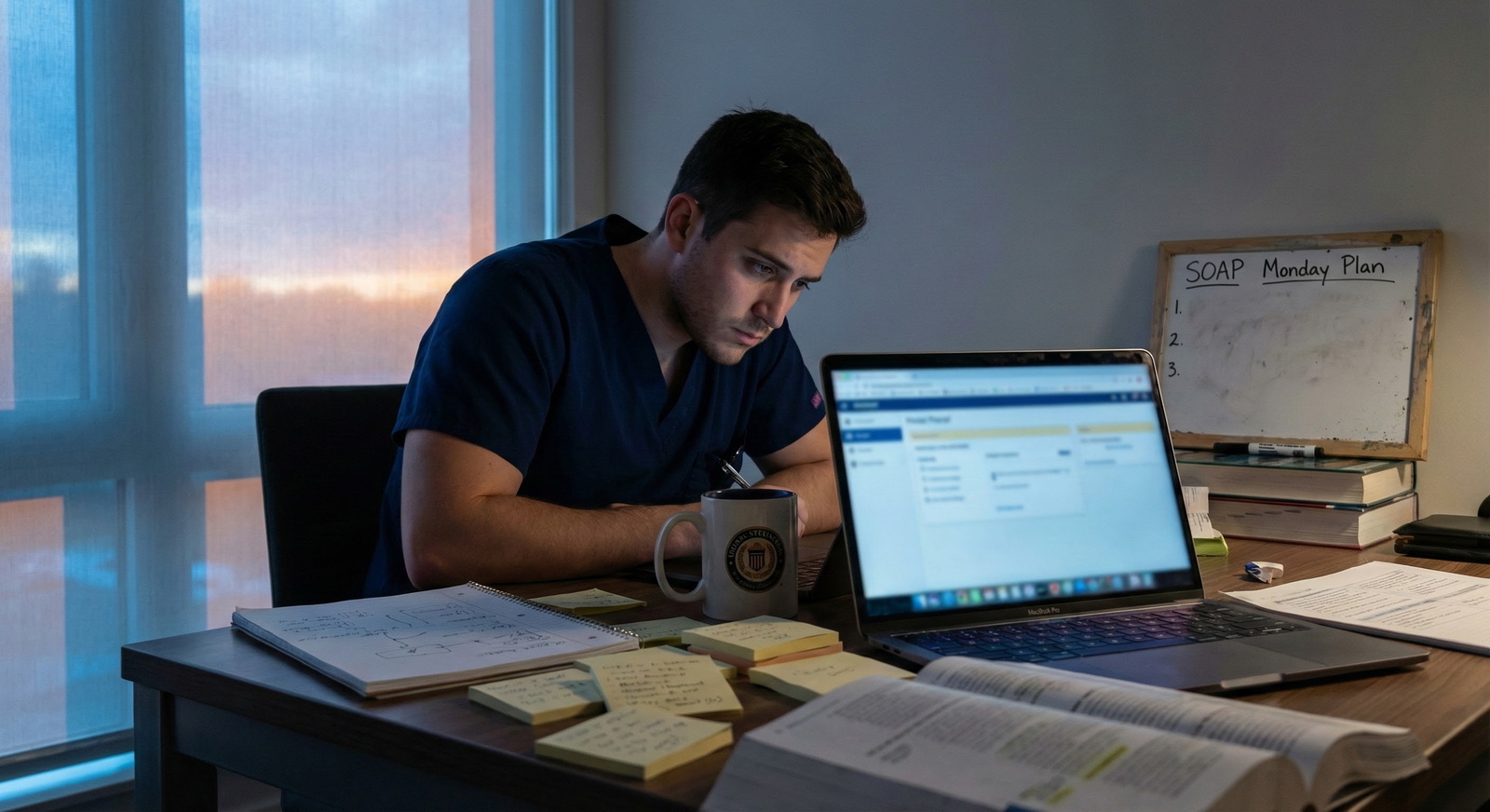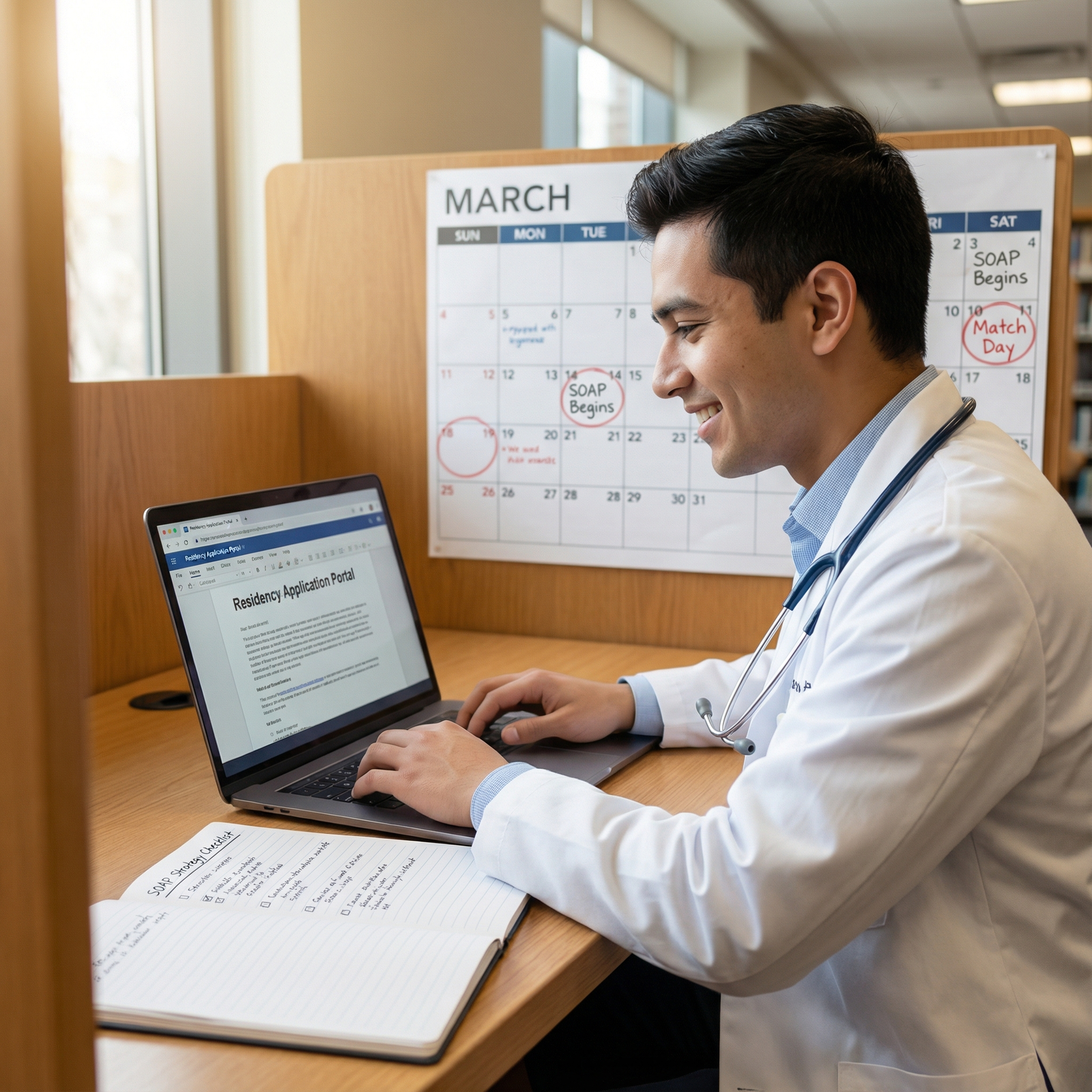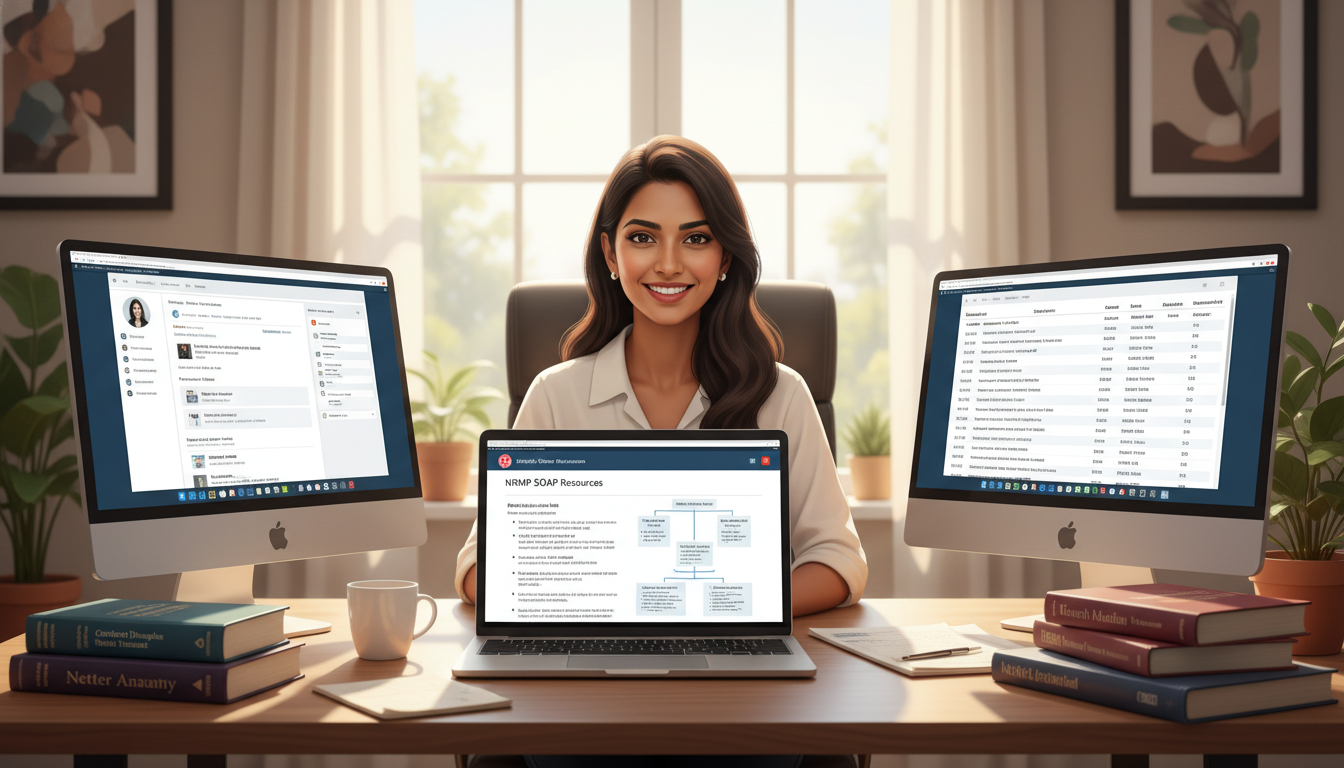
Residency application week is stressful for every applicant, but it can feel especially intense for a DO graduate interested in a niche pathway like clinical informatics. If Match Week doesn’t go as planned, the Supplemental Offer and Acceptance Program (SOAP) becomes your critical second chance. Being ready for SOAP is not optional—it’s a strategic necessity.
This guide is written specifically for DO graduates interested in clinical informatics careers. It focuses on SOAP preparation, realistic options, and how to leverage your informatics interests—even if there is no dedicated “clinical informatics residency” in the SOAP list.
Understanding SOAP: Foundations Every DO Applicant Needs
Before planning strategy, you must be absolutely clear about what SOAP is and what SOAP is not.
What is SOAP?
The Supplemental Offer and Acceptance Program (SOAP) is an organized process run by the NRMP during Match Week that allows eligible unmatched or partially matched applicants to apply to unfilled residency positions.
Key points about what SOAP is:
- A time-limited, structured process during Match Week (Mon–Thu)
- Allows you to apply only to programs with unfilled positions
- Conducted entirely through ERAS + NRMP systems
- Multiple “rounds” of offers from programs to applicants
- No direct cold-calling or unsolicited emails/phone calls to programs about positions during SOAP
You must be SOAP-eligible to participate.
SOAP eligibility basics for DO graduates
You are typically SOAP-eligible if:
- You are registered for the NRMP Main Residency Match
- You are unmatched or partially matched (e.g., matched to an advanced position without a PGY-1 year)
- You have no active NRMP violations
- You have designated at least one program on your primary rank order list
Your status is visible on Monday of Match Week via the NRMP system:
- Fully Matched
- Partially Matched
- Unmatched
Only those identified as unmatched/partially matched and who meet criteria can access SOAP.
DO-specific considerations in SOAP
As a DO graduate aiming for a career in clinical informatics, you face some specific realities:
- No AOA Match separation anymore, but some programs may still show subtle preference patterns (e.g., historically MD-heavy vs DO-friendly).
- You may have taken COMLEX only or COMLEX + USMLE. During SOAP, some programs may strongly prefer or require USMLE scores.
- Your DO training can be an asset in primary care–oriented programs or community hospitals that are often well-represented in SOAP.
Importantly, clinical informatics fellowship training comes later—after your primary residency (most commonly internal medicine, pediatrics, emergency medicine, family medicine, pathology, etc.). So your SOAP goal is to secure a robust categorical residency that will keep you competitive for a future clinical informatics fellowship and health IT training.
Strategic Big Picture: Pathway to Clinical Informatics Through SOAP
Clinical informatics is not a first-step residency; it is a subsequent fellowship or career focus built on a primary clinical specialty. Your SOAP strategy should be explicitly tied to that long-term pathway.
Step 1: Clarify your long-term clinical informatics goal
Most physicians end up in clinical informatics via:
- A primary residency (IM, FM, Peds, EM, Path, etc.)
→ optional specialty fellowship (e.g., cardiology, EM subspecialty)
→ Clinical Informatics Fellowship (ACGME-accredited) - Or a clinical residency plus on-the-job health IT work, then formal fellowships, certificates, or leadership roles in healthcare IT.
Ask yourself:
- Do I want to be:
- An attending who spends 20–40% of time in informatics/health IT and the rest clinically?
- Primarily an informatics leader (CMIO, medical director of informatics)?
- Focused on a specific domain (EHR optimization, data analytics, decision support, quality improvement, population health, telemedicine, etc.)?
Your answer will help prioritize which residency types in SOAP best align with your goals.
Step 2: Identify clinical specialties that pair well with clinical informatics
Residencies that commonly feed into the clinical informatics fellowship and related health IT training include:
- Internal Medicine
- Family Medicine
- Pediatrics
- Emergency Medicine
- Pathology
- Anesthesiology
- Occasionally: Psychiatry, Neurology, Radiology, OB-GYN, Surgery
In SOAP, you are unlikely to see “clinical informatics” positions. Your target is a categorical residency in one of the above specialties at a program that:
- Has a robust EHR system (Epic, Cerner, etc.)
- Participates in QI, data-driven care, or population health projects
- Possibly has existing informatics faculty or a health IT office that engages residents
If you’re highly committed to clinical informatics, prioritize residencies that can realistically support:
- Scholarly projects related to EHR or health IT
- Access to IT, data analytics, or QI committees
- Flexibility for informatics rotations or elective time (even if informal)
Step 3: Think in “tiers” of acceptability
Before Match Week, create three tiers of possible SOAP directions:
Ideal informatics-aligned specialties
IM, FM, EM, Peds, Pathology programs with good EHR/QI infrastructures.Acceptable but less direct paths
- Community-based programs with less obvious IT presence but stable training and room to carve your own projects.
- Other specialties where informatics roles still exist (e.g., psychiatry, neurology).
Backup clinical survival paths
Programs that may not be your dream specialty but provide:- A chance to become board-certified
- Enough stability and exposure to later pivot into health IT, analytics, digital health, or QI roles
(e.g., transitional or preliminary years, with a concrete plan for what comes next)
SOAP success often means balancing your informatics goals with the reality of available unfilled positions.

Pre–Match Week SOAP Preparation: What You Must Do in Advance
SOAP moves very fast. The applicants who do well are those who prepare thoroughly before Match Week begins. Think of SOAP preparation as its own project with clear deliverables.
1. Build multiple versions of your personal statement
You will only get a brief window to assign documents and submit applications during SOAP. Waiting to write a new personal statement after you learn you’re unmatched is dangerous.
Prepare at least three tailored personal statement variants:
Clinical Informatics–oriented Internal Medicine/Family Medicine version
- Emphasize continuity of care, population health, quality improvement, and data-driven practice.
- Connect your DO training (holistic care, musculoskeletal understanding, primary care perspective) to system-level thinking.
Emergency Medicine/Pediatrics/Pathology version
- Focus on the acute or diagnostic environment and how informatics enhances safety, rapid decision-making, or workflow optimization.
Broad “I am committed to clinical training and growth” version
- For less directly aligned specialties or backup options.
- Highlight adaptability, teamwork, and interest in technology without overselling informatics if program emphasis is strongly traditional.
Action steps:
- Keep each statement under program word/character limits and refined, with clear, concise storytelling.
- Include specific examples: a QI project, an EHR optimization idea, an Excel or R/Python-based data analysis you did, or a telehealth workflow you helped pilot.
- Avoid appearing uninterested in clinical medicine—programs may see heavy informatics focus as a sign you don’t want to practice clinically.
2. Update your CV and ERAS application content
Review your whole ERAS application before Match Week with fresh eyes:
- Add or refine any informatics or technology-related experiences, such as:
- EHR committee participation
- Data analysis projects (even if from medical school or personal projects)
- Leadership roles in quality improvement, safety, or systems-based practice
- Work on registries, dashboards, or outcomes monitoring
- For DO graduates, emphasize osteopathic principles applied at the system level—for example:
- Holistic assessment of patient care environments
- Integration of mind-body-social factors into care pathways
- How this perspective drove you toward data-informed, system-level solutions
Ensure sections are error-free, concise, and complete—you won’t have time for major edits once SOAP starts.
3. Prepare your program research “playbook”
You won’t know which programs have unfilled spots until Monday of Match Week, but you can prepare a research framework and priority criteria in advance:
Create a simple worksheet or spreadsheet with:
- Columns for: Program name, specialty, location, program type (academic vs community), DO friendliness, EHR vendor, QI/informatics opportunities, notes.
- Filters or tags for:
- “High informatics potential”
- “Strong DO track record”
- “Acceptable backup”
- “Last resort”
Once the unfilled list is released, you can:
- Quickly review program websites and any available reviews
- Plug in information about EHR use and resident involvement in QI/IT
- Rank SOAP targets rapidly based on your pre-defined preferences
4. Plan communication and support
You cannot directly contact programs about positions during the active SOAP period, but you can:
- Notify your school or program leadership early that you want support in case you SOAP:
- Designate faculty advisors who are familiar with the osteopathic residency match landscape.
- Identify mentors with experience in clinical informatics or health IT.
- If your school has a clinical informatics or data science group, enlist them to:
- Help you highlight your strengths in informatics on your application.
- Serve as potential advocates or future letter writers.
Also, prepare yourself emotionally and logistically:
- Clear your schedule for Match Week as much as possible.
- Arrange a quiet, distraction-free workspace with stable internet.
- Plan for rapid decision-making—SOAP offer windows are short.
Match Week: Executing a High-Yield SOAP Strategy
When Monday arrives and you learn your status, the timeline compresses dramatically. Here’s how to navigate SOAP week with a clinical informatics–oriented lens.
Monday: Confirmation, list access, and triage
Confirm your status (unmatched vs partially matched).
Once the List of Unfilled Programs is available:
- Sort by specialty first (prioritize IM, FM, EM, Peds, Path, etc.).
- Then quickly filter by:
- Geographic preferences (if you have strong constraints).
- DO-friendly history (if quickly identifiable from websites or databases).
Speed research each potential program:
- Look for:
- EHR type (Epic, Cerner, Meditech, etc.)
- QI or innovation initiatives
- Any mention of “informatics,” “data,” “analytics,” “population health,” or “digital health”
- Even if there’s no formal clinical informatics fellowship, a culture of QI and data use is promising.
- Look for:
Assign each program to one of your pre-planned tiers:
- Tier 1: Aligned with both clinical and informatics goals.
- Tier 2: Good clinical fit with some potential for data/QI work.
- Tier 3: Acceptable clinical training with limited informatics opportunities but still viable.
Application submission in SOAP
SOAP limits the number of applications you can send (it has varied by year—confirm the current NRMP and ERAS rules). Given this cap, you need a balanced approach:
- Don’t apply only to hyper-competitive university programs with research-heavy profiles.
- Don’t apply only to any program that exists just to “get in somewhere” if it fundamentally doesn’t fit your long-term goals.
- Stratify:
- ~40–50% Tier 1
- ~30–40% Tier 2
- Remaining as Tier 3 (or adjust based on how many Tier 1 programs genuinely exist).
For each program:
- Assign the most relevant personal statement variant.
- Ensure your letters of recommendation align with that specialty (if you have flexibility).
Showcasing your clinical informatics potential without scaring programs
Programs want residents who will take care of patients competently, not just “future CMIOs” who don’t like clinical work. Your messaging during SOAP should:
Highlight:
- Commitment to bedside clinical excellence and team-based care.
- Track record of curiosity and improvement mindset.
- Experience using data, EHR tools, or technology to enhance clinical practice, not replace it.
Avoid:
- Statements that suggest you’re only doing residency as a formality to get into informatics.
- Implying you dislike hands-on medicine or patient interaction.
Instead of:
“My primary goal is to work in IT and no longer see patients.”
Say something like:
“I am deeply committed to being a strong clinician first, and I see clinical informatics and health IT training as tools that will allow me to improve care delivery, safety, and efficiency for my patients and colleagues.”
Interviews and communication during SOAP
Programs may conduct phone or virtual interviews during SOAP, often short and focused. Prepare answers to:
- Why this specialty, given your clinical informatics interest?
- Why our program, given your DO background and long-term goals?
- Tell me about a time you improved a system or process in a clinical or educational setting.
Sample response framework (for IM/FM-type program):
Start with clinical commitment
“I want to train in internal medicine because I enjoy longitudinal care, complex problem-solving, and working with interdisciplinary teams.”Integrate DO perspective
“My osteopathic training has emphasized holistic care, function, and environment. That mindset naturally extends to thinking about systems and workflows.”Connect to informatics
“I’ve seen how EHR tools, decision support, and population health dashboards can either support or hinder patient care. I’d like to grow into a physician who not only provides excellent bedside care but also helps design and improve those tools.”Show alignment with program specifics
“Your program’s involvement in quality improvement, your transition to Epic, and the resident QI curriculum are all opportunities where I can contribute and grow.”
This demonstrates you are safe, clinically committed, and value-adding, not just “using residency as a stepping stone.”

After Accepting a SOAP Position: Building Toward Clinical Informatics
Once you successfully SOAP into a residency, your informatics journey is just beginning. To remain competitive for a future clinical informatics fellowship or other health IT training, you’ll need deliberate planning.
1. Establish yourself as a strong clinician first
During the first year:
- Focus on:
- Excellent clinical performance.
- Being reliable, teachable, and team-oriented.
- Passing your specialty boards on the first attempt.
- As a DO graduate, maintain:
- Confidence in your osteopathic identity.
- Appropriate use of OMT if relevant to your specialty and program.
- A reputation as someone who integrates holistic thinking into evidence-based care.
Strong clinical foundation is non-negotiable for competitive clinical informatics fellowship applications.
2. Seek early involvement in QI and data projects
Look for opportunities that intersect with informatics:
- Join or start a quality improvement project involving:
- Reducing medication errors using EHR tools.
- Improving discharge documentation or handoffs.
- Optimizing order sets or flowsheets.
- Volunteer for:
- EHR optimization committees
- Resident representative positions on IT or safety committees
- Projects involving dashboards, registries, or clinical decision support
Keep track of:
- Project titles
- Your role
- Measurable outcomes (even small ones)
- Presentations or posters at local, regional, or national meetings
These experiences become the core of your future clinical informatics fellowship application.
3. Network with informatics and health IT leaders
Even if your program does not have a formal fellowship:
- Identify:
- The CMIO, CNIO, or Director of Clinical Informatics at your institution.
- Faculty in biostatistics, data science, or public health doing applied informatics work.
- Ask for:
- Mentorship or guidance on projects.
- Shadowing or elective time in informatics offices (sometimes as a senior resident).
- Advice on pursuing clinical informatics fellowships or health IT training programs, including certificates or master’s degrees if appropriate.
As a DO graduate, you may particularly benefit from mentors who understand diverse pathways into leadership roles.
4. Learn the language and tools of informatics
While clinical work comes first, you can gradually build technical literacy:
- Courses or self-study in:
- Basic statistics and epidemiology
- Introductory programming (Python, R) or data visualization (Tableau, Power BI)
- Health systems science and implementation science
- Awareness of:
- Standards like HL7, FHIR, SNOMED, LOINC (even at a high level)
- Privacy and security concepts (HIPAA, data governance)
- Clinical decision support principles
You don’t need to be a software engineer, but informed collaboration with IT/data teams is a major advantage when applying for clinical informatics fellowship positions.
5. Plan for fellowship or alternative informatics careers
By PGY-2 or PGY-3 in most specialties, you should have a working plan:
- Target programs with accredited clinical informatics fellowships (often at large academic centers).
- Understand their prerequisites, expectations, and typical applicant profiles.
- If fellowship is less feasible, consider:
- Internal health IT roles that physicians can take on part-time.
- Graduate degrees (e.g., MS in Biomedical Informatics, MPH with informatics focus).
- Industry roles in digital health, EHR vendors, or analytics firms after you are board-certified.
SOAP may have altered your path, but it does not close the door to a career in informatics—it just changes the route.
Common Mistakes DO Applicants Make in SOAP—and How to Avoid Them
Ignoring SOAP until it’s too late
- Fix: Treat SOAP preparation as a built-in part of your residency strategy, especially if your application has risk factors (low scores, gaps, limited interviews).
Applying too narrowly during SOAP
- Fix: Use a tiered approach with realistic backup specialties and programs while still preserving alignment with your informatics goals.
Overselling informatics at the expense of clinical commitment
- Fix: Frame informatics as a tool to support your primary identity as a physician and clinician.
Not leveraging DO strengths
- Fix: Emphasize holistic care, communication skills, and system-level thinking derived from osteopathic training.
Failing to plan beyond SOAP
- Fix: Once you match via SOAP, immediately begin designing a pathway that connects your residency experience with future health IT training or clinical informatics fellowship opportunities.
FAQs: SOAP, DO Graduates, and Clinical Informatics
1. As a DO graduate, is SOAP my last chance to enter residency and eventually reach clinical informatics?
No. SOAP is a critical opportunity, but not your only one. If you don’t match via SOAP, options include:
- Reapplying next cycle with a stronger application (research, additional rotations, improved exams).
- Pursuing preliminary or transitional year positions outside the Match if available.
- Gaining relevant experience in research, quality improvement, or health IT roles before reapplying.
However, being proactive with SOAP preparation maximizes your chance of securing a categorical residency now, which is the most straightforward foundation for a future clinical informatics fellowship.
2. How can I talk about clinical informatics in SOAP interviews without turning programs off?
Focus on:
- Clinical excellence first: Emphasize your desire to become a strong clinician in their specialty.
- Practical benefits: Share examples where informatics improved patient care or workflow in your experience.
- Contribution, not escape: Present informatics as a way you want to contribute more deeply to the program, not as a way to leave clinical medicine.
Use phrases like:
- “I want to be the kind of physician who can help improve the tools my colleagues use every day.”
- “I see clinical informatics as a way to extend osteopathic holistic principles to system-level care.”
3. Do I need prior programming or IT experience to be considered for a future clinical informatics fellowship?
Not required, but helpful. Clinical informatics fellowships primarily want:
- Strong clinical performance
- Demonstrated interest in systems, data, and quality improvement
- Ability to collaborate across clinical and technical teams
Basic familiarity with data analysis, statistics, or simple scripting could set you apart, but it is not mandatory at the SOAP/residency-entry stage.
4. How do I evaluate a SOAP program’s potential for clinical informatics growth?
Look for:
- Use of a major EHR (Epic, Cerner, etc.)
- Visible QI infrastructure (resident QI projects, QI curriculum)
- Institutional roles like CMIO, data analytics teams, or innovation centers
- Willingness of faculty to support your projects or electives
If you can find even one engaged mentor and a functioning EHR, you can usually create meaningful clinical informatics experiences during residency.
By approaching SOAP with deliberate preparation, a clear vision of your clinical informatics goals, and a realistic understanding of the DO graduate residency landscape, you transform a stressful contingency plan into a strategic pivot point. Your path to a future in clinical informatics may not be linear—but with the right SOAP preparation, it can still be highly successful.