Understanding SOAP for the DO Pediatric Applicant
The Supplemental Offer and Acceptance Program (SOAP) can feel overwhelming, especially if you’re a DO graduate targeting pediatrics. Yet, with focused preparation, SOAP can become a structured second chance rather than a chaotic scramble.
As a DO graduate, you may be wondering how your degree, board scores (COMLEX/USMLE), and osteopathic training will play into the osteopathic residency match and SOAP, particularly in a competitive field like pediatrics. The key is to understand what SOAP is, how it works, and how to adapt your strategy specifically for a pediatrics residency (peds match) as a DO applicant.
What is SOAP?
The Supplemental Offer and Acceptance Program is an organized, time-limited process run by NRMP during Match Week to help unmatched and partially matched applicants fill unfilled residency positions.
In short:
- Who participates? Applicants who are SOAP-eligible (registered for the main NRMP Match and unmatched or partially matched by Monday of Match Week).
- What happens? Eligible applicants apply only to unfilled programs listed in the NRMP system, then receive offers during several timed “rounds.”
- Why it matters? SOAP is your best formal pathway, before the post-SOAP “scramble,” to secure an ACGME-accredited residency slot.
For DO graduates, SOAP is particularly important because:
- Some pediatrics programs may still be adjusting to unified accreditation and understanding osteopathic pathways.
- You may have unique strengths (osteopathic principles, clinical skills, COMLEX experience) that you can highlight rapidly when new opportunities open.
- It serves as a structured backup if the initial osteopathic residency match or peds match did not go as planned.
Key Terms You Must Know
- SOAP residency: Shorthand for residency positions filled via SOAP rather than the main Match.
- SOAP preparation: The planning, document updating, and strategy you complete before Match Week so you can act quickly once unfilled positions are released.
- Unfilled positions list: The list of programs with open spots, released to SOAP-eligible applicants at noon ET Monday of Match Week.
- Rounds of offers: Periods when programs send out electronic offers and you can accept or reject them.
Understanding these basics gives you a framework. The rest of your work is about preparation, focus, and execution.
Pre–Match Week SOAP Preparation: Building Your Pediatric Strategy
Your success in SOAP is largely determined by what you’ve done before Monday at noon of Match Week. As a DO graduate aiming for a pediatrics residency, your preparation should be both general (SOAP logistics) and targeted (peds-specific strategy).

1. Clarify Your Goals and Flexibility
Before SOAP begins, decide what you truly want and where you can be flexible.
Questions to ask yourself:
- Is pediatrics non-negotiable, or are you open to prelim medicine, transitional year, or family medicine as a backup?
- Are you open to geographic flexibility, including rural or community-based programs?
- Would you consider a categorical pediatrics spot only, or also prelim or “linked” positions that might open doors later?
For many DO graduates dedicated to pediatrics, the priority is a categorical peds position. Still, understanding your tolerance for alternatives (like a transitional/prelim year in another specialty, then re-applying) is critical—especially if the number of available pediatrics residency positions in SOAP is limited.
Actionable step:
Write down a short “priority list” before Match Week:
- Top goal (e.g., Categorical pediatrics residency in any region).
- Acceptable alternatives (e.g., family medicine with strong pediatric exposure; transitional year with pediatric electives).
- Non-negotiables (e.g., not interested in advanced positions requiring separate prelim).
This list will guide you when emotions are running high.
2. Audit and Optimize Your Application
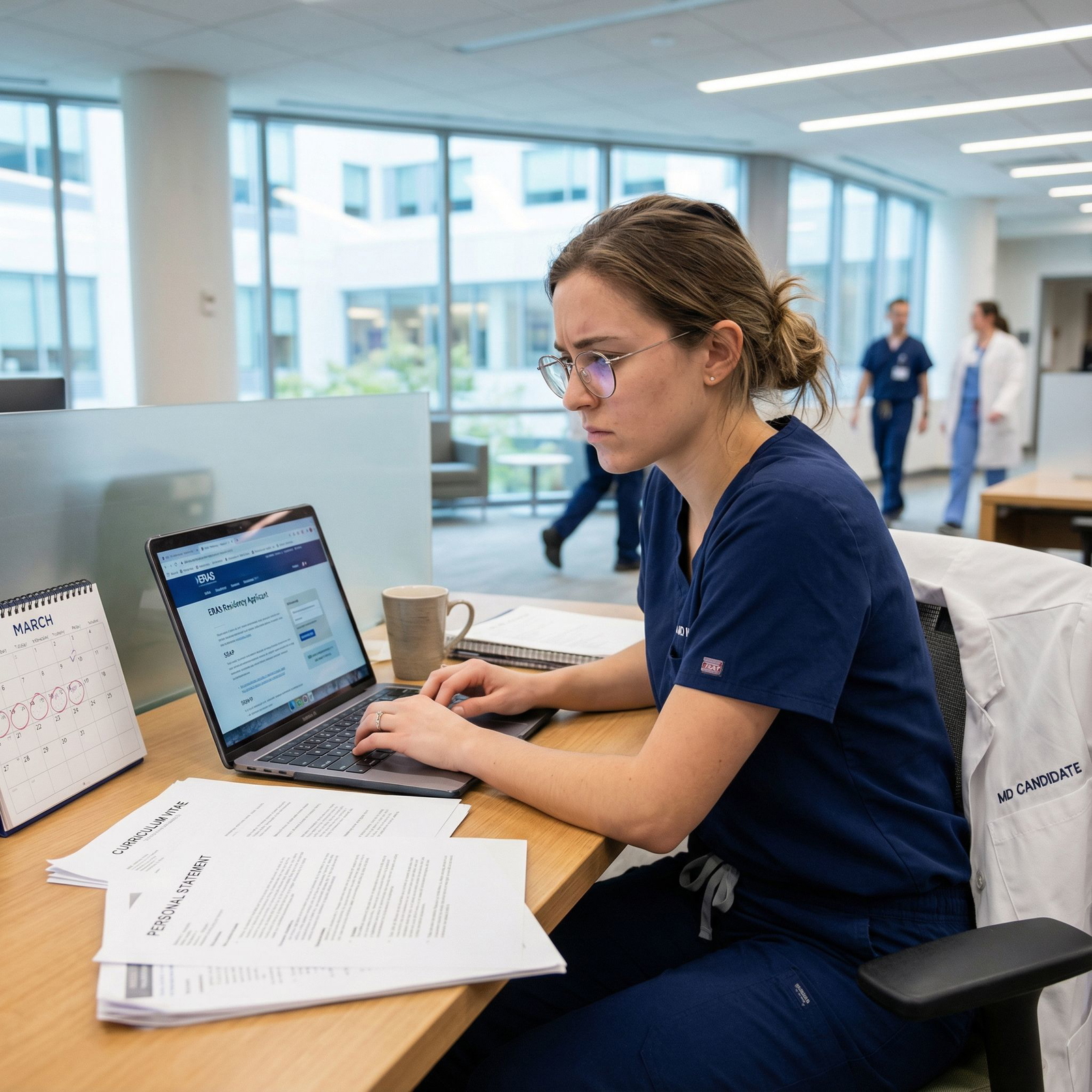
During SOAP, there is very little time to revise materials. Your ERAS application must be SOAP-ready before Match Week.
Key components to review:
Personal Statement (Pediatrics-focused)
- Ensure it clearly explains why pediatrics, not just why medicine.
- Highlight DO strengths: holistic care, communication, developmental/behavioral awareness, OMT integration when appropriate.
- Remove references specific to individual programs (e.g., “I am particularly drawn to XYZ Children’s Hospital”) and keep it broadly applicable.
CV and Experiences
- Emphasize any peds-specific experiences: pediatric clerkships, sub-I’s, pediatric ICU, NICU, newborn nursery, school clinics, community outreach with children.
- Include osteopathic leadership roles, advocacy, and patient-centered activities that align with pediatrics’ culture of empathy and family-centered care.
Letters of Recommendation
- Verify that at least two strong letters are from pediatricians or pediatric subspecialists.
- If necessary and time allows, request updated or additional letters prior to SOAP, particularly from peds faculty who know you well.
- Make sure letters are uploaded to ERAS and correctly assigned to a pediatrics application profile.
Board Scores & Exams
- Ensure COMLEX transcripts are correctly uploaded.
- If you have USMLE scores, make sure both USMLE and COMLEX are visible (many peds programs are now very comfortable with COMLEX, but some still reference USMLE benchmarks).
- If you had exam challenges, prepare a concise, honest explanation you can use in emails or interviews.
Common DO-specific optimization tips:
- Explicitly note any osteopathic manipulative medicine training or involvement that translates to pediatrics (e.g., OMT for breastfeeding difficulties, musculoskeletal issues, or functional complaints).
- Highlight any experiences that show comfort with interprofessional collaboration (nurses, therapists, social workers)—key in pediatrics.
3. Prepare Multiple, Targeted Personal Statements
While you may lead with a general pediatrics personal statement, it’s wise to have:
- A primary pediatrics statement (used for most peds programs).
- A brief, flexible secondary statement that can be used for:
- Transitional year
- Family medicine with strong pediatric exposure
- Combined programs (if any appear in SOAP)
Having these ready allows you to quickly pivot if the unfilled list is not peds-heavy.
Tip:
Keep statements in a document outside ERAS, with clear file names (e.g., “Peds_General_SOAP,” “FM_PedsLean_SOAP”). During SOAP, you can copy-paste or upload appropriately.
4. Strengthen Your Narrative as a DO Graduate
You may worry that being a DO graduate places you at a disadvantage in the pediatrics residency match or SOAP residency process. In reality, many pediatric program directors embrace DO applicants, especially when they show:
- Solid clinical evaluations
- Commitment to caring for children
- Strong communication and teamwork skills
Prepare a short, confident narrative you can use in emails or calls:
- Why DO medicine? (1–2 sentences)
- How your DO training enhances your pediatric practice (2–3 sentences)
- A recent clinical example where your osteopathic perspective benefited a child or family (1–2 sentences)
This narrative will be invaluable during rapid SOAP communications.
Logistics and Systems: Your SOAP Command Center
SOAP is both strategic and logistical. Set yourself up so you can act fast and efficiently when decisions and offers start rolling in.

1. Understand the SOAP Timeline
While exact times can vary year to year, the general flow is:
Monday (Match Week)
- 11:00 AM ET: Unmatched/partially matched status released.
- 12:00 PM ET: SOAP-eligible list and unfilled positions become visible.
- Early afternoon: Begin applications to unfilled programs (up to the allowed maximum—often 45 initially; confirm for your year).
Tuesday–Thursday
- Programs review applications, may conduct brief interviews or phone calls.
- Several offer rounds occur; you may receive offers for positions.
- You can accept only one position; accepting is binding.
Thursday (Post-SOAP)
- Any remaining unfilled spots may go into the “scramble” where programs and applicants reach out independently.
Action:
Print or save your specific year’s SOAP schedule. Set alarms on your phone for key events and offer rounds.
2. Technical Preparation
Make sure your tech will not fail you:
- Reliable internet connection (have a backup location—friend’s house, library, etc.).
- Laptop/computer updated and tested with:
- ERAS
- NRMP portal
- Video conferencing tools (Zoom, Teams, etc.)
- A quiet, professional space for rapid interviews:
- Neutral background
- Good lighting
- Headphones and microphone tested
- Professional attire accessible (at least from the waist up!)
3. Organizational Tools
Create a simple “SOAP command center” system:
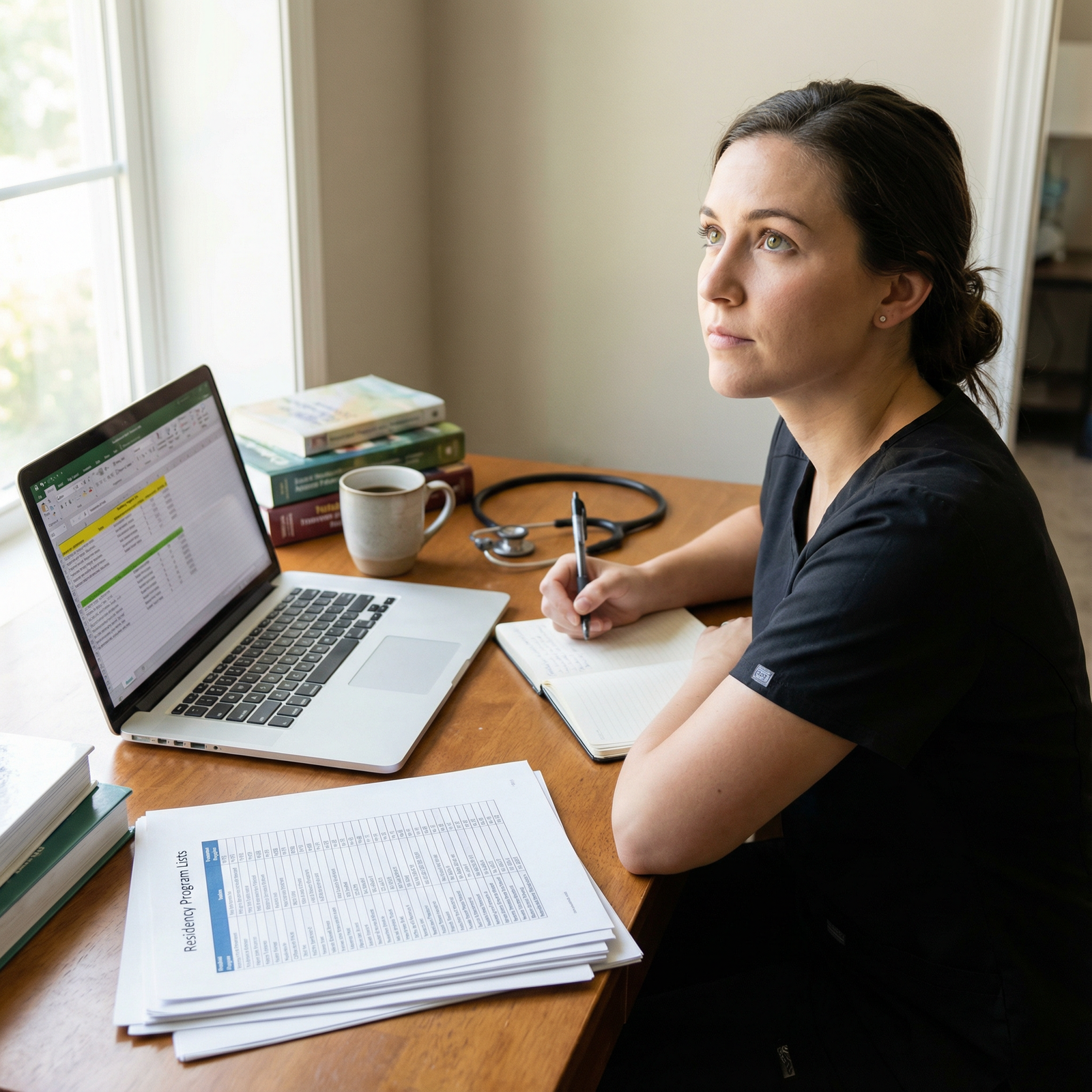
Spreadsheet or tracker with:
- Program name
- Location
- Specialty (pediatrics, family med, transitional, etc.)
- Program type (university, community, children’s hospital)
- DO-friendliness indicators (if known)
- Application status
- Interview/communication notes
- Priority ranking
Document folder structure:
- /SOAP_202X
- /Personal_Statements
- /CV_and_Transcripts
- /Notes_on_Programs
- /Email_Templates
- /SOAP_202X
Having a system allows you to quickly compare options when offers come in and ensures you don’t miss a follow-up.
Identifying and Applying to SOAP Pediatrics Programs as a DO
When the unfilled list is released, the first few hours can feel frantic. For a DO graduate focused on pediatrics, this is where your advance SOAP preparation matters most.
1. Scan for Pediatrics Residency Positions First
On Monday at noon:
- Filter the unfilled list by Specialty = Pediatrics.
- Within pediatrics programs, note:
- Number of positions available
- Location and setting
- Whether they have historically taken DOs (if you have this from prior research or online forums).
- Prioritize your application slots:
- High priority: Programs with a history of DO residents, community-based or mid-tier programs, and geographic areas where you have ties.
- Medium priority: More competitive academic centers that are still realistically within your profile.
- Lower priority: Highly competitive programs with minimal DO presence, unless you have a strong connection or exceptional application.
2. Evaluate “DO-Friendliness” Quickly
When seconds count, what clues can you use?
- Review program websites:
- Current and past residents—do you see DO graduates?
- Mission statements—do they mention holistic care, primary care, diversity, or community focus?
- Check public lists or forums:
- Some organizations and residency guides track DO-friendly sites.
- Look at ACGME accreditation details:
- Former AOA-approved (osteopathic) programs now under ACGME are often very comfortable with DO graduates.
This doesn’t guarantee success but helps you target wisely within your limited SOAP applications.
3. Decide How Many Non-Peds Programs to Include
If there are enough pediatrics residency positions to realistically match your profile, you may choose to use all or nearly all of your SOAP applications on pediatrics.
If pediatric openings are sparse, you may:
- Add family medicine programs with strong pediatric stucture.
- Include transitional year programs to stay clinically active while reapplying to pediatrics later.
- Look for dual or combined programs (e.g., Peds/FM, where available), though these are less commonly in SOAP.
This is where your pre-written secondary personal statement becomes valuable.
4. Tailor Your Application Without Losing Time
During SOAP, you don’t have the luxury of crafting a bespoke personal statement for every program, but you can:
- Use a pediatrics-focused statement for all peds programs, mentioning:
- Interest in community or academic pediatrics.
- Any regional ties (can sometimes be briefly noted in ERAS or in an email).
- If ERAS allows assigning different statements:
- Use your primary pediatrics statement for most peds programs.
- Use the “flexible” version for non-peds or mixed programs.
When time permits, you may send very brief, targeted emails to top-choice programs after you apply (if allowed by SOAP rules that year), expressing genuine interest and any specific connection (e.g., “I grew up in your region,” or “I completed a rotation in your health system”).
Interviewing, Communicating, and Accepting Offers in SOAP
Once programs review SOAP applications, some will reach out quickly—often with extremely short notice.
1. Rapid-Response Interview Skills
Be ready for:
- Short video calls (10–20 minutes).
- Phone calls that function as mini-interviews.
- Rapid “fit” conversations.
Common pediatrics-focused questions you might get:
- “Tell me about yourself and why you chose pediatrics.”
- “What interests you about our program or our patient population?”
- “What are your strengths and areas for growth as a future pediatrician?”
- “Tell me about a challenging case involving a child or family and how you handled it.”
- “How has your DO training prepared you for a career in pediatrics?”
Practice concise, 1–2 minute answers that:
- Emphasize empathy, communication with families, and team-based care.
- Highlight your osteopathic perspective as an asset, not an apology.
- Include at least one concrete clinical example showing professionalism and resilience.
2. Handling Questions About Being Unmatched
Programs may directly or indirectly ask why you’re in SOAP.
Sample framework for a confident, honest response:
“The pediatrics residency match is highly competitive, and my application had some limitations—primarily [briefly mention, e.g., a lower board score or late exam]. That said, my clinical evaluations in pediatrics have been very strong, and my experiences in [specific rotations or volunteer work] have confirmed how committed I am to caring for children and families. I see SOAP as an opportunity to find a program where I’m a strong fit and can contribute from day one.”
Avoid negative comments about prior programs, the match system, or your school. Focus on growth and readiness.
3. Communicating Interest Strategically
Within SOAP rules (which can change slightly year to year), you may be able to:
- Send concise, professional emails after applying:
- Introduce yourself as a DO applicant interested in pediatrics.
- Highlight one or two key strengths and any geographic/personal connection.
- Express genuine enthusiasm without sounding desperate.
Example SOAP email template (short):
Subject: SOAP Application to [Program Name] – Pediatrics
Dear Dr. [Program Director Name],
I have applied to your pediatrics residency program through the SOAP and wanted to briefly introduce myself. I am a DO graduate from [School], with strong clinical evaluations in pediatrics, including [sub-I or key rotation].
I am particularly interested in your program because of [brief program-specific reason—community focus, underserved populations, teaching environment, etc.]. My osteopathic training has helped me develop a holistic, family-centered approach that I believe is well suited to pediatrics.
I would be honored to be considered for a position and am happy to speak further at your convenience.
Sincerely,
[Name], DO
AAMC ID: [if applicable]
Phone: [number]
Keep messages brief and targeted, and do not badger programs with multiple follow-ups.
4. Deciding Whether to Accept an Offer
When an offer arrives during a SOAP round, you have a limited window to accept or decline. This can be intensely stressful.
Use your pre-made priority list and tracker:
- If the offer is from a categorical pediatrics residency within your acceptable geographic range:
- In most cases, it’s wise to accept—particularly if your application has risk factors (marginal board scores, limited peds exposure, fewer interviews).
- If the offer is from a non-pediatrics program:
- Consider:
- Your probability of receiving a later pediatrics offer (realistically).
- Your comfort with reapplying after a prelim or transitional year.
- Some applicants choose a strong non-peds categorical option rather than risking no position at all.
- Consider:
- If you decline:
- You often cannot retrieve that offer later in the same SOAP.
- Declining should be reserved for situations where the position clearly does not align with your career or personal needs.
When in doubt, consult mentors in real time—pediatrics faculty, your dean’s office, or advisors familiar with the osteopathic residency match and SOAP dynamics.
Emotional Resilience and Post-SOAP Planning
SOAP week is emotionally intense. As a DO graduate who has invested heavily in a pediatrics path, it can be difficult to navigate disappointment, uncertainty, or last-minute decisions.
1. Managing Stress and Expectations
- Build a support system ahead of time:
- Friends and family who understand the pressure.
- Mentors or advisors you can call quickly for advice.
- Schedule breaks:
- Even brief walks between offer rounds can help clear your mind.
- Avoid comparing yourself obsessively to peers—the SOAP pathway is highly individual.
2. If You Match Through SOAP
If you secure a pediatrics residency (or alternate) through SOAP:
- Celebrate—this is a legitimate and respected path to training.
- Quickly complete any onboarding paperwork or requirements the program sends.
- Reflect on the process:
- What did you learn about your application?
- How can you show gratitude and commitment to your new program?
Your DO background and SOAP journey will not define your career; your performance as a resident will.
3. If You Do Not Match in SOAP
If SOAP does not result in a position:
- Finish the week strong:
- Participate in post-SOAP “scramble” opportunities as advised.
- Remain professional in all contacts—word travels.
- Develop a 1-year plan:
- Clinical work (e.g., research assistant, preliminary positions if found later, or non-residency clinical roles where allowed).
- Strengthen application weaknesses:
- Additional clinical experiences.
- Board retakes or step level improvements where possible.
- More peds exposure or scholarly activity.
- Stay connected to pediatrics networks:
- Pediatrics interest groups.
- Local children’s hospitals for shadowing or research.
- Conferences and webinars.
Reapplying can be successful, particularly when you show clear improvement and a consistent commitment to pediatrics.
FAQs: SOAP Preparation for DO Graduates in Pediatrics
1. As a DO graduate, are my chances worse in the pediatrics SOAP compared to MDs?
Not inherently. Many pediatrics programs are very DO-friendly and value osteopathic principles, especially in primary care and holistic child health. Your chances depend more on your overall profile (board scores, clinical performance, letters, and how well you target programs) than the degree alone. Make sure COMLEX scores are clearly presented; if you have USMLE scores as well, that can broaden your compatibility with more programs.
2. Should I only apply to pediatrics residency positions during SOAP?
That depends on the number and type of pediatrics openings and the risk level you’re comfortable with. If there are multiple peds programs where you’re a strong fit, it’s reasonable to focus your SOAP residency applications on pediatrics. If pediatric openings are limited or highly competitive, consider including family medicine programs with strong pediatric components or transitional year spots as part of a broader strategy.
3. How can I quickly show programs that my DO training is an asset for pediatrics?
In your personal statement, interviews, and emails, emphasize how osteopathic training has shaped your ability to:
- Approach the child and family holistically.
- Communicate effectively with caregivers.
- Collaborate with interprofessional teams. If you have relevant OMT experiences (e.g., musculoskeletal complaints, feeding challenges), mention them briefly as examples of hands-on, patient-centered care.
4. What is SOAP preparation, and when should I start it?
SOAP preparation is the proactive process of:
- Updating your ERAS materials.
- Creating pediatrics-focused and backup personal statements.
- Organizing a system to track unfilled programs.
- Clarifying your priorities and backup plans. Ideally, you begin this 4–6 weeks before Match Week so that if you are SOAP-eligible, you can move quickly and confidently. Even if you ultimately match in the main pediatrics residency match, this preparation strengthens your overall application.
By understanding what SOAP is, planning your pediatrics-focused strategy, and leveraging your unique strengths as a DO graduate, you can transform SOAP from a crisis into a structured opportunity. With thoughtful SOAP preparation, you’ll be ready to move decisively toward your goal of becoming a pediatric resident—and ultimately, a compassionate, skilled pediatrician.