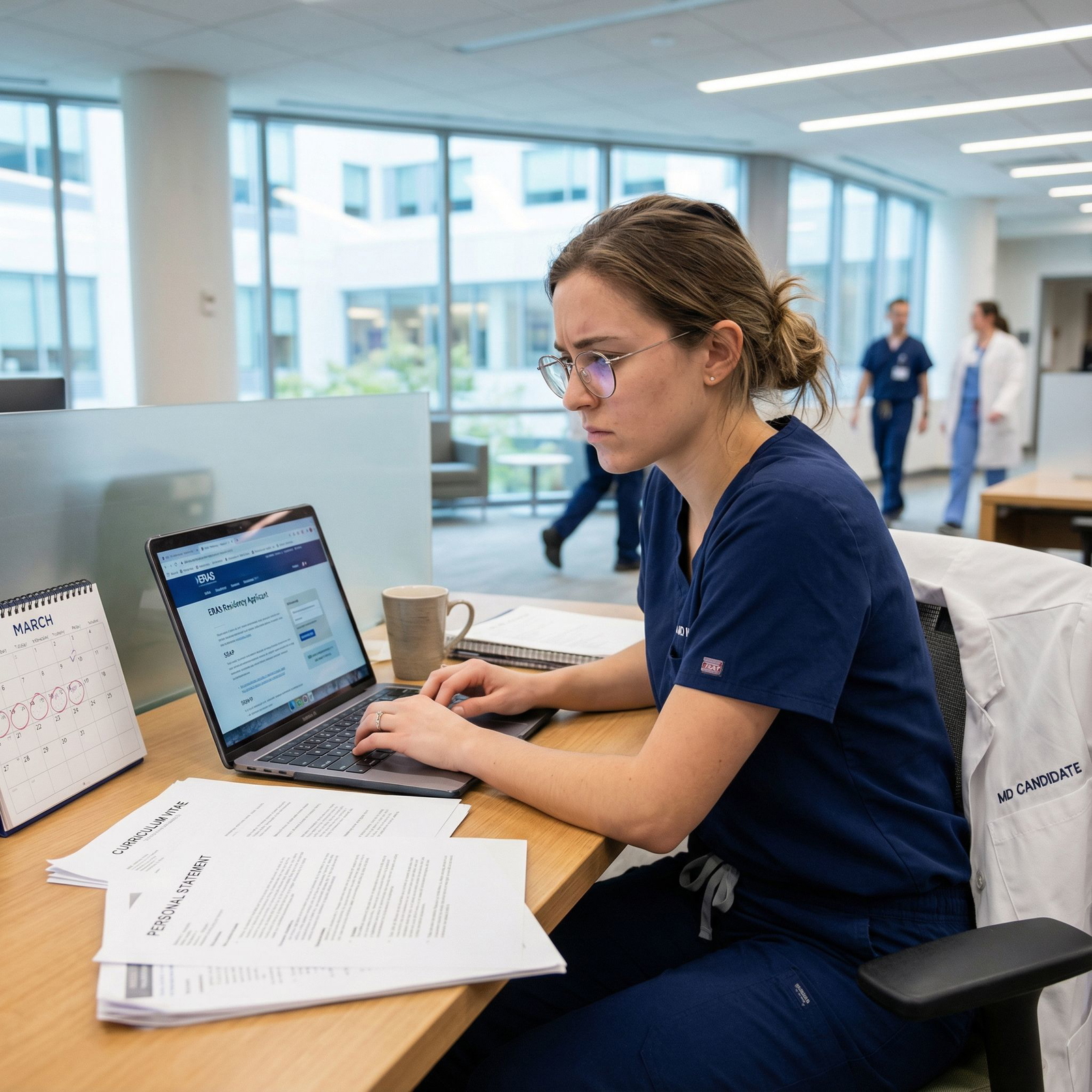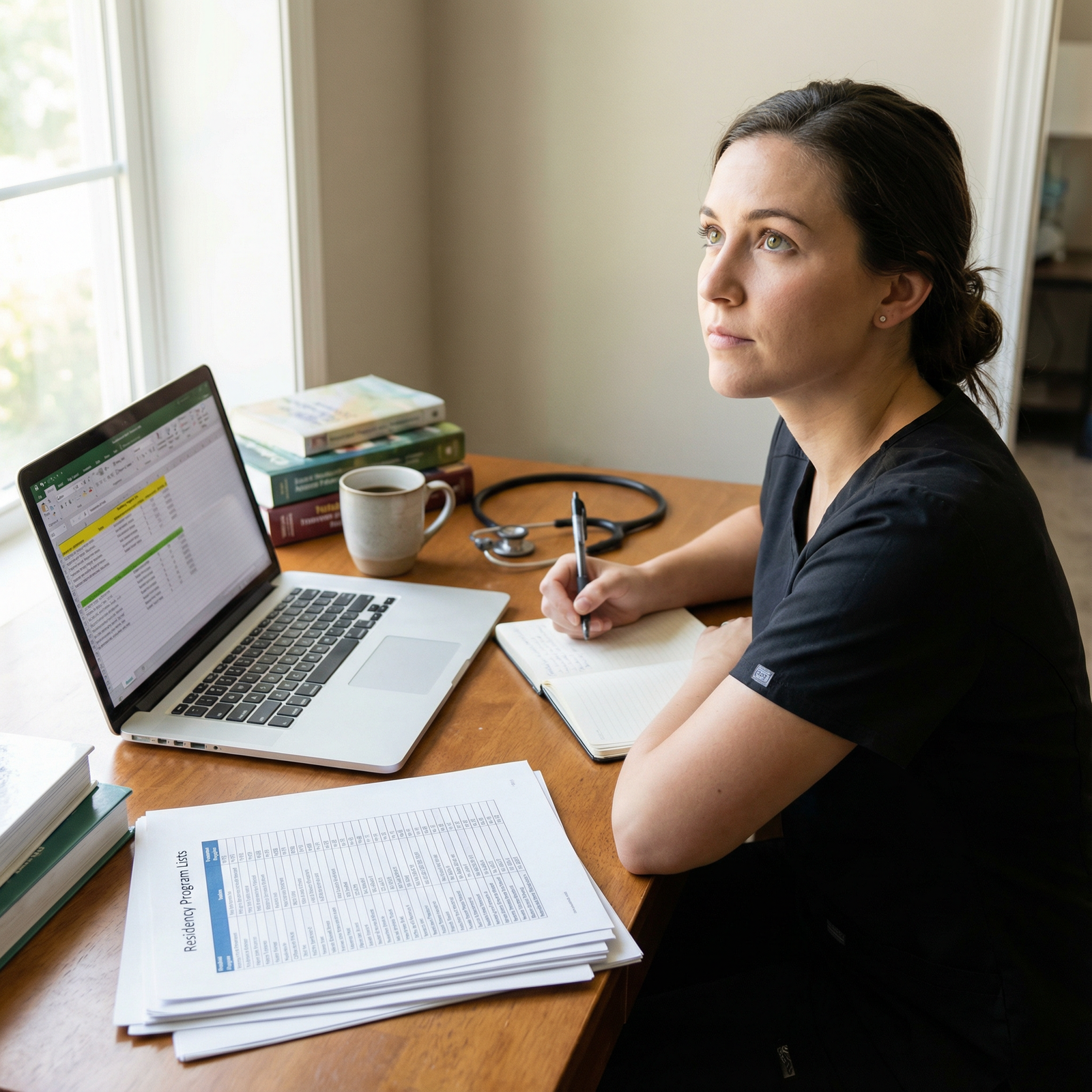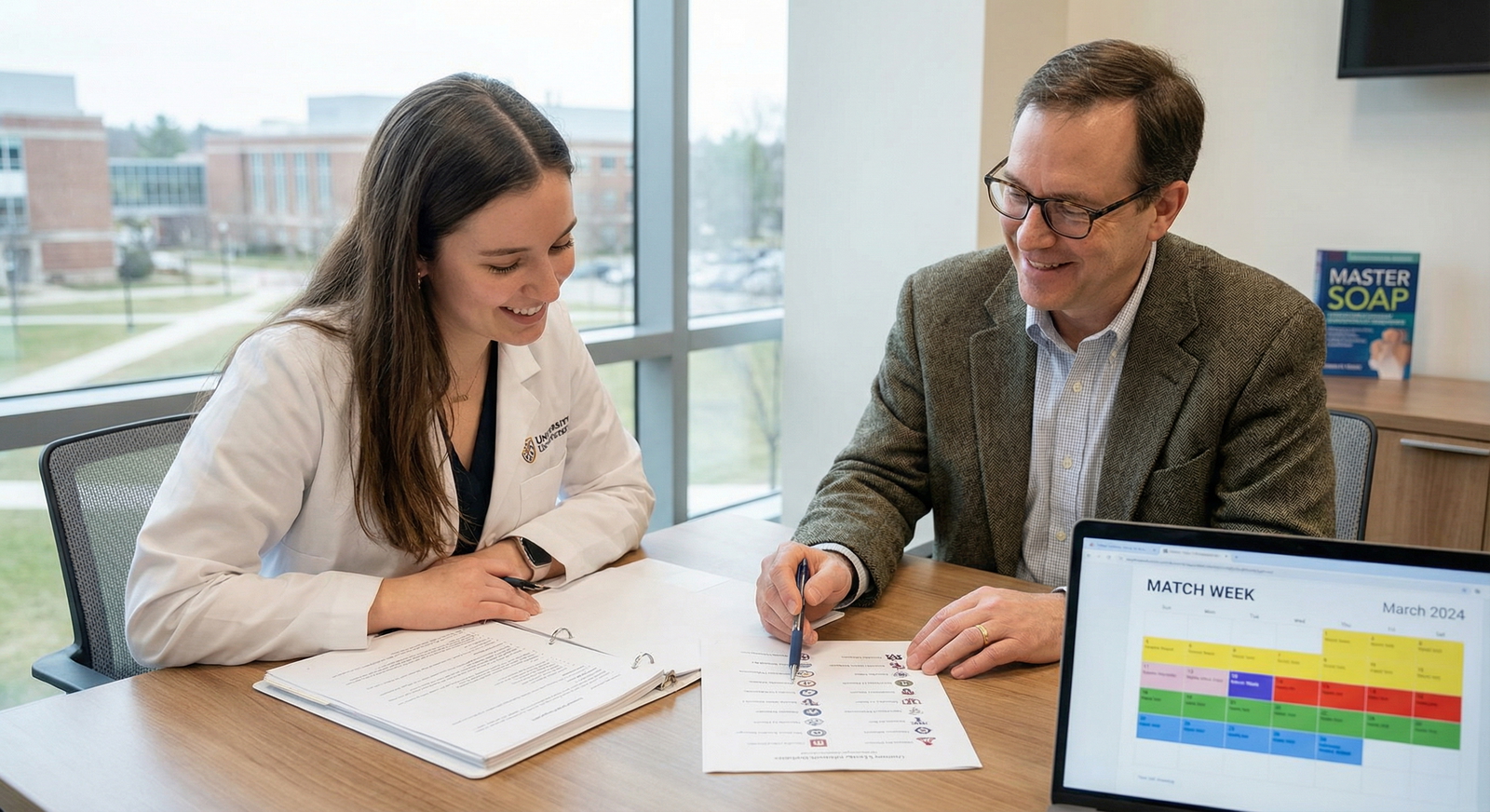
Preparing for the Supplemental Offer and Acceptance Program (SOAP) as an international medical graduate (IMG) interested in global health can feel overwhelming—but it is absolutely manageable with the right structure and timelines. This IMG residency guide will walk you step-by-step through SOAP preparation with a specific focus on global health–oriented pathways and programs.
Understanding SOAP: What It Is and Why It Matters for IMGs in Global Health
SOAP (Supplemental Offer and Acceptance Program) is the formal, structured process that allows unmatched or partially matched residency applicants to obtain unfilled positions during Match Week. It’s administered by the NRMP and integrated into ERAS.
If you are an international medical graduate pursuing international medicine or a global health residency track, SOAP may be your second chance to enter the US system—and potentially still connect with global health–relevant training.
What is SOAP?
SOAP is a time-limited, competitive process that runs during Match Week. Its main features:
- Eligibility-based: You must be SOAP-eligible (unmatched or partially matched, and registered with NRMP).
- Centralized: Applications are sent only through ERAS during SOAP. Direct contacting of programs about positions is prohibited until specific times.
- Rounds of offers: Programs review applicants and send offers in up to four rounds. Applicants can accept or reject offers within a fixed time window.
Why SOAP Matters Specifically for IMGs
For international medical graduates, SOAP is:
- A critical re-entry point if you did not match.
- A chance to pivot specialties (for example, from competitive specialties to Internal Medicine, Family Medicine, or Pediatrics, which often have more unfilled positions).
- An opportunity to still reach programs with meaningful global health components, even if they’re not formally labeled as a global health residency track.
However, SOAP is fast and high-stakes. The difference between a well-prepared and a poorly prepared IMG can be the difference between starting residency this year and reapplying next cycle.
Pre-Match Week SOAP Preparation: Laying the Groundwork Early
SOAP preparation starts months before Match Week. Ideally, you should begin planning by November–December of the application season.

1. Understand SOAP Eligibility and Rules
Study the NRMP and ERAS policies for the current year:
- Confirm:
- You are registered with NRMP.
- You certified a rank order list, or you applied only to SOAP-participating programs.
- You will have ECFMG certification (or meet the year’s requirements) by the deadline required for SOAP eligibility.
- Review NRMP’s Match Participation Agreement and SOAP guidelines.
- Learn the communication rules:
- Direct program contact about unfilled positions is prohibited until the NRMP allows it.
- All SOAP communication goes through ERAS and program-initiated contact.
Action item:
Create a 1-page personal summary: eligibility status, USMLE exam status, ECFMG status, visa needs (e.g., J-1 vs H-1B), and target specialties.
2. Audit Your Application with a SOAP Lens
SOAP is competitive, and programs make decisions rapidly. Your application must be polished and targeted.
Review:
- USMLE/COMLEX scores and attempts
- Clinical experiences in the US (USCE, observerships, externships)
- Global health experiences (international rotations, NGO work, research, volunteering)
- Letters of recommendation (LoRs)—especially those referencing global or underserved care.
- Personal statement—is it tailored, coherent, and realistic?
For global health–interested IMGs, highlight:
- Work in low-resource settings (abroad or in underserved US communities).
- Experience with cross-cultural communication, interpreters, and diverse patient populations.
- Research or projects in global health, epidemiology, infectious diseases, refugee or migrant health, or health systems.
Action item:
Write down your top 3 strengths and 2 limitations as an applicant. You’ll use this later when deciding how to pivot in SOAP.
3. Build a SOAP Strategy: Core vs Global Health–Focused Programs
Many unfilled positions will be in “core” fields (Internal Medicine, Family Medicine, Pediatrics, Psychiatry, Transitional Year, sometimes Preliminary Surgery). Global health–specific positions are rare in SOAP, but global health–friendly programs are not.
Plan your target landscape:
- Primary core specialties you’ll pursue in SOAP:
- For global health, the strongest foundations are:
- Internal Medicine
- Family Medicine
- Pediatrics
- Sometimes Emergency Medicine (if available)
- For global health, the strongest foundations are:
- Program types supportive of global health:
- University programs with global health centers or departments.
- Community programs with strong underserved/immigrant populations.
- Institutions with:
- Global health electives
- International rotations (post-visa restrictions permitting)
- Refugee health clinics, migrant farmworker clinics, FQHC affiliations
- Geographic priorities:
- States or cities with:
- Diverse immigrant communities (e.g., New York, California, Texas, Florida, Massachusetts)
- Strong safety-net hospital networks
- Academic medical centers with global health initiatives
- States or cities with:
Action item:
Create three lists before Match Week:
- List A – Your “ideal” cores (IM/FM/Peds) at academic or safety-net institutions with global health or international medicine emphasis.
- List B – Community-based programs with strong underserved care.
- List C – Broader programs you would realistically accept to begin your US training, even if they are not global health branded.
These lists will guide ultra-fast decision-making once the Unfilled List is released.
4. Prepare SOAP-Ready Application Materials
You will have very little time during Match Week to edit documents. Pre-write and pre-polish everything you can.
Personal Statements (Multiple Versions)
Prepare at least 3 versions tailored to:
- Internal Medicine (IM)
- Family Medicine (FM)
- Pediatrics (Peds) or other realistic specialty for you
For each, incorporate your global health interest without sounding unrealistic or inflexible:
- Emphasize:
- Commitment to underserved populations.
- Experience in low-resource settings.
- Long-term goal: clinical excellence in the US combined with global or immigrant health work.
- Avoid:
- Suggesting you will not stay in the US after training.
- Overstating that global work is your only priority.
Example positioning:
“My long-term goal is to become a physician who provides high-quality care to underserved communities, whether in urban immigrant neighborhoods in the US or in global health partnerships abroad. I am seeking residency training in Internal Medicine that emphasizes strong clinical foundations, care of diverse populations, and opportunities to engage with global or community health initiatives.”
Action item:
Have each personal statement proofread (grammar, clarity, tone) before Match Week.
Letters of Recommendation
You generally cannot obtain new letters during SOAP, but you can reselect which letters to assign.
- Identify LoRs that:
- Are from US-based physicians.
- Reference your clinical skills clearly.
- Mention global/underserved care, cultural competence, or professionalism.
- Decide in advance:
- Which letters for IM.
- Which for FM.
- Which for Peds or other.
Action item:
Document your planned LoR combinations for each specialty so you can assign quickly in ERAS.
CV and Experiences
Review your ERAS “Experiences” entries:
- Ensure global health and international medicine experiences are clearly listed as:
- “Global Health Elective – [Country, Institution, Dates]”
- “Volunteer Physician – Refugee Clinic, [City]”
- Use concise, outcome-focused bullet points:
- “Performed focused histories and physical exams in low-resource clinics serving >200 patients per week.”
- “Collaborated with local NGO on community-based hypertension screening, helping enroll 150+ patients in longitudinal care.”
Technical and Logistical SOAP Preparation for IMGs
Beyond content, IMGs must be logistically ready for a structured, fast-paced, and heavily digital process.

1. Know the Timeline and Time Zones
Match Week and SOAP actions are tightly scheduled, and deadlines are strict.
- Convert all critical times (ERAS opening, SOAP application start, offer rounds) into your local time zone.
- If you are outside the US, remember you may be several hours ahead/behind. You must still respond within offer windows (often 2 hours).
Action item:
Print a SOAP week schedule with:
- Events in US Eastern Time
- A second column converted to your local time
- Space for notes (e.g., phone numbers, Zoom links)
2. Technology and Communication Readiness
During SOAP, programs may contact you rapidly via:
- ERAS messages
- Phone calls (US numbers, sometimes unknown caller ID)
- Video platforms (Zoom, Teams, Webex, etc.)
Prepare:
- Reliable high-speed internet.
- A quiet, professional space for sudden virtual interviews.
- Headphones with a clear microphone.
- Backup devices (e.g., smartphone hotspot if home internet fails).
- A US phone number if possible (e.g., Google Voice or app-based number), especially if you are outside the US.
Action item:
Conduct a mock video call with a friend/mentor using your planned setup. Check lighting, audio, background, and camera framing.
3. Visa and Documentation
Programs often decide quickly during SOAP. You must know and clearly communicate your visa status and needs:
- Are you eligible for J-1 only, or also H-1B?
- Do you already hold a visa or green card?
- Do you have any prior US immigration history (e.g., B1/B2, F-1)?
Update:
- ERAS fields for citizenship and visa.
- Personal statement (only if absolutely needed; usually ERAS fields are enough).
- A short, clear explanation you can use during interviews:
- “I am ECFMG-certified and will require J-1 sponsorship, which ECFMG provides. I have no prior US visa violations, and I am prepared to provide all necessary documentation quickly.”
Action item:
Compile a digital folder with passport, ECFMG certificate, USMLE transcripts, and any prior visa documents so you can respond quickly if asked.
Match Week Execution: How to Navigate SOAP Step-by-Step
When Match Week begins, stay calm and structured. Your preparation will pay off.
Step 1: Monday – Unmatched Notification and Emotional Management
On Monday of Match Week, you will learn whether you are:
- Matched
- Partially matched (e.g., advanced position matched but no preliminary year)
- Unmatched
If you’re SOAP-eligible and unmatched/partially matched:
- Allow yourself to process your emotions—but set a time limit.
- Activate your SOAP plan:
- Review your specialty strategy (IM/FM/Peds/others).
- Verify your ERAS is updated and error-free.
Tip:
Have a support system (mentor, friend, family member) pre-identified who understands SOAP and can help you think logically under pressure.
Step 2: Monday – Reviewing the Unfilled List with a Global Health Lens
The List of Unfilled Programs becomes available to SOAP-eligible applicants.
Use your pre-created Lists A/B/C:
- Scan for:
- Internal Medicine, Family Medicine, Pediatrics, and Psychiatry programs.
- Programs in academic centers or large safety-net hospitals.
- Programs that mention:
- “Global health”
- “International medicine”
- “Underserved”
- “Refugee” or “immigrant” health
- Use institutional knowledge:
- Search program websites quickly:
- Look for “Global Health Track,” “International Health Electives,” or “International Medicine Program.”
- Even if a global health residency track is not formally labeled, look for:
- Resident stories involving international electives.
- Partnerships with countries or international NGOs.
- Robust public health or infectious disease divisions.
- Search program websites quickly:
Action item:
Create a prioritized list of programs from the SOAP unfilled list:
- Tier 1 – Strongly desirable for clinical and global/underserved opportunities.
- Tier 2 – Acceptable, solid training settings with some exposure to diverse populations.
- Tier 3 – Backup programs that you would still accept to begin training this year.
Step 3: Monday–Tuesday – Submitting SOAP Applications Strategically
You have a limited number of SOAP applications you can submit through ERAS (usually up to 45 but check the current year’s rules).
Strategy for IMGs in global health:
- Ensure breadth:
- Don’t apply only to your top academic or global health–branded programs.
- Include a mix of academic and community programs.
- Ensure realism:
- Consider your USMLE scores, attempts, graduation year.
- Programs that have historically taken IMGs or have a diverse resident cohort are more promising.
- Align personal statements and LoRs:
- Assign IM personal statement to IM programs, FM PS to FM, and so on.
- Use your pre-determined letter combinations.
Tip:
Do not waste applications on programs you would never attend. If you get an offer and decline, you might close the door for that year unnecessarily.
Step 4: Tuesday–Thursday – Interviews and Communication
Programs may conduct rapid interviews during SOAP:
- Short phone calls (10–20 minutes).
- Brief video interviews.
- Sometimes email questionnaires.
Prepare to discuss:
- Why this specialty (IM/FM/Peds) is now your focus.
- Why this particular program/institution.
- How your global health and international medicine experiences make you a stronger intern.
- Your long-term goals:
- Emphasize commitment to clinical excellence and service to underserved populations, whether domestic or international.
Sample answer snippet:
“My experience working in rural clinics in [country] taught me to be resourceful, culturally sensitive, and team-oriented. I’d like to build on this foundation by training in a program like yours that cares for a diverse patient population and offers opportunities to engage in community or global health initiatives. Ultimately, I hope to work where I can combine strong internal medicine practice with care for underserved and immigrant communities.”
Action item:
Keep a notepad with the following for each contact:
- Program name
- Interviewer name
- Key points mentioned
- Your impression (Strong interest / Moderate / Low)
Step 5: Offer Rounds – Making Decisions Under Time Pressure
During SOAP offer rounds:
- If you receive an offer, you usually have a 2-hour window to accept or reject.
- Once accepted, you are contractually committed and withdrawn from further SOAP offers.
Decision framework for global health–interested IMGs:
- Clinical foundation comes first:
- Any solid ACGME-accredited IM/FM/Peds residency gives you tools to pursue global health later.
- Global health is often built, not handed:
- Even if a program has no formal global health residency track, you can still:
- Work with underserved immigrant communities.
- Engage in QI or research on global or refugee health topics.
- Pursue international electives later, if policies allow.
- Even if a program has no formal global health residency track, you can still:
- Compare offers against your pre-set tiers:
- If a Tier 1 or Tier 2 program offers, strongly consider accepting.
- If a Tier 3 offer comes early, ask:
- “Is it better to start training this year in a less ideal but solid program, or realistically reapply next year?”
- Consider your age, financial situation, visa, and likelihood of improvement in your application.
Tip:
Avoid over-optimizing and losing a good position while waiting for a “perfect” global health program that may never offer.
Life After SOAP: Leveraging Any Residency for a Global Health Career
Whether or not you match through SOAP, your global health ambitions remain viable.
If You Match in SOAP
Once you secure a position:
- Express gratitude to the program.
- Clarify next steps:
- Onboarding, paperwork, visa process.
- Begin exploring:
- Faculty involved in global or immigrant health.
- Resident committees or interest groups.
- Public health, epidemiology, or infectious disease departments.
You can build your global health profile during residency by:
- Leading QI projects on language access, vaccination in immigrant communities, or chronic disease management in underserved populations.
- Participating in or initiating journal clubs on global health topics.
- Joining institutional global health centers or attending their seminars.
- Applying for global health electives in PGY2–PGY3 (if visa and program policies permit).
If You Do Not Match in SOAP
If SOAP does not result in a position:
- Take time to decompress and reflect.
- Request feedback where possible (mentors, advisors, program directors who spoke with you).
- Design a structured gap year focused on strengthening:
- US clinical experience and letters.
- Research or quality improvement in global/underserved care.
- USMLE performance if you have pending exams or low scores.
- Communication skills and networking in your chosen specialty.
You can still pursue:
- Research assistant roles in global or immigrant health centers.
- Volunteer roles with refugee clinics or community health centers.
- MPH or related degrees (if financially feasible and strategically justified).
Use this year to transform your narrative from “unmatched applicant” to “more seasoned, focused candidate with clear contributions to global health and underserved care.”
FAQs: SOAP Preparation for IMGs in Global Health
1. As an international medical graduate focused on global health, should I prioritize programs with a formal global health residency track in SOAP?
Prioritize strong training and realistic opportunities over labels. If a program with a formal global health track appears on the unfilled list and is attainable, it’s a great option. However, many excellent programs with diverse, underserved patient populations offer rich global health–relevant experience without using that label. During SOAP, time and options are limited; do not ignore solid core programs simply because they don’t advertise a global health residency track.
2. How can I present my global health experience without making programs worry I will leave the US after residency?
Frame global health as part of a broader commitment to underserved care and health equity. Emphasize that you want to develop strong US-based clinical skills and plan to practice in environments where you can serve diverse and marginalized populations, including immigrant communities in the US. Avoid implying that you intend to live mostly outside the US post-training.
3. What is SOAP vs. the regular Match, and does participating in SOAP hurt my chances in future cycles?
The regular Match assigns positions based on rank lists submitted earlier in the season. SOAP residency positions are unfilled spots offered during Match Week through a separate, time-limited process. Participating in SOAP does not by itself damage your future chances. If you do not match in SOAP and reapply, programs may ask what you did with the intervening time. A structured, growth-oriented year can actually strengthen your long-term candidacy.
4. How early should I begin SOAP preparation, and what are the most important steps?
Begin serious SOAP preparation by November–December of the application cycle. The most important steps are:
- Confirming your eligibility and understanding what SOAP is.
- Pre-writing specialty-specific personal statements and planning LoR combinations.
- Creating prioritized target lists of programs, especially in IM, FM, and Peds, with attention to global/underserved care opportunities.
- Preparing your technology, time-zone plan, and interview readiness for fast responses during Match Week.
With methodical SOAP preparation, IMGs interested in global health can greatly increase their chances of securing a residency position that both launches their US career and keeps their international medicine aspirations alive.