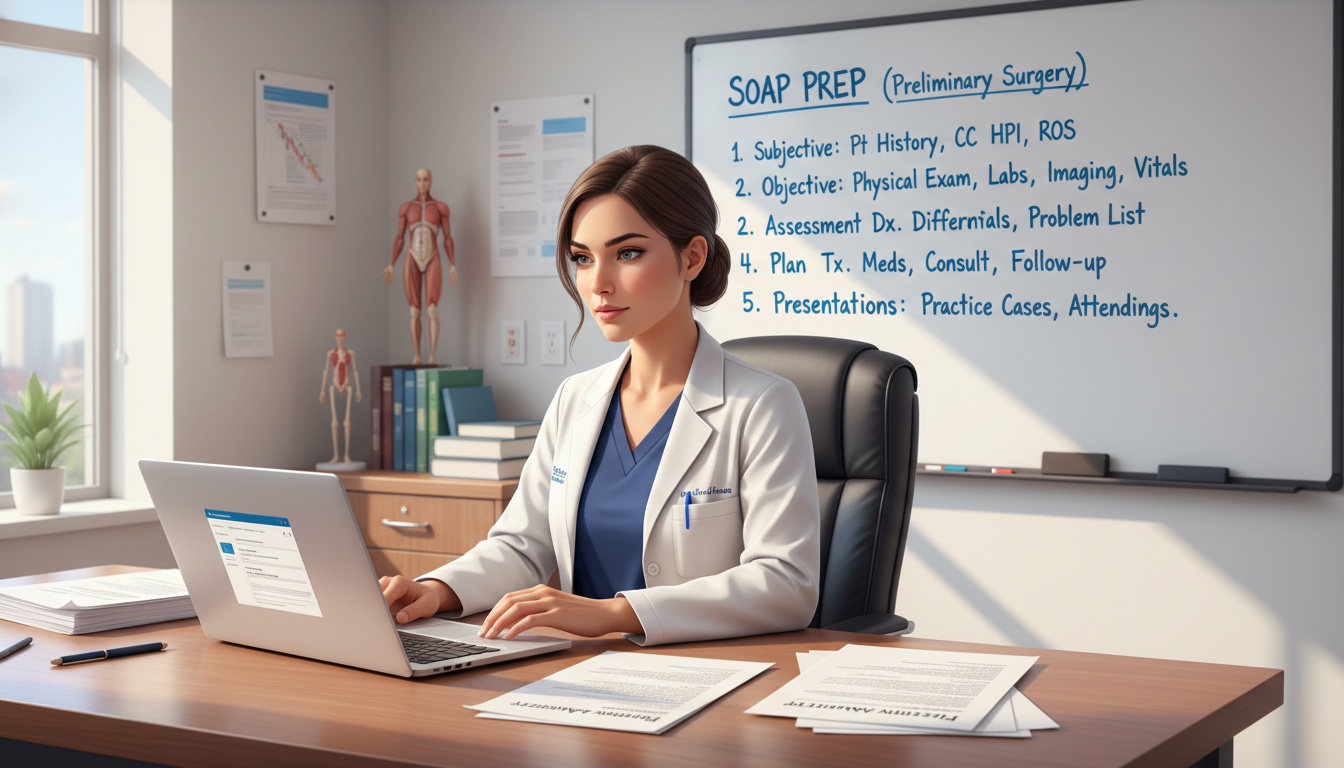
Preparing for the Supplemental Offer and Acceptance Program (SOAP) as an international medical graduate (IMG) interested in addiction medicine is both challenging and highly strategic. This IMG residency guide will walk you step-by-step through what SOAP is, how to prepare effectively, and how to position yourself strongly for substance abuse training and future addiction medicine fellowship opportunities—even when you are navigating the most stressful week of the residency application cycle.
Understanding SOAP and Its Relevance for IMGs in Addiction Medicine
What is SOAP?
SOAP (Supplemental Offer and Acceptance Program) is the structured process that allows unmatched or partially matched applicants to obtain unfilled residency positions during Match Week. Instead of the old “scramble,” SOAP is an organized electronic process through ERAS and NRMP that unfolds over several days.
For an international medical graduate, SOAP is often the second chance to secure a residency spot, especially if you did not initially match in your preferred specialty. For addiction medicine–oriented candidates, that usually means internal medicine, psychiatry, family medicine, or pediatrics positions that can eventually lead to an addiction medicine fellowship.
Key SOAP features IMGs must know:
- You must be SOAP-eligible (registered for NRMP Main Match, applied via ERAS, and meet certification requirements such as ECFMG certification by the required deadline).
- You can apply to up to 45 programs total during SOAP (all rounds combined).
- There are several offer rounds (usually four), during which programs can extend offers to applicants.
- Offers must be accepted or rejected within a short time window (usually 2 hours).
Understanding what SOAP is early in the season is essential so you can develop a backup strategy before Match Week begins.
Why SOAP Matters for IMGs Interested in Addiction Medicine
Addiction medicine in the U.S. is primarily a fellowship-level subspecialty, not an entry-level residency. The usual pathways to an addiction medicine fellowship include:
- Internal Medicine
- Psychiatry
- Family Medicine
- Pediatrics
- Emergency Medicine (in some programs)
- Preventive Medicine (less common)
During SOAP, unfilled positions in these core specialties may become available. While there are rarely dedicated “Addiction Medicine” categorical residency positions, you can target programs and departments with:
- Recognized substance use disorder (SUD) treatment programs
- Addiction consult services
- Integrated behavioral health or dual-diagnosis units
- Faculty with addiction medicine or addiction psychiatry certification
For an international medical graduate, SOAP can become the crucial bridge between being unmatched and entering a residency that sets you up for:
- In-depth substance abuse training during residency
- Competitive positioning for an addiction medicine fellowship later on
Pre-Match SOAP Preparation: Building a Foundation Months in Advance
Most applicants only think about SOAP during Match Week, which is a mistake—especially for IMGs. Your SOAP preparation should begin before ERAS is even submitted.
1. Design a Dual-Path Strategy (Primary Match + SOAP Backup)
As an IMG interested in addiction medicine:
Primary Strategy:
- Target residency programs in internal medicine, psychiatry, and family medicine that have strong addiction services.
- Highlight your interest in substance use disorders, harm reduction, and public health in your personal statement and experiences.
Backup SOAP Strategy:
- Identify program types you could realistically pursue in SOAP if you go unmatched:
- Community internal medicine or family medicine programs
- Psychiatry programs with broader intake criteria
- Transitional year or preliminary internal medicine programs if they offer exposure to addiction or complex medical-psychiatric patients
- Identify program types you could realistically pursue in SOAP if you go unmatched:
Write down two lists:
- “Ideal Match Programs” (for regular Match)
- “SOAP-Feasible Programs / Settings” (less competitive, but still compatible with an addiction medicine career)
This dual-path mindset avoids emotional decision-making in the chaos of Match Week.
2. Build an Addiction Medicine–Focused Application Profile
As an IMG, you must clearly show why you are a strong candidate for caring for patients with substance use disorders. Start months before SOAP with the following:
Clinical experience:
- Electives or observerships in:
- Addiction psychiatry
- Inpatient detox units
- Outpatient medication-assisted treatment (MAT) clinics (buprenorphine, methadone, naltrexone)
- Dual-diagnosis units
- Clinical exposure to:
- Opioid use disorder, alcohol withdrawal, stimulant use disorder
- Co-occurring mental health conditions: depression, anxiety, psychosis, PTSD
Research or scholarly activity:
- Quality improvement projects focusing on:
- Safe prescribing
- Overdose prevention
- Screening, Brief Intervention, and Referral to Treatment (SBIRT)
- Case reports about complex SUD patients
- Posters at addiction or psychiatry conferences (even virtual meetings)
Community and advocacy work:
- Volunteering in:
- Harm-reduction organizations
- Needle exchange or naloxone distribution programs
- Homeless shelters or recovery centers
- Online or community education on stigma reduction, safe opioid use, or overdose recognition
Use these activities to build a narrative: you are committed to addiction medicine, you understand vulnerable populations, and you can work effectively in interdisciplinary teams.
3. Prepare SOAP-Ready Documents in Advance
During SOAP, you will not have time to write documents from scratch. Prepare and store these items now:
Primary Personal Statement (Addiction-Focused)
- Tailored for internal medicine/psychiatry/family medicine with a strong addiction angle.
Alternate Personal Statements for SOAP
- One more general internal medicine/family medicine statement (less niche, but still showing interest in vulnerable populations).
- A brief, adaptable paragraph you can plug in about substance abuse training if a program’s website highlights addiction-related opportunities.
Updated CV and Experiences
- Make sure your ERAS entries are complete and consistent.
- Highlight addiction-related experiences in Top Three Experiences, publications, and voluntary roles.
Reference Letter Strategy
- Secure at least one strong letter from someone who has observed you caring for patients with substance use disorders.
- Have a mix: at least one internal medicine or family medicine letter; at least one from psychiatry or addiction medicine if available.
SOAP-Specific Email Templates
- A concise outreach email you can adapt quickly:
- Brief self-introduction
- Clear statement of interest in the program
- One or two sentences about your addiction-related experiences
- Confirmation of SOAP-eligibility and ERAS ID
- A concise outreach email you can adapt quickly:
By organizing these resources early, you’ll be ready to respond calmly and quickly once SOAP begins.

Match Week and SOAP Logistics: Step-by-Step for IMGs
Timeline Overview
While exact times can vary slightly each year, the typical flow is:
Monday of Match Week:
- 11:00 AM ET: You learn whether you are matched, partially matched, or unmatched.
- If unmatched/partially matched, NRMP and ERAS confirm your SOAP eligibility.
- The list of unfilled programs becomes visible (but you cannot yet apply).
Monday Afternoon – Thursday:
- You can submit applications to up to 45 programs through SOAP.
- Multiple rounds of offers occur.
- You accept or reject offers within the set time window.
Friday:
- Main Match results (for all) are released.
Step 1: Confirm SOAP Eligibility and Stay Calm
As an IMG, the eligibility details can be complex (ECFMG status, exam requirements, etc.), so:
- Verify months beforehand on NRMP/ERAS what will be required for you.
- On Monday, once status is shown, screenshot/save confirmation of SOAP eligibility.
Emotionally, this is a difficult moment. Give yourself a time-limited window (30–60 minutes) to process the disappointment. Then shift into solution mode. Your actions over the next 24–48 hours can determine your entry into U.S. training.
Step 2: Analyze the Unfilled Programs List Strategically
When the list opens, resist the urge to click “apply to all.” Use a filter strategy, especially as an international medical graduate interested in addiction medicine.
Filter by:
- Specialty: Internal medicine, family medicine, psychiatry, transitional year, and prelim medicine.
- State and visa friendliness:
- Prioritize states and programs known to accept IMGs and sponsor visas (J-1, occasionally H-1B).
- Use online forums and program websites to cross-check recent IMG status if possible.
- Addiction-Relevant Environment:
- Safety-net hospitals
- Community programs in areas heavily impacted by substance use
- Academic centers with addiction consult services
Program website review (fast but focused):
- Look for:
- Addiction psychiatry faculty or addiction medicine–certified internal medicine physicians
- Dedicated rotations in:
- Consult-liaison psychiatry
- Integrated behavioral health
- Inpatient detox or rehab
- Partnerships with community SUD clinics or methadone/buprenorphine programs
Make three tiers of programs for SOAP:
- Tier 1: Strong addiction exposure and historically IMG-friendly.
- Tier 2: Some addiction exposure or inner-city/community program with high SUD prevalence; moderately IMG-friendly.
- Tier 3: Less ideal but still acceptable for meeting your long-term goal of entering an addiction medicine fellowship (e.g., any solid internal medicine or family medicine program willing to train an IMG).
Step 3: Allocate Your 45 SOAP Applications Wisely
As an international medical graduate, your goal is to maximize both match probability and long-term alignment with addiction medicine.
Example allocation strategy:
- 20–25 applications: Internal medicine (categorical/community or university-affiliated, IMG-friendly)
- 10–15 applications: Family medicine (especially those serving underserved populations)
- 5–10 applications: Psychiatry (more competitive, but ideal for addiction)
- Optional: A few transitional year or prelim internal medicine positions at institutions with strong addiction/behavioral health exposure
Avoid “wasting” applications on:
- Programs that clearly do not sponsor visas if you require one.
- Highly competitive academic centers with minimal IMG presence and no time to individualize outreach.
Communication, Interviewing, and Presenting Your Addiction Medicine Interest During SOAP
SOAP interviews are condensed, high-stakes conversations, often via phone or video. You may receive:
- Short-notice interview invitations
- Very brief interactions (10–20 minutes)
- Limited time to ask questions
Presenting Your Story as an IMG in Addiction Medicine
You need a clear, 2–3 sentence narrative that connects your identity, your clinical interests, and your goals:
Example:
“I completed my medical training in [Country], where I frequently cared for patients with both medical and psychiatric complications of substance use. Those experiences, and later observerships in U.S. addiction services, made me realize how much I value working with vulnerable populations and multidisciplinary teams. My long-term goal is to complete a residency in [IM/FM/Psych] and pursue an addiction medicine fellowship so I can provide comprehensive, evidence-based care for patients with substance use disorders.”
Practice saying this naturally; it should be your baseline opening in many SOAP conversations.
Anticipating Common SOAP Interview Questions
“Why did you go unmatched?”
- Answer with calm, data-based honesty:
- Limited number of interviews due to late ECFMG certification, restricted geographic focus, or over-concentration in competitive programs.
- Avoid blaming external factors exclusively.
- Pivot quickly:
- “I’ve spent the last months strengthening my clinical exposure in [X], refining my communication skills, and seeking feedback to be a stronger resident.”
- Answer with calm, data-based honesty:
“Why our program?”
- Use specific, quick details from their website:
- “Your program’s partnership with [local addiction clinic/homeless shelter] and emphasis on serving patients with substance use disorders aligns perfectly with my career goals.”
- “I noticed your residents rotate on a consult-liaison psychiatry service that manages complex withdrawal and dual-diagnosis cases, which is an area I’m very interested in.”
- Use specific, quick details from their website:
“Tell me about a challenging patient.”
- Choose an SUD-related case:
- For example, a patient with opioid use disorder and repeated relapses or leaving AMA.
- Highlight:
- Non-judgmental approach, motivational interviewing, harm reduction, and interprofessional collaboration.
- Choose an SUD-related case:
“What are your long-term goals?”
- Be specific but flexible:
- “I plan to pursue an addiction medicine fellowship after residency and work in an academic or high-need community setting, where I can combine clinical care, teaching, and advocacy for patients with substance use disorders.”
- Be specific but flexible:
Communicating Confidently as an IMG
- Speak clearly and at a moderate pace, especially if English is not your first language.
- Prepare 3–4 key points about your strengths:
- Strong clinical fundamentals
- Experience with complex psychosocial patients
- Cultural humility and multilingual skills
- Commitment to addiction medicine and public health
- Have 2–3 thoughtful questions ready:
- “Do your residents have exposure to patients with substance use disorders, either through consult services or continuity clinics?”
- “Are there opportunities for QI projects related to overdose prevention or safe prescribing?”

Post-SOAP Planning: If You Match vs. If You Don’t
If You Match in SOAP
First, recognize that matching through SOAP is still a full, legitimate NRMP match. Many successful physicians and addiction medicine specialists started exactly this way.
If you secure a position:
Study the Program’s Addiction-Relevant Opportunities
- Ask about rotations in:
- Consult-liaison psychiatry
- Pain management
- Inpatient detox
- Correctional health
- Find out if any faculty are board-certified in addiction medicine or addiction psychiatry.
- Ask about rotations in:
Plan How to Build Toward Addiction Medicine Fellowship
- Get involved early in:
- QI projects on safe prescribing, opioid stewardship, or SUD screening.
- Research or case reports on substance use–related hospitalizations.
- Attend addiction-focused conferences (e.g., ASAM) and local seminars.
- Get involved early in:
Leverage Your IMG Background Positively
- Your cross-cultural experience can be a tremendous asset for caring for diverse patients with substance use disorders.
- You may be uniquely positioned to engage patients from immigrant and minority communities who face stigma and barriers to care.
If You Do Not Match After SOAP
Not matching after SOAP is devastating, but it is also not the end of your path to addiction medicine. Your next step is a structured plan, not random action.
Debrief Objectively
- Identify main barriers:
- Limited U.S. clinical experience
- Step scores or attempts
- Late ECFMG certification
- Overly narrow specialty focus
- Seek honest feedback from mentors, advisors, or IMG-support organizations.
- Identify main barriers:
Strengthen Your Addiction Medicine Profile Over the Next Year
- Pursue:
- U.S.-based clinical observerships or research fellowships in addiction medicine, psychiatry, internal medicine, or family medicine.
- Volunteer roles in community SUD programs, harm reduction initiatives, or public health projects.
- Consider:
- Master’s programs or certificates in public health, behavioral health, or addiction treatment (if feasible financially and logistically).
- Produce:
- One or more scholarly outputs (poster, abstract, brief publication) in addiction-related topics.
- Pursue:
Refine Your Application Strategy
- Broaden your specialty targets to include internal medicine and family medicine, not only psychiatry, if you previously focused narrowly.
- Tailor your personal statements and letters more clearly to addiction medicine and patient-centered care.
- Aim for early, complete ERAS submission and better geographical and program-type diversity.
Maintain Professional Identity and Resilience
- Engage with professional organizations:
- American Society of Addiction Medicine (ASAM)
- State or regional addiction medicine societies
- Network actively:
- Faculty you shadow, attendings in observerships, and conference contacts can become future advocates and letter writers.
- Engage with professional organizations:
This is a long game. Many IMGs who eventually become addiction medicine fellows navigated one or more unmatched cycles before building the profile that opened doors.
Practical Tips and Checklists for IMG SOAP Preparation in Addiction Medicine
Quick SOAP Preparation Checklist (Pre–Match Week)
- Confirm NRMP and ECFMG status and understand SOAP eligibility criteria.
- Prepare primary and alternate personal statements (including addiction-focused content).
- Secure at least 3–4 strong letters (with one addiction-related if possible).
- Create an updated CV emphasizing addiction medicine experiences.
- Build a list of potential backup specialties and program types.
- Draft reusable email templates for program outreach.
- Practice concise answers for SOAP interviews, especially about:
- Why you went unmatched
- Why you are interested in their program
- Your goals in addiction medicine
During SOAP Week: Decision-Making Tips
- Prioritize:
- IMG-friendly programs
- Visa-sponsoring institutions (if needed)
- High SUD exposure environments
- Avoid:
- Rushed mass applications without considering visa or IMG acceptance.
- Negative or defensive explanations for being unmatched.
Long-Term Strategy for Addiction Medicine
- Use residency (even if obtained via SOAP) to:
- Gain robust substance abuse training across settings (inpatient, outpatient, ED).
- Build relationships with addiction faculty and mentors.
- Develop a portfolio of addiction-focused scholarly work.
Your SOAP outcome does not define your entire career; it simply shapes the first training environment in which you start building toward an addiction medicine fellowship.
FAQ: SOAP Preparation for IMGs in Addiction Medicine
1. As an international medical graduate interested in addiction medicine, should I use SOAP to apply only to psychiatry programs?
No. While psychiatry is an excellent pathway to addiction medicine, it is also highly competitive, and the number of psychiatry positions in SOAP is often limited. To maximize your chances, you should also consider internal medicine and family medicine programs with strong addiction or behavioral health exposure. Addiction medicine fellowship eligibility typically includes internal medicine, family medicine, psychiatry, pediatrics, emergency medicine, and sometimes preventive medicine.
2. How can I quickly identify programs with good substance abuse training during SOAP?
Start with the program website and look for keywords: “addiction medicine,” “addiction psychiatry,” “substance use disorders,” “consult-liaison psychiatry,” “integrated behavioral health,” “opioid stewardship,” and “MAT” (medication-assisted treatment). Programs at safety-net or inner-city hospitals, or those with strong public health missions, often provide substantial SUD exposure, even if not explicitly branded as addiction programs.
3. What should I emphasize in my SOAP interviews as an IMG pursuing an addiction medicine path?
Emphasize three things:
- Your commitment to caring for vulnerable, complex patients, particularly those with substance use disorders.
- Your adaptability and resilience as an IMG who has navigated multiple systems and cultures.
- Your long-term goal of training in a core specialty (IM, FM, Psychiatry) and then pursuing addiction medicine fellowship, combined with a willingness to fully engage in all aspects of the residency’s curriculum.
4. If I don’t get a residency through SOAP, is addiction medicine still a realistic goal for me as an IMG?
Yes. While more challenging, it remains realistic with a structured plan. Use the year to strengthen your U.S. clinical experience (ideally in addiction-related or high-risk settings), build research or quality improvement credentials in SUD topics, improve your communication skills, and refine your application strategy. Many successful addiction medicine fellows—IMGs included—matched after one or more reapplication cycles, leveraging focused growth and targeted mentorship.
Thoughtful SOAP preparation allows an international medical graduate to turn a high-stress week into a strategic opportunity. By understanding what SOAP is, anticipating your options, and aligning every decision with your long-term goal in addiction medicine, you greatly increase your chances of entering residency on a pathway that leads to a meaningful, impactful career caring for patients with substance use disorders.