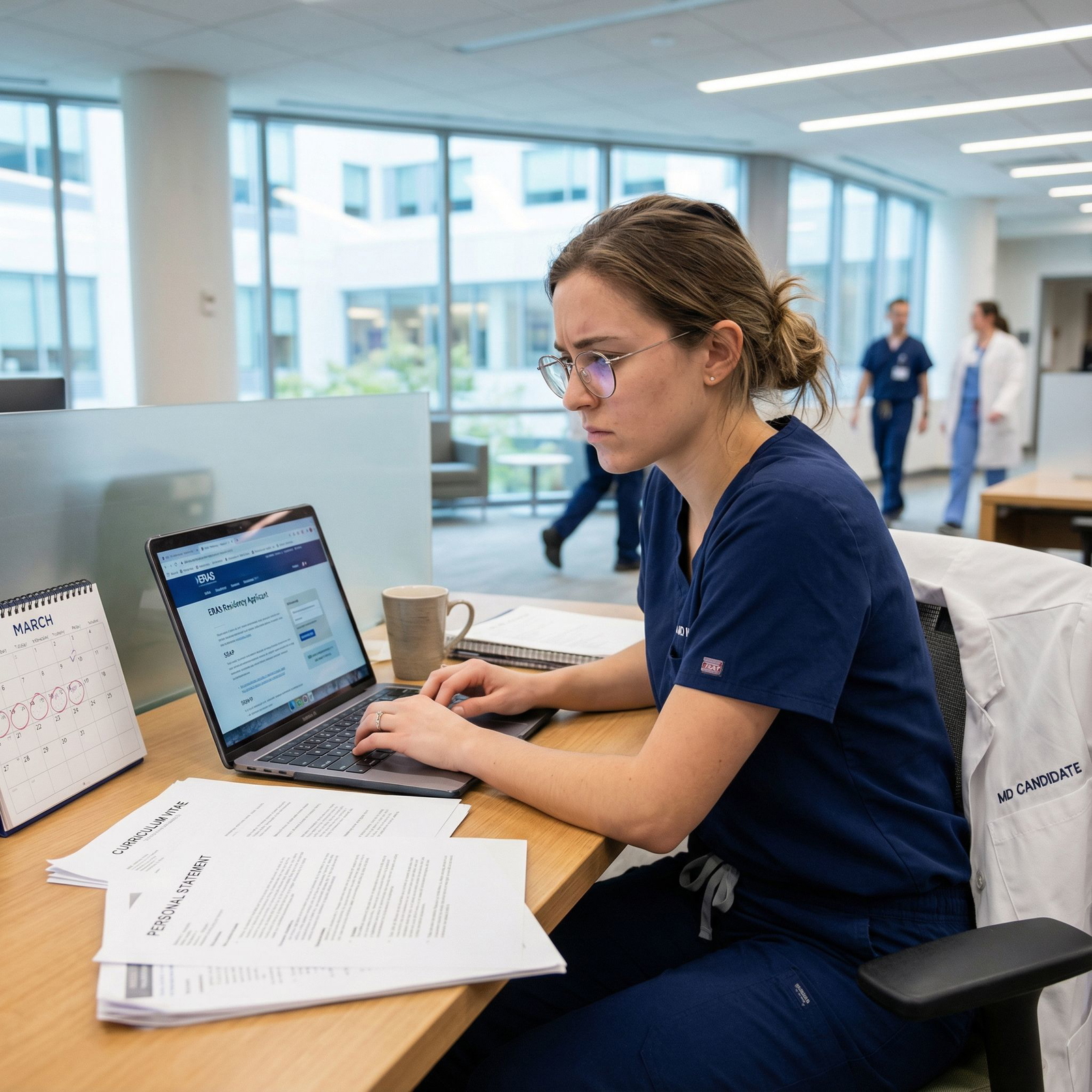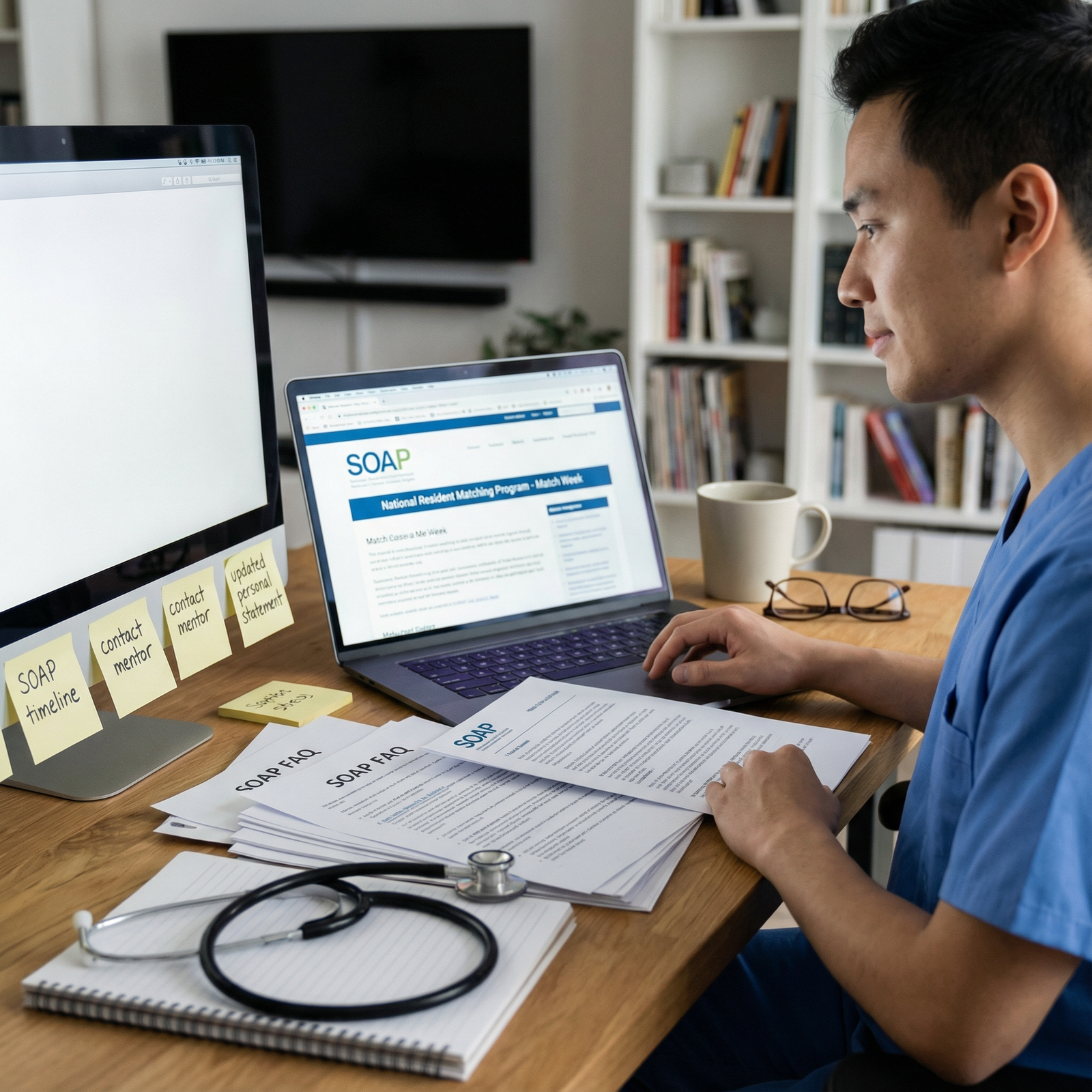
Preparing for SOAP as an international medical graduate (IMG) in pathology can feel overwhelming—but it is also a powerful second chance in the residency match process. With the right planning and a realistic strategy, you can significantly improve your odds of securing a pathology residency position through the Supplemental Offer and Acceptance Program (SOAP).
This IMG residency guide will walk you step by step through SOAP preparation specifically for pathology—what to do before Match Week, during SOAP, and after if you don’t match through SOAP.
Understanding SOAP: What It Is and Why It Matters for Pathology IMGs
SOAP (Supplemental Offer and Acceptance Program) is a structured, time-limited process run by NRMP during Match Week for applicants who go unmatched or partially matched. For pathology IMGs, SOAP can be especially important because:
- Pathology has a moderate number of unfilled positions most years.
- Some programs intentionally hold spots expecting to fill them via SOAP.
- It gives IMGs a structured, transparent process to pursue positions instead of mass cold-emailing.
What Is SOAP?
In simple terms:
- SOAP is a four-round offer process that happens during Match Week.
- Only applicants who are SOAP-eligible and unmatched/partially matched can participate.
- Programs with unfilled positions review applications in ERAS and send offers through NRMP.
You cannot apply outside ERAS during SOAP (no direct application emails or faxes). Communication rules are strict.
SOAP and the Pathology Match
For pathology:
- Some PGY-1 and many advanced (PGY-2) pathology positions can be open in SOAP, though the numbers vary each year.
- Programs may be particularly open to candidates who show:
- US clinical or observer experience in pathology
- Strong letters from pathologists
- Clear commitment to the specialty
As an international medical graduate, understanding SOAP preparation is crucial because you will be competing with both US and non-US graduates for limited spots.
Pre-Match SOAP Preparation: What IMGs Should Do Months in Advance
Effective SOAP preparation starts long before Match Week. For pathology IMGs, planning early mitigates the chaos and emotion of an unexpected unmatched result.
1. Confirm Your SOAP Eligibility
To participate in SOAP, you must:
- Be registered for the Match with NRMP.
- Have a verified ERAS application.
- Be unmatched or partially matched after the initial Match algorithm.
- Be eligible for US graduate medical education:
- ECFMG-certified (or will be before NRMP’s SOAP eligibility verification deadline)
- Pass required USMLE exams for residency start
- Not have a binding contract with any position outside the main Match that violates NRMP rules.
Action step:
- Check NRMP and ECFMG/ERAS timelines early in the season.
- Make sure your ECFMG certification is on track well before February.
2. Build a SOAP-Ready ERAS Application
A solid ERAS application is your core SOAP tool. Programs reviewing SOAP applicants have very little time, so clarity and relevance matter.
Optimize Your Personal Statement for Pathology and SOAP
You may already have a primary personal statement, but for SOAP you should:
Prepare a primary pathology personal statement that:
- Explains your genuine interest in pathology (not “any specialty”).
- Emphasizes analytical thinking, attention to detail, and comfort with microscopy and diagnostics.
- Highlights pathology-specific experiences (electives, research, observerships, lab work).
Consider preparing:
- A shorter, more focused SOAP version (1 page) that is concise, direct, and can be quickly read by busy program directors.
- A backup multi-specialty version only if you are truly willing to apply to a small set of related specialties through SOAP (e.g., internal medicine or transitional year as alternate paths into pathology research or later re-application). However, if your sole focus is pathology, avoid generic “any position” statements.
Key points to include for pathology IMGs:
- How you were first exposed to pathology (case, mentor, rotation).
- Why you see yourself thriving in a lab-based, diagnostic specialty.
- Concrete steps you have taken (observerships, case presentations, QC projects, research).
- Long-term goals (e.g., academic pathology, subspecialty interest, global health diagnostics).
Strengthen Your Experiences Section
SOAP programs will skim for pathology relevance and professionalism:
- Highlight:
- Pathology electives (US or home country)
- Histopathology or cytology experience
- Research or quality-improvement projects involving specimens, biomarkers, or diagnostic tests
- Presentations at pathology or multidisciplinary conferences
- Clarify your role:
- “Reviewed 50 breast biopsy cases with attending; prepared case summaries” is better than “assisted with pathology cases.”
- Include recent clinical activity to avoid concerns about being out of practice.
Update Letters of Recommendation
For pathology SOAP success, strong specialty-specific letters are a major advantage:
- Aim for at least two letters from pathologists, ideally:
- From US-based academic or community programs
- Who know you well and can describe your diagnostic skills, work ethic, and reliability
Action steps:
- Ask recommenders early in the season.
- Request letters that explicitly state:
- “I would rank this applicant in the top X% of students I have worked with.”
- “I would be pleased to have them in our pathology residency.”
If you’re re-applying or anticipating possible SOAP, confirm that letters are up-to-date and relevant.
Strategic SOAP Planning for Pathology IMGs
SOAP moves extremely fast. You must have a clear, written strategy before Match Week.
1. Decide Your Pathology Focus vs. Backup Plan
Be honest with yourself:
- Is your primary goal to obtain any residency position or a pathology position specifically?
- Are you willing to do a transitional year, preliminary medicine/surgery, or internal medicine as a stepping stone if you cannot get pathology?
For many pathology-dedicated IMGs:
- It is reasonable to focus primarily on pathology-only SOAP applications, especially if you have:
- Strong pathology letters
- Meaningful pathology experience
- Good exam scores and no major red flags
However, if your profile has multiple risk factors (low scores, multiple attempts, large gaps) and if your priority is simply training in the US medical system, you might:
- Allocate most applications to pathology
- Reserve a portion for realistic alternate specialties (if any exist in SOAP that you are truly willing to complete).
2. Research Pathology Programs Historically Participating in SOAP
While program participation changes yearly, trends exist:
- Some smaller or community programs more frequently have unfilled pathology spots.
- Newer programs or those in less popular geographic locations may lean more on SOAP.
Action steps:
- Use NRMP’s “Results and Data” and “Charting Outcomes” documents to identify patterns of unfilled pathology programs over several years.
- Search program websites and social media to understand:
- Their approach to IMG recruitment
- Requirements (USMLE thresholds, visa policies)
- Emphasis on research vs. service
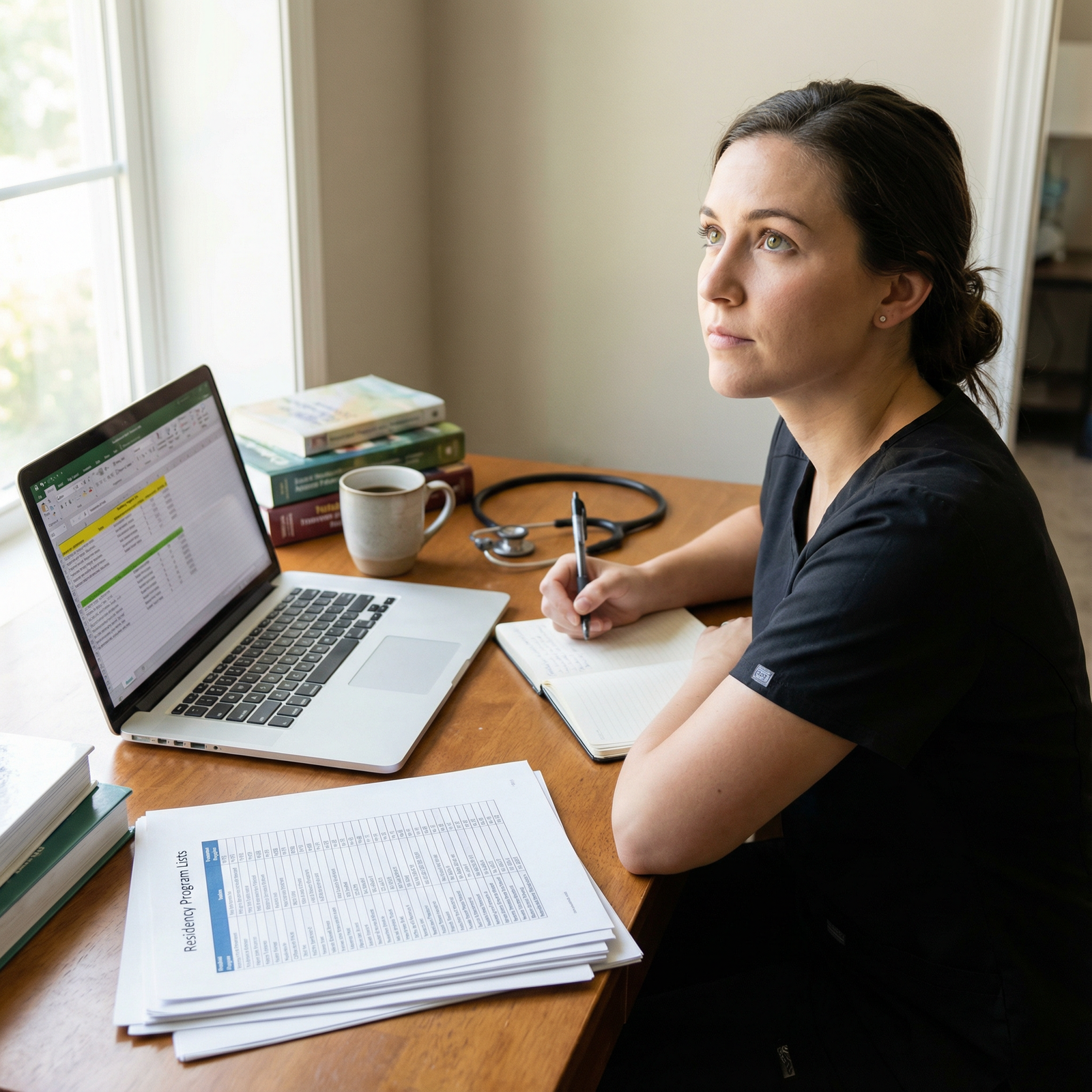
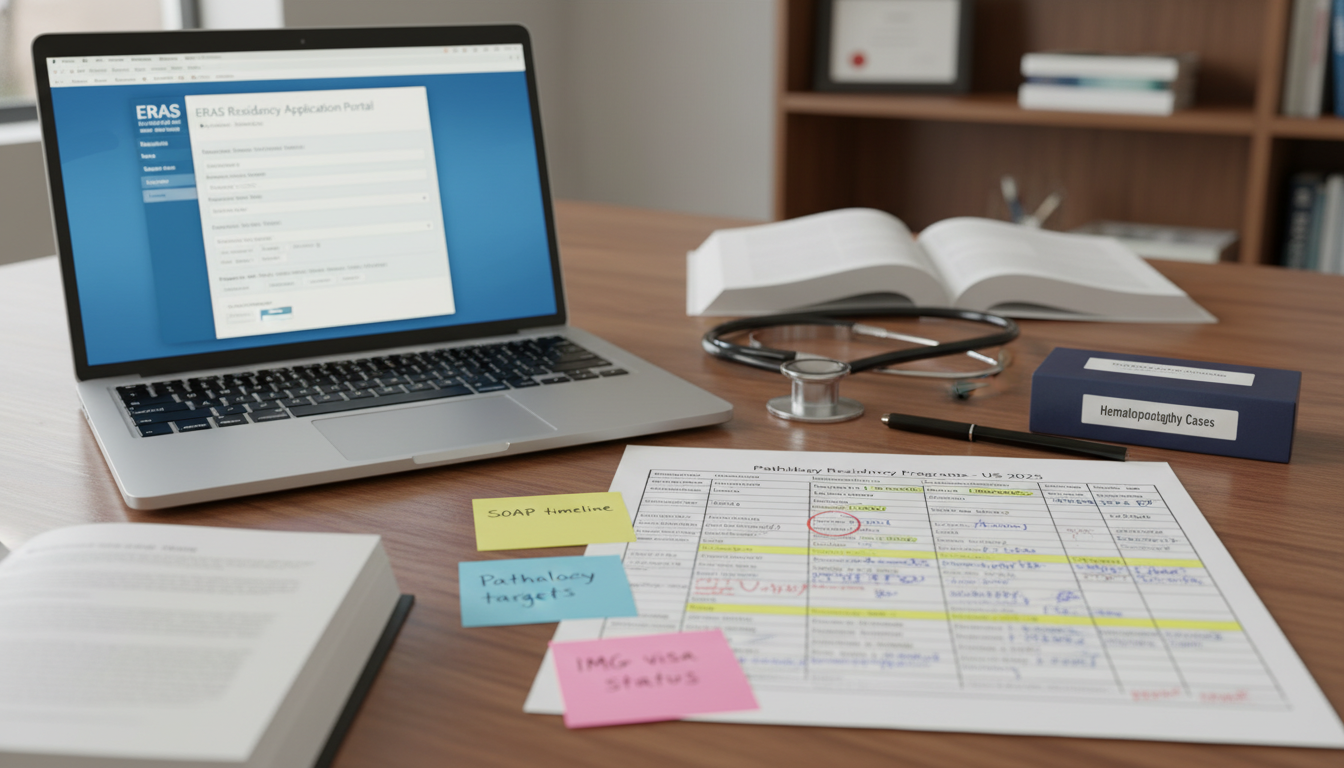
Create a spreadsheet including:
- Program name
- State and city
- IMG friendliness (number of IMG residents currently)
- Visa sponsorship (J-1, H-1B, none)
- Any past SOAP participation (if known)
- Notes on program focus (community, academic, subspecialties, autopsy volume, etc.)
This sheet becomes your SOAP target list you can quickly activate.
3. Understand SOAP Application Limits and Priorities
During SOAP:
- You can apply to a maximum of 45 programs total (this number can vary slightly by year; confirm with ERAS each season).
- These 45 slots must be strategically allocated across all specialties you choose.
For a pathology-focused IMG:
- You might allocate:
- 35–40 applications: Pathology (categorical and advanced positions)
- 5–10 applications: Limited backup specialties (only if you have a true interest and realistic eligibility)
Prioritization tips:
- Rank visa-sponsoring, IMG-friendly pathology programs at the top of your application list.
- Then include programs with unknown IMG status but within your exam score range.
- Finally, if needed, consider less ideal but possible options (less desirable location, heavy community service load) if they still align with your minimum criteria.
Match Week: Executing Your SOAP Preparation Plan
When Match Week begins, emotions are high. This is where preparation turns into execution.
1. Monday: Unmatched Notice and Eligibility
On Monday of Match Week:
- You receive an email from NRMP indicating whether you are:
- Matched,
- Partially matched, or
- Unmatched.
If you are unmatched or partially matched and SOAP-eligible, you will gain access to the List of Unfilled Programs.
Key step:
- Do not panic.
- Immediately review unfilled programs and filter for pathology positions and visa/IMG-friendly features.
2. Monday–Tuesday: Submitting SOAP Applications
Within a short window (usually Monday–Tuesday):
- You must select and submit your up to 45 program applications in ERAS.
Actionable workflow for an IMG in pathology:
- Filter by Specialty: Select pathology-only initially and export the list or copy program names to your spreadsheet.
- Filter by Visa Sponsorship: Use FREIDA, program websites, or previous notes to remove programs that do not sponsor your needed visa.
- Prioritize:
- Long-term pathology interest > geographic preference.
- Solid training > prestige for SOAP purposes.
- Tailor Documents:
- Use your pathology-specific personal statement for all pathology programs.
- Ensure accurate document assignment in ERAS (no generic or mismatched specialty statements).
Submit as early as reasonably possible—without sacrificing accuracy.
3. Communication Rules: What You Can and Cannot Do
A major part of SOAP preparation is understanding communication restrictions:
Before you receive any offers:
- Programs may contact you (phone, email, video call) to interview or ask questions.
- You can respond and participate in interviews.
- You cannot proactively contact programs that have not reached out to you first (no unsolicited emails asking for positions).
You may not ask programs if they will rank you or offer you a position during SOAP, but you can:
- Express strong interest.
- Ask about program structure, schedule, teaching, case mix, etc.
Violations of SOAP contact rules can jeopardize your chances and may be reported to NRMP.
4. Preparing for Rapid SOAP Interviews in Pathology
SOAP interviews are often:
- Short (10–30 minutes)
- Scheduled on very short notice
- Conducted via phone or virtual platforms
Common pathology SOAP questions for IMGs:
- “Why pathology?”
- “Why did you choose to apply to our program?”
- “Tell me about your pathology-related experience.”
- “How do you handle detailed, repetitive work?”
- “What are your long-term goals in pathology?”
- “Explain any gaps or failures in your application.”
Preparation tips:
Keep 2–3 concise stories ready that show:
- Analytical thinking (e.g., complex diagnostic case you followed)
- Reliability and professionalism (e.g., lab or clinical responsibilities)
- Ability to work within a team (pathologists, clinicians, lab staff)
Be honest about being an IMG:
- Emphasize adaptability, cultural competence, bilingual skills.
- If asked about prior unsuccessful Match attempts, focus on:
- What you learned
- How you have improved your profile (new observerships, research, exam improvements)
Managing SOAP Offers and Making Smart Decisions
SOAP offers are released in multiple rounds over several days. Your strategy in responding can determine whether you end up with a position.
1. How SOAP Offers Work
- Offers are extended to you through NRMP’s system, not by direct email from programs.
- When you receive an offer, you must:
- Accept,
- Reject, or
- Let it expire (which is strongly discouraged)
within the specified time window (typically a few hours).
Important:
- Once you accept an offer, you are legally bound to that program.
- You exit further SOAP rounds and cannot accept other positions that season.
2. Evaluating a SOAP Offer in Pathology
Before SOAP week, write down your personal “minimum acceptable criteria,” such as:
- Visa sponsorship type.
- Acceptance of location (commute, cost of living, family needs).
- Program accreditation status and board eligibility.
- Pathology case mix and training environment (at least adequate exposure to surgical pathology, cytology, autopsy, hematopathology, etc.).
During SOAP, if you receive an offer:
- If the program meets your minimum criteria and provides a legitimate foundation for pathology training:
- Strongly consider accepting in the first round rather than gambling on a better offer later.
- If the program does not meet critical non-negotiable needs (e.g., no visa sponsorship, poor accreditation status):
- It may be appropriate to decline, but do this only after careful thought.
Given the competitive nature of the pathology match, IMGs should generally lean toward accepting a solid offer rather than risking no position at all.
3. After Accepting a SOAP Offer
Once you accept:
- Immediately stop any external search for positions that would violate NRMP rules.
- Send a brief, professional thank-you email to the program director and coordinator.
- Ask about:
- Onboarding process
- Visa paperwork timeline
- Orientation schedule
Then shift focus from SOAP preparation to residency readiness (reviewing pathology basics, US hospital culture, documentation expectations).

If You Don’t Match Through SOAP: Next Steps for Pathology IMGs
Even with strong SOAP preparation, not every international medical graduate secures a position. This is painful but not the end of your US pathology dream.
1. Avoid Burnout and Emotional Paralysis
It is normal to feel:
- Disappointed, embarrassed, or angry.
- Unsure whether to continue pursuing pathology in the US.
Give yourself a structured recovery plan:
- Take a few days away from active applications.
- Talk with trusted mentors, ideally pathologists familiar with the US system.
- Honestly review your application: exams, attempts, gaps, lack of US experience, or unclear specialty commitment.
2. Rebuild Your Application Strategically
If you intend to reapply in pathology:
Strengthen one or more major pillars:
- Recent, sustained US clinical exposure in pathology:
- Observerships, hands-on lab experience (where possible), academic attachments.
- Research and scholarly activity:
- Case reports, retrospective studies, involvement in pathology projects, posters at US pathology meetings.
- Improved communication skills:
- Stronger spoken and written English, practice for interviews, improved clarity in personal statements.
- Recent, sustained US clinical exposure in pathology:
Seek direct feedback:
- Ask previous interviewers or faculty mentors, “What are my biggest barriers in the pathology match, and how can I realistically address them?”
3. Consider Alternative but Related Career Paths
Some IMGs ultimately:
- Pursue basic or translational pathology research positions (PhD or research fellowships).
- Obtain degrees in public health, epidemiology, or clinical research.
- Shift specialties after careful reflection, applying lessons from SOAP and prior cycles.
These decisions are highly personal and should be guided by:
- Your financial situation
- Visa considerations
- True long-term career goals
Frequently Asked Questions (FAQ)
1. As an IMG, is it realistic to get a pathology residency through SOAP?
Yes, it can be realistic, but it depends heavily on:
- Your exam scores and attempts
- ECFMG certification status
- Visa needs
- Strength of pathology-specific experiences and letters
Pathology has historically had some unfilled positions, and a portion of these are filled by IMGs through SOAP each year. Strong SOAP preparation—optimized ERAS, targeted applications, and good interview performance—significantly improves your chances.
2. Should I apply to other specialties during SOAP, or only pathology?
This depends on your priorities:
- If your main goal is to practice pathology, it is reasonable to focus primarily or exclusively on pathology programs during SOAP.
- If your highest priority is securing any US residency position, and you are genuinely open to another specialty (e.g., internal medicine), you can reserve a portion of your 45 applications for those fields.
However, avoid applying to specialties in which you have no interest or for which your application is extremely weak; this rarely helps and may waste limited applications.
3. What is SOAP preparation I can do if I haven’t yet applied for the Match?
If you are planning ahead (6–12 months before Match):
- Ensure you will be ECFMG certified before SOAP eligibility is determined.
- Build US pathology exposure: observerships, electives, or research.
- Develop pathology-focused letters of recommendation from US faculty when possible.
- Draft a compelling pathology personal statement emphasizing your long-term dedication to the specialty.
- Start a program spreadsheet tracking visa policies, IMG presence, and historical fill rates.
This early planning makes it much easier to pivot into SOAP if needed.
4. What is SOAP vs. post-Match scramble? Are they the same?
Historically, there was a “scramble,” a chaotic, unregulated process where unmatched applicants called and faxed programs with unfilled positions. Now, that system has been replaced by SOAP—a standardized, rules-based process managed by NRMP and ERAS.
- SOAP:
- Uses ERAS applications only
- Has defined timelines and offer rounds
- Prohibits unsolicited contact with programs
Understanding what is SOAP and how it differs from the old scramble helps you avoid violations and use your time efficiently during Match Week.
By preparing months in advance, thinking strategically about your pathology focus, and executing calmly during Match Week, you can transform SOAP from a moment of crisis into a genuine second opportunity. As an international medical graduate seeking a pathology residency, your dedication, preparation, and resilience can all work in your favor—both in SOAP and in your long-term career.