Understanding SOAP in the Context of Pediatrics for Non‑US Citizen IMGs
As a non-US citizen IMG targeting pediatrics, the Supplemental Offer and Acceptance Program (SOAP) can be both a second chance and a high-pressure environment. Effective SOAP preparation—well before Match Week—can turn a disappointing Match result into a pediatrics residency position.
What is SOAP?
SOAP is the structured, time-limited process during Match Week that allows unmatched or partially matched applicants to apply for and accept unfilled residency positions. It is run through NRMP and ERAS and includes multiple offer rounds over several days.
For a foreign national medical graduate (with or without US clinical experience), SOAP has unique challenges:
- Visa considerations (J-1 vs H‑1B)
- Limited time to tailor applications to pediatrics programs
- Navigating time zones and communication from abroad
- Competing with US grads and US-IMGs who may better understand the system
Because the peds match is moderately competitive and often has a small but meaningful number of unfilled spots, strong SOAP preparation can make a decisive difference for a non-US citizen IMG.
Who Is Eligible to Participate in SOAP?
You can participate in SOAP only if:
- You registered for the NRMP Main Residency Match
- You are unmatched or partially matched as of Monday of Match Week
- You are eligible to start training on July 1 (ECFMG certified if required, exams passed, etc.)
- You have an active ERAS application
If you’re a non-US citizen IMG, your ECFMG status is crucial. If certification is pending or exams are incomplete by the NRMP/ERAS deadlines, you may be excluded from SOAP. SOAP preparation must therefore include credential and exam timing planning.
Strategic Overview: SOAP vs Regular Pediatrics Match
To design a SOAP strategy, understand how SOAP for pediatrics differs from the regular peds match.
Key Differences
Timeline Compression
- Regular match: months to write personal statements, request LoRs, interview, and rank.
- SOAP: 72–96 hours to research programs, adjust documents, and respond to offers.
Communication Rules
- You cannot contact programs first during SOAP. Programs may contact you, but only after they download your application. Any violation can be seen as unprofessional.
Application Limits
- You may send a limited number of applications (typically up to 45 programs total across all specialties) through ERAS during SOAP. If your primary goal is pediatrics residency, you must manage these applications carefully.
Offers and Acceptance
- Programs submit preference lists; NRMP sends offers in multiple rounds.
- You can hold only one offer at a time and must decide quickly (within the designated time window).
Special Challenges for Non-US Citizen IMG
- Fewer programs open to visa sponsorship during SOAP
- Less flexibility if you need H-1B vs J‑1
- Need to demonstrate readiness and reliability at a distance (no on-site visits)
Understanding these constraints early means your SOAP preparation can be exact: pre-drafted documents, a ranked list of programs likely to sponsor visas, and a clear communication plan.
Pre–Match Week SOAP Preparation: Building a Ready-to-Deploy Toolkit
Effective SOAP preparation starts months before Match Week. Your goal is to have every element ready so that, on Monday of Match Week, you are only selecting and sending, not writing from scratch.
1. Academic and Credential Readiness
For a foreign national medical graduate, certain milestones are non-negotiable for SOAP eligibility:
ECFMG Certification:
- Ensure all documents (medical diploma, transcripts) are processed well before Match Week.
- Track exam result release dates if you are cutting it close (e.g., Step 2 CK results).
USMLE/COMLEX Scores:
- Have a clear, honest understanding of your profile:
- Passing attempts vs failed attempts
- Time since graduation
- Any score trends (improvement is helpful)
- Have a clear, honest understanding of your profile:
SOAP pediatrics positions may be more forgiving than pre-SOAP unfilled positions, but they still review your record quickly. Know how to frame weaknesses (e.g., older graduate, gap years) in your personal statement and interview talking points.
2. Pediatrics-Focused Application Materials
a. Personal Statement Variants
Create at least two pediatrics personal statement versions in advance:
Core Pediatrics PS for Community or Mid-Sized Programs
- Emphasize:
- Commitment to child advocacy and continuity of care
- Cultural humility and communication with diverse families
- Your long-term goal (general pediatrics, hospitalist, primary care)
- Emphasize:
Pediatrics PS for Academic or Underserved-Focused Programs
- Emphasize:
- Any research or QI in pediatrics or child health
- Teaching/mentoring experiences
- Interest in underserved, immigrant, or global health pediatrics
- Emphasize:
Additionally, consider a “generalist, adaptable” PS if you might SOAP into another specialty (e.g., Family Medicine) while still prioritizing pediatrics. This can be used as a last resort but is best prepared in advance.
Key principles for pediatrics SOAP statements:
- Be concise and focused: programs read quickly during SOAP.
- Highlight reliability and resilience—programs want residents who can start on time and cope with pressure.
- Address the non-US citizen IMG angle positively:
- Emphasize multilingual skills
- Experience with public health or resource-limited settings
- Comfort with culturally diverse families
b. Letters of Recommendation (LoRs)
By Match Week, LoRs are usually fixed, but your SOAP preparation should ensure that:
- You have at least two pediatrics-specific LoRs (from US clinical experiences if possible).
- Letters are strong and detailed, not generic.
- If you anticipate going unmatched, consider talking with a mentor before Match Week about:
- Whether they would be willing to support you in SOAP (e.g., quick emails or calls to programs if permitted).
- Whether you could update a letter prior to Rank List certification with recent pediatrics activities.
You cannot upload new LoRs during SOAP, but you can reassign existing LoRs strategically.
c. CV and ERAS Content Clean-Up
Before Rank Order List certification:
Ensure your ERAS experiences section:
- Highlights peds-related experiences at the top:
- Pediatric rotations
- Child health research
- Child advocacy/volunteering (e.g., camps, schools, refugee centers)
- Explicitly mentions any US clinical experience and the degree of responsibility you held.
- Clarifies gaps with honest, succinct explanations.
- Highlights peds-related experiences at the top:
For non-US citizen IMGs:
- Add a clear entry about US visa status if relevant (e.g., “Currently on F‑1 with OPT eligibility” or “Will require J‑1 sponsorship via ECFMG”).
SOAP programs make fast decisions; they should not have to hunt for basic eligibility information.
3. Program Research Targeted to SOAP Scenarios
You won’t know which programs will be unfilled until SOAP begins, but you can:
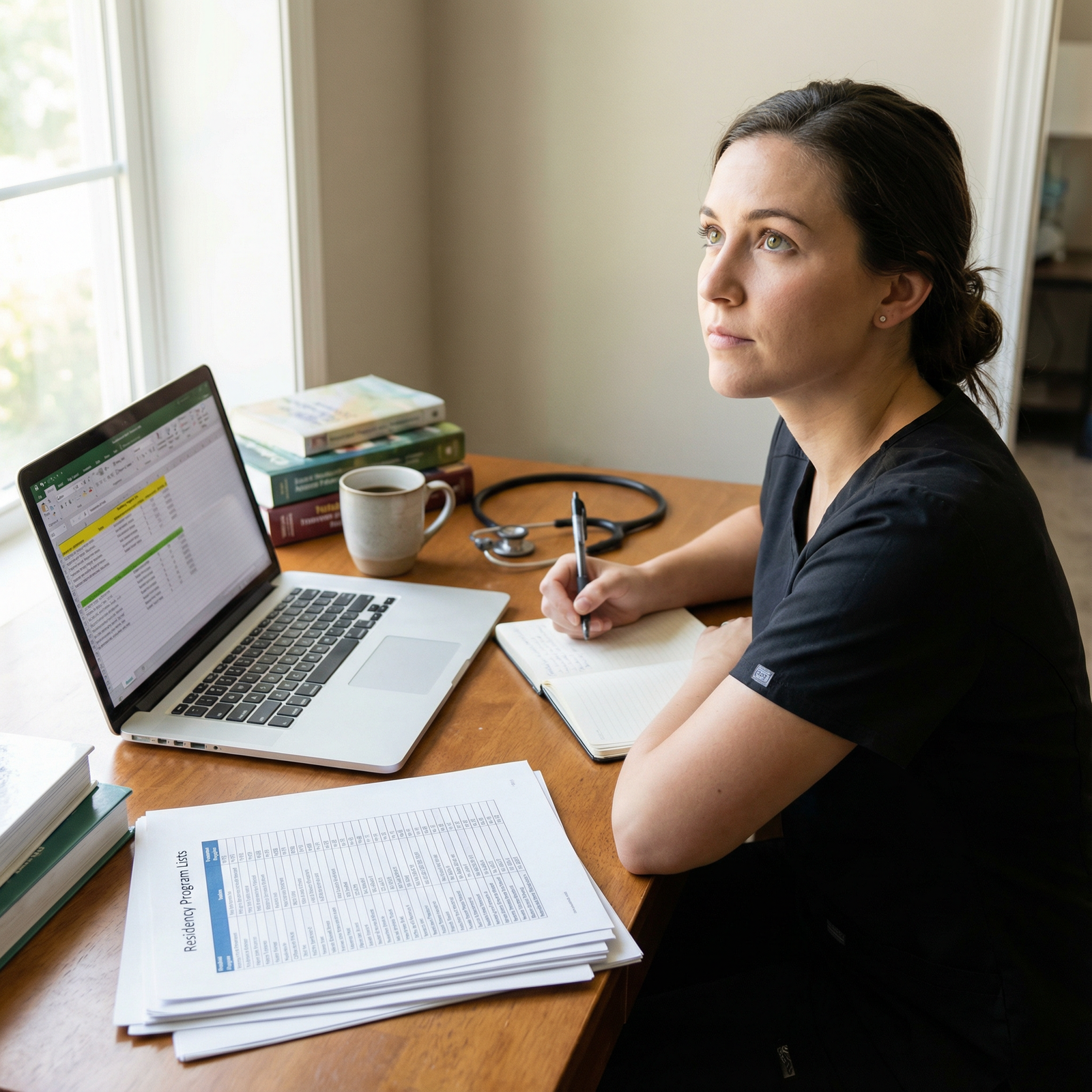
Build a master list of pediatrics residency programs:
- Identify which historically take non-US citizen IMGs.
- Mark those that sponsor J‑1 and, if relevant, H‑1B.
- Note any programs that commonly have unfilled positions (historical NRMP data, Match outcome reports, online forums).
Categorize programs into:
- High Feasibility: Known to accept IMGs and sponsor visas; community or mid-tier academic programs.
- Moderate Feasibility: Occasionally accept IMGs; may prefer US grads but not exclusively.
- Low Feasibility: Rarely sponsor visas or rarely take IMGs; include only if you have a strong alignment.
During SOAP, you will match the List of Unfilled Programs to this pre-built feasibility map so you can apply rapidly and smartly.
4. Technical and Logistical Preparation
As a non-US citizen IMG, you may be outside the US time zones, making logistics critical:
Reliable Internet and Backup:
- Test your access to NRMP and ERAS portals on multiple devices.
- Arrange backup internet (e.g., hotspot, a coworking space).
Communication Setup:
- Have a US phone number (e.g., via VoIP) that can receive calls from programs.
- Prepare a professional voicemail greeting mentioning your full name and availability.
Time Zone Plan:
- Convert Match Week key times to your local time.
- Plan to be awake and available during US daytime hours, especially during offer rounds.
Interview Environment:
- Prepare a quiet, well-lit, professional background.
- Test your camera, microphone, and common platforms (Zoom, Teams) in advance.
Tactics During Match Week: Executing Your Pediatrics SOAP Strategy
Once you learn on Monday that you are unmatched or partially matched, emotions can be intense. Your SOAP preparation should help you switch quickly from disappointment to action.
1. Immediate Steps on Monday (SOAP Day 1)
- Confirm SOAP Eligibility in NRMP and ERAS.
- Download the List of Unfilled Programs from NRMP when it becomes available.
- Filter for:
- Pediatrics (categorical or preliminary)
- Programs that accept or might accept non-US citizen IMGs
- Programs that list J‑1 (and/or H‑1B) sponsorship
Use your pre-built feasibility list to quickly identify the most realistic targets.
2. Prioritizing Your Pediatrics Applications
Because you have a limited number of SOAP applications:
- Primary Focus: Pediatrics, if that remains your clear goal.
- Only allocate applications to other specialties if:
- Pediatrics positions in your feasible category are too few; and
- You are genuinely willing to train in the alternative specialty.
Ranking for application priority:
Peds programs that:
- Historically accept IMGs
- Sponsor your needed visa type
- Match your profile (scores, graduation year, experience)
Peds programs that:
- Accept IMGs inconsistently but do sponsor visas
- May be geographically less preferred but acceptable
Remaining peds programs:
- Unclear on IMGs/visa history but no explicit exclusion of sponsorship
Remember: in SOAP, geography is secondary; focus on where you realistically can get a pediatrics residency.
3. Tailoring Documents Quickly but Effectively
You cannot rewrite everything, but you can:
Assign the most suitable personal statement to:
- Programs with strong emphasis on academic pediatrics or research vs primarily community-based pediatrics.
Reassign LoRs:
- Prioritize sending US-based pediatrics LoRs to pediatrics programs.
- If you have a strong letter highlighting your adaptability or resilience (not pediatrics-specific), include it as your 3rd or 4th letter.
Ensure your ERAS application clearly indicates:
- Your interest in pediatrics (specialty choice, experiences).
- Your readiness to start July 1.
4. Handling Program Communications During SOAP
During SOAP, programs may contact you, but you must not contact them first.
When a pediatrics program contacts you:
Respond promptly and professionally.
Clarify logistics:
- Time for a brief phone or video interview
- Any specific documents or questions they have
Prepare talking points specific to pediatrics:
- Why pediatrics is your long-term field, even though you’re in SOAP.
- What you learned from any US pediatric rotations:
- Managing common conditions (asthma, bronchiolitis, AOM, bronchiolitis, dehydration)
- Working in multidisciplinary teams
- How your background as a non-US citizen IMG adds value:
- Ease in working with immigrant families, using interpreters
- Understanding of different healthcare systems and vaccinations
Avoid sounding desperate; instead, emphasize fit and commitment.
5. Interview Strategy Specific to SOAP Pediatrics
Unlike regular interviews, SOAP interactions are short and focused.
Be ready with:
A 30–60 second introduction:
- Name, medical school, graduation year
- USMLE status and ECFMG certification
- Two key strengths relevant to pediatrics (e.g., communication with families, thoroughness)
Brief, structured answers for:
- “Why pediatrics?”
- “Why our program?” (Reference what you quickly gathered from their website.)
- “How will you handle the transition to the US healthcare system?”
- “Tell me about a challenging case involving a child or family.”
A concise response about being unmatched:
- Focus on competition and timing rather than blaming others.
- Show reflection and maturity, e.g.,
“My focus during the initial cycle was on a limited geographic area and a smaller group of programs; SOAP allows me to expand my reach while staying committed to pediatrics.”
6. Managing Offers and Acceptance in SOAP
When offers start:
- Read each offer carefully (specialty, program, categorical vs preliminary, start date).
- If pediatrics is your priority:
- Strongly favor any categorical pediatrics residency over other specialties you don’t want long-term.
- You may receive multiple offers across rounds; once you accept one, your SOAP process ends.
As a non-US citizen IMG, consider:
- Does the program explicitly confirm visa sponsorship (especially H‑1B if needed)?
- Are there any red flags (unstable program, history of losing accreditation)? Quick online searches can help.
If in doubt about visa matters, ask a simple, direct question during communication:
“As a non-US citizen IMG, I will require J‑1 (or H‑1B) visa sponsorship. Is your program able to sponsor this for incoming residents this July?”
After SOAP: If You Match vs If You Don’t
If You Successfully Match via SOAP to Pediatrics
Congratulations—your focus shifts to onboarding and visa processing:
- Respond to all program emails quickly.
- Begin visa steps immediately (J‑1 application via ECFMG, or H‑1B paperwork if applicable).
- Inform mentors who supported you; their references may be needed again in the future.
Reflect on why you ended up in SOAP:
- Late exams?
- Unrealistic list of programs?
- Limited US clinical experience? This reflection will guide future decisions (e.g., fellowships or career moves) even if you’re now in a pediatrics residency.
If You Do Not Match in SOAP
Not matching after SOAP is painful, but it is not the end of your US pediatrics journey. Consider:
Post-SOAP Unfilled Positions / Off-cycle Openings
- Some programs may open positions later due to resignations or expansions.
- Build relationships with pediatrics departments, especially those IMG-friendly.
Strengthening Your Profile for Next Cycle
- Obtain additional US pediatrics clinical experience (observerships, externships, research fellowships).
- Improve USMLE performance if you still have exams left (or consider Step 3 if appropriate).
- Engage in pediatrics research or community work that leads to stronger LoRs.
Reworking Strategy for the Next Peds Match
- Apply more broadly geographically.
- Include a mix of community and academic programs.
- Consider parallel planning with closely related specialties (e.g., Family Medicine) only if truly acceptable to you.
Immigration and Legal Considerations
- Review your visa status and timelines with a qualified immigration attorney if needed, especially if you are already in the US on F‑1, J‑1 research, or other visas.
Practical Examples of SOAP Preparation for Non-US Citizen IMGs in Pediatrics
Example 1: Recent Grad with Mid-Range Scores, Needs J‑1
- Graduated 2 years ago, Step 1 pass, Step 2 CK mid-220s, ECFMG certified, 2 months US pediatrics observership.
- Prepares:
- Two pediatrics personal statements (community-focused and academic-leaning).
- 3 LoRs: 2 US pediatric attendings, 1 from home-institution pediatrics.
- Spreadsheet of ~80 pediatrics programs with columns for IMG-friendliness and J‑1 sponsorship.
- During SOAP:
- Identifies 25 peds programs from the unfilled list that sponsor J‑1 and historically accept IMGs.
- Applies to those first, tailors PS assignment based on each program’s profile.
- Accepts a categorical community pediatrics SOAP offer in Round 2.
Example 2: Older Graduate, Strong Experience but No US Clinicals Yet
- Graduated 7 years ago, strong pediatrics work abroad, no USCE, ECFMG certified, Step scores low-220s.
- Prepares:
- Personal statement emphasizing long-term pediatrics practice, leadership in child health campaigns, and cultural competence.
- Researches programs known to consider older graduates and international experience.
- During SOAP:
- Applies broadly to peds and a few Family Medicine programs that work with non-US citizen IMGs.
- Does not match in SOAP but uses the research to start contacting programs after Match Week for potential research or observer roles.
- Spends the next year gaining US clinical exposure and re-applies successfully the following cycle.
FAQs: SOAP Preparation for Non‑US Citizen IMGs in Pediatrics
1. As a non-US citizen IMG, should I still prioritize pediatrics during SOAP, or switch to an easier specialty?
If pediatrics is your true long-term goal, you should prioritize pediatrics residency positions during SOAP. Switching to a specialty you don’t truly want can lead to dissatisfaction and limited future options. Only apply outside pediatrics if you are genuinely willing to train and practice in that field, and after you have used a reasonable number of applications for peds programs that are realistic for you.
2. How important is visa sponsorship in SOAP, and can it be negotiated later?
Visa sponsorship is critical for a foreign national medical graduate. Most programs cannot change their visa policies on short notice, especially between SOAP and July 1. Clarify early whether a program can sponsor a J‑1 (most common) or H‑1B (more restrictive). Do not assume it can be negotiated later; if a program cannot sponsor your visa, you usually cannot join.
3. Can I improve my application during SOAP, or is it too late by then?
During SOAP, you cannot add new LoRs or major new experiences, but you can:
- Reassign existing LoRs to better match each program.
- Choose the most appropriate personal statement version.
- Clarify or reorganize your experiences section (before SOAP opens for applications). However, substantial improvements (new USCE, higher scores, research) are largely for the next application cycle, not for SOAP week.
4. What is SOAP in residency, and how does it differ from post-Match “scramble”?
SOAP (Supplemental Offer and Acceptance Program) is the formal, regulated process during Match Week allowing unmatched applicants to apply to unfilled positions through ERAS and receive offers in rounds. The old “scramble” was unstructured and chaotic, with applicants cold-calling programs. Today, outside of SOAP you cannot contact unfilled NRMP-participating programs during Match Week; all such communication must occur within SOAP rules.
Well-planned SOAP preparation allows a non-US citizen IMG in pediatrics to move decisively in a stressful week. By organizing your documents early, researching visa-friendly pediatrics programs, and preparing for rapid, focused communication, you give yourself the best chance to turn SOAP into a successful peds match outcome.