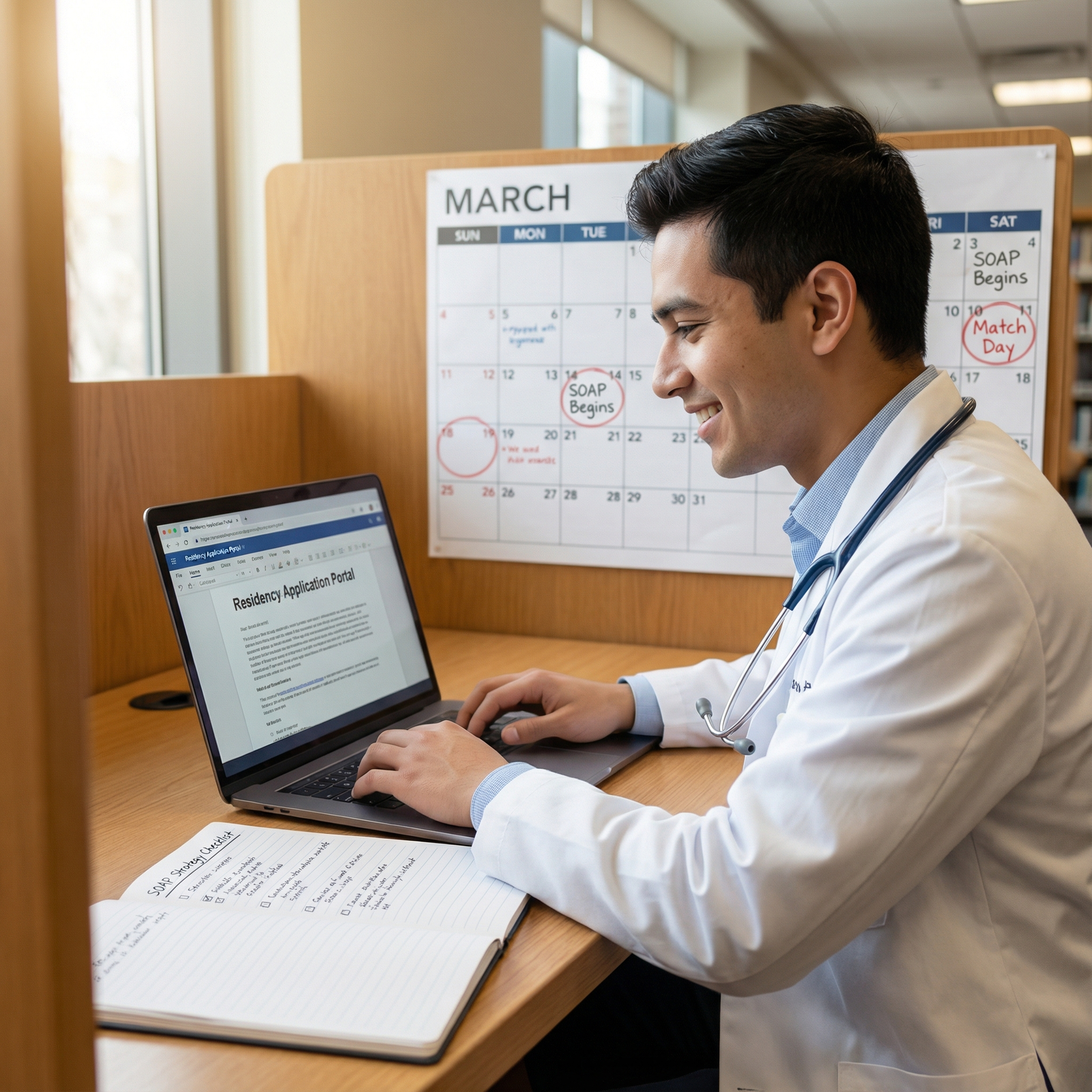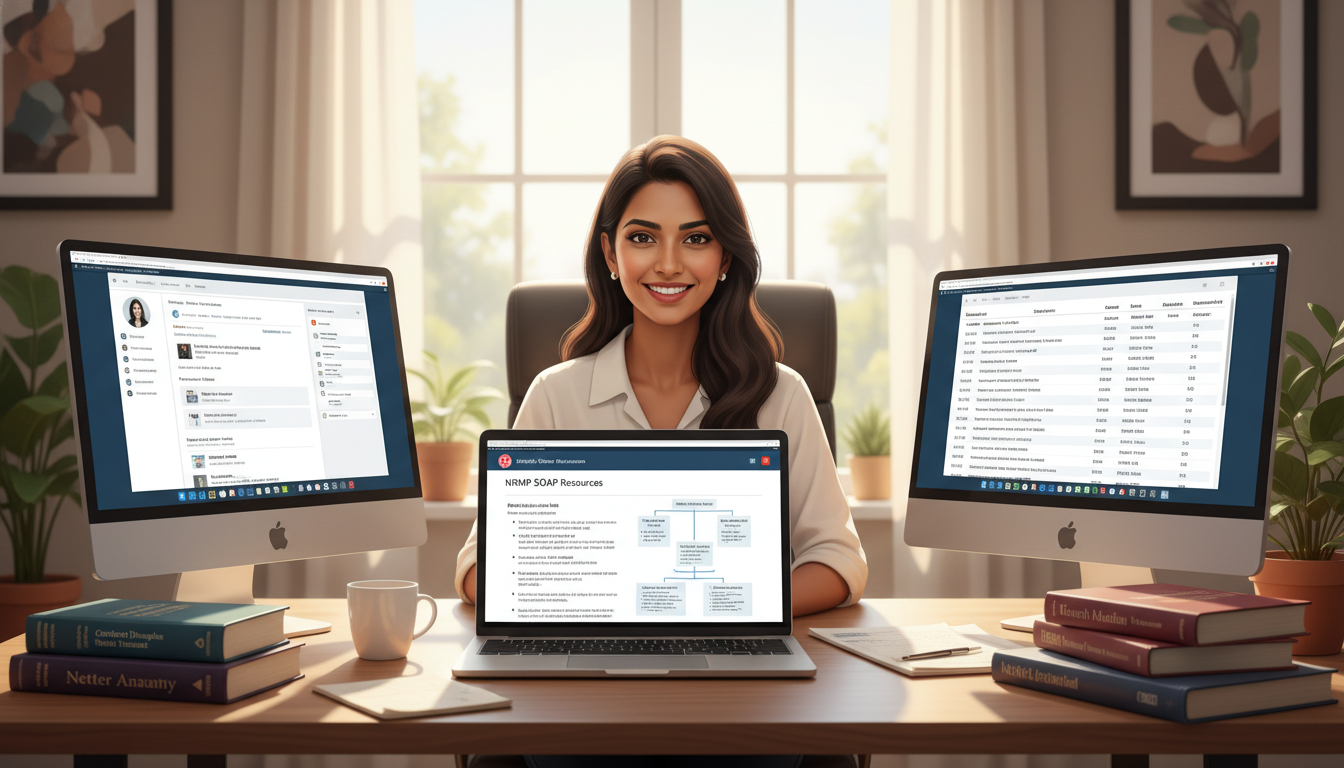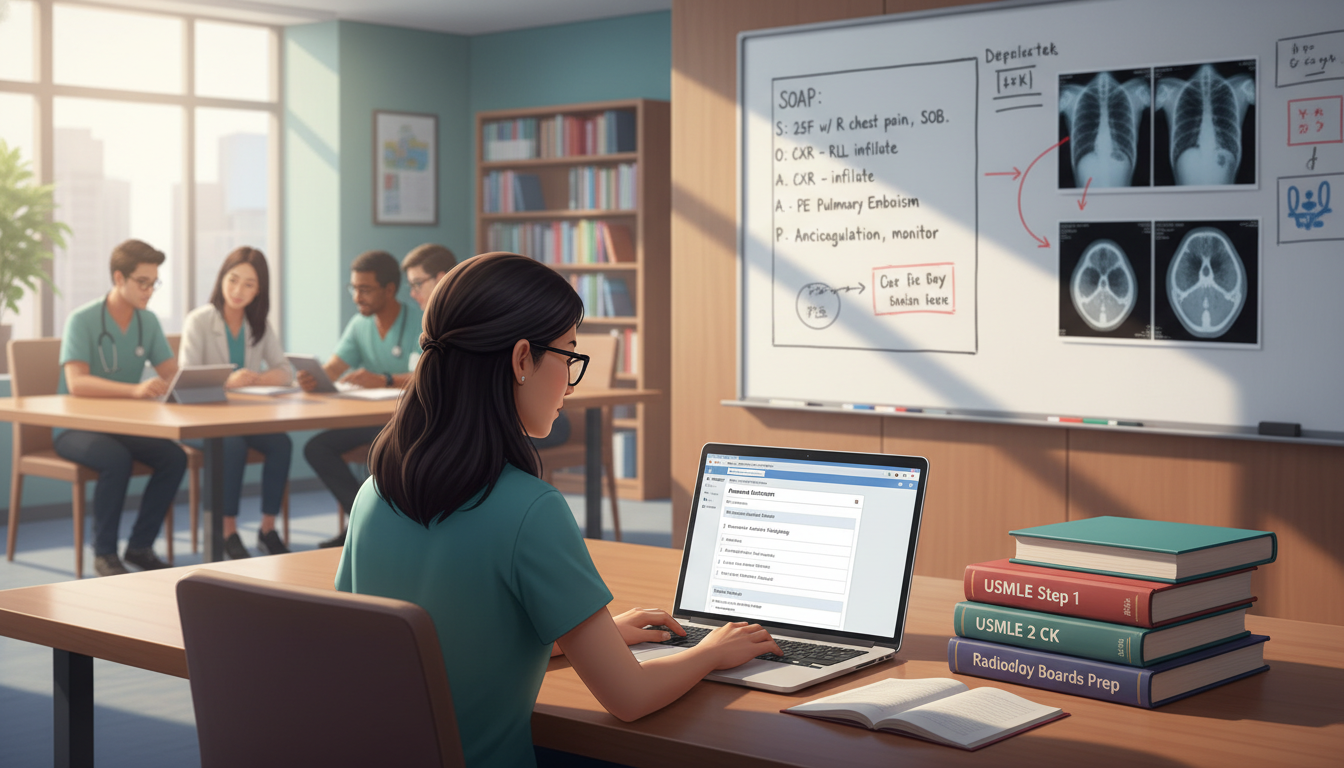
Preparing for SOAP as a non-US citizen IMG who is passionate about Diagnostic Radiology requires a focused, strategic approach. You are balancing immigration issues, sponsorship concerns, and a competitive specialty—all under intense time pressure. This guide is designed to walk you step‑by‑step through SOAP preparation, specifically tailored for a non-US citizen IMG targeting Diagnostic Radiology or radiology-adjacent options.
Understanding SOAP: What It Is and Why It Matters for Non-US Citizen IMGs
Before planning, you must clearly understand what is SOAP and how it affects a foreign national medical graduate.
What Is SOAP?
The Supplemental Offer and Acceptance Program (SOAP) is a structured process that allows unmatched or partially matched applicants to obtain unfilled residency positions during Match Week. Instead of the old “scramble,” SOAP is organized, timed, and tightly controlled by NRMP.
Key SOAP features:
- Only eligible unmatched/partially matched applicants can participate.
- You apply only through ERAS during SOAP.
- Programs contact only through ERAS/Thalamus/official channels—no cold calls/emails for recruitment.
- Offers go out in rounds, and you have short windows to accept or reject.
- It runs from Match Week Monday to Thursday.
For a non-US citizen IMG, SOAP may be your last real chance in the cycle to enter a US residency without waiting another full year.
SOAP Eligibility Basics (for Foreign National Medical Graduates)
To participate in SOAP, a non-US citizen IMG must:
- Be registered for NRMP and certified by ECFMG (or at least have ECFMG certification available by SOAP time, depending on cycle policies).
- Be unmatched or partially matched after the main residency match algorithm.
- Have no active match violations or NRMP penalties preventing participation.
- Be eligible for US GME in July (visas, graduation, licensing).
Visa status and sponsorship are not directly controlled by NRMP or ERAS, but they strongly affect which programs can actually rank or SOAP you. Some programs do not sponsor visas at all; others only sponsor J-1, and a few sponsor H-1B.
Why SOAP is especially critical for non-US citizen IMGs in Diagnostic Radiology:
- Diagnostic Radiology is highly competitive in the main match; IMGs often find limited spots.
- Categorical radiology positions rarely remain unfilled by SOAP; most SOAP opportunities will be:
- Transitional Year (TY)
- Preliminary Internal Medicine
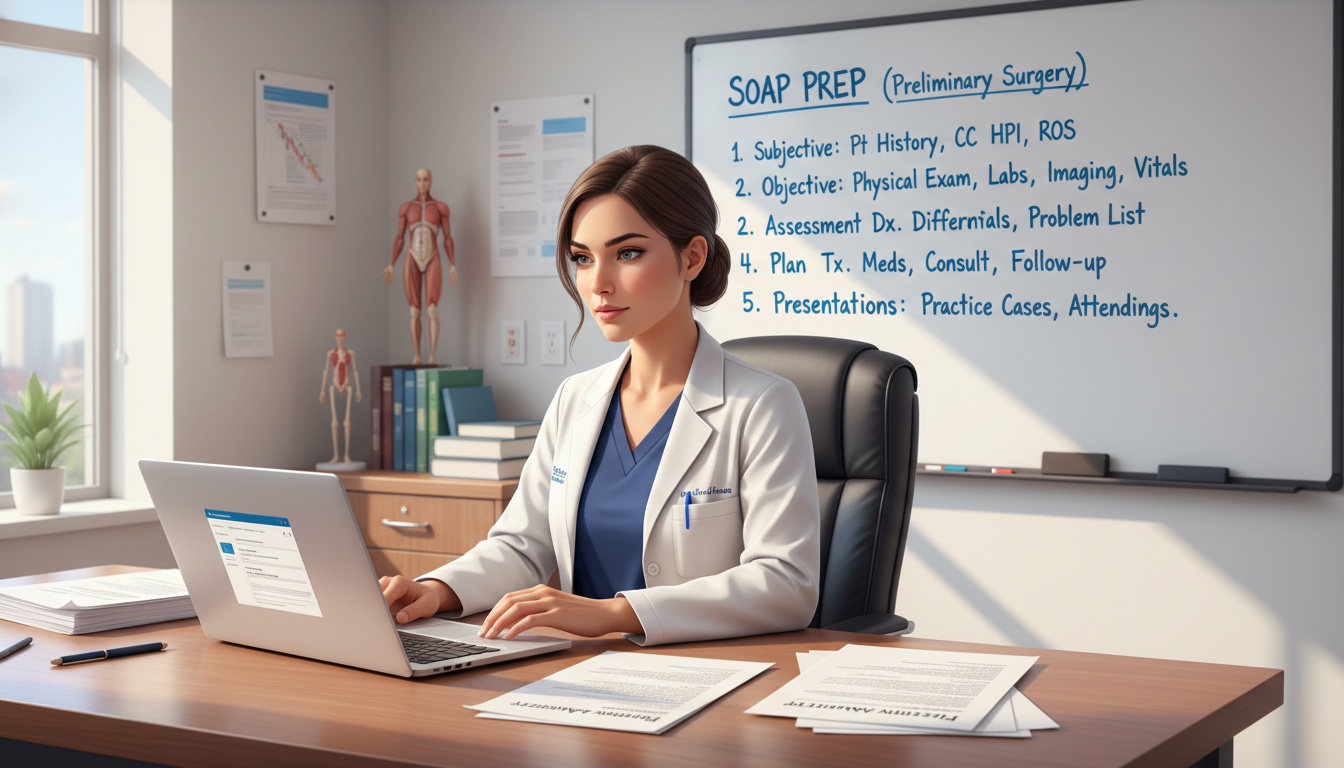
- Preliminary Surgery
- Occasionally a rare DR or IR/DR PGY-2 (advanced) spot
- SOAP can provide a preliminary or transitional year that keeps you in the US system and improves chances to later match into radiology residency.
Pre-Match: Strategic Preparation for SOAP (2–3 Months Before Match Week)
To succeed in SOAP, you must prepare before Match Week, ideally starting in January or earlier. Don’t wait until you know you’re unmatched.
Step 1: Clarify Your Overall Strategy as a Radiology-Focused IMG
As a non-US citizen IMG focused on Radiology, ask yourself:
Primary goal this year
- Is your top priority entering any US residency (prelim/TY) to build US credentials?
- Or is it Diagnostic Radiology only, even if that means possibly going unmatched?
Risk tolerance
- Will you consider categorical Internal Medicine, Family Medicine, or Pediatrics via SOAP?
- Or are you willing to reapply next year if SOAP doesn’t give you a radiology pathway?
Visa needs
- Are you dependent on J-1 sponsorship (via ECFMG)?
- Do you have a US work permit (EAD/green card) allowing more flexibility?
- Are you seeking H-1B–sponsoring radiology programs eventually?
Write out a ranked list of acceptable outcomes, for example:
- Advanced Diagnostic Radiology + TY/Prelim (ideal but rare in SOAP)
- Transitional Year with strong radiology exposure
- Preliminary Internal Medicine in an academic center with radiology mentors
- Categorical Internal Medicine or another field to keep a US clinical path open
- If none of the above: strengthen CV and reapply next cycle for radiology
This clarity will help you make rapid decisions during SOAP’s short offer windows.
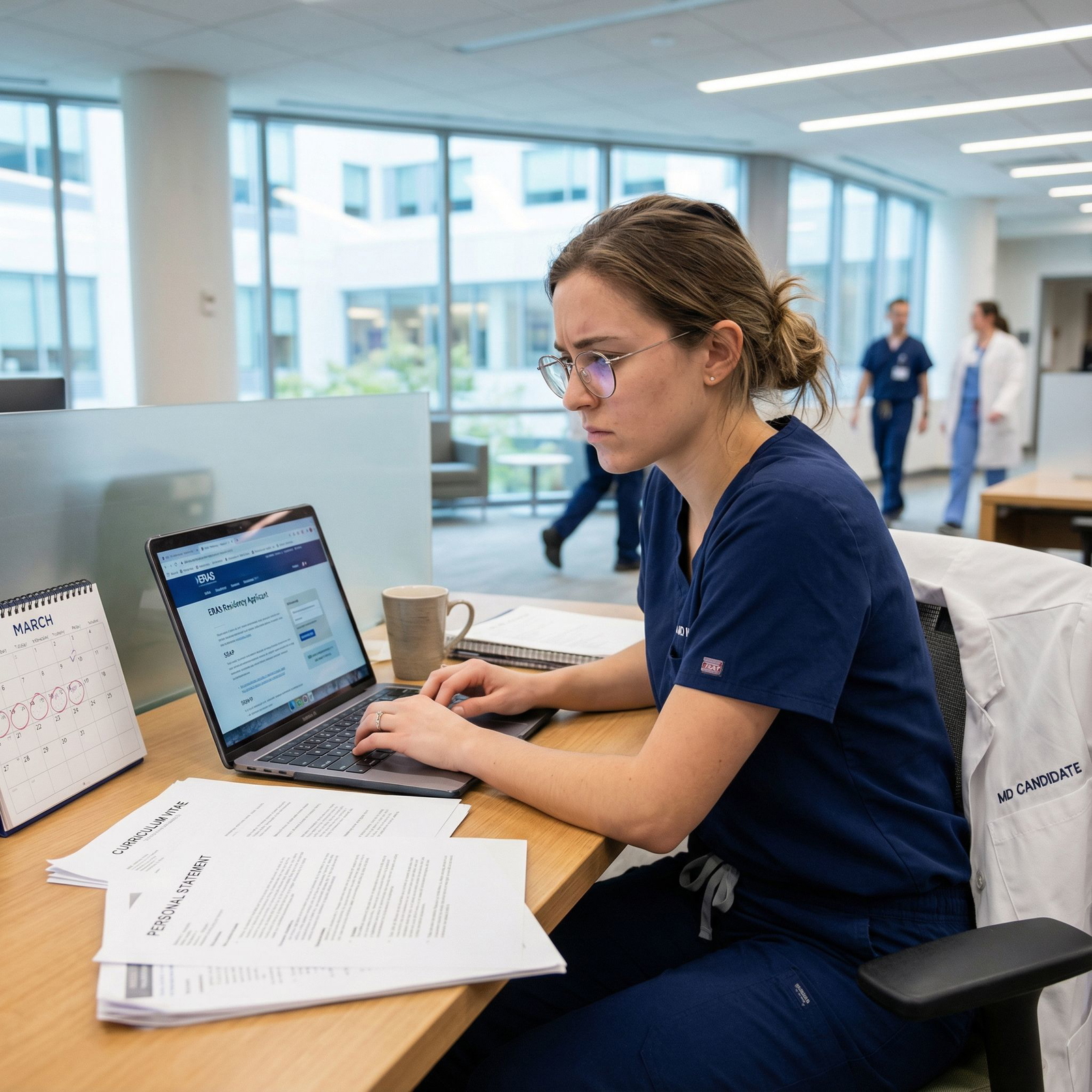
Step 2: Optimize Your ERAS Application for SOAP
Your ERAS is not frozen for SOAP; you can update certain elements before Match Week.
Update and tailor these areas:
- Personal Statement(s):
- Keep a radiology-focused primary statement, but also prepare:
- A preliminary/TY-friendly version showing your flexibility and team-oriented mindset.
- A possible Internal Medicine–oriented statement if you might apply broadly.
- Keep a radiology-focused primary statement, but also prepare:
- Experiences & Activities:
- Highlight:
- Imaging-related research, radiology electives, and teleradiology experience.
- Strong US clinical experience (USCE), even if not radiology-specific.
- Teamwork, night float, ICU rotations—skills relevant to prelim/TY.
- Highlight:
- Letters of Recommendation (LoRs):
- Radiology LoRs are valuable, but for SOAP:
- Make sure at least one LoR is from a US clinical supervisor (IM/FM/Medicine Sub-I or ICU is great).
- If possible, add a new LoR from any recent US rotation before SOAP closes updates.
- Radiology LoRs are valuable, but for SOAP:
Practical advice:
Before February ends, ensure your ERAS has:
- At least 2 strong LoRs uploaded and assigned.
- A radiology PS and general prelim/TY PS ready to switch/assign rapidly.
- All major gaps and red flags explained in your experiences or personal statement.
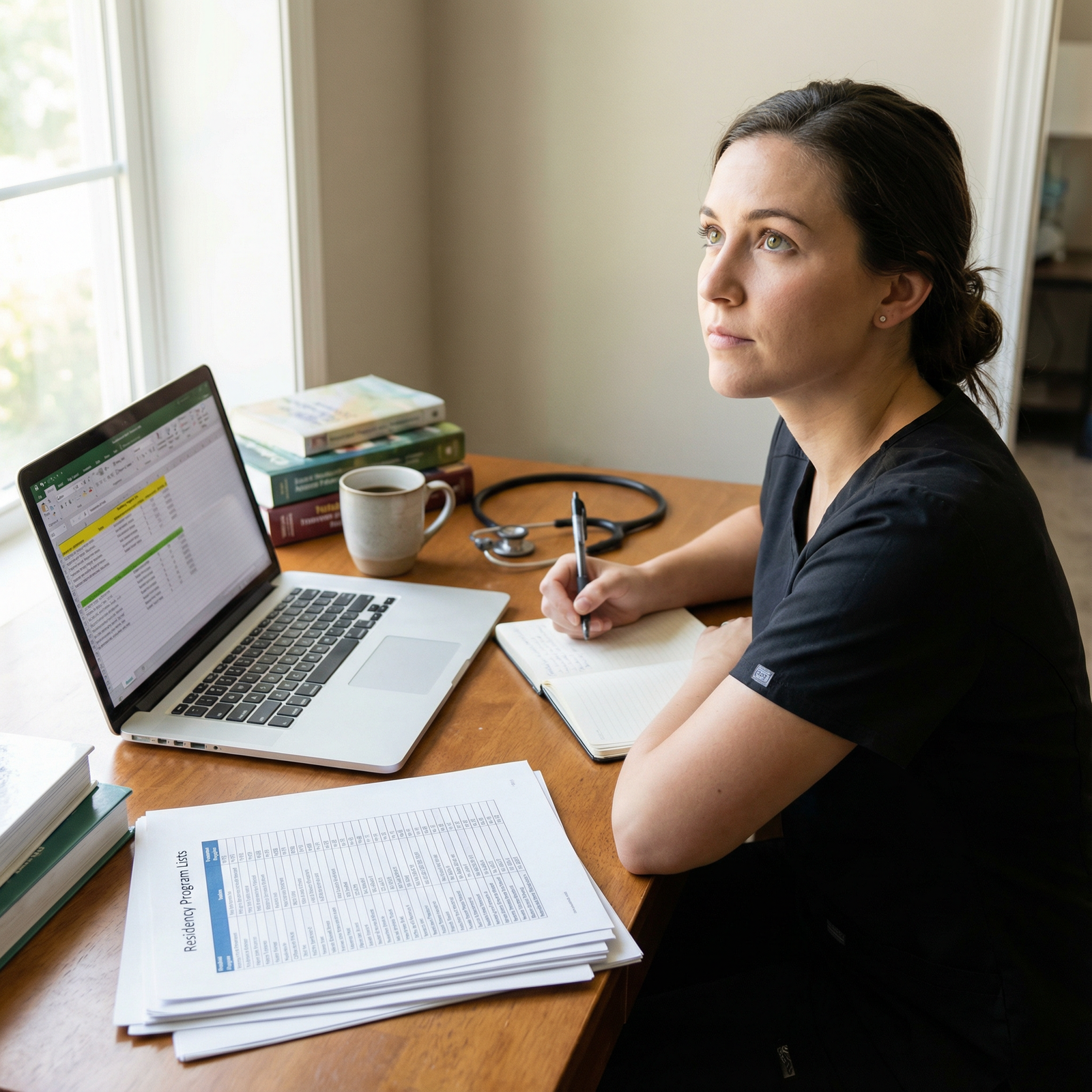
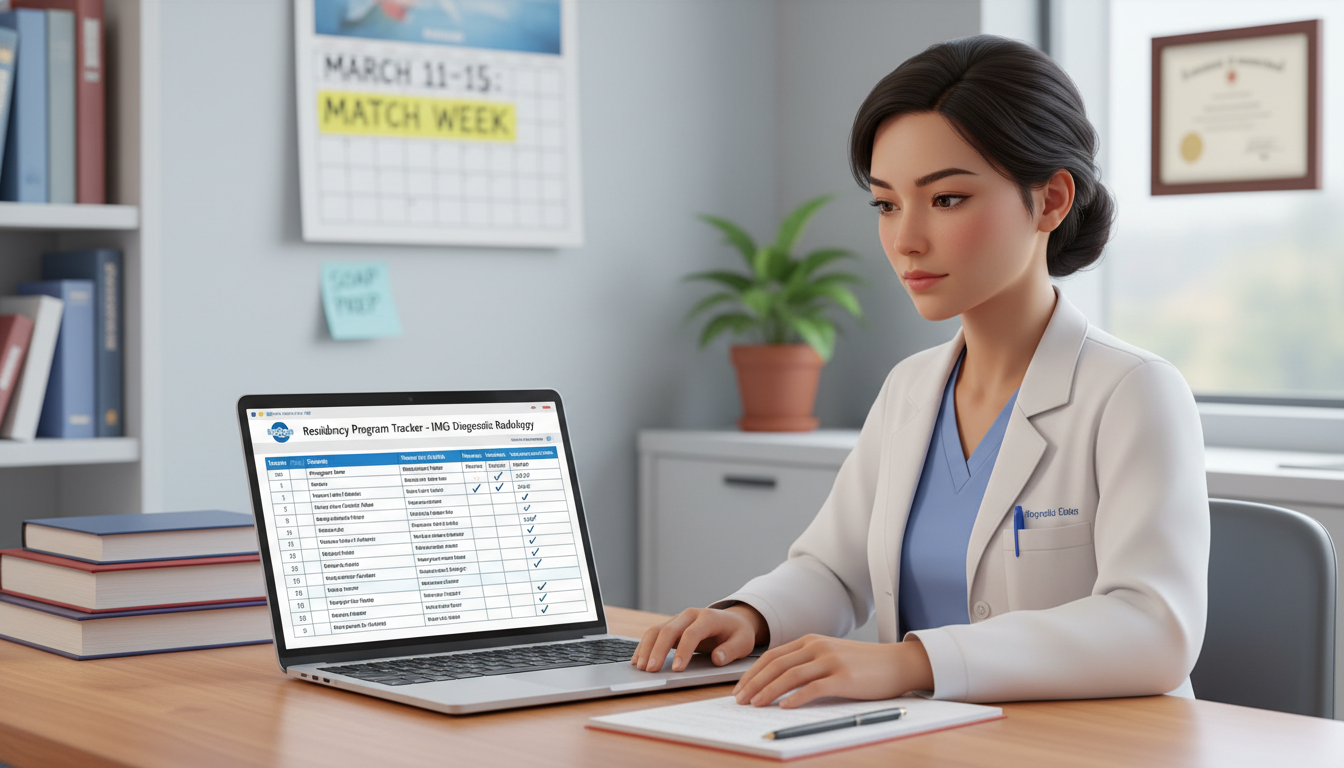
Step 3: Build a SOAP Program Research Spreadsheet
You will have only a few hours on SOAP Monday to select programs. Pre-building a target list is essential.
Create a spreadsheet with columns like:
- Program name
- State, city
- Specialty type:
- Transitional Year
- Preliminary Internal Medicine
- Preliminary Surgery
- Categorical Internal Medicine / FM / Others
- Diagnostic Radiology (rare in SOAP, but track them)
- Visa policy:
- J-1 sponsor, H-1B sponsor, No visa sponsorship, “Case-by-case”
- Historical preference for IMGs (if known)
- Radiology department strength / presence
- Notes:
- Radiology electives available
- Research opportunities
- Size of IMG community
- Contact constraints (for after SOAP, not during)
Use sources:
- Program websites (especially GME and visa/use-of-ECFMG pages)
- FREIDA and other databases
- Past NRMP and program fill data
- Word-of-mouth from alumni or seniors
This spreadsheet becomes your SOAP targeting tool when the unfilled positions list is released.
Match Week: What Happens During SOAP and How to Navigate It
SOAP moves fast. As a non-US citizen IMG, you must react quickly while staying realistic.

Step 4: Monday Morning – Status Email and Unfilled Positions List
On Match Week Monday, you will receive one of three statuses from NRMP:
- Fully matched – Not eligible for SOAP.
- Partially matched (e.g., matched to an advanced DR position but not a prelim year) – Eligible for SOAP to fill remaining needs.
- Unmatched – Eligible for SOAP.
If you are unmatched or partially matched:
- Log in to NRMP and ERAS as soon as results are released.
- Download or view the List of Unfilled Programs.
- Filter the list based on:
- Visa sponsorship (first filter for J-1 or H-1B if needed)
- Specialty categories you’re open to (TY, prelim IM, categorical IM, etc.)
- Geographic or family constraints.
Use your pre-built spreadsheet to cross-reference and prioritize quickly.
Step 5: Choosing Where to Apply During SOAP
SOAP has application caps (e.g., 45 applications total; check current year rules). You must allocate them strategically.
For a non-US citizen IMG aiming for radiology, a reasonable SOAP distribution might be:
- 0–5 applications to any rare Diagnostic Radiology or IR/DR unfilled positions that:
- Are IMG-friendly, and
- Sponsor your required visa.
- 15–25 applications to Transitional Year or Preliminary Internal Medicine programs that:
- Are at academic centers with active radiology departments.
- Are known to be IMG-friendly or at least J-1 friendly.
- Remainder to:
- Categorical Internal Medicine or Family Medicine for long-term security, if you’re open to alternate paths.
Key principle:
Do not spend all your applications chasing extremely unlikely DR positions that:
- Do not sponsor visas, or
- Historically never take IMGs, or
- Are in highly competitive locations without any IMG presence.
Balance ambition with reality. A strong preliminary or TY in a solid institution can significantly improve your future diagnostic radiology match prospects.
Step 6: Application Tailoring in SOAP
You won’t have time to write 45 custom personal statements, but you can still tailor intelligently:
- Use:
- Radiology PS for:
- DR/IR programs
- Transitional Year with strong radiology connections
- General clinical PS for:
- Preliminary Internal Medicine
- Categorical IM/FM
- Radiology PS for:
Minor edits to your PS before upload can add a line such as:
“I am applying through SOAP and am eager to contribute immediately as a reliable team member in high-acuity, inpatient environments while continuing to develop the core skills that will support my long-term goal of Diagnostic Radiology.”
Make sure your LoRs assignment matches your target program:
- For DR and radiology-heavy TY:
- Include at least one radiology LoR if available.
- For prelim IM/categorical IM:
- Prioritize strong IM/USCE LoRs if available.
Interviewing During SOAP: How to Stand Out as a Non-US Citizen IMG
If programs are interested, they may quickly schedule SOAP interviews via:
- Phone
- Zoom/Teams
- ERAS communication tools
- Thalamus or similar systems
These interviews are typically short (15–30 minutes) and heavily focused on fit and reliability.
Step 7: Core Talking Points for Radiology-Oriented IMGs
As a foreign national medical graduate with radiology aspirations, you must balance two messages:
- You are committed and enthusiastic about the program and specialty they offer (prelim/TY/IM).
- You still have long-term radiology goals, but you respect and value the role you are applying for.
Example introduction:
“Thank you for speaking with me today. I am an international medical graduate from [Country], ECFMG certified, with strong interest and prior exposure to Diagnostic Radiology. At the same time, I deeply enjoy inpatient medicine, teaching, and multidisciplinary care. I see a Preliminary Internal Medicine year at your institution as an opportunity to grow as a clinician, build a solid foundation for radiology, and contribute fully to your team from day one.”
Step 8: Handle Common SOAP Interview Questions
Be ready for these frequent questions and tailor them as a non-US citizen IMG.
“Why are you in SOAP?”
- Be honest but positive:
- “Diagnostic Radiology is very competitive, especially for an IMG. While I received strong feedback from interviews, the match process is unpredictable. I am using SOAP to find the best opportunity to train in a supportive environment, contribute clinically, and, if possible, remain connected with radiology through electives or research.”
- Be honest but positive:
“Will you leave after one year?” (for prelim/TY)
- Answer clearly:
- “I understand this is a one-year position, and I am fully committed to completing that year. Regardless of my future specialty, I intend to give 100% to my responsibilities and be a dependable member of your team throughout the full year.”
- Answer clearly:
“How do you handle visa issues?”
- Clarify:
- Your current status (J-1 eligible, green card, etc.)
- Your flexibility and understanding of institutional policies:
- “I am J-1 eligible through ECFMG and understand that your institution sponsors J-1 visas. My documentation is in order, and I have worked closely with ECFMG to ensure I can start on time in July.”
- Clarify:
“If we select you, will you accept our offer?”
- Be honest, but show strong interest:
- “Your program is one of my top choices, especially because of [specific reason—teaching structure, radiology department, location, patient mix]. If I receive an offer, I would be very strongly inclined to accept.”
- Be honest, but show strong interest:
Step 9: Managing Time and Stress During SOAP
SOAP is intense. To stay effective:
- Prepare a script and bullet notes near your computer for:
- Your one-minute summary
- Top 3 strengths
- Visa explanation
- Why this program
- Keep your phone and notifications on, but stay in a quiet environment where you can take professional calls.
- Have your spreadsheet visible to quickly recall program details before each interview.
Offer Rounds and Decision-Making: Accepting the Right Position
During SOAP, programs submit their lists of preferred candidates, and NRMP runs several offer rounds (typically four, but check current policy). You may receive:
- No offers
- A single offer
- Multiple offers in one round
Step 10: Evaluating Offers as a Radiology-Oriented Non-US Citizen IMG
Factors to weigh very quickly:
Visa feasibility
- Does the program explicitly sponsor your visa type?
- Can they start paperwork in time?
Training environment
- Academic vs. community.
- Presence of a Diagnostic Radiology department or access to imaging electives.
- Opportunities to network with radiologists, join projects, or attend radiology conferences.
Long-term positioning
- A strong preliminary IM or TY in a respected hospital may significantly improve your chances of:
- Matching into DR as a PGY-2 or PGY-3 later.
- Obtaining US letters of recommendation from radiologists.
- A strong preliminary IM or TY in a respected hospital may significantly improve your chances of:
Geographic and personal factors
- Cost of living, support network, and lifestyle preferences matter but should usually be secondary to training/visa for SOAP decisions.
Guiding principle:
If you receive a solid prelim/TY offer in an academic center with radiology, it is often wise to accept, rather than hold out for a very unlikely categorical DR offer that may never come.
What If You Get No Offers by the End of SOAP?
If SOAP ends without an offer:
- You cannot “scramble” into NRMP-participating programs.
- Focus immediately on:
- Strengthening your profile for next cycle.
- Considering research positions, fellowships, observer roles, or an MPH/clinical research degree.
- Improving USMLE scores (if Step 3 is still pending).
- Increasing radiology research output and new US clinical exposure.
Post-SOAP: Maximizing a Prelim/TY Year for a Future Diagnostic Radiology Match
If you matched via SOAP into a prelim or TY program, you now have a powerful platform to rebuild your radiology candidacy from within the US system.
Step 11: Build Relationships Within Radiology
During your year:
- Ask your program director about elective time in radiology.
- Introduce yourself to radiology faculty:
- Show genuine curiosity, be humble, and ask about research or QI projects.
- Attend:
- Radiology noon conferences
- Tumor boards
- Interdisciplinary imaging review meetings
Your goal: secure one or two strong radiology LoRs from US faculty who have seen your clinical work ethic.
Step 12: Strengthen Your Application for the Next Diagnostic Radiology Match
Use your year to:
- Excel clinically on the wards (prelim evaluations matter).
- Complete meaningful radiology-related research or at least present posters.
- If needed, pass USMLE Step 3 to increase competitiveness and improve H-1B prospects.
- Rebuild your application narrative:
- You adapted under pressure.
- You proved yourself capable in a US clinical environment.
- You remained committed to radiology while being an excellent team player in IM/TY.
By the next cycle, you are no longer “just an IMG abroad” but a foreign national medical graduate with direct US clinical and radiology exposure—a major advantage for the diagnostic radiology match.
FAQs: SOAP Preparation for Non-US Citizen IMG in Diagnostic Radiology
1. As a non-US citizen IMG, is it realistic to get a Diagnostic Radiology spot through SOAP?
It is possible but uncommon. Most diagnostic radiology residency positions fill in the main match, and few unfilled DR positions accept non-US citizen IMGs with visa needs. You should apply to any realistic DR options that meet your visa requirements, but do not rely on SOAP for DR alone. Use SOAP to secure a prelim/TY or alternate path that strengthens your candidacy for a future diagnostic radiology match.
2. How should I prioritize prelim/TY vs. categorical Internal Medicine during SOAP?
If your long-term goal is radiology, a Transitional Year or strong Preliminary Internal Medicine in an academic center with an active radiology department often provides:
- Electives in radiology
- Networking with radiologists
- Better positioning for DR re-application
However, if you are very risk-averse or open to long-term primary care, a categorical IM may offer more security. Many applicants apply to both categories and then decide based on actual SOAP offers.
3. What is the best SOAP preparation timeline for a foreign national medical graduate?
Ideally:
- 3–4 months before Match Week:
- Update ERAS, secure LoRs, and create radiology + general PS versions.
- Build your SOAP program spreadsheet with visa info.
- 1–2 months before Match Week:
- Clarify your acceptance hierarchy (DR vs prelim vs categorical).
- Practice short, focused interview answers.
- 1–2 weeks before Match Week:
- Confirm you understand what is SOAP, eligibility rules, and offer rounds.
- Arrange a quiet environment and reliable internet/phone access for Match Week.
Early planning dramatically improves your ability to respond quickly and rationally when SOAP begins.
4. How does visa status affect my SOAP options?
As a non-US citizen IMG, visa issues are central to your SOAP strategy:
- Many programs only sponsor J-1; fewer sponsor H-1B.
- Some programs do not sponsor any visas—these are not realistic options for you.
- During SOAP, there is little time for case-by-case exceptions, so programs tend to stick with clear policy.
In your pre-SOAP spreadsheet, clearly mark:
- Which programs sponsor J-1 (most common route).
- Which sponsor H-1B (critical if you need or strongly prefer H-1B).
- Which explicitly do not sponsor visas (avoid these in your SOAP application list).
By approaching SOAP with a clear plan, well-prepared ERAS application, and realistic understanding of your options as a non-US citizen IMG, you can transform a stressful week into a strategic bridge toward your ultimate goal: a successful career in Diagnostic Radiology in the United States.