Understanding the SOAP Landscape for Non-US Citizen IMGs in Urology
For a non-US citizen IMG aiming for urology, the Supplemental Offer and Acceptance Program (SOAP) can feel confusing, high‑pressure, and—if you’re targeting a competitive field—emotionally intense. While urology itself participates in a separate match (the AUA match), many unmatched or partially matched applicants, including foreign national medical graduates, turn to SOAP for categorical or preliminary surgery positions that keep them clinically active and in the US system.
This article focuses on SOAP preparation for a non-US citizen IMG interested in urology: how to interpret your urology match outcome, strategically use SOAP to secure a spot (often in surgery or a related field), and position yourself for a stronger re-application to the urology residency match.
You’ll learn:
- What SOAP is (and what it is not) in the context of urology
- How non-US citizen IMGs should prepare months before Match Week
- A step‑by‑step playbook for SOAP Week
- Visa and program‑selection strategies
- How to leverage a SOAP position to re-enter or strengthen your urology trajectory
Throughout, we’ll use the required keywords—such as non-US citizen IMG, foreign national medical graduate, urology residency, urology match, SOAP residency, what is SOAP, and SOAP preparation—in a natural, context‑driven way.
1. Where SOAP Fits In: Urology Match vs NRMP Match
1.1 Urology Match and Why Many Urology Applicants End Up in SOAP
Urology residency traditionally participates in the American Urological Association (AUA) match, which occurs earlier than the NRMP Main Residency Match. That means you may discover you are unmatched in urology weeks before NRMP Match Week begins.
Typical scenarios for a non-US citizen IMG:
- You applied to urology only via the AUA match and went unmatched.
- You applied to urology (via AUA) and categorical surgery or preliminary surgery via NRMP, hoping to secure something surgical either way.
- You got a non‑categorical or preliminary surgery offer through the NRMP but not urology, and you’re wondering whether to SOAP or not.
- You did not apply widely in NRMP specialties, betting heavily on urology, and now face limited options.
Because urology is extremely competitive, a significant portion of international urology applicants will not match on their first attempt. For many, SOAP is the bridge to gain US clinical experience and remain actively involved in a surgical field while preparing for a stronger urology application in the future.
1.2 What Is SOAP, Exactly?
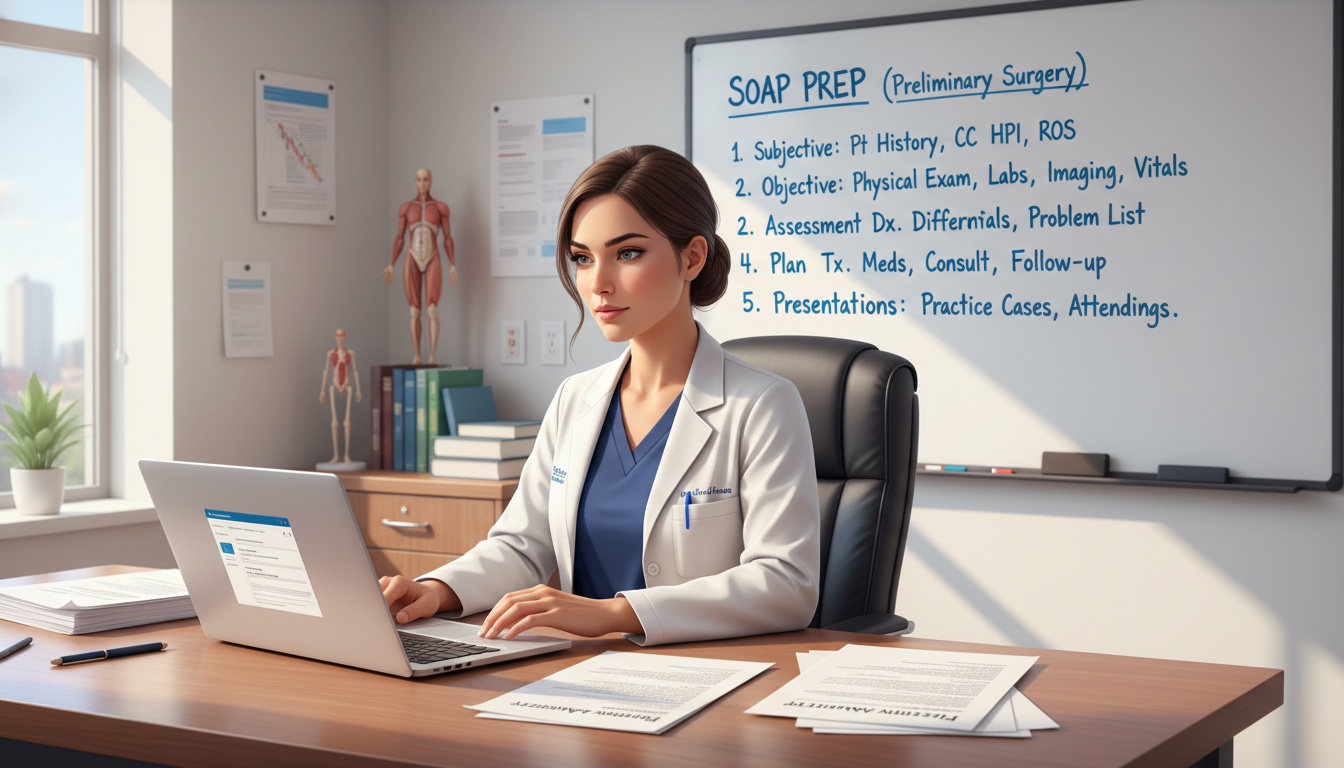
In basic terms, SOAP (Supplemental Offer and Acceptance Program) is a structured process run by the NRMP during Match Week that allows eligible unmatched or partially matched applicants to obtain unfilled residency positions.
Key features:
- Conducted only through ERAS/NRMP—no cold‑calling programs during active SOAP rounds.
- Up to 45 applications to unfilled programs during SOAP.
- Several offer “rounds” over a few days during Match Week.
- Designed to be fair and transparent; programs review applications and make offers through NRMP.
When discussing SOAP residency options, remember:
- Urology categorical positions rarely, if ever, appear in SOAP because urology uses the AUA match.
- SOAP is mainly useful for:
- Preliminary general surgery (strongly aligned with urology interests)
- Categorical general surgery (when occasionally available)
- Transitional year, prelim medicine, or other specialties, if you need a US position and visa.
For a foreign national medical graduate, understanding what is SOAP and what it can realistically offer in the context of a failed or partial urology match attempt is essential. Your SOAP strategy is less about “finding urology” and more about staying close to surgery, building credentials, and securing a visa.

2. Early SOAP Preparation: Start Months Before Match Week
Effective SOAP preparation for a non-US citizen IMG in urology begins long before you find out if you are unmatched.
2.1 Realistic Self-Assessment: Know Your Risk Profile
By late fall (October–December), you should already be asking:
- Are my USMLE/COMLEX scores competitive for urology and/or general surgery?
- Do I have urology-specific research, strong letters (ideally from US urologists), and meaningful urology exposure?
- Am I a non-US citizen IMG facing extra hurdles (visa sponsorship, fewer interviews, limited US clinical experience)?
If you’re a foreign national medical graduate with limited interviews or weaker metrics, your probability of going unmatched rises. This doesn’t mean you should give up—it means you should:
- Plan a contingency SOAP strategy.
- Keep updated materials ready (CV, personal statements, LoRs).
- Think about which types of SOAP residency positions you’d realistically accept.
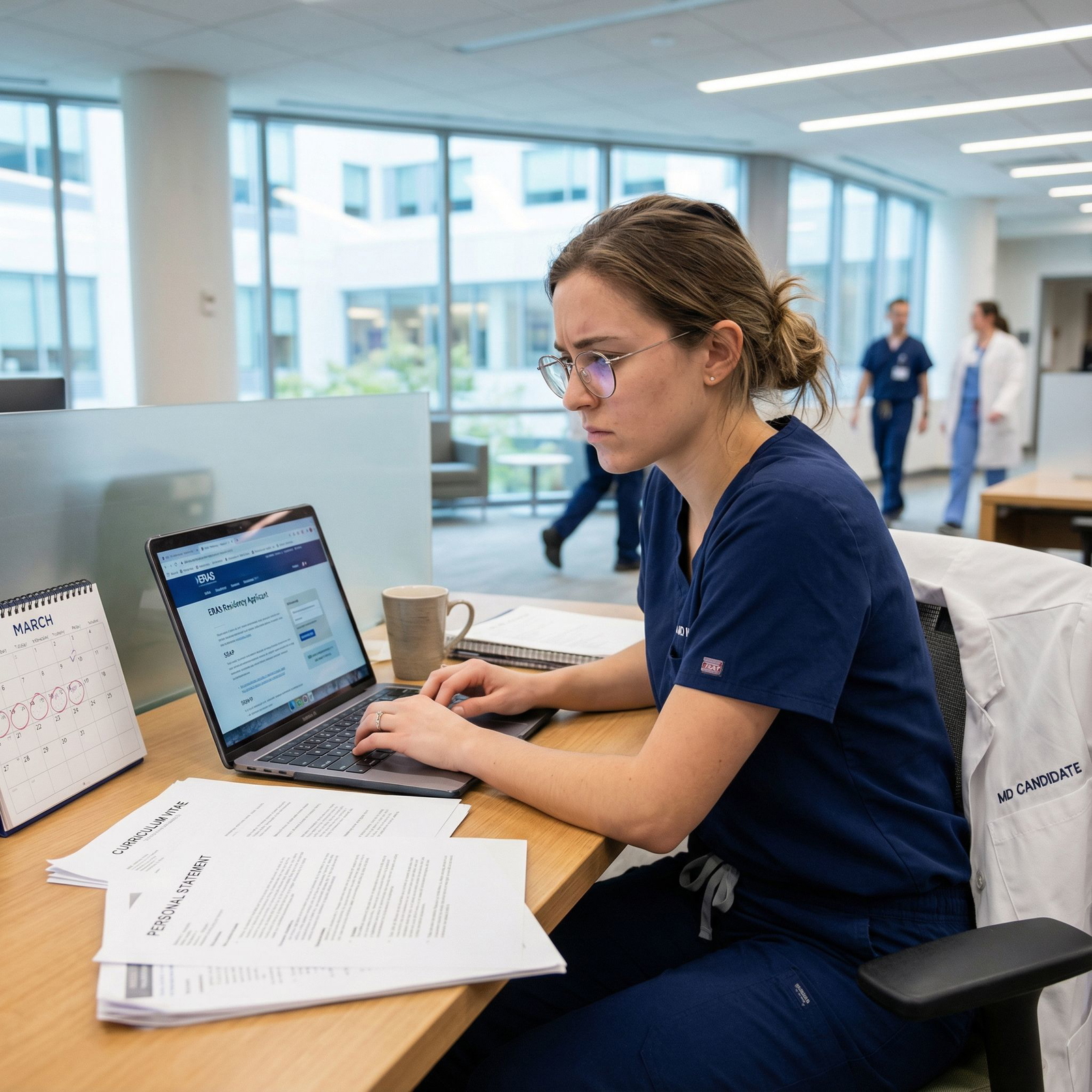
2.2 Prepare Multiple Personal Statements
Do not wait until Match Week to draft personal statements. Create versions tailored to:
Preliminary General Surgery (Prelim GS)
- Emphasize your surgical interest, technical skills, teamwork in the OR, and your long‑term goal of urology (framed positively).
- Show that you understand the value of a prelim year, not as a consolation prize, but as meaningful surgical training.
Categorical General Surgery (if you might apply)
- Focus on a career as a surgeon (not just as a pathway to urology).
- Some programs are wary if they sense you intend to leave for urology; balance honesty and commitment.
Transitional Year / Internal Medicine / Other (if you’d consider them)
- Highlight adaptability, strong clinical foundations, and a genuine interest in core patient care.
Urology Re-application PS (for future cycles)
- Parallel project: begin refining your narrative for a re-application, based on what you learned this cycle.
Keep all statements in polished, ready‑to‑upload form. During SOAP, you may need to swap content quickly depending on the positions open.
2.3 Line Up Letters of Recommendation
For SOAP, you typically reuse existing letters already uploaded into ERAS. However:
- Ensure you have at least 2–3 strong surgical or clinical letters (preferably from US faculty).
- If you did a urology elective in the US, a strong letter from a urologist can help for prelim surgery as well—it signals surgical aptitude and professionalism in the OR.
- Confirm with letter writers that their letters are general enough to be used for surgery or medicine if needed (not overly specific to urology).
2.4 Organize Your Document Toolkit
By January, assemble:
- Updated CV/resume with all research, publications, and presentations.
- An easy‑to‑adapt email template for post‑SOAP communication with programs (when allowed).
- A concise one-page summary of your urology and surgical experience.
- A list of your ERAS application components (PS versions, letters, experiences) and which ones are best for surgery vs other fields.
Having this package ready turns SOAP from chaos into a controlled, focused effort.
3. Visa Strategy for SOAP: Critical for Non-US Citizen IMGs
For a non-US citizen IMG, SOAP strategy is inseparable from visa strategy. Many unprepared foreign national medical graduates discover too late that several open SOAP positions do not sponsor visas.
3.1 Understand Common Visa Types
Most residency programs sponsor:
- J-1 Visa (via ECFMG):
- Most widely available.
- Requires returning to home country for two years after training (unless you qualify for a waiver).
- H-1B Visa:
- Less common, often limited to highly competitive candidates.
- Usually requires all USMLE Steps passed (including Step 3 in many institutions).
As part of your SOAP preparation:
- Verify your ECFMG certification is complete, not pending.
- If you hope for H-1B, check Step 3 plans and eligibility.
- Understand which visa you are realistically able and willing to pursue.
3.2 Construct a Visa-Informed Program Target List
In the months before Match Week:
- Identify general surgery and transitional year programs that:
- Have historically sponsored J-1 or H-1B visas.
- Are IMG‑friendly (check alumni profiles, program websites, and forums).
- Maintain a spreadsheet documenting:
- Program name
- State and city
- Visa types sponsored
- Past history of interviewing or matching IMGs
- Any preference for US grads only
During SOAP, you cannot call programs during active rounds, but this background research leans the odds in your favor once you see which of these programs have unfilled spots.
3.3 Clarify Your Personal Flexibility
Ask yourself honestly:
- Am I open to J-1 visa even with the 2‑year home‑country requirement?
- Would I relocate to any region in the US for a suitable surgery prelim?
- Would I accept a position in an undesirable location (for lifestyle) if it’s excellent for surgical exposure and visa support?
Your answers will shape which SOAP offers you rank or accept, especially if you receive multiple offers across SOAP rounds.

4. Step-by-Step SOAP Week Strategy for Urology-Focused IMGs
When Match Week arrives, the NRMP notifies you about your match status. If you’re an unmatched non-US citizen IMG with a urology focus, here is how to navigate the days efficiently.
4.1 Monday: Discovering You’re Eligible for SOAP
On Monday of Match Week:
- You find out if you are unmatched or partially matched in the NRMP Match.
- If eligible for SOAP, you gain access to:
- The List of Unfilled Programs.
- SOAP application functionality within ERAS.
Your first tasks:
- Confirm your SOAP eligibility on NRMP and ERAS.
- Quickly scan unfilled positions to understand:
- Number of prelim general surgery spots
- Any categorical general surgery or transition year programs
- Whether any of these are known to sponsor visas or are IMG‑friendly.
4.2 Prioritizing Targets: Think Long-Term Urology Goals
Look at the unfilled list through a urology lens:
- Top priority:
- Preliminary General Surgery at institutions with:
- Active urology departments
- Fellowships and robust surgical exposure
- Experience with IMGs and visa sponsorship
- Preliminary General Surgery at institutions with:
- Secondary options:
- Transitional year or internal medicine programs in hospitals with strong surgical/urology departments where you can:
- Network with urology faculty
- Participate in urology research or electives
- Transitional year or internal medicine programs in hospitals with strong surgical/urology departments where you can:
- Tertiary options (if positions are limited):
- Any US clinical position that:
- Provides visa sponsorship
- Offers strong supervision, US experience, and letters
- Any US clinical position that:
You usually get up to 45 applications during SOAP. Aim to allocate them strategically:
- 20–25 to prelim general surgery (if available)
- 10–15 to transitional year or medicine (in hospitals with relevant departments)
- Remaining to any uniquely promising opportunities (e.g., categorical surgery, if present)
4.3 Tailoring Your ERAS Application for SOAP
Within a very short window on Monday–Tuesday, you must:
- Assign appropriate personal statements to each specialty/position type.
- Select the most relevant LoRs for each application:
- Surgical letters for surgery prelims.
- Balanced clinical letters for transitional year or medicine.
- Update your experiences and descriptions if needed (you can sometimes fine-tune text).
Avoid generic one-size-fits-all submissions. Even under time pressure, subtle tailoring can significantly improve how your application reads.
4.4 SOAP Interviews: Be Ready On Short Notice
During SOAP, programs may reach out for brief, focused interviews, often on very short notice (phone, Zoom, or Teams). Prepare by:
Keeping your phone and email constantly monitored.
Having a quiet, professional environment ready (background, attire, lighting).
Practicing answers to common SOAP questions:
- “Tell me what happened in your urology match and why you are interested in our prelim surgery position.”
- “If you join as a preliminary resident, what are your goals for the year?”
- “How committed are you to surgery if urology doesn’t work out?”
- “How will you handle visa issues and relocation?”
As a urology‑focused, non-US citizen IMG, strike the right balance:
- Be honest about your long‑term interest in urology.
- Emphasize that you value robust surgical training for its own sake.
- Highlight your commitment to being a reliable, hardworking resident, not a “flight risk” planning to leave mid-year.
4.5 Offer Rounds and Decision-Making
SOAP includes multiple offer rounds over a few days:
- Programs submit rank lists of applicants.
- NRMP algorithm distributes offers.
- You may receive:
- No offers in one round and offers in later rounds.
- Multiple offers in a single round.
- Time‑limited windows (usually 2 hours) to accept an offer.
Important decision principles:
- Visa first, then specialty:
- For a non-US citizen IMG, a program that confidently sponsors your visa is more valuable than an uncertain “dream location.”
- Surgical exposure:
- Prioritize prelim surgery if your aim is to re-apply for urology or surgery.
- Institutional strength:
- Tier 1: Academic centers with active urology and research infrastructure.
- Tier 2: Community programs with strong OR exposure and supportive faculty.
- Honoring commitments:
- Once you accept a SOAP offer, you’re contractually bound through the NRMP Match Participation Agreement. Only accept offers you intend to honor fully.
If you receive no offer by the end of SOAP, there is a brief post‑SOAP period where some unfilled positions may still be available outside the algorithm. However, most ACGME programs will strictly follow NRMP rules, so your realistic options may be limited.
5. Using SOAP Outcomes to Strengthen Future Urology Applications
Whether you secure a SOAP position or not, you can still enhance your future urology residency prospects.
5.1 If You Secure a Preliminary Surgery or Transitional Year Spot
This is the ideal SOAP outcome for a urology-minded foreign national medical graduate.
During your intern year:
Maximize Surgical and Urology Exposure
- Seek rotations on urology services if your hospital allows cross-coverage or elective time.
- Ask your program director early about opportunities to rotate with urology.
- Volunteer for urology consults when appropriate to show initiative (without neglecting your core duties).
Earn Strong US Letters of Recommendation
- Identify attendings (particularly surgeons and urologists) who:
- Supervise you closely.
- Value your work ethic and professionalism.
- Request letters near the end of each rotation when your performance is fresh in their minds.
- Identify attendings (particularly surgeons and urologists) who:
Engage in Urology Research
- Approach urology faculty to assist with:
- Retrospective chart reviews
- Case reports or case series
- Quality improvement projects in urologic surgery
- Even small projects can yield posters, abstracts, or publications that strengthen your re-application.
- Approach urology faculty to assist with:
Refine Your Urology Application Narrative
- Reflect honestly on why you missed in the previous urology match:
- Scores?
- Limited US exposure?
- Weak letters?
- Insufficient research?
- Use your intern year to actively address those weaknesses.
- Reflect honestly on why you missed in the previous urology match:
Manage Timing and Logistics
- Coordinate with your program leadership about interview scheduling for the next urology cycle.
- Be transparent and respectful—some programs may even support your aim to transition into urology if they see your dedication.
5.2 If You Do Not Secure a SOAP Position
This outcome is difficult but not terminal for a non-US citizen IMG.
Action steps:
Boost Clinical Experience
- Pursue US clinical observerships or research fellowships in urology or surgery.
- Focus on institutions known to consider IMGs.
Strengthen Academic Profile
- Dedicate time to research, ideally in urologic oncology, endourology, reconstructive urology, or related fields.
- Target at least a few peer-reviewed publications or major conference presentations before your next re-application.
Reassess Specialty Strategy
- Decide if you will:
- Re-apply to urology only
- Re-apply to urology plus surgery
- Pivot to another specialty (e.g., general surgery or internal medicine) long term
- Align your experiences accordingly.
- Decide if you will:
Rebuild Applications Thoughtfully
- Update your personal statements to reflect:
- Maturity
- Concrete steps taken to grow as a candidate
- Ask mentors and faculty to help you critically review your ERAS application.
- Update your personal statements to reflect:
6. Practical Tips and Common Pitfalls for Non-US Citizen IMGs in SOAP
6.1 Practical Tips
- Prepare a SOAP checklist: Deadlines, documents, priority programs, and contact details.
- Practice concise storytelling: Your “elevator pitch” about being a urology‑focused non-US citizen IMG who brings value to any surgical team.
- Maintain professionalism throughout: Stress is high, but your conduct during SOAP is remembered by faculty and coordinators.
- Leverage your unique profile:
- Multilingual abilities
- International clinical experiences
- Resilience and adaptability as a foreign national medical graduate
These can differentiate you positively, especially in diverse patient populations.
6.2 Common Pitfalls to Avoid
Waiting until Match Week to learn what SOAP is
- Learn the mechanics of what is SOAP months in advance; know the timelines, rules, and limits.
Applying only to “dream” academic centers
- Spread your 45 applications across competitive and less‑competitive programs to increase your chance of any SOAP residency.
Ignoring visa realities
- Applying heavily to programs that do not sponsor visas wastes opportunities.
Overemphasizing urology in prelim interviews
- If you appear uninterested in surgery itself, programs may hesitate. Frame urology as a surgical subspecialty interest within a genuine passion for surgical training.
Taking a SOAP offer you do not truly intend to honor
- Ethically and contractually problematic; it can seriously harm your reputation and future chances in any specialty.
FAQs: SOAP Preparation for Non-US Citizen IMGs in Urology
1. As a non-US citizen IMG, can I match directly into urology through SOAP?
No. Urology uses the AUA Match, not the NRMP Match. Urology categorical positions do not typically participate in SOAP. For urology applicants, SOAP is primarily a way to secure preliminary surgery, transitional year, or other categorical positions that keep you clinically active and in the US system while you prepare for a future urology residency application.
2. What SOAP residency positions should I prioritize if I want to re-apply to urology?
Prioritize preliminary general surgery positions at hospitals with strong urology departments or academic centers. These provide operative experience, direct exposure to surgical culture, and opportunities to interact with urology faculty. Transitional year spots in hospitals with active urology programs are the next best. Internal medicine or other fields can still help if they provide US clinical experience and visa support, but they are less directly aligned with urology.
3. How important is visa sponsorship in my SOAP strategy as a foreign national medical graduate?
It is critical. Programs vary widely in whether they sponsor J-1 or H-1B visas. As a non-US citizen IMG, applying during SOAP to programs that do not sponsor your needed visa is essentially lost effort. Build a pre‑SOAP list of IMG‑friendly, visa‑sponsoring programs and use it to guide your choices when the unfilled list becomes available.
4. If I accept a preliminary surgery position through SOAP, how does that help my future urology match chances?
A strong prelim year can significantly enhance your urology match prospects by providing:
- Robust US clinical and operative experience
- New, high‑quality letters of recommendation from US surgeons and potentially urologists
- Opportunities for urology research and networking
- Evidence of your ability to perform at a high level in a US training environment
Programs often look favorably on applicants who completed a rigorous prelim year successfully; it demonstrates resilience, professionalism, and commitment to surgical training.
Preparing intelligently for SOAP as a non-US citizen IMG in urology is not just about salvaging a single match cycle—it’s about strategically building a long-term path toward your ultimate goal. With early planning, clear visa strategy, and thoughtful use of whatever SOAP outcome you obtain, you can substantially improve your chances of eventually securing a urology residency in the United States.