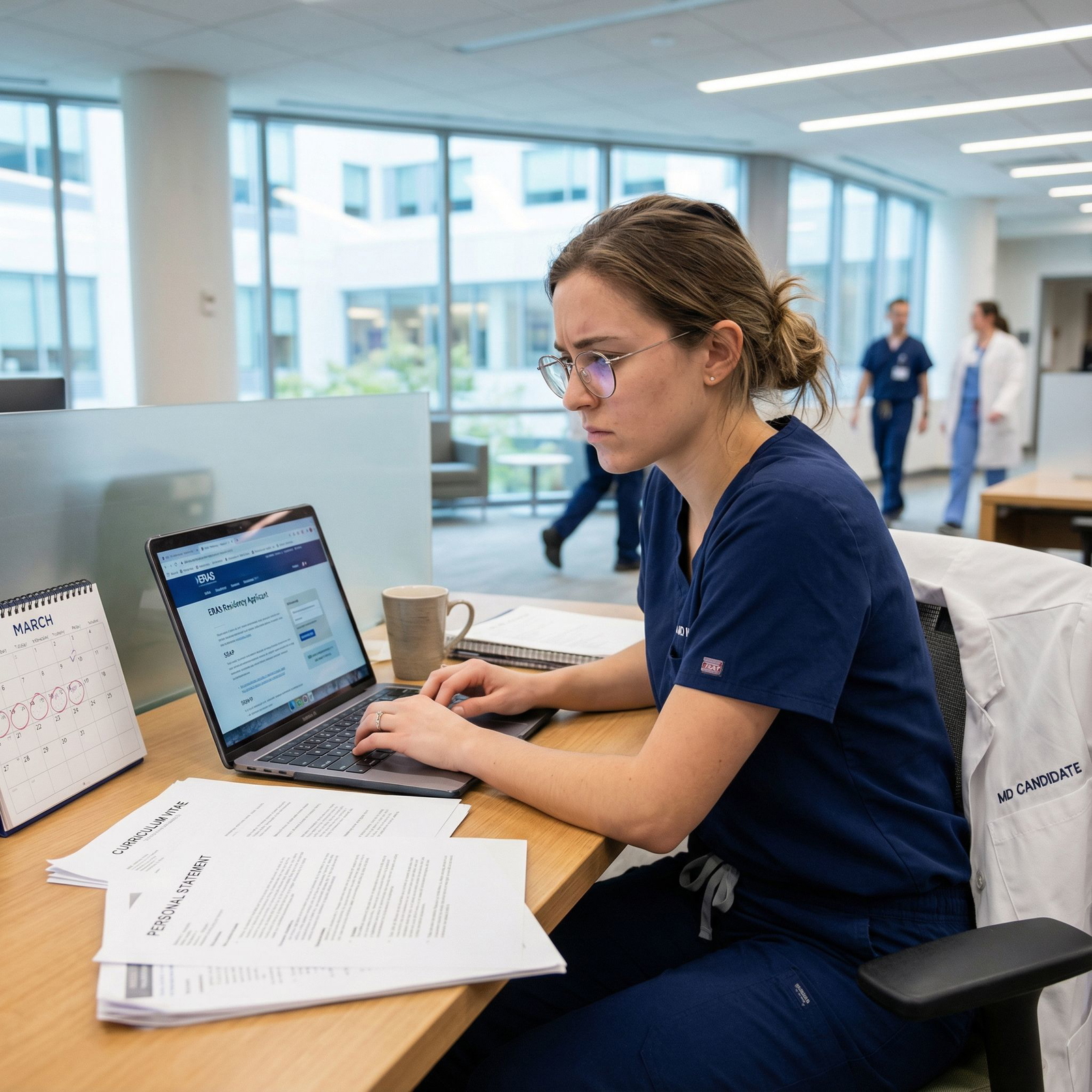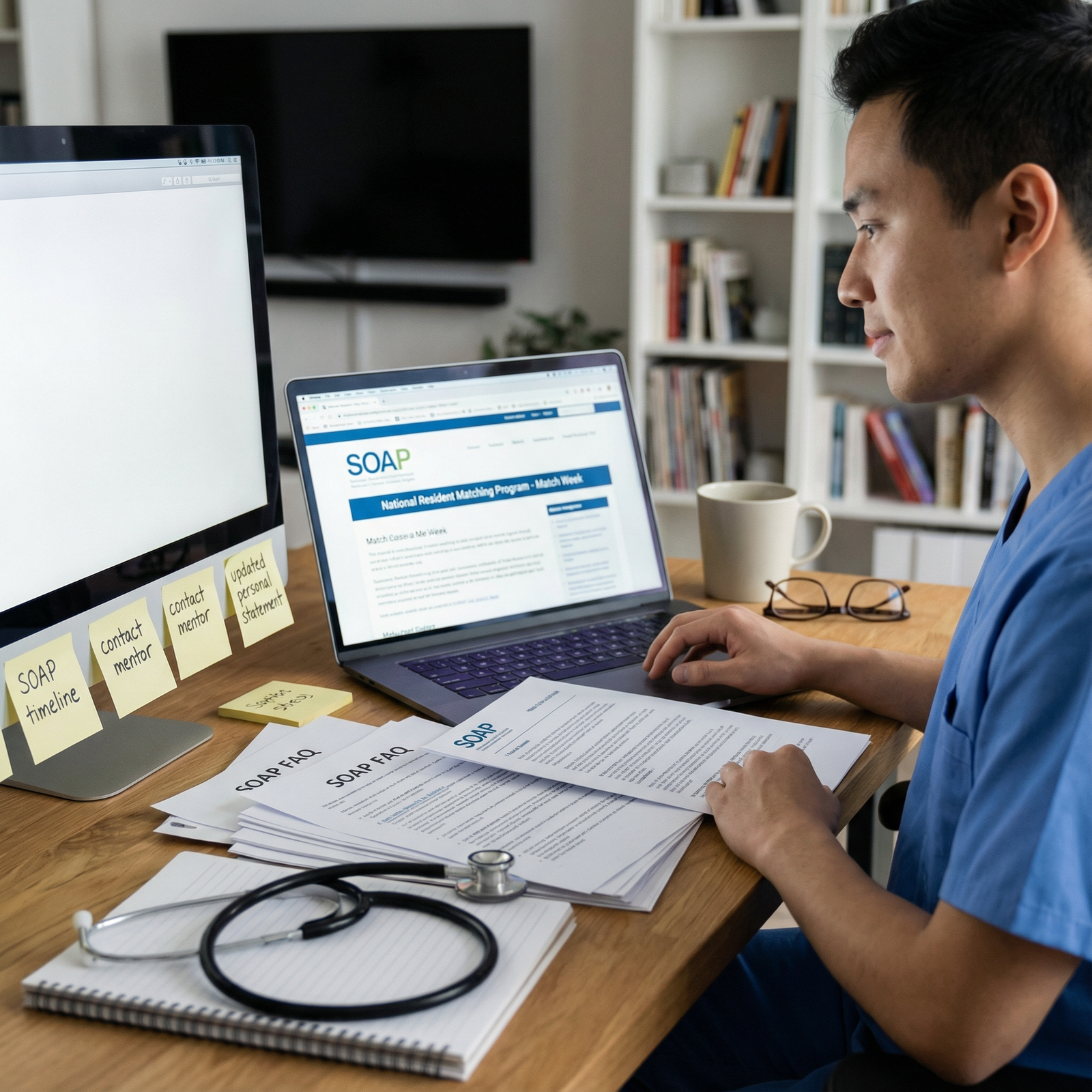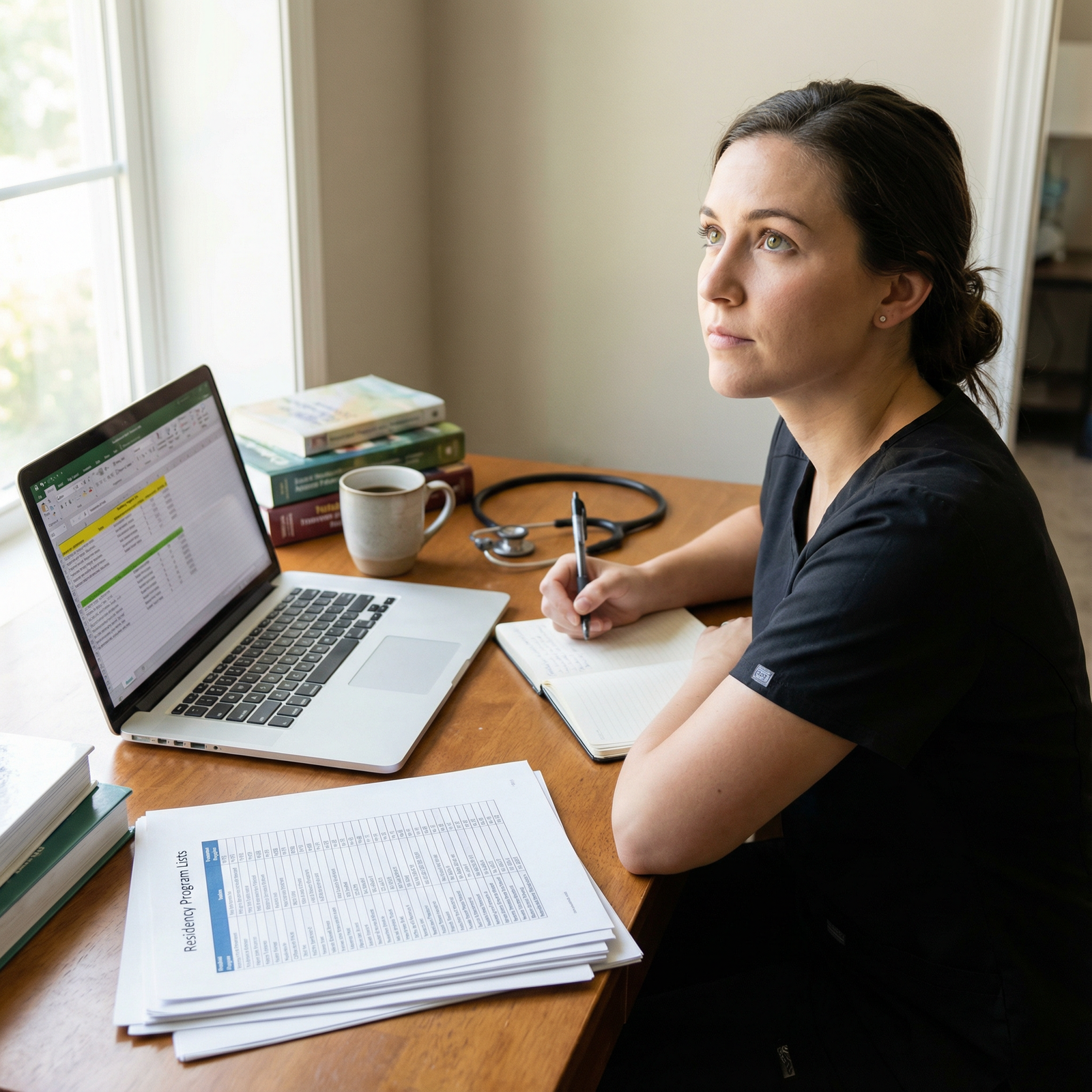
As a non-US citizen IMG aiming for pathology residency, the Supplemental Offer and Acceptance Program (SOAP) can be your critical second chance in the Match. Understanding what is SOAP, how it works specifically for pathology, and how to prepare strategically as a foreign national medical graduate can be the difference between securing a position and sitting out an entire cycle.
Below is a detailed, step-by-step guide tailored to you—the non-US citizen IMG pursuing pathology—so you can enter SOAP week with a clear plan, realistic expectations, and a competitive application.
Understanding SOAP in the Context of Pathology
What is SOAP?
SOAP (Supplemental Offer and Acceptance Program) is the structured process NRMP uses to match unmatched or partially matched applicants to unfilled residency positions after the Main Residency Match. It takes place during Match Week, immediately after you learn you are unmatched or only partially matched.
Key points:
- Eligibility: You must be:
- Registered for the Main Match with NRMP
- Unmatched or partially matched
- Certified by ECFMG by the NRMP’s SOAP eligibility deadline (for IMGs)
- Application platform: You use ERAS to submit applications to unfilled programs listed in the NRMP’s List of Unfilled Programs.
- Offer rounds: Programs review applications and send offers in several “rounds” during SOAP week. You can accept only one offer.
For a non-US citizen IMG, understanding SOAP is especially crucial because:
- Some pathology programs do participate in SOAP.
- Visa sponsorship is frequently a limiting factor.
- Competition during SOAP is intense and very time-compressed.
How SOAP Works: Timeline in Brief
While exact times may change slightly each year, the basic SOAP structure is consistent:
Monday of Match Week
- 10:00 AM ET: You learn whether you are “Matched,” “Partially Matched,” or “Unmatched.”
- 11:00 AM ET: If you’re SOAP-eligible, you get access to the List of Unfilled Programs in NRMP’s R3 system.
Application Window (typically Monday–Thursday)
- You may submit applications via ERAS to unfilled programs (up to 45 total programs across all specialties).
- No direct contact with programs is allowed beyond what they initiate.
Interview and Evaluation Period
- Programs may contact you through ERAS messages, email, or phone.
- They may conduct brief interviews (usually virtual).
Offer Rounds (Wednesday–Thursday)
- Several offer rounds occur.
- You can accept one offer; once accepted, you are “done” with SOAP.
- If you decline or let an offer expire, you may still receive other offers in subsequent rounds, but with increasing risk.
For pathology, unfilled positions in SOAP may be fewer than in primary care specialties, but they tend to be more receptive to IMGs than some competitive surgical fields. Still, as a foreign national medical graduate and non-US citizen IMG, you must be highly prepared and flexible.
Pre-SOAP Strategy: Setting Up Long Before Match Week
The most effective SOAP preparation starts months before Match Week. Think of SOAP not as a backup you hope you’ll never need, but as a contingency plan you build in parallel to your main pathway.

1. Know Your Profile and Likely Scenarios
Evaluate your application honestly:
- USMLE scores: Are they closer to average or below-average for pathology?
- Years since graduation: Are you a recent graduate or 5–10 years out?
- Pathology exposure: Do you have:
- US clinical/observership experience in pathology?
- Letters from US pathologists?
- Pathology research or publications?
- Visa status:
- Do you need J-1 vs H-1B?
- Are you already in the US on a different visa (F-1, J-2, etc.)?
Patterns that increase the likelihood of needing SOAP:
- Limited or no recent pathology observerships in the US
- Gaps after graduation without strong explanation
- Multiple attempts on USMLE exams
- Late ECFMG certification
By anticipating that SOAP might be needed, you can build a SOAP-ready version of your application that emphasizes flexibility, immediate availability, and readiness to start.
2. Tailor Your Application to Highlight SOAP-Relevant Strengths
SOAP applications are evaluated fast. Program directors may spend mere minutes on each file. Your documents must be extremely clear, pathology-focused, and updated.
Personal Statement (Pathology-Specific SOAP Version)
Prepare a concise, highly focused pathology personal statement that:
- Emphasizes:
- Clear, long-standing interest in pathology
- Experiences with microscopy, lab work, histology, autopsy, or research
- Understanding of the day-to-day work of a pathologist
- Shows:
- Maturity, reliability, and communication skills
- Willingness to work in a variety of institutional settings, including community hospitals or smaller academic centers
- Avoids:
- Overly idealistic or vague language
- Demands (e.g., insisting on a specific region or research-heavy environment)
You might keep a “main cycle” statement and a slightly more “SOAP-optimized” version that highlights flexibility and availability.
Updated CV and ERAS Entries
Well before Match Week:
- Add:
- Any new observerships (esp. pathology or laboratory medicine)
- Recent research, case reports, posters, or QI projects
- Recent volunteer work, especially in healthcare settings
- Clarify:
- Gaps (brief explanation in the “Experiences” section or a short note in personal statement if necessary)
- Any home-country pathology experience, lab work, or histology duties (with clear descriptions)
Letters of Recommendation (LORs)
Ideally have:
- 2–3 letters from pathologists (US-based if possible)
- 1 letter may be from another specialty, but should still speak to:
- Clinical reasoning
- Reliability
- Communication skills
If you are still outside the US, prioritize obtaining:
- At least one strong letter from your home-country pathologist who knows your work well.
- Translation and notarization if needed, although ERAS generally prefers English originals.
3. Understand Visa Realities for Pathology SOAP Positions
As a non-US citizen IMG, visa issues are often the biggest SOAP barrier.
Common patterns in pathology:
- Many pathology programs sponsor J-1 visas via ECFMG.
- H-1B sponsorship is less common in pathology than in some other specialties, but still possible in certain academic centers.
- During SOAP, some programs may prefer:
- Candidates who already have US work authorization (e.g., green card, EAD, pending asylum)
- Candidates eligible for J-1 (simpler and faster to arrange)
Action steps before SOAP:
- Clarify with ECFMG that you are eligible for J-1 sponsorship if needed.
- Know your exact visa history and status; be ready to explain it succinctly.
- Prepare a short written explanation (for interviews) of:
- Your visa needs
- Your flexibility (e.g., willing to go anywhere in the US, okay with J-1)
Building a Tactical SOAP Game Plan for Pathology
During SOAP, you have limited applications (up to 45 total) and very limited time. A pre-defined game plan prevents emotional, last-minute decisions.
1. Mapping Potential Pathology Targets Before the List Opens
Although you won’t know which programs will be unfilled, you can:
- Study historical trends:
- Which types of pathology programs often have unfilled positions?
- Are they smaller community-based programs, new programs, or certain geographic regions?
- List institutions that traditionally sponsor J-1 and accept IMGs.
- Identify other specialties you might list as a backup (e.g., prelim internal medicine year, transitional year) if your main goal is to “get into the system” while continuing to pursue pathology in the future.
Create a spreadsheet with columns:
- Program name
- Location
- Visa type (J-1/H-1B/No visa)
- Historical IMG-friendliness (from forums, FREIDA, program websites)
- Pathology vs other specialties
When the SOAP unfilled list opens, you can quickly filter and prioritize.
2. Prioritizing Programs as a Non-US Citizen IMG
When you see unfilled pathology positions, evaluate quickly:
High-priority for you as a foreign national medical graduate:
- Explicit “J-1 visa sponsored” or historically J-1 friendly
- Programs that mention or show:
- Current residents who are IMGs
- Past IMGs on their website
- Clear ECFMG/visa information
Potentially lower priority (but not excluded) programs:
- Programs with unclear or “case-by-case” visa statements
- Programs with no IMGs currently listed and no mention of visa sponsorship
Still, do not automatically skip these—some may sponsor J-1 but fail to update their public information. During SOAP, every realistic opportunity counts.
3. Application Allocation Strategy
Since you have a limit of 45 applications:
- Core Plan (for pathology)
- Reserve a substantial portion (e.g., 25–35 applications) for pathology, assuming there are enough unfilled positions.
- Apply to:
- All pathology programs that clearly sponsor or have sponsored J-1
- Pathology programs with unclear visa info but seem IMG-friendly
- Backup Plan (other specialties)
- Use remaining applications for:
- Prelim internal medicine or surgery years that sponsor J-1 (as a stepping-stone)
- Transitional year programs with visa sponsorship
- This can help you gain US clinical experience and potentially re-apply to pathology later.
- Use remaining applications for:
The exact split depends on:
- How many unfilled pathology positions exist
- Your competitiveness (scores, recency, experience)
For example:
- Stronger profile: 35–40 pathology / 5–10 backup
- More borderline profile: 25–30 pathology / 15–20 backup
Executing SOAP Week: Communication, Interviews, and Offers
SOAP week is intense and fast-moving. Having a clear daily structure dramatically reduces stress and mistakes.

1. Monday: Status Notification and Rapid Organization
Once you learn you are unmatched or partially matched:
Emotional reset (brief)
- Take 30–60 minutes to process the news.
- Speak to a mentor or trusted friend if needed.
Technical check
- Confirm SOAP eligibility on NRMP.
- Make sure ERAS access works smoothly.
- Ensure your phone and email are fully functional and monitored.
Document review
- Confirm that your pathology-focused personal statement and CV are up to date.
- Ensure all LORs are uploaded.
- Have a concise version of your CV in a PDF on your computer (for your own reference during calls).
2. Application Submission: Targeted but Rapid
Once the SOAP list opens:
- Filter the list for:
- Specialty: Pathology
- Sponsored visas: If listed (some lists or program websites may indicate)
- Quickly cross-check with your pre-prepared spreadsheet.
- Apply early in the window:
- Do not wait until the last hours—programs may begin reviewing immediately.
- For each program:
- Ensure the correct personal statement (pathology SOAP version) is used.
- Double-check that USMLE transcript, ECFMG status, and CV are attached.
3. Anticipating and Handling SOAP Interviews
Programs may reach out by:
- ERAS communications
- Direct email
- Phone calls (sometimes unannounced)
You must be reachable at all times during working hours.
Preparation steps:
- Set up a professional voicemail greeting:
- State your name clearly
- Mention you are available and eager to return calls promptly
- Maintain an interview script cheat sheet near your desk:
- 3–4 bullet points on why you chose pathology
- 3 key strengths as a resident (reliability, attention to detail, teamwork)
- 1–2 specific pathology experiences (e.g., rotations, research)
- 1–2 concise answers for common questions:
- “Why did you not match in the main cycle?”
- “Tell me about any gaps in your training.”
- “What visa do you need?”
Common pathology SOAP interview questions:
- “Why pathology, and why now?”
- “How have you maintained your pathology knowledge since graduation?”
- “Can you describe a specific case or experience that confirmed your interest in pathology?”
- “What challenges do you anticipate as an IMG in US pathology training?”
Craft answers that:
- Show real understanding of the specialty
- Demonstrate maturity and self-awareness
- Emphasize your readiness to start immediately and work hard
4. Handling Visa Questions Transparently
As a foreign national medical graduate, you will almost certainly be asked about visa status:
Be concise and honest:
- “I am a non-US citizen IMG, currently residing in [country/US on F-1, etc.]. I will require J-1 visa sponsorship through ECFMG, and I understand the process and obligations. I am fully prepared to proceed with J-1.”
If H-1B is important to you, you can mention it only if the program historically sponsors H-1B:
- “I know your program has supported H-1B applicants in the past. I am potentially eligible, but I am also open to J-1 if that is the only option.”
Never try to obscure or overcomplicate your status; clarity makes you easier to consider, not harder.
5. Managing SOAP Offers and Decisions
During the SOAP offer rounds:
- Offers come through NRMP’s R3 system.
- You must accept or reject within a limited time window (often 2 hours or less).
Decision framework:
- If you receive an offer from a pathology program with visa sponsorship, this is typically a strong offer to accept—especially if pathology is your clear career goal.
- If you receive an offer from:
- A non-pathology specialty (e.g., prelim internal medicine) while still hoping for pathology:
- Carefully weigh:
- Probability of receiving a pathology offer in later rounds
- Strength of your profile and the number of unfilled pathology positions left
- Carefully weigh:
- A non-pathology specialty (e.g., prelim internal medicine) while still hoping for pathology:
- Once you accept any offer (pathology or otherwise), SOAP ends for you.
For most non-US citizen IMGs serious about pathology, an offer from a pathology program—anywhere in the US, J-1 or H-1B—should be viewed as a major success.
After SOAP: Planning for Future Cycles (If You Remain Unmatched)
If you go through SOAP without receiving an offer, it’s painful—but it is not the end of your path toward pathology.
1. Immediate Post-SOAP Reflection
Within 1–2 weeks:
Review your performance honestly:
- Were your scores or graduation year big limiting factors?
- Did you have enough pathology-specific exposure?
- Did visa constraints severely reduce your options?
Seek feedback:
- Ask mentors, especially any US-based pathologists who know your application.
- If any programs were willing to talk after SOAP (rare but possible), politely ask what could be improved.
2. Strategic Enhancements for the Next Cycle
As a non-US citizen IMG, the most impactful improvements are often:
- US pathology experience:
- Research fellowships or unpaid research positions in pathology departments
- Long-term observerships/externships
- Publications and presentations:
- Case reports in pathology journals
- Poster or oral presentations at pathology conferences (e.g., USCAP, CAP)
- General US clinical exposure:
- If pathology opportunities are limited, consider internal medicine or other rotations to build US references.
If you accept a non-pathology preliminary or transitional position through SOAP:
- Excel in your role, build strong relationships with faculty, and continue to network with pathology departments at your institution.
3. Visa-Related Long-Term Planning
For non-US citizen IMGs:
- J-1 pathway:
- Understand the 2-year home-country residency requirement and potential waiver options.
- Alternative status:
- If your long-term plan includes staying in the US, consider strategies such as:
- Academic or research positions leading to different visa options
- Marriage-based or employment-based permanent residency (where applicable and lawful)
- If your long-term plan includes staying in the US, consider strategies such as:
These are complex, legal issues—consult qualified immigration counsel, not just online forums.
FAQs: SOAP Preparation for Non-US Citizen IMG in Pathology
1. As a non-US citizen IMG, is securing a pathology residency through SOAP realistic?
Yes, it is realistic but challenging. Pathology often has some unfilled positions, and many programs are IMG-friendly. However, the number of available pathology spots in SOAP is typically limited compared to primary care specialties. Your chances improve significantly if:
- You are ECFMG-certified on time
- You are open to J-1 sponsorship
- You have clear, documented interest and experience in pathology
- You’re geographically flexible and respond promptly during SOAP week
2. How should I answer “Why do you think you didn’t match?” during SOAP interviews?
Use a concise, honest, and forward-looking answer, such as:
- Acknowledge one or two main factors (e.g., late ECFMG certification, limited US pathology experience, older graduation year).
- Emphasize what you have done to improve (e.g., recent observerships, research, US clinical experience).
- Show that you learned from the process and remain committed to pathology.
Avoid blaming programs, the system, or circumstances alone.
3. Should I apply to non-pathology programs in SOAP if pathology is my main goal?
This depends on your risk tolerance and long-term strategy:
- If pathology is your only acceptable specialty and you are prepared to take another year to strengthen your profile, you may choose to apply solely to pathology.
- If your priority is to start GME in the US (to gain experience and open doors), it may be wise to apply to a mix of:
- Pathology programs (primary target)
- Prelim internal medicine, prelim surgery, or transitional year positions with visa sponsorship (secondary safety net)
Many non-US citizen IMGs use a non-pathology prelim year to build US references and then re-apply to pathology.
4. Does visa type (J-1 vs H-1B) matter during SOAP?
During SOAP, flexibility helps:
- Most programs will prefer the simpler, more familiar J-1 route for IMGs.
- H-1B positions may exist but are fewer and may have stricter exam and timing requirements.
- If your long-term goal strongly favors H-1B, you can still mention this—but being open to J-1 usually increases your chances of receiving an offer.
For SOAP, being prepared and eligible for a J-1 visa is often the most practical approach.
By understanding what SOAP is, anticipating its unique pressures, and tailoring your strategy to your profile as a non-US citizen IMG pursuing pathology, you can transform a high-stress week into a structured, opportunity-focused campaign. Preparation, flexibility, and clear communication—especially about your visa status and genuine commitment to pathology—are your most powerful tools.