Understanding SOAP for US Citizen IMGs in Psychiatry
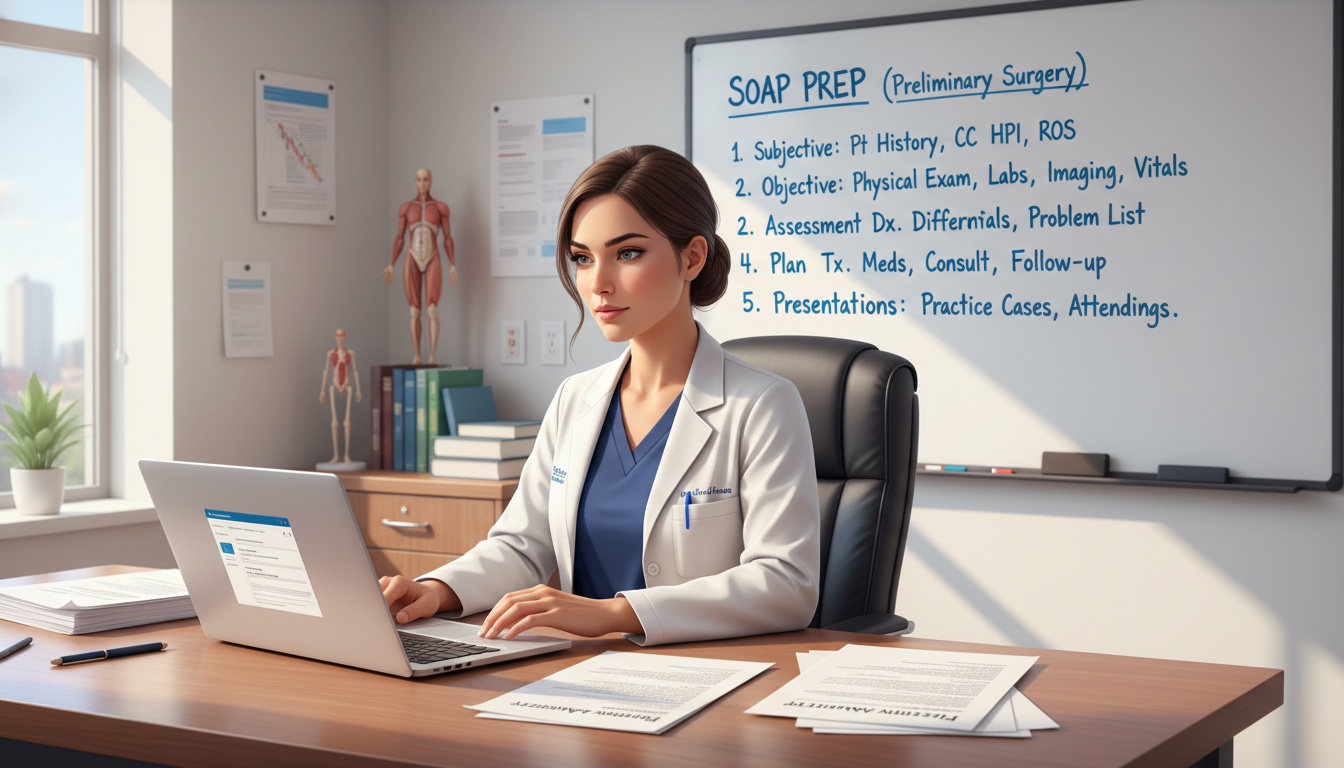
If you are a US citizen IMG or an American studying abroad and you don’t match in the main NRMP cycle, the Supplemental Offer and Acceptance Program (SOAP) becomes your critical second chance—especially in a competitive and rapidly evolving field like psychiatry. Effective SOAP preparation can be the difference between walking away with a psychiatry residency position or going unmatched for the year.
This guide focuses specifically on SOAP preparation for US citizen IMGs targeting psychiatry residency. We’ll cover what SOAP is, how the psych match landscape looks for IMGs, and a detailed step-by-step strategy to prepare, respond, and maximize your chances.
1. What Is SOAP and Why It Matters for Psychiatry
1.1 SOAP basics: What is SOAP?
SOAP (Supplemental Offer and Acceptance Program) is the formal, structured process run by NRMP during Match Week to fill unfilled residency positions with unmatched or partially matched applicants.
Key points:
- Eligibility: You must be:
- Registered for the Match,
- Unmatched or partially matched, and
- Verified as SOAP-eligible in NRMP and ERAS.
- Timing: SOAP runs during Match Week (Monday–Thursday). It involves:
- A list of unfilled positions released Monday.
- Several offer rounds where programs send offers to selected applicants.
- You either accept or reject within a short time window.
Understanding what SOAP is is essential, but for a US citizen IMG interested in psychiatry, the real edge comes from proactive SOAP preparation before Match Week.
1.2 Psychiatry and the US citizen IMG: Why SOAP is particularly important
Psychiatry has become more competitive, but it remains relatively IMG-friendly compared to some other specialties. For a US citizen IMG or an American studying abroad, psychiatry residency is often an excellent fit—especially if you can demonstrate:
- Strong communication skills,
- Consistent interest in mental health,
- Longitudinal psychiatry exposure (rotations, electives, research).
However, even competitive applicants may go unmatched due to:
- Limited number of psych spots compared with rising interest,
- Overly narrow rank lists,
- Late Step 2 scores, red flags, or gaps.
This is where psych match + SOAP strategy becomes essential. Many programs still have psychiatry vacancies after the main match (often in community-based, new, or expanding programs). Being prepared to enter SOAP strategically can keep you in your chosen specialty.
1.3 US citizen IMG advantages and challenges in SOAP
As a US citizen IMG in SOAP:
Advantages:
- No visa sponsorship required:
This is huge. Many programs prefer US citizens or green card holders during SOAP because there’s no time for last-minute visa logistics. - Cultural and language familiarity:
Can be beneficial in psych where nuanced communication and cultural context matter. - Often more flexible geographically:
American studying abroad may be more open to relocating than some US MDs.
Challenges:
- Stigma around “IMG” label, even for US citizens.
- Variability in clinical exposure quality and letters of recommendation (LORs).
- Limited time to explain your training background in SOAP interviews.
Preparing early to showcase your strengths and neutralize these challenges is critical.
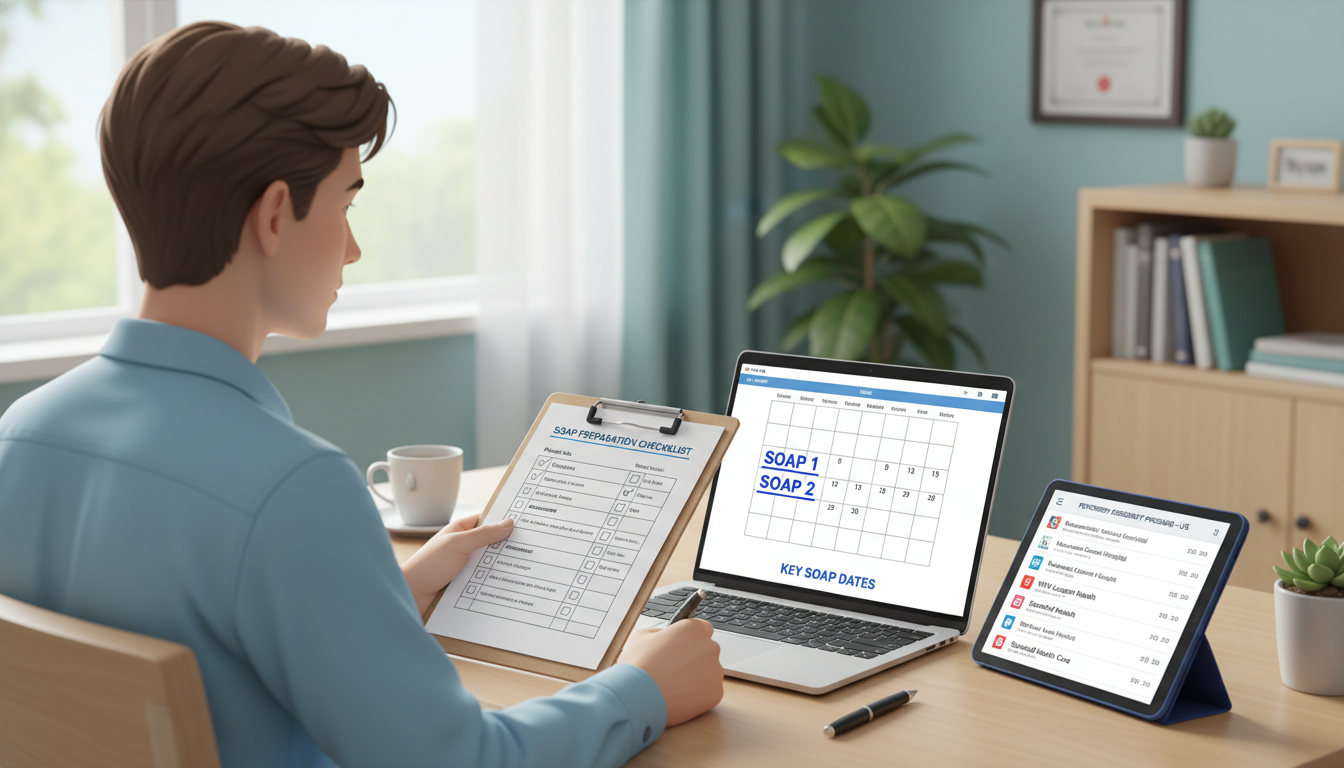
2. Pre-Match SOAP Preparation: What to Do Before Match Week
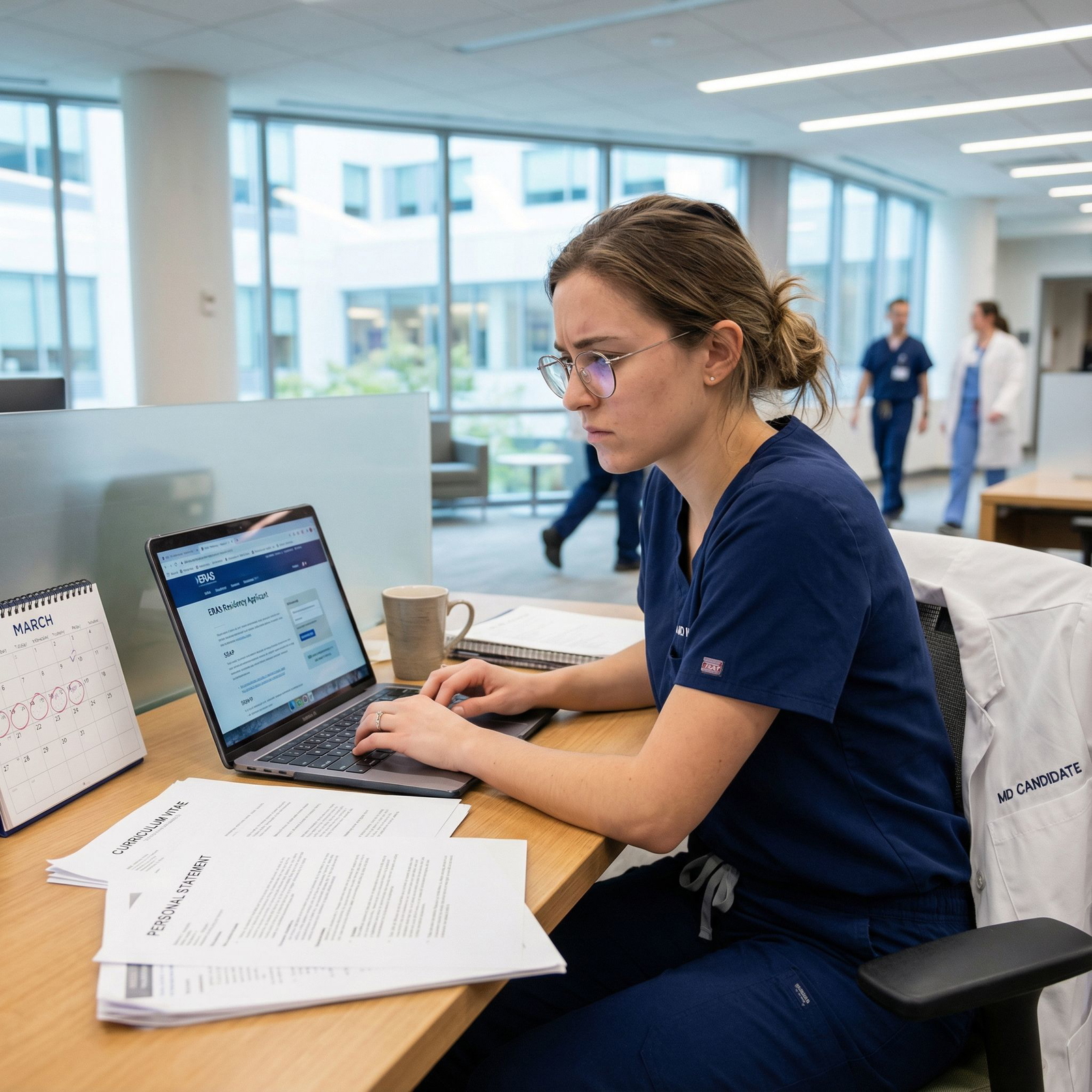
The biggest mistake applicants make is waiting until after the “You are unmatched” email to think about SOAP. Effective SOAP preparation for psychiatry residency should begin months before Match Week.
2.1 Academic and licensing readiness
USMLE/COMLEX scores ready:
- Step 2 CK completed and reported before Rank Order List deadline if possible.
- For psych, stronger performance in psychiatry-relevant domains (behavioral science, ethics) can help, but in SOAP, just having scores in hand is key.
ECFMG status for IMGs:
- Ensure your ECFMG certification (or eligibility) is clear and up to date.
- Upload any missing documents (MSPE, transcript, diploma if available) well before Match Week.
Address red flags early:
- Failed exams, gaps, or leaves of absence should already be explained in your personal statement or ERAS experiences.
- Prepare a concise, non-defensive way to discuss them in SOAP interviews.
2.2 ERAS optimization tailored for SOAP and psychiatry
Your ERAS application is the core of your SOAP strategy. Programs reviewing applications in SOAP have very little time; clarity and targeting are essential.
Key components to pre-optimize:
Psychiatry-focused Personal Statement (PS):
- Have at least one strong, psychiatry-specific PS ready before Match Week.
- Focus on:
- Why psychiatry (clear and genuine motivation),
- Evidence of sustained interest (rotations, electives, research, advocacy),
- Insight into communication skills, empathy, professionalism.
- Keep it under one page, direct and readable.
Tip: Draft a secondary PS (more generalist or slightly adaptable) in case you need to SOAP into another specialty or a transitional year as a backup.
Experiences section:
- Highlight psychiatry-related experiences early in the list:
- Psychiatry clerkships (especially US clinical rotations),
- Community mental health volunteering,
- Research in behavioral health, addiction, neuropsychiatry, etc.
- Use concrete outcomes:
- “Managed a panel of patients with depression and anxiety under supervision.”
- “Interviewed 10–15 patients per week in outpatient psychiatry clinic.”
- Highlight psychiatry-related experiences early in the list:
Letters of Recommendation (LORs):
- Aim for 2–3 psychiatry LORs, ideally from:
- US-based psychiatrists,
- Faculty who directly supervised you,
- Rotations at target programs or similar settings.
- Have letters uploaded well before Match Week; you cannot ask for new LORs during SOAP.
- Aim for 2–3 psychiatry LORs, ideally from:
Photo, CV, and demographics:
- Keep everything professional, updated, and free of errors.
- Ensure your contact info is easy to see: programs may call suddenly during SOAP.
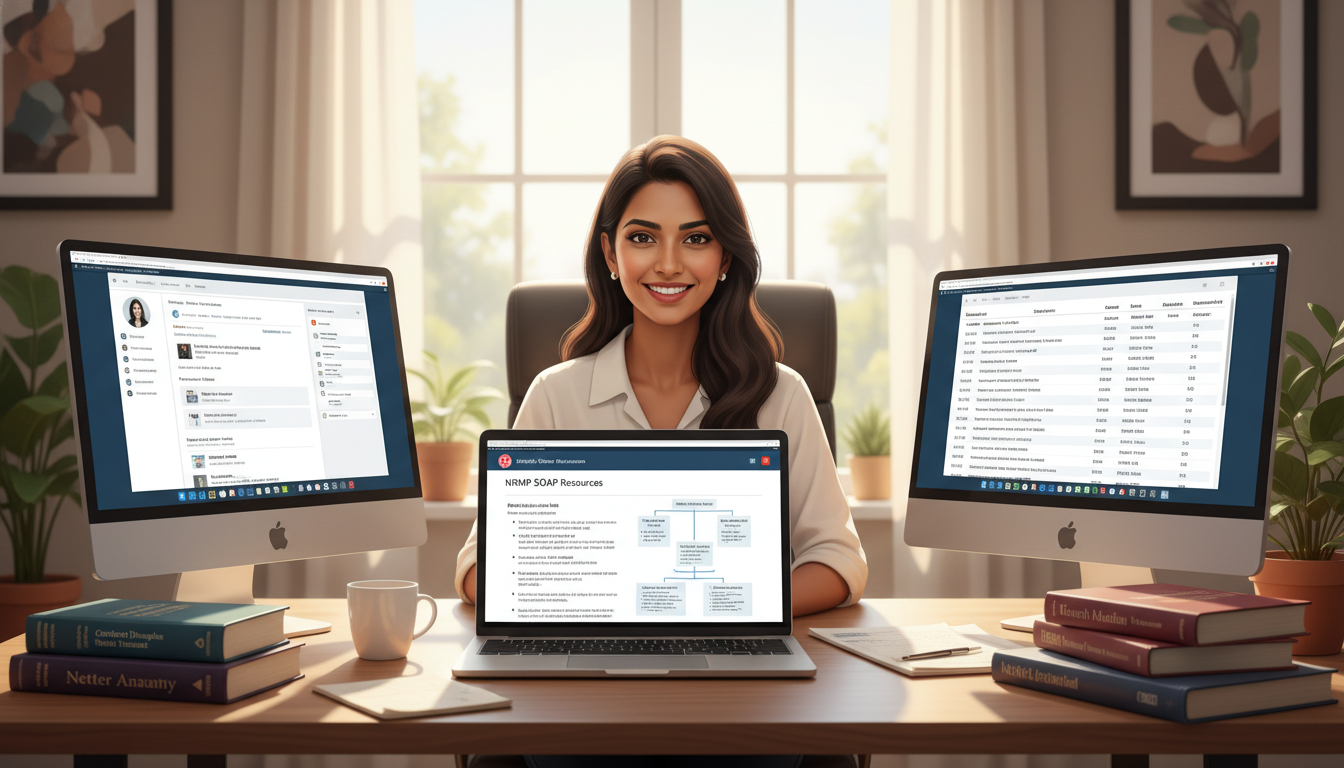
2.3 Building a preliminary SOAP program strategy
Weeks to months before Match:
Research psychiatry programs historically open in SOAP:
- Review prior years’ SOAP data (where available from forums, mentors, or institutional advisors).
- Identify:
- Community programs,
- New or expanding psychiatry residencies,
- Programs with IMG-friendly track records.
Create a target list:
- Divide into:
- High-priority psych programs (more IMG-friendly),
- Moderate-chance psych programs,
- Backup options (prelim medicine, transitional year, family medicine, etc., if you’re open to a non-psych alternative).
- Divide into:
Know your non-negotiables vs. flexibles:
- Non-negotiable:
- Visa (already easier for you as a US citizen IMG),
- Serious personal/family constraints.
- Flexible:
- Geographic region,
- Size of program,
- Academic vs. community setting.
- Non-negotiable:
During SOAP, you have limited applications you can send; this advance planning is invaluable.
3. Match Week: Executing a High-Yield Psychiatry SOAP Strategy
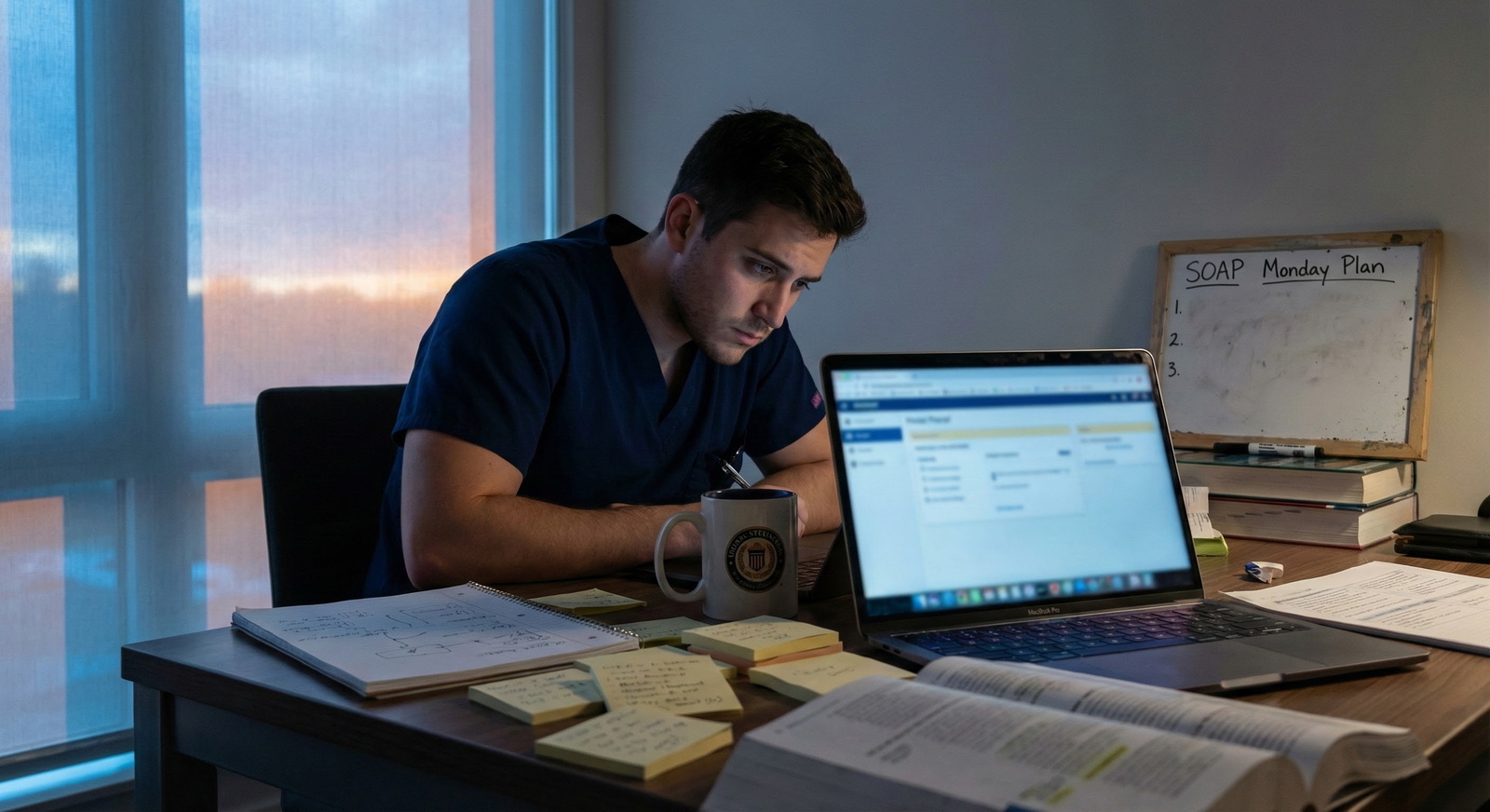
3.1 Monday morning: From unmatched to action plan
When the NRMP status email arrives:
- If unmatched or partially matched, verify:
- Your SOAP eligibility on NRMP.
- Your ERAS access for SOAP.
Then:
Calmly assess your situation:
- Specialty of original applications,
- Competitiveness of your profile (scores, attempts, gaps, LORs),
- Realistic chances in psychiatry during SOAP.
Review the List of Unfilled Programs:
- Filter by:
- Specialty = Psychiatry,
- State/region (if relevant),
- Academic vs. community (if you care).
- Look for:
- Programs openly listing “ECFMG certification required” (you’ll meet this or be close if you’re SOAP-eligible),
- Programs known to accept US citizen IMGs.
- Filter by:
3.2 Finalizing your program list for SOAP
ERAS allows a finite number of SOAP applications (commonly 45). Use them wisely.
Priority tiers for a US citizen IMG targeting psychiatry:
Tier 1 – Psychiatry programs:
- Allocate the majority of your applications here if there are enough psych positions.
- Include:
- Programs with historical IMG intake,
- Locations where you have ties or prior rotations.
Tier 2 – Closely related or backup specialties (if you choose to use them):
- Transitional year (TY) spots,
- Preliminary internal medicine or surgery (if you’re willing to re-apply to psych later),
- Family medicine or internal medicine categorical, for applicants who are open to a parallel career path.
Tier 3 – Safety/contingency:
- Programs in less desired locations or settings but still acceptable if psych positions are scarce.
Key principle:
If you are truly committed to psychiatry, prioritize psych match opportunities as heavily as possible, but do not ignore the reality of the number of available positions and your own competitiveness.
3.3 Tailoring your application during SOAP
You cannot rewrite your whole ERAS, but strategic adjustments are possible:
Personal Statement:
- You can assign different PS versions to different programs.
- For every psychiatry program, assign your strongest psych-focused PS.
- For backup specialties, assign your more general or specialty-specific alternative PS.
Program signaling (informal):
- If permissible and appropriate, some applicants send a brief, professional email to program coordinators:
- Reiterating interest,
- Highlighting psych-related strengths,
- Confirming readiness to interview quickly.
- Keep it short (5–7 sentences) and focused; not all programs read these, but some do.
- If permissible and appropriate, some applicants send a brief, professional email to program coordinators:

4. Psychiatry SOAP Interviews: Presenting Yourself Effectively
Many SOAP interviews happen very quickly—sometimes the same day a program receives your application. They may be by phone or video, often 15–30 minutes. Preparation is crucial.
4.1 Common psychiatry SOAP interview themes
As a US citizen IMG in the psych SOAP context, be prepared to address:
Why psychiatry, specifically?
- Have a clear, concise narrative:
- A defining clinical experience,
- Consistent academic/volunteer interest,
- Personal motivation for mental health work.
- Avoid sounding like you “fell into” psychiatry because you did not match elsewhere.
- Have a clear, concise narrative:
Why this program?
- Quickly scan:
- Program website,
- Mission statement,
- Patient population served (e.g., underserved, urban, rural).
- Respond with:
- “I am drawn to your focus on…,”
- “My experience with [X population] fits your program’s strengths in…”
- Quickly scan:
Why were you unmatched?
- Be honest and brief, without sounding defeated:
- Overly competitive rank list,
- Late Step 2 CK,
- Limited number of applications,
- No home psych program for strong letters, etc.
- Then pivot to growth:
- “I’ve used the past months to strengthen [clinical skills/US exposure/research].”
- Be honest and brief, without sounding defeated:
US citizen IMG background:
- Address:
- Why you chose to study abroad,
- The strengths of your medical education,
- How you’ve adapted to US healthcare during rotations.
- Emphasize being fully eligible to work with no visa needs.
- Address:
Psychiatry fit and resilience:
- Expect questions about:
- Handling emotionally heavy cases,
- Managing boundaries,
- Dealing with burnout or stress.
- Use concrete examples demonstrating maturity, empathy, and professional behavior.
- Expect questions about:
4.2 Answer structure to stay clear and impactful
Use a simple structure such as “Past–Present–Future” for major questions:
- Past: Briefly describe the relevant context or experience.
- Present: Show what you learned or how it shaped your current goals.
- Future: Connect this directly to what you’ll bring to their program.
Example for “Why psychiatry?”:
- Past: “During my third-year psychiatry rotation, I worked with a patient with severe depression whose functioning dramatically improved over several weeks.”
- Present: “That experience showed me how therapeutic relationships and careful medication management can transform lives.”
- Future: “I want to contribute to that kind of change, especially for underserved communities like those your program serves.”
4.3 Practical interview preparation checklist
Before SOAP week:
- Prepare and rehearse:
- A 60-second “Tell me about yourself”,
- A 60–90 second “Why psychiatry?” answer,
- A 60–90 second “Why were you unmatched?” response.
- Practice 1–2 mock interviews focused on:
- Telecommunication etiquette (eye contact, audio quality),
- Managing time and staying concise.
During SOAP week:
- Keep your phone and email accessible at all times.
- Maintain a quiet, professional environment ready for sudden interviews:
- Neutral background,
- Business-casual or professional attire.
- Keep materials at hand:
- ERAS printed or open on a screen,
- Brief bullet notes about your key stories and strengths,
- Calendar to note interview times and offers.
5. Offer Rounds, Acceptance Decisions, and Parallel Plans
5.1 Understanding SOAP offer rounds (psych match context)
Programs review applications, conduct rapid interviews, and then submit preference lists. During each SOAP round:
- Programs send offers electronically through NRMP.
- You may receive:
- Multiple offers,
- A single offer,
- Or no offers in that round.
- You must respond within the specified time window (often 2 hours) or the offer expires.
For psychiatry, offer rounds can be highly competitive; some programs fill quickly, others remain open across multiple rounds.
5.2 Deciding whether to accept a psychiatry SOAP offer
If you receive a psychiatry residency offer, most of the time the decision is straightforward—if you genuinely want to be a psychiatrist, it is generally wise to accept.
Key questions:
- Is this a categorical psychiatry position (PGY-1 through PGY-4)?
- Are there any critical deal-breakers (e.g., personal safety, serious accreditation concerns)?
- Are you realistically likely to receive a “better” opportunity in later rounds?
Because SOAP is time-limited and unpredictable, turning down a psychiatry SOAP offer is risky unless you have a strong, strategic reason.
5.3 Weighing backup offers (TY, prelim, or another specialty)
If you don’t receive psychiatry offers but get:
Transitional Year or preliminary medicine offers:
- Pros:
- Keeps you clinically active in the US,
- Allows reapplication to psych from a stronger position.
- Cons:
- No guaranteed continuation to a categorical spot,
- Added stress to re-apply.
- Pros:
Categorical non-psych specialty offers (e.g., family medicine):
- Pros:
- Full, secure residency path,
- Satisfying careers in many areas.
- Cons:
- Harder to pivot to psychiatry later.
- Pros:
Your decision should reflect:
- Your conviction about becoming a psychiatrist,
- Your tolerance for re-applying and uncertainty,
- Financial and personal constraints.
For many US citizen IMGs whose primary goal is psychiatry, it can be reasonable to prioritize psych SOAP positions and strongly consider TY/prelim if psych spots are truly exhausted.
6. If You Don’t Match in SOAP: Next Steps for a Future Psychiatry Application
Even with meticulous SOAP preparation, some applicants will remain unmatched. That doesn’t end your prospects of becoming a psychiatrist.
6.1 Honest self-assessment
After SOAP:
- Review:
- Feedback from any interviewers (if offered),
- Your score profile,
- Number of programs you applied to,
- Timing of your exams and application submission.
- Identify:
- One or two major systemic issues (e.g., late Step 2, no US psych rotations, gaps),
- Smaller, “fixable” elements (e.g., PS quality, interview skills).
6.2 Strengthening your application for next cycle
Some high-yield ways to improve your psych match prospects:
US clinical experience in psychiatry:
- Secure observerships or, ideally, hands-on electives.
- Focus on community programs, VA systems, county hospitals.
- Pursue new psychiatry LORs from US faculty.
Research and scholarly work:
- Engage in psychiatry-related research, QI projects, or case reports.
- Even small projects can show sustained commitment.
Work in mental health-related roles:
- Case management, crisis hotlines, mental health tech positions, etc.
- These roles must respect your visa/employment status if applicable (less an issue for US citizen IMGs).
Improve interview skills:
- Work with advisors or mentors on mock interviews,
- Address communication style, body language, concise storytelling.
Strategic application planning:
- Broaden your program list,
- Include more community and newer programs,
- Apply early and comprehensively next cycle.
FAQs: SOAP Preparation for US Citizen IMGs in Psychiatry
1. As a US citizen IMG, do I have a real chance to get psychiatry through SOAP?
Yes. While psychiatry is increasingly competitive, US citizen IMGs often have an advantage during SOAP because they don’t need visa sponsorship and can start quickly. Many community and new psychiatry programs continue to consider US citizen IMGs seriously in SOAP, especially those with US clinical experience and strong psych-focused letters.
2. Should I apply only to psychiatry programs in SOAP, or also to backup specialties?
It depends on the number of available psychiatry spots and your competitiveness. If there are many psych openings and your profile is reasonable for community programs (solid scores, no major red flags, some US psych exposure), you might focus most or all of your ERAS SOAP slots on psychiatry. If psych positions are few or your application has significant weaknesses, it’s wise to allocate some applications to transitional year, prelim medicine, or another acceptable backup. Your decision should honestly reflect how strongly you prioritize psychiatry versus securing any residency position this year.
3. How can I best explain being unmatched in a SOAP psychiatry interview?
Be concise, honest, and forward-looking. For example:
“I applied primarily to highly competitive programs and limited the number of applications. While I received interviews, my rank list was too narrow and I unfortunately did not match. Since then, I’ve focused on improving my clinical skills in psychiatry and clarifying what I’m looking for in a program. I’m confident I will be a strong, committed resident, and I’m very interested in your program because…”
Avoid blaming others or going into excessive detail; instead, emphasize growth and readiness.
4. What is SOAP preparation I should complete at least 1–2 months before Match Week?
At minimum, you should:
- Ensure all USMLE scores and ECFMG documentation are complete and uploaded.
- Finalize a psychiatry-specific personal statement and, if needed, a backup PS.
- Secure and upload 2–3 strong psychiatry LORs, ideally from US faculty.
- Review and polish your ERAS experiences with a clear psych focus.
- Build a preliminary list of IMG-friendly psychiatry programs and realistic backups.
- Arrange your schedule so you’re fully available during Match Week for rapid interviews and decisions.
Preparing these elements in advance maximizes your chances of success in the psych match through SOAP and reduces stress during an already intense week.