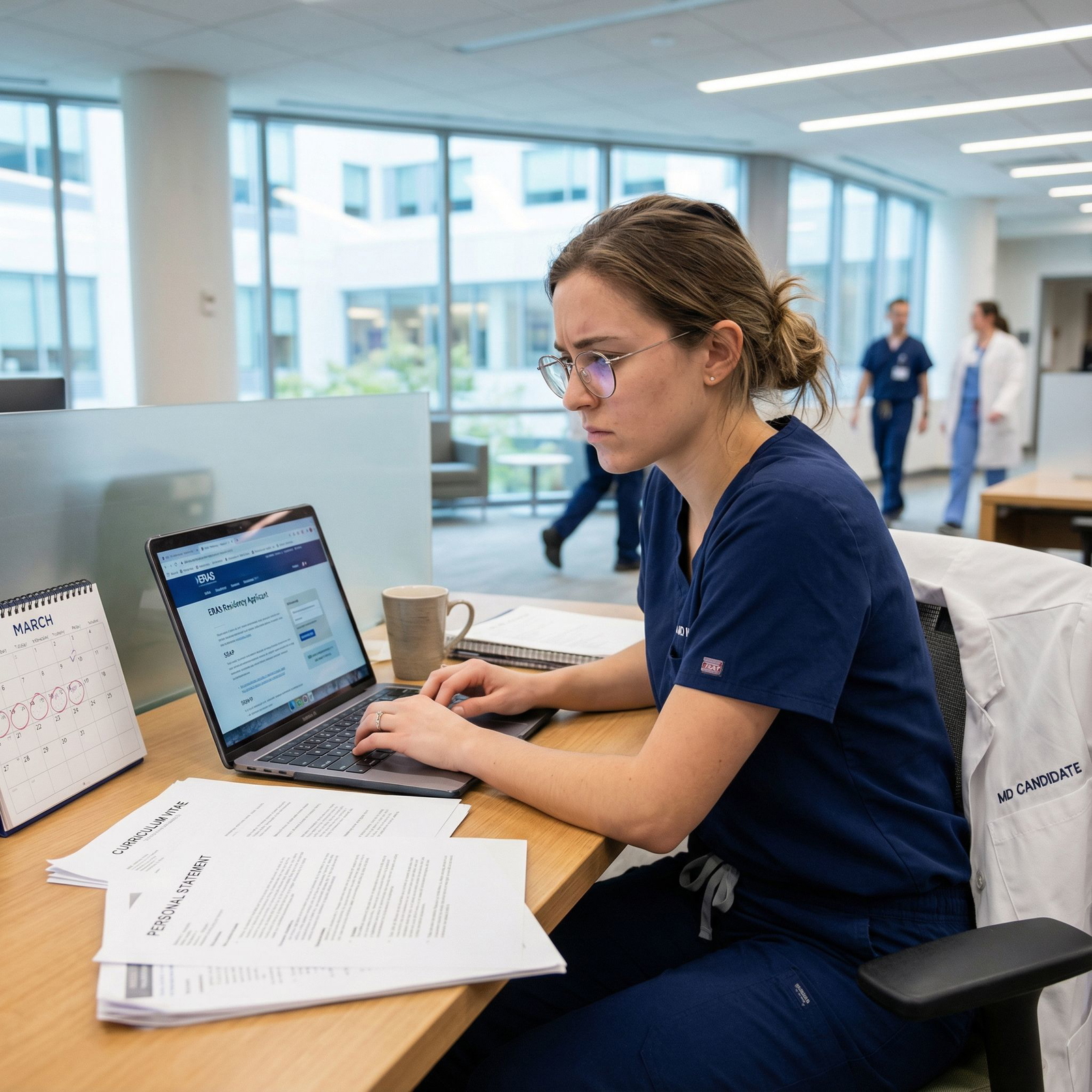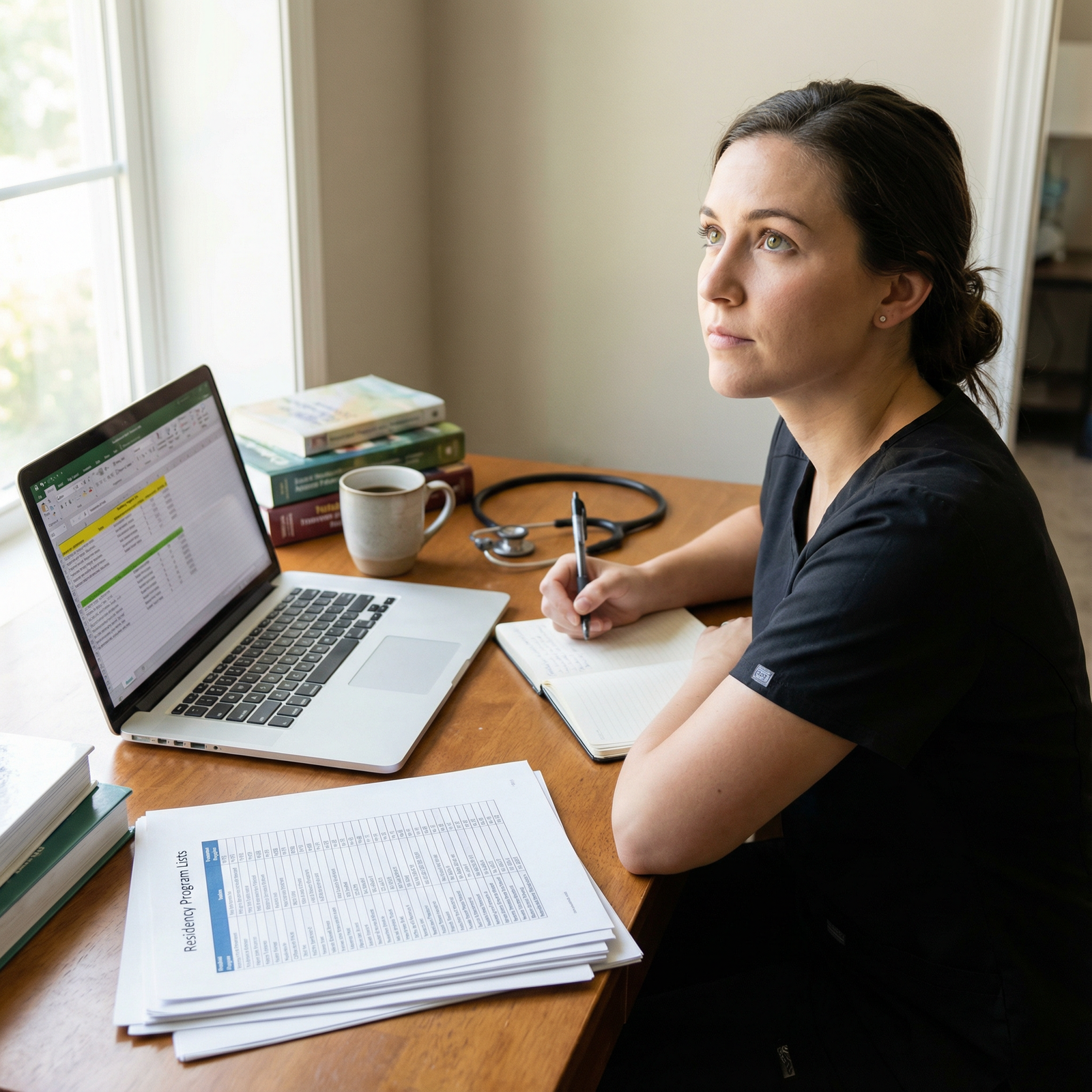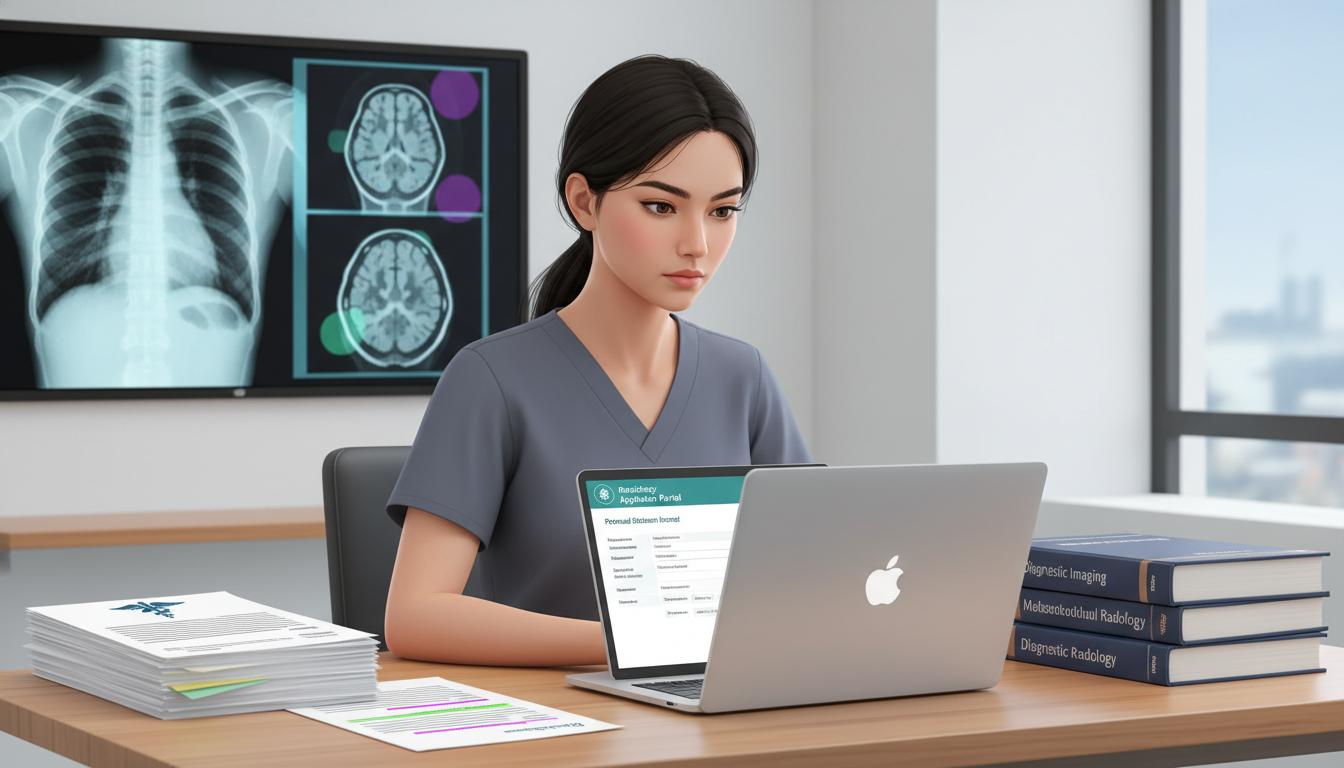
Preparing for the Supplemental Offer and Acceptance Program (SOAP) as an MD graduate targeting Diagnostic Radiology requires a blend of strategy, realism, and speed. Even applicants from an allopathic medical school with strong records can find themselves in SOAP for competitive specialties like radiology. The key is not to panic, but to prepare in advance so you can execute a clear plan if you don’t initially match.
Below is a comprehensive, stepwise guide to SOAP preparation for an MD graduate aiming for a Diagnostic Radiology residency, with emphasis on tactical planning, risk management, and practical actions you can take now.
Understanding SOAP in the Context of Diagnostic Radiology
Before planning, you need a precise understanding of what is SOAP, how it works, and how it fits into the allopathic medical school match landscape for Diagnostic Radiology.
What Is SOAP?
The Supplemental Offer and Acceptance Program (SOAP) is the structured, time-limited process that allows eligible unmatched or partially matched applicants to apply for and receive offers for unfilled residency positions during Match Week.
Key elements:
Eligibility: You can participate if:
- You are an NRMP-registered applicant for that Match cycle,
- You are unmatched or partially matched at the start of Match Week,
- You are certified by ECFMG (if IMG) and meet all NRMP requirements.
- As an MD graduate from a U.S. allopathic medical school, you are usually automatically recognized as SOAP-eligible if you went through the NRMP main Match.
Structure:
- Monday of Match Week: You learn your match status (matched / partially matched / unmatched).
- If eligible for SOAP, you gain access to the list of unfilled programs.
- There are several application and offer “rounds” over a few days where you:
- Submit up to a fixed number of applications (typically 45) to unfilled programs.
- May receive offers in sequential rounds.
- Accept or reject offers under strict timelines.
No direct contacting: During SOAP, applicants cannot directly contact programs via phone or email unless the program initiates contact or NRMP rules explicitly allow certain communication. Violating this can jeopardize your eligibility.
Where Does Diagnostic Radiology Fit?
Diagnostic Radiology is a competitive field with:
- High Step 2 scores typically among matched applicants
- Strong emphasis on academic performance and letters of recommendation
- Limited number of categorical or advanced positions relative to applicant interest
Consequences for SOAP:
- The diagnostic radiology match rarely leaves many (or any) unfilled positions at more competitive programs.
- The number of radiology residency positions in SOAP can be very small and highly sought after.
- You must be strategic and realistic: preparing for SOAP in radiology often means:
- Being ready to apply to:
- Diagnostic Radiology positions if any are available,
- Transitional Year (TY) or Preliminary Medicine/Preliminary Surgery positions,
- Possibly alternative fields aligned with your long-term radiology goals (e.g., Internal Medicine with later fellowship in imaging-heavy subspecialties).
- Being ready to apply to:
Understanding this landscape early helps you avoid scrambling on Monday of Match Week.
Pre-Match Strategic Planning: Mitigating Risk Before SOAP
The most powerful SOAP preparation actually starts before Match Week. As an MD graduate aiming for Diagnostic Radiology, you should have a risk-management plan in place.
1. Honest Risk Assessment of Your Application
Start by evaluating your profile relative to typical matched Diagnostic Radiology applicants:
Key factors:
- USMLE/COMLEX score profile:
- Step 2 CK (and Step 1 if still numeric for your cohort)
- Any failures or attempts
- Medical school performance:
- Class rank, AOA (if applicable), honors in core clerkships, especially medicine and surgery
- Radiology-specific elements:
- Radiology electives or sub-internships
- Radiology research, posters, or publications
- Letters of recommendation from radiologists
- Additional risk factors:
- Gaps in training
- Disciplinary actions
- Late career change into radiology with limited radiology exposure
If multiple risk factors are present, you should plan for a high probability of SOAP or no match, even as an MD graduate.
2. Building a Parallel Plan: If You Don’t Match
Ask yourself now, before Rank List certification:
- If I don’t match into a radiology residency this cycle, what is my preferred backup pathway?
- SOAP into Diagnostic Radiology if positions exist
- SOAP into a preliminary or transitional year (to strengthen candidacy and reapply)
- SOAP into another specialty that you’d realistically be okay practicing in long-term (e.g., Internal Medicine, Family Medicine)
You do not have to abandon your Diagnostic Radiology aspirations, but you must define:
- Plan A in SOAP: Try for any available Diagnostic Radiology programs plus strong prelim/TY options.
- Plan B in SOAP: If no radiology spots or if you get no radiology interviews, aim for a solid prelim year or alternative categorical specialty.
- Plan C post-SOAP: If still unmatched, steps for the next 12 months (research year, observerships, new exams, etc.).
Having this pre-written decision tree will save precious time and emotional bandwidth during SOAP.
3. Tailoring Documents for SOAP Before Match Week
You cannot write everything from scratch in the middle of SOAP. Prepare multiple versions of your documents in advance:
CV:
- Keep one master academic CV updated and formatted clearly.
- Emphasize radiology-related experiences but also show strong general clinical skills.
Personal Statements: Prepare at least three versions:
- Diagnostic Radiology-focused statement
- Strongly emphasize:
- Your motivation for radiology
- Experience in imaging, shadowing, research
- Pattern-recognition, problem-solving, and teamwork skills
- Strongly emphasize:
- Preliminary/Transitional Year statement
- Highlight:
- Strong clinical foundation
- Willingness to shoulder heavy inpatient workloads
- Desire to develop broad clinical skills before specialization
- You can subtly mention long-term interest in radiology, but do not appear “temporary” or disinterested in the prelim/TY itself.
- Highlight:
- Alternative Specialty statement (if applicable)
- For example, Internal Medicine:
- Explain genuine interest in longitudinal care, hospital-based medicine, or subspecialties like cardiology or pulmonary/critical care.
- For example, Internal Medicine:
- Diagnostic Radiology-focused statement
Letters of Recommendation (LoRs):
- Ideally secure:
- 2–3 letters from radiologists,
- 1–2 letters from strong clinical attendings (medicine/surgery).
- During SOAP, you may choose which letters to assign to each application (e.g., more clinical letters for prelim programs).
- Ideally secure:
Saving all documents in clearly labeled folders will allow rapid deployment.

SOAP Week Operational Plan for the MD Radiology Applicant
When Match Week starts, emotions run high. For the MD graduate, especially from an allopathic medical school, the shock of not matching into Diagnostic Radiology can be intense. A structured operational plan helps you shift quickly from disappointment to action.
1. Monday Morning: Confirming Status and Regaining Composure
- Check your status on NRMP/ERAS as soon as it’s available.
- If unmatched or partially matched and SOAP-eligible, remind yourself:
- You still have options.
- Many successful physicians have used SOAP or similar routes.
Quickly move from shock to problem-solving:
- Take 30–60 minutes to process emotionally.
- Contact a mentor, Student Affairs Dean, or advisor who knows your file.
- Schedule a brief virtual meeting with them later that day.
2. Reviewing the List of Unfilled Positions
As soon as the list of unfilled programs becomes available:
- Identify:
- Any unfilled Diagnostic Radiology positions (categorical or advanced).
- Relevant Transitional Year and Preliminary Medicine/Surgery positions.
- Reasonable alternative categorical specialties if aligned with your backup plan.
Categorize programs into tiers:
Tier 1: Radiology Positions
- Any Diagnostic Radiology vacancies that accept your applicant profile (U.S. MD, Step scores in acceptable range, no red flags that program specifically excludes).
- Even if they’re less well-known or in less desirable geographic locations, if radiology is your priority, you should consider them strongly.
Tier 2: Strong Transitional Year / Preliminary Programs
- University-affiliated or academically oriented programs.
- Places with prior residents matching into Diagnostic Radiology, Anesthesiology, etc.
- Programs with good teaching, reasonable workload, and supportive environment.
Tier 3: Alternative Specialty Categorical Programs
- Internal Medicine, Family Medicine, Pediatrics, etc., if part of your Plan B.
- Consider geographic fit, visa issues (if applicable), and realistic career satisfaction.
3. Allocating Your SOAP Applications Strategically
You typically have a limited number of SOAP applications (e.g., 45). For an MD graduate focused on Diagnostic Radiology, a reasonable structure might be:
If there are radiology openings:
- 5–15 applications to all available Diagnostic Radiology spots for which you are eligible.
- 15–25 applications to competitive Transitional Year and Preliminary Medicine programs.
- Remaining to backup categorical specialties (if in your Plan B).
If there are no radiology openings:
- Focus more heavily on strong Transitional Year/Preliminary spots.
- Decide how many categorical backup specialty applications to send based on your willingness to re-apply to radiology in the future.
Remember:
- Applying mostly to prelim/TY spots keeps the door open to re-enter the Diagnostic Radiology match later.
- Applying to categorical alternative specialties signals that you might pivot into a different career path.
4. Tailoring Your Documents During SOAP
You must quickly align documents with each program type:
For Diagnostic Radiology positions:
- Use your radiology-focused personal statement.
- Attach at least 2 radiology LoRs plus 1 strong clinical LoR.
- Ensure your ERAS experiences highlight imaging, research, and analytical skills.
For Transitional/Prelim Medicine positions:
- Use the prelim/TY personal statement focused on clinical excellence.
- Emphasize:
- Inpatient medicine rotations
- Teamwork and resilience
- Procedural or cross-cover experience
- LoRs: prioritize strong internal medicine or surgery letters, with 1 radiology LoR if it speaks to your work ethic and clinical reasoning (not only niche imaging interests).
For Categorical backup specialties:
- Use the appropriate specialty PS.
- Prioritize letters from that specialty or from core clerkship attendings.
Batch-assigning documents in ERAS saves time, but double-check each program’s document set before finalizing.
Maximizing Your Competitiveness During SOAP
SOAP moves quickly and is more compressed than the regular allopathic medical school match. You need to differentiate yourself efficiently.
1. Anticipating Program Concerns
From a program’s perspective, concerns about an unmatched radiology applicant often include:
- “Why didn’t this applicant match the first time?”
- “Are there major red flags (exam failures, professionalism issues, poor evaluations)?”
- “Will this person actually be committed to our program and specialty, or will they try to leave?”
Prepare to address these proactively:
Be honest but constructive:
- If your Step 2 score is modest, acknowledge it but highlight improved clinical performance and strong evaluations.
- If you applied only to very competitive radiology programs or limited locations, you can explain this as over-optimism that you’ve now corrected by broadening your scope.
Stress commitment and resilience:
- Emphasize that not matching has made you reassess and refine your goals, not abandon them.
- Communicate your readiness to fully invest in whichever opportunity you receive via SOAP.
2. Rapid Interview Preparation
Some programs may conduct brief SOAP interviews via phone or video:
Prepare concise talking points:
- Why this program and location?
- What you learned from your pre-SOAP application cycle.
- Your strengths as a team member and resident.
- Your long-term career vision (for radiology positions, clearly articulate why you’re committed to imaging).
Have examples ready:
- Times you handled high workload or stress during rotations.
- Interprofessional teamwork experiences.
- Situations where you admitted a mistake and improved.
Practice 30–90-second responses:
- Interviewers during SOAP are short on time. Get to the point with clear, evidence-based answers grounded in your experience.
3. Professionalism and Responsiveness
During SOAP:
- Keep your phone nearby and charged; missed calls can mean missed opportunities.
- Respond promptly and professionally to any program messages.
- Maintain strict adherence to NRMP rules:
- Do not initiate prohibited contact.
- Don’t ask programs to rank you or make promises outside the official offer system.
- Don’t accept more than one SOAP position or violate acceptance rules.
Your behavior during this intense week is part of your professional reputation.

After SOAP: Outcomes, Next Steps, and Long-Term Radiology Strategy
By the end of SOAP, you will be in one of three main situations. Each allows a path forward toward your Diagnostic Radiology goals, though the routes differ.
1. Scenario 1: SOAP Match into Diagnostic Radiology
If you secure a radiology residency through SOAP:
Celebrate — you achieved your core goal.
Clarify program logistics:
- Confirm if it’s categorical (PGY-1 included) or advanced (PGY-2 start).
- If advanced:
- Ensure you also have or obtain a PGY-1 year (from main match or SOAP) that satisfies ACGME requirements.
Start preparing early:
- Strengthen your foundational clinical skills before residency.
- Review high-yield radiology basics (e.g., chest X-ray interpretation, basic CT/MRI sequences).
- Connect with upper-level residents or faculty at your new program.
2. Scenario 2: SOAP Match into Transitional or Preliminary Year
If you match into a Transitional Year or Preliminary Medicine/Surgery position:
This is a valuable opportunity:
Use your PGY-1 year to:
- Shine clinically: strong evaluations and reputation matter for a future Diagnostic Radiology match.
- Build relationships with radiology departments at your hospital or nearby institutions.
- Engage in radiology-related research, QI projects, or teaching.
- Update your CV with new achievements.
Plan your re-application strategy:
- Discuss with mentors when to re-apply for Diagnostic Radiology:
- Typically during your PGY-1 year for entry into Diagnostic Radiology as a PGY-2 or PGY-3 (depending on program).
- Gather fresh LoRs highlighting:
- Clinical performance
- Professionalism
- Clear radiology potential
- Discuss with mentors when to re-apply for Diagnostic Radiology:
Even if you originally entered SOAP disappointed, a strong prelim or TY year can significantly increase your competitiveness in the next diagnostic radiology match.
3. Scenario 3: Not Matched After SOAP
If you exit SOAP still unmatched, you still have options, but they require clear planning and resilience.
Key immediate steps:
Meet with:
- Your medical school’s Student Affairs or Residency Advisor
- A trusted faculty mentor (ideally from radiology, plus one from a core clinical department)
Conduct a gap analysis:
- Did programs mention specific weaknesses (scores, interviews, lack of radiology experience)?
- Was your application too narrow (too few programs or geographic locations)?
- Are there professionalism or communication skills you need to improve?
Possible next-year strategies:
Pursue a research year in radiology or related fields:
- Join a lab or imaging group.
- Aim for posters, abstracts, and publications.
- Attend radiology conferences for networking.
Engage in clinical or teaching roles:
- Clinical research coordinator, teaching assistant for anatomy/imaging, etc.
- Anything that keeps you close to clinical or imaging work.
Update exams or credentials:
- If scores were a concern and you still have exams you can take (e.g., Step 3), consider strong performance there as a positive signal (only if timing and risk make sense).
Plan a more diversified rank list next cycle:
- Include a broader range of Diagnostic Radiology programs.
- Strong consideration of backup prelim/TY and alternative specialties if you want to keep radiology as a long-term but not guaranteed goal.
Practical Tips and Common Pitfalls for MD Graduates in SOAP
Practical Tips
Start SOAP preparation early
- By December or January, assume SOAP is possible, and create your alternative personal statements and CV drafts.
Leverage your MD background
- As an MD graduate from an allopathic medical school, highlight:
- Strong clinical training
- Early responsibility in patient care
- Faculty who know you well and can provide robust letters
- As an MD graduate from an allopathic medical school, highlight:
Use your school’s SOAP resources
- Many schools:
- Run SOAP prep workshops
- Offer mock SOAP interviews
- Provide one-on-one advising during Match Week
- Many schools:
Stay organized
- Keep a spreadsheet during SOAP:
- Programs applied to
- Specialty and type (DR, TY, prelim, etc.)
- Documents assigned
- Notes on any contacts or interviews
- Keep a spreadsheet during SOAP:
Take care of yourself physically and mentally
- Sleep, hydration, and brief breaks improve decision-making.
- Talk to peers, family, or counseling services as needed.
Common Pitfalls to Avoid
Waiting until Monday of Match Week to plan
- Without pre-written statements and a clear strategy, you lose critical time.
Over-fixating on prestige or location
- In SOAP, flexibility is essential. Prioritize securing a solid training position.
Ignoring alternative specialties you’d actually enjoy
- If your radiology candidacy is very weak, you may need to think realistically about other specialties you could fulfill and thrive in.
Violating NRMP SOAP communication rules
- This can result in severe sanctions that harm your long-term career.
Letting shame or disappointment paralyze you
- Many excellent physicians have taken non-linear paths. Your professionalism and perseverance now can impress future programs.
FAQs: SOAP Preparation for MD Graduates in Diagnostic Radiology
1. As an MD graduate from a U.S. allopathic medical school, am I at an advantage in SOAP compared to IMGs for radiology?
Yes, generally. U.S. MD graduates historically have higher match rates in Diagnostic Radiology, and some programs may prefer them in SOAP due to familiarity with training standards and perceived lower visa-related complexity. However, SOAP is still very competitive, and your individual metrics and experiences (scores, LoRs, performance) matter more than degree alone.
2. Should I still apply to Diagnostic Radiology positions in SOAP if I had multiple red flags (e.g., exam failures)?
You can and typically should apply to any available Diagnostic Radiology positions if radiology remains your primary goal, but you must be realistic. Apply aggressively to prelim/TY programs as well. If your red flags are significant, focus on getting a strong PGY-1 year and using that time to rehabilitate your application (research, new LoRs, improved performance) before reapplying to radiology.
3. How many SOAP applications should I dedicate to radiology versus prelim/TY positions?
If there are radiology positions available and your application is reasonably competitive (passing scores, no major professionalism issues), a common approach is:
- 5–15 applications to all radiology positions you’re eligible for,
- 15–25 to strong prelim/TY programs,
- Remaining to categorical backups if you have one.
If your candidacy is marginal for radiology, tilt more toward prelim/TY and backups to maximize your chance of matching somewhere.
4. If I SOAP into a categorical non-radiology specialty, is it still possible to switch into Diagnostic Radiology later?
It is possible but challenging. Programs are cautious about residents who want to switch specialties. If you accept a categorical position in another field, you should:
- Only do so if you’re genuinely prepared to train and potentially practice in that field,
- Continue building evidence of interest and capability in radiology (if you still intend to try to switch),
- Be transparent and professional with both your current and potential future programs.
Most radiology program directors will scrutinize the reasons you left another specialty, so consider carefully before committing to a non-radiology categorical path solely as a short-term “bridge.”
Thoughtful, early SOAP preparation allows you to maintain control, even in an uncertain and emotionally intense situation. As an MD graduate targeting the diagnostic radiology match, your combination of strong clinical training, strategic planning, and professionalism during SOAP can still position you for a successful entry into radiology—whether immediately through SOAP or via a phased, stepwise path.