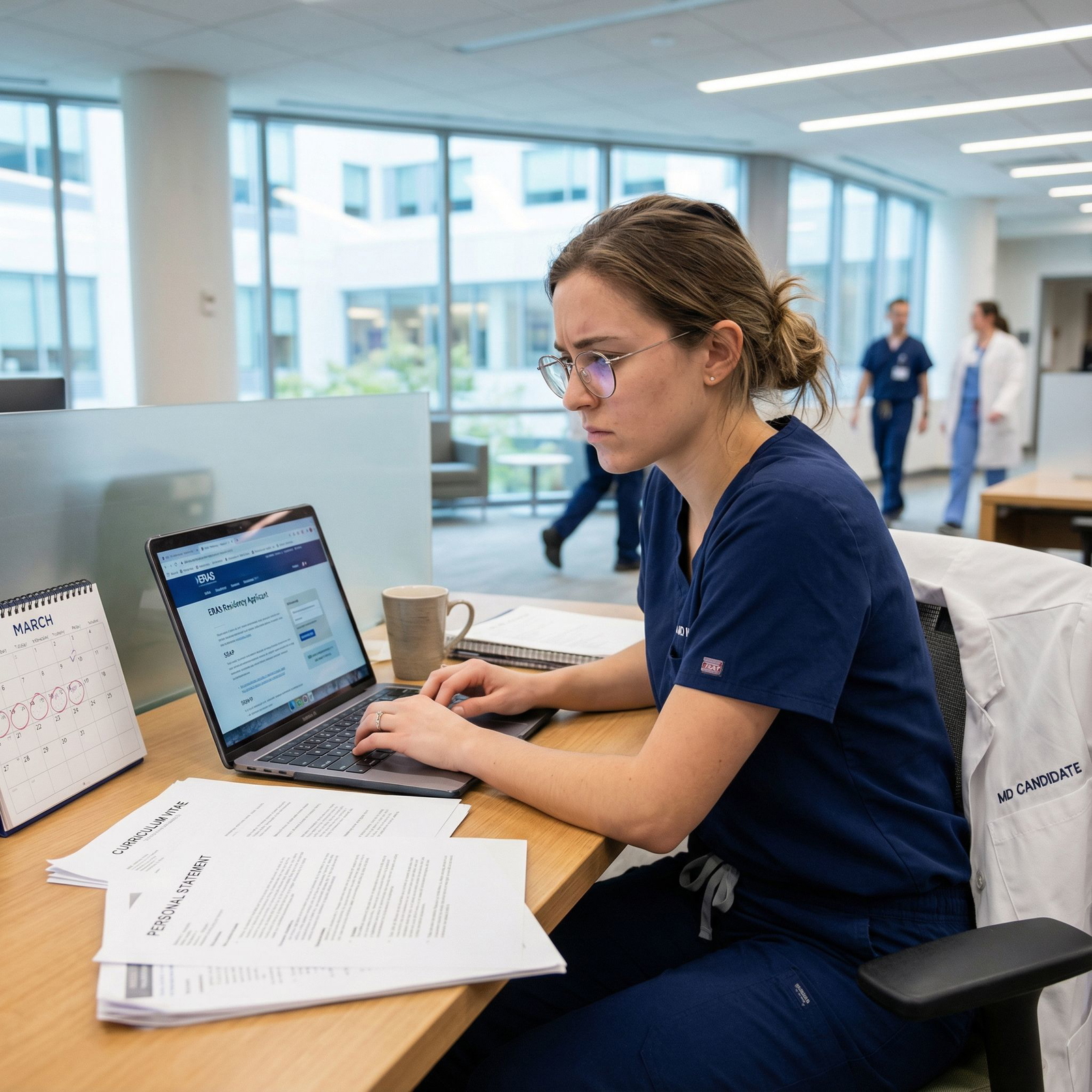
Securing a position in a medical genetics residency can be highly competitive, and not every applicant will match through the main NRMP process. The Supplemental Offer and Acceptance Program (SOAP) exists precisely for this reason—and if you plan ahead, it can become a powerful opportunity rather than a last‑minute scramble.
This guide focuses on SOAP preparation specifically for candidates interested in medical genetics and genomics, including combined programs (like pediatrics–medical genetics or internal medicine–medical genetics). You’ll learn what SOAP is, how it works, how to prepare months in advance, and how to execute a strong, targeted strategy if you find yourself in the SOAP process.
Understanding SOAP in the Context of Medical Genetics
Before you can prepare effectively, you must clearly understand what is SOAP, how it fits into the genetics match, and what makes medical genetics unique as a SOAP option.
What Is SOAP?
The Supplemental Offer and Acceptance Program (SOAP) is an NRMP-managed process during Match Week that:
- Helps eligible unmatched or partially matched applicants connect with residency programs that have unfilled positions.
- Occurs after you learn on Monday of Match Week whether you matched, but before the public release of the full Match results on Friday.
- Proceeds in multiple rounds (“offer rounds”) where programs make offers to applicants who have applied to them via ERAS during SOAP.
Key points:
- SOAP is not a separate application system; it uses ERAS, but with limited, SOAP-specific applications.
- There is no direct contacting of programs during SOAP unless they initiate contact through permitted channels.
- Applicants rank offers in real time during each offer round; offers expire within a short window if not accepted.
Why SOAP Matters for Medical Genetics
Medical genetics has some distinctive features that affect your SOAP strategy:
Program structure:
- Many genetics positions are combined (e.g., Pediatrics–Medical Genetics, Internal Medicine–Medical Genetics, OB/Gyn–Medical Genetics), often 4–5 years.
- A growing number of programs offer a categorical Medical Genetics and Genomics track, especially for those who already have primary specialty training or are in combined pathways.
Volume of positions:
- Compared with major specialties, medical genetics has fewer overall spots nationally.
- However, there may be unfilled positions in some cycles, especially in smaller or newer programs, or in combined tracks.
Applicant profile:
- Medical genetics programs often value applicants with research experience, advanced degrees (e.g., MS, PhD), or strong interests in genomics, bioinformatics, or rare disease.
- Some residency applicants pivot toward genetics later in their training, when they discover an interest in inherited disorders, precision medicine, or undiagnosed disease programs.
Because SOAP is compressed and high-stakes, you don’t want to wait until Match Week to think about how medical genetics fits into your backup strategy.
Pre-SOAP Preparation: Laying the Groundwork Months in Advance
If you are seriously interested in a medical genetics residency—either as a primary choice or a backup option—you should start SOAP preparation long before Match Week.
1. Assess Your Risk of Going Unmatched
Use an honest, data-informed approach:
- Review NRMP data (e.g., Charting Outcomes in the Match, Specialty Data Reports) for medical genetics and your primary specialty.
- Compare:
- USMLE/COMLEX scores
- Number and quality of applications
- Number of interviews received
- Class rank and honors (AOA, Gold Humanism, etc.)
- Research background (especially in genetics, genomics, basic science)
- Discuss your competitiveness with:
- Your Dean’s Office or Student Affairs
- A trusted faculty advisor in genetics or your primary specialty
- Your program director if you’re applying from a transitional/preliminary year
If you are at moderate or high risk of going unmatched, you should create a SOAP contingency plan that includes potential interest in medical genetics.
2. Clarify How Medical Genetics Fits Your Career Goals
SOAP is not successful if you land in a specialty you’ll dislike. Determine whether:
- You are genuinely interested in:
- Inherited disorders, congenital anomalies, and dysmorphology
- Cancer genetics and hereditary cancer syndromes
- Metabolic disorders and newborn screening
- Precision medicine and genomic interpretation
- You have or can develop comfort with:
- Longitudinal, family-based care
- Complex counseling about risk, prognosis, and options
- Team-based care with genetic counselors and lab specialists
If you can truly see yourself in genetics, then including medical genetics residencies in your SOAP strategy is wise.
3. Build Relationships and Exposure Early
Even if you never enter SOAP, early exposure strengthens your applications:
- Electives in medical genetics:
- Pediatric genetics rotations
- Adult genetics or cancer genetics clinics
- Genomic medicine or precision medicine electives
- Shadowing and mentorship:
- Ask faculty geneticists about their career paths.
- Attend genetics case conferences or variant review boards.
- Research:
- Case reports of rare genetic conditions
- Participation in genomic studies or bioinformatics projects
- Quality improvement projects in newborn screening or variant reporting
These experiences:
- Demonstrate authentic interest in genetics.
- Make it easier to pivot toward genetics during SOAP without appearing opportunistic.
- Provide letters of recommendation that can be highlighted in your ERAS application.
4. Prepare a SOAP-Ready Portfolio
Your SOAP portfolio should be ready before Match Week. This includes:
- Updated ERAS application:
- Ensure your CV, experiences, and personal statement are current.
- Highlight genetics-related experiences even if you applied in another primary specialty.
- Multiple personal statement versions:
- Main specialty statement (already submitted).
- Genetics-focused personal statement, ready to upload quickly if needed.
- A broadly adaptable statement that can be tuned toward combined specialties.
- Adaptable letters of recommendation:
- If you have genetics faculty letters, verify they are uploaded to ERAS.
- If not, consider asking any supervisor who can credibly speak to your interest in genomics, research, or complex patients.
You won’t be able to write a brand-new personal statement from scratch on Monday of Match Week. Preparing now is the difference between coherent, targeted applications and rushed, generic ones.

The Mechanics of SOAP: Step-by-Step for Medical Genetics Applicants
When Match Week arrives, your SOAP preparation will determine how well you can execute under pressure. Here’s how the process works and how it applies to the genetics match.
Monday of Match Week: Do You Match?
On Monday at noon Eastern:
- The NRMP notifies you whether you:
- Matched fully
- Partially matched (e.g., advanced but no prelim; not common for genetics itself but may affect your options)
- Did not match
Only eligible unmatched or partially matched applicants may participate in SOAP.
At this time, do not panic. Instead:
- Contact your Dean’s Office or Designated Institutional Official (DIO).
- Notify your advisors and mentors, including any genetics mentors.
- Begin implementing your preplanned SOAP strategy, including your potential interest in medical genetics.
Accessing the List of Unfilled Positions
Later on Monday, the NRMP releases:
- The List of Unfilled Programs (through the R3 system).
- This includes:
- Specialty
- Program type (categorical, preliminary, advanced, combined)
- Number of unfilled positions
Look specifically for:
- Medical Genetics and Genomics (Categorical) programs.
- Combined programs:
- Pediatrics–Medical Genetics
- Internal Medicine–Medical Genetics
- OB/Gyn–Medical Genetics
- Other specialty–genetics combinations if listed.
Important:
Sometimes programs that have genetics-linked training pathways may list themselves primarily under pediatrics or internal medicine. Carefully read program descriptions.
ERAS Applications During SOAP
During SOAP, you are limited to a maximum number of program applications (historically 45, but confirm the current rules each year). You must decide how many to send to:
- Your primary specialty (if there are unfilled positions)
- Medical genetics and genetics-related combined programs
- Any other specialties you would seriously consider
Considerations specific to medical genetics:
- If you have strong genetics interest and background, you might:
- Allocate a meaningful portion of your applications to genetics positions.
- Prioritize programs where your profile (research, advanced degrees, prior residency) is especially aligned.
- If you are new to genetics but genuinely interested:
- Aim for programs willing to train motivated learners from diverse backgrounds.
- Use your personal statement to clearly articulate why you are pivoting and how your previous experiences will make you a strong genetics resident.
Most programs participating in SOAP will review ERAS applications quickly, often on Monday and Tuesday.
Communication Rules During SOAP
You may not:
- Cold-call or cold-email programs trying to lobby for a spot.
- Ask your family, mentors, or colleagues to lobby on your behalf in ways that violate NRMP rules.
You may:
- Respond to official communications initiated by programs.
- Interview virtually if invited (usually via phone or video).
- Communicate through permitted channels as defined by the NRMP.
For medical genetics programs:
- Some may have small faculty teams, so interviews can be more conversational.
- Be prepared to discuss:
- Your understanding of the specialty
- Your interest in genetics versus your original specialty
- How you would adapt to the curriculum and combined training structure
Crafting a Strong SOAP Application for Medical Genetics
Your SOAP preparation should include clear strategies for how to present yourself as a strong candidate in medical genetics residency programs within an extremely short timeline.
Tailoring Your Personal Statement for Medical Genetics
If you prepared a genetics-focused personal statement in advance, your job is easier. Key elements to include:
Origin of interest in genetics:
- A meaningful clinical encounter (e.g., a family with a rare syndrome, a baby with multiple anomalies, a patient with a strong family cancer history).
- Research exposure (e.g., lab work in molecular genetics, variant interpretation).
- Personal or family experience with genetic disease (if comfortable sharing).
Demonstration of sustained interest:
- Electives, rotations, or shadowing in genetics.
- Conferences, seminars, or coursework in genomics.
- Any related QI or advocacy work (e.g., newborn screening, rare disease support groups).
Pivot explanation (if switching from another specialty):
- Why genetics, specifically, now?
- How your original specialty enhances your potential as a geneticist (e.g., pediatric skills for pediatric–genetics, internal medicine knowledge for adult genetic disorders).
- Emphasize this is a thoughtful redirection, not a desperate Plan B.
Future goals:
- Academic genetics (clinician-researcher, undiagnosed disease programs)
- Community or regional genetics (serving underserved populations)
- Subspecialty interests (cancer genetics, metabolic genetics, prenatal genetics)
Make the statement concise (1 page) and clearly oriented toward the medical genetics and genomics role.
Highlighting Genetics-Relevant Experiences in ERAS
In your ERAS application:
- Re-order or edit experiences to push genetics-related items higher:
- Genetics or genomics research
- Complex inpatient or ICU cases with possible genetic components
- Pathology or lab medicine exposure
- Bioinformatics, data analysis, or statistics work
- Emphasize skills valuable in genetics:
- Comfort with ambiguity and uncertainty
- Attention to detail (e.g., phenotype descriptions)
- Communication and counseling skills, particularly around difficult news
- Teamwork with specialists, counselors, and labs
If your primary specialty was different (e.g., surgery), you can still draw parallels:
- Rigorous approach to complex cases
- Comfort with high stakes and high responsibility
- Experience managing families under stress
Preparing for SOAP Interviews in Genetics
Interviews during SOAP will be fast-paced and may be shorter than traditional interviews. Prepare to articulate:
- Why genetics?
- Be specific; mention aspects like precision medicine, family-based care, or rare disease diagnostics.
- Why now?
- Clarify why you’re considering genetics in the context of not matching your original choice, without sounding like you see genetics as a fallback.
- Long-term alignment:
- Explain how a career in genetics fits your values and interests.
- Adaptability and resilience:
- Briefly reflect on how you’re coping with the disappointment of not matching initially and what you’ve learned from the process.
Common SOAP interview questions in medical genetics might include:
- “Tell me about a patient encounter that influenced your interest in genetics.”
- “How do you handle uncertainty when you don’t have a clear diagnosis?”
- “What aspects of our combined training structure appeal to you?”
- “Where do you see yourself after residency—clinical practice, research, or both?”
Practice concise, honest answers that convey thoughtfulness and enthusiasm.

Strategic Decision-Making During SOAP Rounds
The offer rounds are where your SOAP preparation is put to the test. Strategic decisions made over minutes can shape your career.
Understanding SOAP Offer Rounds
Each SOAP round:
- Programs submit lists of applicants to whom they wish to extend offers.
- Applicants receive offers (if any) and have a short window to accept or reject.
- If you accept an offer, you are contractually bound to that position and removed from further SOAP and main Match consideration for that year.
For medical genetics, know that:
- Some programs may only have one or two positions.
- Offers may come at any round; you must be mentally prepared for the possibility at each stage.
Balancing Medical Genetics Against Other Specialties
If you are deciding between a medical genetics position and an unfilled spot in your original specialty, ask yourself:
- Career satisfaction:
- Can you genuinely see yourself thriving in genetics?
- Does genetics better align with your interest in science, complex diagnostics, and counseling?
- Training path and timing:
- Would genetics require a longer or shorter training path than your original specialty (depending on combined programs)?
- Are you comfortable with a combined program (e.g., Pediatrics–Genetics) that has a unique curriculum?
- Geographic priorities:
- Can you relocate to the region where the genetics program is located?
- How important is location compared with specialty satisfaction?
If your heart genuinely leans toward genetics and you receive an offer from a reputable program that fits your needs, accepting that offer can be a transformative career decision.
Avoiding Common SOAP Pitfalls
Some applicants falter during SOAP because they:
- Apply too broadly to specialties they do not truly want.
- Fail to tailor their materials to specialties like genetics that value specific interests.
- Panic and accept the first offer without strategic thought.
For medical genetics in particular:
- Don’t list it only because “it’s unfilled”; programs can sense token interest.
- Do show that you understand the specialty and its demands.
- Remember that your decision will set your career direction, not just your next year.
Post-SOAP Reflection and Next Steps (If You Don’t Match Through SOAP)
Even with excellent SOAP preparation, some applicants may not secure a position in SOAP. If that happens, your interest in medical genetics may still be highly relevant for your future.
If You Don’t Match Anywhere
Consider:
- Transitional or research years:
- Research fellowships in genetics, genomics, or rare disease centers.
- Positions in clinical genetics labs (variant curation, data analysis).
- Strengthening your application for next cycle:
- Additional genetics electives.
- More robust research output (abstracts, posters, publications).
- Additional letters from genetics mentors.
You may reapply to:
- Combined genetics residencies (e.g., Pediatrics–Genetics, IM–Genetics).
- Categorical Medical Genetics and Genomics if you already have a primary specialty background.
If You Matched in Another Specialty but Still Love Genetics
Some physicians later pursue genetics via fellowship or combined training paths:
- Pediatricians or internists can apply for Medical Genetics and Genomics fellowships after primary residency.
- OB/Gyn physicians may pursue reproductive genetics or related pathways.
- Pathologists may integrate molecular genetics and genomics into their practice.
Your SOAP experience can help crystallize your long-term commitment to genetics, even if you take an indirect route.
FAQs: SOAP Preparation in Medical Genetics
1. Is medical genetics a realistic option for SOAP if I didn’t apply to it initially in ERAS?
Yes, but you must show authentic interest and a coherent story. Many medical genetics programs appreciate applicants who discovered their passion later, especially if they bring relevant backgrounds (pediatrics, internal medicine, OB/Gyn, pathology, research). You’ll need a well-crafted genetics-focused personal statement and to pivot your ERAS application to highlight genetics-related experiences.
2. What should I prioritize when applying to genetics programs during SOAP: program reputation or location?
Both matter, but specialty fit and training quality generally outweigh location, especially in smaller fields like genetics. Because the number of programs is limited, you may need to be more flexible geographically. Still, consider your personal support systems—SOAP is already stressful, and you want to choose a setting where you can thrive.
3. How many SOAP applications should I devote to medical genetics versus my original specialty?
There’s no single formula. It depends on:
- How many unfilled positions exist in each specialty.
- Your competitiveness and prior interview experiences.
- Your true preference between genetics and your original field.
If you are strongly drawn to genetics and have relevant background, it is reasonable to allocate a significant portion of your SOAP applications to genetics and combined programs, while still applying to viable positions in your primary specialty as appropriate.
4. Can I contact medical genetics programs directly during SOAP to express interest?
Under NRMP rules, you may not initiate unsolicited contact during SOAP. Programs must initiate communication. However, your ERAS application and personal statement are powerful ways to convey your interest. If a program reaches out to you, you may fully engage, answer questions, and express enthusiasm within the allowed communication guidelines.
Thoughtful SOAP preparation—particularly for a specialized field like medical genetics residency—can convert a moment of uncertainty into a strategic career opportunity. By understanding what SOAP is, anticipating its timelines, and preparing genetics-focused materials and mentorship support in advance, you give yourself the best chance to navigate the genetics match successfully, even under the intense pressure of Match Week.