Understanding SOAP in the Context of Neurosurgery
The Supplemental Offer and Acceptance Program (SOAP) can feel especially high-stakes for aspiring neurosurgeons. Neurosurgery residency is one of the most competitive pathways in medicine, with relatively few positions, meticulous selection standards, and a strong emphasis on academic potential. When Match Week arrives and you learn you are eligible for SOAP, you are suddenly operating on a compressed timeline that will profoundly affect your career trajectory.
Before digging into SOAP preparation strategies tailored for neurosurgery, it’s crucial to clarify:
What is SOAP?
SOAP is the NRMP-managed process that allows unmatched or partially matched applicants to apply for and accept unfilled residency positions after the main Match algorithm runs. It takes place during Match Week, typically Monday–Thursday.Who participates?
Applicants who:- Registered for and are eligible for the main Match,
- Are unmatched or partially matched (e.g., matched to a preliminary spot only), and
- Are designated by the NRMP as “SOAP-eligible” after Match status is released.
How does SOAP relate to neurosurgery?
Unfilled neurosurgery residency positions are rare compared with many other specialties, but they do occur some years. However, the majority of neurosurgery applicants who enter SOAP will find that most available positions are in other specialties (e.g., preliminary surgery, internal medicine, transitional year, or other categorical fields).
Understanding this reality is central to strategic SOAP preparation: you must plan not only for the possibility of an unexpected neurosurgery opening, but also for realistic backup pathways that keep you close to your neurosurgical goals.
The Unique Challenges of Neurosurgery Applicants in SOAP
Neurosurgery amplifies the general stress of SOAP because of its combination of low position numbers, high expectations, and the long-term nature of the training pathway.
1. Highly Competitive Profiles
Neurosurgery programs typically emphasize:
- Strong board scores (especially Step 2 CK for most recent cycles)
- Honors in surgery and neurology, strong clinical evaluations
- Significant research productivity, often with publications in neurosurgery or neuroscience
- Robust letters of recommendation from neurosurgeons
- Clear, sustained commitment to the field
Many applicants entering SOAP may have done everything “right” and still find themselves unmatched due to the sheer competitiveness of brain surgery residency programs. This can feel disorienting and discouraging—but it is not an indictment of your potential as a neurosurgeon.
2. Limited Neurosurgery Positions in SOAP
Historically, only a handful of neurosurgery residency positions (if any) appear on SOAP lists each year. As a result:
- You cannot rely on SOAP to simply “re-run” the neurosurgery match for you.
- You must prepare for:
- Scenario A: A rare neurosurgery opening appears; you need neurosurgery-specific materials ready.
- Scenario B: No neurosurgery openings; you pivot to bridge options that maintain or support your neurosurgical trajectory.
3. Long-Term Career Implications
For neurosurgery-oriented applicants, SOAP decisions are not just about matching somewhere—they’re about:
- Preserving eligibility and competitiveness for future neurosurgery applications, and
- Choosing positions that align with this long-term goal rather than only addressing short-term anxiety.
This might mean prioritizing:
- Preliminary surgery or transitional year positions at strong academic centers,
- Research-focused gap years in neurosurgery departments,
- Or carefully selected categorical positions in related fields if your goals are evolving.

Pre–Match Week SOAP Preparation: Building a Neurosurgery-Focused Backup Plan
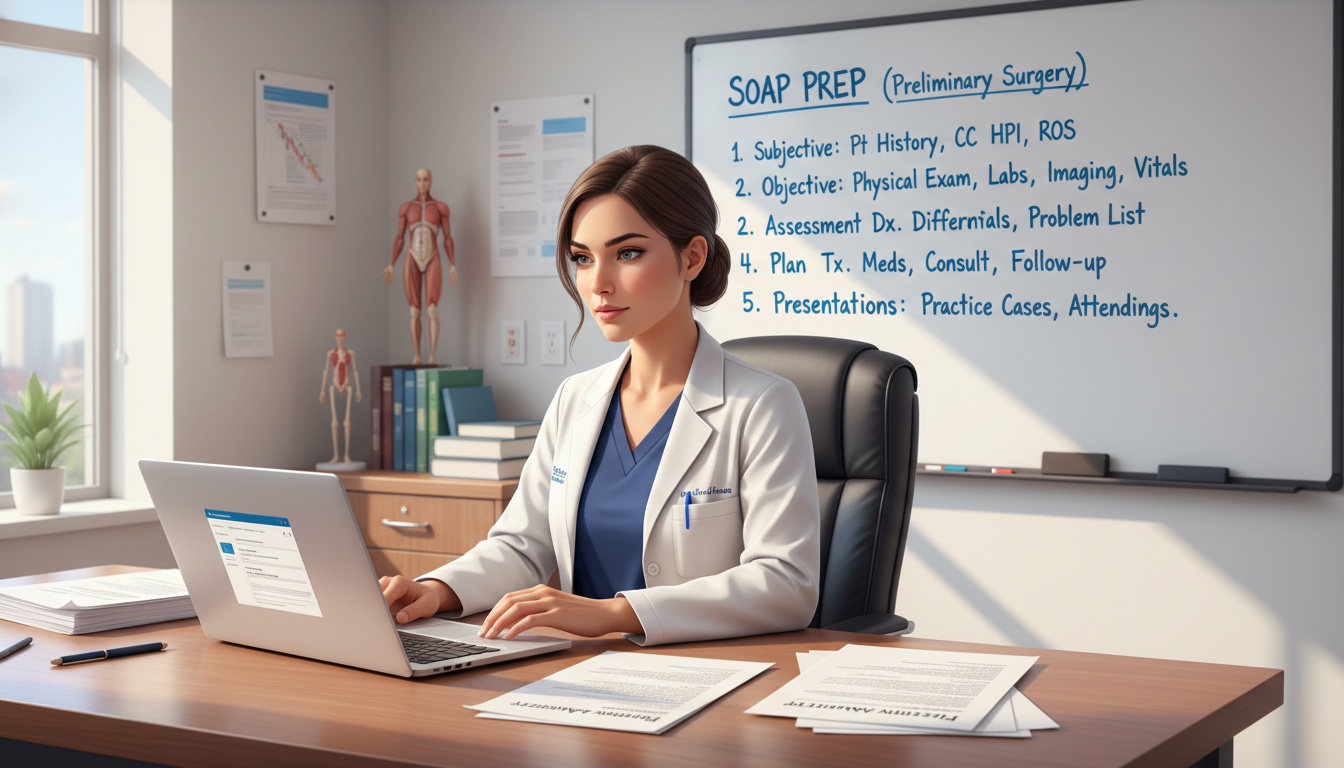
Effective SOAP preparation for neurosurgery starts months before Match Week. You hope never to use it, but treating SOAP like an emergency you might have to “operate in” will reduce panic and improve outcomes if needed.
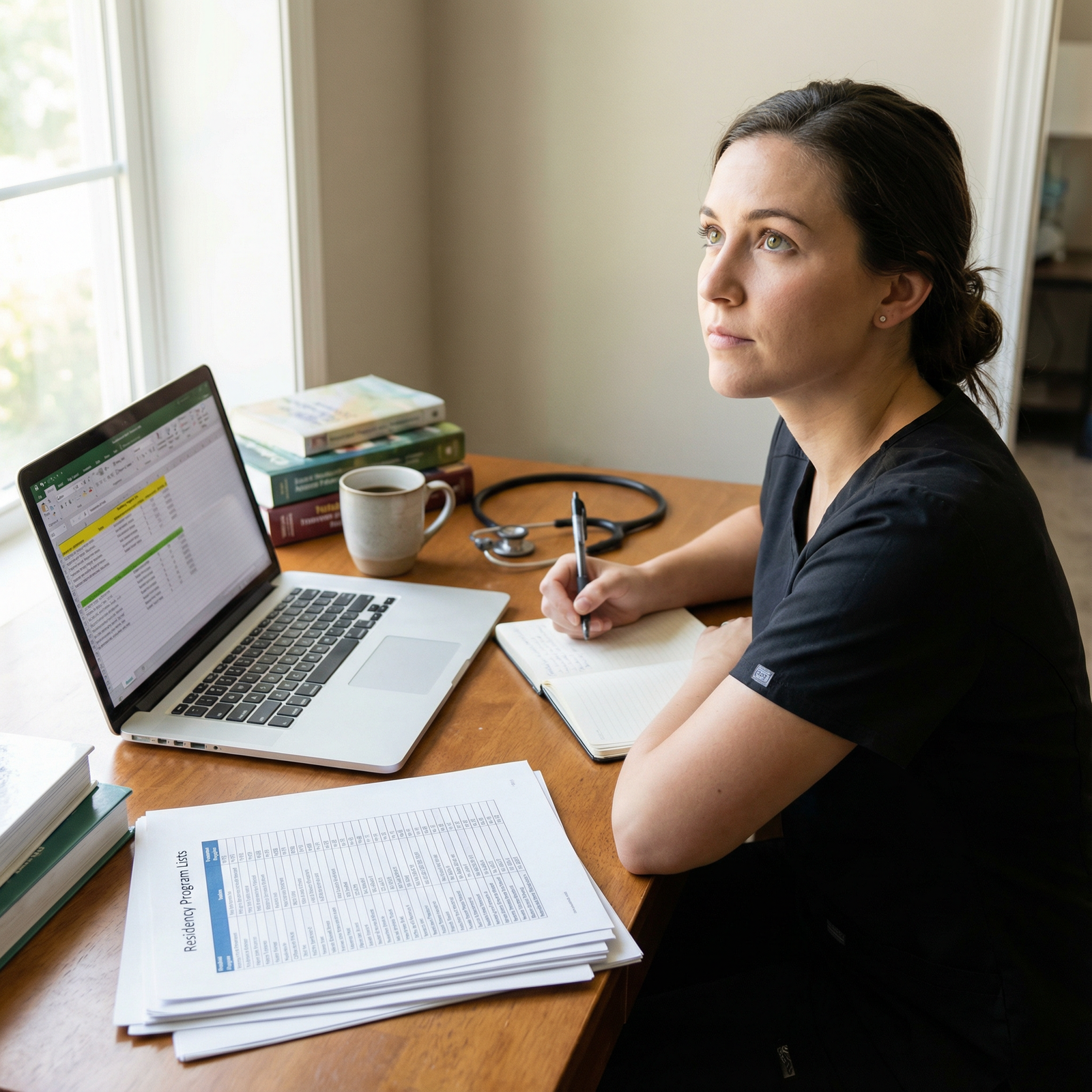
1. Clarify Your Career Priorities Early
Before you get to Match Week, sit down and answer:
- Is neurosurgery non-negotiable for me, or am I open to other surgical specialties?
- If I do not match neurosurgery, am I willing to:
- Do a preliminary or transitional year, then reapply?
- Take a research year in neurosurgery?
- Consider another categorical specialty (e.g., neurology, radiology, general surgery)?
- What is my tolerance for delayed training?
- Are you prepared for 1–2 years of research or prelim work before reapplying?
Write down a tiered plan:
- Plan A: Match into categorical neurosurgery (main Match).
- Plan B: If unmatched, SOAP into prelim/transitional year at a strong program with neurosurgery research or mentorship.
- Plan C: If SOAP options are poor, consider a planned research year and reapplication.
- Plan D: If your goals are evolving, identify alternative specialties you could be genuinely satisfied in.
2. Prepare SOAP-Ready Application Materials
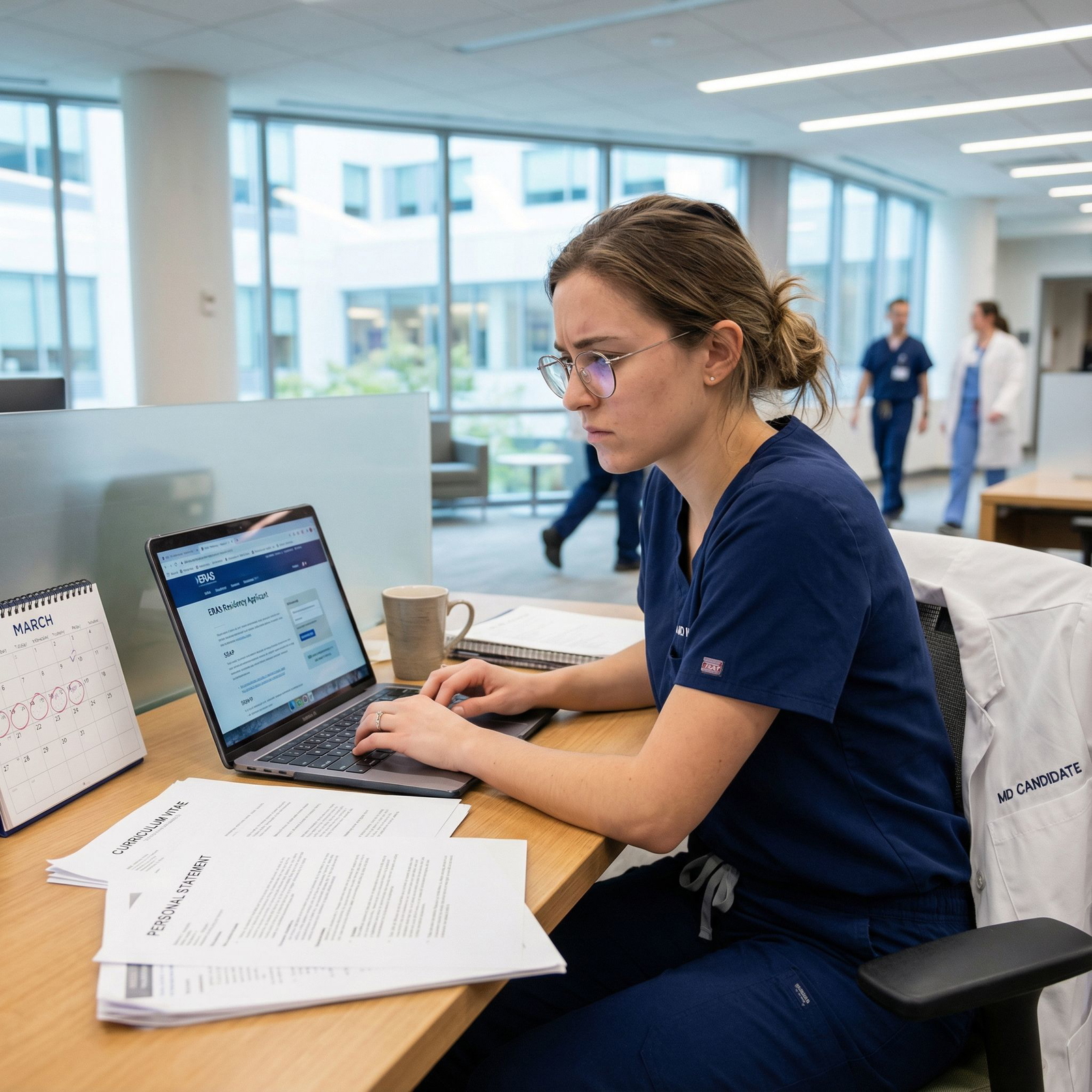
When SOAP opens, you will have very little time to adjust documents. Prepare neurosurgery and backup-focused versions in advance:
a. CV and ERAS Profile
- Keep your ERAS up to date with:
- All neurosurgery/neurology/neuroscience research projects
- Presentations, posters, and publications
- Leadership roles (especially in surgical or neuro-related organizations)
- Significant volunteer activities and teaching experiences
Ensure:
- Dates are accurate and continuous (avoid unexplained gaps).
- Descriptions highlight ownership, impact, and teamwork skills valued in surgery.
b. Personal Statement Variants
Draft 3 versions of your personal statement:
Neurosurgery-focused statement
Tailored for any unexpected neurosurgery residency or prelim neurosurgery positions that might appear in SOAP.Surgery/prelim/transitional year statement
Emphasize:- Your commitment to surgical training,
- Desire to develop operative skills, critical care competence,
- Long-term neurosurgery interest without sounding like you see the position merely as a stepping stone.
Alternative specialty statement (if appropriate)
If you know you might consider neurology, radiology, or another field as a true backup, create a statement that:- Authentically explains your interest,
- Connects your neurological/neurosurgical background,
- Demonstrates sincere commitment, not just convenience.
c. Program-Specific Paragraphs
Draft short, modifiable paragraphs that you can quickly insert or adapt during SOAP to address:
- Interest in an academic medical center,
- Desire for strong ICU exposure and neuro-related experiences,
- Any regional ties (geography can matter a lot in SOAP).
3. Line Up Strong Letters and Advocates
You typically cannot obtain new letters during SOAP, but you can:
- Ensure you already have at least one strong neurosurgery letter from a faculty member who knows you well.
- Include letters from:
- Surgical faculty who can speak to OR performance,
- Research mentors who can attest to your work ethic and academic potential.
Crucially, identify:
- Faculty advocates (e.g., your neurosurgery program director or research PI) who:
- Are willing to reach out to programs if you go unmatched,
- Can help you identify strong prelim or research year opportunities,
- Might connect you with colleagues at other institutions.
4. Learn the SOAP Timetable and Rules
Know the basic SOAP residency structure:
Monday of Match Week:
- 10:00 AM ET: Applicants learn if they are matched, partially matched, or unmatched.
- Noon: SOAP-eligible applicants can access the list of unfilled positions.
Application and offer rounds (Monday–Thursday):
Applicants apply via ERAS; programs review and submit preference lists; NRMP sends out offers in multiple rounds. You can accept or reject in tight time windows.
Prepare by:
- Reviewing NRMP SOAP guides and your school’s advisory documents.
- Knowing how many programs you can apply to during SOAP (a fixed limit).
- Understanding that direct contacting programs is restricted during SOAP unless they contact you first (obtain up-to-date rules from NRMP each year).

Executing a SOAP Strategy as a Neurosurgery Applicant
Once you receive your Match Week status, you’ll move quickly from preparation to action. Here is how to approach it systematically.
1. First Hour: Process the Result and Stabilize
If you discover you are unmatched or partially matched:
Allow yourself to react—but briefly.
Take 30–60 minutes for emotional processing. This can be deeply painful, especially for neurosurgery-bound students who have invested years into this goal.Reach out immediately to:
- Your dean’s office or student affairs,
- Your home neurosurgery program leadership,
- Any trusted mentors who know your file well.
Let them know:
- Your SOAP-eligible status,
- That neurosurgery remains your primary goal (if true),
- That you need help rapidly assessing options.
2. Analyze the Unfilled Positions List
When the SOAP list opens, filter systematically:
Check for neurosurgery positions first.
- Note if they are categorical or preliminary.
- Evaluate program type (academic vs. community), case volume, research opportunities, and geography.
- If one appears and you are seriously committed to brain surgery residency, it will likely be a top priority.
Identify prelim/transitional year opportunities at institutions with strong neurosurgery departments.
- Target large academic centers or institutions with:
- Established neurosurgery residency programs,
- Known neurosurgery research infrastructure,
- Neurocritical care or high-volume trauma centers.
- Target large academic centers or institutions with:
Consider categorical positions in related specialties only if:
- You are genuinely open to that specialty long-term, or
- You and your mentors agree it is part of a deliberate reapplication strategy (this is less common for neurosurgery; many prefer prelim or research routes).
3. Prioritize Applications Strategically
You typically have a limit to how many SOAP applications you can submit. Use a triage framework:
Tier 1: Any neurosurgery residency or neurosurgery preliminary positions in SOAP.
Tier 2: Preliminary surgery or transitional year positions at academic centers with neurosurgery training programs, especially those:
- Known for mentoring reapplicants,
- With robust critical care and trauma exposure,
- With neurosurgical faculty actively publishing.
Tier 3: Strong prelim medicine or categorical programs in specialties you are seriously considering if neurosurgery ultimately doesn’t work out, after careful discussion with mentors.
Align your choices with:
- Your board scores and academic metrics (be realistic),
- Geographic flexibility (wider is better in SOAP),
- Long-term neurosurgery access (research and clinical exposure).
4. Tailor Your Application Rapidly
Once you have your program list:
Select the right personal statement variant for each category of program.
- Neurosurgery or neurosurg prelim: neurosurgery-focused statement.
- Prelim surgery or TY at academic centers: surgical-focused statement that clearly states you plan to pursue a neurosurgical career while being dedicated to excellence in their program.
- Other categorical: specialty-specific statement that is authentic and respectful of that field.
Adjust experience descriptions if needed within ERAS:
- Emphasize OR participation, critical care, and teamwork for surgery-heavy prelims.
- Highlight ICU exposure, stroke/neurocritical care, or EEG/imaging experience when relevant to the program’s strengths.
Coordinate with your school to make sure all required documents, transcripts, and MSPE are correctly assigned and visible.
5. Prepare for SOAP Interviews and Communication
During SOAP, programs may reach out via:
- ERAS communication tools,
- Phone calls,
- Virtual interviews.
Be ready to answer:
“What happened with your primary neurosurgery applications?”
Keep it:- Honest but concise,
- Non-defensive,
- Focused on systemic competitiveness rather than personal failure (“Neurosurgery is extraordinarily competitive; I had strong experiences and letters, but I understand that many qualified candidates do not match on the first attempt.”)
“Why this program/position?”
Customize based on:- Their case mix (trauma, spine, oncology),
- Research infrastructure,
- Educational structure (ICU exposure, advanced OR time),
- Your desire to grow into the strongest future neurosurgery applicant or surgical trainee.
“What are your long-term goals?”
For neurosurgery or prelim positions:- Reaffirm your neurosurgery ambition,
- Emphasize your commitment to being an excellent team member in their program regardless of future plans.
Avoid implying:
- You see their program as merely a temporary holding place.
- You are only there for a letter and plan to leave as soon as possible.
6. Handling SOAP Offers Wisely
Offers during SOAP arrive in multiple rounds with short response deadlines.
Key considerations:
If you receive an offer from a neurosurgery position:
- This will almost always be a “yes” for neurosurgery-dedicated applicants, unless you have serious reservations about the program environment or training.
If you receive an offer from a strong prelim surgery/TY program at a major academic center:
- Discuss with mentors quickly; these can be excellent bridges back into the neurosurgery match.
If the offer is from a categorical in another specialty:
- Only accept if you have deeply considered that you can be satisfied in that specialty long-term.
- Do not accept a categorical position solely planning to transfer into neurosurgery later; such transfers are rare and complex.
Remember: once you accept a SOAP position, it is contractually binding like any NRMP Match; backing out has serious professional consequences.
After SOAP: Rebuilding, Reapplying, and Staying on the Neurosurgery Track
Whether or not SOAP places you into a brain surgery residency–adjacent role, what you do next is critical.
1. If You Match Through SOAP into a Neurosurgery-Related Path
If you secure:
- A prelim surgery or transitional year at a strong center, or
- A prelim neurosurgery or rare categorical spot,
Focus on:
Maximizing clinical performance:
- Be reliable, prepared, and coachable.
- Seek feedback proactively.
- Challenge yourself in OR, ICU, and consult services.
Building mentor relationships:
- Identify neurosurgery faculty willing to support your future neurosurgery applications (if needed).
- Express clear, humble interest in neurosurgery without appearing entitled.
Strengthening research and academic output:
- Get involved in ongoing neurosurgery or neurocritical care projects.
- Aim for realistic but meaningful academic contributions (case series, clinical projects, quality improvement works).
2. If You Do Not Obtain a Suitable SOAP Position
If SOAP ends without a position—or only with options that do not align with your goals—this is devastating but not career-ending.
Next steps:
Meet urgently with your home neurosurgery PD and student affairs.
- Assess your application’s strengths and weaknesses:
- Board scores, clinical grades, research output,
- Timing or strength of LORs,
- Interview performance and application strategy.
- Assess your application’s strengths and weaknesses:
Consider a structured research year in neurosurgery.
- Seek:
- High-volume academic centers,
- Programs known for mentoring reapplicants,
- Opportunities for both clinical exposure and publications.
- Seek:
Develop a reapplication strategy:
- Clarify if you will reapply ONLY neurosurgery or parallel plan with another specialty.
- Set monthly goals: X manuscripts submitted, Y abstracts, Z new leadership roles.
Take care of your mental health.
- Not matching is a significant psychological blow.
- Engage with counseling services, peers, and mentors.
- Avoid isolating yourself; many successful neurosurgeons have non-linear paths.
3. Framing Your Narrative for the Future
Whether in future neurosurgery applications or other fields, you will need to address:
- Why you did not match initially,
- What you did during your gap year or prelim year,
- How you have grown as a clinician, scholar, and colleague.
Emphasize:
- Increased clinical maturity,
- Demonstrated resilience and professionalism,
- Tangible achievements (research, teaching, quality improvement).
Avoid:
- Blaming prior programs or individuals,
- Over-focusing on the disappointment instead of growth.
FAQs: SOAP Preparation for Neurosurgery Applicants
1. Is it realistic to match into neurosurgery through SOAP?
Directly matching into a categorical neurosurgery residency through SOAP is rare due to the small number of positions and how competitive they are. However, it is not impossible, and occasional neurosurgery spots do appear. You should be prepared for the possibility but not rely on it. Most neurosurgery-bound applicants in SOAP should prioritize high-quality prelim or transitional year positions at strong academic centers with neurosurgery programs as their realistic bridge back to the main match.
2. What is SOAP, and how is it different from the main Match?
SOAP (Supplemental Offer and Acceptance Program) is a structured process that occurs after the main Match algorithm runs. In the main Match, programs and applicants submit rank lists, and a single algorithm pairs them. SOAP is different because:
- It only involves unfilled positions and unmatched/partially matched applicants.
- Applications are limited in number.
- Programs review applications and submit preference lists, and offers are sent out in multiple, time-limited rounds.
- You cannot freely contact programs the way you might outside NRMP timelines; there are strict rules about communication.
3. How should I choose between a prelim surgery position and a research year if I don’t match neurosurgery?
Both pathways can work. The best option depends on your profile and goals:
Prelim surgery/TY year is often best if:
- You need stronger clinical evaluations and operative experience,
- Your board scores and foundational record are reasonably solid,
- You can secure a spot at an academic center with a neurosurgery residency.
Dedicated research year may be better if:
- Your biggest gap is research productivity or academic output,
- You already have strong clinical evaluations,
- You can join a high-impact neurosurgery research group with a track record of helping reapplicants.
Discuss your specific situation with your neurosurgery mentors—this decision is highly individualized.
4. Does accepting a categorical position in another specialty close the door on neurosurgery forever?
Not absolutely, but it makes switching into neurosurgery later very difficult and uncommon. Transfers into neurosurgery from other categorical specialties are rare, depend on open positions, and require exceptional support and justification. If neurosurgery is truly your primary goal, most mentors will advise:
- Prioritizing prelim/TY positions or research years over categorical positions in unrelated specialties, unless you are genuinely open to building a career in that other field.
You should only accept a categorical non-neurosurgery position if you can see yourself content and fulfilled in that specialty even if you never transition to neurosurgery.
Thoughtful SOAP preparation for neurosurgery means facing uncomfortable “what if” scenarios ahead of time, crafting backup pathways that still align with your long-term ambitions, and engaging mentors early. While SOAP can be an emotionally intense process, a structured, neurosurgery-specific strategy can transform it from crisis management into a deliberate step along your eventual surgical career.