Understanding SOAP: What It Is and Why It Matters for Addiction Medicine
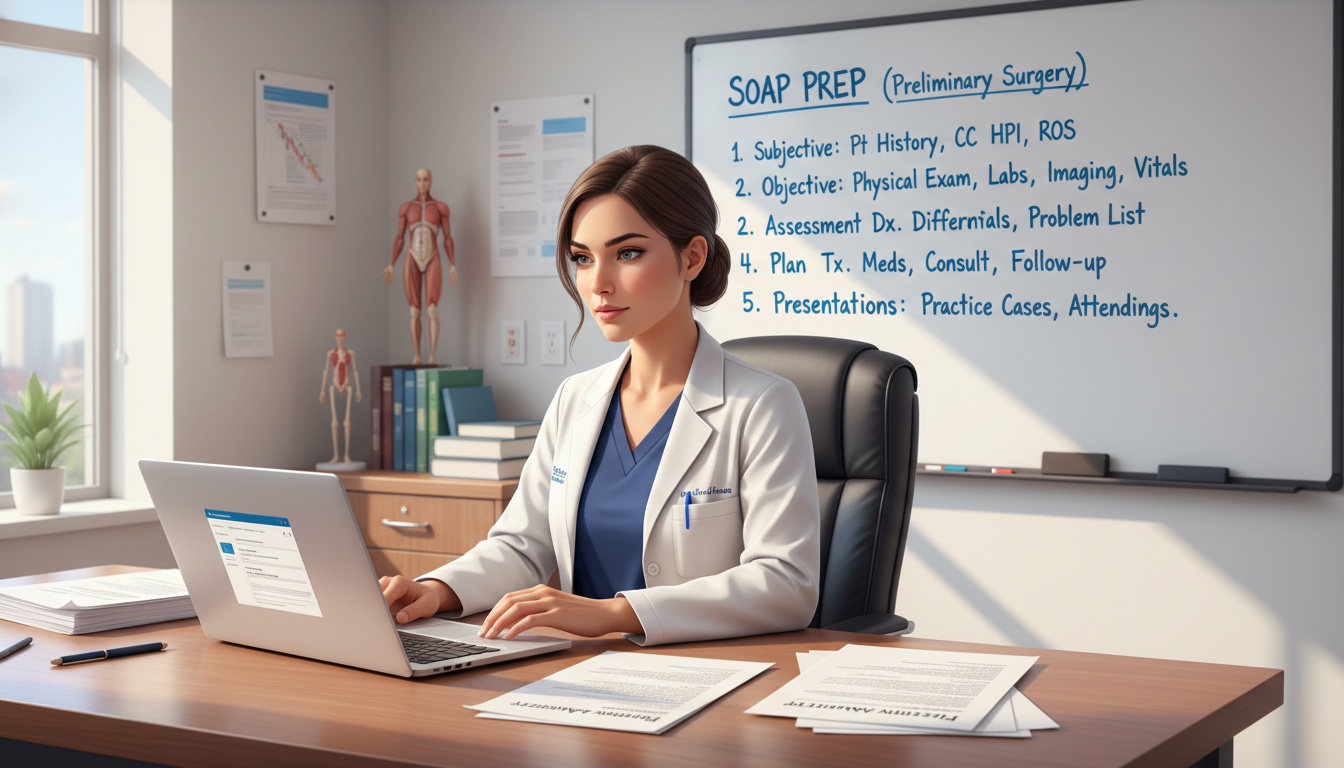
The Supplemental Offer and Acceptance Program (SOAP) can be a lifeline for a non-US citizen IMG aiming for US residency and, eventually, an addiction medicine fellowship. To prepare effectively, you must first understand what SOAP is and how it fits into the larger Match ecosystem.
What is SOAP?
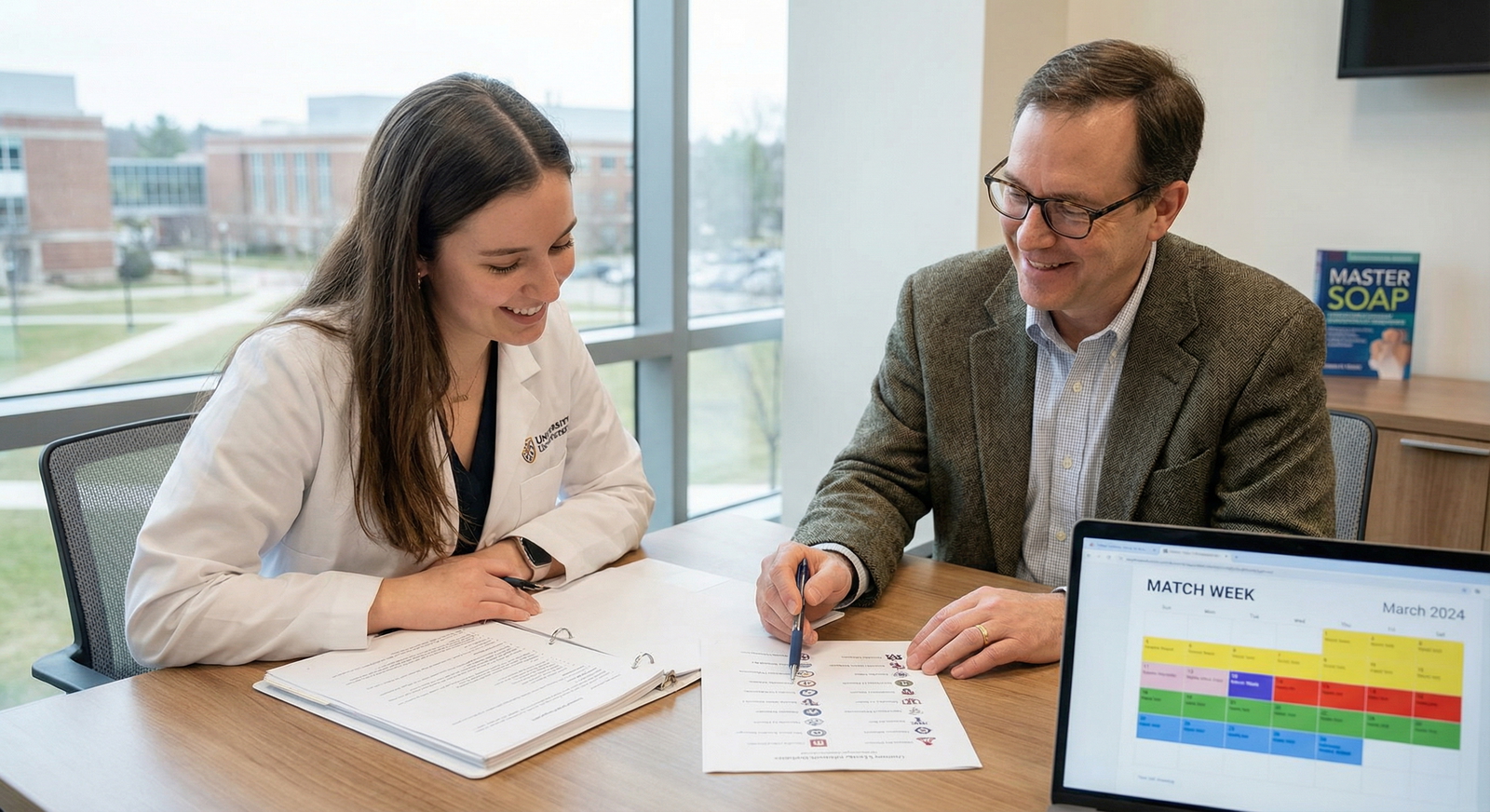
SOAP (Supplemental Offer and Acceptance Program) is an organized process run by the NRMP during Match Week that helps unmatched or partially matched applicants obtain unfilled residency positions.
Key features:
- Timing: SOAP occurs Match Week (Monday–Thursday).
- Eligibility: You must be unmatched or partially matched and registered for the NRMP Match.
- Purpose: Allows programs with unfilled positions to review eligible applicants and make offers in up to four “Rounds.”
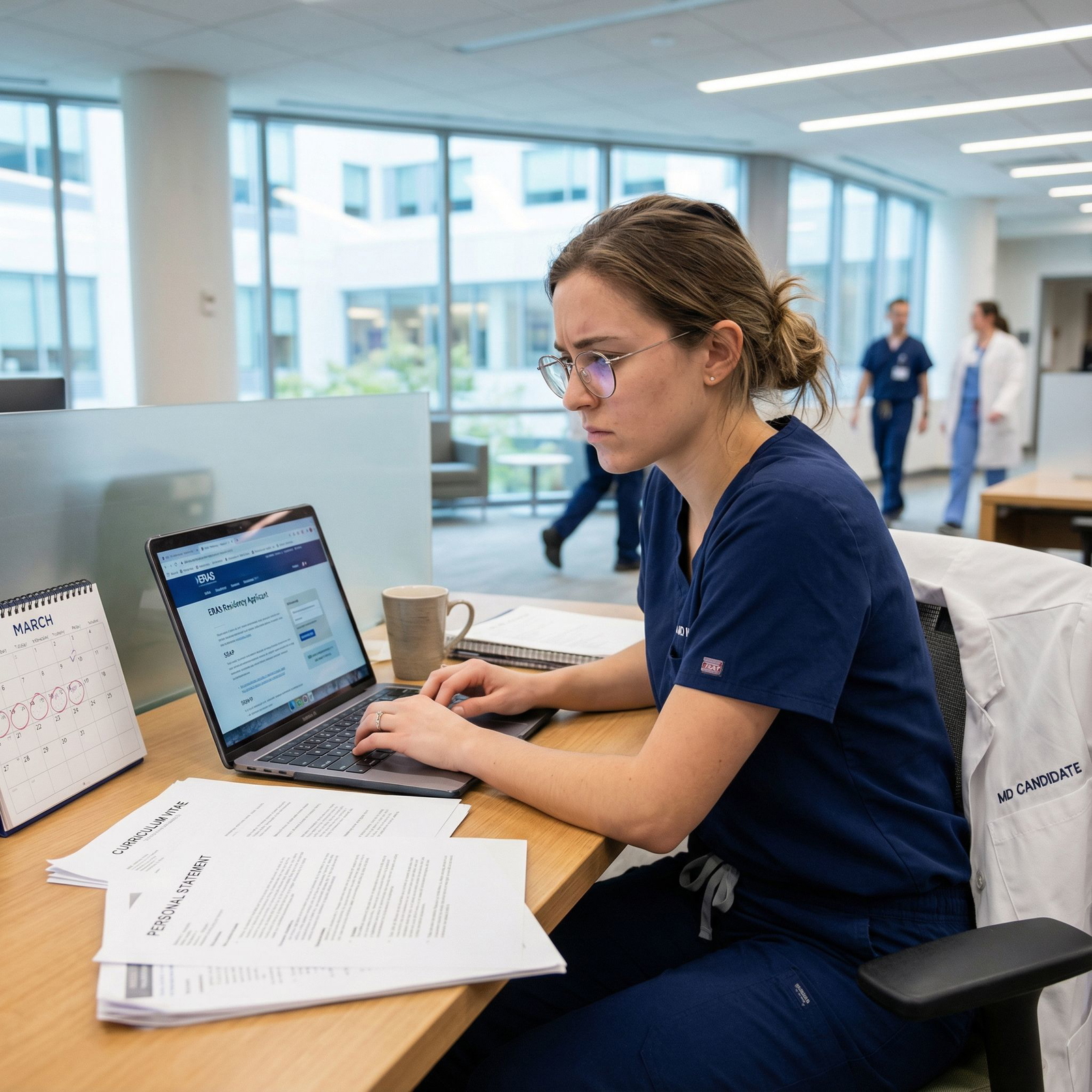
- Platform: All activity runs through ERAS (application management) and NRMP’s R3 system (offers and acceptances).
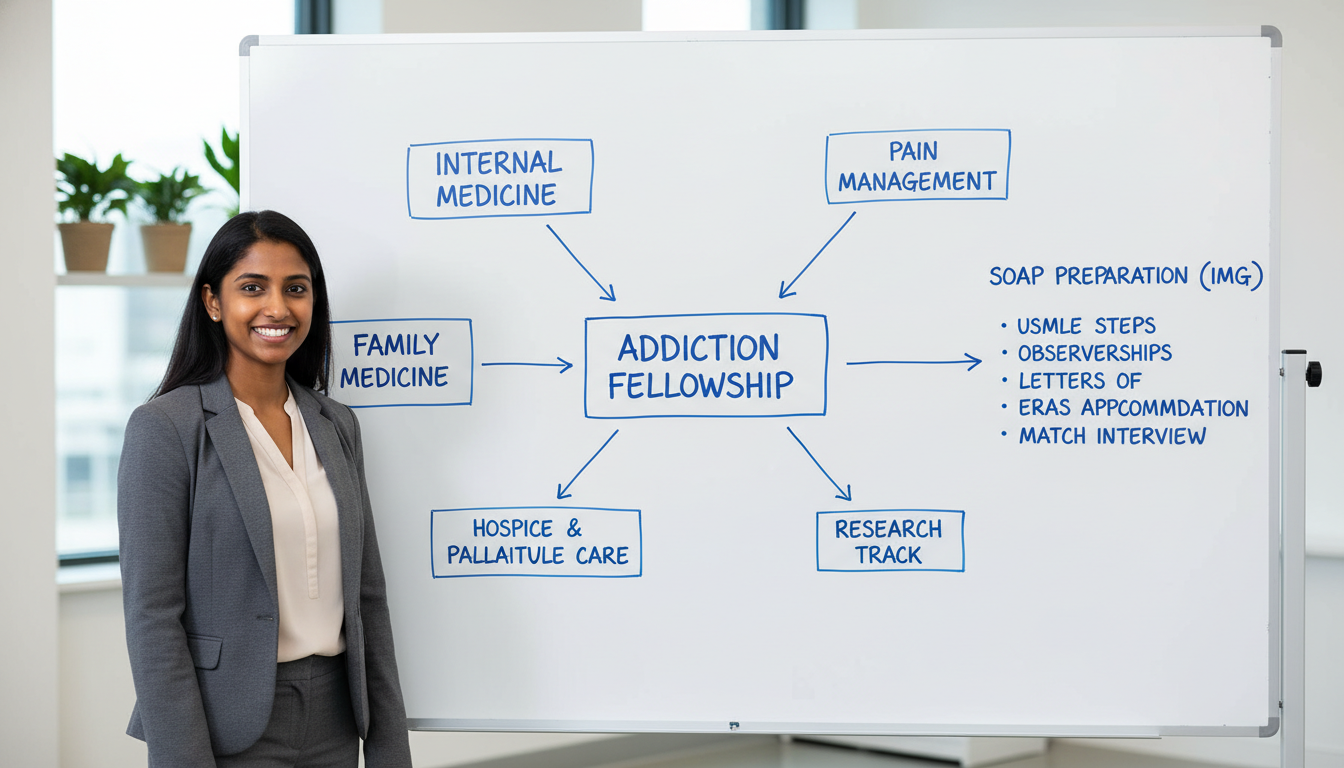
SOAP is not a separate pathway to an addiction medicine fellowship directly—addiction medicine is a fellowship-level specialty. For a non-US citizen IMG, SOAP is a way to secure a primary residency (often in internal medicine, family medicine, psychiatry, or pediatrics) that will later qualify you for an addiction medicine fellowship and structured substance abuse training.
Why SOAP Matters Specifically for Non-US Citizen IMGs
As a non-US citizen IMG or foreign national medical graduate, you face additional constraints:
- Visa dependency: You must target programs willing to sponsor H-1B or J-1 visas.
- Perception bias: Some programs may prefer US graduates or US citizens/green card holders; SOAP gives you access to a broader list of programs that still have unfilled spots.
- Time pressure: You must pivot very quickly when initial Match outcomes are not in your favor.
SOAP can be particularly strategic if:
- You targeted competitive specialties or locations.
- You are open to multiple core specialties that can lead to addiction medicine fellowship training later.
- You already have experience or interest in substance abuse training, mental health, or public health.
SOAP and Addiction Medicine: The Strategic Link
Since addiction medicine is a fellowship subspecialty, your SOAP strategy should focus on:
Maximizing your chance to obtain any ACGME-accredited residency that:
- Accepts IMGs.
- Is willing to sponsor your visa.
- Provides exposure to addiction, psychiatry, or behavioral health.
Targeting core specialties that feed into addiction medicine:
- Internal Medicine (IM)
- Family Medicine (FM)
- Psychiatry
- Pediatrics
- Emergency Medicine (select pathways)
- Obstetrics & Gynecology (less common, but possible in some programs)
Your end goal is addiction medicine; your immediate SOAP goal is a solid residency foothold that makes you competitive for an addiction medicine fellowship later.
Pre-SOAP Foundations: Set Yourself Up Before Match Week
SOAP preparation starts months before Match Week. The more ready you are before Monday of Match Week, the more calmly and efficiently you can move.
1. Know Your Eligibility and Logistics
As a non-US citizen IMG, confirm:
ECFMG Certification
- Completed exams (USMLE Step 1, Step 2 CK; OET if applicable).
- ECFMG certificate issued or on track to be issued before Rank Order List certification.
Visa Status
- Are you outside the US or in the US on a different visa?
- Are you eligible for J-1, H-1B, or both?
- Any time constraints with your current status (e.g., OPT end date, visitor status)?
Many programs that accept foreign national medical graduates during SOAP will specify:
- “J-1 only”
- “J-1 or H-1B”
- “No visa sponsorship”
You must be able to filter quickly based on this.
2. Clarify Your Specialty Strategy for Addiction Medicine
Before SOAP, think in scenarios:
Scenario A: You are already applying in IM/FM/Psych.
- SOAP focus: similar specialties and geographic regions, but more flexible on program prestige.
- Addiction medicine goal: choose programs with strong behavioral health, substance use disorder (SUD) clinics, or integrated mental health.
Scenario B: You applied in a more competitive specialty (e.g., radiology, dermatology) and did not match.
- SOAP focus: quickly pivot to IM, FM, or Psychiatry.
- Addiction medicine goal: secure any training that allows later transition to addiction medicine fellowship.
Scenario C: Limited interviews or red flags.
- SOAP focus: maximize number of programs you can credibly apply to in IM/FM/Psych, including community-based and less competitive geographic regions.
Your mindset: flexibility now, specialization later.
3. Upgrade Your ERAS Application with Addiction-Relevant Content
Before SOAP, refine your application to highlight genuine interest and readiness for addiction-related work.
a. Personal Statement Strategy
You may not know if you’ll need SOAP until Match Week, but you can prepare:
- One broad core specialty personal statement (e.g., Internal Medicine or Family Medicine) that:
- Shows your interest in caring for patients with SUDs, mental health comorbidities, or chronic disease management.
- Emphasizes your commitment to underserved communities, public health, and longitudinal care.
- Optional: A Psychiatry-focused PS if Psychiatry is a realistic SOAP target.
In all versions, incorporate:
- Any addiction-related exposure: e.g., detox units, overdose management, harm-reduction clinics, AA/NA groups, or community outreach.
- Reflection on stigma, empathy, and communication with vulnerable populations.
- Long-term goal: to pursue substance abuse training and addiction medicine fellowship (stated as an aspirational future, not as if you’re uninterested in general patient care).
b. CV and Experiences
Highlight experiences that support an addiction medicine trajectory:
- Rotations:
- Psychiatry, internal medicine wards with high SUD prevalence.
- Emergency departments dealing with intoxication or overdose.
- Research:
- Projects on alcoholism, opioid use disorder, mental health, epidemiology of addiction.
- Volunteer work:
- Homeless shelters, needle-exchange programs, crisis hotlines, rehab centers.
- Skills:
- Motivational interviewing, trauma-informed care, group counseling exposure.
Make these prominent in your ERAS Work/Experience and Publications sections so program directors see your relevance quickly during SOAP.
Step-by-Step SOAP Preparation Timeline for Non-US Citizen IMGs
1–2 Months Before Match Week
Update ERAS Thoroughly
- Ensure all work experiences, research, and volunteer roles are fully described.
- Check for grammar, formatting consistency, and clarity.
- Emphasize addiction-relevant content as discussed.
Prepare Multiple Personal Statements
- Generic IM/FM PS with addiction interest.
- Psychiatry PS with SUD emphasis (if relevant).
- Keep them saved and labeled clearly so you can upload or assign efficiently during SOAP.
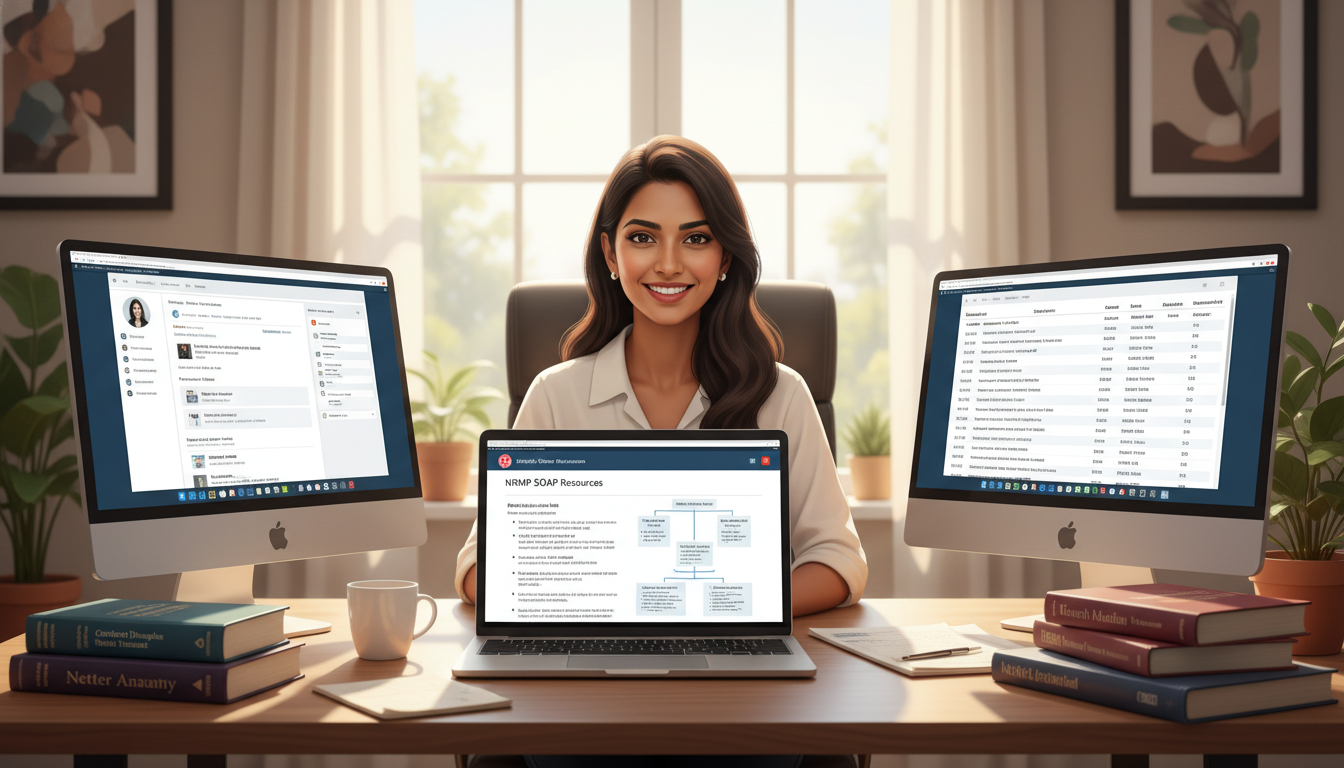
Research Programs That Historically Take IMGs
- Use FREIDA, program websites, and forums to:
- Identify IM, FM, Psych programs that list “IMG Friendly.”
- Verify past or stated visa sponsorship.
- Create a spreadsheet with:
- Program name, state, specialty.
- Visa status (J-1, H-1B, no sponsorship).
- Addiction-related resources (SUD clinic, integrated behavioral health, addiction consult service).
- Use FREIDA, program websites, and forums to:
Gather US-Based References
- If possible, secure strong and recent letters from US physicians—especially those:
- Working in psychiatry, addiction medicine, internal medicine, or family medicine.
- Ask them early so letters are already in ERAS before SOAP.
- If possible, secure strong and recent letters from US physicians—especially those:
Technical Preparation
- Know your ERAS and NRMP login details.
- Ensure your contact info is correct (email, phone, time zone).
- Understand the SOAP schedule and rules by reading NRMP and ERAS SOAP guides.
Match Week Execution: How to Navigate SOAP Day by Day
Monday: Unmatched Status and Rapid Reorientation
At 10:00 AM ET Monday of Match Week, you learn whether you are:
- Matched
- Partially matched
- Unmatched
If unmatched or partially matched and you meet NRMP criteria, you are SOAP eligible.
Obtain the List of Unfilled Programs
By early afternoon (time varies by year), the NRMP releases:
- List of unfilled programs accessible through your NRMP R3 account.
- Details: specialty, program codes, number of positions.
You must then:
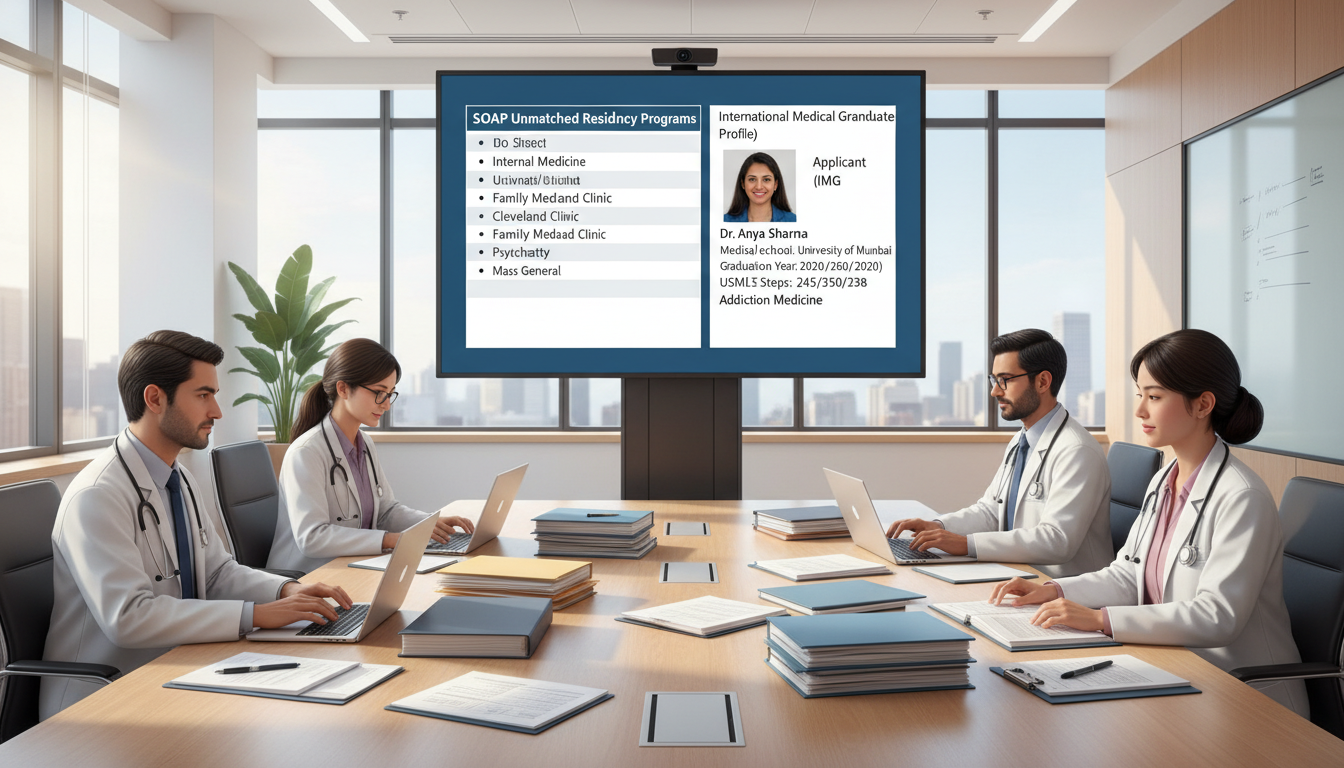
Filter programs quickly:
- Only SOAP-participating positions.
- Core specialties relevant for addiction medicine (IM, FM, Psych, occasionally Pediatrics or EM).
- Programs that sponsor your visa type.
Cross-reference your pre-SOAP spreadsheet:
- See which of your researched programs appear on the unfilled list.
- Add new programs that list IMG/visa-friendly language directly on NRMP/FREIDA or program sites.
Prioritize target programs:
- Tier 1: Accept your visa, have SUD/addiction resources, are IMG-friendly.
- Tier 2: Accept your visa, moderate IMG track record, no clear SUD focus but good core training.
- Tier 3: Accept your visa, limited data on IMGs, but you are willing to try.
Remember, you can send up to 45 SOAP applications total, across all specialties.
Monday–Tuesday: Submitting SOAP Applications Strategically
Application Customization
Within SOAP, you cannot contact programs directly (email or calls are prohibited), but you can:
- Tailor personal statements by program or at least by specialty.
- Organize your document assignments in ERAS (PS, LoRs) to reflect:
- Interest in SUD care.
- Suitability for their specialty (IM vs FM vs Psych).
For example:
For a community FM program with high SUD burden:
- Emphasize primary care in underserved populations.
- Highlight any continuity clinic experiences, opioid prescribing education, or overdose prevention work.
For a Psychiatry program:
- Emphasize mental health interest and any exposure to dual-diagnosis or detox units.
- State your long-term goal of combining psychiatric expertise with addiction medicine fellowship.
Visa and Geographic Realism
As a non-US citizen IMG in SOAP, your primary constraint is visa sponsorship. Be disciplined:
- Do not waste applications on programs that state “no visa sponsorship.”
- Give higher weight to:
- J-1–friendly academic centers.
- H-1B–friendly community hospitals known for IMGs.
- Stay flexible about:
- Location (rural, cold climates, less popular states).
- Prestige (well-structured community programs can still lead to strong addiction medicine fellowship outcomes).
Balancing Breadth vs Focus
You have 45 applications maximum.
Sample allocation strategy for an IMG targeting addiction medicine:
- Internal Medicine: 20–25 programs
- Family Medicine: 10–15 programs
- Psychiatry: 5–10 programs
- Pediatrics or EM (if realistic): 0–5 programs
Adjust according to where you have:
- Stronger scores.
- More relevant experience.
- Better visa prospects.
Tuesday–Thursday: Interviews and Offers
Programs may begin reviewing SOAP applications as soon as they receive them and can:
- Request phone or video interviews.
- Ask for rapid availability due to the compressed timeline.
Interview Preparation Focused on Addiction-Relevant Strengths
Expect short, intense conversations. Prepare talking points that integrate your interest in addiction medicine while emphasizing your suitability for a generalist residency:
Why this specialty (IM/FM/Psych)?
- For IM/FM: “I want to manage complex chronic diseases, including substance use disorders, in a longitudinal, holistic way.”
- For Psych: “I am drawn to understanding and treating the interplay of mental illness and addiction.”
Why this program?
- Mention:
- Community demographics (high SUD prevalence, underserved populations).
- Any addiction consult service, integrated behavioral health, or community outreach you found on their website.
- Mention:
How do you handle challenging patients (intoxicated, non-adherent, or stigmatized)?
- Provide a specific, de-identified story from your clinical experience.
- Emphasize empathy, nonjudgmental communication, and boundary-setting.
Future goals:
- “I aim to be a strong internist/family doctor/psychiatrist first; in the long term, I plan to pursue additional substance abuse training and potentially an addiction medicine fellowship.”
Keep your tone humble and flexible. Programs want to see that you will fully commit to and value the core specialty, not treat it as a “stepping stone” only.
Understanding Offers During SOAP
SOAP has several offer rounds (exact timing can vary):
- Round 1, Round 2, etc., typically on Wednesday and Thursday.
- Offers appear in your NRMP R3 account.
- You may:
- Accept
- Reject
- Let an offer expire (not recommended unless absolutely necessary)
Key rules:
- You can hold only one position at a time.
- Once you accept a SOAP offer, you are bound to that program (like a Match contract).
- If you reject or let an offer expire, that position will be offered to someone else.
For a non-US citizen IMG, accepting a compatible program that sponsors your visa is almost always better than gambling for a potentially “better” opportunity later in the week.
After SOAP: Building a Pathway to Addiction Medicine Fellowship
Once SOAP concludes and you (hopefully) have a residency position, you shift from what is SOAP and SOAP preparation to career-building in addiction medicine.
Maximizing Your Residency for Addiction Medicine
During residency (IM/FM/Psych or others), you can build your addiction profile through:
Electives and Rotations
- Addiction consult services.
- Inpatient detox or dual-diagnosis units.
- Outpatient SUD clinics.
- Community mental health centers.
Research and Quality Improvement (QI)
- Projects on:
- Opioid stewardship.
- Buprenorphine or methadone access.
- Overdose prevention (naloxone distribution).
- Integrated behavioral health models in primary care.
- Projects on:
Extra Certifications and Courses
- Buprenorphine training (if/when applicable in your jurisdiction).
- Motivational interviewing workshops.
- Courses in trauma-informed care, harm reduction, or public health approaches to SUD.
Mentorship
- Identify an attending who is:
- Board-certified in addiction medicine or addiction psychiatry.
- Involved in SUD research or community programs.
- Request guidance on:
- CV building.
- Conference abstracts and posters.
- Addiction medicine fellowship applications.
- Identify an attending who is:
Positioning Yourself as a Competitive IMG for Addiction Medicine Fellowship
As a foreign national medical graduate, fellowship programs will again ask about visa sponsorship. Many addiction medicine fellowships are:
- Housed in internal medicine, psychiatry, or family medicine departments.
- Funded variably; some sponsor only J-1, some both J-1 and H-1B.
During residency:
- Track which addiction medicine fellowships:
- Accept IMGs.
- Sponsor visas.
- Have alumni who were non-US citizen IMGs.
- Prepare early:
- Update CV with all addiction-related work.
- Collect letters from addiction specialists and program leadership.
- Craft a fellowship personal statement showing a clear trajectory from your initial SOAP residency through your addiction-focused efforts.
Practical Tips and Common Pitfalls for Non-US Citizen IMGs in SOAP
High-Impact Tips
Start SOAP preparation even if you’re optimistic about matching.
It is not pessimistic; it is risk management.Be realistic about scores and red flags.
Target specialties and programs where your academic and experiential profile is competitive.Prioritize visa-friendly programs methodically.
Use filters and your spreadsheet; avoid guesswork.Keep all communication professional and calm.
Programs see many stressed applicants. Present as composed, honest, and flexible.Emphasize teachability and work ethic in interviews.
Program directors often prefer an eager, reliable IMG over a more “polished” but rigid applicant.
Common Mistakes to Avoid
Ignoring program visa policies.
Applying to “no visa” programs is a wasted slot.Over-narrow specialty focus.
If your ultimate goal is addiction medicine, do not limit yourself to only psychiatry positions. IM and FM are excellent routes.Sounding like you only care about addiction medicine.
Programs want residents who embrace the full scope of their specialty. Frame addiction medicine as a special interest within that broader specialty.Disorganized document assignments in ERAS.
Double-check that each program receives the appropriate personal statement and relevant LoRs.Violating SOAP contact rules.
Respect NRMP and program guidelines; inappropriate contact can harm your chances.
FAQs: SOAP Preparation for Non-US Citizen IMGs in Addiction Medicine
1. Can I aim for addiction medicine directly through SOAP?
No. Addiction medicine is a fellowship, not an entry-level residency. SOAP offers positions in residency programs (e.g., internal medicine, family medicine, psychiatry). Your SOAP goal is to secure a suitable residency that will later make you eligible for an addiction medicine fellowship and more advanced substance abuse training.
2. Which residency specialty is best if I ultimately want an addiction medicine fellowship?
The most common and versatile pathways are:
- Internal Medicine
- Family Medicine
- Psychiatry
Each can lead to addiction medicine fellowship. Choose based on where you are strongest, where you can realistically match (considering your IMG and visa status), and the kind of patients you see yourself treating long term.
3. As a non-US citizen IMG, should I apply only to J-1–sponsoring programs during SOAP?
Not necessarily only, but you must apply primarily to programs that sponsor a visa you are eligible for. If you qualify for both J-1 and H-1B, you can apply to both types; if you can only obtain J-1, applying to H-1B-only programs is not useful. In SOAP, your 45 applications are extremely valuable—use them where a contract is actually possible.
4. How can I show my interest in addiction medicine without worrying programs that I’m not committed to their core specialty?
Balance is key. In your personal statement and interviews:
- Emphasize your excitement to be an excellent internist/family physician/psychiatrist.
- Connect addiction medicine interest to the broader specialty:
“Caring for patients with substance use disorders is integral to good internal medicine/family medicine/psychiatry.” - Frame addiction medicine as a natural extension of your core specialty, not a diversion from it.
By preparing early, understanding what SOAP is, and crafting a flexible yet focused strategy, you can use SOAP as a powerful tool to secure residency training in a specialty that supports your long-term goal: becoming an expert in addiction medicine as a non-US citizen IMG.