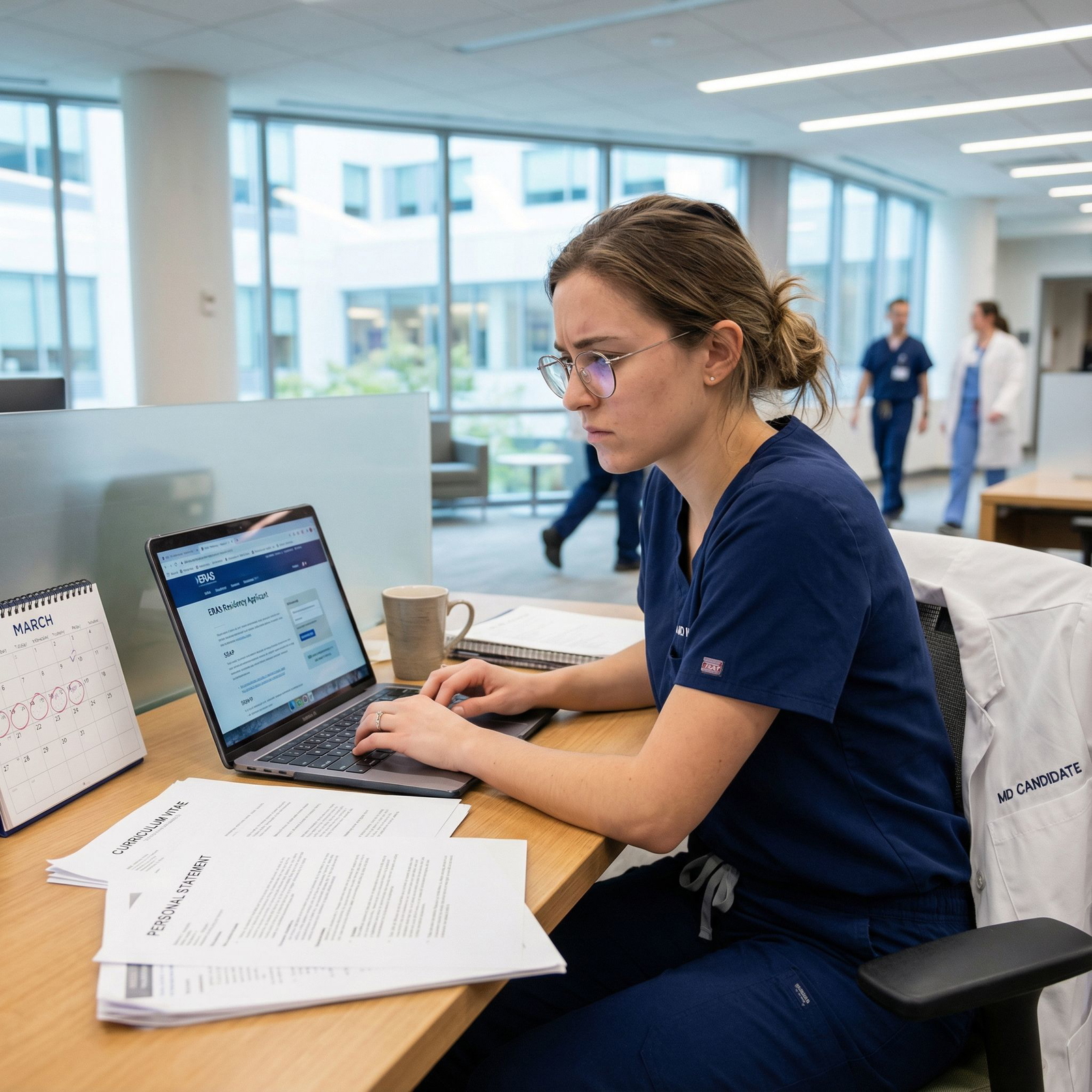
Understanding SOAP for Non-US Citizen IMGs in Anesthesiology
As a non-US citizen IMG aiming for anesthesiology, preparing for the Supplemental Offer and Acceptance Program (SOAP) requires a very specific strategy. Your situation is more complex than that of US seniors or US-IMGs: you must balance visa considerations, program eligibility, and the realities of how competitive anesthesiology has become.
This article will walk you step-by-step through SOAP preparation months before Match Week, with a focus on:
- How SOAP actually works in practice
- Unique challenges for a non-US citizen IMG in anesthesiology
- How to build a strong SOAP-ready portfolio (documents, letters, exams, and strategy)
- How to target and communicate with programs likely to rank you
- How to avoid common mistakes that cost non-US citizen IMGs opportunities
Throughout, we’ll use anesthesiology-specific examples and keep the focus firmly on foreign national medical graduates.
What Is SOAP and Why It’s Critical for Non-US Citizen IMG Anesthesiology Applicants
SOAP (Supplemental Offer and Acceptance Program) is the structured process NRMP uses during Match Week to fill unfilled residency positions. It runs from Monday to Thursday of Match Week and is not a free-for-all scramble; it’s a regulated, application-and-offer process.
The SOAP Timeline in Brief
Exact times change slightly each year, but the structure is consistent:
Monday (Match Week)
- 11:00 AM ET: You learn whether you matched (but not where).
- If you are eligible for SOAP and unmatched/partially matched, you get access to the list of unfilled programs in ERAS.
- You can start applying to unfilled programs (maximum of 45 programs total across all specialties).
Tuesday–Thursday
- Programs review applications, may conduct fast video/phone interviews, and submit their preference lists.
- NRMP runs multiple offer rounds. You may receive, accept, or reject offers. Once you accept, you are bound to that position.
Why SOAP Is Especially Important for Non-US Citizen IMGs
For a non-US citizen IMG in anesthesiology, SOAP is both an opportunity and a trap:
Opportunities:
- Some anesthesiology programs may unexpectedly go unfilled, especially in smaller cities, newer programs, or those with higher workload.
- You might gain access to categorical or advanced anesthesia positions that didn’t fill with US seniors.
- Even if there are few or no anesthesia spots, SOAP can help you land a preliminary or transitional year (e.g., internal medicine, surgery prelim) which you can later leverage into anesthesiology.
Risks and Challenges:
- Many unfilled programs do not sponsor visas, or may suddenly decide not to consider non-US citizens during SOAP due to time constraints.
- Time zone differences and short interview windows can make it hard for foreign national medical graduates overseas to respond quickly.
- Anesthesiology is competitive; SOAP anesthesiology positions are limited, and programs often prefer candidates who previously interviewed or have strong US clinical exposure.
For a non-US citizen IMG anesthesiology applicant, the key mindset:
Prepare for SOAP as if it is a near-certain possibility, not a backup afterthought.
Eligibility, Visa Realities, and How They Shape Your SOAP Strategy
Before you invest energy in SOAP preparation, confirm you actually qualify for SOAP and understand how your visa status shapes which programs to target.
SOAP Eligibility Essentials
To participate in SOAP, you must:
- Be registered for the Main Match with NRMP.
- Be ERAS-registered and certified by ECFMG by the NRMP certification deadline.
- Be unmatched or partially matched (for example, matched to only an advanced position without a prelim year).
- Not have an active binding contract with any NRMP or outside match residency position that starts the same year.
If you are a non-US citizen IMG, ECFMG certification timing is critical. Any delay in Step 2 CK, OET, or document verification may leave you ineligible for SOAP, which eliminates this safety net completely.
Action point (6–9 months before Match Week):
- Confirm your ECFMG pathway, exams, and credentials will be fully processed before NRMP’s certification deadline.
- Track this like a project: keep a simple spreadsheet with each item and expected completion date.
Visa Considerations: The Hard Reality
For a foreign national medical graduate, visa is often the decisive factor for programs during SOAP. Programs have limited time and may not want to navigate complex sponsorship issues under time pressure.
Typical scenarios:
- J-1 Visa (via ECFMG):
- Most common and most realistic for non-US citizen IMGs.
- Many university and community programs are used to J-1 sponsorship.
- H-1B Visa:
- More complex; requires USMLE Step 3 passed and institutional willingness to sponsor.
- During SOAP, some programs will avoid H-1B completely due to deadlines and paperwork.
- No Visa Needed (Permanent Resident/Green Card):
- If this is you, emphasize it strongly. You become almost like a US-IMG in logistical terms.
Action point (3–6 months before Match Week):
- Decide your primary visa path (usually J-1) and ensure all required steps are progressing.
- In your ERAS and CV, mention your visa status clearly (e.g., “Requires J-1 visa sponsorship; ECFMG-certified”).
- Avoid planning around H-1B-only strategies unless you have Step 3 done and realistic H-1B options.

Strategic SOAP Preparation for Anesthesiology: 3–6 Months Before Match Week
Waiting until Match Week to think about SOAP is one of the most damaging mistakes non-US citizen IMG anesthesiology applicants make. Thorough SOAP preparation starts well in advance and has three core pillars:
- Documents and application readiness
- Communication and networking groundwork
- Realistic backup strategy for non-anesthesiology positions
1. Application Documents Tailored for SOAP
You already have an ERAS application, but SOAP requires rapid targeting. Think of SOAP as a situation where you must pitch yourself in 2–5 minutes of reading time.
Key elements to prepare:
a. SOAP-Focused Personal Statement Variants
Have at least 2–3 versions of your personal statement ready, saved and easy to upload:
Anesthesiology-focused (SOAP version)
- Shorter and more direct than your main statement (around 600–800 words).
- Emphasize:
- Clinical readiness and reliability
- Comfort with high-acuity settings
- Strong US clinical or observership experience in anesthesia or critical care
- Ability to adapt quickly and integrate into a new team
Preliminary Internal Medicine or Surgery PS
- If anesthesiology slots are scarce, prelim IM or surgery can be your bridge.
- Emphasize:
- Desire to build strong general clinical foundations
- Interest in perioperative medicine, critical care, or acute care that connects to anesthesia
- Teamwork and procedural aptitude
Transitional Year PS (if relevant)
- Similar to prelim but more generalized focus.
Practical tip:
Use a modular template where 60–70% of the content is stable, and you change 2–3 paragraphs to fit the specialty. This allows you to quickly tailor to anesthesia vs prelim IM vs prelim surgery.
b. Updated CV and ERAS Content
Make sure your ERAS experiences are:
- Concise and impact-focused (what you accomplished, not just what you did).
- Up to date with:
- Recent observerships or externships (especially in anesthesia, ICU, or perioperative medicine).
- Research, audits, or QI projects related to anesthesia, pain, or critical care.
- Teaching or leadership roles (anesthesia programs value calm leadership in the OR).
Example:
Instead of:
“Observed in anesthesia department; assisted residents; attended surgeries.”
Use:
“Participated in 4-week anesthesia observership: observed >60 cases (general surgery, orthopedics, obstetrics), documented pre-op assessments, and presented 2 case-based discussions on airway management and postoperative nausea/vomiting.”
c. Letters of Recommendation Strategy
Before SOAP, ensure you have:
- At least 2 strong letters from anesthesiologists (preferably from US institutions), and
- 1–2 additional letters from internal medicine, surgery, or ICU attendings.
The goal: if anesthesia SOAP positions are limited, you can still apply credibly for prelim IM/surgery or TY without your letters appearing mismatched.
Action point:
Ask your letter writers early if they are comfortable highlighting your adaptability, reliability, and procedural potential—qualities anesthesia program directors often seek.
2. Pre–SOAP Networking and Program Research
Many anesthesia programs that go unfilled in the regular match have predictable characteristics: newer programs, less popular locations, heavier workloads, or smaller academic reputations. These may still be excellent training environments.
Identify Likely SOAP Program Targets
Months before Match Week:
- Analyze last 2–3 years of NRMP Charting Outcomes and unfilled positions data (if available from forums, alumni, or advisors).
- Identify programs that:
- Accept non-US citizen IMGs and sponsor J-1 visas.
- Have historically ranked or interviewed IMGs.
- Are in regions more open to IMGs (e.g., certain community programs, midwest, south).
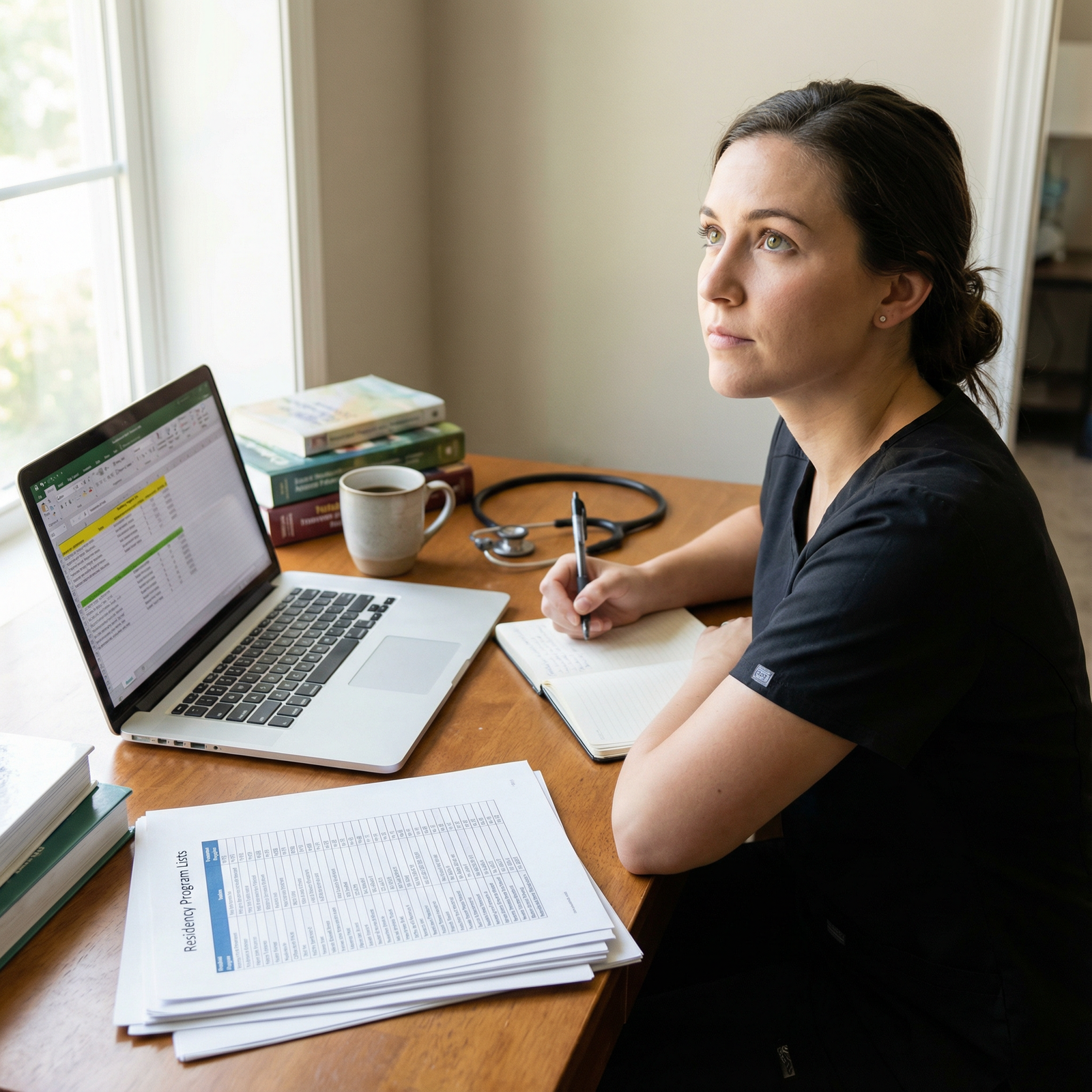
Create a spreadsheet with:
- Program name
- Location
- Visa status (J-1/H-1B/no sponsorship)
- IMG-friendliness (from program websites, residents’ backgrounds, or alumni info)
- Contact info for program coordinator/director
- Notes (e.g., “new program,” “community-based,” “strong ICU exposure”)
This spreadsheet becomes your SOAP targeting map.
Light Networking Before Match Week
As a foreign national medical graduate, respectful, low-pressure outreach can help you stand out later:
- If you had an interview at a program that might go unfilled, stay in light touch (e.g., an occasional email updating them on new activities or thanking them for the interview).
- If you did observerships, maintain a relationship with faculty there—they may know which programs often go unfilled and can advise or alert colleagues.
Do not explicitly write “I hope to be considered during SOAP.” Instead, focus on:
- Gratitude for teaching or interview opportunities
- Brief updates on your progress (exam scores released, new projects, etc.)
- Expressing continued interest in anesthesiology and the type of program they run.
3. A Realistic Backup: Beyond Anesthesia
As much as you aim for anesthesiology residency, a purely anesthesia-only SOAP strategy is risky for a non-US citizen IMG.
You should decide in advance:
- Will you apply only to anesthesiology in SOAP, or
- Will you also apply to prelim IM, prelim surgery, or transitional year positions?
Advantages of a prelim/TY backup:
- Keeps you clinically active in the US system.
- Allows you to build new US-based contacts and anesthesiology-supporting experience (ICU, perioperative consults, pain clinic).
- Greatly increases the probability of getting a position through SOAP.
Design your plan before Match Week:
Example plan for a non-US citizen IMG:
- Top priority: Unfilled anesthesiology categorical or advanced programs that sponsor J-1.
- Second tier: Prelim medicine or surgery in hospitals with anesthesia departments open to future applicants.
- Third tier: Transitional year in hospitals with strong ICU/OR exposure.

Execution During Match Week: SOAP Preparation in Real Time
By Match Week, your goal is to switch into execution mode. Preparation lets you respond faster than other applicants, which is critical in SOAP.
Monday: When You Learn You Are Unmatched or Partially Matched
At 11:00 AM ET, if you’re unmatched or partially matched and eligible for SOAP:
- Stay calm and organized. Take 10–15 minutes to reset emotionally.
- Log into ERAS and NRMP.
- Access the list of unfilled programs.
Now you must:
1. Filter Programs Quickly
Within the first 1–2 hours:
- Filter by specialty = Anesthesiology (both categorical and advanced).
- From these, immediately eliminate programs that:
- Do not sponsor visas (check the program website or past notes).
- Explicitly say “US citizens or permanent residents only.”
For the remaining anesthesia programs:
- Check the program’s website quickly to see:
- IMG history
- Visa details
- Any SOAP-specific instructions
Prioritize:
- Programs with explicit J-1 sponsorship
- Programs that previously interviewed you
- Programs in your pre-made spreadsheet
If anesthesia positions are very limited, start planning how many of your 45 applications you’ll spend on prelim/TY positions.
2. Allocate Your 45 Applications Strategically
Example allocation for a non-US citizen IMG:
- 10–15 anesthesiology categorical/advanced positions (if available and visa-compatible)
- 20–25 prelim internal medicine (J-1 friendly, IMG-friendly hospitals)
- 5–10 prelim surgery or transitional year spots with strong OR/ICU exposure
The exact numbers depend on the actual list in your Match Week year. The principle is to:
- Maximize the number of programs where you are realistically eligible.
- Maintain a primary focus on anesthesiology but not to the exclusion of all other viable pathways.
3. Rapidly Tailor Your Application
Use the personal statement variants and templates you created:
For anesthesia programs:
- Upload the anesthesia-specific SOAP personal statement.
- Emphasize your readiness to start, visa clarity, and anesthesiology commitment.
For prelim/TY programs:
- Use the corresponding PS that ties your long-term goal (e.g., anesthesiology) to their training focus.
Double-check:
- Contact information (phone, email) is correct.
- Your voicemail greeting is professional and clear.
- Time zone differences will not cause missed calls (consider staying in a “SOAP mode” schedule for those 3–4 days).
Tuesday–Thursday: SOAP Interviews and Offers
Anticipating SOAP Interview Dynamics
Programs may:
- Send you short questionnaires by email.
- Schedule rapid Zoom/Teams or phone interviews.
- Sometimes make decisions based only on your file, with no interview.
As a foreign national medical graduate, you must be constantly reachable and prepared.
SOAP preparation for interviews includes:
A brief 30–60 second introduction:
- Who you are, medical school, ECFMG status, visa needs.
- Clear statement of interest in anesthesiology and the specific program type.
3–4 pre-prepared talking points:
- Why anesthesiology?
- How your prior experience (ICU, surgery, medicine) prepares you for anesthesiology.
- How you’ve adapted to new systems/cultures (important for IMGs).
- How you handle stress and high-acuity situations.
Honest, concise answers about:
- Exam attempts and gaps (if any).
- Visa status and readiness to begin on time.
Example answer for “Tell me about yourself” tailored to SOAP:
“I’m a non-US citizen IMG from [country], ECFMG-certified, requiring J-1 sponsorship. I completed my medical degree at [school], with strong exposure to perioperative care and critical care medicine. Over the past year I’ve completed observerships in anesthesiology and ICU in the US, and I’ve developed a strong foundation in preoperative evaluation and intraoperative monitoring. I’m particularly drawn to your program’s [mention a specific feature], and I’m ready to contribute as a reliable, hardworking resident starting this July.”
Handling Offers
NRMP runs SOAP offers in multiple rounds. Key rules:
- You can receive multiple offers in a round but may accept only one.
- Once you accept an offer, you are bound to that program and exit SOAP.
- If you reject an offer, you cannot receive another offer from the same program later.
For a non-US citizen IMG, important considerations:
- Confirm visa sponsorship before accepting. If unclear, ask directly:
- “Does your program sponsor J-1 visas, and is that feasible for this cycle?”
- If you receive an offer from a prelim IM program but are hoping for anesthesiology:
- Realistically assess the likelihood that you’ll get an anesthesia offer in later rounds.
- Consider your risk tolerance: one year of prelim medicine in the US is far better than no residency at all in terms of future chances.
Long-Term View: Using SOAP Outcomes to Still Get into Anesthesiology
Even if you don’t secure an anesthesiology spot during SOAP, you can still build a path toward anesthesia.
If You Match to a Prelim or Transitional Year
Maximize your year:
Seek rotations in:
- ICU
- Pulmonology
- Cardiology
- Pain management
- Perioperative consult services
Build relationships with anesthesiology faculty in the same hospital or affiliated institutions.
Involve yourself in anesthesia-relevant:
- QI projects (e.g., pain protocols, ERAS pathways)
- Research (postoperative complications, ICU outcomes, airway issues)
Your experience + US recommendations will make you a far stronger anesthesia applicant in the next cycle.
If You Don’t Match at All
Use your SOAP preparation work as a base:
- Strengthen your application in targeted ways (higher US clinical exposure, targeted research, improved scores if possible).
- Re-assess:
- Which programs and regions are more receptive to non-US citizens?
- Whether you can improve your visa situation (e.g., obtain US permanent residency through other routes if available).
Document your efforts methodically so next cycle’s personal statement and interviews reflect growth, not stagnation.
FAQs: SOAP Preparation for Non-US Citizen IMG in Anesthesiology
1. As a non-US citizen IMG, can I realistically get an anesthesiology residency through SOAP?
Yes, but it’s uncommon and highly competitive. Most anesthesiology positions fill in the main match. Your best SOAP chances typically involve programs that unexpectedly go unfilled due to:
- Location, workload, or newer status
- Prior IMG acceptance and J-1 sponsorship
You must be prepared to move quickly, have a tailored anesthesiology personal statement ready, and clearly state your visa status. Still, you should expect to allocate a portion of your 45 SOAP applications to prelim/TY positions as a realistic safeguard.
2. Should I focus only on anesthesiology in SOAP, or also apply to prelim internal medicine/surgery?
For most non-US citizen IMGs, focusing only on anesthesiology during SOAP is too risky. A more balanced plan is:
- Apply to every anesthesiology program that is visa-friendly and realistic.
- Use the remaining slots on prelim IM, prelim surgery, or transitional year positions at institutions where you can later build a bridge to anesthesiology.
This keeps your long-term anesthesia goal alive while significantly increasing your chance of matching into some position.
3. What is SOAP vs the old “scramble,” and does it affect how I should prepare?
SOAP replaced the old unregulated “scramble.” It is a structured process with:
- A fixed application limit (45 programs)
- Electronic offers in multiple rounds
- Strict rules about accepting/rejecting offers
This means you cannot mass-email programs with full applications at the last minute. Preparation must happen before Match Week: multiple tailored personal statements, a program list, knowledge of visa acceptance, and an interview script ready to use on short notice.
4. How should I address my visa needs in SOAP interviews and applications?
Be transparent and concise:
- State clearly: “I am ECFMG-certified and require J-1 visa sponsorship.”
- If you do not need visa sponsorship, emphasize that explicitly: “I am a permanent resident and do not require visa sponsorship.”
In interviews, be ready to show you understand the process and timelines (for J-1). For many program directors, clear, honest information about your status reduces uncertainty and increases your attractiveness compared to candidates who seem vague or unprepared.
By treating SOAP preparation as a core part of your anesthesiology application strategy—not a last-minute emergency—you greatly increase your odds of landing a US position, building US-based experience, and ultimately reaching your goal of becoming an anesthesiologist, even as a non-US citizen IMG.