Understanding SOAP for the Non‑US Citizen IMG Targeting PM&R
For a non-US citizen IMG interested in Physical Medicine & Rehabilitation (PM&R), the Supplemental Offer and Acceptance Program (SOAP) can be both a second chance and a high-pressure gauntlet. Effective SOAP preparation—well before Match Week—dramatically increases your chances of securing a PM&R residency spot or at least a categorical or preliminary position that keeps you clinically active in the US.
This guide is tailored specifically to you as a foreign national medical graduate aiming for PM&R residency. It will walk through what is SOAP, your pre‑Match preparation, and step‑by‑step strategies during Match Week, with PM&R‑specific considerations and examples.
1. What Is SOAP and Why It Matters for Non‑US Citizen IMGs in PM&R
1.1 What is SOAP?
SOAP (Supplemental Offer and Acceptance Program) is the NRMP-managed, structured process during Match Week that allows unmatched or partially matched applicants to obtain unfilled residency positions. It is not an open scramble; it’s a highly controlled, timeline-driven process.
Key structural features:
- You learn if you are matched or unmatched on Monday of Match Week (11 a.m. ET).
- If you are SOAP-eligible, you get access to a list of unfilled positions.
- You can apply through ERAS to a limited number of programs (currently up to 45).
- Programs review applications and conduct brief, rapid interviews (phone or video).
- Offers are extended in multiple SOAP rounds at specific times Wednesday–Thursday.
- Once you accept an offer, you are legally bound to that program through NRMP rules.
SOAP is particularly important in PM&R because:
- PM&R has become increasingly competitive.
- Many non-US citizen IMGs may not initially match into PM&R due to limited spots, visa constraints, and high competition.
- SOAP may offer:
- Direct unfilled PM&R positions (rare but possible).
- Preliminary/transitional year positions that keep you in the system and strengthen your future physiatry match application.
- Backup specialties that keep your clinical skills active and help you reapply.
1.2 SOAP Eligibility: Critical for Non‑US Citizen IMGs
To participate in SOAP, you must:
- Be registered with NRMP for the Main Residency Match.
- Be unmatched or partially matched at 11 a.m. ET Monday of Match Week.
- Be eligible for US residency training:
- ECFMG certified or will be by the residency start date.
- Have passed necessary USMLE exams as required by states and programs.
- Not have withdrawn from the Match or had your rank list invalidated.
For a non-US citizen IMG, visa and certification timing are crucial:
- ECFMG Certification: Ideally already completed by February. If pending (e.g., Step 2 CS alternatives, EPIC verification), you may be SOAP-ineligible or significantly disadvantaged.
- Visa Eligibility:
- Most programs will sponsor J‑1 visas.
- Some sponsor H‑1B, but often require USMLE Step 3 and strict timelines.
- Many programs explicitly state “US citizens/permanent residents only” for SOAP due to compressed timelines.
Check your ECFMG and NRMP status well before Match Week to confirm your SOAP eligibility. If in doubt, contact ECFMG and NRMP support months in advance, not days.
2. Strategic Mindset: SOAP as a Structured Emergency Plan
2.1 Why PM&R SOAP Strategy Is Unique
PM&R has relatively few positions nationwide compared to Internal Medicine or Family Medicine. As a non-US citizen IMG:
- Unfilled PM&R spots in SOAP may be very limited.
- Many PM&R programs that tolerate visa sponsorship fill in the main match.
- SOAP may be much more about:
- Grabbing a strong preliminary or transitional year that positions you for PM&R next year.
- Considering prelim Internal Medicine, Surgery, or a Transitional Year (TY) where you can get relevant rehabilitation and musculoskeletal exposure.
Your SOAP plan must therefore have tiers and backup paths:
- Tier 1: Unfilled PM&R categorical positions that accept non-US citizen IMGs.
- Tier 2: Transitional Year or Preliminary Medicine/Surgery in academic centers with PM&R departments.
- Tier 3: Other core specialties that keep you clinically active and legally in the US (via J‑1) while you prepare to re-apply to PM&R.
2.2 Emotional Regulation and Professionalism
Match Week is emotionally intense, and your response Monday morning can influence your performance.
Practical emotional strategies:
- Plan for both outcomes: Assume you may SOAP even if you feel confident about matching.
- Block your calendar: Clear your schedule Match Week Monday–Thursday; inform family/employers beforehand.
- Pre-prepare scripts: Have talking points ready for phone interviews so nerves don’t derail your presentation.
- Professionalism is non-negotiable: Programs are deciding fast; any hint of panic, entitlement, or unprofessional comments can eliminate you quickly.
3. Pre‑Match SOAP Preparation (Months Before Match Week)
If you wait until Monday of Match Week to think about SOAP preparation, you are already behind. Efficient SOAP success as a non-US citizen IMG requires structured work 3–6 months in advance.
3.1 Clarify Your Visa and Certification Status Early
- Confirm ECFMG Certification:
- Ensure all credentials are verified.
- Resolve any pending issues (name discrepancies, documents, exam score reporting).
- Decide on Visa Strategy:
- J‑1: Most realistic; ensure your understanding of J‑1 requirements, home-country return rule, and funding.
- H‑1B: If you want H‑1B:
- Aim to pass USMLE Step 3 before applications or at least before SOAP.
- Research which programs historically sponsor H‑1B.
Document this clearly in your CV and personal statement: “Eligible for J‑1 visa” or “Completed USMLE Step 3; eligible for H‑1B sponsorship.”
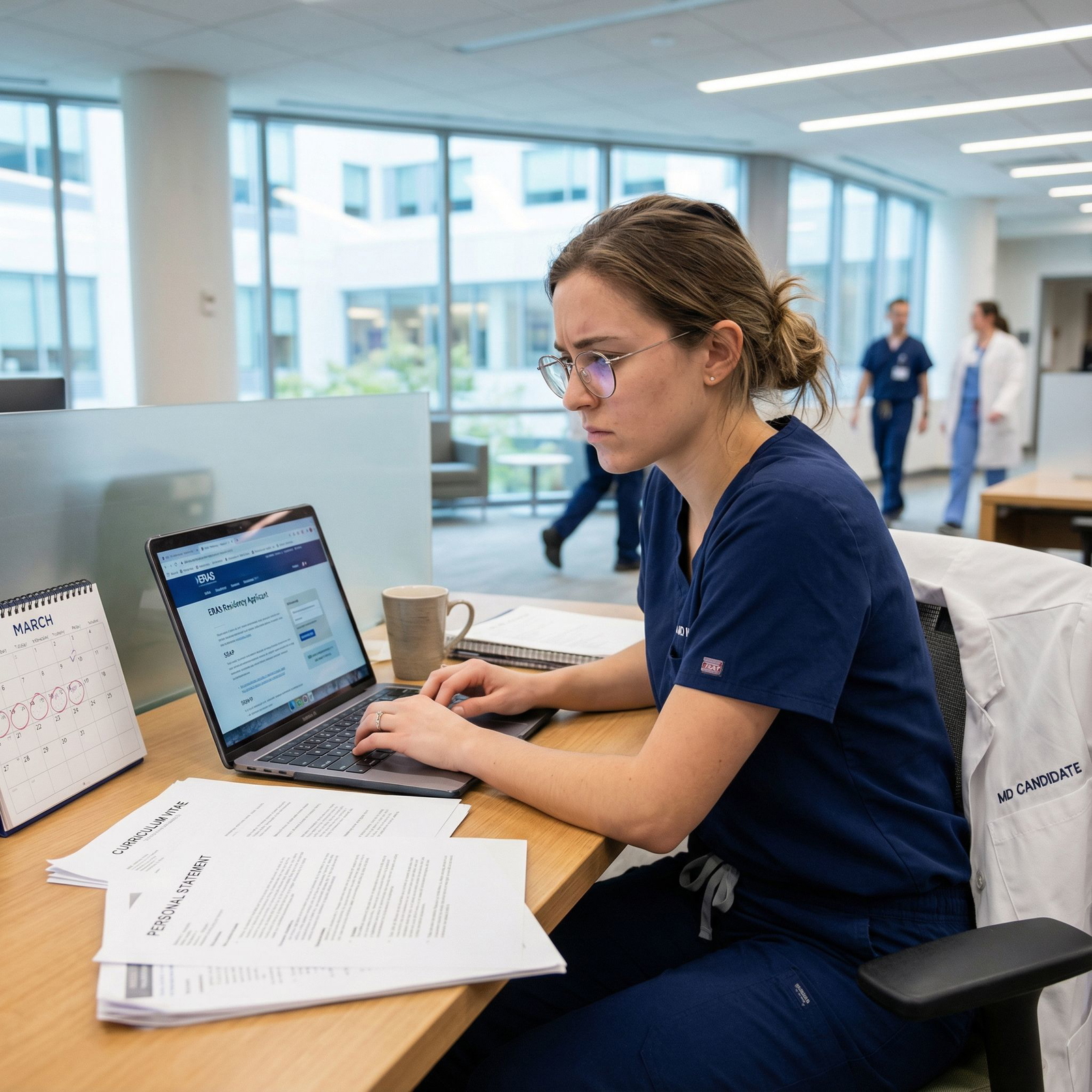
3.2 Build a SOAP-Focused Document Toolkit
During SOAP, you must act within hours, not days. Having all documents polished and ready is one of the most powerful forms of SOAP preparation.
Essential items:
Core CV (1–2 pages)
- Explicitly highlight:
- US clinical experience (especially rehab, neurology, orthopedics, internal medicine).
- Research or projects in disability, musculoskeletal medicine, neurology, pain, or sports.
- Emphasize language skills and experience with diverse patient populations—a strength for PM&R.
- Explicitly highlight:
Multiple Personal Statement Versions
- Version A – PM&R-specific:
- Focus on your motivation for physiatry: neurorehab, MSK, pain, pediatric rehab, or sports medicine.
- Integrate any hands-on rehab experience (PT/OT collaboration, stroke rehab, spinal cord injury exposure).
- Version B – Preliminary/TY-focused:
- Emphasize your desire for strong clinical training, your adaptability, and your long-term goal of PM&R.
- Version C – Other Backup Specialty (optional; e.g., Internal Medicine):
- Connect your clinical interests with long-term rehabilitation and chronic disease management.
- Version A – PM&R-specific:
Updated Letters of Recommendation (LoRs)
- Prioritize:
- PM&R attendings who know you directly.
- US-based supervisors if possible.
- Letters that explicitly address your clinical skills, reliability, and communication.
- Ask letter writers in advance if they’re comfortable having their letters used in SOAP scenarios.
- Prioritize:
Standardized Interview Answers (Written Scripts)
- “Tell me about yourself.”
- “Why did you not match?”
- “Why PM&R?”
- “Why are you interested in our program specifically?”
- “How does being a non-US citizen IMG shape your perspective?”
Prepare bullet-point scripts so you can respond smoothly in 1–2 minutes.
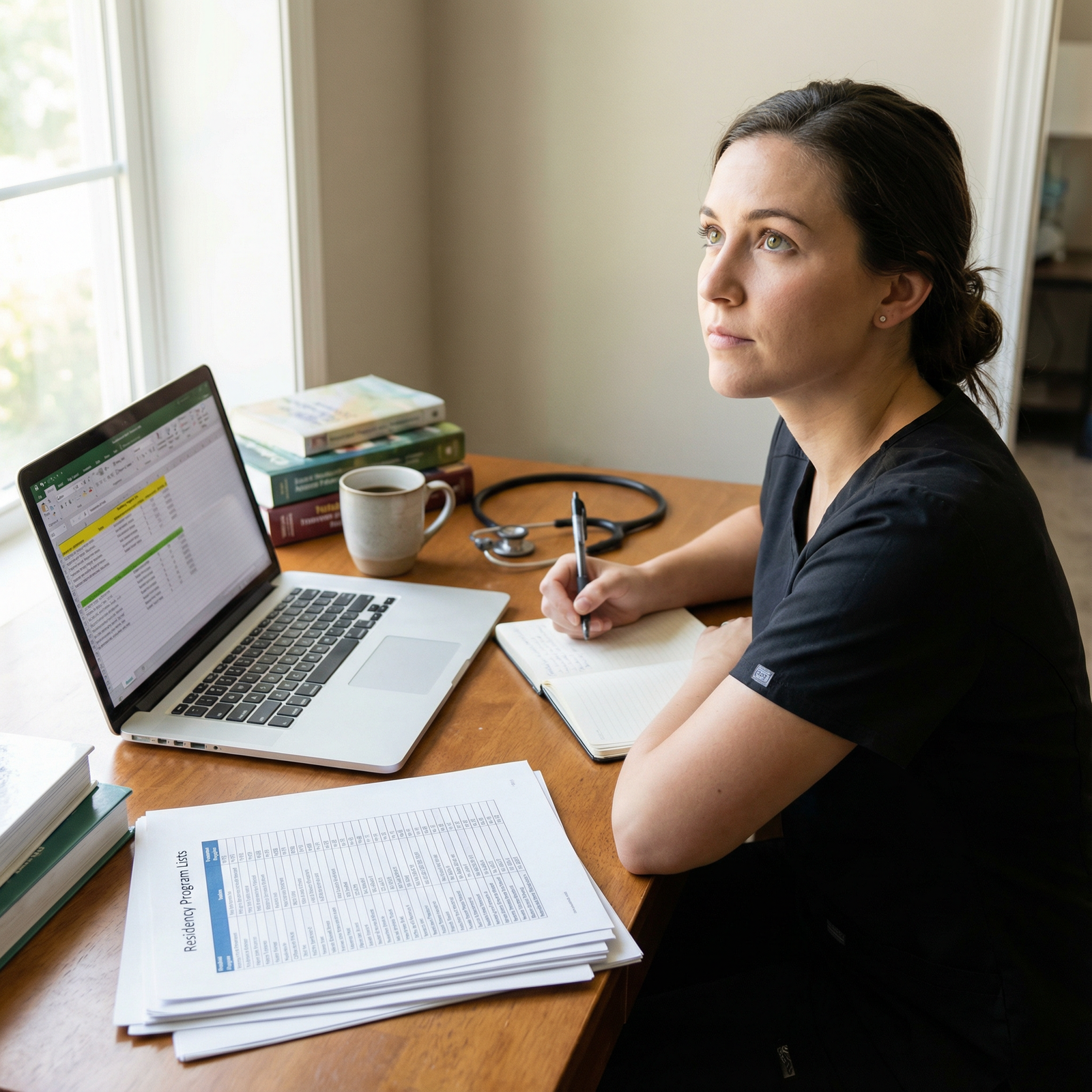
3.3 Research PM&R and Backup Programs Before SOAP
You will not know which specific programs will be unfilled until Monday of Match Week, but you can still build preliminary target lists.
Steps:
Create a Spreadsheet:
- Columns:
- Program name
- Specialty (PM&R/Prelim/TY/IM/etc.)
- Location
- Visa policy (J‑1 only, H‑1B, or none)
- Past history of taking IMGs and non-US citizens
- PM&R department presence
- Notes on strengths relevant to PM&R (strong rehab unit, stroke center, sports program, etc.)
- Columns:
Use Past NRMP/ERAS Data & Program Websites:
- Look up:
- Where PM&R unfilled positions historically occurred.
- Prelim/TY programs with close ties to PM&R departments.
- Look up:
Identify “Feeder” Programs for PM&R
- Transitional Year at hospitals with PM&R residencies.
- Preliminary Medicine at academic centers known for strong rehab services.
This database lets you respond within hours once the unfilled list is released.
3.4 Strengthen Your PM&R Profile Pre‑SOAP
Even before you know whether you will SOAP, build experiences that will make you an attractive PM&R or prelim candidate:
Electives or Observerships in PM&R:
- Try to secure rotations (even observerships) in rehab hospitals or PM&R departments.
- Get to know faculty who may later advocate for you.
Research or Quality Improvement:
- Projects in stroke rehab, spinal cord injury, MSK, pain management, or outcomes research.
- Even small roles (data collection, literature review) are helpful if properly framed.
Volunteer Work:
- Work with people with disabilities, adaptive sports groups, or long-term care centers.
Document all of this in your CV and PS; they demonstrate genuine, sustained interest in physiatry beyond just trying to match anywhere.
4. Executing During Match Week: SOAP Timeline and Tactics
4.1 Monday: Unmatched – What to Do in the First 24 Hours
At 11 a.m. ET Monday, you find out if you are:
- Matched – No SOAP needed.
- Partially matched (e.g., advanced but no prelim) – You may still participate in SOAP for unfilled preliminary positions.
- Unmatched – You can SOAP for categorical or preliminary positions if eligible.
If you are SOAP-eligible and unmatched:
Control your immediate reaction:
- Take 30–60 minutes to process privately.
- Avoid impulsive emails or calls to programs expressing disappointment.
Access the List of Unfilled Positions (noon ET Monday, through NRMP):
- Filter by:
- Specialty: PM&R, TY, Prelim Medicine, Prelim Surgery, IM, FP, etc.
- Visa sponsorship mention (if available).
- Cross-reference with your pre-built spreadsheet.
- Filter by:
Prioritize Programs for Application:
- First pass:
- Direct PM&R unfilled categorical positions that appear friendly to IMGs or visas.
- Second pass:
- Prelim/TY programs with strong PM&R or rehabilitation affiliations.
- Third pass:
- Other specialties/programs where you are competitive and can maintain clinical continuity.
- First pass:
Remember you have a maximum of 45 applications in SOAP (current limit; verify for your year). Use them strategically.
4.2 Building an Application Strategy: 45 Positions Wisely
A reasonable distribution for a foreign national medical graduate targeting PM&R might look like:
- 10–15 applications to PM&R categorical or advanced positions (if available).
- 15–20 applications to Transitional Year or Preliminary Medicine positions linked to PM&R departments.
- 10–15 applications to other strong categorical or preliminary positions likely to sponsor visas and open to IMGs.
Within each group, prioritize:
- Programs that explicitly state they sponsor J‑1 or H‑1B.
- Institutions with known international diversity among residents.
- Locations where you have geographic ties or prior experience.
4.3 Rapid Customization of Applications
During SOAP, you cannot produce fully unique personal statements for every program, but you must still show intentionality.
Practical approach:
- Use two base personal statements (PM&R and Prelim/TY) and lightly adapt:
- Add a 1–2 sentence paragraph mentioning:
- A program’s PM&R department.
- Rehabilitation facilities.
- City or region connection.
- Add a 1–2 sentence paragraph mentioning:
Example quick edit:
“Your institution’s well-regarded stroke rehabilitation program and integrated PM&R services align strongly with my long-term goal of becoming a physiatrist specializing in neurorehabilitation.”
- In ERAS, assign:
- PM&R PS to PM&R programs.
- Prelim/TY PS to those programs.
- Backup specialty PS if needed.
4.4 Communication Rules During SOAP
SOAP has strict contact rules:
- You may not contact programs on the unfilled list before they initiate contact with you (unless specific NRMP rules change; always check current year’s guidelines).
- Once they contact you:
- You can respond, answer questions, and interview.
- You should maintain professionalism and avoid pressuring programs for offers.
Violating SOAP communication rules can result in penalties, including Match violations—especially dangerous for a non-US citizen IMG who may rely on visa sponsorship.
4.5 Interview Performance in SOAP: PM&R-Focused Answers
SOAP interviews are often:
- Short (10–20 minutes).
- Focused on quick judgment of:
- Communication skills.
- Maturity.
- Fit with program culture.
- Reason for not matching.
Key talking points for PM&R interviews:
Tell Me About Yourself:
- 60–90 seconds, highlight:
- Core medical schooling.
- PM&R experiences.
- US clinical exposure.
- Personal background that supports resilience and empathy.
- 60–90 seconds, highlight:
Why PM&R? (or Why a Prelim/TY if that’s the program):
- Emphasize:
- Passion for function, quality of life, interdisciplinary teamwork.
- Concrete examples (e.g., stroke patient whose rehab motivated you).
- Long-term goal of practicing as a physiatrist.
- Emphasize:
Why You Didn’t Match:
- Be honest but constructive:
- “I applied only to PM&R and underestimated its competitiveness.”
- “I had fewer US clinical rotations due to visa and pandemic constraints.”
- Avoid blaming others or complaining about the system.
- Emphasize what you have learned and how you have improved.
- Be honest but constructive:
How Being a Non‑US Citizen IMG Shapes You:
- Highlight:
- Cultural sensitivity.
- Multilingual skills.
- Adaptability and resilience.
- Commitment to working with underserved populations.
- Highlight:
Always close by expressing:
- Clear interest in the program.
- Willingness to work hard.
- Specific reasons why you believe you fit their training environment.
5. Post‑Offer Strategy, If You Do or Don’t Secure a Spot
5.1 If You Receive a SOAP Offer
SOAP offers come in rounds (Wednesday and Thursday). When you receive an offer:
- You have a short window (usually 2 hours) to accept or reject.
- Once you accept:
- You are committed to that program.
- You are removed from further SOAP consideration.
Decision-making tips:
- For PM&R categorical offers:
- Almost always accept if:
- Visa sponsorship is clear.
- Accreditation is solid.
- Almost always accept if:
- For Prelim/TY offers:
- Evaluate:
- Program stability.
- Access to PM&R mentors.
- Ability to build a strong physiatry profile while there.
- Evaluate:
Do not reject an offer lightly, assuming something “better” will come later; there is no guarantee of another offer.
5.2 If You Do Not Receive Any Offers
If SOAP ends and you remain unmatched:
Stay composed and strategic; this is not the end of your PM&R journey.
Immediate steps:
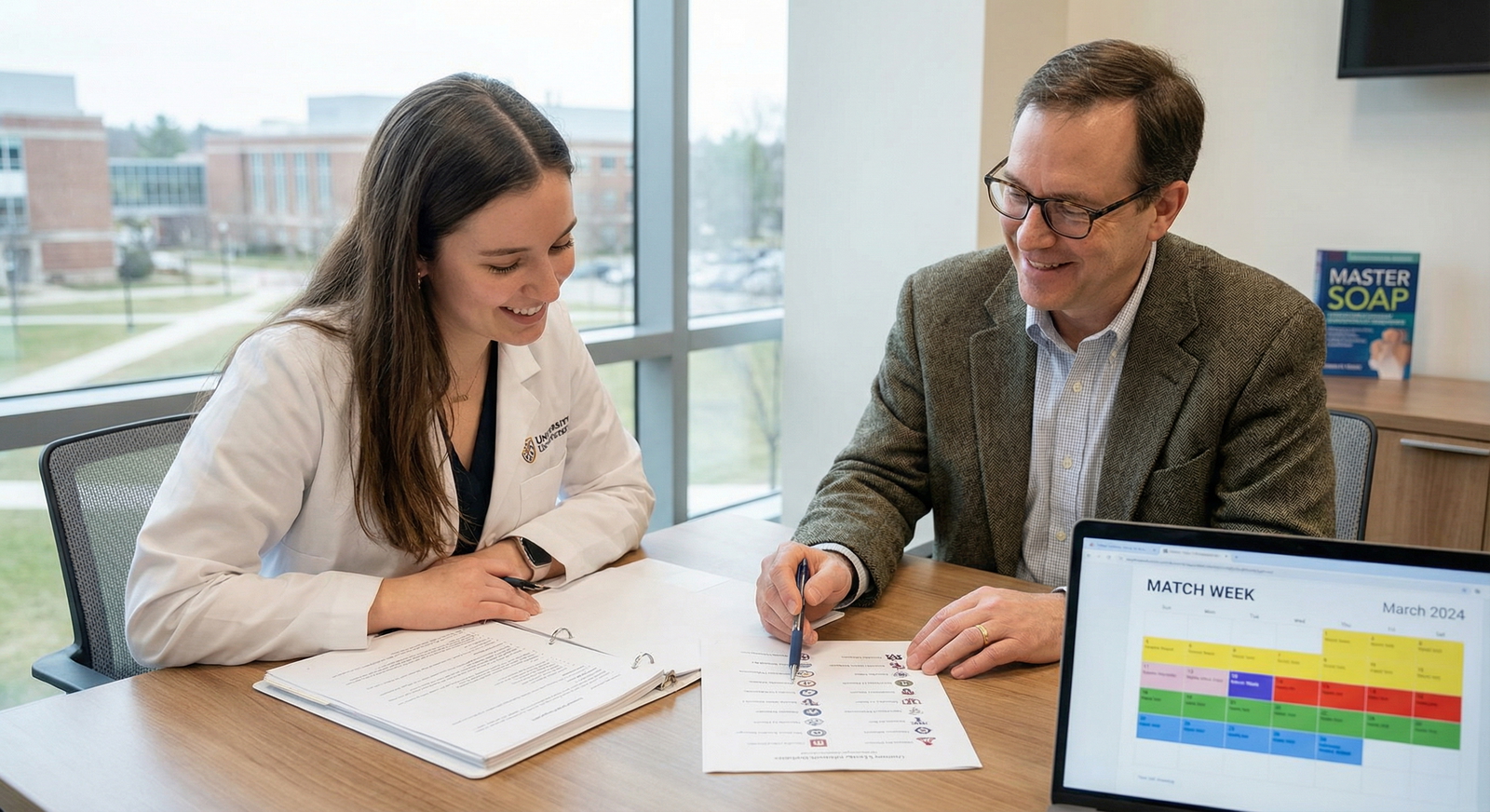
- Debrief with a mentor or advisor (ideally PM&R or GME-focused).
- Request feedback from any programs that interviewed you (after SOAP concludes; be polite and concise).
- Analyze your application:
- Scores and attempts.
- Timing of graduation.
- US clinical experience.
- Visa complexity.
- Strength of PM&R-specific experiences.
Short- to medium-term options:
- Research positions in PM&R or related fields (neurology, ortho, pain).
- Non-ACGME fellowships (e.g., spine research, MSK ultrasound research).
- Additional US observerships or hands-on experiences (where permitted).
- Preparing a stronger application for the next physiatry match:
- Better US letters.
- Enhanced research output.
- Clearer narrative in personal statements.
6. Practical Tips and Common Pitfalls for Non‑US Citizen IMGs
6.1 Practical Tips
- Start SOAP Preparation in Fall/Winter:
- Assume you might need SOAP and prepare anyway; if you match, nothing is lost.
- Notify Letter Writers Early:
- Tell them you may participate in SOAP and might need quick updates or additional letters.
- Align Time Zones:
- As a foreign national, ensure your phone/email availability matches US Eastern Time during Match Week.
- Professional Voicemail & Email:
- Set a clear, professional voicemail greeting.
- Use a simple, professional email address.
- Backup Technology:
- Have backup devices and internet sources for virtual interviews (phone hotspot, second laptop/phone).
6.2 Common Pitfalls
Ignoring Visa Realities:
- Applying heavily to programs that do not sponsor visas.
- Not clarifying your visa status clearly in documents.
Over-focusing Only on Categorical PM&R:
- Limiting all 45 SOAP applications only to PM&R when there are few unfilled spots.
- Not considering prelim/TY options that could keep you in the system.
Late or Poor Communication:
- Missing program emails or calls due to unmonitored inboxes or time zone confusion.
- Sounding unprepared on short-notice interviews.
Overly Negative Explanations for Not Matching:
- Complaining about bias, unfairness, or the system.
- Instead of focusing on growth, accountability, and next steps.
FAQ: SOAP Preparation for Non‑US Citizen IMG in PM&R
1. As a non‑US citizen IMG, do I realistically have a chance to secure a PM&R residency through SOAP?
Yes, but it’s challenging and unpredictable. PM&R rarely has many unfilled spots, and visa issues narrow your options further. Your best strategy is a tiered SOAP plan: apply to any available PM&R positions but strongly consider prelim/TY roles with PM&R exposure so you can strengthen your profile for a future physiatry match.
2. Should I use SOAP to apply to completely different specialties if no PM&R spots are unfilled?
Apply first to prelim/TY programs and specialties that maintain relevance to PM&R (e.g., Internal Medicine in a hospital with a strong rehab service). If there are no such options, it can still be reasonable to SOAP into another specialty to keep clinically active in the US while you plan your long-term path. Just ensure you understand visa implications and how that choice aligns with your ultimate goal of becoming a physiatrist.
3. How can I quickly show my commitment to PM&R in a brief SOAP interview?
Use a concise narrative:
- One personal story (e.g., rehabilitating a stroke or spinal cord injury patient).
- One clinical or research experience directly related to rehab or MSK.
- A clear long-term vision (“I want to work as a physiatrist helping patients restore function and independence, with a focus on neurorehabilitation.”)
Keep it focused, specific, and connected to the program’s strengths whenever possible.
4. What documents should I have ready specifically for SOAP preparation?
At minimum:
- Updated CV highlighting PM&R-related and US clinical experiences.
- Two or more personal statements (PM&R-focused and Prelim/TY-focused).
- Strong LoRs, ideally including at least one from a PM&R faculty member.
- A short list of prepared interview answers (why you didn’t match, why PM&R, why this program).
- A spreadsheet of potential SOAP targets (PM&R, TY, prelim, and backup specialties) with notes on visa policies and PM&R exposure opportunities.
Being proactive about this toolkit months ahead of Match Week is one of the most powerful steps you can take toward a successful SOAP outcome as a non‑US citizen IMG aiming for PM&R.