Understanding SOAP for the Non-US Citizen IMG in Pediatrics-Psychiatry
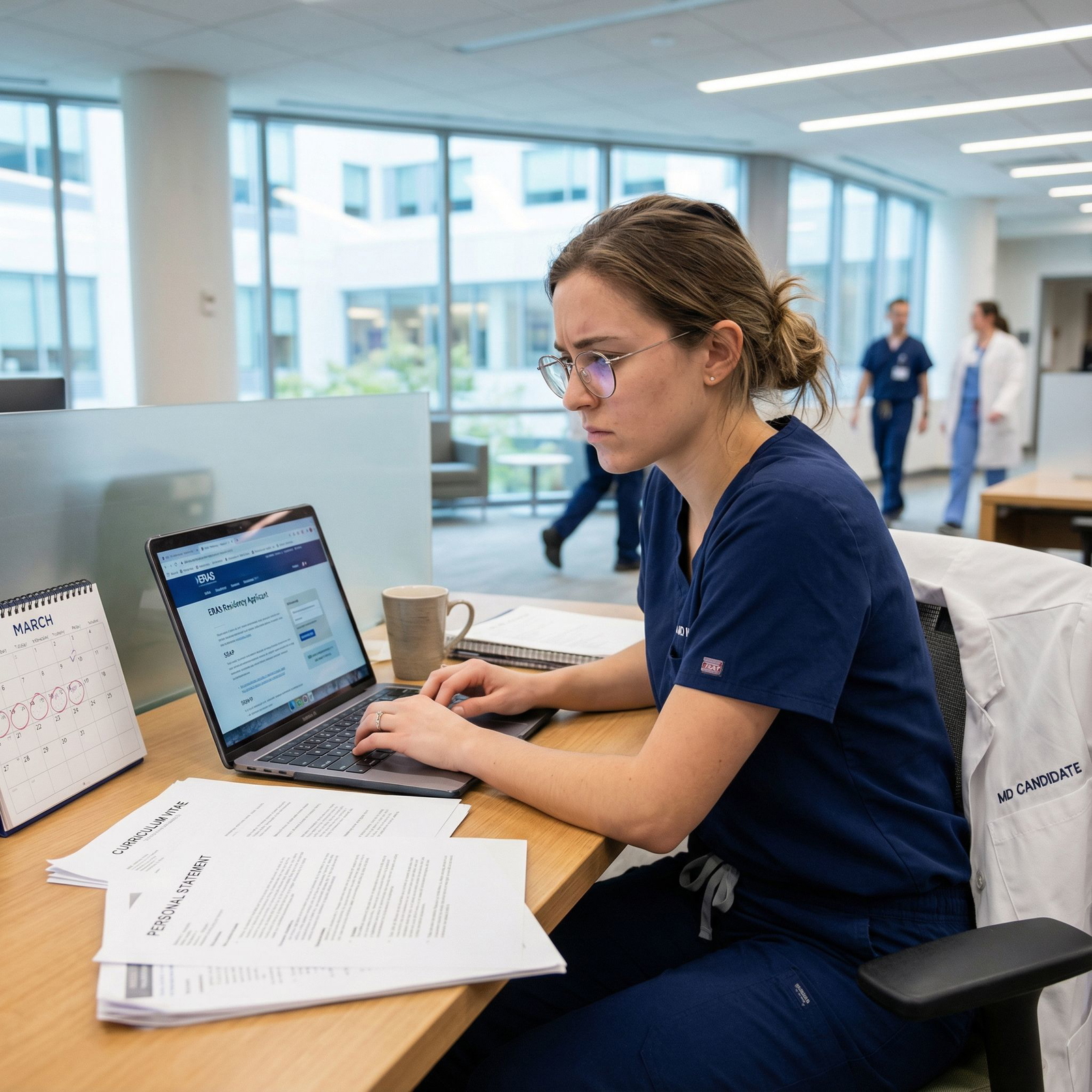
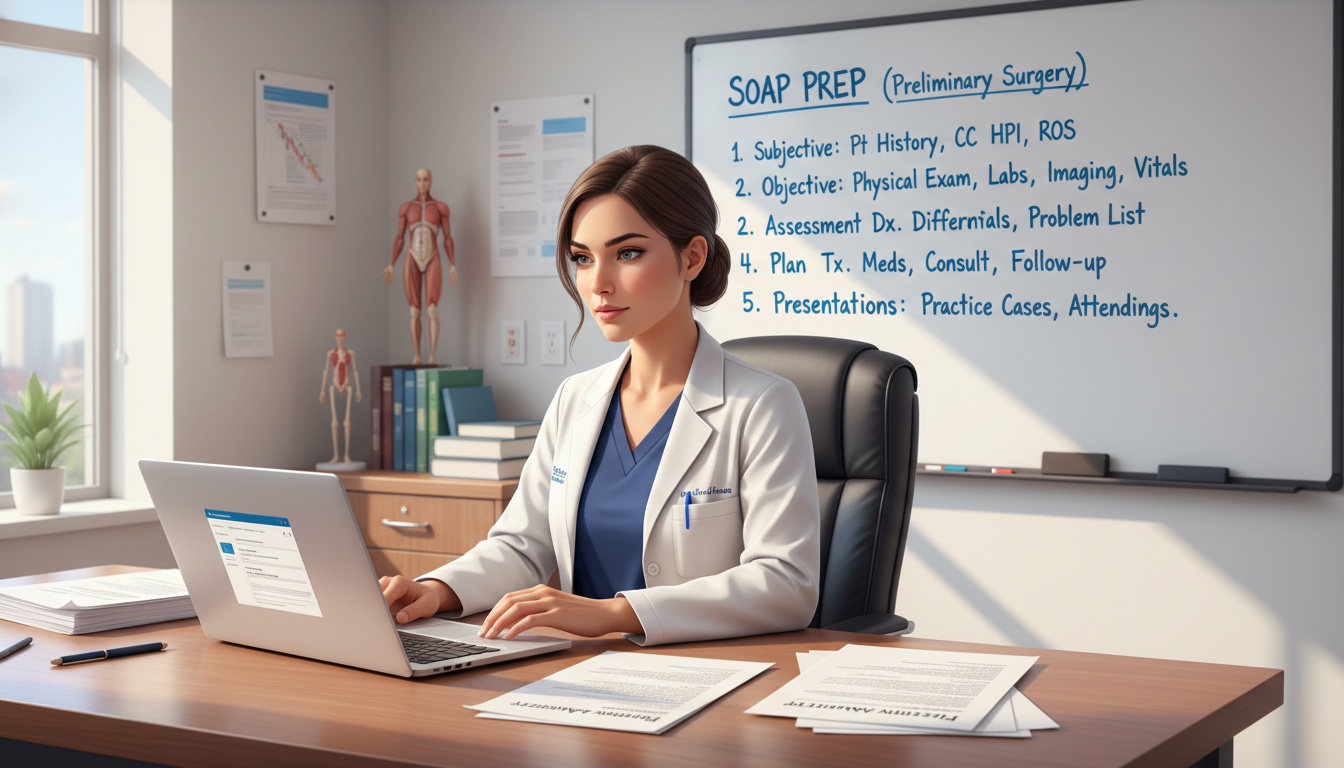
For a non-US citizen IMG interested in Pediatrics-Psychiatry (peds psych) or Triple Board programs, the Supplemental Offer and Acceptance Program (SOAP) can be a second—and sometimes best—chance to enter residency in the same match year. But to use it effectively, you need to know what SOAP is, how it works, and how to tailor your strategy to your status as a foreign national medical graduate and to a niche field like peds psych.
What is SOAP?
SOAP (Supplemental Offer and Acceptance Program) is a structured, time-limited process that allows unmatched or partially matched applicants to obtain unfilled PGY-1 positions after the main Match algorithm runs but before Match Day.
Key points relevant to you:
- It is not a random scramble; it has strict rules, timelines, and communication restrictions.
- It is run through ERAS (applications) and NRMP (offers).
- You cannot directly contact programs about SOAP positions during the SOAP offer periods.
- You can apply to a maximum number of programs (historically 45) via ERAS during SOAP.
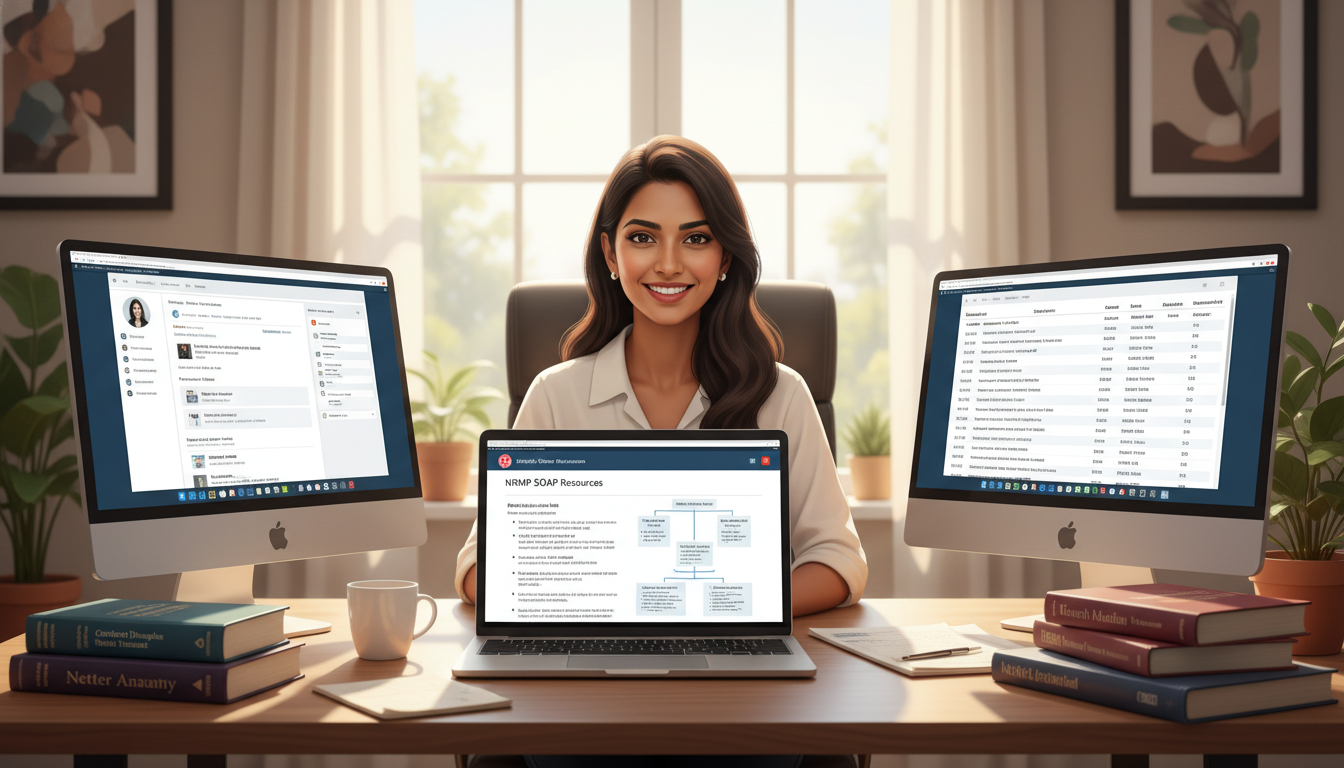
- Positions available via SOAP are posted on the NRMP’s List of Unfilled Programs.
For a non-US citizen IMG, SOAP has an additional layer of complexity:
- Not all unfilled positions sponsor visas.
- Time to verify visa eligibility, ECFMG status, and documents is extremely short.
- Niche combined programs like Pediatrics-Psychiatry-Child & Adolescent Psychiatry (Peds-Psych-CAP) and Triple Board (Peds, General Psych, Child Psych) rarely have SOAP positions, so you must plan for related specialties and categorical tracks.
Understanding these dynamics early gives you time to build a realistic, data-driven SOAP preparation strategy.
Are You Eligible for SOAP as a Foreign National Medical Graduate?
Before you spend time on SOAP preparation, confirm that you actually meet the official SOAP eligibility criteria. NRMP and ECFMG requirements can change slightly each year, so always verify on their websites, but the core principles are consistent.
Core SOAP Eligibility Requirements
To participate in SOAP, you must:
Register for the Match with NRMP
- You must be an active NRMP registrant in the current Match cycle.
- If you did not register for the Match, you cannot enter SOAP.
Be Unmatched or Partially Matched
- Unmatched: You did not match to any program.
- Partially matched: You matched to an advanced position (e.g., PGY-2) but not to a linked PGY-1, or vice versa (depending on year’s rules).
- Only certain partially matched scenarios are SOAP-eligible—double-check your status on your NRMP account during Match Week.
Have Valid ECFMG Certification (for IMGs)
- As a non-US citizen IMG, you typically need:
- Passed USMLE Step 1
- Passed USMLE Step 2 CK
- Met ECFMG English and documentation requirements
- ECFMG certification usually must be in place before SOAP starts (or by a specified NRMP deadline).
- As a non-US citizen IMG, you typically need:
Be Unfilled in Any Categorical PGY-1 Position
- If you have already fully matched to a categorical PGY-1 position, you are not SOAP-eligible, even if it isn’t your preferred specialty.
For a non-US citizen IMG aiming at peds psych residency or triple board, this means:
- If you did not match into one of these combined programs AND you are otherwise SOAP-eligible, you can participate.
- However, you will often need to pivot toward:
- Pediatrics categorical
- Psychiatry categorical
- Possibly preliminary or transitional year programs (with a longer-term plan to reapply to combined training later).
Visa and Institutional Requirements
As a foreign national medical graduate, visa status becomes a make-or-break issue in SOAP:
- Most SOAP-available programs will prefer or require:
- J-1 (via ECFMG sponsorship)
- Some may sponsor H-1B, but this is less common and time-sensitive.
- You need:
- A valid passport
- Ability to produce documentation quickly (medical diploma, ECFMG certificate, etc.)
- Awareness of state licensing or training permit requirements that could affect your start date.
Action step (pre-SOAP):
Create a one-page “Visa & Eligibility Profile” for yourself including:
- Citizenship and current country of residence
- Visa type desired (J-1 vs H-1B) and flexibility
- USMLE attempts and status
- ECFMG certificate number and date
- Any state limitations (e.g., multiple attempts in a given exam)
This information will help you and your advisors rapidly screen SOAP-eligible unfilled programs that might realistically consider you.
Building Your SOAP Strategy for Pediatrics-Psychiatry and Related Paths
Because peds psych residency and Triple Board openings during SOAP are rare, the most effective SOAP preparation strategy for a non-US citizen IMG is to:
- Accept that SOAP is about securing any viable PGY-1 seat, not necessarily your dream combined program.
- Target related specialties where your interest in pediatrics and psychiatry is still an advantage.
1. Clarify Your Priority Hierarchy Before Match Week
Before SOAP ever starts, write down your priorities, in order. For example:
- Pediatrics categorical (especially those with strong behavioral or developmental pediatrics)
- Psychiatry categorical (especially programs with strong child & adolescent exposure)
- Transitional year or prelim medicine with strong pediatric exposure
- Other prelim positions that keep you in the system and allow later reapplication
This hierarchy avoids emotional decision-making under time pressure.
2. Identify SOAP-Relevant Program Types in Advance
Because you won’t know in advance which specific programs will be unfilled, your goal is to build “profiles” of programs that would be ideal if they appear on the unfilled list:
Pediatrics categorical programs that:
- Have a Child & Adolescent Psychiatry fellowship at the same institution.
- Offer rotations in developmental-behavioral pediatrics.
- Have academic tracks in mental health, advocacy, or integrated care.
Psychiatry categorical programs that:
- Have a Child & Adolescent Psychiatry (CAP) fellowship in-house.
- Include pediatric consultation-liaison or child inpatient units.
- Emphasize integrated pediatric-psychiatric care (e.g., collaborative care in primary pediatrics).
Combined/related programs (rare but ideal):
- Unfilled Triple Board spots (Pediatrics/Psychiatry/Child & Adolescent Psychiatry).
- Unfilled Peds-Psych-CAP or similar combined programs.
Action step:
Create a spreadsheet with columns such as:
- Program name
- Institution & location
- Specialty (Peds / Psych / Triple Board / Other)
- Visa policy (J-1 / H-1B / no visa)
- Child/peds-psych exposure (Y/N, brief notes)
- Your interest level (High / Medium / Low)
You will populate this in real time during SOAP when the unfilled list is released.

3. Use Your Peds-Psych Interest as a Strength, Not a Limitation
Program directors often appreciate applicants with clear focus and purpose. Your interest in pediatrics-psychiatry can make you stand out during SOAP—if you frame it correctly.
Framing tips:
- Emphasize your passion for:
- Child and adolescent mental health
- Developmental and behavioral disorders
- Trauma, neurodiversity, school-based health, or family-centered care
- Show how this interest:
- Enhances your ability to care for medically complex or behaviorally challenging pediatric patients.
- Prepares you to be a strong adult psychiatry trainee with insight into early life factors.
- Make clear that:
- You are fully committed to whichever field you’re applying to in SOAP (pediatrics or psychiatry), even though your long-term lens is integrative.
In personal statements and phone interviews, avoid sounding like you are “settling” for that specialty; instead, present it as one of two equally meaningful paths to your long-term goal of caring for children and families at the interface of mind and body.
Step-by-Step SOAP Preparation Timeline for Non-US Citizen IMGs
SOAP preparation should begin months before Match Week. Here is a practical timeline tailored to a foreign national medical graduate interested in peds psych.
3–6 Months Before Match Week: Foundation
Confirm ECFMG and USMLE Status
- Ensure all documents are uploaded and verified.
- Resolve any name discrepancies or missing transcripts.
Clarify Visa Options
- Learn the difference between J-1 and H-1B.
- Talk with current residents or mentors who matched on each visa type.
- Decide your primary and backup visa options.
Craft Specialty-Flexible Application Materials
- CV and MyERAS application should already highlight:
- Child-related experiences (pediatrics clinics, psychiatry, child advocacy, school health).
- Research or QI projects in child mental health, developmental disorders, or family medicine with pediatric emphasis.
- Have two core personal statements ready:
- One with primary emphasis on Pediatrics.
- One with primary emphasis on Psychiatry.
- Later, you will adapt these quickly for SOAP.
- CV and MyERAS application should already highlight:
Network Intentionally
- Connect with:
- Program directors and faculty at your home clinical sites.
- Alumni from your school who matched in Pediatrics, Psychiatry, Triple Board, or Peds-Psych-CAP.
- Explain your interest in pediatrics-psychiatry and ask:
- If they would be willing to take a short call during SOAP if you need advice.
- Whether they know programs likely to consider non-US citizen IMGs with your profile.
- Connect with:
1–2 Months Before Match Week: SOAP-Specific Planning
Prepare SOAP-Optimized Personal Statements Create 3–4 tightly targeted versions:
- Pediatrics SOAP PS – Emphasizing:
- Your commitment to children’s health.
- Behavioral and developmental interest as an asset to general pediatrics.
- Psychiatry SOAP PS – Emphasizing:
- Long-term interest in child & adolescent psychiatry.
- Comfort and interest in working in multidisciplinary teams.
- Optional “Any PGY-1” PS (for prelim/transitional) – Emphasizing:
- Your adaptability and commitment to foundational clinical training.
- Combined/Triple Board PS (if any such spots appear).
Each should be:
- 500–750 words, focused, and free of generic language.
- Ready to upload with minor, program-specific customization (mainly program name and small details).
- Pediatrics SOAP PS – Emphasizing:
Short Interview Pitch (30–60 seconds) Prepare a concise answer for:
- “Tell me about yourself.”
- “Why pediatrics/psychiatry?”
- “You initially applied to combined programs; why are you applying to our categorical program now?”
Example structure:
- Brief background (non-US citizen IMG from X, training in Y).
- Clear interest in pediatrics/psychiatry with child focus.
- Key experiences (e.g., child mental health clinic, inpatient pediatrics with behavioral challenges).
- Direct statement of commitment to their specialty and willingness to grow long term within it.
Technical & Document Readiness
- Ensure:
- Stable internet, backup device, and quiet space available during Match Week.
- Access to scanned copies of:
- Passport
- Diploma
- ECFMG certificate
- USMLE score reports
- Prepare a professional voicemail greeting and email signature.
- Ensure:
Match Week: Executing Your SOAP Plan
Monday Morning: Learning Your Status
When the NRMP informs you that you are unmatched (or partially matched and SOAP-eligible), do the following:
Control the Emotional Response
- Take a short break (30–60 minutes).
- Talk with a trusted mentor or friend if needed.
- Then switch into strategy mode.
Meet with an Advisor (if available)
- Many schools/ECFMG advisory services hold emergency SOAP prep sessions.
- Ask specifically:
- How your IMG profile and visa status will play with likely SOAP programs.
- Whether you should emphasize pediatrics or psychiatry more strongly.
Monday Afternoon: Analyzing the Unfilled List
When the NRMP releases the List of Unfilled Programs:
Filter Quickly Based on:
- Specialty (Peds, Psych, Transitional, Prelim)
- Visa sponsorship
- Geographic limits (only if absolutely necessary)
Flag Programs Aligned with Peds-Psych Interests For each candidate program, look up:
- Do they have child & adolescent psychiatry or developmental pediatrics?
- Do they list any experience with integrated behavioral health?
- Do they have IMGs, especially non-US citizen residents?
Prioritize Realistic Targets As a non-US citizen IMG, you typically maximize your chances by:
- Applying broadly across pediatrics and psychiatry, not just one.
- Giving more weight to:
- University-affiliated community programs.
- Institutions with a history of IMG support.
- Programs that clearly state J-1 support on their websites.
Application Submission Phase
Within the allowed ERAS SOAP application limit (historically 45 programs), you will:
Allocate Applications Across Specialties Example distribution (adjust based on your interest and competitiveness):
- 20–25 Pediatrics categorical
- 15–20 Psychiatry categorical
- 5–10 Transitional/Prelim positions (if needed as backup)
Attach Optimal Personal Statement to Each Application
- Pediatrics program → Pediatrics PS.
- Psychiatry program → Psychiatry PS.
- Triple Board or Peds-Psych-CAP (if any) → Combined PS.
- Prelim/Transitional → General PGY-1 PS.
Double-Check Details
- Program names spelled correctly in any program-specific sentences.
- No mention of SOAP directly in your PS.
- CV and ERAS entries consistent and complete.
Interview Phase (Phone or Virtual)
Programs may reach out rapidly once they review your SOAP application:
- Keep your phone on and nearby at all times.
- Respond to unknown numbers during SOAP days—these could be PDs or coordinators.
- If you miss a call, return it as soon as possible and leave a concise professional voicemail if needed.
During quick phone interviews:
- Be brief, clear, and calm.
- Emphasize:
- Your readiness to start on time (visa steps understood).
- Your meaningful clinical experience with children/families or with complex psychiatric patients.
- Your long-term commitment to the specialty (even as you keep a peds-psych lens).
Crafting a Compelling SOAP Narrative as a Peds-Psych Oriented IMG
SOAP is fast, but you still need a coherent professional narrative that explains:
- Why you initially aimed at pediatrics-psychiatry or Triple Board.
- Why you are now applying to a specific categorical specialty.
- How you will be an asset to that program.
Example SOAP-Friendly Narrative (Pediatrics Focus)
“I have always been drawn to the intersection of physical and emotional health in children—whether it was supporting a child with autism during inpatient respiratory treatment or coaching anxious parents through an asthma action plan. That is what initially led me to apply to combined Pediatrics-Psychiatry pathways.
As I reflected during this process and now in SOAP, I recognize that categorical pediatrics training itself provides powerful tools to support the whole child—especially through developmental-behavioral pediatrics, complex care, and collaborative work with mental health professionals. I am genuinely excited about the opportunity to grow as a pediatrician in a program like yours that values communication, teamwork, and advocacy for vulnerable children and families.”
Example SOAP-Friendly Narrative (Psychiatry Focus)
“My clinical experiences caring for adolescents with mood disorders, trauma histories, and chronic medical conditions convinced me that mental health is the foundation on which all other outcomes depend. Initially, this led me to consider combined pediatrics-psychiatry paths.
Through this process and now in SOAP, I see clearly that categorical psychiatry training—with meaningful exposure to child and adolescent psychiatry—is an excellent route to my long-term goal: becoming a psychiatrist who understands the developmental and family context of illness and can partner with pediatric and primary care colleagues. I am fully committed to developing as a psychiatrist in a program like yours, where I can build strong core skills while nurturing my interest in caring for young people and families.”
These narratives answer the unspoken concern: “Is this applicant really committed to my specialty, or are they just using us as a backup for SOAP?”

Common Pitfalls in SOAP for Non-US Citizen IMGs (and How to Avoid Them)
1. Ignoring Visa Reality
- Pitfall: Applying heavily to programs that don’t sponsor your visa type.
- Solution:
- Prioritize programs explicitly stating J-1 support.
- Be open to J-1 if H-1B options are limited, unless you have strong reasons not to.
2. Applying Too Narrowly (Only Triple Board or Peds-Psych)
- Pitfall: Submitting most of your SOAP applications to rare combined programs.
- Solution:
- Use combined programs as bonus options.
- Make Pediatrics and Psychiatry categorical your core focus.
3. Not Having Specialty-Tailored Personal Statements Ready
- Pitfall: Sending a general, “I love everything” PS to pediatrics or psychiatry programs.
- Solution:
- Prepare dedicated PS versions ahead of time.
- Emphasize child- and family-related experiences for both specialties.
4. Being Vague or Apologetic About Being in SOAP
- Pitfall: Over-explaining or sounding insecure when asked about not matching.
- Solution:
- Keep explanations short and professional:
“The combined programs I applied to were highly competitive, and I understand that factors such as limited positions played a role. I’ve taken this as a chance to refocus on categorical pediatrics/psychiatry, which I am genuinely committed to.” - Focus conversation on what you bring, not on the disappointment.
- Keep explanations short and professional:
5. Poor Time Management
- Pitfall: Spending too long researching and not submitting applications promptly.
- Solution:
- Set strict time blocks:
- 1–2 hours: Filter and choose target programs.
- Next 2–3 hours: Finalize PS selection and application uploads.
- Reassure yourself that breadth matters in SOAP; you can’t perfect every detail.
- Set strict time blocks:
Final Thoughts: Turning SOAP into an Opportunity
For a non-US citizen IMG aiming at pediatrics-psychiatry or triple board, not matching in the main cycle can feel devastating. Yet, SOAP offers:
- A structured pathway to still enter residency this year.
- A chance to align with pediatrics or psychiatry programs that will value your integrative, child-focused mindset.
- A legitimate route toward your long-term goal, even if the path is more stepwise than you originally planned.
If you approach SOAP preparation methodically—understanding what SOAP is, clarifying your visa and eligibility status, building flexible application materials, and crafting a peds-psych-informed narrative for both pediatrics and psychiatry—you dramatically increase your chances of turning this challenging week into a new beginning.
FAQs: SOAP Preparation for Non-US Citizen IMGs in Peds-Psych
1. As a non-US citizen IMG, is it realistic to match through SOAP into a peds psych or triple board program?
It is possible but uncommon. Triple Board and formal pediatrics-psychiatry programs have very few positions, and they rarely appear on the SOAP list. Your best SOAP strategy is to apply primarily to pediatrics and psychiatry categorical programs that align with your interests (e.g., strong child, adolescent, or developmental focus). You can pursue your peds-psych goals later via fellowships, specialized tracks, or transfers.
2. How should I prioritize my SOAP applications between pediatrics and psychiatry?
Base it on:
- Where your application is stronger (more clinical exposure, LORs, scores).
- Which specialty you could see yourself fully committing to even if you never enter a combined program. Many peds-psych–oriented IMGs apply to both pediatrics and psychiatry in SOAP, then rank based on:
- Visa friendliness
- Institutional support for IMGs
- Availability of child & adolescent or developmental experiences
3. What is SOAP’s communication rule—can I email programs directly?
During SOAP, direct unsolicited contact with programs about unfilled positions is heavily restricted. You must not:
- Cold-call or email programs asking them to review your application. Programs may contact you if they are interested. You can, however, communicate with:
- Your mentors or advisors.
- Previous contacts at institutions about general advice (without asking them to violate NRMP rules).
Always double-check the current year’s NRMP SOAP communication rules.
4. What can I do if I don’t secure a residency spot through SOAP?
If you do not obtain a position through SOAP:
- Conduct a structured debrief:
- Analyze feedback from mentors and any interviews.
- Assess your USMLE scores, attempts, clinical experience, and visa limitations.
- Strengthen your profile over the next year:
- US clinical experience (observerships or hands-on where possible).
- Research or QI in pediatrics, psychiatry, or child mental health.
- Additional certifications (e.g., mental health first aid, child advocacy).
- Consider broader specialty targets in the next cycle, if necessary.
- Stay engaged with ECFMG and ensure documents remain up to date.
You can reapply in the next Match, with your peds-psych focus now backed by additional experience and a stronger strategic plan.