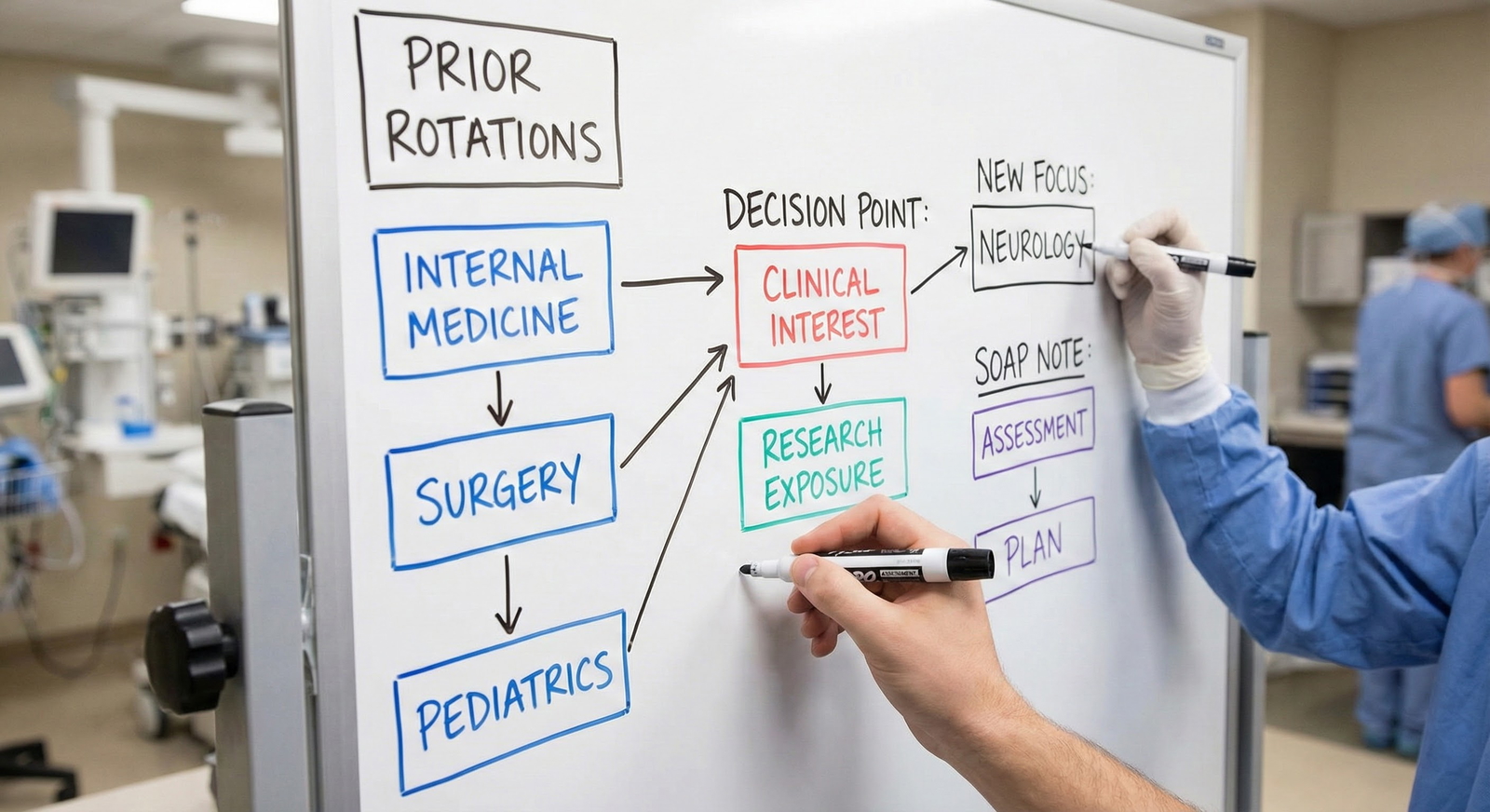
Understanding SOAP in the Context of Plastic Surgery
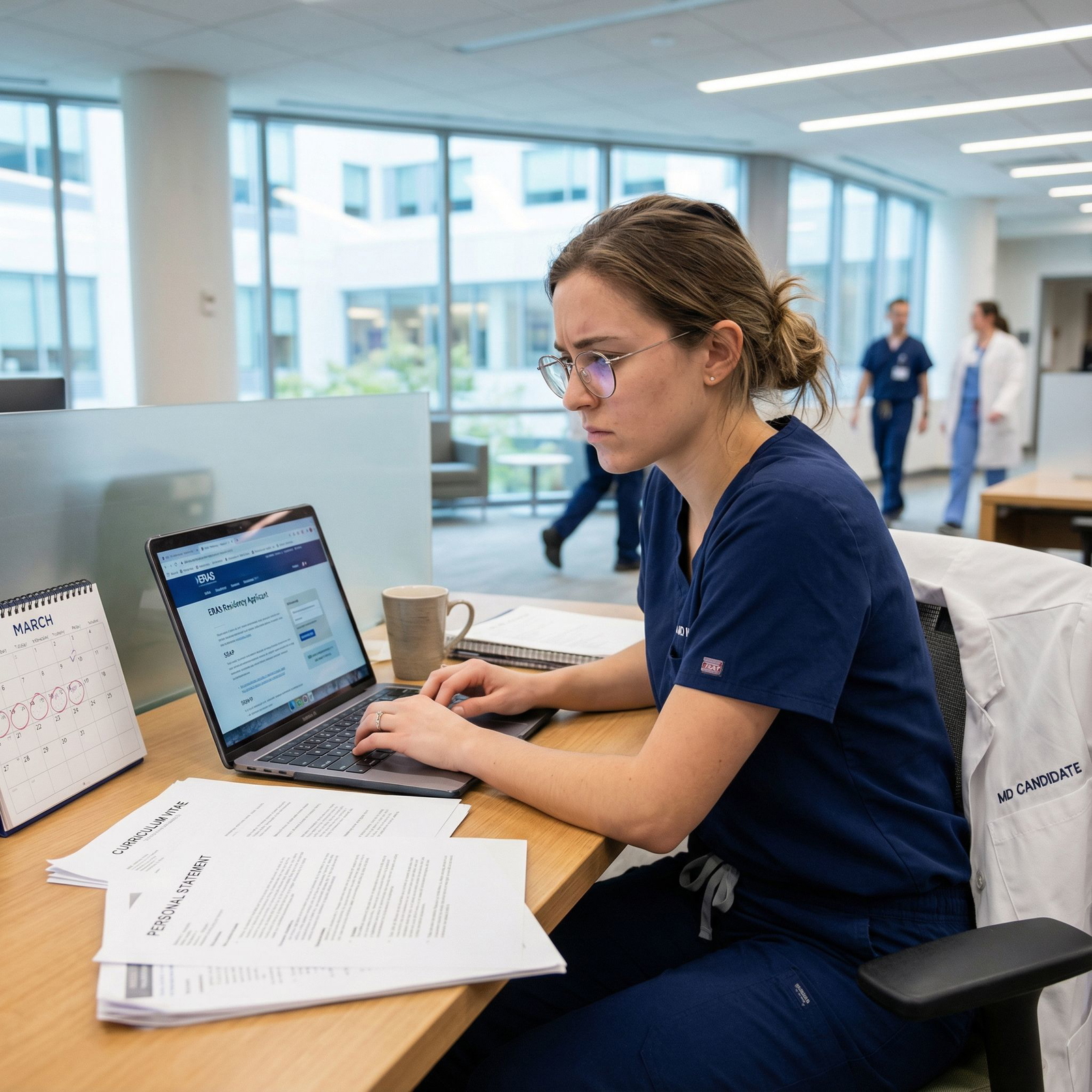
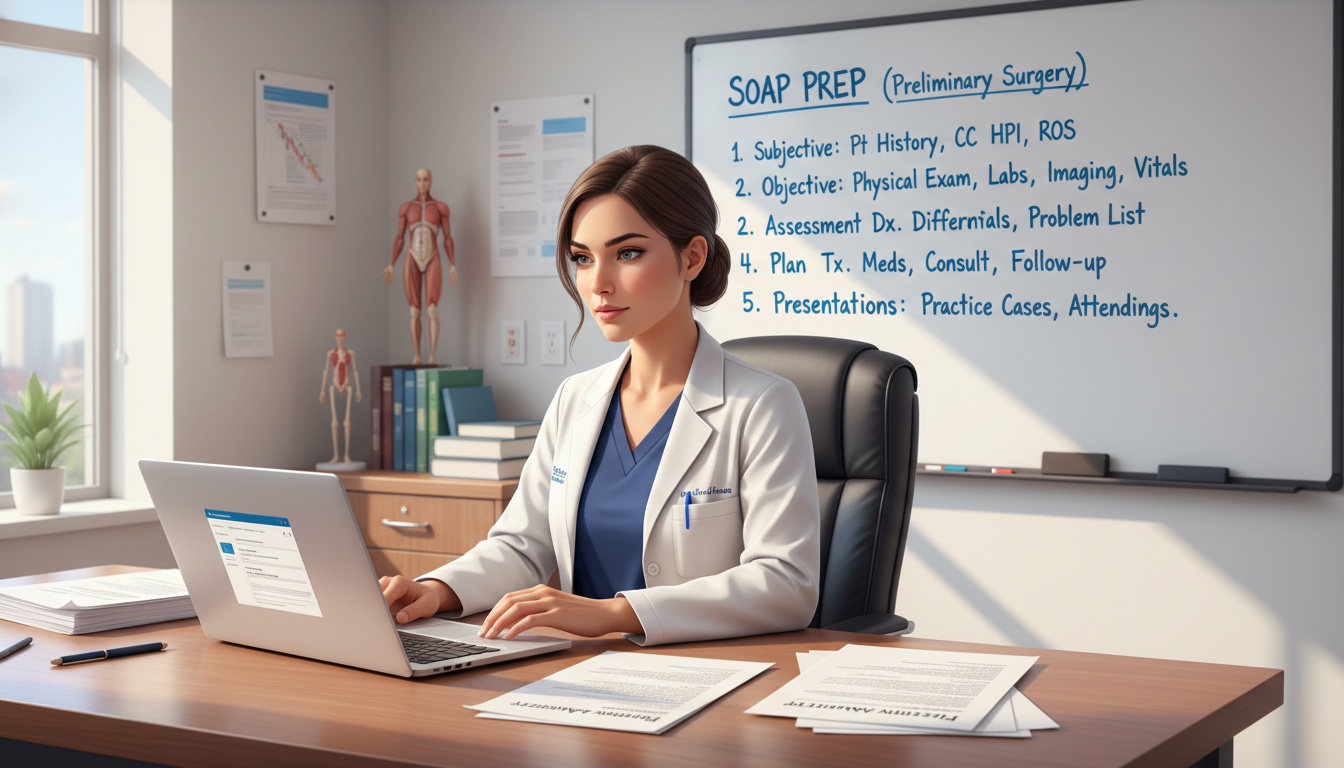
SOAP week is emotionally and logistically intense for any applicant, but it can feel especially high‑stakes in a specialty as competitive as plastic surgery. Whether you applied to an integrated plastic surgery residency, took a hybrid approach with general surgery, or are considering plastics through an independent pathway later, being ready for the Supplemental Offer and Acceptance Program (SOAP) is essential.
What is SOAP?
The Supplemental Offer and Acceptance Program (SOAP) is an NRMP‑managed process that allows eligible unmatched or partially matched applicants to apply to unfilled residency positions in a structured, time‑limited way during Match Week. It is not a free‑for‑all scramble; it is tightly regulated with defined application rounds and communication rules.
Key features:
- Runs during Match Week (Monday–Thursday)
- Only NRMP‑eligible, unmatched or partially matched applicants can participate
- Applications are submitted through ERAS to SOAP‑participating programs with unfilled positions
- Offers are extended in “rounds” rather than in real time
- Direct outreach to programs outside of specified mechanisms is prohibited
In plastic surgery, fully unfilled integrated plastics positions through SOAP are rare. However:
- Some integrated plastic surgery residency programs may have preliminary positions or rare categorical spots in SOAP.
- Many unmatched plastics applicants use SOAP to secure general surgery, surgical prelim, or transitional year positions while planning a future plastics pathway.
- Understanding SOAP residency strategy is therefore a critical safety net as you pursue a plastic surgery career.
Why SOAP Preparation Matters for Plastic Surgery Applicants
Plastic surgery is one of the most competitive specialties. Even strong candidates—AΩA, multiple publications, high USMLE scores—can go unmatched because:
- There are very few integrated positions
- Programs may prioritize fit, letters, or home‑institution candidates
- Small differences between applicants become magnified
Effective SOAP preparation does three important things:
- Protects your long‑term goal of becoming a plastic surgeon by ensuring you have a bridge year or pathway that keeps you close to surgery and in a strong academic environment.
- Reduces panic and disorganization during Match Week, when emotions are high and decisions must be made quickly.
- Signals maturity and professionalism to programs: you handle adversity well, can pivot, and think strategically.
Think of SOAP preparation as part of your risk‑management plan for the integrated plastics match, not as an admission of weakness.
Strategic Planning Before Match Week
The most successful SOAP outcomes start months before Match Week. This section focuses on what you can do before you ever see “You are NOT matched” on Monday of Match Week.
Clarify Your Long‑Term Plastic Surgery Pathways
Before you design any SOAP plan, map the possible routes into plastic surgery:
Integrated Plastic Surgery Residency
- 6‑year program started immediately after medical school
- Extremely competitive; few SOAP positions historically
Independent Plastic Surgery Residency (After General Surgery or Related Training)
- Complete 5+ years of general surgery (or related) residency
- Then apply to a 3‑year independent plastic surgery program
- Very viable for unmatched integrated applicants who secure strong general surgery or surgical oncology training
Research/Gap Year with Later Re‑Application
- Spend 1–2 years in a plastic surgery research fellowship, sometimes combined with a preliminary surgical year
- Reapply to integrated plastics or pivot to independent later
Your SOAP strategy should align with which of these you’re realistically willing to pursue if you don’t match integrated plastics.
Decide Your SOAP Priorities and “Red Lines”
Before emotions run high, define:
- Top Priority:
- For many unmatched plastics applicants: a categorical general surgery residency at a program with good plastic surgery exposure.
- Secondary Options:
- Surgical prelim year at a high‑quality academic center
- Transitional year with strong surgical rotations
- Dedicated research fellowship (outside SOAP but often decided concurrently)
- Non‑Negotiables (Red Lines):
- Settings or specialties you would not accept (e.g., non‑surgical categorical fields if you know you’ll be miserable and non‑competitive for plastics later)
- Geographic or personal constraints you cannot compromise
You don’t have to lock in every detail, but outline a rank‑order of preferred paths, for example:
- Categorical general surgery at a strong academic center
- Surgical preliminary position at institution with plastic surgery program and research
- Transitional year with strong surgery exposure + secured plastics research position
- Research fellowship with surgical moonlighting (where legal and feasible)
This framework will help you move fast when program lists appear.
Build a SOAP‑Ready Application Package
Most of your ERAS application is already complete, but SOAP preparation requires you to have additional materials ready to deploy within hours.
Key components:
- SOAP‑Specific Personal Statements
- General surgery / surgical prelim statement
- Optional: transitional year statement (if you might apply)
- Optional: generic back‑up statement for other fields if necessary
Each statement should:
- Acknowledge your long‑standing interest in surgery and operative care
- Emphasize resilience, teamwork, and work ethic
- Be honest but tactful about your interest in plastic surgery (more on this below)
Updated CV and Experiences
- Ensure any late publications, presentations, or sub‑internship evaluations are updated in ERAS.
- Have a 1‑page CV in PDF form ready to email if allowed (within NRMP rules and only if requested).
Letters of Recommendation (LoRs)
- Identify at least:
- 2–3 surgery letters (ideally from general surgeons; plastics letters are also helpful)
- 1 mentor who can quickly write an updated letter if needed (e.g., “SOAP update letter” explaining your strengths)
- Confirm your letter writers are willing and reachable that week.
- Identify at least:
SOAP‑Focused Interview Prep
- Prepare concise, structured answers for:
- “Why did you not match?”
- “Why are you now applying to general surgery / prelim / TY?”
- “How does this fit with your long‑term goals?”
- Practice answering without sounding bitter, disorganized, or evasive.
- Prepare concise, structured answers for:

Monday of Match Week: Immediate Response and Mindset
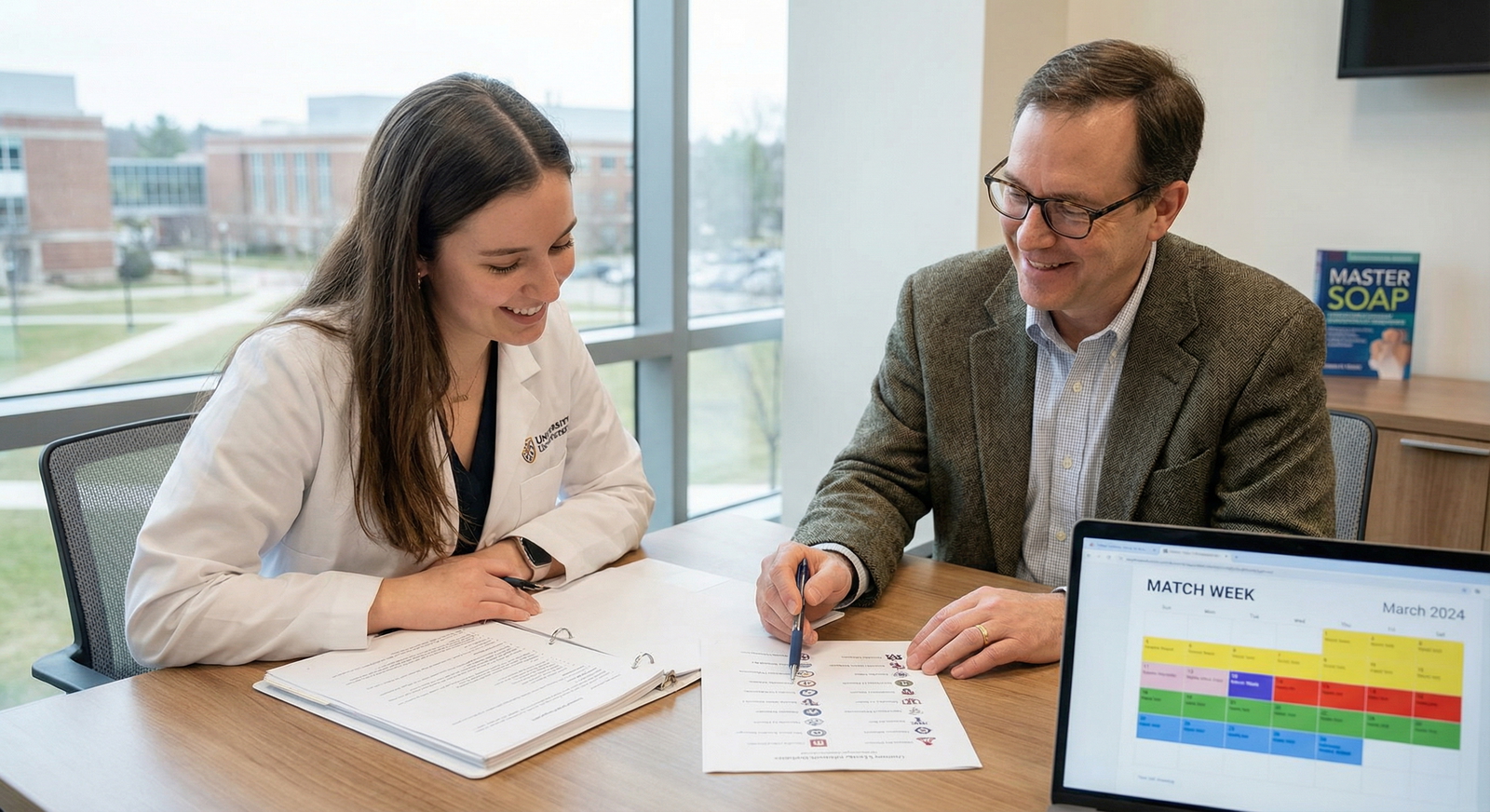
At 11:00 AM ET on Monday of Match Week, you learn if you’ve matched. If you see that you’re unmatched or partially matched, what you do in the next 24–48 hours can dramatically affect your outcome.
Step 1: Stabilize Emotionally and Logistically
You will likely feel shock, disappointment, or embarrassment. All of that is normal. Give yourself a brief, defined period to react—30–60 minutes—then move into action mode.
- Contact a trusted mentor immediately (home plastic surgeon, surgery program director, or dean).
- Secure a quiet, private location with stable internet and phone service.
- Block off your calendar; postpone non‑essential tasks.
You are entering a professional crisis‑management mode, and you will be judged—fairly or not—by how you handle it.
Step 2: Understand Your SOAP Eligibility and Status
Confirm with your dean’s office and NRMP:
- Are you SOAP‑eligible?
- Unmatched or partially matched
- Registered for the Main Residency Match
- No match violations or ineligibility
- Are you:
- Completely unmatched (no positions)
- Partially matched (e.g., advanced position without a PGY‑1 year)
Your status affects which positions you can target in the integrated plastics match context. For example, if you matched an advanced position in a different specialty, your SOAP participation is usually limited to PGY‑1 slots.
Step 3: Get the List of Unfilled Programs
When the List of Unfilled Programs becomes available:
- Filter to:
- General Surgery categorical
- General Surgery preliminary
- Surgical preliminary (various names)
- Transitional Year (if part of your backup plan)
- Rare integrated plastic surgery residency positions (highly uncommon, but check)
- Look for:
- Programs with plastic surgery departments or independent residencies
- Academic centers with strong research infrastructure
- Places with a history of placing residents into plastics or other competitive fellowships
Create a spreadsheet with:
- Program name
- Type of position (categorical vs prelim vs TY)
- Presence of plastics program
- City/state, hospital type, key notes
- Your subjective priority rating (e.g., 1–5)
This becomes your SOAP targeting map.
Step 4: Rapidly Align Your Application Materials
Once you know your targets:
- Assign the correct personal statement to each program type in ERAS.
- Double‑check your LoR assignments, ensuring your strongest surgery‑focused letters are attached.
- Update any last‑minute changes with your dean’s office.
Speed matters, but accuracy matters more—mis‑assigning a personal statement or letter to the wrong specialty signals disorganization.
Executing a High‑Yield SOAP Strategy for Plastic Surgery Aspirants
This is where the integrated plastics match reality intersects with SOAP strategy. You’re not just trying to “get any job”; you’re trying to preserve your plastic surgery trajectory.
Choosing Between Categorical and Preliminary Positions
For someone whose end goal is plastic surgery:
Categorical General Surgery (Ideal if Available and Realistic)
- Pros:
- Clear path to independent plastic surgery residency later
- Comprehensive operative training
- Stability for 5 years; salary and benefits
- Cons:
- Switching to integrated plastics later is possible but uncommon
- You may ultimately decide to stay in general surgery or pivot to another fellowship
- Pros:
Surgical Preliminary Year
- Pros:
- Keeps you in the OR and around surgery leadership
- Opportunity to reapply integrated plastics or transition into a categorical general surgery spot
- High exposure to residents and faculty who can advocate for you
- Cons:
- No guarantee of a PGY‑2 categorical spot
- Can be grueling; some prelims feel “disposable” at weaker programs
- Pros:
Transitional Year
- Pros:
- Balanced rotations; some surgery exposure
- Time to strengthen your application while maintaining a residency income
- Cons:
- Less surgical volume than prelim surgery
- Requires a follow‑on PGY‑2 position, which you must secure later
- Pros:
Priority Strategy for Plastics‑Bound Applicants:
- Aim first for categorical general surgery at strong centers.
- If unavailable or unrealistic, target high‑quality surgical prelim positions at institutions with:
- Plastic surgery departments
- Strong reputation for fellowships
- Established research infrastructure
Crafting Honest but Strategic SOAP Messaging
Many applicants worry: “Can I admit that I still want plastic surgery?” The answer is yes—but with nuance.
In your SOAP personal statements and interviews:
Acknowledge your plastic surgery interest without undermining your commitment:
- “Throughout medical school, I developed a strong interest in reconstructive and plastic surgery, which is rooted in my passion for complex operative problem‑solving and longitudinal patient relationships.”
Emphasize genuine enthusiasm for the position you are applying for:
- For categorical general surgery:
- “I see categorical general surgery training as a robust and fulfilling path—either as a career in general surgery or as a foundation for advanced subspecialty training. I am fully committed to being an excellent general surgery resident and teammate.”
- For surgical prelim:
- “I am seeking a rigorous surgical preliminary year where I can contribute meaningfully on the team, refine my operative and clinical skills, and earn the trust of faculty while I clarify my long‑term training path.”
- For categorical general surgery:
Avoid sounding transactional:
- Do not say:
- “I’m just here for a year until I can get into plastics.”
- Instead, convey:
- “My goal is to immerse myself fully in this program, add value to the team, and grow as a surgeon, wherever my eventual subspecialty focus lies.”
- Do not say:
Programs will respect your honesty if you demonstrate you’ll be all‑in during the time you’re with them.
Example SOAP Interview Answers (Plastic Surgery Context)
Q: Why do you think you went unmatched?
- “Plastic surgery is one of the most competitive specialties, and I directed most of my applications there. While my letters and research were strong, I recognize that limited interview numbers and the small size of plastics programs meant I was at higher risk. In retrospect, I might have broadened my initial application strategy. I’ve reflected on this with my mentors and am now focused on finding a residency home where I can contribute and grow as a surgeon.”
Q: If we offer you a categorical general surgery spot, will you stay?
- “Yes. I’m committed to completing rigorous surgical training. If, over time, I remain drawn to plastic surgery, I would consider applying for independent plastics from a solid general surgery foundation—but I would be fully engaged as a general surgery resident here. I want a program where I can invest in long‑term relationships with faculty and co‑residents, and help the team provide excellent patient care.”
Q: You applied to plastic surgery. Why should we believe you’re genuinely interested in general surgery?
- “My core motivation has always been to care for surgical patients and solve complex clinical problems with my hands and judgment. Plastic surgery appealed to me because of its reconstructive and technical aspects, but those same qualities exist in general surgery. I genuinely enjoy managing critically ill patients, performing index operations, and participating in acute care surgery. I view this as an opportunity to become a strong surgeon first—skills that are fundamental no matter where my career ultimately focuses.”

Practical SOAP Preparation Checklist for Plastic Surgery Applicants
To make this guide concrete, here is a step‑by‑step SOAP preparation checklist tailored to plastic surgery applicants.
2–4 Months Before Match Week
Clarify Your Backup Strategy
- Decide if you are willing to:
- Pursue independent plastics via general surgery
- Spend time in a research fellowship if unmatched
- Discuss with at least two mentors: a plastic surgeon and a general surgeon.
- Decide if you are willing to:
Prepare Backup Personal Statements
- 1 for general surgery categorical / prelim
- 1 for transitional year (if relevant)
- 1 generalized “I want to be a strong surgical resident” statement that can be tweaked.
Secure Flexible Letters of Recommendation
- Ask at least one general surgeon and one plastic surgeon to write letters that:
- Highlight your general surgical skills
- Can serve both plastics and general surgery audiences
- Ask at least one general surgeon and one plastic surgeon to write letters that:
Mock Interviews for “Plan B” Questions
- Ask mentors to specifically ask you:
- “What will you do if you don’t match plastics?”
- “Would you be happy in general surgery?”
- Practice answering without tears or defensiveness.
- Ask mentors to specifically ask you:
1–2 Weeks Before Match Week
Confirm Logistics
- Know your school’s SOAP support system: who will help, how to reach them.
- Ensure access to:
- Quiet space
- Reliable internet
- Phone service for remote interviews
Finalize Documents
- All personal statements proofread and uploaded in ERAS (but not necessarily assigned yet).
- CV updated with final grades, honors, or publications.
Prepare a Targeting Template
- Create a spreadsheet format to quickly plug in SOAP programs.
- Pre‑define variables: presence of plastics program, institution type, known mentors there.
During SOAP Week
Monday
- If unmatched/partially matched:
- Contact mentors and dean’s office ASAP.
- Review unfilled list and identify target programs.
- Assign correct personal statements and LoRs in ERAS.
- If unmatched/partially matched:
Tuesday–Thursday
- Interviews:
- Dress as you would for standard residency interviews.
- Be on time, professional, and composed.
- Communication:
- Follow NRMP rules; no unsolicited outreach unless allowed through proper channels.
- Decision‑Making:
- When offers come, return decisions within the window.
- Refer to your pre‑planned ranking of scenarios but be ready to adapt with mentor input.
- Interviews:
End of SOAP
- If you matched via SOAP:
- Reach out to your new program with a brief, gracious email expressing enthusiasm.
- If you did not match:
- Meet with mentors immediately to plan:
- Research positions
- Future application strategy
- Possible off‑cycle prelim or categorical openings
- Meet with mentors immediately to plan:
- If you matched via SOAP:
Rebuilding and Moving Forward if You Don’t Secure Your Ideal Position
Even with good SOAP preparation, you may land somewhere you didn’t envision—or fail to secure a position. This is painful, but it is not the end of your plastic surgery dream.
If You Match Into General Surgery or a Surgical Prelim
- Invest fully in your role from day one.
- Seek early contact with:
- The plastic surgery division (if present)
- Research‑active faculty
- Program leadership who can advocate for you later
- Build a track record of:
- Reliability
- Collegiality
- Strong evaluations
- Involvement in quality projects or research
This record will matter enormously if you later apply:
- To transfer into a categorical general surgery spot (from prelim)
- To independent plastic surgery residency
- To reapply to integrated plastics (rare but possible)
If You Enter a Transitional Year or Research Position
- Treat your year as a launch pad, not a holding pattern.
- For research roles:
- Aim for 1–2 meaningful plastic surgery projects with clear authorship.
- Attend conferences, present posters, and actively network with faculty nationwide.
- For transitional years:
- Focus on strong clinical evaluations and surgical rotations.
- Use off‑service time to build research and mentorship relationships in plastics.
Protecting Your Mental Health
The integrated plastics match and SOAP process are emotionally intense. Common feelings include:
- Shame about being unmatched
- Comparison with peers who matched
- Doubt about career choice
Counterbalance with:
- Regular check‑ins with trusted mentors or advisors
- Peer support from others who went unmatched or took non‑linear paths
- Professional mental health care if you experience persistent anxiety, depression, or burnout
Many plastic surgeons have non‑linear stories—research years, specialty switches, or prior general surgery training. You may be standing at the start of such a story.
FAQs: SOAP Preparation in Plastic Surgery
1. Are there ever integrated plastic surgery residency positions available through SOAP?
Very rarely. Integrated plastics positions almost always fill during the main match due to the specialty’s competitiveness and small size. However, you should still check the unfilled list; on rare occasions a spot may be available, or a program may list a preliminary integrated or surgical position. More commonly, plastics‑bound applicants use SOAP to secure general surgery, surgical prelim, or transitional year positions that preserve their long‑term plastics options.
2. If I use SOAP to match into categorical general surgery, can I still become a plastic surgeon?
Yes. Many plastic surgeons follow the independent pathway, completing 5+ years of general surgery (or related) training before entering a 3‑year plastic surgery residency. Matching into a strong categorical general surgery program can be an excellent foundation. Focus on building an outstanding record in surgery, engaging with plastic surgery faculty, and developing a research portfolio that aligns with plastic surgery interests.
3. Should I admit during SOAP interviews that I still want plastic surgery?
You should be honest, but thoughtful. It’s acceptable to acknowledge your interest in plastic surgery as part of your background and motivation, especially when applying to surgical fields. However, you must clearly emphasize that you will be fully committed to the position you’re seeking—whether that’s general surgery categorical, surgical prelim, or transitional year—and that you are prepared to be a reliable, long‑term contributor to the team.
4. What is the difference between SOAP and the old “Scramble,” and why does it matter for plastics applicants?
SOAP is a structured, rules‑based process managed by NRMP, unlike the old “Scramble,” which was chaotic and less regulated. For you, this means:
- You cannot cold‑call or mass‑email programs outside of allowed channels.
- Applications and offers are processed in controlled rounds through ERAS and NRMP.
- Preparation and organization are critical, because there is less room for improvisation.
Understanding what is SOAP, its rules, and its timelines allows you to approach Match Week strategically and professionally—crucial qualities for any future plastic surgeon.
Thoughtful SOAP preparation doesn’t mean you’re expecting to fail; it means you’re committed to your long‑term goal of a plastic surgery career, no matter how many steps it takes to get there. By planning your strategy, tailoring your materials, and responding to Match Week with clarity and professionalism, you give yourself the best chance to stay on a pathway that leads to the operating room—and, ultimately, to plastic surgery.