Understanding SOAP in the Context of Radiation Oncology
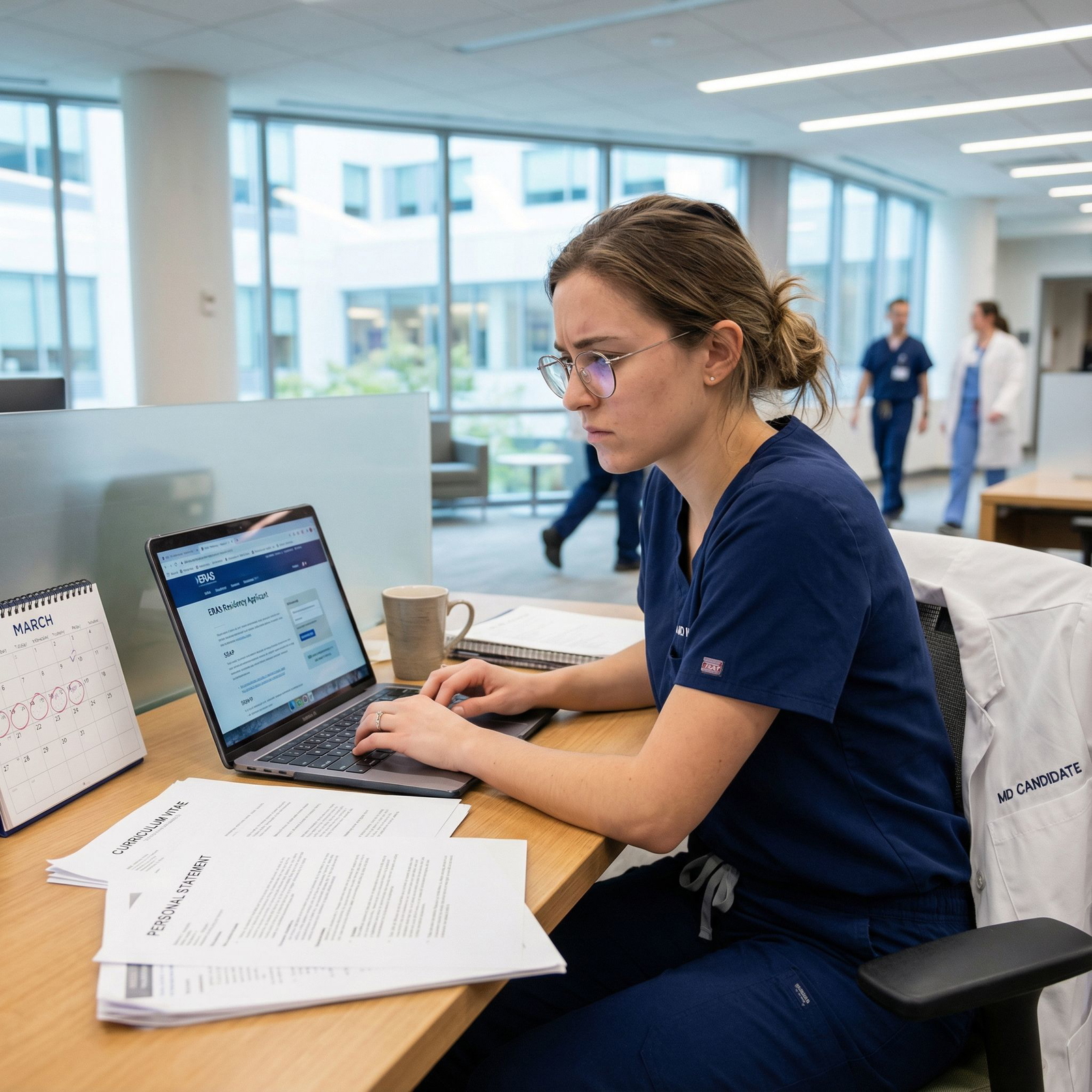
The Supplemental Offer and Acceptance Program (SOAP) can feel mysterious and intimidating, especially in a competitive field like radiation oncology. Knowing what is SOAP, how it works, and how it specifically intersects with radiation oncology residency will dramatically increase your chances of navigating it successfully if you find yourself unmatched or partially matched.
What is SOAP?
SOAP is the structured, time-limited process that allows eligible unmatched or partially matched applicants to apply to and accept offers from residency programs with unfilled positions during Match Week. It is run by the NRMP and occurs before the public release of the list of unfilled programs.
Key points:
- You cannot “sign up” for SOAP; you are either SOAP-eligible or not, based on NRMP rules.
- SOAP happens Monday–Thursday of Match Week.
- Applicants apply only in ERAS, and programs send offers solely through NRMP’s system.
- All offers during SOAP are binding once you accept.
For radiation oncology applicants, SOAP has some unique considerations:
- Radiation oncology (rad onc) typically has fewer total positions than many other specialties.
- Historically, rad onc has had volatility in unfilled positions, with some years showing multiple unfilled programs and others showing few.
- Some radiation oncology positions are advanced (PGY‑2) with separate preliminary year requirements, which affects your SOAP strategy.
If you are targeting a radiation oncology residency, SOAP preparation needs to start well before Match Week, because you may be competing for a small and unpredictable number of spots.
Step 1: Pre‑Match Week Preparation for Radiation Oncology Applicants
Proactive SOAP preparation is like insurance: you hope not to use it, but if you need it, you’ll be relieved you prepared.
1.1 Know Your Eligibility and Scenarios
First, clarify in which situations you might need SOAP:
- You rank only radiation oncology and do not match:
→ You are likely SOAP‑eligible as unmatched. - You match a preliminary year but not an advanced rad onc position:
→ You may be SOAP‑eligible as partially matched. - You match into another specialty but not your desired rad onc position:
→ You are not SOAP‑eligible, because you already hold a full training position. - You withdrew or were withdrawn from the Match:
→ You are generally not SOAP‑eligible.
Confirm the most recent NRMP SOAP eligibility criteria during the application season, and discuss with your dean’s office if your path includes advanced positions (PGY‑2 radiation oncology) plus a separate prelim year.
1.2 Build a SOAP‑Ready Application Early
You will not have time to meaningfully rebuild your application once SOAP begins. Before rank lists are due:
Review your ERAS application as if you were unmatched.
Ask: “If I were a PD seeing this during SOAP, what would I think?”Prepare a flexible Personal Statement strategy:
- One main radiation oncology personal statement.
- One general transitional/prelim statement (if you may need internal medicine, surgery prelim, or transitional year as a backup).
- Optionally, a generic statement emphasizing your core clinical strengths for other fields.
Collect Letters of Recommendation (LoRs) that can pivot:
- At least 2 strong radiation oncology letters.
- 1–2 core clinical specialty letters (e.g., internal medicine, surgery) that can support SOAP into prelim or categorical fields.
- Make sure letters are uploaded early and assigned in ERAS.
Identify potential geographic flexibility.
Make a list of places you would actually go, factoring in:- Family/visa considerations
- Likelihood of open positions in those regions
- Ability to move on short notice
Having these decisions pre‑made makes SOAP faster and less emotional when the pressure is on.
Step 2: Analyzing Your Risk and Strategizing Before Rank Submission
Smart SOAP preparation begins with honest self‑assessment, well before Match Week.
2.1 Realistic Risk Assessment for Rad Onc
Radiation oncology is a relatively small specialty. Some features that affect match risk:
- Step/COMLEX scores and exam performance
- Quality and quantity of oncology research, especially radiation oncology
- Strength of home program support (do you have a rad onc department at your school?)
- Geographic constraints (only willing to train in certain areas)
- Number and strength of interviews received
If you:
- Received few interviews,
- Have weaker exam scores,
- OR have gaps in your application,
…then you should plan as though SOAP is a real possibility.
2.2 Diversifying Your Rank List to Reduce SOAP Dependence
You do not have to abandon your passion for radiation oncology to be practical. Consider:
- Ranking at least 10–12 rad onc programs if possible.
- If you applied for advanced positions (PGY‑2), ensuring you have:
- Enough prelim/TY positions ranked to realistically match one.
- A backup plan if you match into a prelim but not rad onc.
You can also choose to rank:
- A categorical backup specialty you would realistically be willing to complete (e.g., internal medicine) to reduce the risk of being completely unmatched.
- Or, intentionally not rank another specialty if you are willing to risk going through SOAP to preserve a shot at rad onc or a different pathway (like research or a future re‑application).
Discuss with a trusted advisor: a radiation oncology mentor, your dean’s office, or a graduate who matched into rad onc recently.

Step 3: Building a Targeted SOAP Strategy for Radiation Oncology
If you become SOAP‑eligible, you will have very limited time to decide where to apply and how to present yourself. A thoughtful pre‑built strategy will prevent panic.
3.1 Understanding What You Can Apply To During SOAP
During SOAP you will see a confidential list of unfilled programs. These may include:
- Radiation oncology advanced positions (PGY‑2)
- Preliminary or transitional year positions
- Categorical positions in other specialties (internal medicine, family medicine, etc.)
You are limited in how many programs you can apply to in each SOAP round (typically up to 45 programs total across all rounds, but verify the current rules each year).
For a radiation oncology applicant, the main SOAP goals may include:
- Ideally: Secure an unfilled radiation oncology PGY‑2 position (or rare categorical PGY‑1 rad onc spot if available).
- If no rad onc positions are available or realistic: Secure a strong preliminary or transitional year at an institution where:
- You can develop your clinical acumen.
- You may have access to radiation oncology research or networking.
- Backup of backups: Obtain a categorical position in a field that you could be happy in if you ultimately do not return to rad onc.
3.2 Priority Tiers for Your SOAP List
Before Match Week, sketch a hypothetical priority system:
Tier 1: Radiation Oncology Positions
- Any unfilled rad onc places where:
- You have a geographic connection.
- You interviewed previously but did not match.
- You know faculty, or your mentors know faculty.
- Any unfilled rad onc places where:
Tier 2: Prelim/TY Positions at Academic Centers with Rad Onc
- Internal medicine, surgery, or TY programs where a rad onc department is present and active.
- Programs with robust oncology research infrastructure (NCI‑designated centers, comprehensive cancer centers).
Tier 3: Other Strong Prelim/TY Spots
- Programs with good general clinical training and strong reputation, even if rad onc exposure is limited.
Tier 4: Categorical Positions in Other Specialties
- Only if you are realistically willing to train in that field long‑term.
This pre‑tiering allows you to move quickly when the unfilled list is released.
3.3 Crafting SOAP‑Specific Documents for Rad Onc
SOAP is not the time to completely reinvent your profile, but targeted SOAP preparation of documents matters:
Personal Statements
For unfilled rad onc positions:
- Emphasize sustained, specific commitment to radiation oncology:
- Clerkships/electives.
- Research (clinical, physics, outcomes).
- Mentorship and professional society involvement (ASTRO, RSNA, etc.).
- Address any red flags or gaps concisely, with a focus on growth.
- Emphasize sustained, specific commitment to radiation oncology:
For prelim/TY positions with rad onc departments:
- Clarify that you will be an excellent general intern/surgery resident.
- Subtly note your interest in oncology without appearing uninterested in the core specialty.
CV and Experiences
Double‑check:
- All relevant oncology and research experiences are updated and clearly described.
- You highlight teamwork, communication, and reliability, as program directors want residents who are safe, teachable, and collegial—especially under SOAP time pressures.
Step 4: Executing During Match Week – The SOAP Process in Action
Match Week is emotionally intense. Having a clear, task‑oriented plan keeps you effective and professional.
4.1 Monday Morning: Unmatched or Partially Matched Notification
On Monday of Match Week, NRMP notifies you whether you are:
- Matched
- Partially matched
- Unmatched
- Or ineligible for SOAP
If you are SOAP‑eligible, the sequence is roughly:
- You receive your status.
- The list of unfilled programs becomes available to SOAP‑eligible applicants and schools.
- You can begin preparing and submitting ERAS applications to those programs.
Actions to take immediately:
- Connect with your dean’s office and confirm your status.
- Contact your radiation oncology mentor or residency advisor if you have one.
- Pull up your pre‑made SOAP priority list and refine it based on the real unfilled positions.
4.2 Targeting Radiation Oncology Positions First
If there are unfilled radiation oncology residency positions:
- Apply immediately to all programs you would realistically attend.
- Tailor your personal statement for those programs (even minor edits help):
- Mention research fit or mission alignment when known.
- Notify your mentors so they can, if appropriate, reach out to faculty at those institutions on your behalf.
- These communications should be professional and restrained—more like, “We have worked with this applicant and can endorse them,” not aggressive lobbying.
Remember:
- Programs are reading many applications in a compressed time frame.
- Your goal is to stand out as prepared, stable, and committed, not frantic.
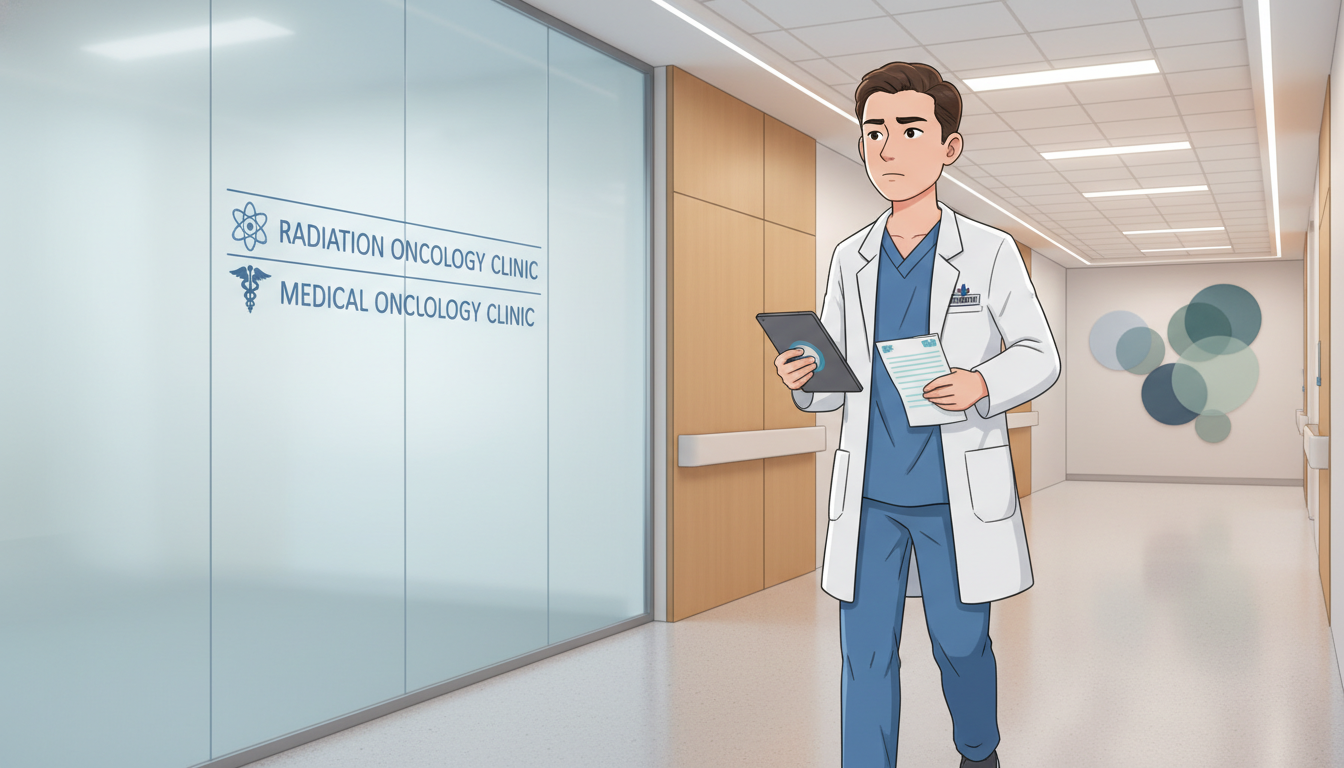
4.3 If There Are No Rad Onc Positions (or They Don’t Work Out)
If no radiation oncology positions are available, or your chances are very low, pivot quickly to a prelim/TY strategy:
- Prioritize programs with strong oncology presence and potential electives in radiation oncology, medical oncology, or palliative care.
- Emphasize in your documents:
- Your desire to become an excellent intern or surgical prelim.
- Your teamwork, accountability, and resilience.
- Consider how each prelim/TY might position you for:
- A future re‑application to rad onc.
- Or a robust career in another oncology‑related field (e.g., heme/onc, palliative care).
If you decide to apply to categorical positions in other specialties during SOAP, be honest with yourself: if you secure that spot, you must be prepared to commit fully to that path.
Step 5: Communication, Professionalism, and Mental Health During SOAP
How you carry yourself during SOAP matters almost as much as your credentials.
5.1 Communicating with Programs
You are generally allowed to communicate with programs during SOAP only in limited, NRMP‑compliant ways. Be sure to know and follow the rules for your year.
Common best practices:
- Avoid mass emails or chaotic messages.
- If a program contacts you:
- Respond promptly but calmly.
- Be concise, respectful, and specific about your interest.
- If your dean’s office or mentors reach out for you:
- Provide them with an updated CV and a short summary of your key strengths to make their advocacy easier.
Never:
- Beg for positions.
- Overstate or fabricate your intentions (“I will rank you #1” is not relevant in SOAP; offers are direct).
- Criticize other programs or appear desperate.
Programs want candidates who can handle adversity and still act professionally.
5.2 Managing the Emotional Impact
Being in SOAP can feel like a personal failure, but it is often more a reflection of:
- Specialty competitiveness,
- Limited positions,
- Or application strategy.
For radiation oncology especially:
- Small positional numbers and regional bottlenecks mean strong applicants can go unmatched.
- Market fluctuations over the past decade have led to unpredictable cycles.
Support strategies:
- Lean on trusted peers, family, and mentors.
- Use your school’s wellness resources or counseling if available.
- Maintain normal routines as much as possible (sleep, nutrition, exercise).
Remember: success in SOAP is possible, and even if you don’t land your first choice, paths into oncology and meaningful clinical careers remain open.
Step 6: After SOAP – Planning Your Next Steps in Radiation Oncology
Once SOAP concludes, you will either:
- Secure a position (rad onc, prelim/TY, or categorical), or
- Remain unfilled.
Your next steps should be just as intentional as your SOAP preparation.
6.1 If You Match into a Radiation Oncology Position via SOAP
Congratulations—you’ve navigated a very intense process successfully.
Next actions:
- Reach out to your new program to express gratitude and enthusiasm.
- Clarify logistical details: start date (often PGY‑2), visa issues, credentialing.
- If you still need a prelim year, discuss with mentors how best to leverage your PGY‑1 to prepare for rad onc:
- Internal medicine: focus on oncology, palliative care, radiology electives.
- Surgery: understand cancer operations, perioperative care, and wound management.
View your journey as a story of resilience and adaptability, which will serve you well in an emotionally demanding specialty.
6.2 If You Match into a Prelim/TY or Other Specialty
If you match into a prelim or transitional year:
- Treat that year as a high‑stakes audition:
- Show up prepared, dependable, and engaged.
- Seek out oncology‑related rotations wherever possible.
- Maintain your ties with radiation oncology mentors:
- Continue research if feasible.
- Ask about opportunities to rotate in rad onc or attend tumor boards.
- Consider whether you will:
- Re‑apply to rad onc as a PGY‑2 or later, or
- Pivot to another oncology‑adjacent field.
If you match into a different categorical specialty:
- Give yourself time to truly explore that field.
- Many applicants ultimately find deep satisfaction in:
- Medical oncology.
- Palliative medicine.
- Radiology.
- Internal medicine subspecialties.
Your identity as “someone who cares about cancer patients” can carry into many disciplines.
6.3 If You Remain Unfilled After SOAP
This is one of the most difficult outcomes but still not the end of your story.
Possible next steps:
- Explore research fellowships in radiation oncology or medical oncology.
- Consider post‑graduate clinical roles (e.g., preliminary‑type spots outside the Match, if available and ethical).
- Work with your dean’s office to clarify:
- Option to re‑enter the Match next year.
- Visa or financial implications.
- Conduct a post‑mortem analysis of your application:
- Were there academic red flags?
- Was your rad onc exposure limited?
- Could your geographic preferences have been broadened?
A structured “gap year” with meaningful research, publications, and clinical exposure can significantly strengthen a re‑application to radiation oncology or another specialty.
Practical SOAP Preparation Checklist for Radiation Oncology Applicants
Use this as a condensed planning tool:
3–6 months before rank list deadline:
- Meet with a radiation oncology mentor and dean’s office.
- Honestly assess your match risk.
- Prepare:
- Radiation oncology personal statement.
- General prelim/TY personal statement.
- Optional generic statement.
- Secure and upload:
- 2+ rad onc LoRs.
- 1–2 core clinical LoRs.
- Update ERAS with:
- Research.
- Presentations.
- New clinical experiences.
1–2 months before rank list deadline:
- Map out SOAP priority tiers:
- Rad onc.
- Prelim/TY with oncology presence.
- Other prelim/TY.
- Categorical backups (if desired).
- Discuss with mentors whether to rank:
- Backup categorical specialties.
- Only rad onc + prelim/TY.
1–2 weeks before Match Week:
- Reconfirm understanding of what is SOAP and current NRMP rules.
- Finalize adaptable email templates and updated CV.
- Rehearse a brief, clear way to explain:
- Your interest in rad onc.
- Your strengths.
- What you’ve learned from any setbacks.
During Match Week:
- Monday: Confirm SOAP‑eligibility and meet with advisors.
- Analyze unfilled list; apply quickly in ERAS":
- Rad onc (if available).
- Targeted prelim/TY.
- Further options as needed.
- Maintain professional communication and self‑care routines.
FAQs: SOAP and Radiation Oncology
1. How common is it to get a radiation oncology residency through SOAP?
Historically, the rad onc match (rad onc match process) has had variable numbers of unfilled positions. Some years, several rad onc programs have participated in SOAP; in other years, few or none are available. Because total position numbers are small, SOAP is not a reliable primary strategy for entering radiation oncology. Think of SOAP as an opportunity, not a plan to depend on.
2. If I SOAP into a prelim/TY and not rad onc, can I still become a radiation oncologist?
Yes, it’s possible, but not guaranteed. Many successful rad onc residents:
- Completed a prelim or TY year, often in internal medicine or surgery.
- Continued oncology research and networking during that time.
- Reapplied with:
- Strong clinical evaluations,
- Updated letters,
- Additional scholarly work.
Your prelim/TY year can be a powerful platform if you approach it intentionally and maintain strong ties to radiation oncology.
3. Should I apply to other specialties during SOAP if my primary goal is radiation oncology?
It depends on your risk tolerance and long‑term flexibility:
- If you must start residency immediately for financial, visa, or personal reasons, applying to other specialties through SOAP may be reasonable.
- If you are strongly committed to rad onc and can tolerate a gap year for research and re‑application, you might decide to limit SOAP applications to prelim/TY positions and rad onc (if available).
Discuss your personal situation with mentors; there is no one‑size‑fits‑all answer.
4. How can I improve my chances in SOAP if I have red flags in my application?
Address them proactively and briefly:
- Use your personal statement and interviews (if offered) to:
- Acknowledge academic struggles or gaps.
- Emphasize improvement, insight, and current reliability.
- Strengthen your application with:
- Updated clinical performance data.
- Strong, recent letters from supervisors who can attest to your growth.
- Clear evidence of commitment to patient care and oncology.
Programs understand that SOAP candidates may have hurdles; they are looking for signs that you can learn, adapt, and succeed despite them.
Thoughtful SOAP preparation in radiation oncology is about controlling what you can: your documents, strategy, professionalism, and resilience. Whether you ultimately match through the main rad onc match, through SOAP residency positions, or take an alternative path, the skills you build through this process—reflection, adaptability, and persistence—will serve you throughout your medical career.