Understanding SOAP for US Citizen IMGs Targeting Plastic Surgery
The Supplemental Offer and Acceptance Program (SOAP) is emotionally intense and logistically complex for every unmatched applicant—but for a US citizen IMG with plastic surgery aspirations, it can feel especially high‑stakes. Even if your long‑term goal is an integrated plastics match, you must treat SOAP with the same strategic discipline you brought to USMLE prep.
This guide walks you step‑by‑step through SOAP preparation as a US citizen IMG and “American studying abroad,” with a specific focus on plastic surgery career plans—whether or not you’ll actually be applying to plastic surgery positions during SOAP (most won’t, because integrated plastics slots almost never appear in SOAP).
We’ll cover:
- What SOAP is (and what it is not)
- How SOAP realistically fits into a plastic surgery career trajectory
- Concrete preparation tasks before Match Week
- How to build a smart application strategy during SOAP
- How to communicate effectively with programs
- Post‑SOAP pathways that keep you on track for a future integrated plastics match
Throughout, we’ll use the required keywords naturally: US citizen IMG, American studying abroad, plastic surgery residency, integrated plastics match, SOAP residency, what is SOAP, and SOAP preparation.
What Is SOAP and How Does It Affect a Plastic Surgery Trajectory?
What is SOAP, exactly?
SOAP (Supplemental Offer and Acceptance Program) is the formal, time‑limited process run by the NRMP during Match Week to fill unfilled residency positions with unmatched or partially matched applicants. If you go unmatched on Monday of Match Week, SOAP gives you another structured opportunity to secure a position before the “scramble” era of previous years.
Key features:
- Eligibility:
You must be:- Unmatched or partially matched
- Registered for the Match
- Not have an existing binding residency contract in the US
- Rounds of offers:
Programs review applications and send offers in multiple rounds (usually 4). You can either accept or reject each offer; acceptances are binding. - Application caps:
You can apply to a limited number of programs (e.g., 45 programs; always confirm current NRMP rules for your year).
So, what is SOAP in practice? It’s a fast, algorithm‑managed mini‑match that happens after you learn you’re unmatched but before results are publicly known.
Plastic surgery reality check during SOAP
For plastic surgery residency, especially integrated plastics, SOAP is not usually the way people enter the field. Integrated plastic surgery is among the most competitive specialties; its very few PGY‑1 positions are almost always filled in the main Match.
What this means:
- Integrated plastic surgery positions almost never appear in SOAP.
- If an integrated plastics spot did appear, it would be extremely rare, hypercompetitive, and filled almost instantly.
- You should not build your SOAP strategy around hoping for an integrated plastics slot.
Instead, as a US citizen IMG aiming for a future integrated plastics match, you’ll use SOAP to:
- Secure any ACGME‑accredited residency position that:
- Builds surgical and clinical skills
- Keeps you academically productive (research, publications)
- Keeps pathways open to future plastic surgery
- Avoid long gaps out of training that make future applications much harder.
How SOAP Fits into a Long‑Term Plastic Surgery Plan for US Citizen IMGs
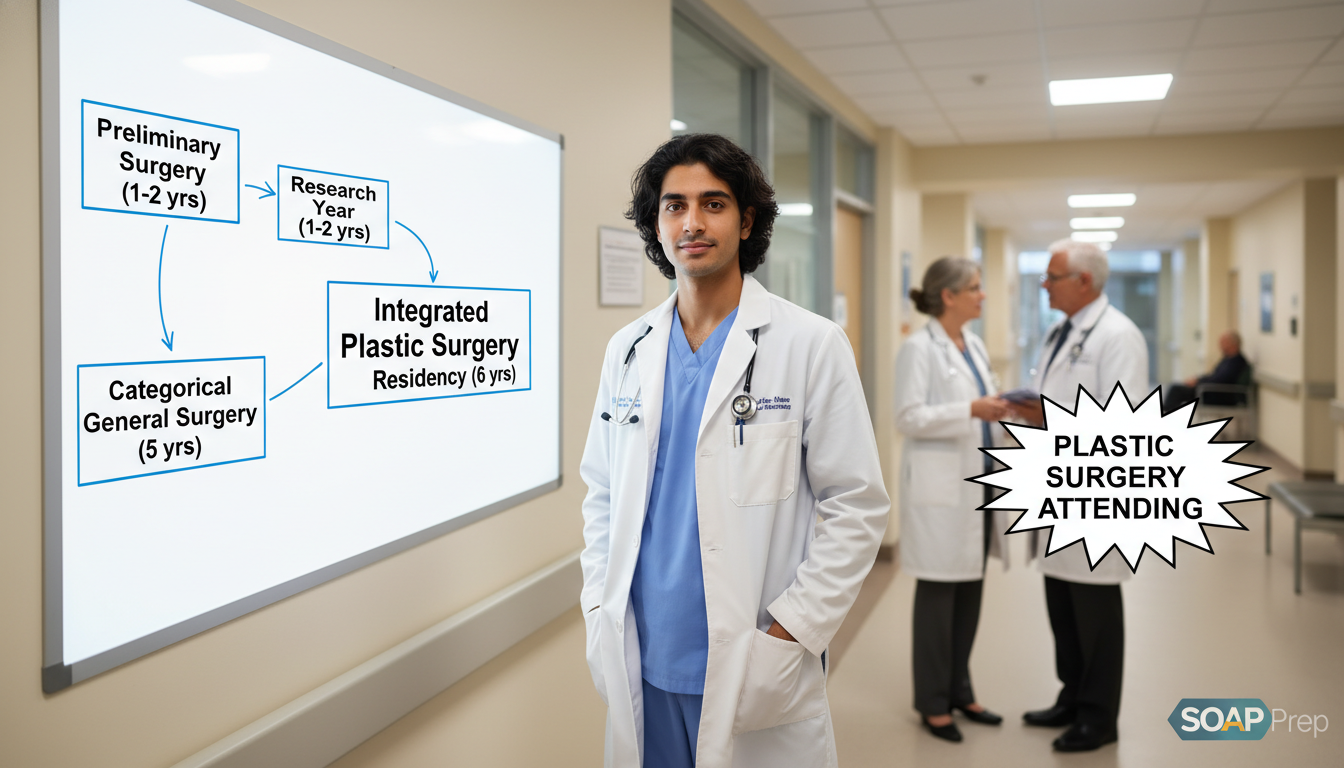
Typical pathways into plastic surgery
Most people end up in plastic surgery through one of two broad pathways:
- Integrated Plastic Surgery Residency (PGY‑1 to PGY‑6/7)
- Direct entry after medical school.
- Incredibly competitive—especially tough for US citizen IMGs.
- Independent Plastic Surgery Fellowship (after prerequisite training)
- After completing general surgery, ENT, orthopedics, neurosurgery, or another qualifying pathway.
- You train in another field first, then specialize in plastics.
As a US citizen IMG or American studying abroad, your chances are usually better via:
- Strong residency in general surgery (categorical or, if needed, preliminary)
- Possibly ENT or another surgical field
- Building a robust CV and network, then:
- Re‑applying to integrated plastics from another specialty early (hard but occasionally done), or
- Applying for an independent plastic surgery position after finishing another surgical training program.
Using SOAP strategically for future plastics
Because SOAP rarely offers integrated plastic surgery slots, your SOAP strategy is about positioning, not instant gratification:
High‑yield SOAP targets for future plastic surgery:
- Preliminary General Surgery (ideal if categorical unavailable)
- Gives you OR time, surgical fundamentals, letters from surgeons.
- Positions you to reapply to categorical general surgery or integrated plastics.
- Categorical General Surgery (best if ever available in SOAP)
- Rare, but replaces the need to find a spot later.
- Transitional Year (TY) with strong surgical exposure
- Offers flexibility; you’ll still need a categorical position later.
- Prelim positions in other surgical fields (ENT, ortho, etc.)
Less common in SOAP, but can be valuable if they appear.
Lower‑yield but still viable stepping‑stones (depending on circumstances):
- Preliminary medicine with strong research/academic programs
- Research‑heavy programs in fields with strong plastic surgery partnerships
- SOAP residency positions in less competitive specialties that keep you in an academic center with active plastic surgery departments (e.g., anesthesia, radiology—rarely in SOAP, but occasionally possible).
The core principle: Stay in training and in the system, preferably near surgeons and research opportunities related to plastic surgery.
Pre‑Match Week SOAP Preparation: Systems, Documents, and Mindset
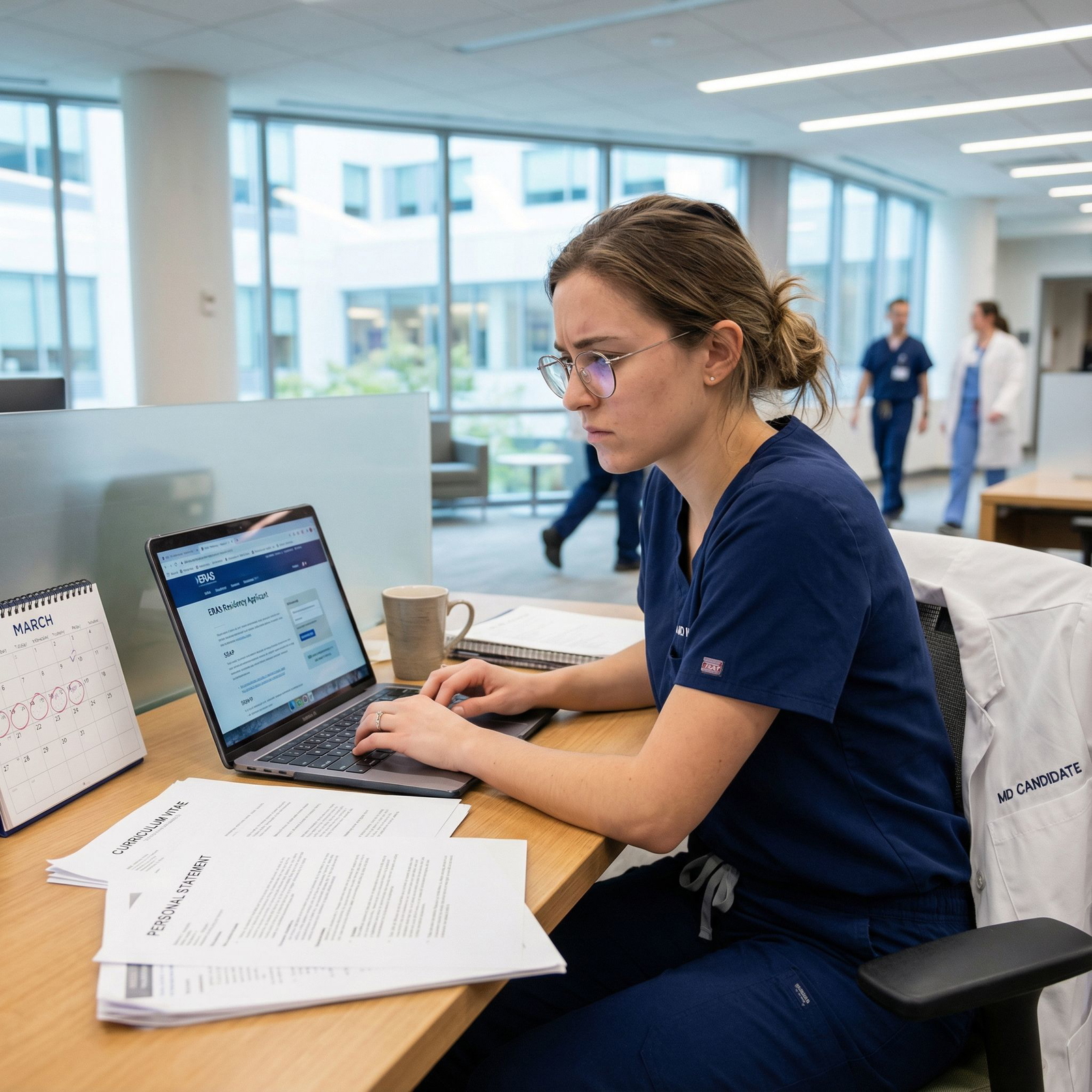
Your SOAP preparation should begin months before Match Week. As an American studying abroad or US citizen IMG, you don’t have the margin of error that many US MD seniors enjoy.
1. Build a SOAP‑ready document toolkit
By late January/early February, you should have:
Updated CV (US‑style)
- Highlight surgery‑related experience:
- Surgical clerkships with strong evaluations
- Sub‑internships (“sub‑Is”) in surgery or surgical subspecialties
- Research, especially surgical or plastic surgery projects
- Be ready to convert information quickly into ERAS updates or emails.
- Highlight surgery‑related experience:
SOAP‑optimized personal statement
- Create at least:
- One broad surgery‑oriented statement (for prelim and categorical surgery)
- One generalist/emergency/IM statement (in case you apply more widely)
- Focus on:
- Trainability, work ethic, resilience
- Your long‑term interest in surgery/plastics without sounding inflexible
- Have both in text form and as documents; you’ll be swapping quickly.
- Create at least:
List of updated letters of recommendation (LORs)
- At least 2–3 strong letters from:
- US surgeons (preferably academic) or
- Program directors/department chairs from surgery or related specialties
- Ensure they are uploaded to ERAS well before Match Week.
- If you did plastics electives, those LORs are highly valuable even if you SOAP into general surgery or a prelim spot.
- At least 2–3 strong letters from:
Step and exam documentation
- Ensure all USMLE Step scores, including CS+CK/Step 2, are reported and visible.
- If you have a late Step 2 result, confirm it’s already in ERAS.
Short, adaptable email templates
- For program coordinators/directors:
- Expression of interest
- Availability for quick interviews
- Brief summary of your fit (1–2 short paragraphs)
- For program coordinators/directors:
2. Technical SOAP preparation in ERAS
Before Match Week:
- Update ERAS experiences section:
- Add any recent rotations, research, presentations, or publications.
- Emphasize:
- Surgical exposure
- Manual skills
- Research productivity
- Prepare multiple personal statements uploaded and ready.
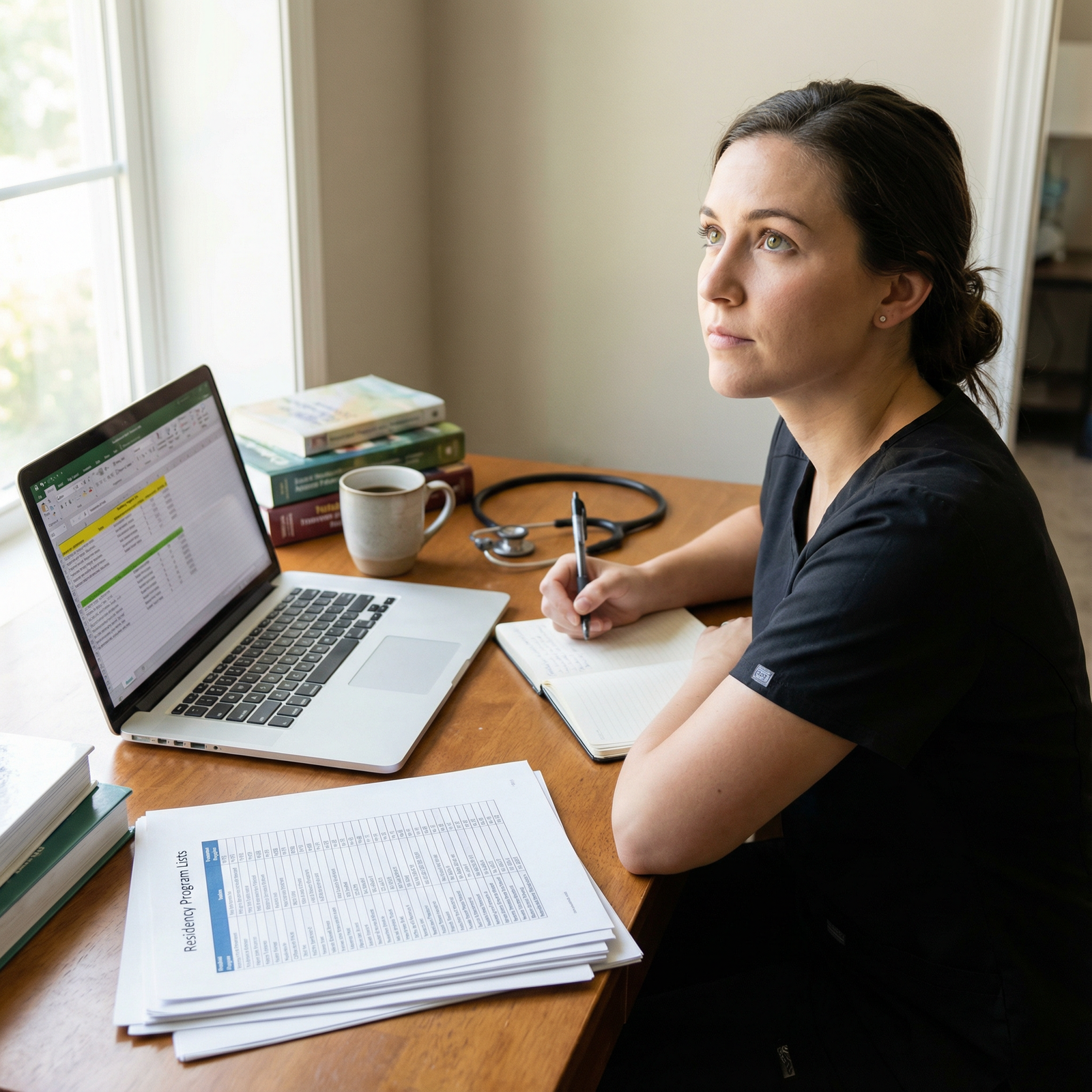
- Research program lists:
- Note programs with:
- Strong general surgery departments
- Active plastic surgery divisions/fellowships
- History of supporting residents into plastics research or fellowships.
- Note programs with:
You won’t know which programs will have SOAP openings in advance, but you can identify target institutions where any position (prelim, TY, even IM) might still place you near plastic surgeons and researchers.
3. Financial and logistical readiness
SOAP moves fast and may involve last‑minute relocation:
- Have:
- A digital copy of all documents (passport, diploma, ECFMG certification)
- A valid US mailing address and phone number
- A rough budget for moving, housing deposits, and travel
- Be prepared for:
- Video interviews on short notice
- Rapid contract review and acceptance
Match Week: Executing a Focused SOAP Strategy
When Monday of Match Week arrives and you learn you are unmatched or partially matched, your preparation converts into rapid action.
Step 1: Review Unfilled List Strategically
You will receive the list of unfilled positions that participate in SOAP:
- Filter by:
- Specialty: Look especially for:
- Categorical general surgery
- Preliminary general surgery
- Transitional year with surgical emphasis
- Any other surgery‑adjacent prelim spots
- Institutional strength:
- Academic centers with plastic surgery departments
- Community programs with strong surgery case volumes
- Specialty: Look especially for:
Integrated plastic surgery positions are unlikely to appear. Do not waste applications waiting for them.
Step 2: Tier your choices (within the ERAS limit)
You can only apply to a fixed maximum number of programs (e.g., 45). Create tiers:
- Tier 1 (Top priority – 15–20 programs)
- Prelim or categorical general surgery at:
- Strong academic centers
- Places with plastic surgery programs, research infrastructure, or prior plastics residents
- Prelim or categorical general surgery at:
- Tier 2 (Next priority – 15–20 programs)
- Prelim surgery at community programs with good operative volume
- Transitional year programs with surgical electives and OR exposure
- Tier 3 (Backup – remaining slots)
- Other SOAP residency positions that:
- Keep you in training at academic centers
- Offer solid research or networking potential with surgeons or plastic surgeons
- Other SOAP residency positions that:
Think of it as prioritizing future opportunity density over prestige alone.

Step 3: Tailor your SOAP applications
For each program type:
Prelim General Surgery / Categorical General Surgery
- Use your surgery‑focused personal statement.
- Emphasize:
- Commitment to a surgical career (but not necessarily only plastics).
- Operative and critical care experiences.
- Ability to handle heavy call and fast‑paced environments.
- Highlight:
- Any US rotations in surgery or plastic surgery.
- Letters from surgeons noting work ethic and technical potential.
Transitional Year
- Emphasize:
- Flexibility
- Strong foundational clinical skills
- Interest in a surgical future, but openness to broad training
- Emphasize:
Other specialties (only if necessary)
- Use a more general or medicine‑focused statement.
- Still hint (professionally) at your long‑term interest in working with procedural/surgical teams.
Step 4: Outreach and communication
Once applications are in, polite outreach can help—especially as a US citizen IMG where programs may not know how to interpret your “American studying abroad” background.
Targeted emails to programs:
- Keep it short (150–200 words).
- Include:
- Your name, AAMC ID
- Confirmation that you applied via SOAP
- One or two specific reasons you’re interested (case volume, training structure, faculty, location)
- Brief 1–2 line summary of why you’re a fit:
- “US citizen IMG with strong surgical clerkship evaluations and plastic surgery research experience.”
- Avoid sounding desperate or entitled.
- Do not mass‑spam every program with the same generic email.
For plastic‑surgery‑relevant centers:
If the program has a plastic surgery division:
- Mention your plastic surgery interests carefully:
- Show motivation for surgery, not just plastics.
- Example: “I have a strong long‑term interest in plastic and reconstructive surgery, and I am excited about building a solid foundation in general surgery within your program.”
Programs may worry about applicants who appear likely to leave. Reassure them you’ll be fully committed to their program.
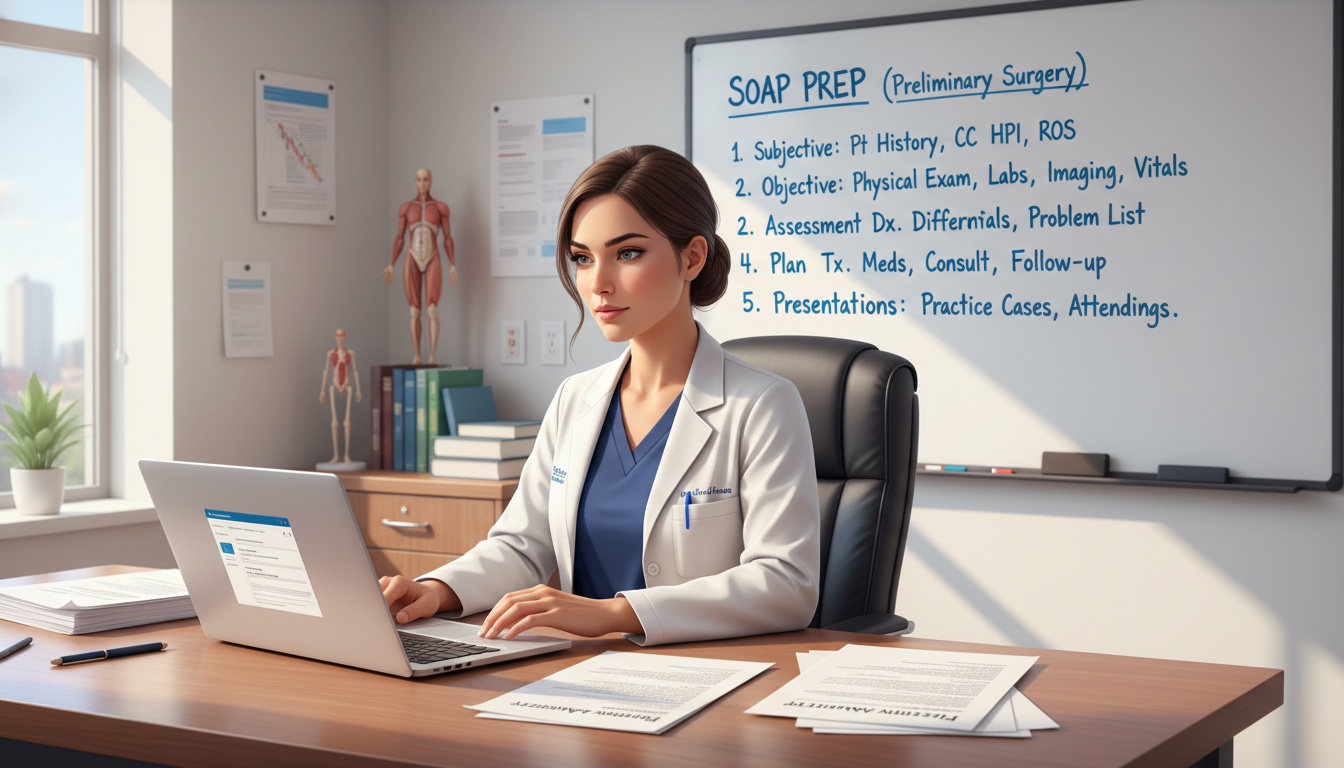
Step 5: Interview performance during SOAP
SOAP interviews are brief and often same‑day. Your preparation should include:
- A clear 30–60 second personal pitch:
- Who you are (US citizen IMG / American studying abroad, school, graduation year)
- Key strengths (US clinical experience, research, surgical exposure)
- What you’re looking for (prelim/categorical surgery, etc.)
- Prepared answers to:
- Why you went unmatched:
- Be honest but non‑defensive (e.g., high specialty competitiveness, late Step 2 score, fewer interview offers).
- Why you’re interested in this program:
- Specific features, not generic praise.
- Your career goals:
- “I aspire to a career in surgery and have strong interest in plastic and reconstructive surgery. My immediate goal is to be an excellent intern and contribute fully to your program.”
- Why you went unmatched:
Avoid:
- Criticizing other programs or the Match system.
- Sounding like you’ll abandon their program at the first opportunity.
- Overemphasizing plastics to the point that they think you won’t care about general surgery work.
After SOAP: Contingency Planning and Positioning for Future Plastic Surgery
Even if SOAP doesn’t yield your ideal program, it shouldn’t be the end of your plastic surgery dreams. Think in layers:
Scenario 1: You match into a prelim or categorical surgery program
This is a strong outcome for a US citizen IMG aiming for plastics.
Action plan:
- Excel clinically: be the resident everyone wants on their team.
- Seek mentorship:
- General surgeons and, if available, plastic surgeons.
- Get involved in research:
- Case reports, retrospective studies, QI projects.
- If prelim:
- Work with your PD early to explore conversion to categorical status.
- Simultaneously plan for the next application cycle (additional surgery or even rare re‑apply to integrated plastics).
Scenario 2: You match into a non‑surgical SOAP residency
If you end up in IM, FM, or another field:
- Reassess your commitment to plastics vs. excellence and satisfaction in this new path.
- If you still want plastics:
- Build a CV rich in procedural and research experience.
- Recognize that switching into plastic surgery from a non‑surgical base is extremely difficult and rare.
- You may discover an unexpected passion in your new specialty; that’s a valid outcome.
Scenario 3: You do not secure a SOAP residency position
This is emotionally tough but still salvageable.
Avoid disappearing from the system. Instead:
- Seek a research fellowship in plastic surgery or general surgery:
- At US academic centers.
- Preferably with NIH‑funded or high‑output faculty.
- Build:
- Publications, presentations.
- Strong mentorship relationships.
- Consider:
- Additional US clinical experience (observerships, externships).
- Reapplying with:
- Higher Step scores (if you can add Step 3).
- Much stronger research and letters.
For a US citizen IMG, visa concerns are fewer, which makes you more attractive for research roles compared to non‑US IMGs; leverage that.
Practical Tips Specific to US Citizen IMGs and Americans Studying Abroad
Clarify your status in your application
- Make sure it’s obvious you are a US citizen IMG:
- No visa sponsorship needed.
- Available to start without immigration delays.
- Make sure it’s obvious you are a US citizen IMG:
Explain your “American studying abroad” story succinctly
- Programs may be curious:
- Keep it positive—focus on global perspective, adaptability, and resilience.
- Don’t over‑defend your choice of school; focus on what you’ve done with the opportunities you had.
- Programs may be curious:
Leverage US clinical electives
- Any prior US rotations, especially in surgery or plastics, are gold:
- Mention them prominently in ERAS and in interviews.
- Use letters from those rotations heavily in SOAP.
- Any prior US rotations, especially in surgery or plastics, are gold:
Network ahead of time
- If you have mentors in plastic surgery:
- Let them know (before Match Week) that you may need advice in SOAP.
- During SOAP, they cannot directly circumvent NRMP rules, but they can:
- Provide emotional support.
- Offer strategic guidance for where to apply.
- Potentially speak with colleagues after SOAP when exploring research roles.
- If you have mentors in plastic surgery:
FAQs: SOAP and Plastic Surgery for US Citizen IMGs
1. As a US citizen IMG, should I still apply to integrated plastic surgery in the main Match if I’m likely to end up in SOAP?
Yes, if your application is at least reasonably competitive, it’s reasonable to apply to integrated plastic surgery in the main cycle—particularly if you have strong scores, US clinical experience, and plastics research. However, you must plan from day one for the real possibility of no integrated plastics interviews and prepare a backup pathway through general surgery, including SOAP preparation.
2. Are there ever plastic surgery residency positions in SOAP?
Very rarely. Integrated plastic surgery positions almost always fill in the main Match. If a spot appears in SOAP, it’s an outlier and may reflect unique program circumstances. You cannot count on this. Your SOAP residency plan should focus on prelim or categorical general surgery, transitional year, or other surgical prelim roles that keep your plastic surgery career pathway open.
3. How many SOAP programs should I apply to if I want a surgical career?
Use your full allocation of applications (e.g., 45) if possible, and concentrate heavily on surgery‑adjacent programs:
- Majority: Prelim general surgery, categorical general surgery (if available).
- Remaining: Transitional year with surgical exposure and, if needed, other specialties at institutions with strong surgical and plastic surgery departments.
You’re better off casting a broad but targeted net across many suitable surgical prelim programs than over‑focusing on a narrow set of highly prestigious centers.
4. If I don’t match in SOAP, is a plastic surgery career still realistic?
It becomes more challenging, but not impossible. As a US citizen IMG, you retain some advantages—no visa constraints, easier hiring for research positions. The typical post‑SOAP strategy is:
- Secure a research position in plastic or general surgery.
- Build a high‑impact academic profile over 1–2 years.
- Reapply to residency (usually general surgery) with a significantly stronger application.
- Aim to enter plastics later through independent pathways or a rare integrated slot.
Persistence, strategic planning, and mentorship are critical. Many plastic surgeons—especially those from nontraditional backgrounds—took indirect paths to the field.
Thoughtful, early SOAP preparation can convert a crushing Match Week surprise into a carefully redirected path that still leads toward your ultimate goal: a career in plastic and reconstructive surgery. As a US citizen IMG, leveraging your citizenship status, maximizing US clinical and research exposure, and staying in the residency pipeline—even via prelim or alternative routes—are your strongest assets in eventually reaching that integrated plastics match or an independent plastics pathway.