Navigating the Supplemental Offer and Acceptance Program (SOAP) is stressful for any unmatched applicant, but it can feel especially intense if you’re a US citizen IMG aiming for a preliminary surgery year. You’re often juggling visa issues for classmates, explaining your path as an American studying abroad, and trying to secure a foothold in a highly competitive surgical ecosystem.
This guide walks you through SOAP preparation specifically for US citizen IMGs targeting prelim surgery, with practical, step-by-step strategies you can start using well before Match Week.
Understanding SOAP and the Preliminary Surgery Path
What Is SOAP?
The Supplemental Offer and Acceptance Program (SOAP) is NRMP’s structured process that allows eligible unmatched or partially matched applicants to apply to unfilled residency positions during Match Week.
In simple terms, SOAP is the official, time-limited, electronic scramble:
- You receive your Match status on Monday of Match Week (11 AM ET).
- If you’re eligible and unmatched or partially matched, you get access to the List of Unfilled Programs.
- You submit applications through ERAS (in limited numbers and rounds).
- Programs review and may send offers in timed SOAP rounds Wednesday–Thursday.
- You accept or decline offers in real time through NRMP.
Knowing what is SOAP in detail is essential, because prelim surgery positions go quickly, and you’ll need a tight, pre-planned strategy.
Why SOAP Matters So Much for US Citizen IMGs in Surgery
For a US citizen IMG interested in surgery, a preliminary surgery year can be:
- A bridge to a categorical surgery position later (via reapplication or internal conversion).
- A way to gain US clinical experience and strong letters in a surgical environment.
- An opportunity to strengthen your CV with operative exposure, QI projects, and research.
Unlike non–US citizens, you don’t face visa sponsorship barriers, which can be an advantage in SOAP when programs must make fast decisions. However, as an American studying abroad, you may still be at a disadvantage compared with US MD seniors, so targeted SOAP preparation is critical.
Prelim Surgery vs. Categorical Surgery in SOAP
During SOAP, you might see:
- Preliminary surgery positions: 1-year positions, often for:
- Future categorical surgery applicants
- Applicants heading to other advanced specialties (e.g., radiology) that require a clinical year
- Categorical general surgery positions: Full 5-year training slots (these are rare in SOAP but occasionally appear)
Key implications:
- Expect most available surgery slots to be prelim, not categorical.
- You may need to decide whether you’re open to prelim-only, or you’ll also target other fields (e.g., prelim medicine, transitional year) as backup.
Strategic Pre-SOAP Planning (6–12 Months Before Match Week)
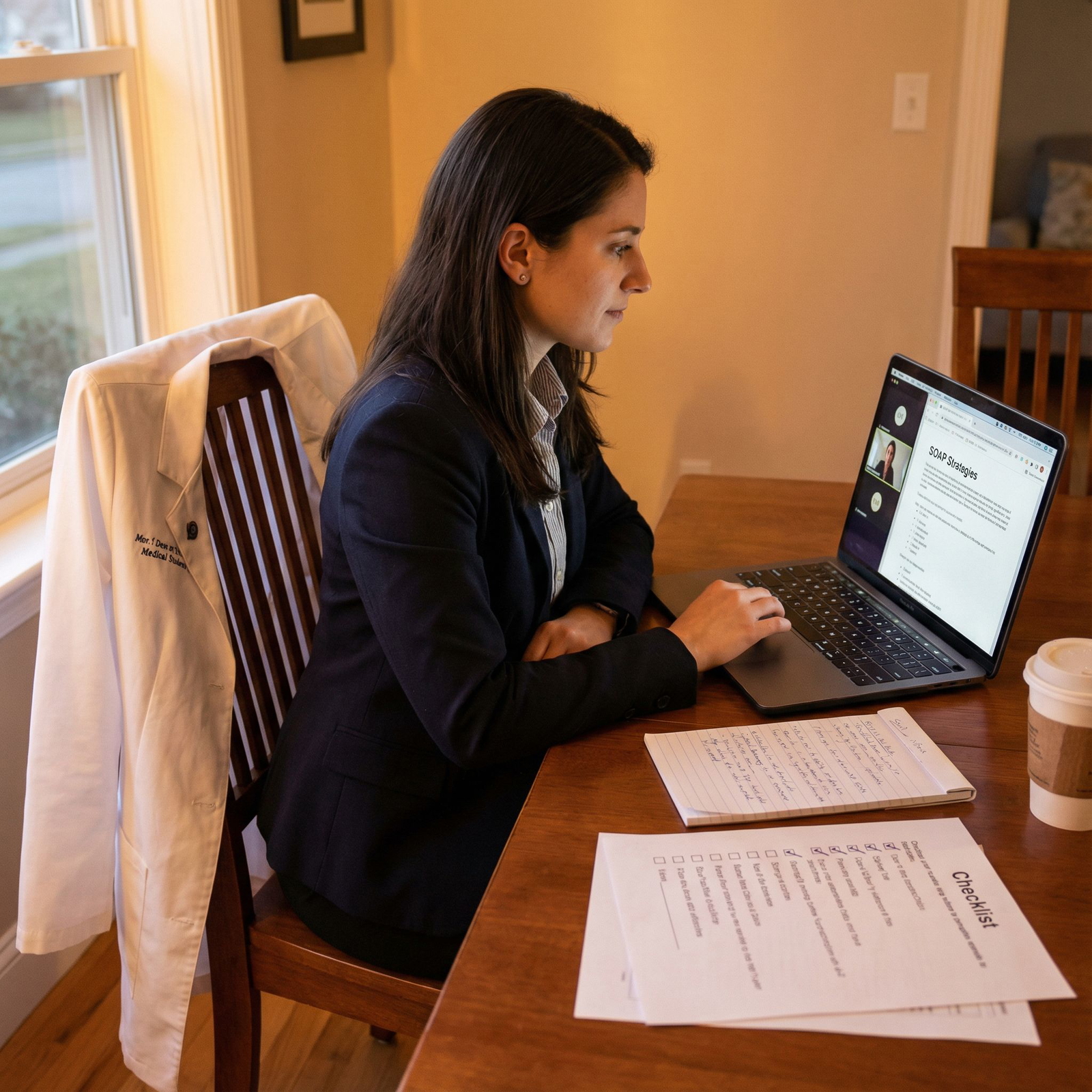
You cannot “wing” SOAP. The applicants who do best are those who started SOAP preparation months in advance—even if they fully intend to match in the Main Match.
1. Know Your Profile Honestly
As a US citizen IMG in preliminary surgery, programs will look at:
- USMLE/COMLEX Scores
- Step 1 (even if pass/fail, failures matter)
- Step 2 CK (very important)
- Attempts/Failures
- Any failed attempts should be directly addressed and mitigated with strong Step 2 or later performance.
- Clinical Experience
- US surgical rotations or sub-internships (high value)
- Strong letters from US surgeons
- Red Flags
- Gaps in training, professionalism concerns, notable fails
Make a brief SOAP profile summary:
- Scores, graduation year, attempts
- Key strengths: e.g., US sub-I in surgery, research, strong LORs
- Key weaknesses: e.g., graduation >3 years, Step failure, limited surgery exposure
This profile will guide which programs and specialties you’re realistically competitive for during SOAP.
2. Clarify Your Priority: Surgery vs. Just Matching
Before Match Week, decide:
- Is your #1 priority to be in a surgical environment (even prelim)?
- Or is your #1 priority any ACGME-accredited residency, even in a non-surgical field?
That answer affects:
- How many prelim surgery residency programs you will target in SOAP
- Whether you will also apply to prelim medicine, transitional year, or categorical IM/FM during SOAP
- How aggressive you’ll be about accepting early offers that are not surgical
Create 2–3 pre-written decision rules:
- “If I receive a prelim surgery offer at an ACGME-accredited program with a busy operative volume and good mentorship, I will accept.”
- “If by Round 3 I have no surgery interest from programs, I will prioritize prelim IM or TY to secure any position.”
Having these rules written down before emotions rise during SOAP week will prevent impulsive decisions.
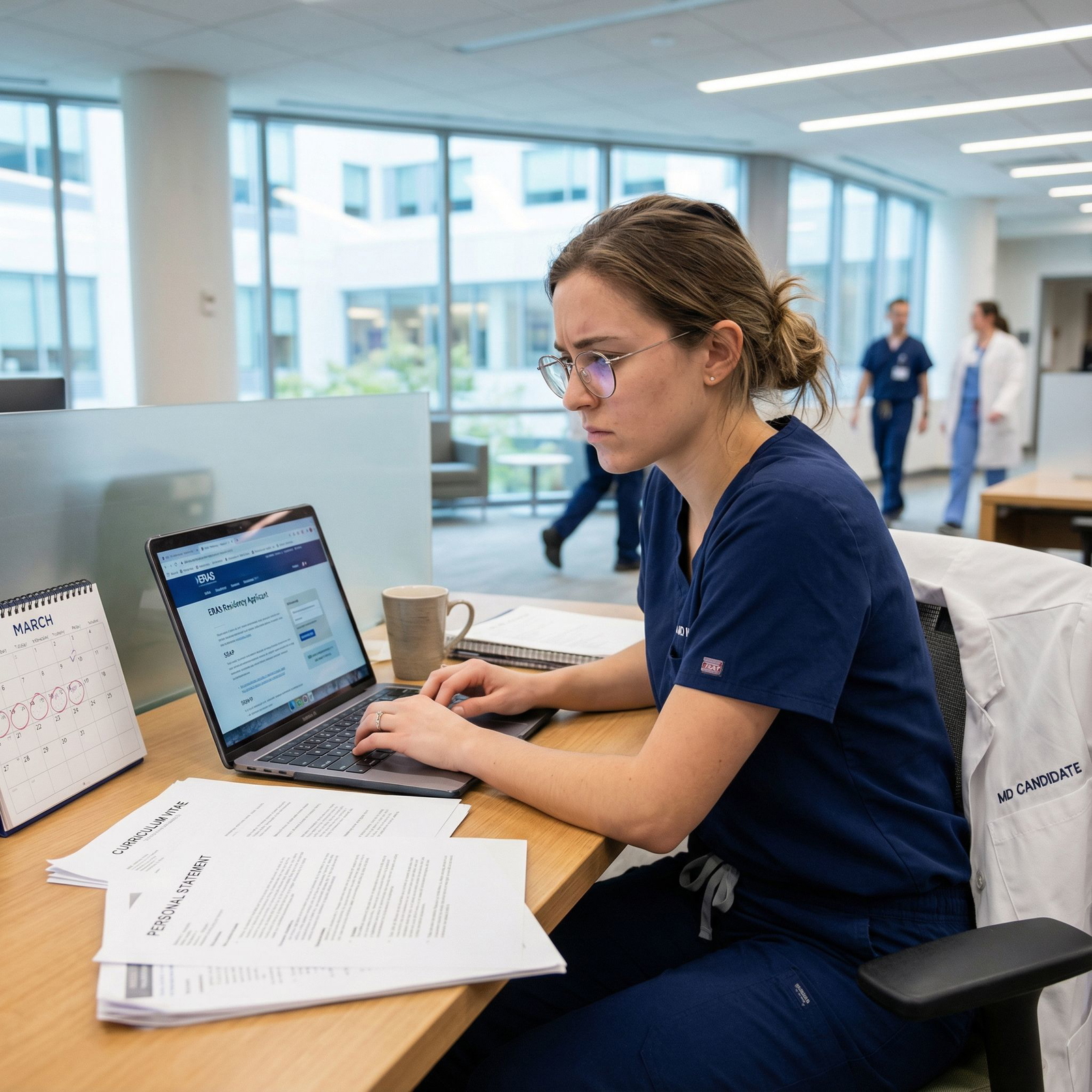
3. Pre-Build Your SOAP Materials
SOAP is fast-paced. During Match Week there is no time to rewrite everything from scratch. Before March, prepare:
A. Multiple Personal Statement Versions
Version 1: Prelim Surgery–Focused
- Emphasize:
- Interest in surgical training
- Readiness for high-volume, high-intensity work
- Clear, realistic path: prelim year → reapply for categorical or related advanced specialty
- Address being an American studying abroad briefly but positively: maturity, adaptability, experience in different healthcare systems.
- Emphasize:
Version 2: General Prelim/Transitional Year
- Focus on broad clinical skills, flexibility, and being a safe intern.
- Useful if you pivot to prelim IM or TY during SOAP.
B. Updated CV and ERAS Application
- Everything should be current by late January–February:
- New publications or abstracts
- Extra rotations
- Leadership or teaching experiences
- Make sure surgery-relevant experiences are prominent: OR exposure, surgical clerkships, QI projects related to perioperative care.
C. Standardized Email Templates Draft 2–3 templates you can quickly tune and send to:
- Program directors and coordinators of prelim surgery programs with unfilled positions
- Faculty and advisors who may advocate for you
Each template should:
- Be concise (5–8 sentences)
- Highlight that you are a US citizen IMG with a strong interest in preliminary surgery
- Attach or reference your ERAS AAMC ID
- Emphasize any connection to the hospital, city, or region (if any)

4. Build a Target List of Likely SOAP Programs
You won’t know the final List of Unfilled Programs until Match Week, but you can:
- Review NRMP’s prior years’ SOAP data and unfilled positions by specialty.
- Identify surgery programs that:
- Historically have unfilled prelim surgery spots
- Have previously accepted IMGs, especially US citizen IMGs
- Are in regions more open to IMGs (often community or mid-sized programs)
Build a spreadsheet with:
- Program name
- Location
- Type (academic vs community)
- IMG-friendliness (based on past match lists / reviews)
- Contact info
- Notes on program character (e.g., trauma level, operative volume, culture)
During SOAP, you’ll update this with:
- Whether the program appears on the unfilled list
- Whether you’ve applied
- Whether you’ve heard anything (emails, calls, interviews)
Execution During Match Week: Step-by-Step SOAP Preparation
Monday: Match Status and Rapid Assessment
At 11 AM ET Monday:
- You learn your Match result.
- If unmatched or partially matched and SOAP-eligible, you’ll gain access to:
- The List of Unfilled Programs (via NRMP)
- ERAS portal for SOAP applications
Immediate steps:
- Regulate emotions first.
- Take 30–60 minutes away from the computer if needed.
- Review your target strategy.
- Are you still primarily pursuing prelim surgery residency?
- Are you willing to add prelim IM or TY programs now?
Reviewing the List of Unfilled Programs
Once available:
- Filter by Specialty: Surgery – Preliminary.
- Cross-reference with your pre-built spreadsheet.
- Prioritize programs based on:
- Willingness to consider IMGs (especially US citizen IMG)
- Program size (larger programs may have more prelim spots)
- Geographic flexibility (cast a wide net)
If your profile has notable red flags (e.g., multiple Step failures), plan to:
- Apply to a larger number of prelim and non-surgery options.
- Be realistic about your competitiveness.
Application Limits and Prioritization
NRMP/ERAS usually impose a limit on the number of programs you can apply to during SOAP (e.g., 45 total). Plan your allocation:
Example allocation strategy for a US citizen IMG strongly oriented to surgery:
- 20–25 prelim surgery programs
- 10–15 prelim internal medicine or transitional year (as backup)
- Remaining slots: categorical IM/FM programs open to IMGs if they appear on the list
If your scores are borderline or you have red flags:
- Consider 15–20 prelim surgery
- Increase backup (prelim IM, TY, categorical IM/FM) to 20–25+ programs
Communicating Your Value as a US Citizen IMG in Prelim Surgery
Tailoring Your Materials for Prelim Surgery
For your prelim surgery PS and communications, emphasize:
Work Ethic & Resilience
- Specific examples of long OR days, overnight calls, or intense rotations.
- Explain how you handled fatigue and stress without compromising patient safety.
Technical and Clinical Interest in Surgery
- Any experience scrubbing, suturing, assisting, or doing minor procedures.
- Interest in surgical decision-making (pre-op, post-op, complications).
Professionalism and Teamwork
- Stories where you:
- Supported co-interns or students
- Took constructive feedback
- Resolved conflict with staff or colleagues
- Stories where you:
Realistic Long-Term Plan
- You understand that a preliminary surgery year may not guarantee a categorical surgery spot.
- You are still committed to making the most of the year—strong performance, letters, opportunities.
- Clarify whether you plan to:
- Reapply to categorical general surgery, or
- Use the prelim year as a base for another advanced specialty.
Highlighting Your Strength as an American Studying Abroad
You bring advantages as a US citizen IMG:
- No visa needs
- Cultural familiarity with the US healthcare system and patients
- Often strong English fluency and communication skills
Ways to communicate this:
- Briefly explain your choice to study abroad:
- Limited US seat availability
- Desire for global exposure
- Opportunities to see different health systems
- Emphasize how you adapted:
- Language or resource constraints
- Learning to work in low-resource settings
- Returning to the US with a broader clinical perspective
Avoid apologizing for being an American studying abroad; instead, frame it as a strategic and formative experience that prepared you to be flexible, resilient, and driven.

Reaching Out to Programs During SOAP
After applications are submitted, some programs:
- May email or call for quick phone or video interviews.
- Others may silently review applications and extend offers through NRMP without prior contact.
You can reach out in a targeted, professional way:
Email Strategy:
- Send short, personalized emails to:
- Program directors
- Associate PDs
- Program coordinators
- Content (5–8 sentences):
- Your name, AAMC ID
- Status: US citizen IMG, applied for preliminary surgery year
- Short note on:
- Step scores (if strong)
- Pertinent experience (US surgery rotations, research, prior SOAP or match attempts)
- Why their program specifically (region, trauma exposure, academic interests)
- Confirmation that materials are available in ERAS
Avoid mass-sending generic emails to every program; a few high-quality, well-targeted messages go further than dozens of generic notes.
Handling SOAP Offers and Contingency Planning
Understanding SOAP Rounds
SOAP offers occur in rounds on Wednesday–Thursday of Match Week. Each round:
- Programs issue offers through NRMP.
- You see the offer(s) in your NRMP account.
- You have a short acceptance window (e.g., 2 hours).
- If you decline, that slot is offered to someone else in the next round.
You can:
- Hold one accepted position at a time.
- Continue receiving offers from other programs until you accept a position or SOAP ends.
Deciding Whether to Accept a Prelim Surgery Offer
Because prelim positions may be your entry point to surgery, think through acceptance criteria beforehand:
Factors to consider:
- Reputation and culture
- Are they known to treat prelims fairly?
- Graduates’ outcomes (do prelims commonly secure categorical spots later, either there or elsewhere)?
- Operative and clinical exposure
- Will you gain real OR experience, not just scut?
- Mentorship
- Are there mentors who routinely help prelims with reapplication?
If your primary goal is surgery, a solid prelim surgery residency at a supportive program may be worth accepting even if you suspect another offer might come later. SOAP is unpredictable; turning down a concrete prelim surgery offer in hopes of a better one can backfire.
When to Pivot from Prelim Surgery to Other Options
By later SOAP rounds (e.g., Round 3–4), if:
- You have no prelim surgery interviews or expressions of interest, and
- You are seeing offers or realistic interest from prelim IM, transitional year, or categorical IM/FM programs,
You must decide whether:
- Any accredited position now is better than:
- Another full application cycle
- Risk of not matching again
- Financial and emotional costs of waiting
For many US citizen IMGs, a prelim IM or TY year can still:
- Provide US experience
- Improve letters
- Allow for reapplication to surgery or another specialty
However, if you are completely surgery-committed and can afford another cycle, you might:
- Decline non-surgical positions
- Focus on strengthening your profile over the next year (research, observerships, clinical roles)
There is no universal right choice—only the choice that aligns with your long-term values, financial situation, and resilience.
Post-SOAP: If You Secure a Prelim Surgery Year
Landing a preliminary surgery year through SOAP is only the beginning. Your performance will heavily influence your ability to:
- Secure an in-program categorical spot (if available)
- Re-match into categorical surgery later
- Pivot to other competitive fields that value surgical training
How to Maximize a Prelim Surgery Year
Excel Clinically
- Be reliable: show up early, stay late when needed.
- Master the basics: notes, orders, pre-op/post-op care.
- Be proactive but safe: know your limits; ask for help appropriately.
Build Relationships
- Identify 2–3 surgeons who could become strong letter writers.
- Meet with the PD or associate PD:
- Clarify your career goals.
- Ask what makes prelims successful at their institution.
Seek Academic Output
- Join QI projects or case reports.
- Ask about contributing to retrospective chart reviews or ongoing research.
- Even small academic contributions can heavily strengthen your future application.
Plan for Reapplication Early
- Start discussing your plans by mid-year (e.g., December–January).
- Request targeted feedback on your performance and application weaknesses.
Post-SOAP: If You Do Not Secure a Position
If SOAP ends and you remain unmatched:
- Acknowledge the emotional toll—this is a significant setback but not a final verdict on your career.
- Avoid impulsive decisions (e.g., signing non-accredited positions that hurt future match chances without reflection).
Next Steps for a US Citizen IMG Without a SOAP Match
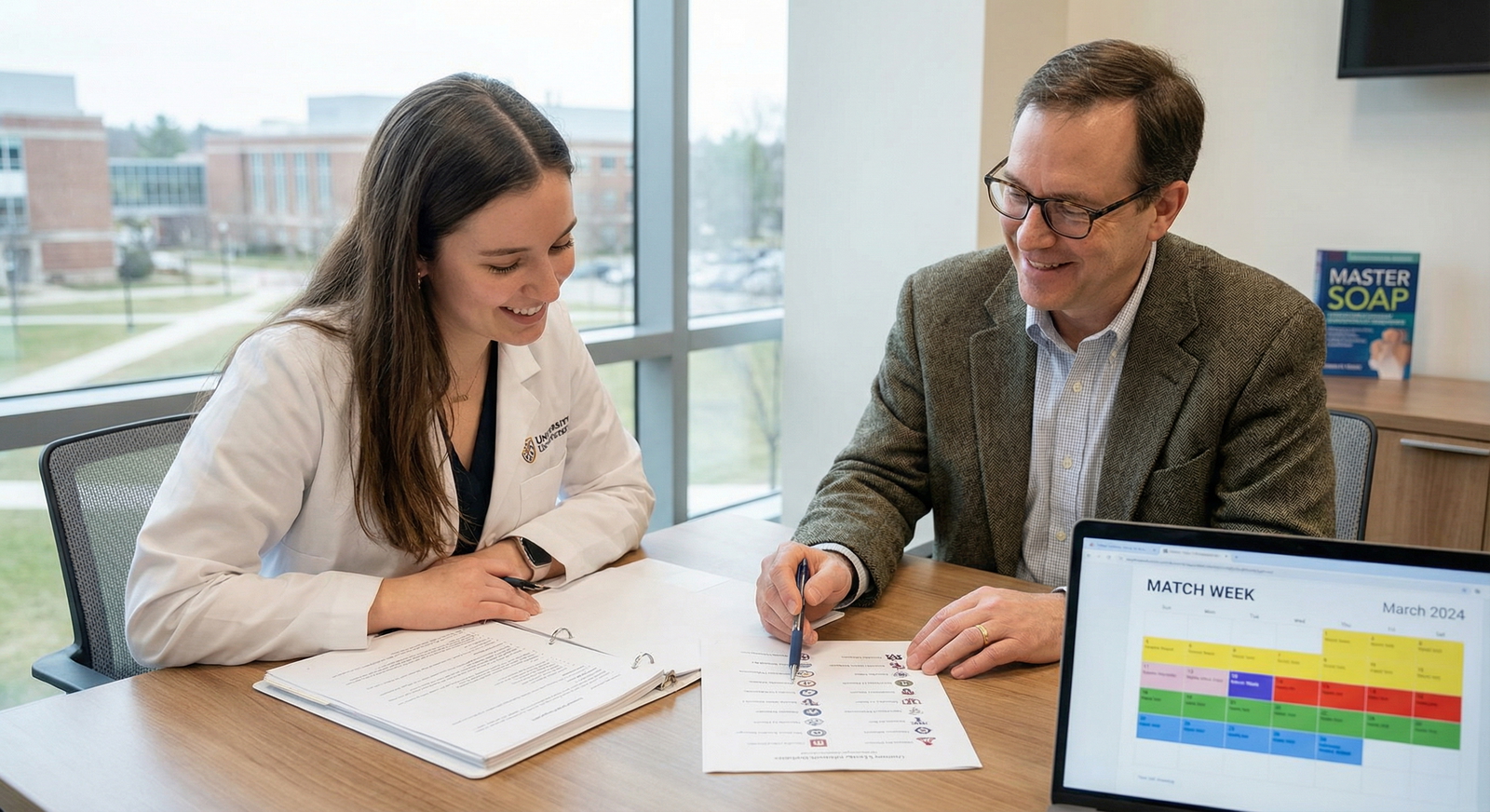
Analyze Your Application With an Expert
- Meet with:
- A trusted advisor
- Dean’s office representative
- Professional residency advising service (if available)
- Review:
- Exam timeline and scores
- LOR quality
- Clinical experience
- Specialty choice realism
- Meet with:
Consider Gap-Year Opportunities
- Research fellowships (clinical or basic science, especially in surgery or related fields).
- Non-ACGME preliminary positions with careful consideration.
- US clinical experience roles:
- Surgical assistant positions (if allowed and accredited interplay is clear)
- Hospital-based roles that keep you in the clinical environment.
Revisit Specialty Flexibility
- Some US citizen IMGs eventually match into:
- Internal medicine
- Family medicine
- Psychiatry
- EM or anesthesia via later pathways
- Your final career may still include procedures and acute care, even if not traditional general surgery.
- Some US citizen IMGs eventually match into:
Reset Your SOAP Preparation for Next Cycle
- Update your strategy months in advance.
- Use this year to collect stronger US references, better test performance (if needed), and more mature PS and CV.
FAQs: SOAP Preparation for US Citizen IMGs in Preliminary Surgery
1. As a US citizen IMG, do I have an advantage in SOAP compared to non-US IMGs?
Often yes. Program directors appreciate that US citizen IMGs don’t require visa sponsorship, which is particularly important during SOAP when decisions must be made quickly. You also bring cultural familiarity with US patients and systems. However, compared with US MD seniors, you may still be at a relative disadvantage, so strategic SOAP preparation and broad applications remain essential.
2. How many prelim surgery programs should I apply to during SOAP?
There is no perfect number, but many US citizen IMGs aiming for surgery consider:
- Around 20–25 prelim surgery programs if they are reasonably competitive (solid Step 2 CK, recent graduate, some US surgery experience).
- If you have more red flags or older graduation, you may still apply broadly to prelim surgery but increase backup applications (prelim IM, TY, categorical IM/FM) to protect against going unmatched.
3. Can a preliminary surgery year realistically lead to a categorical surgery position?
Yes, but it is not guaranteed. Some prelims successfully:
- Convert to categorical spots within the same program.
- Match into categorical positions elsewhere after reapplying with strong letters and performance. However, some prelims end up changing specialties or not securing a categorical surgery spot. If you choose a prelim surgery residency, go in with:
- A focus on outstanding performance and networking.
- A backup plan in case a categorical surgery position doesn’t materialize.
4. Should I accept a non-surgery SOAP offer if I want surgery long-term?
It depends on your risk tolerance and life circumstances:
- If your top priority is being in a surgical environment, you may choose to wait for a prelim surgery offer, even if that means risking going unmatched this cycle.
- If your priority is any accredited residency and financial stability, then accepting a prelim IM or transitional year can be wise. You can still reapply to surgery later, though it may be more challenging. Decide your hierarchy of priorities before SOAP week, so you’re not making life-changing decisions in a 2-hour acceptance window.
By preparing early, understanding what SOAP entails, and leveraging your unique strengths as a US citizen IMG focused on a preliminary surgery year, you significantly increase your chances of turning a stressful Match Week into a strategic opportunity.