Understanding SOAP for the US Citizen IMG Radiology Applicant
As a US citizen IMG and an American studying abroad, preparing for the Supplemental Offer and Acceptance Program (SOAP) is essential—even if you feel confident about matching. Diagnostic Radiology is competitive, and even strong applicants can go unmatched because of limited spots, geographic preferences, or subtle application weaknesses.
This article focuses on SOAP preparation specifically for US citizen IMGs targeting Diagnostic Radiology and related pathways. You’ll learn what SOAP is, how it actually works, and how to build a realistic, specialty-focused strategy so that if you land in SOAP, you act fast and effectively.
What is SOAP? (And Why It Matters Even If You’re “Sure” You’ll Match)
SOAP (Supplemental Offer and Acceptance Program) is the structured, time-limited process NRMP uses to fill unfilled residency positions after the main Match algorithm runs. For applicants, SOAP is a second chance to obtain a categorical, prelim, or transitional year position.
Key points about what SOAP is:
- A four-day, tightly scheduled process during Match Week
- Only for applicants who are eligible and unmatched or partially matched
- All communication is through ERAS/NRMP (no cold-calling programs during SOAP)
- Positions offered in several rounds based on program rank lists and your applications
For a US citizen IMG wanting Diagnostic Radiology, SOAP is most relevant in two ways:
Direct Radiology Positions in SOAP
- Categorical Diagnostic Radiology positions occasionally appear in SOAP, but numbers are very limited and variable year to year.
- You should apply if any appear and if your profile fits, but you cannot rely on this as your sole plan.
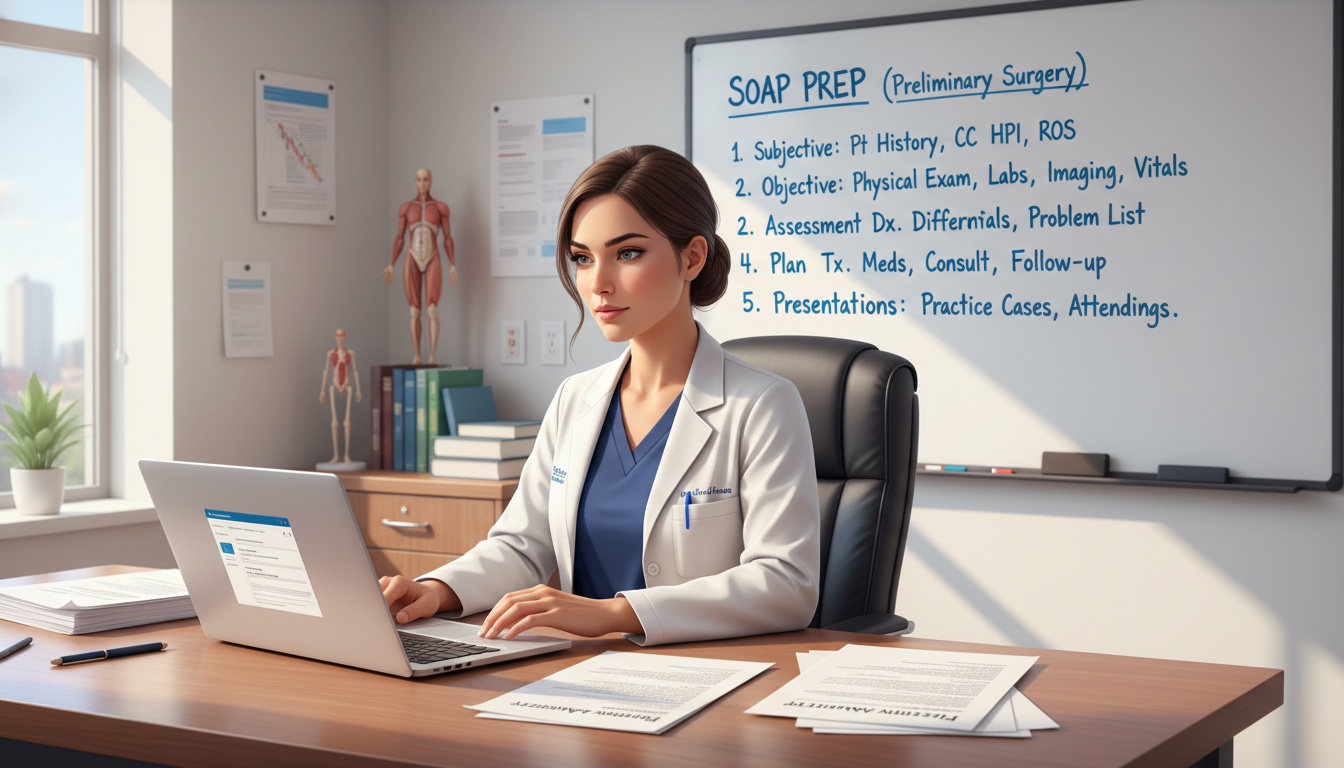
Bridge Strategy: TY/Preliminary Medicine or Surgery
- Many future radiologists match into Diagnostic Radiology after completing a prelim or transitional year.
- In SOAP, you may prioritize these as a strategic bridge: secure a PGY-1 spot now, re-apply in the next cycle with US clinical experience and stronger letters.
For most US citizen IMGs interested in radiology, a realistic SOAP strategy is about maximizing your chance of any position first, then optimizing your path back to radiology.
Pre-Match SOAP Preparation: Start Months, Not Days, Before Match Week
Serious SOAP preparation starts before you even know whether you will match. By Match Week, you will not have time for deep reflection, new letters, or major document overhauls.
Step 1: Know If You’ll Be SOAP-Eligible
You must meet NRMP SOAP eligibility criteria, which usually includes:
- Registered for the Main Match and did not match to all positions (unmatched or partially matched).
- Have certified rank order list on time.
- Have USMLE scores reported and passing (and ECFMG certification if applicable before Match Week—some US citizen IMGs delay this inadvertently).
Action items:
- Verify USMLE Step 1, Step 2 CK status and ECFMG certification timelines.
- Confirm you are registered correctly with NRMP and have no policy violations.
- Monitor email and NRMP communication about eligibility in the months leading up to Match.
Step 2: Radiology-Focused Self-Assessment (And Why It Matters for SOAP)
For US citizen IMGs, radiology residency is tough to crack. Before Match Week, honestly assess your competitiveness:
Consider:
- USMLE scores (especially Step 2 CK)
- Radiology-specific exposure: electives, sub-internships, observerships, research
- Strength of letters—do you have radiology faculty letters?
- Red flags: gaps, attempts, disciplinary issues.
Then ask:
- If I go into SOAP, what range of programs and specialties am I willing to accept?
- Am I open to prelim year positions and then reapplying to diagnostic radiology?
- Would I consider closely related or backup fields (e.g., Internal Medicine, Transitional Year, prelim Surgery) knowing I can still pursue radiology later?
SOAP runs fast. Having these decisions pre-made prevents panic-based choices during Match Week.
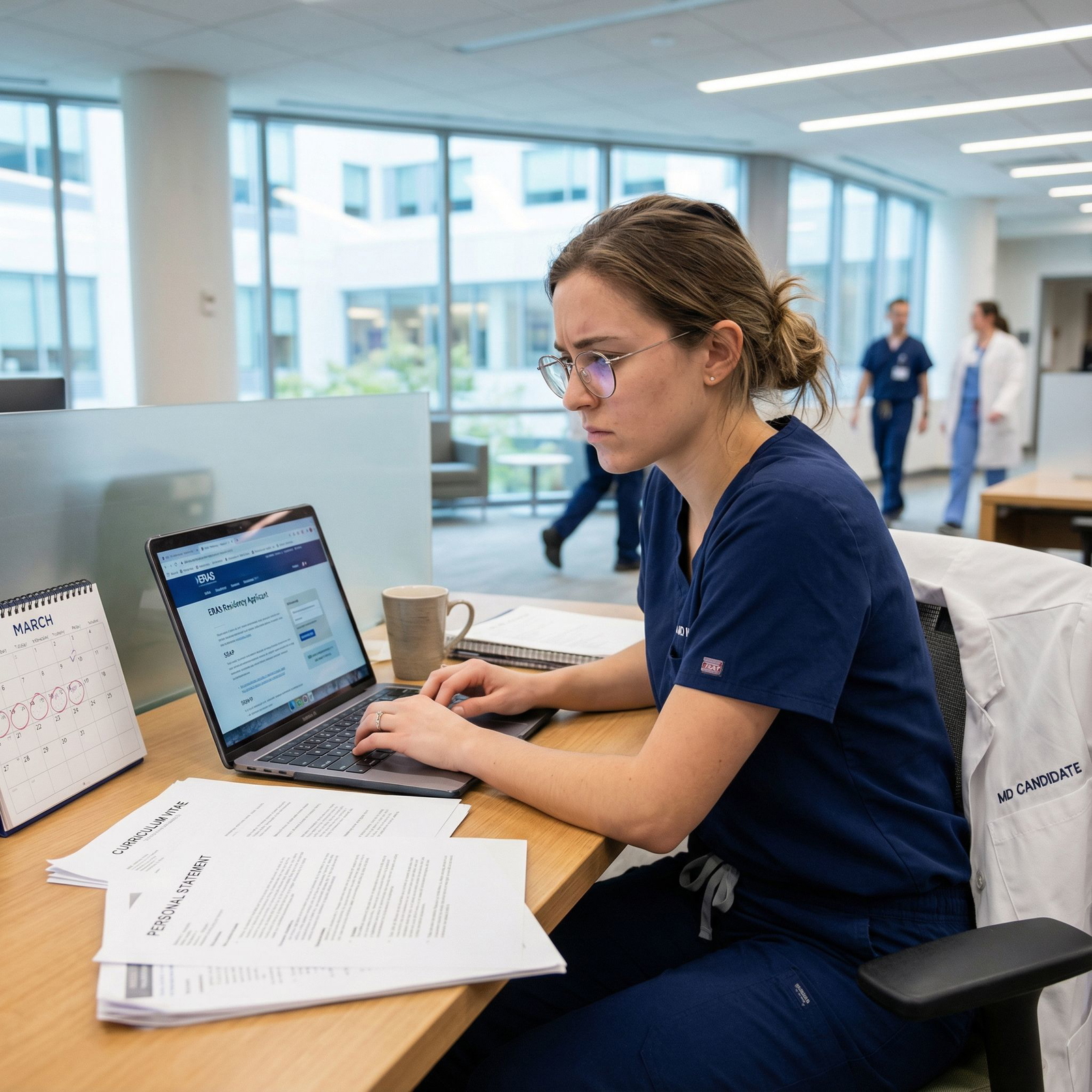
Step 3: Pre-Write SOAP-Ready ERAS Documents
You will use ERAS during SOAP, and although you can tailor content, you cannot start from scratch under time pressure. Prepare now:
Core Personal Statement (General)
- One “master” personal statement focusing on:
- Your clinical strengths
- Being a US citizen IMG and American studying abroad—what perspective that adds
- Professionalism, work ethic, communication skills
- Keep radiology enthusiasm in your story, but write it so it could also be used for IM, TY, or prelim programs.
- One “master” personal statement focusing on:
Radiology-Specific Personal Statement (Optional)
- If there are categorical radiology positions in SOAP, you may want one distinct statement that highlights:
- Why radiology (pattern recognition, technology, imaging-path correlation, decision-making)
- Radiology research, electives, or mentorship
- Your plan for life-long learning and subspecialty interest (e.g., neuroradiology, body imaging).
- If there are categorical radiology positions in SOAP, you may want one distinct statement that highlights:
Backup-Specialty Personal Statements
Consider pre-writing short, tailored statements for:- Internal Medicine
- Transitional Year / Preliminary Medicine
- Preliminary Surgery (if you’d truly accept it)
Focus these on:
- Breadth of clinical interest
- Hands-on patient care, teamwork, and procedural skills
- How these experiences will strengthen you as a future radiologist (you don’t need to state radiology overtly, but you can signal interest in imaging, diagnostic reasoning, and multidisciplinary collaboration).
Update CV and Experiences
- Ensure all US clinical experience, radiology electives, and any imaging-related projects are included.
- Add leadership roles, teaching, and volunteer work; SOAP programs often want reliable team players they can trust quickly.
By Match Week, you want fully polished documents ready to deploy in multiple configurations.

Strategic SOAP Planning for Diagnostic Radiology–Minded US IMGs
On SOAP Monday, you’ll receive one of three outcomes:
- Fully Matched – You celebrate. SOAP prep becomes a safety net you thankfully never used.
- Partially Matched (e.g., advanced position without a prelim, or prelim without advanced)
- Unmatched – Eligible for SOAP if all criteria are met.
As a US citizen IMG with radiology interests, you need tiered scenarios and decisions ready.
Scenario 1: You Matched an Advanced Radiology Spot but Not a Prelim Year
This is rare but possible. If you hold a PGY-2 Diagnostic Radiology position and only need PGY-1:
- SOAP Goal: Secure a prelim or transitional year compatible with your future DR program.
- Priority order:
- Transitional Year (broad exposure, often favored by radiologists)
- Preliminary Medicine
- Preliminary Surgery (if you’re comfortable with surgical workload and culture)
Action steps:
- Confirm with your future radiology program if they have affiliated or preferred prelim partners, then prioritize those in SOAP.
- Emphasize in your personal statements and interviews:
- You already have a DR spot.
- You are seeking a solid clinical foundation to be an excellent radiology resident.
Scenario 2: You Matched a Prelim/TY but Not Radiology
If you have a secured PGY-1 but no advanced spot:
- You are partially matched. Whether you can participate in SOAP for advanced positions depends on NRMP rules for that year and the nature of your contract.
- Historically, partially matched applicants may be limited, so verify your status with NRMP early.
For future DR aspirations:
- Maximize your prelim/TY year:
- Build strong relationships with radiologists at your institution.
- Seek electives or rotations in Imaging.
- Get radiology letters for your next cycle.
Your SOAP strategy in this scenario is usually more about locking in the prelim year, not radiology itself.
Scenario 3: Fully Unmatched and SOAP-Eligible
This is when SOAP preparation is critical.
Your priorities:
- Secure ANY ACGME-accredited residency spot you are willing to complete.
- Maintain a credible path back to Diagnostic Radiology, if it remains your long-term goal.
Realistic specialty targeting strategy for a US citizen IMG leaning radiology:
Top Tier (If Available in SOAP):
- Categorical Diagnostic Radiology
- Categorical Nuclear Medicine (very rare, but imaging-adjacent)
Second Tier (Best Bridges Back to Radiology):
- Transitional Year
- Preliminary Medicine
- Internal Medicine categorical (can still pivot later via fellowship or reapplication)
Third Tier (If You Need a Position and Would Accept the Career):
- Family Medicine, Pediatrics, Psychiatry, etc., depending on your true openness to a non-radiology career.
Be honest: if you know you would not be happy in Family Medicine or Surgery long-term, avoid ranking such programs just for the sake of “any residency.” You must balance the benefit of training vs. being locked into a path you don’t want.
Executing SOAP During Match Week: Operational Playbook
Match Week is stressful. Having a step-by-step plan lowers anxiety and improves decision-making.
Monday Morning: Unmatched List and Emotional Control
Timeline (approximate; always verify current NRMP schedule):
- 11:00 AM ET Monday – You learn your match status (Matched / Partially Matched / Unmatched).
- If you are SOAP-eligible and unmatched/partially matched, you also gain access to the List of Unfilled Programs.
Immediate steps:
Pause and Breathe
- Take 30–60 minutes to process the news.
- Speak with a mentor, advisor, or trusted friend. Emotional regulation is key; you’ll be making important decisions within hours.
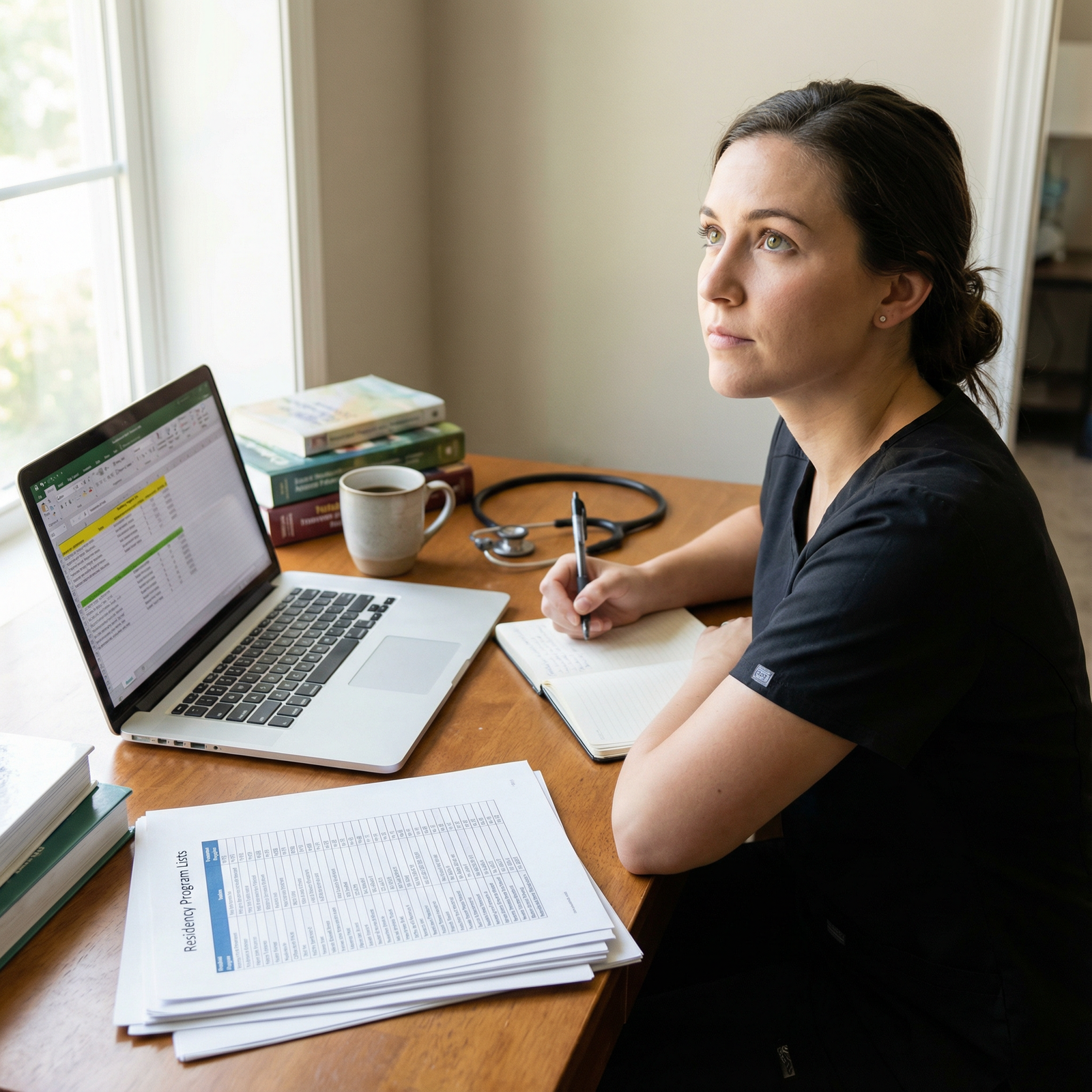
Download and Sort the Unfilled List
- Filter by:
- Specialty (Diagnostic Radiology, TY, Prelim Medicine, Prelim Surgery, Internal Medicine, etc.)
- State/Region preferences
- Programs known to be more IMG-friendly or that have historically taken US citizen IMGs.
- Filter by:
Identify Radiology-Relevant Programs
- Any Diagnostic Radiology categorical or advanced program
- Transitional Year programs with strong radiology departments
- Internal Medicine programs that are academic centers with robust imaging departments (better for future DR connections).
Application Limits and Prioritization
NRMP typically allows you to apply to up to 45 programs during SOAP (check current year rules).
Strategic distribution for a US citizen IMG oriented to radiology:
- If ANY DR spots exist:
- 5–10 applications to Diagnostic Radiology (depending on availability and your competitiveness)
- Then:
- 10–20 Transitional Year or Prelim Medicine programs in teaching hospitals
- 10–20 Internal Medicine programs (especially those with academic focus or radiology residencies on-site)
Unless you are extremely competitive (high Step 2 CK, strong US radiology letters, research), do not spend all 45 on radiology; positions are too few and too competitive.

Crafting and Tailoring Your SOAP Materials
SOAP is about speed plus targeted quality. You won’t be writing from scratch, but you must rapidly tailor.
Tailoring Personal Statements in SOAP
You can upload multiple statements and assign them to different programs.
For Any DR Positions in SOAP:
- Use your radiology-focused personal statement.
- Highlight:
- Imaging electives (even if abroad).
- Any US radiology exposure (observerships, teleradiology projects, case presentations).
- Analytical and pattern-recognition strengths.
- As a US citizen IMG / American studying abroad, bring up international perspective, adaptability, cultural competence.
For Transitional Year or Preliminary Medicine:
- Use a modified statement that:
- Emphasizes clinical maturity, reliability, and teamwork.
- Connects your radiology interest to your desire to master clinical medicine first.
- Makes clear you will take full ownership of patient care and are not “just waiting for radiology.”
- Use a modified statement that:
For Internal Medicine or Other Categorical Programs:
- If you would be satisfied with this path, write a sincere, specialty-focused letter.
- Do not treat these programs as “fallback” in tone. Emphasize:
- Longitudinal care, diagnostics, and complex problem solving.
- How your background has prepared you for IM (e.g., strong inpatient rotations abroad, US externships).
Letters of Recommendation in SOAP
Usually, you cannot add entirely new letters during SOAP. However, you can:
- Reassign existing letters to new programs.
- Prioritize:
- Strongest clinical letters for TY/IM/Prelim applications.
- Radiology letters for DR positions.
If you are still pre-Match, you can improve your SOAP readiness by:
- Getting at least one strong US-based clinical LOR (IM or Surgery).
- Securing a radiology letter if you’ve done any substantive radiology experience.
ERAS Application Details to Highlight
For radiology and radiology-adjacent SOAP applications:
- Emphasize:
- Research experience (even non-radiology) that shows analytic ability.
- Any imaging-based case presentations, QA projects, or system-improvement work.
- Strong narrative in “experiences” entries about reliability, data interpretation, and interdisciplinary teamwork.
For TY/IM/Prelim:
- Emphasize volume-heavy, hands-on clinical experiences.
- Show evidence of:
- Efficiency under pressure.
- Managing multiple tasks.
- Willingness to take call and manage sick patients.
SOAP Interviews and Offers: Communicating as a Future Radiologist
During SOAP, programs will reach out quickly through ERAS/phone/video for short, focused interviews.
Core Communication Principles
Professional and Calm
- Programs know SOAP is stressful; how you handle it showcases your maturity.
- Be punctual, well-dressed, and in a quiet setting.
Clear Story
- Be ready to answer:
- “Why do you think you didn’t match?”
- “What did you learn from this process?”
- For US citizen IMGs, you might say:
- Limited US clinical exposure at time of application
- Very competitive specialty choice (Diagnostic Radiology)
- Later Step 2 CK reporting
- Avoid blaming others; focus on growth and reflection.
- Be ready to answer:
Radiology Interest Without Appearing Disengaged from Their Specialty
For DR programs:
- Show strong, authentic enthusiasm for radiology.
- Discuss:
- Specific radiology experiences.
- How you view the radiologist’s role as a central consultant and diagnostician.
For TY/IM/Prelim programs:
- Balance is critical:
- Acknowledge your radiology interest if asked, but emphasize that you are fully committed to performing at your best in their program.
- You might say:
- “I am very interested in Diagnostic Radiology long-term, but I also know that strong clinical skills are essential to being a good radiologist. In your program, I would be fully committed to patient care, being a reliable intern, and contributing to the team.”
Programs worry that applicants “waiting for radiology” won’t work hard; address this concern head-on.
Managing Offers in SOAP
SOAP has discrete offer rounds. When you receive an offer:
- You typically have a short window (e.g., 2 hours) to accept or reject.
- You cannot hold multiple offers.
Decision-making framework:
- Ask: “Can I see myself completing this program if I never get radiology later?”
- For a TY or prelim spot:
- Even if you end up reapplying and not matching DR, you will at least have US residency training and eligibility for licensure, which opens other career paths.
- Avoid declining offers you would realistically accept later, hoping for something “better.” SOAP rounds move fast and are not guaranteed to improve.
Document ahead of time your priority order (e.g., TY in teaching hospital > categorical IM in community program > prelim Surgery, etc.) so you are not making major life decisions in panic mode.
Post-SOAP: Planning Your Long-Term Radiology Path
Whether you match through SOAP or not, you should have a clear Plan A, B, and C for your radiology aspirations.
If You Matched TY/Prelim/IM in SOAP
During your PGY-1 year:
- Excel clinically – strong evaluations and letters matter.
- Seek:
- Electives in Radiology.
- Radiology research or QI projects.
- Mentors in Imaging who can advocate for you.
Reapplication strategy for Diagnostic Radiology:
- Apply early and broadly.
- Highlight your US residency performance, especially:
- Strong intern year evaluations
- Radiology rotations and letters
- Any leadership, teaching, or scholarship
As a US citizen IMG with solid US training and references, your profile becomes markedly stronger in the next cycle.
If You Remain Unmatched After SOAP
This is emotionally difficult but not career-ending.
Constructive steps:
Pursue:
- Research positions (especially in radiology if possible).
- Clinical observer roles or non-standard fellowships.
- Teaching or clinical roles in under-resourced settings.
Strengthen:
- USMLE Step performance if any attempts remain (e.g., Step 3).
- US-based clinical exposure, especially in internal medicine or radiology.
Reassess each year:
- Is Diagnostic Radiology still your top, non-negotiable goal?
- Would you be equally or more fulfilled in Internal Medicine, Psychiatry, or another specialty?
SOAP preparation each subsequent cycle becomes progressively more efficient as you refine documents, strategy, and self-knowledge.
Frequently Asked Questions (FAQ)
1. As a US citizen IMG (American studying abroad), do I have an advantage in SOAP compared to non-US IMGs?
Programs often view US citizenship positively for administrative and visa reasons, especially in SOAP when they need to onboard quickly. However, being a US citizen IMG does not override concerns about exam scores, clinical experience, or communication skills. Your advantage is modest but real, especially compared to applicants needing visas.
2. Are Diagnostic Radiology residency positions commonly available in SOAP?
No. Diagnostic Radiology match fills the majority of positions in the main Match. Some DR programs may appear in SOAP due to last-minute changes, new accreditation, or unexpected applicant withdrawals, but positions are usually very limited and highly competitive. Consider them a bonus opportunity, not your primary SOAP plan.
3. What is SOAP preparation for someone targeting radiology—what are the non-negotiables?
Key non-negotiables:
- Ensure NRMP and ECFMG status allows SOAP eligibility.
- Have multiple personal statements ready (radiology, TY/prelim, IM).
- Keep ERAS updated with US clinical experiences and radiology-related activities.
- Develop a ranked list of acceptable specialties and program types before Match Week.
- Identify mentors (preferably US-based faculty) you can contact during Match Week for rapid advice.
4. If I accept a categorical Internal Medicine spot in SOAP, does that end my chance at Diagnostic Radiology?
Not necessarily. Many radiology residents started in other fields. Pathways include:
- Completing 1–2 years of IM, then applying for a radiology advanced position.
- Completing full IM residency and pursuing diagnostic or interventional fellowships with heavy imaging components.
However, switching specialties is competitive and not guaranteed. Before you accept a categorical IM spot, be comfortable with the possibility that Internal Medicine could become your long-term career, even if radiology remains an interest.
By preparing deeply and early for SOAP—understanding what it is, clarifying your radiology priorities, and building a realistic multi-tier strategy—you transform Match Week from pure crisis management into a controlled, strategic process. As a US citizen IMG and American studying abroad, you bring unique strengths to programs; thoughtful SOAP preparation ensures those strengths are visible when it matters most.