Understanding SOAP in the Context of Pathology
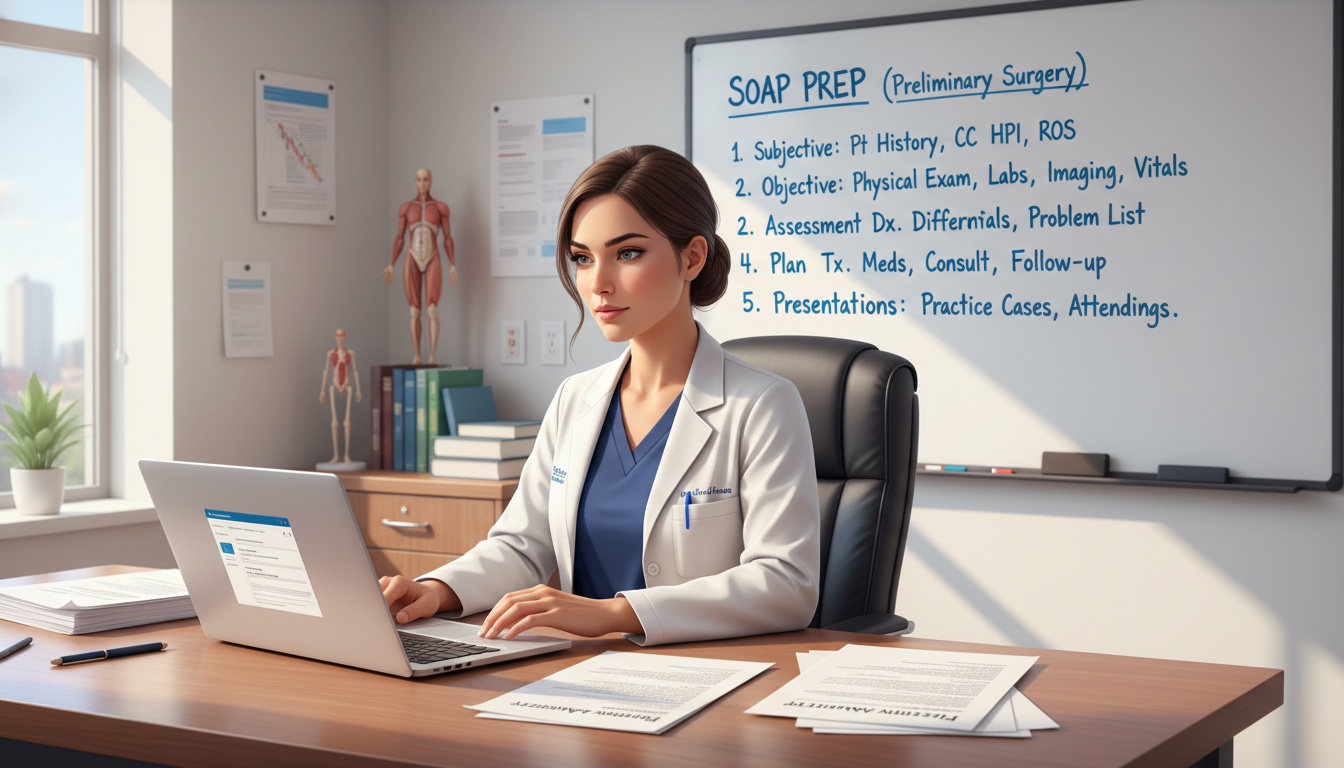
For many US citizen IMGs in pathology, the Supplemental Offer and Acceptance Program (SOAP) is not Plan A—but it must be a well-prepared Plan B. Knowing what is SOAP, how it works, and how it specifically applies to pathology residency is critical to salvaging your application cycle and potentially launching your career on time.
What Is SOAP?
SOAP is the structured, NRMP-managed process that happens during Match Week for applicants who:
- Are unmatched (no preliminary or categorical position)
- Or are partially matched (e.g., matched to an advanced spot but no prelim year; less common for pathology)
SOAP allows eligible applicants to apply to unfilled positions listed by programs in the NRMP system. It is not a free-for-all; it is a tightly controlled, time-limited process with defined application and offer rounds.
Key points:
- You cannot directly contact programs during SOAP (email, phone, social media) unless they contact you first.
- You apply to unfilled positions through ERAS, using a limited number of application “slots.”
- Offers are made in specific SOAP rounds; you can accept only one offer at a time.
- Once you accept a SOAP offer, you are bound to that program, just like in the regular Match.
SOAP vs. Regular Match for Pathology
For pathology residency:
- Historically, pathology has had a moderate number of unfilled positions each year, often in community or less well-known academic programs.
- Many unfilled spots are in AP/CP categorical positions (4-year programs), but some may be AP-only, CP-only, or special tracks.
- Competition is still real—many unmatched applicants across specialties may pivot to pathology during SOAP.
For a US citizen IMG, American studying abroad, SOAP can be a strategic opportunity:
- Your US citizenship simplifies credentialing and visa issues for programs.
- If your USMLE scores, pathology interest, and letters are strong enough, SOAP may open doors that were closed during the main pathology match.
However, this works only if you prepare early—before Match Week.
Pre-Match SOAP Preparation: Start Months Before Results
If you are a US citizen IMG targeting pathology, you should treat SOAP preparation as mandatory insurance, not pessimism. You hope not to need it, but you’ll be relieved if you do.
1. Build a SOAP-Focused Pathology Application Early
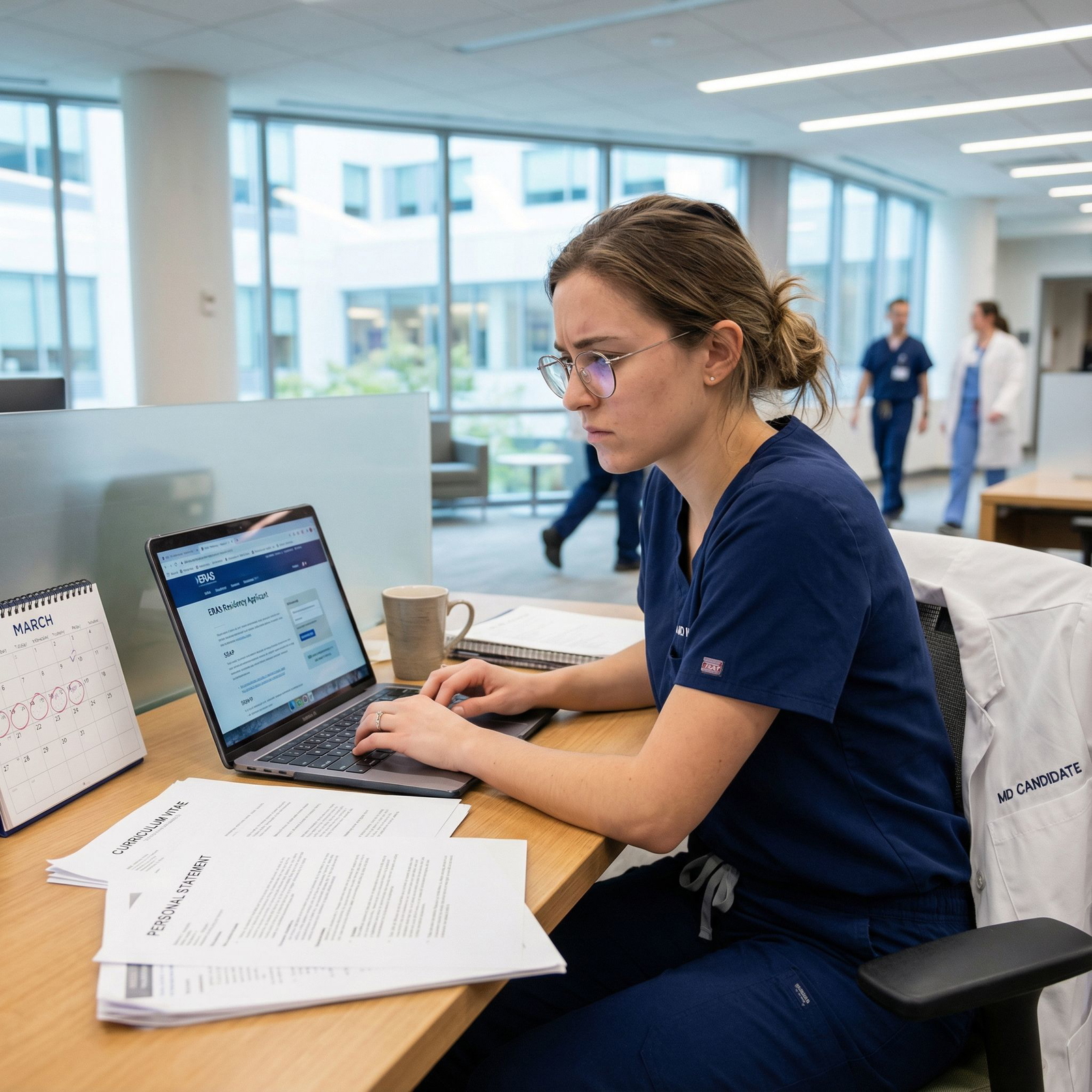
You cannot meaningfully rewrite your entire application in the 24–48 hours between realizing you are unmatched and the start of SOAP. Your SOAP preparation should happen while you are constructing your main ERAS application.
Key elements to have ready:
Pathology-Focused Personal Statement Variant
- Even if you applied mainly in pathology, create a SOAP version that:
- Highlights your commitment to pathology with clear, specific examples.
- Is slightly more flexible and generalizable, avoiding naming specific high-tier programs.
- Can be customized quickly (swapping in a paragraph) if you pivot partially to other fields (e.g., transitional year, prelim medicine—if pathology positions are limited).
- Even if you applied mainly in pathology, create a SOAP version that:
Updated CV with SOAP-Friendly Features
- Emphasize:
- Pathology electives or observerships
- Any exposure to grossing, microscopy, autopsy, or lab medicine
- Research involving histology, molecular diagnostics, or clinical labs
- Teaching or leadership that demonstrates reliability and attention to detail
- For an American studying abroad:
- Make sure your US clinical experience (USCE) in any specialty is clearly highlighted.
- Add a brief bullet under education noting your US citizenship to quietly ease visa concerns.
- Emphasize:
Letters of Recommendation Ready to Re-Upload
- Have at least two strong pathology letters if you can.
- If you only have 1–2 pathology letters, balance the rest with:
- Internal medicine or surgery letters that emphasize:
- Your analytic thinking
- Reliability
- Communication skills with interdisciplinary teams
- Internal medicine or surgery letters that emphasize:
- Ask letter writers before the season if they’re comfortable with your using their letters for SOAP as well.
Transcript, MSPE, and USMLE Documentation
- Ensure:
- Your MSPE is uploaded and accurate.
- Your USMLE transcripts (Step 1, Step 2 CK) are released and updated.
- If you’ve passed Step 3, make sure it’s included—this can reassure programs during SOAP.
- Ensure:
2. Build a SOAP Scenario Plan (A, B, and C)
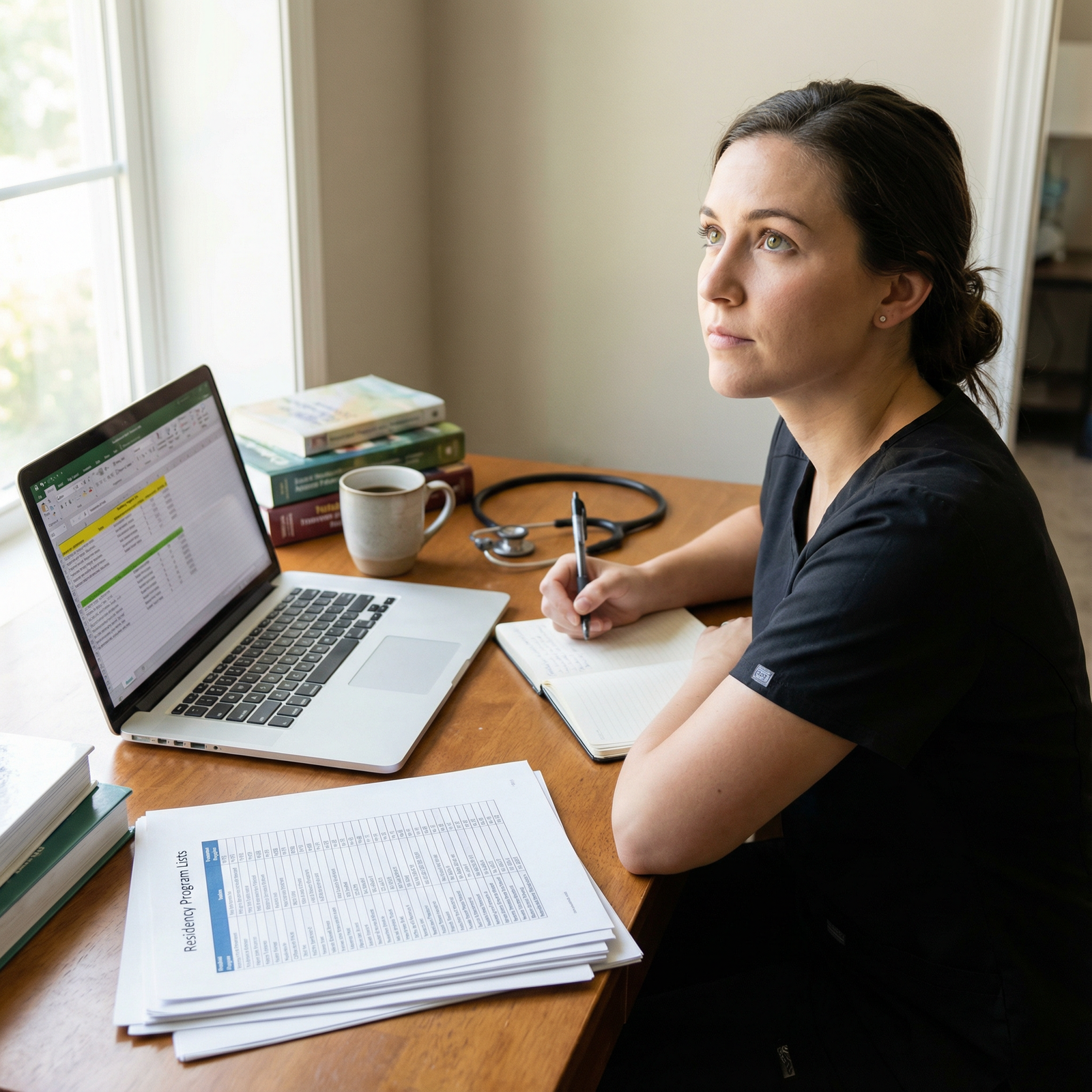
Create a written contingency plan several months before Match Week:
Plan A (Goal): Categorical Pathology Residency
- Target all unfilled AP/CP spots where your profile is competitive.
Plan B: Expand Scope
- If pathology unfilled positions are limited or highly competitive:
- Consider applying to preliminary medicine, transitional year, or prelim surgery positions as a way to:
- Gain US experience
- Reapply to pathology from a stronger platform next year
- Consider applying to preliminary medicine, transitional year, or prelim surgery positions as a way to:
- If pathology unfilled positions are limited or highly competitive:
Plan C: Strategic Gap Year
- If you obtain no offers:
- Research positions in pathology or lab medicine
- Post-sophomore fellowships (if still eligible)
- Formal observerships and clinical lab roles
- If you obtain no offers:
Having these scenarios in writing reduces panic and allows quicker, more rational decisions during SOAP.

3. Strengthen Your Pathology Profile Before SOAP
For US citizen IMGs, small improvements can shift you from “maybe” to “yes” during SOAP.
Practical steps:
Arrange pathology observerships or electives:
- Especially in US institutions.
- Ask for concrete duties—gross room exposure, sign-out observation, tumor boards.
Do small pathology-related projects:
- Case reports involving interesting pathologic findings.
- Quality improvement projects in a pathology department or clinical lab.
- Literature reviews on topics like AI in pathology, molecular diagnostics, or lab utilization.
Gather tailored talking points:
- Be prepared to answer in SOAP interviews:
- Why pathology?
- Why now?
- How have you explored the specialty meaningfully?
- Use your observerships and experiences to provide specific examples.
- Be prepared to answer in SOAP interviews:
Logistics and Timeline: What Happens During SOAP Week
Understanding the SOAP residency timeline helps you avoid surprises and missteps.
1. Match Week Structure and Eligibility
On the Monday of Match Week:
- You receive an email (and can log into NRMP) that tells you Matched / Partially Matched / Unmatched—but not where.
- To participate in SOAP:
- You must be eligible for the Main Residency Match.
- You must be unmatched or partially matched.
- You must have certified a rank order list in the NRMP Main Match.
If you are SOAP-eligible, NRMP and ERAS systems unlock additional features.
2. The SOAP Application Window
After Monday’s unmatched notification:
- There is a brief period (typically a few hours) before:
- The list of unfilled positions is released (through NRMP).
- ERAS allows you to start sending SOAP applications.
During this time:
- You should not contact programs directly.
- You should:
- Review your SOAP plan.
- Identify priority programs based on:
- Geography
- Type (academic vs. community)
- Your competitiveness (USMLE scores, attempts, YOG, pathology exposure)
- Prepare to tweak your personal statement or program-specific communications (if permitted within ERAS’s rules).
3. Application Limits and Strategy
SOAP has strict limits on the number of programs you can apply to via ERAS:
- You receive a fixed number of SOAP applications (e.g., 45 total; exact number may vary by year—verify on NRMP/ERAS).
- These must cover all specialties combined.
For a US citizen IMG focused on pathology residency:
- Start with your highest-priority pathology programs.
- Reserve some slots for:
- Additional pathology programs you might add later in the day.
- A few fallback non-pathology options (prelim IM, TY) if your Plan B includes them.
Within your application strategy:
- Avoid overloading all applications into only ultra-competitive programs.
- Include a distribution:
- Some academic programs where you are reasonably competitive.
- Several community or hybrid programs with a history of taking IMGs.
- Programs in less popular geographic areas (e.g., rural or midwestern states).
SOAP Strategy Specifically for Pathology Programs
Pathology has its own dynamics in SOAP that you should understand as a US citizen IMG.
1. Why Pathology Programs Might Still Have Unfilled Positions
Common reasons:
- Program is in a less familiar region or smaller city.
- Newer program without a big national reputation.
- Heavy service workload that may deter some applicants.
- Misalignment between applicant pool and program profile (e.g., strong pathology program at a place most applicants overlook).
As a US citizen IMG, this can be an opportunity:
- Programs may specifically appreciate:
- US citizenship (no visa sponsorship issues).
- Your demonstrated commitment to pathology despite a less linear path.
- Maturity, resilience, and cross-cultural experience from training abroad.
2. How to Prioritize Pathology Programs in SOAP
Consider:
IMG-Friendliness
- Check:
- Past residents profiles on program websites.
- Whether they list current or former IMGs, especially US citizen IMGs.
- If your school is known to them (even vaguely), this can help.
- Check:
Program Size and Structure
- Larger programs with more residents may:
- Offer more support
- Have more educational structure
- Smaller programs may:
- Provide more personalized mentorship
- Offer broader hands-on exposure
- Both can be excellent; focus on where you will learn and succeed.
- Larger programs with more residents may:
Your Pathology Background
- If you have strong pathology experience or research:
- You can aim for more academic-leaning programs.
- If you are newer to pathology:
- Emphasize your commitment and reliability; programs with strong teaching cultures may be a better fit.
- If you have strong pathology experience or research:
3. Presenting Yourself as a Strong Pathology SOAP Candidate
You need to make clear why you are an excellent bet in pathology, even though you are in SOAP.
Focus on:
Clear Commitment to Pathology
- Use your personal statement and ERAS experiences to show:
- Longstanding interest in disease mechanisms, histology, or diagnostics.
- Specific clinical cases that sparked deeper interest in pathology.
- Any time spent in the lab, tumor boards, or with pathologists.
- Use your personal statement and ERAS experiences to show:
Analytical and Detail-Oriented Strengths
- Provide examples:
- Quality improvement projects where you noticed and fixed a process issue.
- Research studies where meticulous data handling was key.
- Clinical rotations where your analytic input was valued.
- Provide examples:
Professionalism and Reliability
- Pathology programs value residents who:
- Show up on time
- Communicate clearly with surgeons, oncologists, and lab staff
- Handle specimens and data appropriately and ethically
- Pathology programs value residents who:
Communication Skills
- Emphasize teaching, presentations, or multidisciplinary work.
- As a US citizen IMG, highlight your familiarity with US culture and health system context.
Interviewing and Communication During SOAP for Pathology
SOAP interviews are compressed, often virtual, and high stakes. Programs are trying to fill positions quickly with candidates they feel comfortable trusting.
1. Format and Timing
During SOAP:
- Programs may reach out via:
- ERAS messaging
- Phone or video call
- Many interviews are:
- Short (15–30 minutes)
- Conducted by PDs, AP/CP faculty, or chief residents
You may receive multiple interview requests on short notice—organize your time aggressively.
2. Core Pathology-Specific Questions to Prepare For
Be ready with concise, thoughtful answers to:
“Why pathology?”
- Include:
- A concrete story or case that sparked your interest.
- A few enduring reasons: love for diagnostics, pattern recognition, disease mechanisms, impact on patient care.
- Include:
“Why didn’t you match in the main pathology match?”
- Be honest but constructive:
- Limited number of programs applied to
- Late switch to pathology
- Scores just below some cutoffs
- You can briefly reference being a US citizen IMG and systemic barriers—without sounding bitter.
- Emphasize what you’ve learned and improved since submitting your application.
- Be honest but constructive:
“What experiences confirm that pathology is the right fit for you?”
- Discuss:
- Electives where you attended sign-out, tumor boards.
- Observerships or research with pathologists.
- Skills you enjoyed: microscopy, interpretation, multidisciplinary collaboration.
- Discuss:
“How do you handle high-volume, repetitive work?”
- Pathology can involve:
- Many cases daily
- Repetitive tasks with high stakes
- Show:
- Mindfulness
- Systems you use to avoid error
- Ability to maintain focus.
- Pathology can involve:
“What are your long-term goals in pathology?”
- Possible honest answers:
- Community AP/CP practice
- Academic subspecialty (e.g., hematopathology, cytopathology)
- Leadership in clinical labs or hospital administration
- Show motivation to grow while remaining realistic.
- Possible honest answers:
3. Your Questions for Programs
You should ask focused, reasonable questions that show insight and interest:
- About training:
- “What is the balance of AP vs CP in the first two years?”
- “How early do residents begin taking independent call?”
- About mentorship:
- “How are residents supported in exploring subspecialty interests?”
- “Are there structured research or QI opportunities within pathology?”
- About outcomes:
- “Where have your recent graduates gone for fellowships or practice?”
Avoid asking:
- Questions easily answered on the website.
- Primarily lifestyle/benefit questions as your first or only concern.
Managing Stress, Decision-Making, and Long-Term Strategy
SOAP week is emotionally intense. As a US citizen IMG, you may feel additional pressure: you expected your passport status to smooth the way, yet you’re in SOAP. It’s essential to think clearly.
1. Emotional Regulation During SOAP
Practical steps:
Designate a small support circle:
- One or two trusted friends, family, mentors.
- Too many voices can increase confusion.
Limit comparison with peers:
- Stay off group chats or forums where panic and rumors spread.
- Focus on facts: your application, available pathology residency positions, your plan.
Use structured breaks:
- Short walks or stretching between calls.
- Hydrate and eat regular meals; cognitive function matters.
2. Evaluating and Accepting Offers
When/if you receive an offer:
- You must decide within a short window (often minutes to an hour).
- You cannot hold multiple offers; once accepted, you’re done.
Ask yourself:
Is this a viable pathology training environment?
- ACGME-accredited, with a reasonable case volume and faculty support.
Can I envision myself being professionally and personally functional here for 4 years?
- Location, cost of living, support systems.
Will this position advance my long-term goals more than waiting another year?
- For many US citizen IMGs, a SOAP pathology spot—even if not “dream program”—is still a strong launchpad.
In most cases, a solid, accredited pathology residency obtained via SOAP is far better than gambling on a future match with no guaranteed improvement.
3. If You Don’t Secure a SOAP Pathology Spot
If you emerge unmatched after SOAP:
- Take a brief but finite time to process emotionally (a week or two).
- Then pivot to active rebuilding:
Options for a US citizen IMG interested in pathology:
Research positions:
- Departments of pathology, clinical microbiology, molecular diagnostics, or cancer centers.
- Aim for a role that:
- Provides publications or presentations.
- Exposes you to pathologists who can vouch for you.
Gap-year fellowships:
- Some institutions offer:
- Post-sophomore fellowships or post-graduate pathology fellow roles.
- These are excellent for:
- Building concrete pathology skills.
- Demonstrating commitment and performance.
- Some institutions offer:
Formal observerships combined with scholarly work:
- Structured observership + case reports, retrospective reviews, or QI.
Consider a prelim/transitional year:
- If you obtained a non-pathology SOAP spot (IM, TY):
- Use it to prove yourself clinically.
- Network with the pathology department at that institution.
- Reapply from a position of stronger US-based credibility.
- If you obtained a non-pathology SOAP spot (IM, TY):

Practical SOAP Preparation Checklist for US Citizen IMGs in Pathology
Use this as a condensed action list:
3–6 Months Before Match Week
- Draft two personal statements:
- Primary pathology; SOAP-optimized pathology/general version.
- Confirm:
- USMLE transcripts are released.
- MSPE and transcripts are uploaded.
- Secure 3–4 letters of recommendation:
- At least 1–2 from pathologists (if possible).
- Others from US clinical supervisors.
- Arrange or complete:
- Pathology electives/observerships (US if possible).
- Small projects or QI in pathology/lab medicine.
- Document your US citizenship clearly in ERAS.
1–2 Months Before Match Week
- Research potential SOAP-friendly pathology programs:
- Check for IMG presence among current or past residents.
- Note geographic and program-preference tiers.
- Draft a SOAP Plan A/B/C:
- A: Categorical pathology.
- B: Include prelim/TY if needed.
- C: Gap year strategies (research, fellowships, observerships).
- Prepare interview responses for:
- “Why pathology?”
- “Why didn’t you match?”
- “What are your strengths and weaknesses?”
- Test your technology:
- Stable internet, camera, microphone.
- Quiet, neutral background.
Week Before Match Week
- Clarify your availability:
- Keep Monday–Thursday of Match Week mostly open.
- Organize documents:
- PDF copy of ERAS CV, PS, letters list.
- Quick references on your experiences and projects.
- Final review with a mentor if possible:
- Honest feedback on your story and strategy.
During SOAP Week
- As soon as you learn your status:
- Revisit your SOAP plan instead of panicking.
- When the unfilled list opens:
- Identify and rank pathology programs.
- Allocate ERAS applications strategically.
- For each contact/interview:
- Take notes (names, questions, impression).
- Send any allowable brief thank-you via the permitted channels (if and as NRMP/ERAS rules allow; some programs may not accept external emails).
- When offered a position:
- Evaluate quickly based on training quality and long-term goals.
- Accept promptly if it is a solid opportunity.
FAQs: SOAP Preparation for US Citizen IMG in Pathology
1. As a US citizen IMG (American studying abroad), do I have an advantage in SOAP for pathology?
You often have a logistical advantage:
- Programs don’t need to sponsor a visa, reducing administrative burden.
- They can be more confident you’ll start on time and stay long term.
However, this does not override the importance of:
- USMLE scores
- Clinical and pathology experiences
- Communication skills
- Professionalism and fit
You still must show clear motivation and readiness for pathology.
2. Is it realistic to get a pathology residency through SOAP?
Yes, it is realistically possible. Pathology historically has:
- A notable number of unfilled positions after the main match in some years.
- Programs that are open to US citizen IMGs who show strong commitment and potential.
Your chances improve substantially if:
- You prepared a SOAP-specific plan early.
- You have at least some meaningful pathology exposure.
- You apply broadly and strategically.
3. Should I apply only to pathology in SOAP, or include other specialties?
It depends on:
- The number and location of unfilled pathology positions.
- Your risk tolerance and long-term goals.
If there are many pathology positions where you are reasonably competitive, focusing heavily on pathology makes sense. If pathology positions are few or your profile is weaker, it may be wise to:
- Prioritize pathology,
- But allocate some SOAP applications to prelim internal medicine or transitional year programs as Plan B.
Discuss this with a trusted mentor if possible.
4. If I don’t match pathology in SOAP, is my pathology career over?
No. Many successful pathologists did not match on their first attempt. You still have several strong options:
- Research positions in pathology or related fields.
- Post-sophomore or post-graduate pathology fellowships.
- Observerships combined with scholarly work.
- Reapplying after a prelim or transitional year.
What matters most is how strategically and actively you use the time between cycles to strengthen your application and prove your dedication to pathology.