Understanding SOAP in the Context of Vascular Surgery
The Supplemental Offer and Acceptance Program (SOAP) can feel overwhelming, especially in a competitive specialty like vascular surgery. Understanding what SOAP is, how it works, and how it applies uniquely to vascular surgery residency is the foundation of effective SOAP preparation.
What Is SOAP?
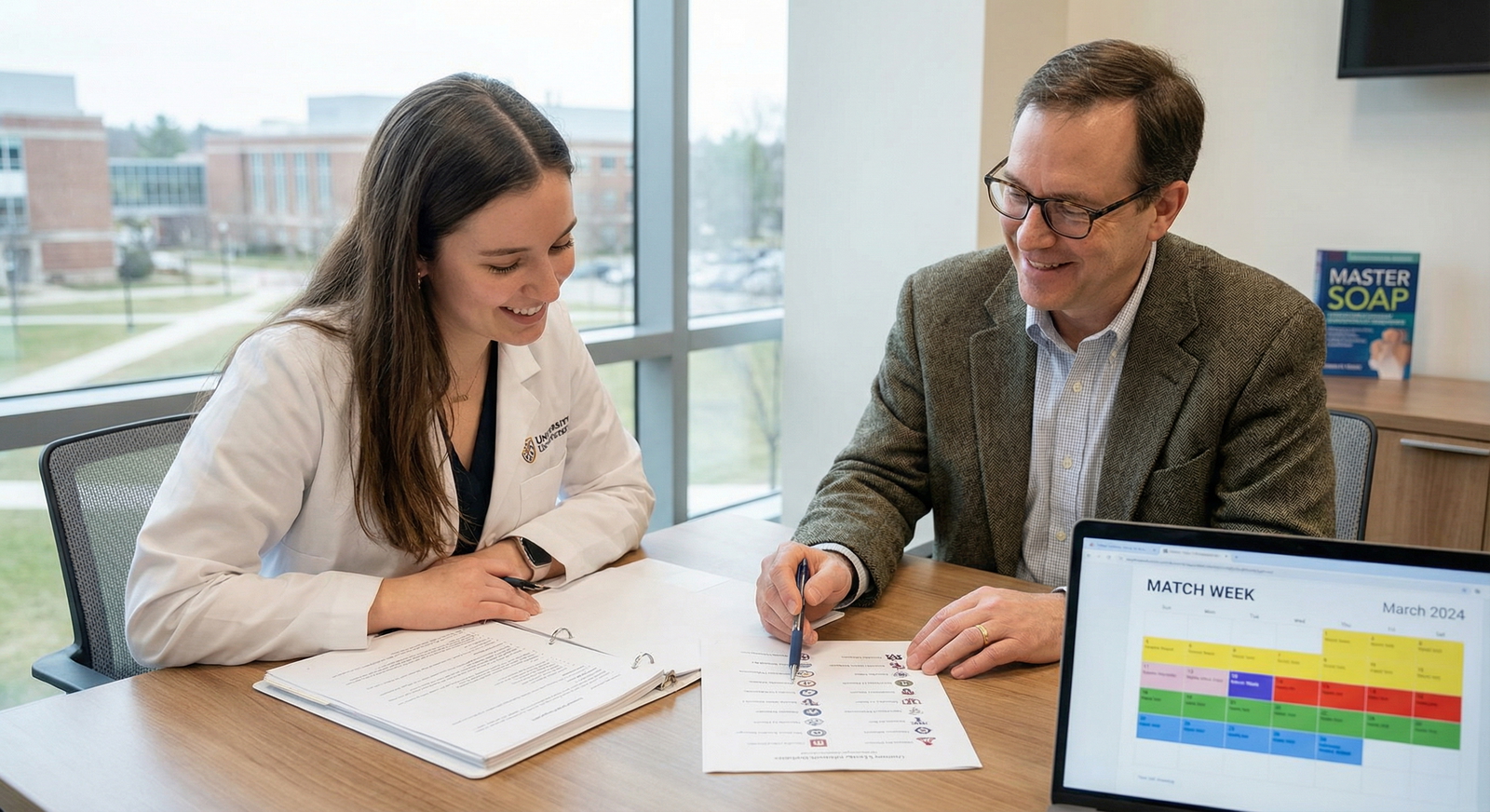
The Supplemental Offer and Acceptance Program (SOAP) is the NRMP-managed process that allows eligible unmatched (or partially matched) applicants to apply to and obtain positions that remain unfilled after the main Match. It occurs during Match Week, typically Monday–Thursday.
Key features:
Who participates:
- Unmatched applicants
- Partially matched applicants (e.g., matched prelim but not categorical, or vice versa)
- Programs with unfilled positions after rank lists are processed
How it works (high level):
- Monday noon (ET): Applicants learn if they are matched, partially matched, or unmatched. Programs learn if they have unfilled positions.
- Monday–Thursday: A series of SOAP application windows and offer rounds occur through ERAS and NRMP.
- Thursday: SOAP ends; unmatched applicants may later pursue post-SOAP opportunities outside NRMP rules.
Where applications are submitted:
You use ERAS to send applications to unfilled programs. The NRMP platform is used to receive and accept offers.
SOAP and Vascular Surgery: Why It’s Different
Vascular surgery residency is highly specialized and relatively small in numbers, especially the integrated vascular program (0+5) pathway. That has several implications:
Few unfilled positions:
Vascular surgery programs are limited in number. Many years, only a small handful of integrated vascular program spots remain unfilled—if any. This reduces the likelihood of “SOAPing into” an integrated vascular surgery residency directly.Alternative vascular pathways through SOAP: For applicants originally targeting vascular surgery, SOAP may be more about strategic rerouting than simply “finding any job”:
- Preliminary general surgery positions in strong vascular centers
- Categorical general surgery positions with strong vascular surgery divisions
- Transitional year positions at institutions where vascular surgery faculty know you
- Research positions are not formally part of SOAP, but contacts made during SOAP can open those doors later
Long-term goal mindset:
SOAP in vascular surgery is often about keeping the door open to vascular surgery, rather than an immediate categorical vascular residency. That may mean:- Matching into general surgery and applying for a vascular fellowship (5+2 pathway)
- Strengthening your application for a future re-application to integrated vascular surgery
Understanding this context is crucial. Your SOAP preparation should balance realism (few direct vascular slots) with long-term planning (how to still become a vascular surgeon).
Pre–Match Week SOAP Preparation: Laying the Groundwork
High-quality SOAP preparation starts months before Match Week. The best strategy is to prepare as if SOAP is a real possibility—even if you feel confident about your chances.
1. Honest Self-Assessment Before Rank List Deadline
Evaluate your risk of going unmatched in vascular surgery:
Competitiveness of your application:
- Step scores/COMLEX scores (or pass/fail plus narrative performance)
- Class rank, AOA/Gold Humanism
- Quality and quantity of vascular surgery letters of recommendation
- Research output in vascular or related fields
- Number of programs applied to and interviewed at
Application signals:
- Very few interviews or only lower-tier interviews
- Late invitations or cancellations
- Feedback from mentors that your profile is borderline for matching
If you appear high-risk, you should:
- Broaden your rank list (e.g., include preliminary surgery or categorical general surgery)
- Have a formal SOAP plan ready if you still prefer aiming for vascular surgery as the eventual goal
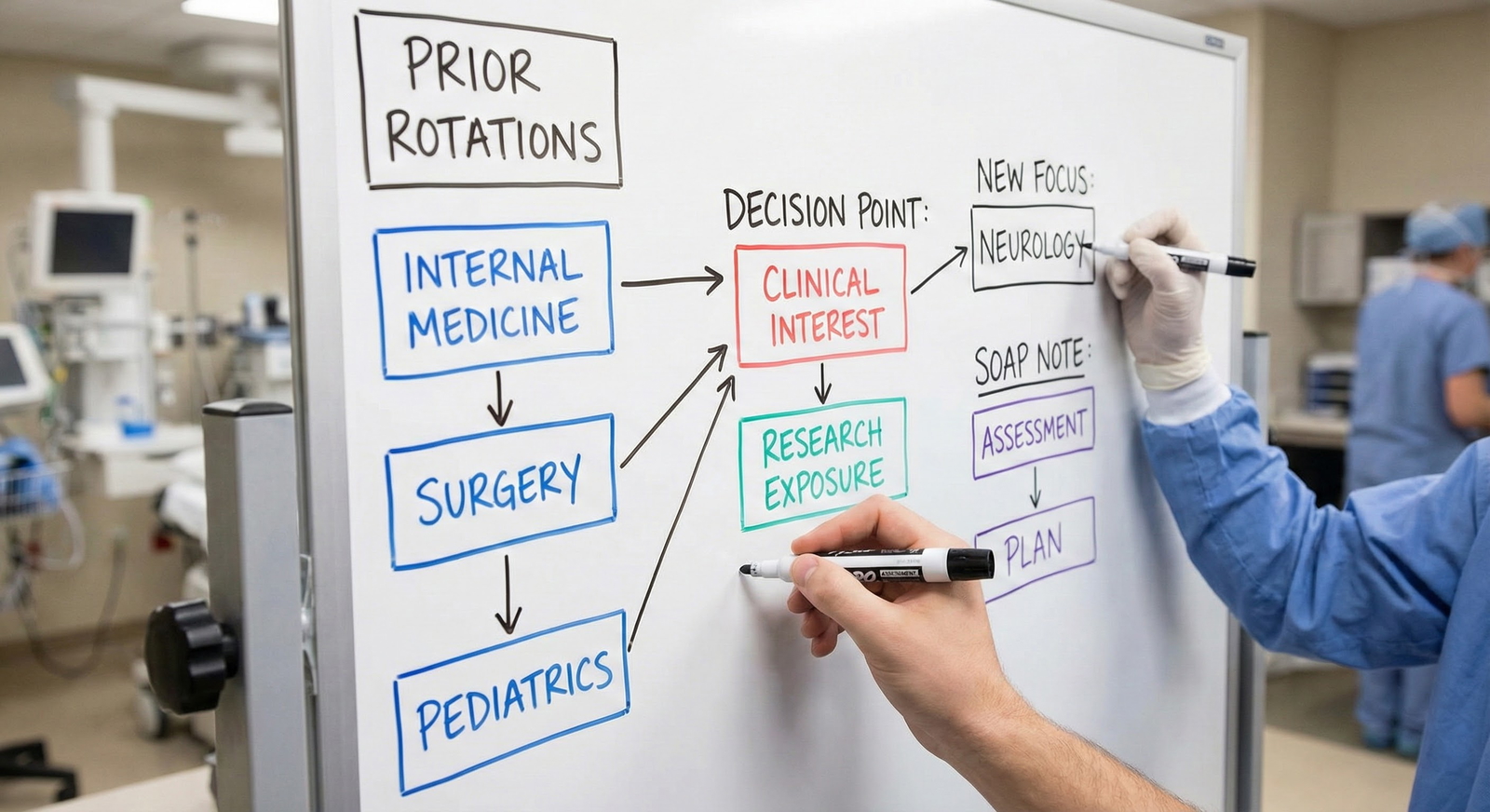
2. Develop Your SOAP “Decision Tree”
SOAP week moves quickly. A written plan prevents emotional or rushed decisions. Key questions to answer in advance:
What are my priority outcomes?
Rank the following for yourself:- Integrated vascular surgery position (0+5)
- Categorical general surgery in a vascular-strong program
- Preliminary general surgery at a high-volume vascular center
- Transitional year with vascular exposure
- Taking a research year in vascular or surgical outcomes (outside SOAP)
- Reapplying in a future cycle
What are my geographic constraints?
Decide in advance: are there any regions or cities you truly cannot move to? Be specific and realistic.What types of programs will I target during SOAP?
For a vascular-focused applicant, possible SOAP targets include:- Unfilled integrated vascular programs (if any)
- Categorical general surgery programs with:
- Dedicated vascular faculty
- High caseloads of peripheral arterial disease, aortic aneurysm, endovascular procedures
- Known track record of placing residents into vascular fellowships
- Preliminary general surgery at academic centers with vascular surgery fellowships
- Transitional year positions at strong academic centers when other surgery options are unavailable
Put this plan in writing (1–2 pages). This will be your “playbook” when stress is high.
3. Prepare SOAP-Ready Documents
During SOAP, there’s little time to rewrite materials. Prepare early and keep versions handy.
a. Multiple Personal Statement Variants
Create short, focused personal statements tailored to:
Integrated vascular surgery residency
- Emphasize commitment to vascular disease, endovascular innovation, longitudinal patient care, and outcomes research.
Categorical general surgery with future vascular fellowship
- Frame vascular surgery as your long-term goal but stress your enthusiasm for comprehensive general surgery training and team leadership.
Preliminary general surgery / transitional year
- Highlight your work ethic, technical skill development, and commitment to making the most of a one-year position, especially in programs with vascular exposure.
Each should be 1 page max, polished, and ready to upload quickly.
b. SOAP-Specific CV Updates
Ensure your ERAS application is up-to-date:
- Add any recent:
- Vascular-related research projects, abstracts, or posters
- Presentations at vascular or surgical conferences
- Quality improvement projects (e.g., DVT prophylaxis, peripheral arterial disease pathways)
- Update work/volunteer experiences with:
- Vascular clinic or OR exposure
- Ultrasound or endovascular simulation activities
c. Targeted Letter Strategy
You generally cannot add completely new letters during SOAP, but you should:
- Confirm your strongest letters are already uploaded and assigned across specialties you might apply to.
- Include at least:
- 1–2 vascular surgeon letters (if available)
- 1–2 general surgery letters
- If a mentor is willing, ask them ahead of time:
- “If I need to participate in SOAP, may I list you as someone programs can call quickly for a phone recommendation?”

Strategic SOAP Preparation for Vascular Surgery–Oriented Applicants
Once you’ve set up your documents and decision tree, the next phase is specific strategy: how to target programs, communicate your vascular interest professionally, and preserve long-term specialty goals.
1. Mapping Programs With Strong Vascular Surgery
Create a list of programs that, if unfilled, would still support your vascular trajectory:
a. Identify programs with:
- ACGME-accredited vascular surgery fellowships
- High-volume vascular services (look at program websites, case logs, research output)
- Multiple dedicated vascular surgeons on the faculty
- Vascular call or vascular-specific rotations for general surgery residents
- History of placing residents into vascular fellowships
b. How to build this list:
- Use:
- FREIDA and ACGME program search tools
- SVS (Society for Vascular Surgery) fellowship listings
- Program websites and case volume descriptions
- PubMed searches for vascular surgeons at specific institutions
Create a spreadsheet with columns for:
- Institution
- Program type (integrated vascular, categorical surgery, prelim, TY)
- Vascular fellowship presence
- Key vascular faculty names
- Notes (e.g., “Strong endovascular,” “Aortic center,” “Resident research in PAD outcomes”)
2. Realistic Expectations About Integrated Vascular SOAP Positions
A critical element of SOAP preparation is adjusting expectations:
- In many years, zero or very few integrated vascular program spots are unfilled.
- When such spots are open, they may be:
- At newer programs still building a reputation
- At institutions with specific fit or geographic considerations
Implication: Do apply to any integrated vascular program positions that appear in SOAP, but do not build your entire plan around those rare possibilities.
Your core SOAP strategy should emphasize:
- Securing a solid surgical foundation (categorical or strong preliminary position)
- Prioritizing locations where ongoing contact with vascular faculty is possible
- Ensuring you have the environment to build a competitive vascular application later
3. Crafting Your Narrative for Different SOAP Paths
You will likely have to explain why you are applying to a particular program type during SOAP, and your story must be coherent.
For integrated vascular programs (if available):
- Emphasize:
- Early and sustained commitment to vascular disease
- Longitudinal relationships with patients with PAD, aneurysmal disease, dialysis access
- Understanding of both open and endovascular techniques
- Specific experiences (e.g., “Started a PAD screening quality project in my third year”)
For categorical general surgery:
Frame your goal as:
“I’m committed to a career in academic vascular surgery and believe that a strong, broad-based general surgery residency will best prepare me for a vascular fellowship and leadership role in the field.”Highlight:
- Enjoyment of the full spectrum of surgery
- Interest in critical care, trauma, and complex abdominal pathology that overlap with vascular care
- Desire to train where vascular is strong so you can align your electives, research, and mentorship
For preliminary general surgery/transitional year:
- Focus on:
- Your resilience and commitment to surgical training even under uncertainty
- Your intent to maximize operative experience, basic skills, and professionalism in the year
- Openness to various long-term paths (vascular, general surgery, or related fields), but clear enthusiasm for vascular when appropriate
Consistency is key: your personal statement, interview responses, and any communications should tell the same story, adapted in emphasis to the specific program type.
4. Engaging Mentors in SOAP Preparation
Do not wait until Match Week to loop in mentors.
Before rank list submission:
- Tell key vascular and surgery mentors that you are preparing a SOAP plan “just in case.”
- Ask:
- “If I need to SOAP, which program types would you recommend?”
- “Could I reach out to you quickly that week for advice?”
Ask mentors how they can help during SOAP:
- Rapid feedback on your personal statement variants
- Real-time guidance in choosing between offers
- Potential phone calls or emails to programs where they have connections (within NRMP rules)
Strong mentor engagement can turn an uncertain SOAP week into a more guided, strategic process.
Executing During SOAP Week: Step-by-Step Approach
When Monday of Match Week arrives and you learn you are unmatched or partially matched, you move from preparation to execution.
1. Immediate Steps After SOAP Eligibility Is Confirmed
On Monday at noon (ET):
Process the news—but set a time limit.
Give yourself 1–2 hours to step away, talk with family/friends, and reset emotionally.Confirm your SOAP eligibility in NRMP and ERAS.
Make sure:- You are correctly flagged as SOAP-eligible
- Your ERAS application is open for modification
Meet with your dean’s office or advisor ASAP.
Many medical schools have structured SOAP support; use it.
2. Reviewing the List of Unfilled Positions
When the list of unfilled programs goes live:
Filter by specialty and program type:
- Integrated vascular surgery
- General surgery (categorical and preliminary)
- Transitional year (if needed as a backup)
Cross-reference with your pre-made spreadsheet:
- Highlight programs with strong vascular components or fellowships
- Flag geographic no-gos you pre-identified (only if absolutely necessary)
3. Targeted Application Strategy
SOAP places limits on the number of programs you may apply to. Use those slots wisely.
Suggested hierarchy for a vascular-focused applicant:
- Any available integrated vascular programs
- Categorical general surgery programs with strong vascular presence
- Preliminary general surgery spots at academic centers with vascular fellowships
- Transitional year positions only if surgery options are not realistic or available
When choosing which general surgery programs to prioritize:
- Give extra weight to:
- Presence of an SVS-recognized vascular fellowship
- Robust vascular research output
- Major aortic or limb salvage programs
- Vascular call services staffed by faculty (not only fellows)
4. Tailoring Applications Quickly but Thoughtfully
For each program type:
- Attach the matching personal statement version you prepared.
- If ERAS allows program-specific signals (depending on year and rules), use them strategically where your vascular interest and program strengths clearly align.
- Double-check that:
- Letters are correctly assigned
- USMLE/COMLEX transcripts are transmitted
- There are no glaring typos or errors
Resist the temptation to wildly change your entire application during SOAP; focus on targeted adjustments and clear alignment.

Interviewing and Decision-Making During SOAP
Many, though not all, programs will conduct brief interviews—often via phone or video—during SOAP. Your performance here can significantly influence offers.
1. Common SOAP Interview Themes for Surgical Applicants
Be prepared to address:
“Why are you interested in our program?”
- Have 2–3 specific points ready:
- Vascular faculty names or specific services
- Research or clinical focus areas (e.g., limb salvage, endovascular innovation)
- Reputation for strong operative experience
- Have 2–3 specific points ready:
“What happened in the Match?”
- Aim for a concise, non-defensive answer:
- Acknowledge the competitiveness of vascular surgery residency
- Own any application weaknesses without self-sabotage
- Emphasize what you’ve learned and how you’ve grown
Example:
“Vascular surgery is highly competitive, and despite strong clinical reviews and vascular research, I had a limited number of interviews. I likely should have applied more broadly to general surgery programs earlier. I’ve reflected on that, sought more feedback, and I’m focused now on finding a program where I can train hard, contribute meaningfully, and build toward a vascular career.”- Aim for a concise, non-defensive answer:
“If you match here, what are your long-term goals?”
- Answer clearly but flexibly:
- State your interest in vascular surgery
- Emphasize that your immediate goal is to become the best possible surgical resident and teammate
- Avoid sounding like you see their program only as a “stepping stone”
- Answer clearly but flexibly:
2. Communicating Vascular Interest Appropriately
You want to show commitment to vascular surgery without suggesting you’re uninterested in the broader training the program offers.
Stronger framing:
- “My long-term goal is to become a vascular surgeon, but I know that requires a strong foundation in general surgery and critical care. I’m excited about the breadth of cases and the chance to work closely with your vascular faculty here.”
Weaker framing to avoid:
- “I only want to do vascular; I’m not very interested in other areas of surgery.”
(This can be off-putting in categorical or prelim general surgery programs.)
3. Managing Multiple Offers and Rounds
During SOAP, offers come in structured rounds via the NRMP system. Some principles:
Know your priorities in advance.
Return to your decision tree:- Would you accept any categorical general surgery spot over any prelim spot?
- Would you accept a prelim in a top-tier vascular center over a categorical spot with weak vascular exposure?
When in doubt, call a mentor.
If you receive an unexpected offer, pause and:- Contact a trusted vascular surgeon, residency advisor, or dean
- Ask about the program’s reputation, vascular opportunities, and fellowship outcomes
Accepting an offer ends your SOAP participation.
Once you accept, you are locked in. That’s why pre-defined priorities and mentor input are critical.
Post-SOAP: Rebuilding Your Vascular Surgery Trajectory
Whether you match into a preliminary spot, categorical general surgery, or a non-surgical year, your vascular surgery dream is still attainable with deliberate planning.
1. If You Match Categorical General Surgery
You are in a solid place for a 5+2 vascular pathway:
Maximize vascular exposure:
- Seek early rotations on vascular services
- Identify vascular faculty mentors
- Volunteer for vascular cases when schedules allow
Engage in vascular research:
- Join ongoing projects on PAD, aneurysm outcomes, carotid disease, dialysis access, or endovascular technologies
- Aim for posters, presentations, and eventually manuscripts
Track case logs and skills:
- Maintain detailed records of vascular-related cases
- Develop ultrasound and endovascular fundamentals if your program offers simulation
2. If You Match Preliminary General Surgery
A prelim year can be a powerful stepping stone if used intentionally:
Be an outstanding prelim resident:
- Show reliability, work ethic, and teachability
- Become known as someone faculty enjoy working with
Signal your longer-term vascular goals:
- Share your interest early and respectfully with both general and vascular faculty
- Ask for feedback on how to strengthen your profile for categorical or vascular positions
Seek conversion or reapplication opportunities:
- Explore options to convert to categorical at your own or another institution
- Use faculty support and letters for:
- Reapplying to categorical general surgery
- Applying directly to integrated vascular (if still early in training and competitive)
3. If You Match Transitional Year or Non-Surgical Path
This is less ideal for a purely surgical trajectory but can still be leveraged:
Prioritize rotations with procedural and inpatient exposure:
- ICU, emergency medicine, interventional radiology, cardiology/cardiothoracic surgery, or vascular consults if possible
Maintain vascular connection:
- Continue or initiate vascular-related research or quality improvement projects
- Attend vascular grand rounds, M&M conferences, or journal clubs if accessible
Plan for reapplication:
- Work closely with advisors to decide between:
- Reapplying to general surgery or integrated vascular
- Pursuing a research year before reapplying
- Work closely with advisors to decide between:
4. Emotional Resilience and Professional Growth
SOAP is emotionally intense. Many excellent surgeons—including vascular surgeons—did not match their first choice the first time.
Seek support from:
- Peers
- Faculty who share their own struggles
- Counseling resources if needed
Reflect on lessons learned:
- Did you underestimate competitiveness?
- Could you diversify your application earlier next time?
- How can you grow from this experience professionally and personally?
Your path to vascular surgery may become non-linear, but with deliberate planning, mentorship, and persistence, it remains very much within reach.
FAQs About SOAP Preparation in Vascular Surgery
1. Can I realistically match directly into an integrated vascular program through SOAP?
It’s possible but uncommon. Most years, very few integrated vascular program positions are unfilled, and competition for those is intense. You should absolutely apply to any that appear if you’re a strong candidate, but your SOAP preparation should not depend solely on that route. Instead, prioritize programs that position you well for either a 5+2 vascular fellowship (via categorical general surgery) or for a future reapplication to an integrated vascular surgery residency.
2. How should I prioritize categorical general surgery versus preliminary surgery positions during SOAP?
For most applicants, a categorical general surgery position is preferable because it provides a stable path to board certification and a straightforward route to vascular fellowship. However, a preliminary general surgery position at a major academic vascular center may rival or even surpass a weaker categorical spot in vascular-specific opportunities. Your decision should weigh:
- Long-term stability (categorical)
- Strength of vascular exposure and mentorship (often higher in some academic prelim spots)
- Mentor advice on specific programs
3. What is SOAP preparation I can do while still in medical school to reduce my risk?
Effective SOAP preparation during medical school includes:
- Applying broadly to both vascular surgery residency and general surgery if your competitiveness is borderline
- Building strong relationships with vascular and general surgery mentors
- Completing vascular-related research and clerkship experiences
- Creating multiple personal statement variants and an updated CV well before Match Week
- Drafting a SOAP decision tree outlining your priority program types and geographic preferences
These steps won’t guarantee avoiding SOAP, but they will make you far more prepared if it becomes necessary.
4. If I SOAP into a non-surgical position, is a career in vascular surgery still possible?
Yes, though the path becomes longer and more complex. From a non-surgical position (e.g., transitional year, medicine prelim), you can:
- Maintain and expand vascular-related research
- Build strong evaluations and professionalism
- Reapply to general surgery or integrated vascular programs in a future cycle, often bolstered by a dedicated research year.
Success will depend heavily on mentor advocacy, sustained performance, and a clear narrative about your commitment to vascular surgery and how you’ve grown since the initial application.
Thoughtful, early SOAP preparation tailored to vascular surgery allows you to respond strategically during a stressful week, preserve your long-term goals, and ultimately build a strong path—whether directly into vascular surgery or through allied surgical routes.