Understanding the Role of Your CV in the Family Medicine Match
Your CV is the core document that tells your professional story as an MD graduate seeking a family medicine residency. It is not just a list of activities; it’s a strategic marketing tool that shapes how program directors understand your journey, your skills, and your fit for their program.
For an MD graduate residency applicant in family medicine, the CV serves three main purposes:
Snapshot of readiness
It shows at a glance whether you have:- Completed an allopathic medical school match–oriented curriculum
- Robust clinical experiences (especially primary care)
- Evidence of professionalism, reliability, and consistency
Evidence of “Family Medicine fit”
Family medicine is community-oriented, continuity-driven, and holistic. Strong CVs for the FM match highlight:- Longitudinal patient care experiences
- Community engagement and advocacy
- Interprofessional teamwork and communication
- Cultural humility and interest in underserved populations
Foundation for interviews and letters
Program directors, interviewers, and letter writers all use your CV to:- Prepare interview questions
- Justify interview offers
- Shape narratives in your letters of recommendation
Even though ERAS has dedicated sections, a polished PDF CV is still valuable:
- For emailing faculty or potential mentors
- For scholarship and leadership applications
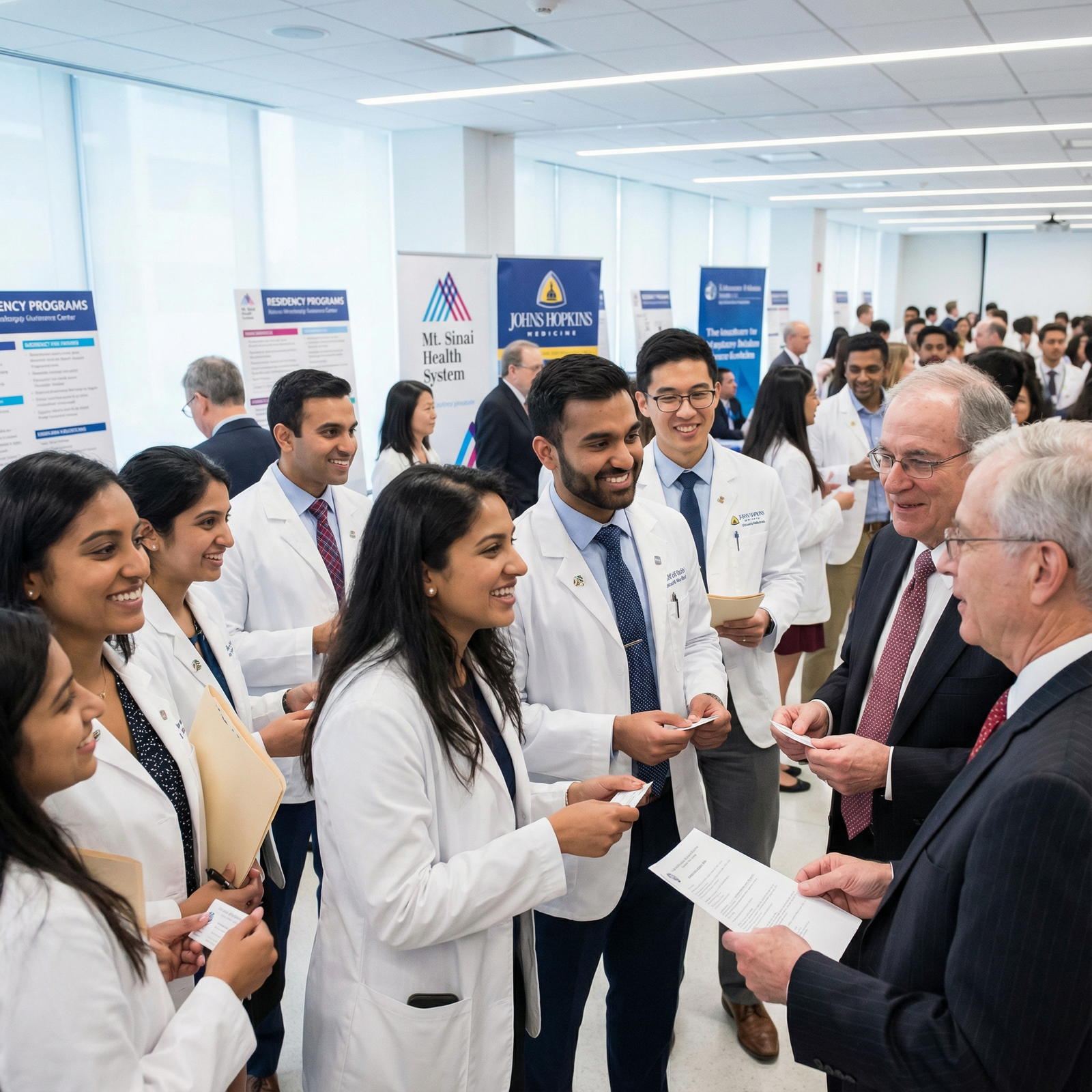
- As a leave-behind or attached document when networking at conferences
- For non-ERAS positions (prelim/transitional years, research, global health roles)
Your goal is to build a clear, concise, and targeted document that helps an FM program director say, “This person will thrive in a family medicine residency.”
Core Structure: What an Effective Family Medicine CV Should Include
The structure of a strong medical student CV for residency is relatively standard. You’re not trying to be creative with formatting—you’re trying to be crystal clear and easy to skim in under 90 seconds.
A typical, effective structure:
- Contact Information & Professional Summary (optional)
- Education
- Medical Licensure & Certifications
- Clinical Experience (Rotations, Sub-internships, Electives)
- Research & Scholarly Activity
- Teaching & Leadership
- Work Experience (Non-clinical and Pre-med, if relevant)
- Volunteer & Community Service
- Honors & Awards
- Professional Memberships
- Skills (Languages, technical, EHR, etc.)
Below is how each section should look for an MD graduate residency applicant in family medicine, with residency CV tips tailored to your specialty.
1. Header & Contact Information
What to include:
- Full name (bold, slightly larger font)
- MD degree (and other relevant degrees, e.g., MPH)
- Current mailing address (optional if applying nationwide)
- Professional email (e.g., firstname.lastname@domain.com)
- Mobile phone
- LinkedIn profile (if updated and professional)
- Optional: City/State only, if you want to avoid clutter
Do NOT include:
- Headshot (ERAS handles photos separately)
- Personal data like age, marital status, religion, or nationality (unless a specific context requires it)
- Casual email addresses
Example:
Jordan M. Patel, MD
Email: jordan.patel.md@email.com | Phone: (555) 555-1234
LinkedIn: linkedin.com/in/jordanpatelmd | Chicago, IL
A “Professional Summary” is optional for an MD graduate. If used, keep it to 2–3 lines, and make it focused on family medicine:
MD graduate with strong interest in community-based family medicine, underserved care, and chronic disease management. Brings longitudinal continuity clinic experience, Spanish language proficiency, and a track record of leadership in student-run free clinics.
2. Education
List your medical education first, then earlier degrees.
Format:
- Institution name, city, state/country
- Degree and expected/actual graduation date
- Honors (e.g., AOA, Gold Humanism)
- Thesis or concentration (if clearly relevant)
Example:
Doctor of Medicine (MD)
University of Midwestern Medicine, Chicago, IL
Expected Graduation: May 2026
- Gold Humanism Honor Society Inductee (2025)
- Longitudinal Primary Care Track
Then add your undergraduate and any graduate degrees:
Bachelor of Science in Biology, Minor in Public Health
State University, Columbus, OH
Graduated: May 2021, magna cum laude
Keep this section clean and straightforward; no need to list all preclinical courses.

Highlighting Clinical Experience for the FM Match
For the allopathic medical school match, your clinical experiences are arguably the most important part of your CV. Family medicine program directors want to see that you’ve had significant, positive exposure to primary care and are ready to manage broad-spectrum, front-line medicine.
3. Core Clinical Rotations
You don’t need to list every detail of every core rotation, but you should:
- Include all core clerkships (Family Medicine, Internal Medicine, Pediatrics, OB/GYN, Surgery, Psychiatry, etc.)
- Clearly identify Family Medicine rotations
- Emphasize FM sub-internships, acting internships, or sub-specialty FM experiences
Suggested Format:
Family Medicine Core Clerkship
University of Midwestern Medicine – Community Family Health Center, Chicago, IL
Jul 2024 – Sep 2024
- Completed 8-week rotation in urban community clinic serving diverse, underserved populations
- Managed continuity panels of adult and pediatric patients under direct supervision
- Performed focused histories and physicals, developed differential diagnoses and plans
- Led patient education on hypertension, diabetes, and smoking cessation
Brief bullet points allow you to highlight FM-relevant skills: continuity, chronic disease management, patient communication, and preventive care.
4. Sub-internships / Acting Internships (AIs)
For an MD graduate residency candidate in family medicine, sub-internships carry substantial weight. They demonstrate readiness for intern-level responsibilities.
Focus on:
- FM sub-internships (especially at your home institution or away rotations)
- Internal medicine, pediatrics, OB, or inpatient rotations that mirror FM inpatient responsibilities
Example:
Family Medicine Acting Internship
Riverside Regional Family Medicine Residency, Riverside, CA
Aug 2025 – Sep 2025
- Functioned at intern level: independently pre-rounded, presented on rounds, wrote daily notes
- Managed 6–8 inpatient family medicine patients daily with supervision
- Participated in interdisciplinary rounds with nursing, pharmacy, and case management
- Received “Outstanding Clinical Performance” evaluation
If you’ve done away rotations at FM programs where you’re applying, highlight them prominently; they often double as extended interviews.
5. Electives Relevant to Family Medicine
Electives can show breadth and alignment with FM’s scope.
Examples to emphasize:
- Geriatrics
- Palliative care
- Addiction medicine
- Sports medicine
- Adolescent medicine
- Women’s health
- Rural health
- Global health with primary care focus
Example:
Outpatient Geriatrics Elective
Veterans Affairs Medical Center, St. Louis, MO
Jan 2025 – Feb 2025
- Managed chronic disease and polypharmacy in older adults
- Performed cognitive assessments and fall-risk evaluations
- Coordinated care with social work and physical therapy
When thinking about how to build a CV for residency in family medicine, choose descriptions that repeatedly emphasize core FM themes: continuity, community, communication, prevention, teamwork, and broad-spectrum care.
Showcasing Research, Leadership, and Community Engagement
Many MD graduates worry that they don’t have “enough research” for residency. In family medicine, research is a plus, not a prerequisite—but scholarly work and quality improvement efforts can still strengthen your application.
6. Research & Scholarly Activity
Include:
- Peer-reviewed publications
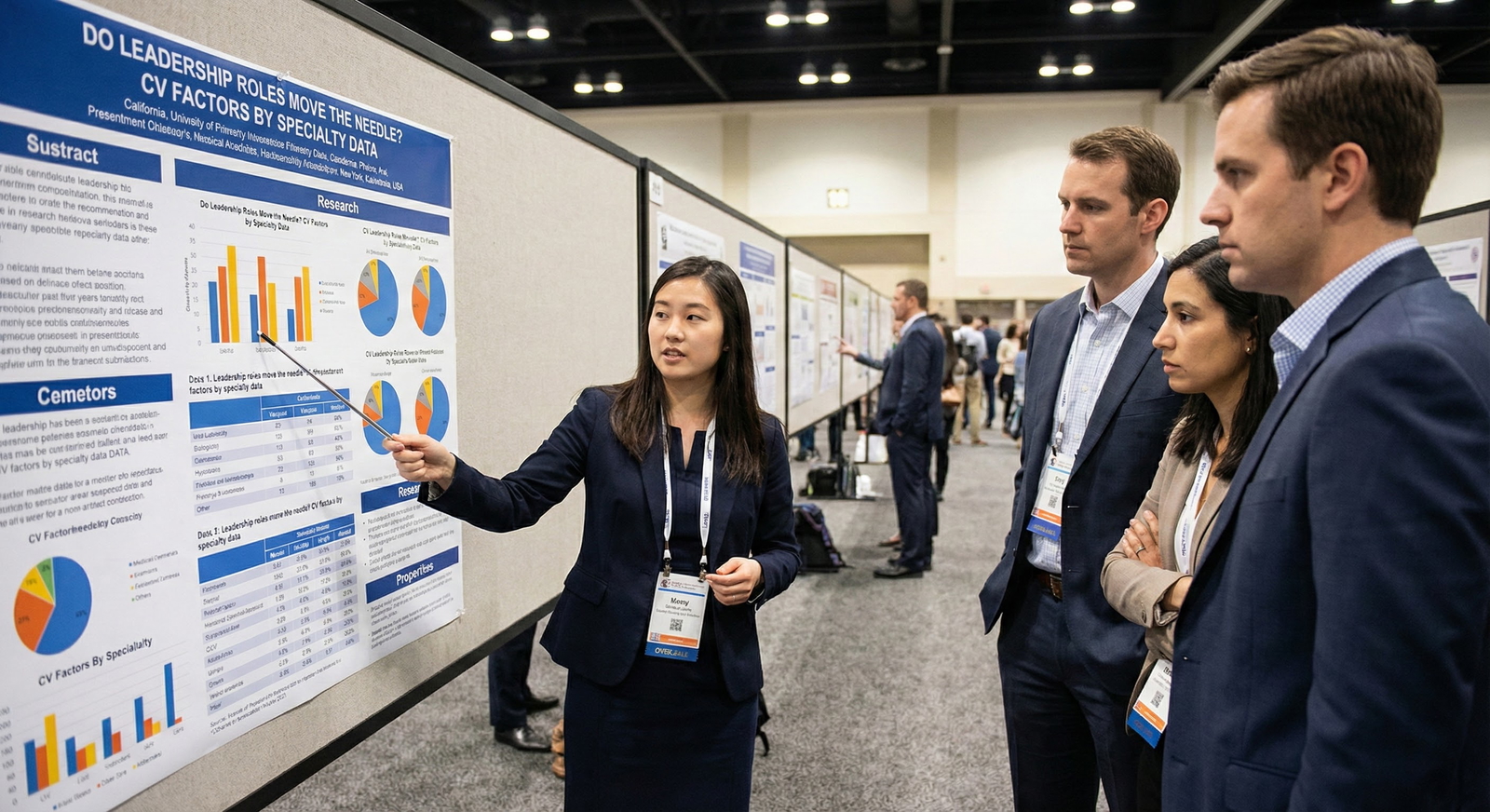
- Abstracts, posters, and oral presentations
- QI projects
- Clinical guidelines or educational materials you helped create
Formatting tips:
- Use standard citation style (e.g., AMA)
- Separate Publications, Presentations, and Projects if you have multiple items
- For works “in progress,” be honest (e.g., “manuscript in preparation”)
Example – Publication:
Publications
Patel JM, Nguyen L, Smith A. Barriers to Hypertension Control in Urban Community Clinics: A Mixed-Methods Study. J Fam Med Prim Care. 2024;11(3):145–152.
Example – QI Project:
Quality Improvement Projects
Improving Childhood Vaccination Rates in a Student-Run Free Clinic
Student-Run Free Clinic, University of Midwestern Medicine, Chicago, IL
2023 – 2024
- Led QI project implementing reminder calls and EHR alerts for pediatric vaccines
- Increased on-time vaccination rates from 72% to 86% over 9 months
- Presented results at Family Medicine State Conference (poster)
For the FM match, practice-based, community-focused projects are especially appreciated, even if they’re smaller in scale than lab-based research.
7. Teaching & Leadership
Family physicians teach constantly—patients, students, residents, and communities. Strong teaching and leadership entries on a medical student CV for residency signal that you’ll contribute actively to the educational culture of the program.
Examples of what to include:
- Peer tutoring or anatomy TA roles
- OSCE or clinical-skills teaching assistant
- Preclinical or clerkship small-group facilitator
- Leadership positions in student organizations (FMIG, SNMA, LMSA, AMWA, etc.)
- Organizing free clinics, health fairs, or community programs
Example – Teaching Entry:
Clinical Skills Teaching Assistant
University of Midwestern Medicine, Chicago, IL
Aug 2023 – May 2024
- Taught weekly small-group sessions on history-taking and physical exam skills to first-year medical students
- Provided formative feedback using standardized rubrics
- Received “Outstanding Teaching Assistant” award (top 10%)
Example – Leadership Entry:
Co-President, Family Medicine Interest Group (FMIG)
University of Midwestern Medicine, Chicago, IL
May 2023 – May 2024
- Organized monthly career panels featuring community family physicians and residents
- Coordinated health screenings at local churches and community centers
- Increased active membership by 40% through outreach and collaboration with other interest groups
Leadership roles directly related to family medicine signal authentic, sustained interest in the field.

Volunteer Work, Non-Clinical Experience, and “Human” Aspects
Many MD graduate residency applicants underestimate the value of non-clinical roles and community service, especially in family medicine, where relationship-building and community engagement are central.
8. Volunteer & Community Service
This is a core section for FM programs. They often seek applicants committed to service, primary care access, and social determinants of health.
Strong examples:
- Student-run free clinics (especially longitudinal involvement)
- Community health education (e.g., diabetes classes, smoking cessation workshops)
- Work with immigrants, refugees, homeless populations, or rural communities
- School-based health fairs and preventative screening programs
Example:
Volunteer Clinician, Student-Run Free Clinic
Hope Community Health Center, Chicago, IL
Aug 2022 – May 2025
- Provided supervised primary care to uninsured adult and pediatric patients
- Conducted blood pressure and diabetes screenings, patient education, and medication reconciliation
- Helped implement Spanish-language patient education materials
Highlight concrete roles and skills: communication, cultural humility, advocacy, team collaboration.
9. Work Experience (Non-Medical and Pre-Medical)
Non-medical jobs can be quite valuable when building a CV for residency, particularly in FM, if they demonstrate maturity, work ethic, or relevant skills (customer service, teaching, leadership).
Include:
- Prior careers (e.g., teacher, social worker, EMT, nurse, medical assistant)
- Significant pre-medical roles
- Relevant part-time jobs (particularly if they required significant responsibility)
Example:
High School Science Teacher
Eastside Public High School, Detroit, MI
Aug 2018 – Jun 2020
- Taught biology and chemistry to 10th–12th grade students
- Developed culturally responsive curriculum for a diverse student body
- Mentored students interested in health careers
For each job, tie back skills that matter in FM: communication, empathy, teaching, time management, teamwork.
10. Honors, Awards, and Scholarships
This section can be short but impactful. Include:
- Honor societies (AOA, Gold Humanism)
- Clerkship awards
- Leadership awards
- Scholarships based on academic or service excellence
Example:
Honors & Awards
- Gold Humanism Honor Society, Inducted 2025
- Excellence in Family Medicine Clerkship Award, 2024
- Community Service Scholarship, 2023–2024
Family medicine values humanism and service; awards reflecting these are particularly meaningful.
11. Professional Memberships
This is usually brief but helps show early professional engagement.
Examples:
- American Academy of Family Physicians (AAFP)
- State or local family medicine societies
- AMA, ACP, specialty interest groups
Example:
Professional Memberships
- American Academy of Family Physicians (AAFP), Student Member, 2023–present
- Illinois Academy of Family Physicians, 2024–present
12. Skills: Languages, EHR, and More
Skills matter more than you might think—especially for FM programs that serve diverse communities.
Include:
- Languages: Be honest about proficiency levels (fluent, conversational, basic medical)
- EHR systems: Epic, Cerner, Meditech, etc.
- Technical skills: Data analysis, quality-improvement tools, statistics software
- Other: Motivational interviewing training, trauma-informed care workshops, etc.
Examples:
Languages
- Spanish – conversational; able to conduct basic medical interviews with supervision
- Hindi – fluent, native speaker
Technical Skills
- Electronic Health Records: Epic, Cerner
- QI Tools: Plan-Do-Study-Act (PDSA) cycles, basic data visualization in Excel
Formatting, Strategy, and Common Pitfalls for MD Graduates
How you present your CV matters almost as much as what you include. These residency CV tips will help ensure your hard work is actually readable and compelling for busy program directors.
13. Formatting Essentials
- Length: For an MD graduate residency applicant, 2–4 pages is typical; depth is fine as long as every entry adds value.
- Font: Clean, professional (e.g., Calibri, Arial, Times New Roman, 10–12 pt)
- Margins: Standard 1-inch margins; avoid cramped text
- Consistency: Be consistent with date formats, punctuation, and bullet styles
- File name: “Lastname_Firstname_MD_CV.pdf” (simple and professional)
Stick to reverse chronological order (most recent first) in each section.
14. Tailoring Your CV to Family Medicine
While you don’t need multiple versions of your CV for different FM programs, you should:
- Emphasize experiences where you:
- Worked in primary care or outpatient settings
- Managed or educated patients with chronic disease
- Participated in community or population health projects
- Worked with underserved or diverse populations
- Use FM-relevant language: continuity, primary care, preventive care, patient-centered, community, interprofessional team, whole-person care.
If you’re also applying to non-FM specialties (e.g., IM or prelim years), consider a slightly different CV emphasis for those applications.
15. Common Mistakes to Avoid
Overcrowding with minor activities
If an item was a single afternoon and not particularly formative, consider leaving it out. Focus on sustained, meaningful roles.Vague descriptions
Bullets like “Participated in patient care” are too generic. Instead:- “Conducted focused histories and physicals on 6–8 patients per clinic session”
- “Led patient education sessions on diabetes self-management”
Typos and inconsistent formatting
These undermine your professionalism and attention to detail—qualities every residency expects.Exaggeration or misrepresentation
Everything on your CV is fair game for interview questions. Program directors and attendings will quickly recognize inflated claims.Leaving unexplained gaps
If you took a leave of absence, had a research year, or changed careers, it’s better to reflect the timeline accurately; explanation can go in your personal statement or interviews.
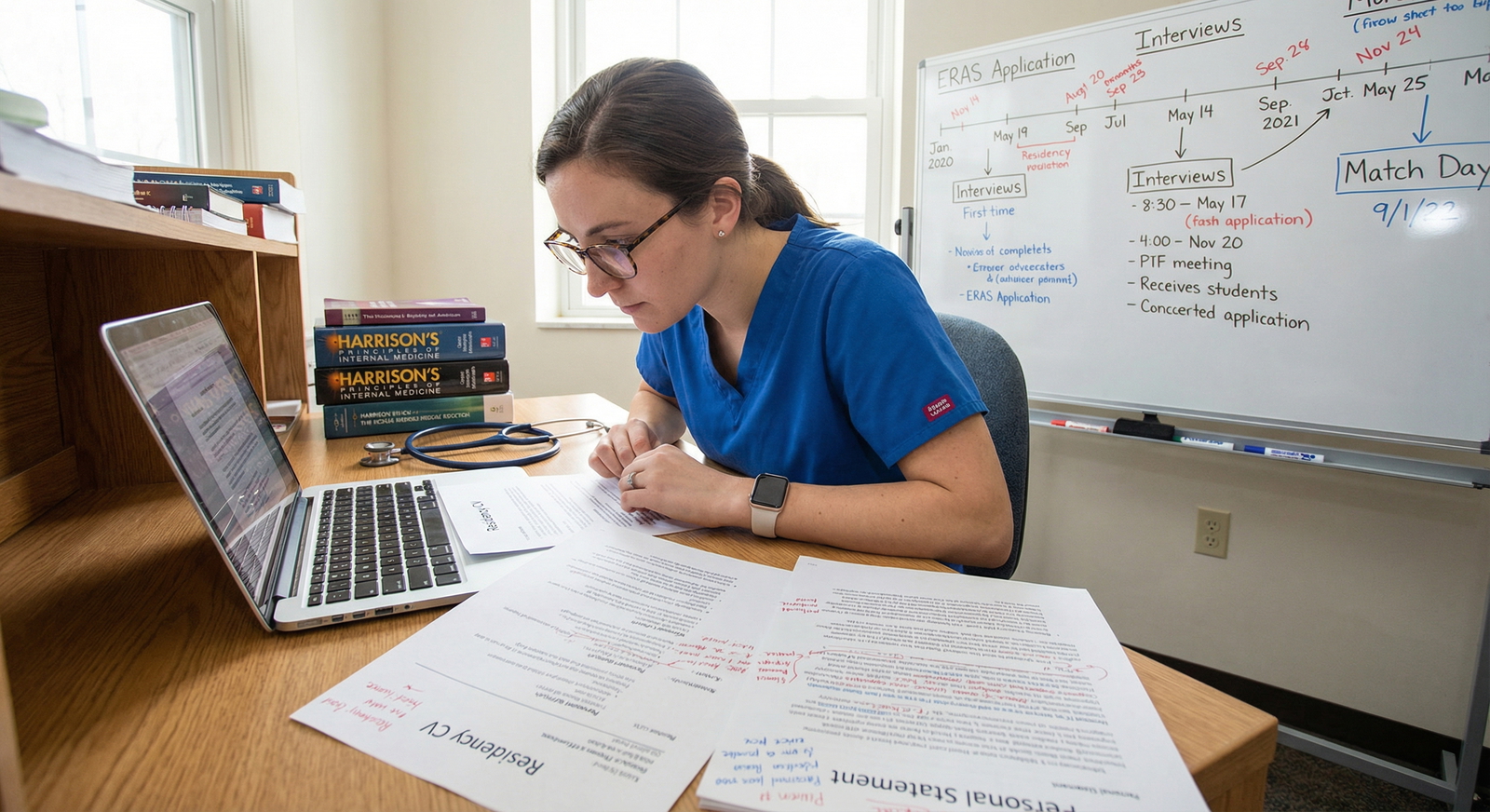
16. Aligning CV and ERAS Application
Remember that your CV and your ERAS entries must tell the same story:
- Use consistent titles, dates, and descriptions across both.
- You can condense or expand details in ERAS, but keep the core facts aligned.
- Use your CV as the blueprint when filling out ERAS, then refine each section specifically for the ERAS format.
Final Steps: Review, Feedback, and Continuous Updates
A strong CV is rarely built in one sitting. Treat it as a living document that grows with you.
Steps to finalize:
Self-edit rigorously
- Remove redundancies
- Check every entry for clarity, specificity, and FM relevance
- Ensure all verbs are in appropriate tense (past for completed roles, present for ongoing)
Seek feedback from multiple perspectives
- A family medicine faculty member or program director (for FM fit and content)
- A mentor or advisor knowledgeable about the allopathic medical school match (for structure and competitiveness)
- A peer with strong writing skills (for clarity and grammar)
Revisit regularly
- Update after each major rotation, new position, or publication
- Keep a running document of experiences so details are not forgotten later
Align with your personal statement
- Your CV provides the evidence; your personal statement explains the “why” behind your choices.
- Together, they should present a coherent, authentic narrative of why family medicine and why you’re ready now.
If you approach your CV as a strategic, honest, and well-organized reflection of your journey, you will significantly strengthen your position in the FM match.
FAQ: CV Building for MD Graduate in Family Medicine
1. How long should my CV be as an MD graduate applying to family medicine residency?
Most MD graduate residency CVs for family medicine are 2–4 pages. There’s no strict page limit; the key is that every entry is meaningful, clear, and relevant. Do not pad your CV, but don’t omit substantial experiences to force it onto one page.
2. Do I need a lot of research to match into family medicine?
No. While research can help, especially if it’s primary care or community-focused, FM programs do not typically require heavy research backgrounds. Strong clinical performance, commitment to primary care, community service, and professionalism carry more weight. Include any scholarly work you have, but don’t worry if your research section is short.
3. How can I make my CV stand out for the FM match if my grades or scores are average?
You can stand out through:
- Strong, well-described family medicine and primary care experiences
- Longitudinal involvement in community or underserved clinics
- Leadership roles in FMIG or service organizations
- Evidence of cultural humility and language skills
- Clear alignment with FM values: continuity, community, prevention, teamwork
Your CV should highlight these strengths with specific, action-oriented bullet points.
4. Should I list non-medical jobs from before medical school on my residency CV?
Yes, if they demonstrate significant responsibility, leadership, or skills relevant to family medicine (teaching, communication, customer service, community work). Briefly describe these roles and connect them to transferable skills (e.g., teamwork, conflict resolution, time management). Very minor, short-term jobs can be omitted unless they are uniquely relevant.
By intentionally structuring and refining your CV with a family medicine lens, you’ll present yourself as a well-prepared, mission-aligned candidate for the allopathic medical school match into family medicine residency.